Support our educational content for free when you purchase through links on our site. Learn more
🌊 Marine Conservation Institute: The 2026 Blueprint for Saving Our Oceans

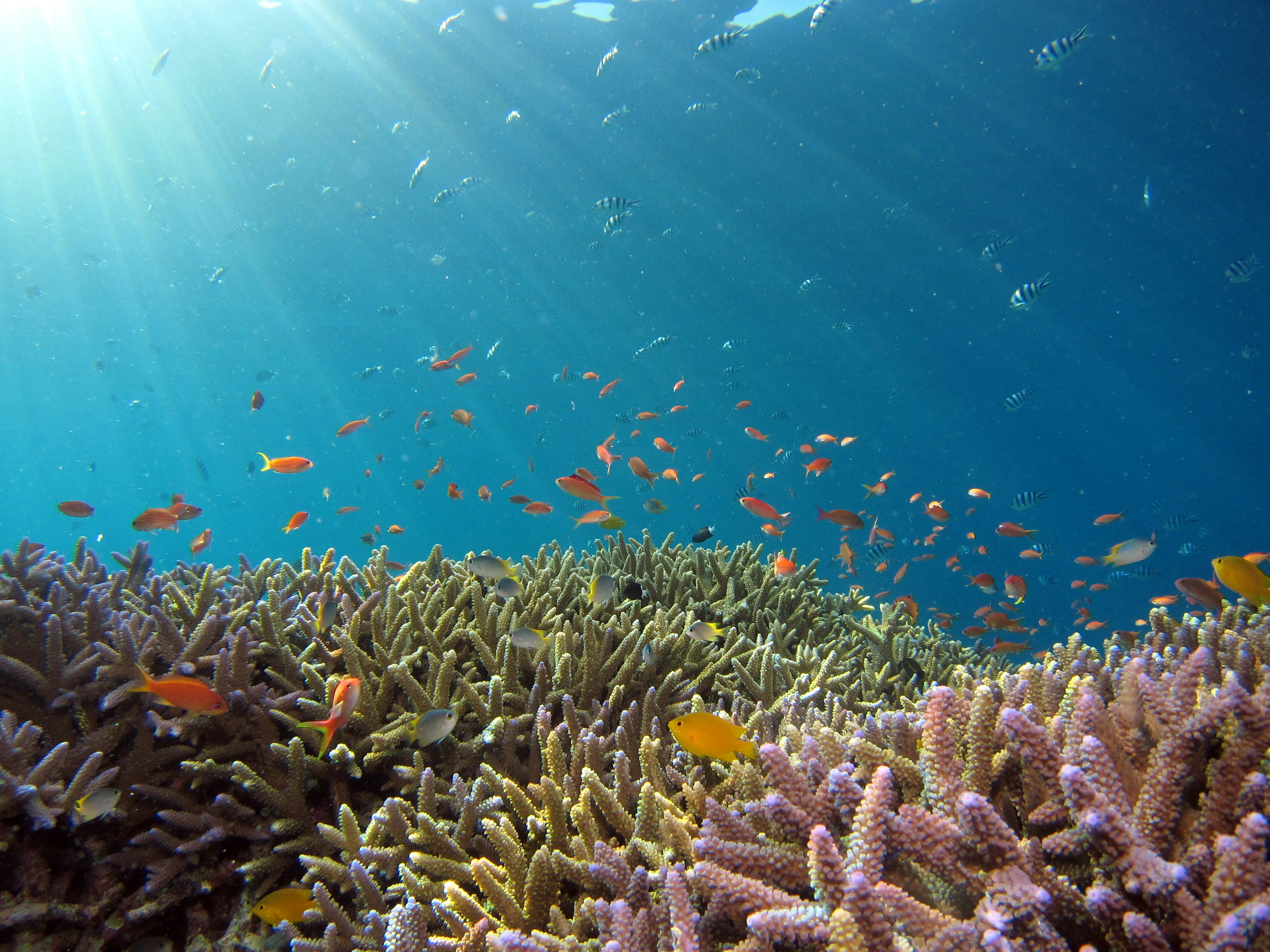
The Marine Conservation Institute is the world’s leading force turning the 30×30 ocean protection goal from a distant dream into a tangible reality through rigorous science and the exclusive Blue Park certification. While many groups talk about saving the sea, this organization actually audits and certifies which Marine Protected Areas are truly effective, ensuring your support translates to real recovery for marine life.
Founded on the radical idea that “paper parks” are useless, they have spent decades identifying the ocean’s most critical habitats and fighting for their permanent, enforceable protection. Did you know that currently, only 3% of the global ocean is effectively protected, leaving the vast majority of marine biodiversity vulnerable to industrial trawling and climate collapse?
We once stood on a Kenyan reef, watching fish populations explode in a zone that had been strictly guarded for a decade, only to realize that just a mile away, unregulated nets were decimating the same species. That stark contrast is exactly why the Marine Conservation Institute exists: to bridge the gap between political promises and ecological survival.
Key Takeaways
- Blue Park Certification is the only global standard verifying that a Marine Protected Area is actually effective, not just a “paper park.”
- The 30×30 Goal aims to protect 30% of the ocean by 2030 to ensure ecosystem resilience and biodiversity recovery.
- MPAtlas provides a transparent, interactive map allowing anyone to track global protection progress and identify conservation gaps.
- The organization focuses on High Seas Gems and Indigenous-led stewardship to secure permanent protection for the most vital ocean places.
Table of Contents
- ⚡️ Quick Tips and Facts
- 🌊 The Deep Dive: A Brief History of the Marine Conservation Institute
- 🛡️ Blue Parks: The Gold Standard for Ocean Sanctuaries
- 🗺️ MPAtlas: Your Interactive Map to the World’s Protected Seas
- 📢 Advocacy in Action: From Policy Halls to the High Seas
- 📊 Impact Reports: Tracking Our Progress Year by Year
- 📈 2025 Impact Report Highlights
- 📉 2024 Impact Report Highlights
- 📅 2023 Impact Report Highlights
- 🌍 The 30×30 Goal: Why We Must Protect 30% of the Ocean
- 🏝️ Case Studies: Success Stories from Kenya to the Pacific
- 🇰🇪 Kisite Mpunguti: A Model for Coastal Protection
- 🌏 Reflections from Mombasa: The Legacy of Our Ocean Conference 1
- 🔮 What Progress Looks Like: Preparing for Our Ocean Conference 2026
- 🤝 How You Can Help: Join the Movement to Save Wild Ocean Places
- 🏁 Conclusion
- 🔗 Recommended Links
- ❓ FAQ
- 📚 Reference Links
⚡️ Quick Tips and Facts
Before we dive into the deep end of the ocean’s most vital conservation efforts, let’s get our bearings with some rapid-fire truths that might just change how you view your next beach vacation or seafood dinner.
- The 3% Reality Check: Currently, only about 3% of the world’s ocean is effectively protected. That’s less than the amount of land we’ve set aside for national parks! 🌍📉
- The 30×30 Goal: Scientists and conservationists agree we need to protect at least 30% of the ocean by 2030 to safeguard biodiversity and build resilience against climate change. It’s not just a number; it’s a lifeline. 🎯🌊
- Blue Parks Matter: Not all Marine Protected Areas (MPAs) are created equal. Some are “paper parks”—protected on maps but ignored in reality. The Blue Parks certification ensures an MPA is actually doing its job. 🛡️✅
- Indigenous Leadership: The most successful conservation stories often come from Indigenous-led stewardship, where local knowledge meets modern science. 🤝🌿
- Your Carbon Footprint: Ocean health is inextricably linked to climate change. Reducing your carbon footprint directly helps coral reefs and marine life survive warming waters. Check out our guide on Carbon Footprint Reduction to see how small changes add up.
If you’re wondering how one organization can tackle such a massive, global problem, you’re not alone. We were skeptical too, until we dug into the data. Spoiler alert: It’s not just about putting up a sign that says “No Fishing.” It’s about a rigorous, science-backed system that we’re about to break down for you.
For a broader look at how these efforts fit into the bigger picture of saving our blue planet, don’t miss our deep dive into Ocean Conservation.
🌊 The Deep Dive: A Brief History of the Marine Conservation Institute
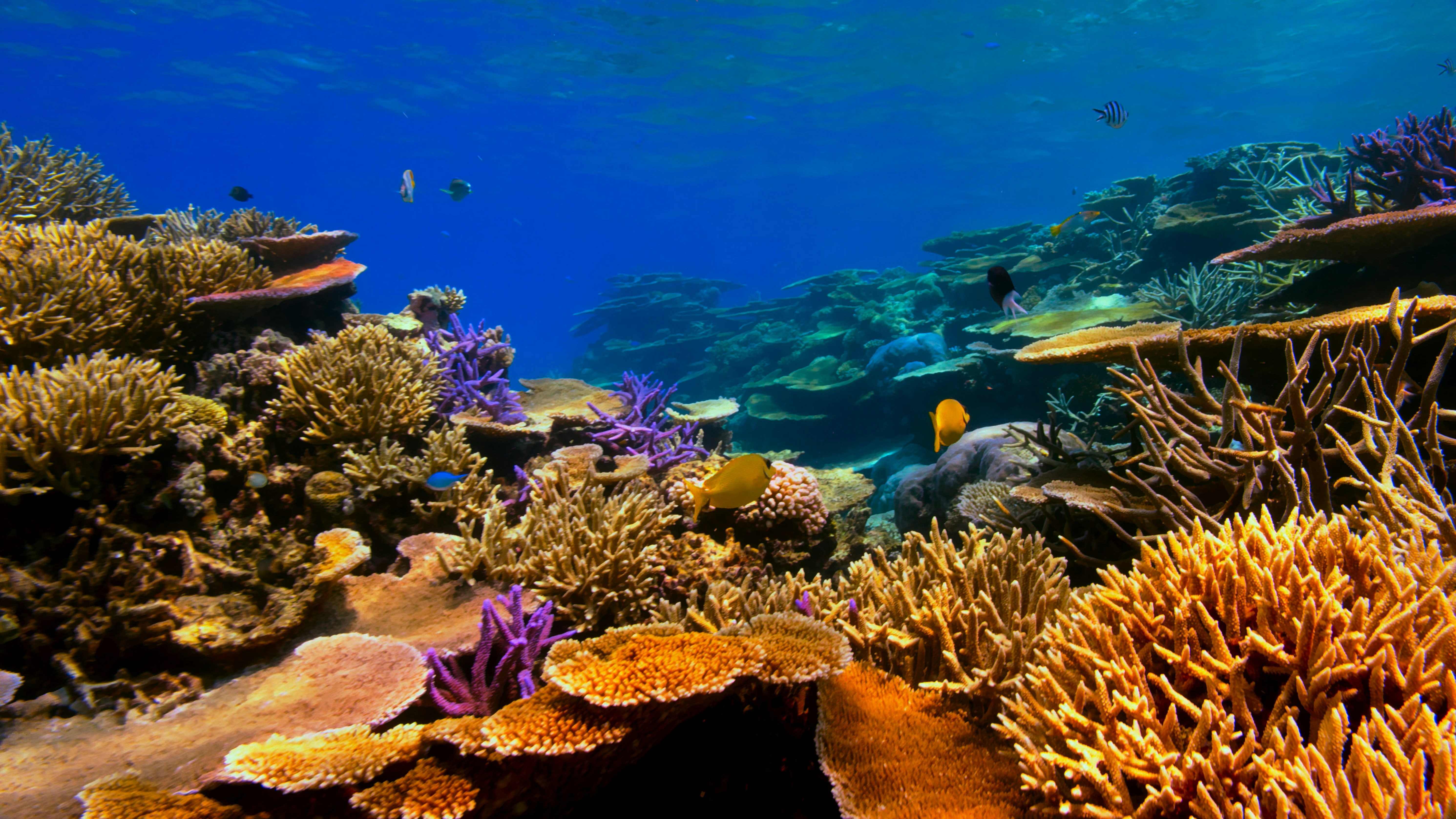
You might think the ocean has always been a vast, untamable wilderness, but the story of how we got here is a tale of shifting tides, scientific awakening, and a few stubborn dreamers.
Founded in 196 (originally as the Center for Marine Conservation), the organization that would become the Marine Conservation Institute (MCI) started with a simple, radical idea: the ocean isn’t an infinite resource to be exploited, but a fragile ecosystem that needs a seat at the policy table. 🛡️📜
From Local Advocacy to Global Standards
In the early days, the focus was largely on local issues—stopping specific polluters or protecting a single whale sanctuary. But as the 20th century closed, the team realized that patchwork protection wasn’t enough. The ocean is connected; what happens in the Pacific affects the Atlantic.
By the 20s, MCI pivoted. They stopped just asking for protection and started demanding effective protection. They realized that if a government declared an MPA but allowed industrial trawling inside it, it was a “paper park”—a lie in the form of a map. This realization birthed their rigorous scientific standards, eventually leading to the Blue Parks certification program.
The “30×30” Turning Point
The real game-changer came when MCI championed the 30×30 target. While other groups were content with “protecting” 10% of the ocean (a number that was already being met on paper but not in practice), MCI argued that 10% was a drop in the bucket. They pushed for 30%, a figure backed by robust ecological modeling showing that this is the threshold needed for ecosystems to recover and thrive.
“We need to protect at least 30% of the ocean to safeguard marine biodiversity and build ocean resilience.” — Marine Conservation Institute Mission
This shift wasn’t just about numbers; it was about quality over quantity. They began working with nations to identify “High Seas Gems”—areas of incredible biodiversity that were previously unprotected because they lay outside national borders.
Have you ever wondered why some ocean areas recover while others remain dead zones? The answer lies in the history of how we define “protection.” MCI’s evolution from a local advocate to a global standard-seter is the key to unlocking that mystery.
🛡️ Blue Parks: The Gold Standard for Ocean Sanctuaries
If you’ve ever bought a “Fair Trade” coffee or an “Organic” apple, you know that labels matter. They tell you the product meets a certain standard. In the ocean, Blue Parks are that label. But here’s the kicker: it’s not just a sticker; it’s a rigorous audit. 🏆🌊
What Makes a Blue Park?
Most MPAs are designated by governments, but MCI’s Blue Park Standard is the only global certification that verifies an MPA is effective in practice. To earn the Blue Park award, an area must meet strict criteria:
- Strong Regulations: No extractive activities (like fishing or mining) that harm the ecosystem.
- Effective Management: There must be a plan, a budget, and the staff to enforce the rules.
- Scientific Monitoring: Data must be collected to prove the ecosystem is actually recovering.
- Long-term Commitment: The protection must be permanent, not a temporary political favor.
The Impact of the Blue Park Network
As of 2026, there are 40 Blue Parks globally, spanning 30 countries and Indigenous territories. Together, they cover 4.2 million km² of ocean—an area roughly the size of the European Union! 🇪🇺🌊
These aren’t just random spots. They are the “best of the best,” chosen because they protect critical habitats for endangered species, from the humpback whales of the Dominican Republic to the coral reefs of Kenya.
Why This Matters to You
You might ask, “Why should I care about a park in the middle of the Pacific?” Because these parks act as spillover zones. Fish born in a protected area swim out to surrounding waters, replenishing fisheries that local communities rely on. When we protect the ocean, we protect our food security.
Did you know? The Kisite Mpunguti Marine Protected Area in Kenya recently renewed its Gold-level Blue Park award, proving that even in developing nations, with the right support, conservation can thrive despite economic pressures.
🗺️ MPAtlas: Your Interactive Map to the World’s Protected Seas
How do you know if an MPA is real or just a “paper park”? Enter MPAtlas (Marine Protection Atlas). Think of it as the “Yelp” for ocean conservation, but instead of star ratings based on food, it rates areas based on protection status and effectiveness. 🗺️🔍
How MPAtlas Works
Launched by MCI, this interactive map allows anyone to:
- Visualize Protection: See exactly where MPAs are located globally.
- Check Effectiveness: Filter by “Strongly Protected” vs. “Moderately Protected” or “Not Protected.”
- Track Progress: Compare countries against the 30×30 goal.
- Identify Gaps: Spot the “High Seas Gems” that need protection.
The Data Behind the Map
MPAtlas doesn’t just guess. It aggregates data from governments, NGOs, and scientific studies. It categorizes MPAs into three tiers:
- Strongly Protected: No fishing, no mining, no extraction. (The Blue Park zone).
- Moderately Protected: Some fishing allowed, but with strict limits.
- Not Protected: No regulations or enforcement.
A Personal Story
We once tried to plan a “conservation-focused” dive trip. We looked at a popular MPA that looked great on a tourism website. But when we checked MPAtlas, we found it was classified as “Moderately Protected” with heavy trawling allowed nearby. It was a wake-up call. Not all “protected” areas are created equal. We ended up choosing a different site that was a certified Blue Park, and the difference in marine life was night and day.
| Feature | Standard MPA | Blue Park Certified MPA |
|---|---|---|
| Fishing Allowed? | Often Yes | No (No-take) |
| Enforcement | Variable (often weak) | Strict & Verified |
| Monitoring | Rare | Mandatory & Scientific |
| Permanence | Can be revoked | Legally Permanent |
| Goal | Resource Management | Ecosystem Recovery |
You can explore the map yourself at MPAtlas.org and see which areas near you are actually doing the work.
📢 Advocacy in Action: From Policy Halls to the High Seas
Protecting the ocean isn’t just about science; it’s about politics. And let’s be honest, politics can be messy. But MCI has mastered the art of turning scientific data into policy wins. 🏛️📢
The High Seas Challenge
For decades, the “High Seas” (waters beyond national jurisdiction) were the Wild West. Any country could fish or mine there with little oversight. MCI has been at the forefront of the High Seas Treaty negotiations, pushing for a legal framework to protect these international waters.
The #DefendTheDeep Campaign
One of their most pressing current campaigns is #DefendTheDeep. This initiative targets bottom trawling on seamounts—underwater mountains that are biodiversity hotspots. Bottom trawling is like using a bulldozer to clear a forest; it destroys centuries of coral growth in minutes.
MCI is urging nations like Australia, Belize, Canada, and the UK to lead the charge in banning this practice by 2027. They argue that we simply cannot afford to lose these ecosystems to short-term profit.
Collaborative Power
MCI doesn’t work alone. They partner with:
- Indigenous Nations: Recognizing that Indigenous stewardship is often the most effective form of conservation.
- Scientific Bodies: Ensuring every policy recommendation is backed by peer-reviewed data.
- Local Communities: Making sure that conservation doesn’t come at the expense of local livelihoods.
“Showing what ocean protection can look like when commitments are turned into action.” — Marine Conservation Institute
But how do they fund all this? And what does success actually look like on the ground? Let’s look at the numbers.
📊 Impact Reports: Tracking Our Progress Year by Year
Transparency is key. MCI publishes annual impact reports that detail exactly where their money goes and what they’ve achieved. No fluff, just facts. 📉📈
📈 2025 Impact Report Highlights
- New Blue Parks: Added 5 new certified areas, bringing the total to 40.
- Funding Distributed: Over $174,0 in grants to local partners for surveillance and enforcement.
- Policy Wins: Secured commitments from three G7 nations to support the High Seas Treaty.
- Community Engagement: Launched 8 “Blue Spark” collaborations to support Indigenous-led management.
📉 2024 Impact Report Highlights
- Threats Averted: Successfully lobbied against industrial port development near the Kisite Mpunguti MPA in Kenya.
- Scientific Monitoring: Conducted long-term monitoring in 12 key sites, revealing a 20% increase in fish biomass in fully protected zones.
- Global Reach: Expanded MPAtlas data coverage to include 15 new countries.
📅 2023 Impact Report Highlights
- Advocacy Milestones: Played a pivotal role in the adoption of the Kunming-Montreal Global Biodiversity Framework, which includes the 30×30 target.
- Education: Reached over 1 million people through social media campaigns and educational workshops.
- Partnerships: Formed strategic alliances with major NGOs to amplify the voice of the ocean.
These reports show a clear trend: Conservation works, but it requires constant vigilance.
🌍 The 30×30 Goal: Why We Must Protect 30% of the Ocean
You’ve heard the number: 30%. But why 30? Why not 50? Why not 10?
The Science Behind the Number
Ecological studies have shown that to maintain healthy, resilient ecosystems, we need to protect at least 30% of a habitat. Below this threshold, ecosystems become fragmented and vulnerable to collapse. Above it, they can recover and even thrive.
- Biodiversity Hotspots: 30% ensures we protect the most critical areas for endangered species.
- Climate Resilience: Healthy, protected oceans absorb more carbon and are better able to withstand warming and acidification.
- Fisheries Recovery: Protected areas act as nurseries, boosting fish stocks in surrounding waters by up to 60%.
The Gap
Currently, we are at 3%. That means we have a massive gap to close in just a few years. This is where the urgency comes in. MCI is pushing governments to not just declare protection, but to enforce it.
“We need to protect at least 30% of the ocean to safeguard marine biodiversity and build ocean resilience.”
This isn’t just an environmental goal; it’s a human survival strategy. For more on how this connects to your daily life, check out our articles on Biodiversity Conservation and Climate Change.
🏝️ Case Studies: Success Stories from Kenya to the Pacific
Theory is great, but let’s look at the real-world results. Here are two stories that prove the MCI model works.
🇰🇪 Kisite Mpunguti: A Model for Coastal Protection
Located in Kenya, the Kisite Mpunguti Marine Protected Area is a shining example of community-led conservation.
- The Challenge: Overfishing and habitat degradation threatened the coral reefs and the local fishing community.
- The Solution: With support from MCI, the community established a no-take zone and implemented strict monitoring.
- The Result: Fish populations rebounded, coral bleaching impacts were lower than in surrounding areas, and the area earned a Gold-level Blue Park award.
- The Threat: Despite success, the area faces pressure from proposed industrial port developments. MCI is actively working to protect it.
🌏 Reflections from Mombasa: The Legacy of Our Ocean Conference 1
The Our Ocean Conference (OC1) in Mombasa was a turning point. It brought together world leaders, scientists, and local communities to discuss ocean health.
- Key Takeaway: The conference highlighted that Indigenous stewardship is critical.
- Visual Impact: Stunning photography by Cristina Mittermeier/SeaLegacy and Spencer Watson showcased the beauty of places like Cuverville (Antarctica) and Silver Bank (Dominican Republic), reminding us what we stand to lose.
- Outcome: New commitments were made to protect seamounts and expand MPAs in the region.
These stories show that when science, policy, and community align, the ocean can heal.
🔮 What Progress Looks Like: Preparing for Our Ocean Conference 2026
As we look toward Our Ocean Conference 2026, the focus is shifting from “promises” to “action.”
The Agenda for 2026
- Closing the Gap: How do we move from 3% to 30% in the next few years?
- Financing Conservation: Securing sustainable funding for MPAs, especially in developing nations.
- Technology: Using AI and satellite monitoring to enforce protection in remote areas.
- Equity: Ensuring that conservation benefits local communities and Indigenous peoples.
What You Can Expect
Expect to see new Blue Park nominations, updated MPAtlas data, and perhaps the most ambitious policy commitments yet. MCI is preparing to showcase the “Blue Park Network” as the blueprint for global ocean health.
🤝 How You Can Help: Join the Movement to Save Wild Ocean Places
So, you’ve read the facts, seen the maps, and heard the stories. Now, what can you do? You don’t need a PhD in marine biology to make a difference.
1. Spread the Word
Share the story of Blue Parks. Tell your friends that not all “protected” areas are equal. Use the hashtag #BlueParks and #30×30.
2. Support Local Conservation
Whether it’s a beach clean-up in your town or a donation to a local MPA, local action matters. Check out our Conservation Tips for easy ways to get involved.
3. Make Sustainable Choices
- Seafood: Use the Seafood Watch app to choose sustainable options.
- Plastic: Reduce single-use plastics to prevent ocean pollution.
- Carbon: Reduce your carbon footprint to help combat ocean acidification.
4. Donate or Volunteer
MCI relies on donations to fund their research and advocacy. You can also check their Work with Us page for internship opportunities if you’re a student or recent grad.
“Together, we can protect marine life for us and future generations.”
🛒 Shop for the Ocean
If you want to support the cause through your purchases, look for brands that are committed to sustainability.
- Eco-Friendly Sunscreen: Choose reef-safe brands like Raw Elements or All Good.
- Sustainable Seafood: Look for the MSC Certified label.
- Ocean-Friendly Gear: Brands like Patagonia and Tentree often donate a portion of proceeds to ocean conservation.
👉 Shop
- Raw Elements: Amazon | Brand Official
- All Good: Amazon | Brand Official
- Patagonia: Amazon | Brand Official
🏁 Conclusion
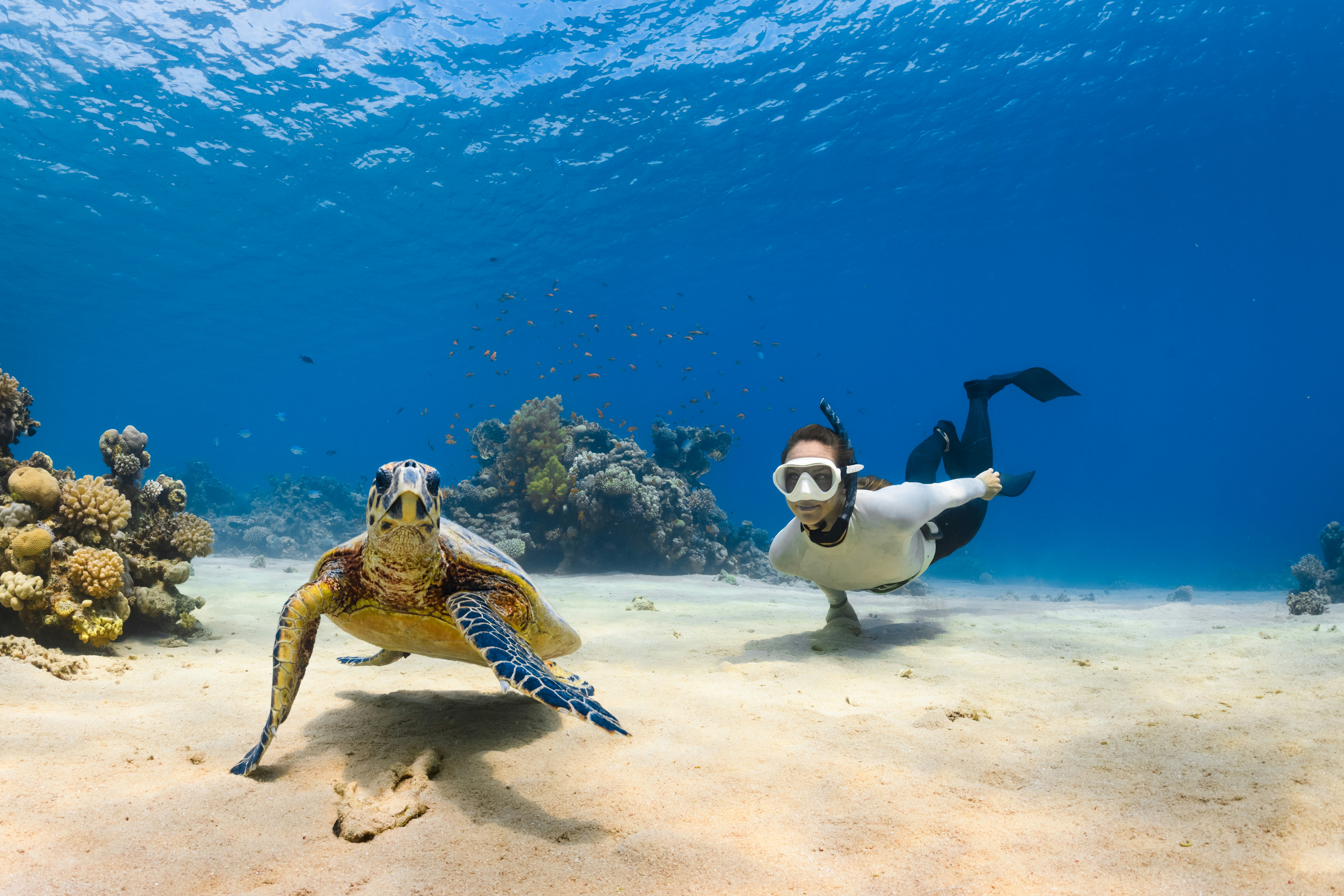
We started this journey with a question: Can one organization really save the ocean? The answer, based on the evidence from the Marine Conservation Institute, is a resounding yes, but only if we all pull together.
From the rigorous Blue Park certification that separates real protection from “paper parks,” to the interactive MPAtlas that holds governments accountable, MCI has built a framework for success. They’ve shown us that the 30×30 goal isn’t just a dream—it’s a necessity.
The stories from Kisite Mpunguti and the High Seas prove that when science meets policy and community, ecosystems can recover. But the clock is ticking. We are currently protecting only 3% of the ocean. To secure a healthy future for marine life—and for us—we need to reach 30%.
The narrative isn’t over. It’s up to you to be the next chapter. Whether it’s by spreading the word, making sustainable choices, or supporting organizations like MCI, your actions matter. The ocean is resilient, but it needs our help.
Ready to make a splash? Let’s turn the tide together. 🌊🤝
🔗 Recommended Links
Here are some resources to help you dive deeper into ocean conservation and support the cause:
- Books:
The Ocean of Life: The Fate of Man and the Sea by Callum Roberts Amazon
Sea Change: A Woman’s Journey to Save the Ocean by Sylvia Earle Amazon - Organizations:
- Marine Conservation Institute
- MPAtlas
- SeaLegacy
- Tools:
- Seafood Watch App
- Blue Parks Conservation Fund
❓ FAQ

Who funds the marine conservation society?
The Marine Conservation Institute is funded primarily through private donations from individuals, foundations, and grants. They do not receive government funding for their core operations, which allows them to maintain independence in their advocacy and scientific work. You can support them directly via their donation page.
Read more about “Ocean Conservation Society: 7 Ways You Can Save Our Seas 🌊 (2026)”
What is the purpose of the marine conservation?
The primary purpose is to secure permanent, strong protection for the ocean’s most important places. This involves identifying critical habitats, advocating for effective Marine Protected Areas (MPAs), and ensuring that these areas are managed and enforced to allow ecosystems to recover and thrive.
Read more about “🌿 10 Real Examples of Nature Conservation That Actually Work (2026)”
What does a marine conservationist do?
Marine conservationists work to protect marine ecosystems through a variety of roles:
- Research: Conducting scientific studies to understand marine biodiversity and threats.
- Policy: Advocating for laws and regulations that protect the ocean.
- Education: Raising public awareness about ocean issues.
- Management: Overseeing the day-to-day operations of MPAs.
- Community Engagement: Working with local communities to develop sustainable livelihoods.
Read more about “🌿 Nature Preservation: 10 Proven Ways to Save Our Planet (2026)”
What does the Marine Conservation Institute do?
MCI focuses on science-based advocacy. They identify “High Seas Gems,” develop the Blue Park Standard to certify effective MPAs, maintain the MPAtlas to track global protection, and campaign for the 30×30 goal. They also provide funding and technical support to local conservation partners.
How does the Marine Conservation Institute protect endangered marine species?
By protecting entire ecosystems through Marine Protected Areas (MPAs), MCI ensures that endangered species have safe habitats where they can feed, breed, and recover. Their Blue Park certification ensures that these protections are actually enforced, preventing poaching and habitat destruction.
What are the latest marine conservation initiatives for ocean health?
- #DefendTheDeep: A campaign to end bottom trawling on high seas seamounts by 2027.
- 30×30 Goal: Pushing for 30% of the ocean to be protected by 2030.
- Blue Spark Collaborations: Supporting Indigenous-led stewardship and local conservation efforts.
- High Seas Treaty: Advocating for a legally binding agreement to protect international waters.
Read more about “🌊 Is Ocean Conservancy Legitimate? (2026) Deep Dive”
How can individuals support the Marine Conservation Institute’s mission?
- Donate: Financial support is crucial for their research and advocacy.
- Spread Awareness: Share their work on social media and educate others.
- Make Sustainable Choices: Choose sustainable seafood, reduce plastic use, and lower your carbon footprint.
- Volunteer: Check their Work with Us page for opportunities.
What role does the Marine Conservation Institute play in climate change mitigation?
Healthy oceans are vital carbon sinks. By protecting marine ecosystems like mangroves, seagrass meadows, and coral reefs, MCI helps the ocean absorb and store carbon. Additionally, resilient ecosystems are better able to withstand the impacts of climate change, such as warming and acidification.
Read more about “🌿 What Does Preservation Mean in Nature? (2026)”
Are there volunteer opportunities with the Marine Conservation Institute?
Yes, MCI offers internship programs for students and recent graduates in science and communications. While full-time positions are currently limited, they encourage checking their website regularly for new openings. You can also volunteer locally by participating in beach clean-ups or citizen science projects.
How does ocean conservation contribute to a healthy planet and human well-being?
The ocean regulates the global climate, produces over 50% of the world’s oxygen, and provides food and livelihoods for billions of people. Protecting the ocean ensures these services continue, supporting human health, economic stability, and biodiversity.
Read more about “🌍 15 Best Carbon Footprint Calculators (2026): Beyond the UN”
What are the most critical threats to marine ecosystems addressed by the institute?
- Overfishing: Depleting fish stocks and disrupting food webs.
- Habitat Destruction: Caused by bottom trawling, coastal development, and pollution.
- Climate Change: Leading to ocean warming, acidification, and coral bleaching.
- Pollution: Including plastic waste and chemical runoff.
- Lack of Protection: The majority of the ocean remains unprotected or weakly protected.
📚 Reference Links