Support our educational content for free when you purchase through links on our site. Learn more
The 7 Rs of Sustainable Living: Your Ultimate 2026 Guide 🌱

The 7 Rs of sustainable living are Refuse, Reduce, Reuse, Repair, Repurpose, Rot, and Recycle, a powerful hierarchy that prioritizes stopping waste at the source rather than just managing it. If you’ve ever wondered What are the 7 Rs of sustainable living? and how they can transform your daily habits, the answer lies in shifting from a “throwaway” mindset to a circular one where nothing is truly “away.”
Imagine this: the average person generates nearly 5 pounds of trash every single day, yet we often treat our landfills as magical portals where things simply vanish. That plastic straw you refused at dinner? It stayed out of the ocean. The jar you reused for spices? It avoided the crushing pressure of a compactor.
These seven principles aren’t just a checklist; they are a roadmap to a lighter footprint and a richer life. By mastering this order, you stop the flow of waste before it even begins, saving money and the planet simultaneously.
Key Takeaways
- Refuse is King: The most effective way to reduce waste is to say no to items you don’t need before they enter your home.
- The Hierarchy Matters: Follow the order Refuse → Reduce → Reuse → Repair → Repurpose → Rot → Recycle for maximum environmental impact.
- Repair Over Replace: Fixing broken items extends their life and is often cheaper and grener than buying new.
- Rot is Gold: Composting food scraps turns waste into nutrient-rich soil, preventing methane emissions from landfills.
- Recycle Last: Recycling is a necessary tool, but it should be the final option after all other Rs have been exhausted.
Table of Contents
- ⚡️ Quick Tips and Facts
- 📜 From “Throwaway Culture” to the 7 Rs: A Brief History of Sustainable Living
- 🚫 Refuse: The First Line of Defense Against Unecessary Waste
- 📉 Reduce: Mastering Minimalism and Low-Waste Lifestyles
- 🔄 Reuse: Extending the Lifecycle of Everyday Items
- 🛠️ Repair: Why Fixing Beats Buying New Every Time
- ♻️ Repurpose: Creative Upcycling Ideas for Your Home
- 🌱 Rot: The Ultimate Guide to Composting Food Scraps
- 🔄 Recycle: Navigating the Confusion of Curbside Sorting
- 🧠 Beyond the 7 Rs: How to Integrate Circular Economy Principles into Daily Life
- 🛒 The Greenest Product is the One You Don’t Buy: Smart Shopping Habits
- 🌍 The Ripple Effect: How Your 7 Rs Journey Impacts the Planet
- 🏁 Conclusion: Your Journey to a Grener Future Starts Now
- 🔗 Recommended Links
- ❓ FAQ: Common Questions About the 7 Rs of Sustainability
- 📚 Reference Links
⚡️ Quick Tips and Facts
Before we dive into the nitty-gritty of turning your life into a zero-waste wonderland, let’s hit the fast-forward button on some hard truths and quick wins. Did you know that the average American generates about 4.9 pounds of trash every single day? That’s roughly the weight of a small dog! 🐕 And here’s the kicker: 60% of all clothing ends up in a landfill or incinerator within just a few years of being made.
But don’t panic! We’ve got the blueprint to flip the script. Here are the 7 Rs in a nutshell:
| The R | The Gist | The “Aha!” Moment |
|---|---|---|
| Refuse | Say “No” to the junk you don’t need. | The most sustainable product is the one you never buy. |
| Reduce | Buy less, choose better. | Minimalism isn’t about deprivation; it’s about freedom. |
| Reuse | Give items a second (or third) life. | That glass jar isn’t trash; it’s a storage unit waiting to happen. |
| Repair | Fix it, don’t toss it. | A mended sock has more soul than a brand-new one. |
| Repurpose | Get creative with old stuff. | Turn a t-shirt into a tote bag and become a DIY hero. |
| Rot | Compost your food scraps. | Turn your banana pels into “black gold” for your garden. |
| Recycle | The last resort, not the first. | Recycling is great, but it’s energy-intensive. Use it wisely! |
Pro Tip: Start small. You don’t need to overhaul your entire life overnight. As Josephine Philips, founder of Sojo, says, “Sustainable living is about doing the best we can in the system and society that we live in… It’s about slowly making changes in your day-to-day that have the planet and people in mind.”
Ready to stop throwing things “away” (spoiler: there is no “away”)? Let’s get into the history of how we got here and why the old “Reduce, Reuse, Recycle” mantra needed an upgrade.
📜 From “Throwaway Culture” to the 7 Rs: A Brief History of Sustainable Living
Remember the 1970s? That was the golden age of “Reduce, Reuse, Recycle.” It was a catchy trio that got us thinking about our waste. But as the decades rolled on, we realized that just recycling wasn’t enough. We were still buying way too much stuff, and the planet was groaning under the weight of our consumption.
Enter the 7 Rs of Sustainable Living. This expanded framework was born out of necessity. We needed to address the root cause: overconsumption.
The shift from a linear economy (make, use, dispose) to a circular economy (make, use, repair, reuse, recycle) is the heart of this movement. It’s about keeping materials in use for as long as possible.
“When we say to throw something ‘away’ we rarely think about what that means.” — Kids in Nutrition
The problem is that “away” is usually a landfill, where food scraps rot and produce methane (a potent greenhouse gas), and plastics sit for centuries. By adding Refuse, Repair, Repurpose, and Rot to the mix, we create a more robust defense against waste.
For those looking to deepen their understanding of how these habits impact our planet, check out our guide on sustainable living and explore more about Carbon Footprint Reduction.
🚫 Refuse: The First Line of Defense Against Unecessary Waste
If the 7 Rs were a superhero team, Refuse would be the captain. Why? Because it stops the problem before it even starts.
The Power of “No”
Refusing is the act of declining items you don’t need, especially single-use plastics and freebies. It sounds simple, but it’s a radical act in a consumerist society.
- Say no to plastic straws: They are used for 15 minutes and last 50 years.
- Decline free promotional items: That cheap pen or tote bag you’ll never use is just future trash.
- Bring your own bags: Never accept a plastic bag at the grocery store.
How to Master the Art of Refusal
- Cary your kit: Always have a reusable water bottle, coffee cup, and shopping bags.
- Speak up: Politely but firmly say, “No thanks, I have my own.”
- 👉 Shop smart: Choose products with minimal or no packaging.
“Feel empowered to go against consumer culture and not buy anything at all.” — Florida Museum of Natural History
By refusing, you signal to companies that there is no demand for their wasteful practices. It’s a powerful form of voting with your wallet.
📉 Reduce: Mastering Minimalism and Low-Waste Lifestyles
Once you’ve stopped the inflow of junk, it’s time to Reduce what you do bring in. This isn’t about living in a cave; it’s about intentional consumption.
The Minimalist Mindset
Minimalism is about valuing experiences over things. It’s about asking, “Do I really need this?” before hitting “Buy Now.”
- Quality over Quantity: Invest in durable items that last longer.
- Multi-functional items: Choose products that serve multiple purposes.
- Borrow, don’t buy: Need a drill for an hour? Borrow one from a neighbor or rent it.
The Impact of Reduction
Reducing your consumption directly lowers your carbon footprint. Every item you don’t buy saves the energy and resources required to produce, package, and ship it.
For more tips on how to shrink your environmental impact, check out our articles on Climate Change and Biodiversity Conservation.
🔄 Reuse: Extending the Lifecycle of Everyday Items
If you can’t refuse or reduce, the next best thing is to Reuse. This means using an item multiple times for its original purpose or finding a new way to use it.
Simple Ways to Reuse
- Glass jars: Wash and reuse for storing leftovers, spices, or as drinking glasses.
- Clothing: Turn old t-shirts into cleaning rags.
- Containers: Use takeout containers for storing bulk foods.
The Reuse Revolution
Companies are catching on too. Brands like Hyundai are incorporating recycled materials into their products, such as seat fabrics made from up to 32 PET bottles per vehicle.
“Extend the life of your item, keeping it out of the landfills for longer!” — Kids in Nutrition
🛠️ Repair: Why Fixing Beats Buying New Every Time
In a world of planned obsolescence, Repair is a rebellious act. It’s about fixing what’s broken instead of tossing it for a new version.
The Right to Repair
The “Right to Repair” movement is gaining momentum, pushing for laws that make it easier for consumers to fix their own devices.
- Learn basic skills: Sew a button, patch a hole, or fix a leaky faucet.
- Find local fixers: Look for “repair cafes” or local collectives where you can get help.
- Support repair-friendly brands: Choose companies that offer spare parts and repair guides.
The Benefits of Repairing
- Save money: Fixing is almost always cheaper than replacing.
- Reduce waste: Keep items out of landfills.
- Build skills: Learn valuable DIY skills.
“The most sustainable clothes are the ones you already own.” — Josephine Philips
♻️ Repurpose: Creative Upcycling Ideas for Your Home
Repurpose (or upcycle) is about getting creative. It’s taking an item that has served its original purpose and giving it a new life.
Upcycling Inspiration
- Old clothes: Turn them into tote bags, quilts, or rags.
- Pallets: Build furniture or garden planters.
- Wine corks: Make coasters or bulletin boards.
Why Repurpose?
Repurposing saves energy because the item doesn’t have to be broken down and reprocessed like recycling. It’s a fun, creative way to reduce waste.
“Choosing this way saves energy because it didn’t have to be taken to a facility to be broken down and recycled.” — Kids in Nutrition
🌱 Rot: The Ultimate Guide to Composting Food Scraps
Rot is the most natural of the 7 Rs. It’s about composting your food scraps to create nutrient-rich soil for your garden.
Why Compost?
- Reduce methane: Food in landfills produces methane, a potent greenhouse gas.
- Create fertilizer: Compost is “black gold” for your plants.
- Close the loop: Return nutrients to the earth.
How to Start Composting
- Choose a bin: You can use an indoor bin with a lid or an outdoor compost pile.
- Add greens and browns: Greens (food scraps) and browns (leaves, paper) need to be balanced.
- Turn it: Aerate your compost to speed up decomposition.
What to Compost
- Yes: Fruit and vegetable scraps, coffee grounds, eggshells, yard trimings.
- No: Meat, dairy, oils, pet waste (these can attract pests).
“167 million tons of compostable materials are thrown into landfills annually due to a lack of knowledge.” — Kids in Nutrition
For more on this, explore our Conservation Tips section.
🔄 Recycle: Navigating the Confusion of Curbside Sorting
Recycle is the last resort. It’s important, but it’s not the silver bullet. Recycling requires energy and resources, and not everything can be recycled.
The Rules of Recycling
- Know your local rules: Recycling guidelines vary by community.
- Clean your recyclables: Food and liquid contamination can ruin an entire batch.
- Don’t wish-cycle: If you’re not sure, don’t put it in the bin.
The Future of Recycling
Inovations like Hyundai’s use of recycled materials in their vehicles show how recycling can be integrated into product design.
“You’ve likely heard the saying ‘reduce, reuse, recycle’, but did you know there’s even more you can do to help combat the consumption and waste problem we face globally?” — Florida Museum of Natural History
🧠 Beyond the 7 Rs: How to Integrate Circular Economy Principles into Daily Life
The 7 Rs are just the beginning. To truly make a difference, we need to embrace the circular economy principles in every aspect of our lives.
Mindset Shifts
- Rethink: Before buying, ask yourself if you really need it.
- Regift: Pass on unused items to others who can use them.
- Support sustainable brands: Choose companies that prioritize the 7 Rs.
The Ripple Effect
Your actions inspire others. When you refuse a plastic straw, your friend might think twice before taking one. When you compost, your neighbor might start a garden.
“Transitioning to a zero-waste lifestyle won’t happen overnight – it’s a journey.” — McKinsey & Company
🛒 The Greenest Product is the One You Don’t Buy: Smart Shopping Habits
Let’s talk about shopping. The greenest product is the one you don’t buy. But when you do need to buy, here’s how to do it right.
Smart Shopping Tips
- Buy second-hand: Thrift stores, online marketplaces, and consignment shops are goldmines.
- Choose durable items: Invest in quality that lasts.
- Support local: Reduce transportation emissions by buying local.
Brands to Watch
- Patagonia: Known for their “Worn Wear” program, encouraging customers to repair and reuse.
- Allbirds: Using sustainable materials like merino wool and eucalyptus.
- Hyundai: Incorporating recycled materials into their vehicles and brand collection.
🌍 The Ripple Effect: How Your 7 Rs Journey Impacts the Planet
Every time you refuse a plastic bag, repair a pair of shoes, or compost your food scraps, you’re making a difference. It’s not about being perfect; it’s about being conscious.
The Big Picture
- Reduce waste: Less trash in landfills.
- Lower emissions: Less energy used in production and transportation.
- Protect biodiversity: Less pollution in our oceans and forests.
“Second-hand doesn’t mean second-best.” — Josephine Philips
Your journey to a grener future starts with a single step. And that step is refusing to accept the status quo.
🏁 Conclusion: Your Journey to a Grener Future Starts Now
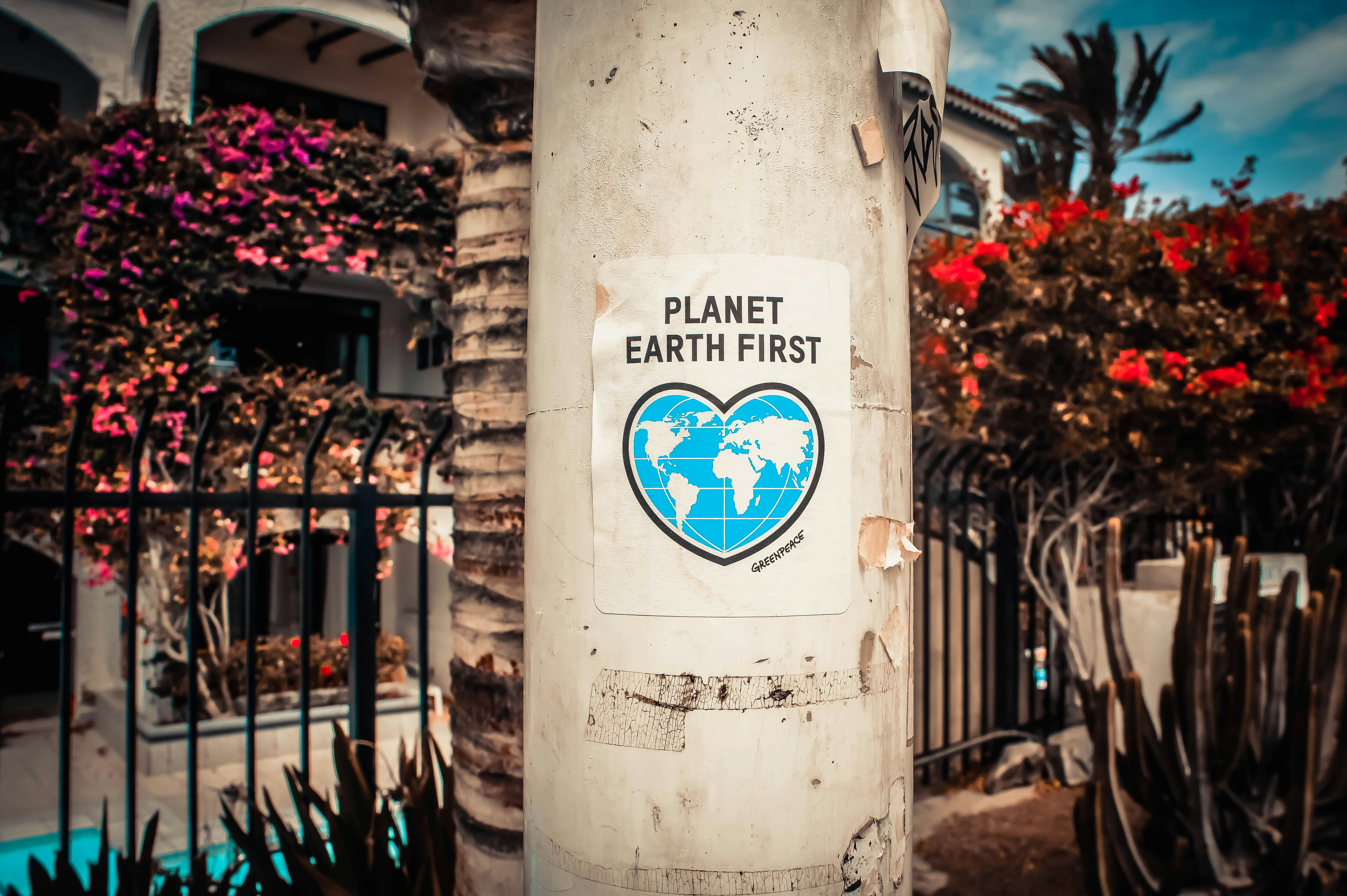
We’ve covered a lot of ground, from the history of the 7 Rs to practical tips for each step. But the real question is: Are you ready to take the plunge?
The 7 Rs aren’t just a checklist; they’re a lifestyle. They’re about making conscious choices that benefit both you and the planet. Whether it’s refusing a plastic straw, repairing a broken chair, or composting your food scraps, every action counts.
Our Recommendation: Start with Refuse and Reduce. These two Rs have the biggest impact. Once you’ve mastered those, move on to Reuse, Repair, Repurpose, Rot, and Recycle.
Remember, sustainability is a journey, not a destination. Don’t be hard on yourself if you slip up. Just keep going.
“Sustainable living is about doing the best we can in the system and society that we live in.” — Josephine Philips
So, what are you waiting for? Grab your reusable bag, say “no” to that plastic straw, and let’s make the world a grener place, one R at a time.
🔗 Recommended Links
Must-Have Reusables
- Stasher Bags: Amazon | Stasher Official
- Hydro Flask: Amazon | Hydro Flask Official
- Beswax Wraps: Etsy | Bee’s Wrap Official
Books on Sustainability
- “Zero Waste Home” by Bea Johnson: Amazon
- “The Story of Stuff” by Annie Leonard: Amazon
- “Good On You” App: Good On You Official
❓ FAQ: Common Questions About the 7 Rs of Sustainability
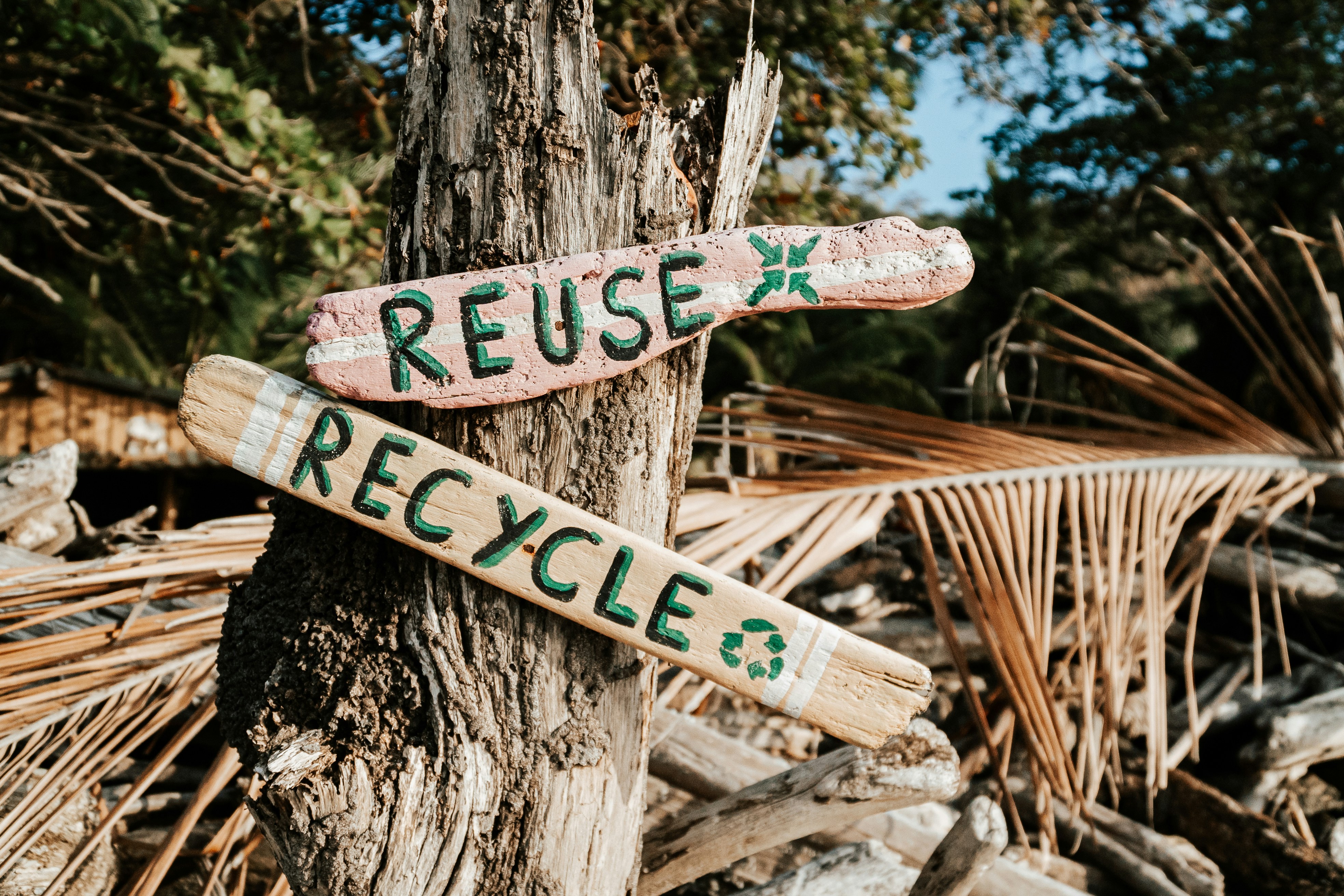
What are the 7 Rs of sustainable living?
The 7 Rs are Refuse, Reduce, Reuse, Repair, Repurpose, Rot, and Recycle. They form a hierarchy of waste management, with Refuse being the most effective and Recycle being the last resort.
Read more about “🌱 How to Practice Sustainable Living: 15 Steps to a Grener Life (2026)”
How do the 7 Rs help the environment?
By following the 7 Rs, you reduce the amount of waste sent to landfills, lower greenhouse gas emissions, conserve natural resources, and protect biodiversity.
Read more about “🌱 10 Real Examples of Sustainable Living (2026 Guide)”
What is the difference between the 5 Rs and the 7 Rs?
The traditional 5 Rs are Reduce, Reuse, Recycle, Rot, and Refuse. The 7 Rs add Repair and Repurpose to emphasize the importance of fixing and creatively reusing items before recycling them.
Read more about “🌍 10 Ways to Live More Sustainably: Your 2026 Guide to a Grener Life”
How can I apply the 7 Rs in my daily life?
Start by refusing single-use items, reducing your consumption, reusing what you have, repairing broken items, repurposing old things, composting food scraps, and recycling properly.
Read more about “🌱 The 3 Elements of Sustainability Explained (2026)”
Why is refusing considered the first R of sustainability?
Refusing is the first R because it prevents waste from being created in the first place. It’s the most effective way to reduce your environmental impact.
What are some examples of repurposing items at home?
Examples include turning old t-shirts into tote bags, using glass jars for storage, and making furniture from pallets.
Read more about “🌊 31 Days to a Plastic-Free Life: The Ultimate 2026 Campaign Guide”
How does following the 7 Rs improve personal health?
Following the 7 Rs can improve your health by reducing exposure to harmful chemicals in plastics, encouraging a more active lifestyle (e.g., walking to the store), and promoting a sense of purpose and connection to the environment.
Read more about “🌱 The Ultimate 14-Day Plant-Based Diet Plan for Beginners (2026)”
📚 Reference Links
- Kids in Nutrition: The 7 Rs of Sustainability
- Florida Museum of Natural History: Action of the Week: Practice the 7 Rs of Waste Management
- Hyundai: The 7 Rs of Sustainable Living
- EPA: Home Composting Guide
- Treehuger: Easy Ways to Reduce Plastic Waste
- Less Plastic: Reasons to Refuse Single-Use Plastics
- McKinsey & Company: Sustainability in the Fashion Industry