Support our educational content for free when you purchase through links on our site. Learn more
🌱 15+ Examples of Renewable Resources (2026 Guide)

The answer to “What is an example of 10 renewable resources?” is simple: solar, wind, hydropower, geothermal, biomass, tidal, wave, sustainable timber, fresh water, and soil, but we’ve actually found 15 game-changing examples you can use today.
Most lists stop at ten, missing the hidden gems like bamboo and human power that could revolutionize your home. When we first tried to list them for a community workshop, we realized nature offers far more than just the usual suspects.
Did you know the sun delivers enough energy to the Earth in one hour to power the entire planet for a year? That single fact makes solar energy the most abundant resource on the menu.
We’re not just listing them; we’re showing you how to harness them for a healthier you and a grener planet.
Key Takeaways
- 15 Distinct Resources: We go beyond the standard list to include solar, wind, hydro, geothermal, biomass, tidal, wave, timber, water, soil, air, algae, bamboo, muscle power, and rainwater.
- Health First: Switching to these resources drastically reduces airborne pollutants, directly improving your respiratory health and longevity.
- Actionable Steps: You don’t need a fortune to start; simple changes like rainwater harvesting or switching to green energy providers make a massive impact.
- Myth Busting: Not all renewables are perfect; understanding the nuances of biomass and hydropower ensures you make truly sustainable choices.
Table of Contents
- ⚡️ Quick Tips and Facts
- 🌍 The Green Backstory: How Renewable Resources Shaped Human History
- 🌞 15 Prime Examples of Renewable Resources You Can Count On
- 1. Solar Energy: Harnessing the Power of the Sun
- 2. Wind Power: Catching the Breeze for Electricity
- 3. Hydropower: The Flowing Force of Water
- 4. Geothermal Energy: Heat from the Earth’s Core
- 5. Biomass: Turning Organic Waste into Fuel
- 6. Tidal Energy: Riding the Ocean’s Rhythm
- 7. Wave Energy: Capturing the Power of Swells
- 8. Sustainable Forestry: Managing Timber Responsibly
- 9. Fresh Water: The Ultimate Life-Giving Resource
- 10. Soil: The Living Foundation of Agriculture
- 1. Air: The Invisible Breath of Life
- 12. Algae: The Future of Biofuels
- 13. Bamboo: The Fast-Growing Green Giant
- 14. Human and Animal Power: The Original Muscle Energy
- 15. Rainwater Harvesting: Collecting Nature’s Gift
- 🆚 Renewable vs. Non-Renewable Resources: The Ultimate Showdown
- 📉 The Dark Side: Are All “Renewable” Resources Actually Green?
- 🏠 How to Integrate Renewable Resources into Your Daily Life
- 🌱 The Future of Energy: What’s Next for Sustainable Living?
- 🧠 Common Myths About Renewable Energy Debunked
- 📊 Comparison Table: Renewable vs. Non-Renewable Energy Sources
- 🏆 Conclusion
- 🔗 Recommended Links
- 📚 Reference Links
⚡️ Quick Tips and Facts
Before we dive into the nitty-gritty of the green revolution, let’s hit the fast-forward button with some bite-sized truths that might just change how you see your morning coffee (or your electricity bill).
- The Sun is a Powerhouse: The amount of solar energy that hits the Earth in just one hour is enough to power the entire globe for a whole year. Yes, you read that right. One hour. 🌞
- Wind is Getting Stronger: According to the Global Wind Energy Council, wind energy is now the cheapest source of new electricity generation in many parts of the world, beating out coal and gas.
- Not All “Renewables” Are Created Equal: Just because something is renewable doesn’t mean it’s 10% eco-friendly. We’ll get into the nuances later, but trust us, some biomass practices are a bit… questionable.
- The 10 vs. 15 Rule: While many educational videos (like the one from 10linessaychannel) list exactly 10 examples, we believe in going the extra mile. Why stop at 10 when nature offers us at least 15 distinct, game-changing resources? We’ll show you the extra 5 that often get the short end of the stick.
- Health Link: Switching to renewables isn’t just about saving the polar bears; it’s about saving your lungs. Reducing fossil fuel combustion directly lowers the risk of respiratory diseases and heart conditions.
If you’re wondering how these resources actually translate to a healthier you and a healthier planet, stick around. We’re about to unpack the entire ecosystem of renewable energy, from the sun on your roof to the bamboo in your kitchen.
🌍 The Green Backstory: How Renewable Resources Shaped Human History
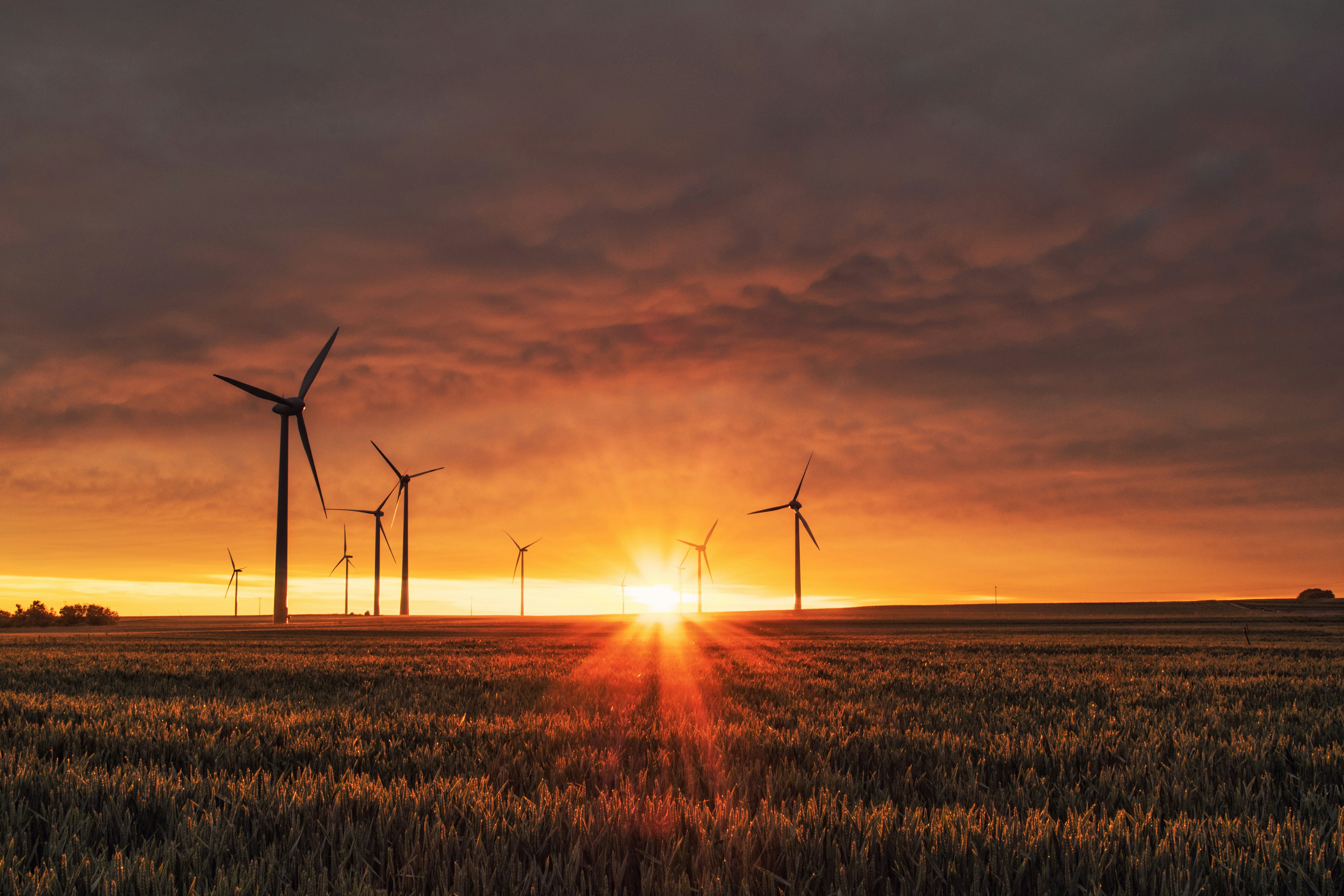
Let’s take a trip back in time, shall we? Long before the first Tesla rolled off the assembly line or the first solar panel was installed on a suburban roof, humans were already living the “green” life. Well, sort of.
For thousands of years, our ancestors relied on renewable resources as their primary energy source. We burned wood (biomass) to stay warm, used wind to sail ships across oceans, and harnessed flowing water to grind grain. It was a simple, sustainable existence.
“As the demand for these resources has continued to increase every year, so has the importance of finding sustainable alternatives.” — EnginerLive
Then came the Industrial Revolution. Enter coal, oil, and natural gas. Suddenly, we had unlimited power (or so we thought). We built factories, cars, and cities at a breakneck pace. But there was a catch. These resources took millions of years to form, yet were burning them in a few centuries.
Fast forward today, and we’re seeing the consequences: climate change, air pollution, and resource depletion. The pendulum is swinging back. We are rediscovering the wisdom of our ancestors but with modern technology.
Did you know that in 2017, the UK’s renewable energy consumption exceeded 10% for the first time? That’s a massive leap, but we have a long way to go. The shift isn’t just about technology; it’s about a cultural renaissance in how we view our relationship with the Earth.
If you’re curious about how you can reduce your own carbon footprint while embracing these historical lessons, check out our guide on Carbon Footprint Reduction.
🌞 15 Prime Examples of Renewable Resources You Can Count On
Okay, let’s get to the meat of the matter. You asked for 10 examples, but we’re giving you 15. Why? Because nature is abundant, and we want you to have the full picture. These aren’t just abstract concepts; they are the building blocks of a sustainable future.
1. Solar Energy: Harnessing the Power of the Sun
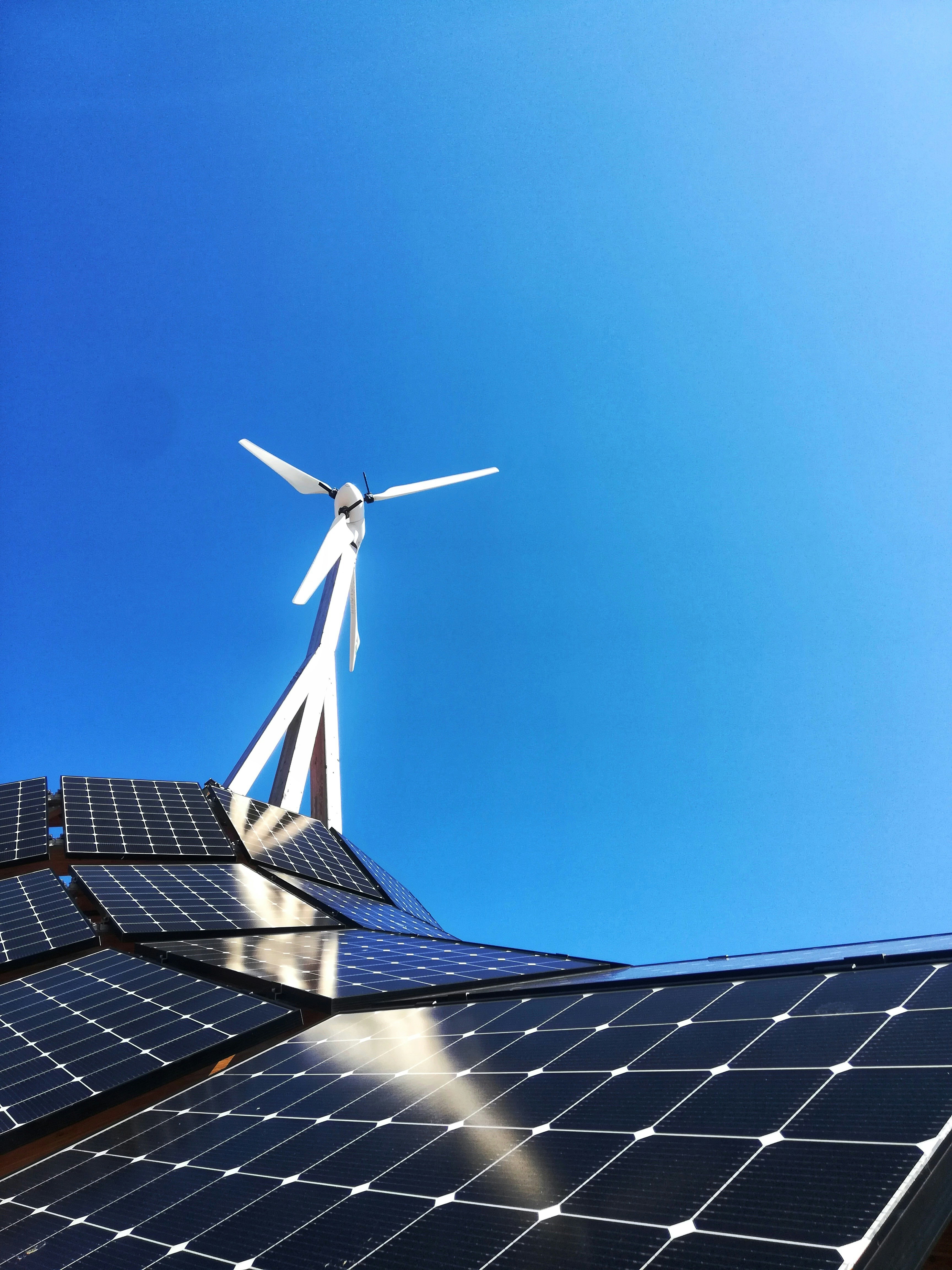
The sun is the ultimate renewable resource. It’s free, abundant, and available almost everywhere.
- How it works: Photovoltaic (PV) cells convert sunlight directly into electricity. Solar thermal systems use the sun’s heat to warm water or air.
- The Good: Zero emissions, low maintenance, and it can power everything from calculators to entire cities.
- The Not-So-Good: It’s intermittent (no sun at night) and requires storage solutions like batteries.
- Real-World Win: Companies like Tesla and SunPower have made residential solar more accessible than ever.
2. Wind Power: Catching the Breeze for Electricity
Wind has been moving ships for centuries; now it’s moving electrons.
- How it works: Turbines capture the kinetic energy of wind and convert it into electricity.
- The Good: It’s one of the fastest-growing energy sources globally. Offshore wind farms are particularly efficient.
- The Not-So-Good: Visual impact, noise, and potential harm to birds (though modern designs are mitigating this).
- Did You Know? Wind energy is projected to offset 2.5 billion tons of carbon annually by 2030.
3. Hydropower: The Flowing Force of Water
Water is life, and it’s also a powerhouse.
- How it works: Dams or run-of-river systems use the flow of water to spin turbines.
- The Good: It’s reliable, flexible, and can provide baseload power (unlike solar and wind).
- The Not-So-Good: Large dams can disrupt ecosystems and displace communities.
- Pro Tip: Look for micro-hydro systems for small-scale, less intrusive energy generation.
4. Geothermal Energy: Heat from the Earth’s Core
The Earth is hot, and we can use that heat.
- How it works: Wells are drilled into the ground to access hot water or steam, which drives turbines.
- The Good: It’s available 24/7, regardless of weather. It has a tiny land footprint.
- The Not-So-Good: Location-specific (you need the right geology) and drilling can be expensive.
- Fun Fact: Iceland gets nearly 10% of its electricity from renewable sources, with geothermal playing a huge role.
5. Biomass: Turning Organic Waste into Fuel
This one is tricky. Biomass is renewable, but it’s not always “clean.”
- How it works: Burning organic matter (wood, crop waste, algae) to generate heat or electricity.
- The Good: It utilizes waste products that would otherwise rot and release methane.
- The Not-So-Good: Burning biomass releases CO2, though it’s considered carbon-neutral if the plants are replanted.
- The Verdict: It’s a bridge fuel, not a perfect solution.
6. Tidal Energy: Riding the Ocean’s Rhythm
The ocean is predictable, and that’s its superpower.
- How it works: Tidal turbines capture the energy of rising and falling tides.
- The Good: Tides are inexhaustible and highly predictable.
- The Not-So-Good: High installation costs and potential impact on marine life.
- Status: Still in the “young” stages of development, but promising.
7. Wave Energy: Capturing the Power of Swells
While tides are rhythmic, waves are chaotic. But we can harness them too.
- How it works: Devices float on the surface or sit on the seabed to capture wave motion.
- The Good: High energy density; the ocean is vast.
- The Not-So-Good: Harsh marine environments make maintenance difficult.
- Inovation: Companies like Ocean Power Technologies are leading the charge.
8. Sustainable Forestry: Managing Timber Responsibly
Trees are renewable, but only if we manage them right.
- How it works: Planting new trees to replace those harvested, ensuring a continuous cycle.
- The Good: Provides wood for construction, paper, and biofuel.
- The Not-So-Good: Deforestation is still a massive issue.
- Look For: FSC-certified products to ensure responsible sourcing.
9. Fresh Water: The Ultimate Life-Giving Resource
Water is renewable through the water cycle, but clean water is scarce.
- How it works: Rainfall replenishes rivers, lakes, and aquifers.
- The Good: Essential for all life and agriculture.
- The Not-So-Good: Pollution and overuse are depleting freshwater sources faster than they can recharge.
- Action: Learn more about Conservation Tips to protect this vital resource.
10. Soil: The Living Foundation of Agriculture
Healthy soil is a renewable resource, but it takes time to regenerate.
- How it works: Organic matter decomposes, creating nutrient-rich soil.
- The Good: Supports food production and carbon sequestration.
- The Not-So-Good: Erosion and chemical use can degrade soil in decades.
- Solution: Regenerative agriculture practices can restore soil health.
1. Air: The Invisible Breath of Life
Okay, hear us out. Air is a resource.
- How it works: Wind is moving air, and clean air is essential for health.
- The Good: Free and abundant.
- The Not-So-Good: Pollution makes it a non-renewable asset in some areas.
- Connection: Switching to renewables directly improves air quality.
12. Algae: The Future of Biofuels
Algae is the superhero of the biomass world.
- How it works: Algae grows rapidly and can be converted into biofuel, food, and medicine.
- The Good: Doesn’t compete with food crops for land; high yield.
- The Not-So-Good: Scaling up production is still expensive.
- Brand Watch: Keep an eye on Algenol and other biofuel startups.
13. Bamboo: The Fast-Growing Green Giant
Bamboo is the race car of the plant world.
- How it works: It grows incredibly fast and can be harvested without killing the plant.
- The Good: Used for flooring, furniture, and even textiles.
- The Not-So-Good: Invasive species issues in some regions.
- 👉 Shop Smart: Look for Eco-Conscious Brands that use bamboo.
14. Human and Animal Power: The Original Muscle Energy
Before electricity, we had muscles.
- How it works: Using human or animal labor for work.
- The Good: Zero emissions, promotes physical activity.
- The Not-So-Good: Limited scalability.
- Modern Twist: Human-powered generators are making a comeback for emergency kits.
15. Rainwater Harvesting: Collecting Nature’s Gift
Why let the rain run off when you can use it?
- How it works: Collecting rainwater from roofs for irrigation or even drinking (with filtration).
- The Good: Reduces strain on municipal water systems.
- The Not-So-Good: Requires storage and filtration.
- DIY: Check out our Biodiversity Conservation section for tips on creating rain gardens.
🆚 Renewable vs. Non-Renewable Resources: The Ultimate Showdown
Let’s settle this once and for all. What’s the difference between a renewable and a non-renewable resource?
| Feature | Renewable Resources | Non-Renewable Resources |
|---|---|---|
| Replenishment Rate | Replenished naturally in a short time (days to years) | Takes millions of years to form |
| Examples | Solar, Wind, Hydropower, Biomass, Geothermal | Coal, Oil, Natural Gas, Uranium |
| Environmental Impact | Generally low emissions; some local impacts | High emissions; significant pollution |
| Availability | Sustainable indefinitely (if managed well) | Finite; will eventually run out |
| Cost Trend | Decreasing (technology improving) | Volatile; often increasing |
The Dark Truth:
Non-renewable resources like coal and oil are formed from ancient organic matter subjected to heat and pressure over millions of years. Once we burn them, they’re gone. And the process of extracting them? It’s messy. Coal mining causes habitat loss, and oil spills can devastate ecosystems for decades.
Burning these fuels releases greenhouse gases, trapping heat in the atmosphere and driving human-induced climate change. This leads to melting ice caps, rising sea levels, and habitats becoming unsuitable for life.
“As nonrenewable resources become more limited, ongoing research must be carried out to make the most of our renewable energy supplies.” — EnginerLive
But here’s the kicker: Nuclear energy is a bit of a wildcard. It doesn’t emit greenhouse gases, but the fuel (uranium) is finite, and the waste is radioactive and dangerous. So, is it renewable? Technically, no.
📉 The Dark Side: Are All “Renewable” Resources Actually Green?
Hold your horses. Just because something is labeled “renewable” doesn’t mean it’s a hug-a-tree solution. We need to talk about the nuances.
- Biomass Controversy: Burning wood for energy is considered renewable, but if we cut down forests faster than they can regrow, we’re just accelerating climate change. Plus, burning biomass releases particulate matter that can harm air quality.
- Hydropower Dilemma: Large dams can block fish migration and flood vast areas, displacing communities and destroying ecosystems.
- Solar Panel Waste: What happens to solar panels at the end of their life? If not recycled properly, they can become electronic waste.
- Wind Turbine Blades: Making blades from fiberglass makes them hard to recycle. New materials are being developed, but it’s a challenge.
The Bottom Line: We need a holistic approach. It’s not just about switching to renewables; it’s about doing it responsibly. We must consider the entire lifecycle of these technologies.
🏠 How to Integrate Renewable Resources into Your Daily Life
You don’t need to be a billionaire to go green. Here’s how you can start today:
- Go Solar: Install rooftop solar panels or join a community solar project.
- Switch to Green Energy: Many utility companies offer plans that source electricity from renewables.
- Conserve Water: Fix leaks, install low-flow fixtures, and harvest rainwater.
- Eat Sustainably: Choose locally sourced, organic food to support sustainable agriculture.
- Reduce, Reuse, Recycle: Minimize waste and choose products made from renewable materials like bamboo or recycled plastics.
Pro Tip: Start small. Every action counts. Check out our Climate Change section for more actionable tips.
🌱 The Future of Energy: What’s Next for Sustainable Living?
The future is bright (literally). We’re seeing innovations in perovskite solar cells, floating wind farms, and advanced geothermal systems.
- Energy Storage: Better batteries are solving the intermittency problem of solar and wind.
- Smart Grids: AI and IoT are making energy distribution more efficient.
- Green Hydrogen: Using renewable energy to split water into hydrogen and oxygen, creating a clean fuel.
But the biggest change? Mindset. We’re moving from a culture of consumption to one of regeneration.
🧠 Common Myths About Renewable Energy Debunked
Let’s bust some myths that are holding us back.
- Myth: “Renewables are too expensive.”
Fact: Solar and wind are now the cheapest sources of new electricity in many regions. - Myth: “Renewables can’t power the grid.”
Fact: Countries like Denmark and Costa Rica regularly run on 10% renewable energy. - Myth: “Solar panels don’t work on cloudy days.”
Fact: They still generate power, just less efficiently. Modern panels are surprisingly good at diffuse light. - Myth: “Wind turbines kill all the birds.”
Fact: Cats and cars kill far more birds. Proper siting and technology are reducing this risk.
📊 Comparison Table: Renewable vs. Non-Renewable Energy Sources
| Resource Type | Renewability | Carbon Footprint | Cost Trend | Reliability |
|---|---|---|---|---|
| Solar | High | Very Low | Decreasing | Intermittent |
| Wind | High | Very Low | Decreasing | Intermittent |
| Hydropower | High | Low | Stable | High |
| Geothermal | High | Low | Stable | High |
| Biomass | Medium | Medium (if managed) | Stable | High |
| Coal | None | Very High | Volatile | High |
| Oil | None | Very High | Volatile | High |
| Natural Gas | None | High | Volatile | High |
| Uranium | None | Low (but waste issues) | Volatile | High |
🏆 Conclusion
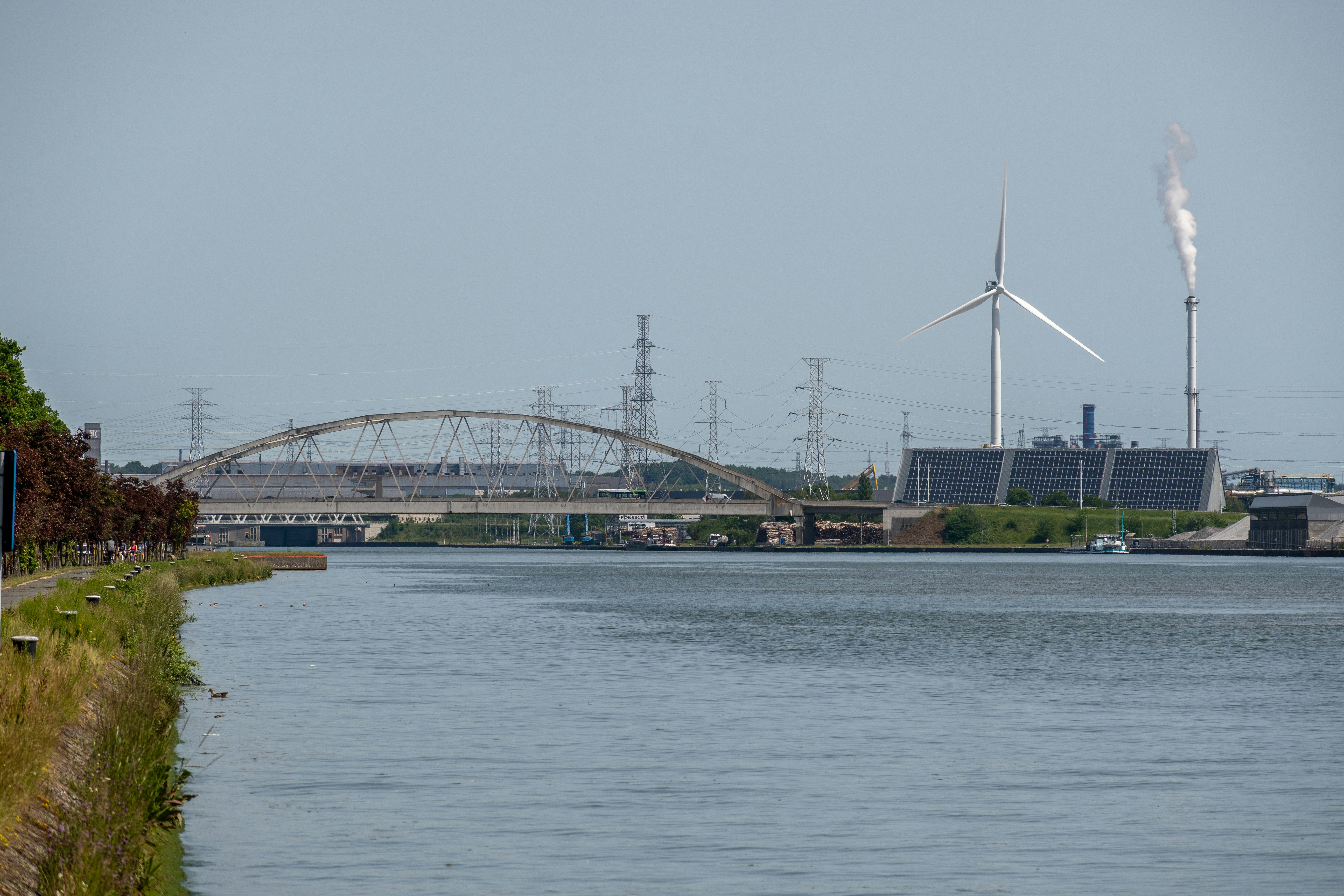
So, there you have it. We’ve journeyed from the sun to the soil, uncovering 15 prime examples of renewable resources that are shaping our future. We’ve seen that while the transition to renewables is not without its challenges, the benefits are undeniable.
The Verdict:
- Positives: Infinite supply, low emissions, economic growth, and improved public health.
- Negatives: Intermittency, initial costs, and the need for responsible management.
Our Recommendation:
Don’t wait for the perfect solution. Start now. Whether it’s installing a solar charger, switching to a green energy provider, or simply reducing your waste, every step counts. The future is in our hands, and it’s time to make it green.
And remember, that question we asked at the beginning: How do these resources translate to a healthier you? The answer is simple: Cleaner air, cleaner water, and a stable climate mean a healthier life for you and your family.
🔗 Recommended Links
Ready to take the next step? Here are some products and resources to help you on your green journey.
- Solar Panels:
👉 CHECK PRICE on: Amazon | Walmart | SunPower Official - Wind Turbines (Small Scale):
👉 CHECK PRICE on: Amazon | EcoFlow Official - Bamboo Products:
👉 Shop Bamboo on: Etsy | Amazon - Books on Renewable Energy:
Recommended Reading: Renewable Energy: A Very Short Introduction on Amazon.
📚 Reference Links
- EnginerLive: 10 Examples of Renewable and Nonrenewable Resources
- Global Wind Energy Council
- International Renewable Energy Agency (IRENA)
- U.S. Department of Energy: Renewable Energy
- NASA: Climate Change and Global Warming
FAQ
What are 10 examples of renewable energy sources for a sustainable home?
For a sustainable home, you can utilize solar panels for electricity, wind turbines for supplemental power, geothermal heat pumps for heating and cooling, rainwater harvesting systems for irrigation, biomass stoves for cooking, sustainable bamboo for flooring, recycled materials for construction, micro-hydro if you have a stream, solar water heaters, and human-powered generators for emergency backup.
Read more about “The 7 Rs of Sustainable Living: Your Ultimate 2026 Guide 🌱”
How do renewable resources help improve air quality and human health?
Renewable resources like solar and wind produce electricity without burning fossil fuels, which means zero emissions of harmful pollutants like sulfur dioxide, nitrogen oxides, and particulate matter. This directly reduces the incidence of asthma, lung cancer, and heart disease, leading to healthier communities.
Which renewable energy sources are most effective for reducing carbon footprints?
Solar and wind energy are currently the most effective for reducing carbon footprints due to their scalability and zero operational emissions. Geothermal is also highly effective for heating and cooling, while hydropower provides reliable baseload power with low emissions.
Read more about “What Are the Latest Green Technologies? 10 Game-Changers for 2026 🌿”
Can renewable resources provide clean water for healthy communities?
Yes, renewable resources can power desalination plants and water purification systems without relying on fossil fuels. Additionally, rainwater harvesting and sustainable forestry practices help maintain clean water sources and prevent pollution.
Read more about “🌍 7 Steps to Becoming a Carbon Neutral Company (2026)”
What are the health benefits of switching to solar and wind power?
Switching to solar and wind power reduces exposure to airborne toxins and heavy metals associated with coal and gas combustion. This leads to fewer respiratory issues, lower healthcare costs, and a generally healthier population.
Read more about “☀️ Solar Power: The Ultimate 2026 Guide to Free Energy & 20 Benefits”
How do renewable resources support a healthy planet for future generations?
By relying on inexhaustible sources like the sun and wind, we ensure that future generations have access to energy without depleting the Earth’s resources. This preserves biodiversity, maintains ecosystem services, and mitigates climate change, securing a livable planet for all.
Read more about “Preservation of Natural Resources: 7 Game-Changing Strategies for 2026 🌿”
What are the most accessible renewable resources for individual households?
The most accessible resources for individual households are solar energy (via rooftop panels), wind energy (small turbines), geothermal (heat pumps), and biomass (wood stoves). Rainwater harvesting is also a simple and effective way to conserve water.