Support our educational content for free when you purchase through links on our site. Learn more
How Green Buildings Help Heal Our Planet 🌿

How do green buildings and architecture contribute to a healthy planet? They cut energy use and carbon emissions, conserve water and materials, protect nature, and create healthier places for people to live and work. The strongest designs bring those benefits together across a building’s entire life, from construction to everyday use.
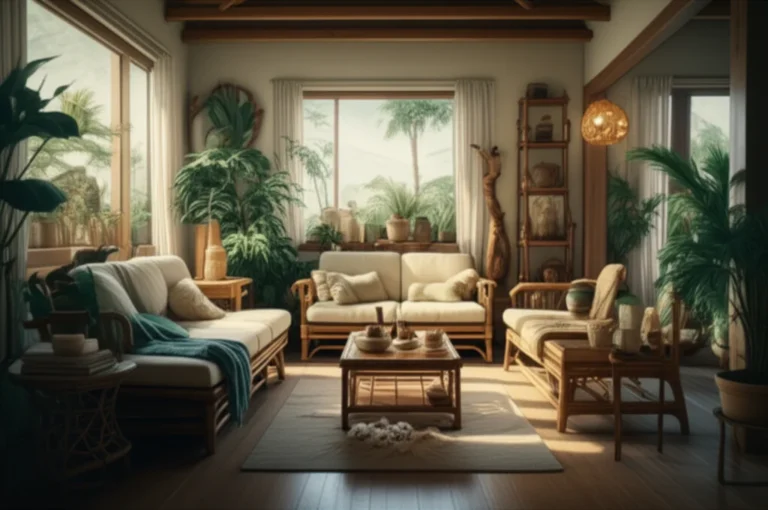
A building can look leafy and still waste energy behind the scenes. What makes it genuinely green is less about a photogenic rooftop garden and more about thoughtful choices: where it’s built, how it’s insulated, what it’s made from, how it handles water, and whether people can breathe comfortably inside.
We’ve seen how small design decisions can add up. A shaded window can mean less air conditioning; a well-planned renovation can spare usable materials from demolition. And the scale matters: the UN Environment Programme reports that buildings and construction account for roughly 37% of global energy- and process-related carbon dioxide emissions.
Key Takeaways
- Green buildings lower environmental impact through energy efficiency, clean electricity, water conservation, low-carbon materials, and reduced construction waste.
- Healthy design benefits people, too: good ventilation, daylight, thermal comfort, and low-emission materials can support indoor environmental quality.
- The whole life cycle counts. Construction materials, building operations, renovations, and eventual reuse or demolition all affect a building’s footprint.
- Green buildings work best as part of greener communities, with trees, transit, walkable neighborhoods, and resilient shared infrastructure.
- Certifications can help, but measured performance matters. Look beyond a green label to actual energy use, water use, indoor conditions, and long-term maintenance.
Table of Contents
- ⚡️ Quick Tips and Facts: How Green Buildings Help the Planet
- 🌿 What Makes a Building “Green”?
- Green architecture, sustainable design, and high-performance buildings
- Green building certifications and standards
- 🏛️ From Eco-Design to Modern Green Architecture: A Brief History
- 🌍 How Green Buildings Reduce Environmental Impact
- Lowering carbon emissions and tackling climate change
- Saving energy with efficient design and clean power
- Conserving water and protecting watersheds
- Reducing construction waste and choosing sustainable materials
- Protecting biodiversity, soil, and ecosystems
- Adapting buildings to heat, floods, fires, and extreme weather
- 💚 How Green Buildings Support Human Health and Well-Being
- Indoor air quality, ventilation, and low-toxicity materials
- Daylight, thermal comfort, acoustics, and mental health
- Healthy homes, schools, workplaces, and public spaces
- Equity, accessibility, and environmental justice
- 💸 The Economic Case for Sustainable Building Design
- Operating costs, energy bills, and long-term savings
- Property value, jobs, and local economic benefits
- Upfront costs, payback periods, and common trade-offs
- 🏗️ 10 Green Building Strategies That Make a Real Difference
- 1. Use passive solar design and climate-responsive architecture
- 2. Improve insulation, airtightness, and energy efficiency
- 3. Electrify heating, cooling, and cooking
- 4. Add renewable energy and energy storage
- 5. Choose low-carbon, responsibly sourced materials
- 6. Design for durability, reuse, and circular construction
- 7. Install water-efficient fixtures and rainwater systems
- 8. Use green roofs, shade trees, and nature-based design
- 9. Build for healthy indoor air and natural light
- 10. Plan for low-carbon transport and walkable communities
- 🏢 Green Buildings Across Their Life Cycle
- Design and construction
- Building operations and maintenance
- Renovation, adaptive reuse, and end-of-life
- Embodied carbon versus operational carbon
- 📋 Green Building Certifications: LED, WELL, BREEAM, and More
- What LED measures and how certification works
- What to know about LED v5
- Comparing LED, WELL, BREEAM, ENERGY STAR, and Passive House
- Do green building certifications guarantee better performance?
- 🏠 Green Buildings at Every Scale
- Sustainable homes and apartment buildings
- Green schools, offices, hospitals, and commercial spaces
- Retrofits for existing buildings
- Affordable housing and community-led projects
- 🌆 From Green Buildings to Sustainable Cities
- Urban heat islands, trees, and cool roofs
- Transit-oriented development and walkable neighborhoods
- District energy, water systems, and shared infrastructure
- 🧭 How to Plan a Grener Building Project
- Set measurable sustainability and health goals
- Choose architects, engineers, and qualified green building professionals
- Track performance with energy, water, and carbon metrics
- Avoid greenwashing and verify environmental claims
- 🔮 The Future of Green Architecture and Building Technology
- Smart buildings, sensors, and efficient controls
- Low-carbon concrete, timber, and emerging materials
- Net-zero, regenerative, and climate-positive design
- ✅ Conclusion
- 🔗 Recommended Links
- ❓ FAQ: Green Buildings and a Healthy Planet
- How do green buildings help reduce climate change?
- Are green buildings healthier to live and work in?
- Are sustainable buildings more expensive to build?
- What is the difference between green architecture and sustainable architecture?
- Can an existing building become more sustainable?
- What is the most important feature of a green building?
- Which green building certification should I look for?
- 📚 Reference Links
Table of Contents
- ⚡️ Quick Tips and Facts: How Green Buildings Help the Planet
- 🌿 What Makes a Building “Green”?
- Green architecture, sustainable design, and high-performance buildings
- Green building certifications and standards
- 🏛️ From Eco-Design to Modern Green Architecture: A Brief History
- 🌍 How Green Buildings Reduce Environmental Impact
- Lowering carbon emissions and tackling climate change
- Saving energy with efficient design and clean power
- Conserving water and protecting watersheds
- Reducing construction waste and choosing sustainable materials
- Protecting biodiversity, soil, and ecosystems
- Adapting buildings to heat, floods, fires, and extreme weather
- 💚 How Green Buildings Support Human Health and Well-Being
- Indoor air quality, ventilation, and low-toxicity materials
- Daylight, thermal comfort, acoustics, and mental health
- Healthy homes, schools, workplaces, and public spaces
- Equity, accessibility, and environmental justice
- 💸 The Economic Case for Sustainable Building Design
- Operating costs, energy bills, and long-term savings
- Property value, jobs, and local economic benefits
- Upfront costs, payback periods, and common trade-offs
- 🏗️ 10 Green Building Strategies That Make a Real Difference
- 1. Use passive solar design and climate-responsive architecture
- 2. Improve insulation, airtightness, and energy efficiency
- 3. Electrify heating, cooling, and cooking
- 4. Add renewable energy and energy storage
- 5. Choose low-carbon, responsibly sourced materials
- 6. Design for durability, reuse, and circular construction
- 7. Install water-efficient fixtures and rainwater systems
- 8. Use green roofs, shade trees, and nature-based design
- 9. Build for healthy indoor air and natural light
- 10. Plan for low-carbon transport and walkable communities
- 🏢 Green Buildings Across Their Life Cycle
- Design and construction
- Building operations and maintenance
- Renovation, adaptive reuse, and end-of-life
- Embodied carbon versus operational carbon
- 📋 Green Building Certifications: LED, WELL, BREEAM, and More
- What LED measures and how certification works
- What to know about LED v5
- Comparing LED, WELL, BREEAM, ENERGY STAR, and Passive House
- Do green building certifications guarantee better performance?
- 🏠 Green Buildings at Every Scale
- Sustainable homes and apartment buildings
- Green schools, offices, hospitals, and commercial spaces
- Retrofits for existing buildings
- Affordable housing and community-led projects
- 🌆 From Green Buildings to Sustainable Cities
- Urban heat islands, trees, and cool roofs
- Transit-oriented development and walkable neighborhoods
- District energy, water systems, and shared infrastructure
- 🧭 How to Plan a Grener Building Project
- Set measurable sustainability and health goals
- Choose architects, engineers, and qualified green building professionals
- Track performance with energy, water, and carbon metrics
- Avoid greenwashing and verify environmental claims
- 🔮 The Future of Green Architecture and Building Technology
- Smart buildings, sensors, and efficient controls
- Low-carbon concrete, timber, and emerging materials
- Net-zero, regenerative, and climate-positive design
- ✅ Conclusion
- 🔗 Recommended Links
- ❓ FAQ: Green Buildings and a Healthy Planet
- How do green buildings improve indoor air quality and human health?
- What sustainable materials are best for building a healthy home?
- How does energy-efficient architecture reduce greenhouse gas emissions?
- Can green roofs and walls improve urban air quality?
- How do sustainable buildings conserve water and protect ecosystems?
- What features make a building both healthy and environmentally friendly?
- How can green architecture help communities adapt to climate change?
- 📚 Reference Links