Support our educational content for free when you purchase through links on our site. Learn more
20 Green Technologies You Can Use Every Day 🌱

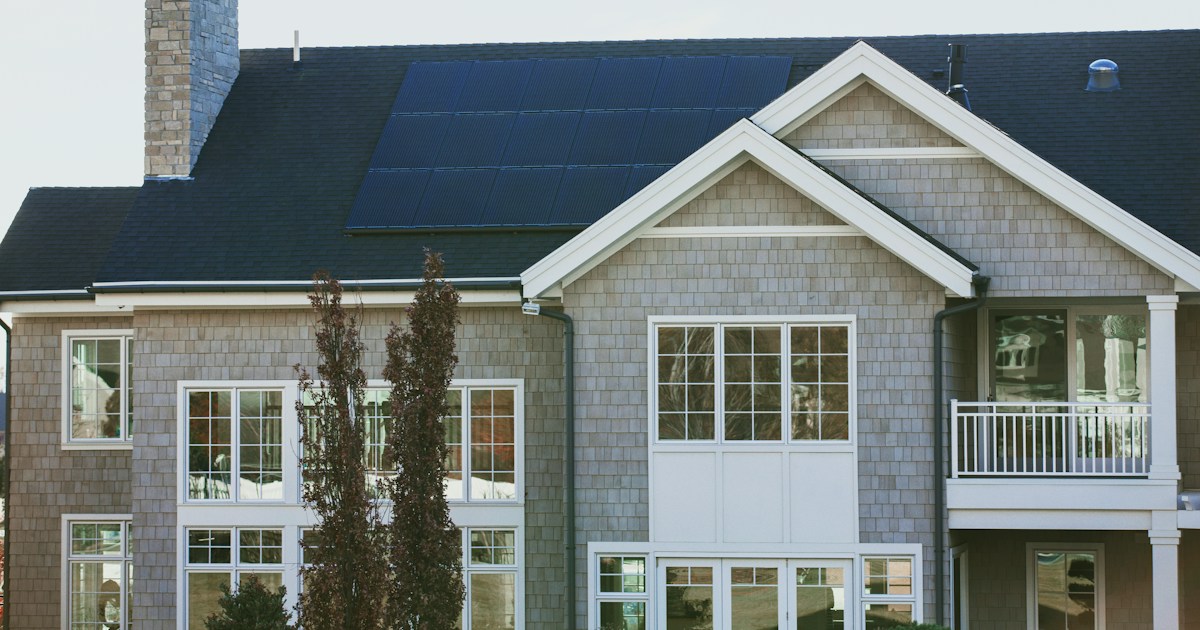
Some of the most practical green technologies for daily life include LED lighting, heat pumps, rooftop or community solar, smart thermostats, efficient appliances, e-bikes, water-saving fixtures, and composting systems. The best choice depends on your home, routine, and local conditions—and often, a simple upgrade that gets used every day beats a flashy gadget that gathers dust.
What are some examples of green technologies that can be implemented in daily life? Think of the everyday systems that use energy, water, and materials: how we heat our homes, travel, cook, water gardens, and handle waste. Improving one of those routines can make sustainable living feel less like a grand renovation and more like a useful habit.
We once watched a neighbor install a smart thermostat, then leave it on the same setting year-round. The device wasn’t the problem; the missing step was adjusting it to fit their routine. Green tech works best when it matches real life—and when you know what it’s replacing.
Key Takeaways
- Start with everyday resource use: efficient lighting, heating, transportation, appliances, and water fixtures are practical places to look.
- Match technology to your location: solar, small wind, micro-hydro, batteries, and water-reuse systems all depend on local conditions and rules.
- Reduce demand before adding equipment: air sealing, maintenance, and efficient settings can make larger upgrades work better.
- Check the full picture: consider performance, durability, repairability, manufacturing impacts, and end-of-life options—not just “eco” labels.
- Choose what you’ll actually use: a well-used e-bike, reusable product, or compost system can be more helpful than an elaborate device that doesn’t fit your routine.
Table of Contents
- ⚡️ Quick Tips and Facts
- 🌱 What Green Technology Means in Everyday Life
- How Green Tech Differs from Clean Energy and Sustainable Living
- How to Tell Whether a Technology Is Truly Eco-Friendly
- 📜 A Brief History of Green Technology and Its Everyday Evolution
- 🔋 20 Green Technology Examples You Can Use in Daily Life
- 1. Rooftop Solar Panels and Solar Shingles
- 2. Home Battery Storage and Solar-Powered Chargers
- 3. Community Solar Programs
- 4. Renewable Electricity Plans
- 5. Electric Vehicles and Plug-In Hybrids
- 6. E-Bikes, E-Scoters, and Electric Public Transit
- 7. Smart Thermostats and Home Energy Monitors
- 8. Heat Pumps for Heating and Cooling
- 9. Induction Cooktops and Efficient Appliances
- 10. LED Lighting and Daylight Sensors
- 11. Green Building Materials and Energy-Efficient Homes
- 12. Low-Flow Fixtures and Greywater Reuse
- 13. Rainwater Harvesting and Biopores
- 14. Wastewater Treatment and Water-Reuse Systems
- 15. Micro-Hydropower Turbines
- 16. Wind Turbines and Small-Scale Wind Power
- 17. Composters, Food-Waste Digesters, and Anaerobic Digestion
- 18. Reusable Products and Repair-Friendly Electronics
- 19. Smart Irrigation and Water-Saving Gardening
- 20. Sustainable Packaging and Recycled Materials
- 🏠 Green Technology Products for Home, Travel, and Work
- What to Look for in Energy-Efficient and Eco-Certified Products
- 🌍 Benefits of Green Technology: Energy, Health, and Climate
- Saving Natural Resources and Reducing Environmental Pollution
- Lowering Household Energy and Operating Costs
- Supporting Sustainable Development and Resilient Communities
- Meeting Building Codes, Incentives, and Environmental Regulations
- ⚖️ Trade-Offs, Limits, and Common Green-Tech Myths
- Upfront Costs, Maintenance, and Product Lifespans
- Embodied Carbon, Mining, Recycling, and E-Waste
- Why Location and Energy Sources Matter
- 🧭 How to Choose the Right Green Technology for Your Life
- A Home Energy and Water Audit
- Renters, Homeowners, and Apartment-Friendly Options
- Questions to Ask Before Buying or Installing
- 💡 Practical Ways to Start Using Green Tech Today
- Low-Cost Changes with Everyday Impact
- Choosing Your Next Bigger Upgrade
- 🔮 The Future of Green Technology in Everyday Life
- ✅ Conclusion
- 🔗 Recommended Links
- ❓ FAQ
- What are the most common examples of green technology?
- Which green technologies are easiest to use at home?
- What is the most affordable green technology to start with?
- Can renters use green technology?
- Are electric vehicles always better for the environment?
- Do solar panels work on cloudy days?
- How can green technology save water?
- How do I know if a product is genuinely sustainable?
- 📚 Reference Links
⚡ Quick Tips and Facts
Green technology isn’t limited to solar farms and futuristic gadgets. A heat pump, a leak detector, an LED bulb, or a better way to get to work can all count when they reduce resource use or pollution compared with conventional alternatives. For a broader overview, see our guide to green technologies.
- Start with what you use most. Heating, cooling, transportation, and hot water are often better places to look than buying a drawer full of novelty solar chargers.
- Efficiency usually comes before generation. Seal drafts and improve insulation before sizing a solar system; reducing demand can make a renewable system smaller and more practical.
- The best option depends on where you live. Rooftop solar needs suitable sun and an appropriate roof; small wind needs consistent wind and clearance; micro-hydro needs a reliable flowing-water resource.
- Use labels as clues, not magic spells. ENERGY STAR and WaterSense help identify efficient products, but a label doesn’t tell the whole story about durability, repairability, or manufacturing impacts.
- Don’t overlook the low-tech side of green tech. Weatherstripping, a clothesline, a bike, and a well-used reusable bottle can outperform an expensive device that sits unused.
- Check your local rules before installing solar, batteries, rainwater systems, greywater reuse, wind turbines, or micro-hydro equipment.
| Everyday need | Green-tech examples | Main thing to check |
|---|---|---|
| Home electricity | Solar panels, renewable electricity plans, home batteries | Roof suitability, utility rules, and the grid’s electricity mix |
| Heating and cooling | Heat pumps, smart thermostats, insulation | Climate, existing equipment, and qualified installation |
| Getting around | Walking, public transit, e-bikes, EVs | Trip length, charging access, and how often you’ll use it |
| Water | Efficient fixtures, leak sensors, rainwater capture | Local plumbing, health, and water-reuse regulations |
| Waste | Composting, repairable electronics, reusable products | Whether the product fits your local waste and recycling system |
One useful reality check: a device can be “green” in one setting and a poor fit in another. A small wind turbine on a sheltered suburban roof, for example, may produce little useful power. So where should we start? With the technologies that match your home, routine, and local conditions.
🌱 What Green Technology Means in Everyday Life
Green technology—also called environmental technology, clean technology, or cleantech—uses products, systems, and processes intended to reduce environmental harm. That can mean using less energy or water, preventing pollution, cutting waste, or replacing fossil-fuel use with lower-emission alternatives.
The phrase covers a broad range: a heat pump is green technology, but so is a wastewater treatment system. One is familiar to many homeowners; the other is more likely to serve a building, community, or utility. Both can help reduce environmental impacts when properly designed and maintained.
How Green Tech Differs from Clean Energy and Sustainable Living
These terms overlap, but they aren’t interchangeable:
| Term | What it generally means | Everyday example |
|---|---|---|
| Green technology | Tools or processes designed to reduce environmental impact | Leak-detection sensor, efficient appliance, solar panel |
| Clean energy | Energy sources or systems with lower pollution or greenhouse-gas emissions | Wind, solar, geothermal, or low-carbon electricity |
| Energy efficiency | Getting the same service with less energy | An LED bulb providing light while using less electricity than an incandescent bulb |
| Sustainable living | Habits and choices that aim to use resources responsibly | Taking transit, repairing a phone, reducing food waste |
A product doesn’t become environmentally beneficial just because it’s electronic or marketed as “smart.” A connected gadget that uses power, needs frequent replacement, and barely changes your habits may deliver less benefit than a basic, durable alternative.
How to Tell Whether a Technology Is Truly Eco-Friendly
We use four practical questions:
- What does it replace? Compare it with the real alternative you would use, not an imaginary worst-case scenario.
- What resources does it save? Look for credible energy, water, emissions, or waste data.
- How long will it last? A durable, repairable product can avoid repeated manufacturing and disposal.
- What happens at the end? Check whether it can be reused, recycled, or safely disposed of where you live.
This full-life view matters. Solar panels produce electricity without fuel during operation, but they still require materials, manufacturing, transport, and eventual management. The U.S. Environmental Protection Agency (EPA) offers guidance on recycling electronics, while ENERGY STAR helps compare the energy performance of many household products.
📜 A Brief History of Green Technology and Its Everyday Evolution

People have long used design to work with nature: daylighting a room, orienting a building for shade, collecting rain, or using a waterwheel. What changed was our ability to make these approaches more efficient, measurable, and widely available.
Today’s green technologies include:
- Renewable electricity: Photovoltaic solar cells and modern wind turbines can connect to homes, buildings, or electricity grids.
- Efficient buildings: Better insulation, glazing, ventilation, and controls reduce the energy needed for comfort.
- Electrified transport: Electric vehicles (EVs), e-bikes, and electric transit can replace some trips powered by gasoline or diesel.
- Smarter resource management: Sensors, meters, and automated controls can show when a system is wasting energy or water.
- Circular product design: Repairability, reuse, and recycling aim to keep materials in service longer.
That progress doesn’t make every new technology automatically sustainable. As the International Energy Agency (IEA) emphasizes through its work on energy efficiency, reducing demand remains a major part of the clean-energy transition. A very efficient gadget used constantly may still have a larger footprint than a simpler product used sparingly.
🔋 20 Green Technology Examples You Can Use in Daily Life
A quick clarification before we count: some examples below are household purchases, while others are community or site-specific systems. We’ve included both because daily life depends on infrastructure too. A city’s wastewater treatment plant may not sit in your kitchen, but it helps protect the water your community shares.
1. Rooftop Solar Panels and Solar Shingles
Rooftop photovoltaic (PV) panels convert sunlight into electricity. Solar shingles integrate PV into roofing materials, offering a more roof-like appearance but with product availability and installation considerations that differ from conventional panels.
Potential benefits
- Generates electricity on-site, reducing the amount you draw from the grid.
- Can be paired with a battery or grid connection.
- May help reduce operational greenhouse-gas emissions, depending on the electricity it displaces.
Limitations
- Output depends on roof orientation, shading, weather, and system design.
- Roof condition and utility interconnection rules matter.
- Panels involve materials and manufacturing; recycling options vary by location.
The U.S. Department of Energy (DOE) recommends assessing roof suitability and comparing system options before committing. We’d first ask an installer to evaluate shade, roof condition, electrical needs, and local interconnection requirements—not just point at the sun and declare victory. ☀️
2. Home Battery Storage and Solar-Powered Chargers
A home battery stores electricity for later use. Depending on the system and local rules, it may store solar generation, provide backup power, or help shift electricity use to different times. Portable solar chargers are a smaller option for phones and other devices.
Brands and systems include Tesla Powerwall, Enphase IQ Batteries, and EcoFlow portable power stations. Compare usable capacity, power output, warranty, chemistry, safety features, and compatibility with your solar inverter.
A battery can be useful when:
- Your area has time-of-use electricity rates or limited backup options.
- You want to use more of your own solar power after sunset.
- The system’s emissions and costs make sense for your local grid and usage.
A battery may be a poor fit when:
- Your main aim is lowering emissions and your grid already supplies low-carbon electricity at the times you need power.
- You rarely experience outages and don’t have a clear backup need.
- The system would be oversized for your household.
Portable solar chargers are convenient for camping or emergencies, but small panels can charge slowly in weak sunlight. For regular phone charging, compare actual output and durability rather than relying on a “solar-powered” label.
3. Community Solar Programs
Community solar lets customers subscribe to, or otherwise benefit from, electricity generated by a shared solar project. It can offer an option for renters, apartment residents, or households with shaded or unsuitable roofs.
Program structures differ: some provide bill credits, while others use subscriptions or different arrangements. Read the contract carefully for fees, cancellation terms, savings claims, and whether the project is actually available to your utility customers. The DOE’s community solar explainer is a helpful starting point.
4. Renewable Electricity Plans
If rooftop solar isn’t practical, a utility green-power plan or renewable-energy program may be an option. Availability and the meaning of “renewable” vary. Check whether the plan is backed by renewable electricity purchases, renewable energy certificates (RECs), or another mechanism.
Ask your provider:
- What renewable sources are included?
- How is the renewable claim verified?
- Does the plan change the electricity delivered to my home, or how electricity attributes are accounted for?
- Can I opt out or switch plans?
The EPA Green Power Partnership explains how green-power purchasing works. It’s a useful way to understand the accounting; it isn’t a substitute for checking your provider’s actual terms.
5. Electric Vehicles and Plug-In Hybrids
Battery-electric vehicles (BEVs) run on electricity; plug-in hybrids (PHEVs) can use electricity for some driving and fuel for longer trips or when the battery is depleted. Examples include the Tesla Model 3, Chevrolet Equinox EV, and Toyota Prius Prime.
| Vehicle type | Power source | Good to consider | Main trade-off |
|---|---|---|---|
| Battery EV | Electricity | Regular driving, charging access, local electricity mix | Battery materials, charging access, and longer-trip planning |
| Plug-in hybrid | Electricity and gasoline | Drivers who can charge often but need fuel flexibility | Benefits shrink if rarely charged |
| Conventional hybrid | Gasoline plus electric motor | Drivers without reliable charging | Still uses gasoline |
| Efficient gasoline vehicle | Gasoline | Where other options aren’t practical | Tailpipe emissions remain |
EVs have no tailpipe exhaust, but their total climate impact depends on manufacturing, battery production, electricity generation, vehicle size, and how they’re driven. The EPA’s vehicle emissions resources and U.S. DOE Alternative Fuels Data Center offer tools for comparing emissions in context.
One detail many shoppers overlook: a PHEV only delivers its electric-driving benefit when it’s charged. The charger doesn’t count as a lifestyle change if the cord becomes garage décor.
6. E-Bikes, E-Scoters, and Electric Public Transit
E-bikes can make commuting, errands, and hills easier without replacing every trip with a car. E-scoters can work for short journeys, though sidewalk rules and safe infrastructure differ by location. Electric buses and trains can move many people while reducing reliance on individual vehicles.
- Best fit: Short-to-medium trips, especially where safe routes and secure parking are available.
- Check: Battery certification, local traffic laws, braking, lights, helmet guidance, and repair options.
- Trade-off: Battery and vehicle production still have impacts, and poorly managed shared scooters can create waste.
The U.S. National Highway Traffic Safety Administration provides bicycle safety information. For e-bike purchasing and battery safety, follow the manufacturer’s instructions and local fire-safety guidance.
7. Smart Thermostats and Home Energy Monitors
Smart thermostats can schedule heating and cooling, adapt to routines, and show system use. Energy monitors and smart plugs can help reveal which appliances use electricity and when.
Examples include Google Nest thermostats, ecobee Smart Thermostats, and Sense energy monitors. Compatibility matters: check wiring, HVAC type, zoning, and whether you’re comfortable with the privacy settings and app requirements.
Practical setup
- Set a schedule that matches when people are actually home.
- Avoid extreme settings that force the HVAC system to work harder than necessary.
- Review energy reports after a few weeks.
- Adjust gradually and prioritize comfort, ventilation, and health.
A thermostat can’t fix leaky windows or an undersized HVAC system. It can help manage a well-functioning system—but it is not a tiny wizard living in the hallway.
8. Heat Pumps for Heating and Cooling
Heat pumps move heat rather than generating it directly through combustion or electric resistance. Air-source models can heat and cool homes; ground-source systems exchange heat with the ground. Some models are designed for cold climates.
Benefits
- One system can provide heating and air conditioning.
- Can be highly efficient under suitable operating conditions.
- May reduce on-site fossil-fuel use when replacing combustion heating.
Considerations
- Correct sizing and installation are essential.
- Existing ductwork, insulation, local climate, and electricity source affect performance.
- Older or poorly insulated homes may need air sealing or envelope upgrades too.
The DOE heat-pump guide explains system types and how they work. For health and comfort, we’d also check filtration, ventilation, and maintenance—not only the unit’s efficiency rating.
9. Induction Cooktops and Efficient Appliances
Induction cooktops heat compatible cookware using an electromagnetic field. They heat quickly and don’t create combustion gases at the cooking surface, though your home still needs suitable ventilation for cooking-related particles and odors.
For refrigerators, dishwashers, laundry equipment, and other appliances, compare the ENERGY STAR product finder and the DOE appliance guidance. Efficient models use less energy or water than comparable standard products, but choosing the right size and using them well still matters.
Before buying an induction range
- Test whether your cookware is induction-compatible.
- Check electrical requirements and installation.
- Consider controls, cleaning, safety features, and repair support.
10. LED Lighting and Daylight Sensors
LEDs use less electricity than traditional incandescent bulbs for comparable light output and generally last longer. Dimmers, occupancy sensors, and daylight controls can further reduce unnecessary lighting.
| Lighting choice | Potential advantage | Watch for |
|---|---|---|
| LED bulbs | Efficient, widely available, long service life | Choose the right brightness, color temperature, and dimer compatibility |
| Occupancy sensor | Turns lights off in empty spaces | May switch off inconveniently in a room with little movement |
| Daylight sensor | Adjusts lighting based on natural light | Works best when properly placed and configured |
| Solar outdoor light | No grid wiring for suitable locations | Output and reliability depend on sunlight and battery quality |
Look for reliable performance data and suitable safety certification. ENERGY STAR’s lighting guidance helps compare efficient options. For a healthier home, choose lighting that feels comfortable for your household rather than treating “brightest” as “best.”
11. Green Building Materials and Energy-Efficient Homes
A green building is designed to reduce resource use and environmental impact through features such as insulation, efficient windows, ventilation, shading, low-impact materials, and efficient water systems.
Useful home improvements can include:
- Sealing air leaks and adding appropriate insulation.
- Using exterior shading or window treatments to manage heat gain.
- Selecting durable, repairable materials and products with credible environmental documentation.
- Improving ventilation and controlling moisture.
- Choosing appliances and heating systems sized for the building.
For new construction or major renovations, programs such as LED and ENERGY STAR Certified Homes provide frameworks for performance. Certification is informative, but it doesn’t guarantee that every material or feature is right for every home.
12. Low-Flow Fixtures and Greywater Reuse
Water-efficient showerheads, faucet aerators, and toilets can reduce household water use while retaining practical performance. WaterSense-labeled products are independently certified to meet efficiency and performance criteria.
Greywater is lightly used water from certain household sources, such as showers or laundry, depending on local definitions and plumbing rules. Some systems reuse it for irrigation or toilet flushing.
Safety comes first: greywater should not be treated as drinking water. Local building and public-health rules determine what sources, treatments, and uses are allowed. Use qualified professionals where required, and prevent cross-conections with potable water.
13. Rainwater Harvesting and Biopores
Rain barrels and larger cisterns capture rainfall for uses such as watering landscapes. Biopores—permeable openings or infiltration features—can help rain soak into soil rather than running off, where local soil and drainage conditions permit.
Steps for a basic rainwater system
- Check local rules and water restrictions.
- Choose a clean, suitable roof and collection surface.
- Install screens and a first-flush diverter where appropriate.
- Cover stored water to reduce debris and mosquito breeding.
- Use captured water only for approved purposes.
The EPA’s green infrastructure resources explain how rain gardens, permeable surfaces, and other approaches manage stormwater. A biopore or infiltration feature must be designed for local soils; in the wrong location, it can worsen drainage or affect foundations.
14. Wastewater Treatment and Water-Reuse Systems
Wastewater treatment removes contaminants through physical, biological, and chemical processes before water is discharged or reused. Community systems can include screening, settling, biological treatment, filtration, and disinfection. On-site systems, such as septic systems, have different design and maintenance needs.
For households, the most useful contribution is often straightforward:
- Don’t pour oils, solvents, medications, or hazardous chemicals down drains.
- Maintain septic systems according to local guidance.
- Use water-efficient fixtures to reduce the volume entering treatment systems.
- Follow local instructions for disposing of medicines and household chemicals.
The EPA wastewater overview covers municipal treatment and permits. Water reuse rules vary because the intended use and treatment level matter.
15. Micro-Hydropower Turbines
Micro-hydro systems generate electricity from flowing water. They can provide steady output at sites with suitable flow and elevation change, but they are not a plug-and-play backyard gadget.
A site assessment needs to consider:
- Year-round stream or canal flow.
- Available “head,” or the vertical drop in the water source.
- Environmental impacts on fish and aquatic habitat.
- Water rights, permits, land access, and grid connection.
- Maintenance, debris, and flood risk.
The DOE microhydropower guide explains the basic requirements. The technology can be valuable for remote locations, but claims that a system has no ecological impact should be checked against the specific site and design.
16. Wind Turbines and Small-Scale Wind Power
Wind turbines turn moving air into electricity. Utility-scale wind is a major source of renewable power; small residential turbines are more site-dependent.
A small turbine may make sense if your property has strong, consistent wind, enough clearance, suitable zoning, and a realistic maintenance plan. It may not make sense on a sheltered lot surrounded by buildings or trees.
The DOE small wind guide recommends evaluating wind resource, tower height, and local requirements. Before shopping, request a site-specific assessment. A rooftop turbine that vibrates loudly and produces little electricity is a particularly expensive way to learn about wind shear.
17. Composters, Food-Waste Digesters, and Anaerobic Digestion
Composting uses microorganisms to break down organic material into a soil amendment. Anaerobic digesters break down organic matter without oxygen, producing biogas and digestate under controlled conditions.
For home composting
- Confirm what your municipal program accepts.
- Balance “green” materials, such as food scraps, with “brown” materials, such as dry leaves or untreated paper.
- Keep the pile appropriately moist and aerated.
- Avoid meat, dairy, or oily foods unless your system specifically accepts them.
- Use finished compost according to local gardening guidance.
A household digester is not right for everyone: it needs suitable inputs, temperature control, maintenance, and safe gas handling. For most households, municipal food-scrap collection or a well-managed compost system is simpler. See the EPA’s composting basics.
18. Reusable Products and Repair-Friendly Electronics
One of the quietest forms of green technology is keeping a product in use longer. Refillable bottles, rechargeable batteries, repairable phones, and reusable food containers can reduce repeated purchases and waste when they fit your habits.
Examples of brands with repair or sustainability information include Fairphone, Framework, and iFixit repair guides. Product claims and repair options differ by model and market, so check spare-part availability, software support, warranty, and whether local repair is realistic.
Our rule: the greener reusable product is the one you’ll actually reuse. A cupboard full of pristine containers is mostly cupboard decoration.
19. Smart Irrigation and Water-Saving Gardening
Smart irrigation controllers combine schedules with weather information or soil sensors to avoid watering when plants don’t need it. Drip irrigation delivers water near plant roots, which can reduce losses compared with poorly aimed sprinklers.
For a more resilient garden:
- Choose plants suited to local rainfall and soil.
- Water early when appropriate to reduce evaporation.
- Fix leaks and check sprinkler coverage.
- Use mulch to help soil retain moisture.
- Follow local watering restrictions.
The EPA WaterSense guide to irrigation controllers explains how certified controllers work. Automation helps, but it can’t rescue a system programmed to water a sidewalk.
20. Sustainable Packaging and Recycled Materials
Packaging made with recycled content or designed for reuse can reduce demand for virgin materials. Compostable packaging may help in some systems, but “compostable” doesn’t necessarily mean it will break down in a home compost pile or local landfill. Many products need an industrial composting facility.
Before choosing a package or product, check:
- Is it accepted by local recycling or composting programs?
- Is the recycled content independently verified?
- Is it designed for reuse, or is reuse only a marketing suggestion?
- Does the packaging protect the product well enough to avoid food or product waste?
The EPA recycling guidance is a useful starting point. Local rules are the final word, because recycling systems differ substantially by area.
🏠 Green Technology Products for Home, Travel, and Work
Product ratings are practical fit ratings, not laboratory tests. They reflect how broadly useful each category can be for everyday life, with suitability depending on the household and local conditions.
| Product category | Design | Functionality | Resource-saving potential | Ease of use | Repair / upkeep | Overall fit |
|---|---|---|---|---|---|---|
| LED bulbs | 9 | 9 | 8 | 10 | 9 | 9/10 |
| Smart thermostat | 8 | 8 | 7 | 7 | 7 | 7/10 |
| Heat pump | 8 | 9 | 9 | 6 | 7 | 8/10 |
| Rooftop solar | 8 | 9 | 9 | 6 | 7 | 8/10 |
| E-bike | 8 | 8 | 8 | 8 | 6 | 8/10 |
| Rain barrel | 7 | 7 | 6 | 8 | 8 | 7/10 |
| Smart irrigation controller | 8 | 8 | 7 | 7 | 7 | 7/10 |
| Portable solar charger | 8 | 6 | 4 | 8 | 6 | 6/10 |
What to Look for in Energy-Efficient and Eco-Certified Products
A good product assessment goes beyond the word “eco” on the box:
- Performance: Does it do the job as well as the conventional alternative?
- Efficiency: Is there verified energy or water data?
- Durability: Can it last through normal use?
- Repairability: Are parts, manuals, and service available?
- Materials: Does the maker disclose recycled content, sourcing, or chemical concerns?
- End-of-life options: Can it be recycled, refurbished, or returned through a credible program?
- Privacy and connectivity: For smart devices, what data is collected and how long will the app remain supported?
Look for relevant certifications, but check what each one covers. ENERGY STAR, WaterSense, and EPEAT address different product categories and performance criteria.
👉 CHECK PRICE on:
- Philips Hue LED bulbs: Amazon | Walmart | Philips Hue Official Website
- ecobee Smart Thermostats: Amazon | Walmart | ecobee Official Website
- Anker SOLIX portable power stations: Amazon | Walmart | Anker SOLIX Official Website
- AeroGarden indoor gardens: Amazon | Walmart | AeroGarden Official Website
🌍 Benefits of Green Technology: Energy, Health, and Climate
The strongest benefits often come from using less energy and water, reducing pollution, and avoiding waste. For broader household ideas, explore Gone Greenish’s Conservation Tips, Carbon Footprint Reduction, and Climate Change categories.
Saving Natural Resources and Reducing Environmental Pollution
Efficient appliances, renewable electricity, water reuse, and durable products can reduce resource demand. Proper wastewater treatment helps limit contaminants entering waterways, while well-managed stormwater systems can reduce runoff.
Benefits depend on implementation. Solar panels don’t eliminate all environmental impacts, and a water-saving fixture doesn’t help if it’s installed incorrectly or leaks. The best practice is to compare real-world performance over a product’s useful life, not just its label.
Lowering Household Energy and Operating Costs
Efficient lighting, air sealing, smart controls, and efficient heating can reduce energy use. Solar can offset some grid electricity, while batteries may offer backup or time-shifting benefits.
The financial outcome depends on:
- Local utility rates and export rules.
- Upfront installation and financing.
- Maintenance and equipment life.
- Weather, household behavior, and energy needs.
- Available incentives and changing policies.
We avoid promising a universal payback period because the same technology can work very differently across two homes. Start by checking bills, usage patterns, and local programs.
Supporting Sustainable Development and Resilient Communities
Green technologies can support cleaner air, reliable water, lower energy demand, and local resilience. Community solar, public transit, efficient housing, and wastewater treatment can bring benefits beyond individual households.
They can also create challenges: projects need thoughtful siting, community consultation, responsible sourcing, and attention to affordability. Explore our Biodiversity Conservation coverage for more on protecting habitats while planning environmental improvements.
Meeting Building Codes, Incentives, and Environmental Regulations
For building upgrades, solar installations, wells, rainwater systems, wastewater systems, or EV chargers, check local building codes, utility requirements, permits, and incentive rules before purchasing equipment. Requirements vary by country, state, municipality, and utility.
Use official resources such as your local building department, utility provider, and government energy office. Incentives change, and eligibility may depend on equipment certification, installer qualifications, income, or project timing.
⚖️ Trade-Offs, Limits, and Common Green-Tech Myths
Upfront Costs, Maintenance, and Product Lifespans
Some systems require professional installation, ongoing maintenance, or software subscriptions. Others are simple: an LED bulb or faucet aerator may be easy to install, while a heat pump or battery requires more planning.
| Technology | Typical upkeep to plan for | Common fit issue |
|---|---|---|
| Solar panels | Inspection, cleaning when needed, inverter or wiring service | Shade, old roof, utility restrictions |
| Heat pump | Filter care and professional servicing | Poor sizing, inadequate insulation |
| EV | Charging equipment and battery/vehicle maintenance | No home charging or limited public access |
| Rainwater system | Screens, gutters, tank care | Local restrictions or poor water quality |
| Smart devices | Updates, connectivity, account support | App discontinued or privacy concerns |
A product’s long life can be a major advantage, but only if it continues to function and can be maintained. “Buy once, cry once” is less convincing when the expensive device has a proprietary part nobody can replace.
Embodied Carbon, Mining, Recycling, and E-Waste
Materials, manufacturing, and transport contribute to a product’s environmental footprint. Batteries, electronics, solar panels, and vehicles all require materials and end-of-life planning.
That doesn’t mean these technologies provide no benefit. It means their full life-cycle impacts should be compared with the impacts they replace. Extend product life, repair when practical, and use reputable electronics take-back or recycling programs. The EPA electronics donation and recycling guide can help locate responsible options in the United States.
Why Location and Energy Sources Matter
A solar system performs differently in a sunny region than in a shaded one. An EV charged on a lower-carbon grid has a different emissions profile from one charged where electricity is more carbon-intensive. A heat pump’s performance varies with climate and equipment design.
This explains why figures from articles can conflict. One source may discuss a particular country, vehicle, grid, or year; another may use a different comparison or assume different driving patterns. We trust transparent, location-specific data and clearly stated assumptions over a single headline percentage.
🧭 How to Choose the Right Green Technology for Your Life
A Home Energy and Water Audit
Take a simple inventory before buying:
- Review bills. Note seasonal electricity, gas, and water use.
- Find comfort problems. Look for drafts, uneven temperatures, humidity, and hot or cold rooms.
- Check equipment age and condition. Heating systems, water heaters, refrigerators, and appliances may be worth evaluating.
- Look for leaks. Check faucets, toilets, outdoor irrigation, and visible plumbing.
- Track routines. Note car trips, laundry habits, cooking, and standby devices.
- Prioritize the biggest recurring uses. Don’t start with a gadget just because it has a satisfying app.
A professional assessment can identify improvements that aren’t obvious. In the U.S., the DOE Home Energy Score provides information about home energy performance.
Renters, Homeowners, and Apartment-Friendly Options
| If you are… | Options to explore | Ask first |
|---|---|---|
| A renter | LEDs, smart plugs, efficient showerheads, draft reduction, transit or e-bike use | What changes does your lease allow? |
| An apartment owner | Community solar, shared EV charging, efficient appliances, building upgrades | What requires condo-board or building approval? |
| A homeowner | Heat pumps, rooftop solar, insulation, rainwater capture, efficient water heating | Are permits and utility approvals required? |
| A frequent traveler | Reusable gear, efficient transport choices, portable solar for off-grid use | Will the product genuinely replace a less sustainable option? |
For renters, choose reversible upgrades and get permission where needed. A temporary fix should not damage building systems or create safety hazards.
Questions to Ask Before Buying or Installing
- What specific product or activity will this replace?
- How much energy, water, or material does it actually save?
- What assumptions support the seller’s environmental claim?
- Is it compatible with my home and local infrastructure?
- Who installs and services it?
- What warranty, repair, and recycling options are available?
- What permits or approvals apply?
- Can I meet the same need with a simpler or longer-lasting option?
The best choice is rarely the shiniest one. It’s the one that works consistently in your actual life.
💡 Practical Ways to Start Using Green Tech Today
Low-Cost Changes with Everyday Impact
- Replace frequently used incandescent bulbs with suitable LEDs.
- Use power strips or smart plugs for devices that are genuinely left on unnecessarily.
- Fix dripping faucets and running toilets.
- Wash full loads and use efficient settings when suitable.
- Reduce food waste through meal planning and better storage.
- Repair or maintain products before replacing them.
- Walk, cycle, carpool, or use public transit for trips where it’s safe and practical.
- Use local recycling and composting programs correctly.
These actions aren’t glamorous, but they can be reliable. We’ve seen households get more practical value from fixing a drafty door and changing a few bulbs than from buying a “smart” device they never configure.
Choosing Your Next Bigger Upgrade
If you’re planning a larger project, use this order:
- Reduce demand: Seal leaks, improve insulation, and correct inefficient settings.
- Replace failing equipment thoughtfully: Compare efficient models and installation quality.
- Electrify where appropriate: Consider heat pumps, induction cooking, or an EV based on your situation.
- Add renewable supply: Assess solar, community solar, or a renewable electricity plan.
- Plan for resilience: Consider batteries or backup systems only when they meet a clear need.
- Verify the result: Compare energy and water use before and after.
At this point, you may be wondering whether the future means a home covered in sensors—or just better choices hidden behind the walls. The answer is a bit of both. The first YouTube video, “10 Things You Didn’t Know About the Future of Green Technology” by Thrive Tactics, offers a quick look at emerging ideas; it may be helpful for inspiration, while practical decisions should still be grounded in local data and qualified advice.
🔮 The Future of Green Technology in Everyday Life
Green technology is moving toward more connected systems: homes that coordinate heat pumps, batteries, solar generation, and EV charging; water systems that detect leaks earlier; and agriculture that uses sensors to target irrigation and reduce inputs.
Emerging ideas also include:
- Vehicle-to-home and vehicle-to-grid systems, where compatible EVs can potentially provide stored electricity.
- Advanced materials and better recycling for batteries, electronics, and solar equipment.
- Low-carbon building materials and more precise building controls.
- Urban farming and controlled-environment agriculture, which may shorten supply chains but can require significant electricity.
- Improved monitoring for air quality, water use, and energy demand.
Not every promising technology is ready for every household. We’d watch for independent performance data, clear safety standards, repair options, and transparent claims. The future may be clever, but the most useful innovation is still the one that saves resources without making everyday life harder.