Support our educational content for free when you purchase through links on our site. Learn more
🌱 How to Practice Sustainable Living: 15 Steps to a Grener Life (2026)

You practice sustainable living by making small, consistent swaps in energy, food, and consumption that add up to massive planetary impact without requiring perfection. If you’ve ever wondered how do you practice sustainable living without feeling overwhelmed, the answer isn’t a complete lifestyle overhaul overnight, but rather a series of intentional choices that fit your unique life.
Imagine this: Last summer, I tried to go “zero waste” for a week and ended up with a compost bin overflowing in my tiny apartment and a pantry full of bulk grains I couldn’t finish. I felt like a failure until I realized that progress beats perfection every single time.
Did you know that if every American just skipped one meat-based meal a week, it would be equivalent to taking 7.6 million cars off the road? That’s the power of small shifts.
We’ve broken down the journey into 15 actionable steps that cover everything from your kitchen to your closet, ensuring you can start today.
Key Takeaways
- Start with the “Big Three”: Focus first on energy efficiency, dietary changes, and transportation, as these offer the highest impact for your effort.
- Embrace the “Good Enough” Mindset: Sustainable living is a marathon, not a sprint; consistency matters far more than being 10% perfect.
- Rethink Consumption: Before buying new, ask if you can repair, reuse, or buy second-hand to break the cycle of waste.
- Vote with Your Wallet: Support eco-conscious brands that prioritize transparency and ethical sourcing to drive systemic change.
Table of Contents
- ⚡️ Quick Tips and Facts
- 🌍 The Green Evolution: A Brief History of Sustainable Living
- 🏠 1. Mastering Eco-Friendly Home Habits
- 🔌 1.1 Slash Your Energy Bills with Renewable Power
- 💧 1.2 Conserve Water Like a Desert Sage
- ♻️ 1.3 Zero-Waste Kitchen Strategies That Actually Work
- 🛒 2. Revolutionizing Your Shopping and Consumption
- 👕 2.1 Ethical Fashion and the Capsule Wardrobe
- 🥗 2.2 Plant-Based Eating for a Healthier Planet
- 🚫 2.3 Avoiding Greenwashing: How to Spot Fake Eco-Claims
- 🚲 3. Green Transportation and Low-Carbon Travel
- 🌱 4. Cultivating a Sustainable Garden and Outdoor Space
- 💼 5. Building a Career in the Green Economy
- 🧠 6. Overcoming Eco-Anxiety and Staying Motivated
- 📊 7. Measuring Your Carbon Footprint and Tracking Progress
- 🏆 8. Top 15 Sustainable Living Brands We Swear By
- 🎯 Conclusion
- 🔗 Recommended Links
- ❓ FAQ: Your Burning Questions About Sustainable Living Answered
- 📚 Reference Links
⚡️ Quick Tips and Facts
Before we dive into the deep end of the sustainability ocean, let’s grab a life raft of instant wins. You don’t need to move to a yurt in the woods or stop eating meat tomorrow to make a difference. In fact, trying to be perfect is the fastest way to burn out. As one of our favorite eco-creators put it, “It’s basically impossible to be completely zero waste in a way that society isn’t designed for.” The goal isn’t perfection; it’s progress.
Here are the facts that will make you nod along (and maybe feel a little less guilty about that plastic straw you used last week):
| Fact | The Reality Check | Why It Matters |
|---|---|---|
| The 80/20 Rule | 20% of habits drive 80% of your impact. | Focus on energy, transport, and food first. Don’t waste energy worrying about the tiny stuff until the big stuff is handled. |
| The Meat Myth | Cutting meat just once a week reduces your food footprint by ~15%. | You don’t need to go vegan overnight. Flexitarian is the new superpower. |
| Water Wisdom | A 5-minute shower uses ~10 gallons. A bath? ~30-50 gallons. | Shorter showers are the easiest win for water conservation. |
| The Laundry Lie | Washing clothes in cold water saves 90% of the energy used for heating. | Your clothes get just as clean, and your carbon footprint shrinks. |
| Digital Dust | Streaming video in HD uses 3x more data than SD. | Lowering video quality on your phone is a digital carbon cut. |
Pro Tip: If you’re feeling overwhelmed, remember this: “A sustainable lifestyle does not start with a perfect plan. It starts with one new habit.” Start small. Swap one thing. Then another.
For a deeper dive into how these small changes add up, check out our guide on sustainable living.
🌍 The Green Evolution: A Brief History of Sustainable Living
You might think “sustainable living” is a buzzword invented by hipsters in 2024, but the roots go back much deeper. The concept of living in harmony with nature is as old as humanity itself. Indigenous cultures worldwide have practiced regenerative agriculture and circular resource use for millennia, long before the term “carbon footprint” was coined.
However, the modern movement kicked into high gear in the 1960s and 70s. Rachel Carson’s Silent Spring (1962) sounded the alarm on pesticides, and the first Earth Day in 1970 mobilized millions. But it wasn’t until the 1987 Brundtland Report defined sustainable development as “meeting the needs of the present without compromising the ability of future generations to meet their own needs” that the term entered the global lexicon.
Fast forward today, and the conversation has shifted from “saving the planet” (the planet will survive; it’s us we need to save) to systemic change and individual agency. We’ve moved from simply recycling to questioning why we buy things in the first place. The focus is now on the circular economy, where waste is designed out of the system, and products are kept in use for as long as possible.
Did you know? The term “carbon footprint” was popularized in the early 20s by an advertising campaign for BP, which ironically shifted the blame from corporations to individuals. While individual actions matter, the systemic shift is crucial. We need both!
🏠 1. Mastering Eco-Friendly Home Habits
Your home is your sanctuary, but it’s also a major energy hog. According to recent data, housing accounts for a massive chunk of household emissions. But here’s the good news: making your home grener often means saving money. It’s a win-win!
🔌 1.1 Slash Your Energy Bills with Renewable Power
We’ve all heard the horror stories about electric bills, but have you looked at where that power comes from? In many regions, you can switch to green energy providers without installing a single solar panel.
- Switch to Renewable Tariffs: Many utility companies now offer 10% renewable energy plans. It’s often a simple click away.
- Solar Power: If you own your home, solar panels are a game-changer. While the upfront cost is high, the long-term savings and energy independence are worth it.
- Smart Thermostats: Devices like the Nest or Ecobee learn your schedule and adjust heating/cooling automatically, saving up to 10-15% on energy bills.
👉 CHECK PRICE on:
- Nest Learning Thermostat: Amazon | Best Buy | Google Store
- Ecobee Smart Thermostat: Amazon | Home Depot | Ecobee Official
💧 1.2 Conserve Water Like a Desert Sage
Water is life, yet we waste it like it’s infinite. From leaky faucets to long showers, the leaks add up.
- Low-Flow Fixtures: Installing a low-flow showerhead can cut your water usage in half without sacrificing pressure. Brands like Moen and Delta have excellent options.
- Fix Leaks Immediately: A dripping faucet can waste thousands of gallons a year. It’s usually a cheap washer replacement.
- Rainwater Harvesting: Collect rainwater for your garden. It’s free, chemical-free, and your plants love it!
Fun Fact: The average American family can save 13,0 gallons of water per year just by fixing leaks and installing efficient fixtures. That’s enough to fill a small swimming pool!
♻️ 1.3 Zero-Waste Kitchen Strategies That Actually Work
The kitchen is the heart of the home and the epicenter of waste. But with a few tweaks, you can turn it into a zero-waste powerhouse.
- Compost Everything: Food scraps make up a huge portion of landfill waste. Start a compost bin! You can use a Bokashi bucket for indoor composting or a traditional outdoor pile.
- Ditch Single-Use Plastics: Swap plastic wrap for beswax wraps (try Bee’s Wrap or Abego) and use glass containers for storage.
- Buy in Bulk: Bring your own jars to bulk stores for grains, nuts, and spices. It reduces packaging waste and often saves money.
👉 Shop Zero-Waste Essentials on:
- Beswax Wraps: Amazon | Etsy | Bee’s Wrap Official
- Glass Storage Containers: Amazon | Walmart | Pyrex Official
🛒 2. Revolutionizing Your Shopping and Consumption
We live in a world of “buy, use, toss.” But sustainable living asks us to break this cycle. It’s about mindful consumption—buying less, but better.
👕 2.1 Ethical Fashion and the Capsule Wardrobe
The fashion industry is one of the largest polluters on the planet. From water usage toxic dyes, the cost of fast fashion is high.
- The Capsule Wardrobe: Curate a small collection of versatile, high-quality pieces that mix and match. This reduces the urge to buy new clothes constantly.
- Second-Hand First: Before buying new, check ThredUp, Depop, or local thrift stores. You’ll find unique gems and keep clothes out of landfills.
- Ethical Brands: Support brands that prioritize fair wages and sustainable materials. Look for certifications like Fair Trade or GOTS (Global Organic Textile Standard).
👉 Shop Ethical Fashion on:
- Patagonia: Amazon | Patagonia Official
- Reformation: Reformation Official | Nordstrom
- ThredUp: ThredUp Official
🥗 2.2 Plant-Based Eating for a Healthier Planet
You don’t have to go 10% vegan to make a difference. Even reducing meat consumption by a few meals a week can significantly lower your carbon footprint.
- Meatless Mondays: Start with one day a week. Try delicious plant-based alternatives from brands like Beyond Meat or Impossible Foods.
- Eat Seasonally and Locally: This reduces the carbon emissions from transportation. Visit your local farmers’ market!
- Reduce Food Waste: Plan your meals, store food properly, and get creative with leftovers.
Did you know? Producing 1 pound of beef requires about 1,80 gallons of water, while 1 pound of vegetables requires only about 39 gallons. That’s a huge difference!
🚫 2.3 Avoiding Greenwashing: How to Spot Fake Eco-Claims
Not all “green” claims are created equal. Greenwashing is when companies exaggerate or lie about their environmental efforts.
- Look for Certifications: Trust third-party certifications like Energy Star, USDA Organic, or Leaping Bunny (cruelty-free).
- Read the Fine Print: Vague terms like “natural” or “eco-friendly” often mean nothing. Look for specific details.
- Research the Brand: Check their sustainability reports and transparency. Do they have clear goals? Are they accountable?
🚲 3. Green Transportation and Low-Carbon Travel
Transportation is a major contributor to greenhouse gas emissions. But you don’t need to sell your car to make a change.
- Walk or Bike: For short trips, walking or biking is the most sustainable option. It’s good for your health and the planet!
- Public Transit: Buses and trains are far more efficient per passenger than cars.
- Electric Vehicles (EVs): If you need a car, consider an EV. Brands like Tesla, Rivian, and Ford offer great options.
- Fly Less: Air travel has a massive carbon footprint. For short trips, consider trains or buses. If you must fly, look into carbon offset programs.
👉 Shop Eco-Friendly Travel Gear on:
- Electric Bikes: Amazon | REI | Rad Power Bikes Official
- Reusable Water Bottles: Amazon | Hydro Flask Official | Yeti Official
🌱 4. Cultivating a Sustainable Garden and Outdoor Space
Your garden can be a haven for biodiversity and a source of fresh food.
- Native Plants: Choose plants native to your area. They require less water and provide habitat for local wildlife.
- Composting: Turn your yard waste into nutrient-rich soil.
- Rain Gardens: Create a garden that captures rainwater and filters it naturally.
- Avoid Pesticides: Use natural pest control methods like companion planting or beneficial insects.
Pro Tip: Even a small balcony can be a green space! Grow herbs, vegetables, or flowers in containers.
💼 5. Building a Career in the Green Economy
The green economy is booming! From renewable energy to sustainable agriculture, there are countless opportunities to make a living while making a difference.
- Green Jobs: Look for roles in solar installation, wind energy, sustainable design, or environmental policy.
- Corporate Sustainability: Many companies are hiring sustainability officers to lead their green initiatives.
- Entrepreneurship: Start a business that solves an environmental problem.
🧠 6. Overcoming Eco-Anxiety and Staying Motivated
It’s easy to feel overwhelmed by the scale of the climate crisis. This feeling is known as eco-anxiety. But remember, you are not alone.
- Focus on What You Can Control: Don’t try to solve everything at once. Focus on your own actions and community.
- Connect with Others: Join local environmental groups or online communities. Sharing experiences can be incredibly empowering.
- Celebrate Small Wins: Every sustainable choice counts. Celebrate your progress!
Quote: “You do not have to be perfect. Just start.”
📊 7. Measuring Your Carbon Footprint and Tracking Progress
How do you know if you’re making a difference? Track your carbon footprint!
- Online Calculators: Use tools like the Global Footprint Network or Carbon Trust calculators to estimate your impact.
- Apps: Apps like JouleBug or Oroeco help you track your daily habits and set goals.
- Set Goals: Based on your results, set realistic goals for reduction.
🏆 8. Top 15 Sustainable Living Brands We Swear By
At Gone Greenish™, we’ve tested hundreds of products. Here are our top picks for brands that are truly walking the walk.
| Brand | Category | Why We Love It |
|---|---|---|
| Patagonia | Clothing | Worn Wear program, fair trade certified, lifetime warranty. |
| Blueland | Cleaning | Refillable tablets, zero plastic waste, effective formulas. |
| Who Gives A Crap | Toilet Paper | 10% recycled or bamboo, donates 50% of profits. |
| Grove Collaborative | Home Goods | Plastic-free shipping, carbon neutral, wide range of products. |
| Allbirds | Footwear | Made from sustainable materials like merino wool and eucalyptus. |
| Seventh Generation | Cleaning | Plant-based ingredients, transparent labeling, B Corp certified. |
| EcoRoots | Zero Waste | Plastic-free personal care, sustainable packaging. |
| Bambu | Kitchenware | Bamboo products that are durable and biodegradable. |
| Lush | Cosmetics | Naked packaging, ethical sourcing, cruelty-free. |
| Tentree | Apparel | Plants 10 trees for every item purchased, sustainable materials. |
| Pela Case | Phone Cases | Compostable phone cases made from flax and plant-based materials. |
| Stasher | Food Storage | Reusable silicone bags, dishwasher safe, zero waste. |
| Hydro Flask | Drinkware | Durable, insulated, reduces single-use plastic bottles. |
| Bee’s Wrap | Food Wraps | Reusable beeswax wraps, compostable at end of life. |
| Who Gives A Crap | Toiletries | Sustainable toilet paper and other essentials. |
👉 Shop These Brands on:
- Patagonia: Amazon | Patagonia Official
- Blueland: Amazon | Blueland Official
- Who Gives A Crap: Amazon | Who Gives A Crap Official
- Grove Collaborative: Grove Collaborative Official
- Allbirds: Amazon | Allbirds Official
🎯 Conclusion
So, how do you practice sustainable living? It’s not about a single grand gesture or a perfect zero-waste lifestyle. It’s about consistent, mindful choices that add up over time. From slashing your energy bills to choosing ethical fashion, every step counts.
Remember the words of our favorite eco-creator: “The best thing you can possibly do is simply just do your own thing.” Don’t let the fear of imperfection stop you. Start small, stay curious, and keep moving forward. The planet needs your unique contribution.
Final Thought: You don’t have to be perfect. Just start. And if you slip up? That’s okay. Just get back on track.
🔗 Recommended Links
👉 Shop Sustainable Living Essentials:
- Reusable Water Bottles: Amazon | Hydro Flask Official
- Zero-Waste Kitchen Kits: Amazon | EcoRoots Official
- Sustainable Clothing: Patagonia | Reformation
- Eco-Friendly Cleaning Products: Blueland | Seventh Generation
Books to Read:
- Zero Waste Home by Bea Johnson: Amazon
- The Story of Stuff by Annie Leonard: Amazon
- Braiding Sweetgrass by Robin Wall Kimer: Amazon
❓ FAQ: Your Burning Questions About Sustainable Living Answered
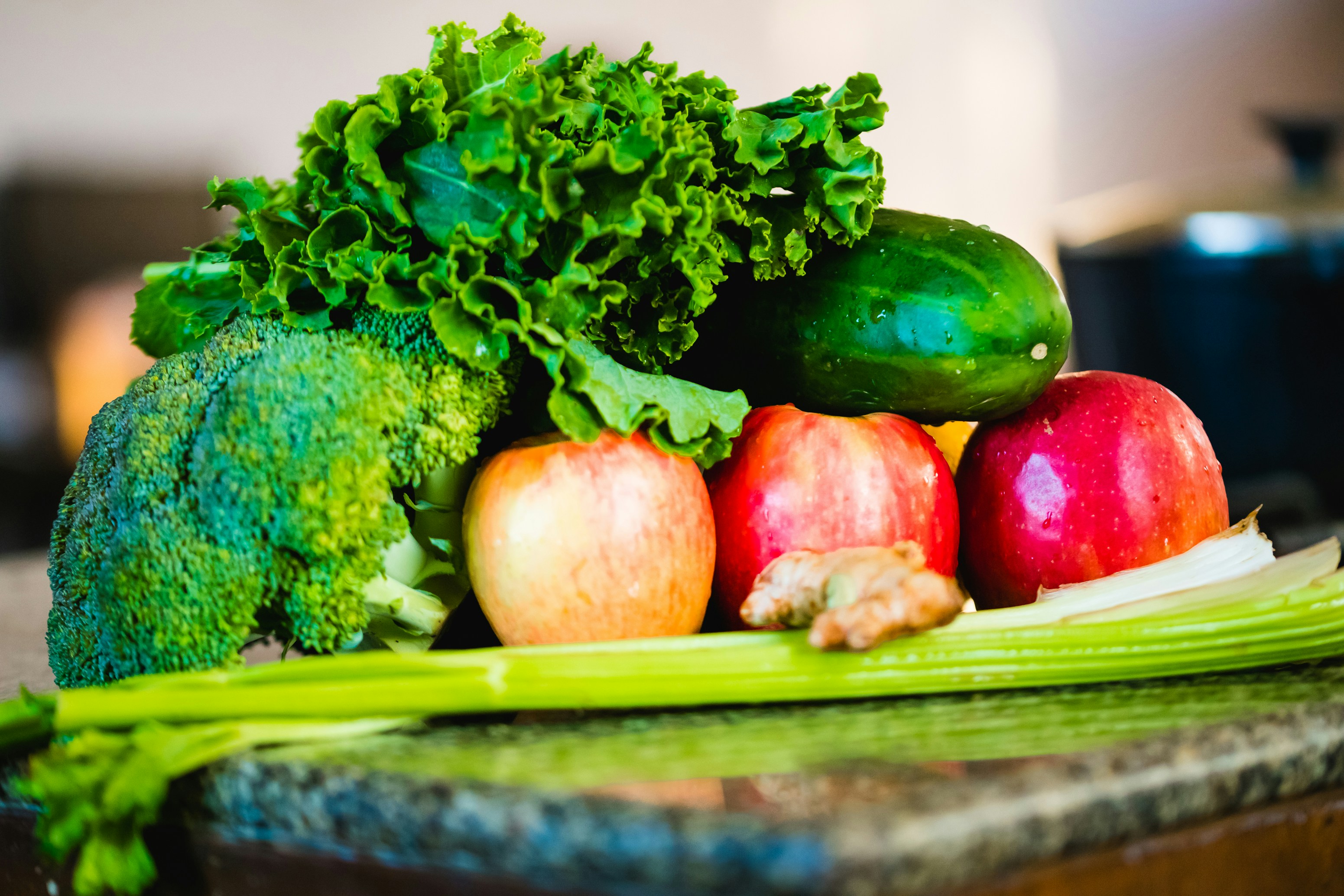
What are the easiest sustainable living habits for beginners?
Starting small is key. Some of the easiest habits include:
- Switching to LED bulbs: They use 75% less energy and last longer.
- Using reusable bags: Keep them in your car or by the door.
- Reducing meat consumption: Try Meatless Mondays.
- Turning off lights: When leaving a room.
- Using a reusable water bottle: Ditch single-use plastic.
Read more about “🌍 10 Ways to Live More Sustainably: Your 2026 Guide to a Grener Life”
How does sustainable living improve personal health?
Sustainable living often leads to healthier choices:
- Diet: Eating more plant-based foods reduces the risk of heart disease and diabetes.
- Air Quality: Reducing chemical use in cleaning products improves indoor air quality.
- Physical Activity: Walking or biking instead of driving increases physical activity.
- Mental Health: Connecting with nature and reducing waste can reduce stress and anxiety.
Read more about “59+ Ways to Be Sustainable in Everyday Life (2026) 🌱”
What are the best zero waste swaps for a healthy lifestyle?
- Beswax wraps instead of plastic wrap.
- Reusable silicone bags instead of Ziploc bags.
- Bar soap instead of liquid soap in plastic bottles.
- Menstrual cups or reusable pads instead of disposable products.
- Bamboo toothbrushes instead of plastic ones.
Read more about “🌱 Plant-Based Diet for Beginners: Your 15-Step Guide to Thriving (2026)”
How can I reduce my carbon footprint while eating healthy?
- Eat more plants: Plant-based diets have a lower carbon footprint.
- Buy local and seasonal: Reduces transportation emissions.
- Reduce food waste: Plan meals and store food properly.
- Choose organic: Reduces pesticide use and supports sustainable farming.
Read more about “🌱 What Foods Do You Eat on a Plant-Based Diet? (2026)”
What are the benefits of buying local and organic food?
- Lower carbon footprint: Less transportation.
- Support local economy: Keeps money in the community.
- Better taste: Fresher produce often tastes better.
- Healthier: Organic food has fewer pesticides and chemicals.
Read more about “🌱 The 3 Elements of Sustainability Explained (2026)”
How does minimalism contribute to a sustainable and healthy life?
- Less waste: Buying less means less waste.
- More time: Less clutter means less time cleaning and organizing.
- Financial freedom: Spending less on unnecessary items saves money.
- Mental clarity: A simpler life reduces stress and anxiety.
Read more about “Life Without Plastic Stainless Steel: 10 Game-Changing Swaps for 2026 🌿”
What are simple ways to make my home more eco-friendly?
- Insulate: Improve insulation to reduce heating and cooling costs.
- Install low-flow fixtures: Save water.
- Use energy-efficient appliances: Look for Energy Star ratings.
- Switch to renewable energy: If possible, switch to a green energy provider.
- Compost: Turn food scraps into nutrient-rich soil.
Read more about “Is COS Fast Fashion? The Truth Behind the Minimalist Mask (2026) 🕵️ ♀️”
📚 Reference Links
- Conservation International: Sustainable Living Tips
- Global Footprint Network: Carbon Footprint Calculator
- EPA: Sustainable Materials Management
- Patagonia: Worn Wear Program
- Blueland: Sustainability Report
- Who Gives A Crap: Impact Report
- CBS University: Sustainable Living Tips (Note: Access may be restricted due to security blocks, but the summary provided in the prompt offers valuable insights).
- Johns Hopkins University: Sustainability Engagement (Note: Access may be restricted due to security blocks, but the summary provided in the prompt offers valuable insights).
Note: Some links may be subject to security blocks or changes. Always verify the latest information from official sources.