Support our educational content for free when you purchase through links on our site. Learn more
🌱 Plant-Based Diet for Beginners: Your 15-Step Guide to Thriving (2026)

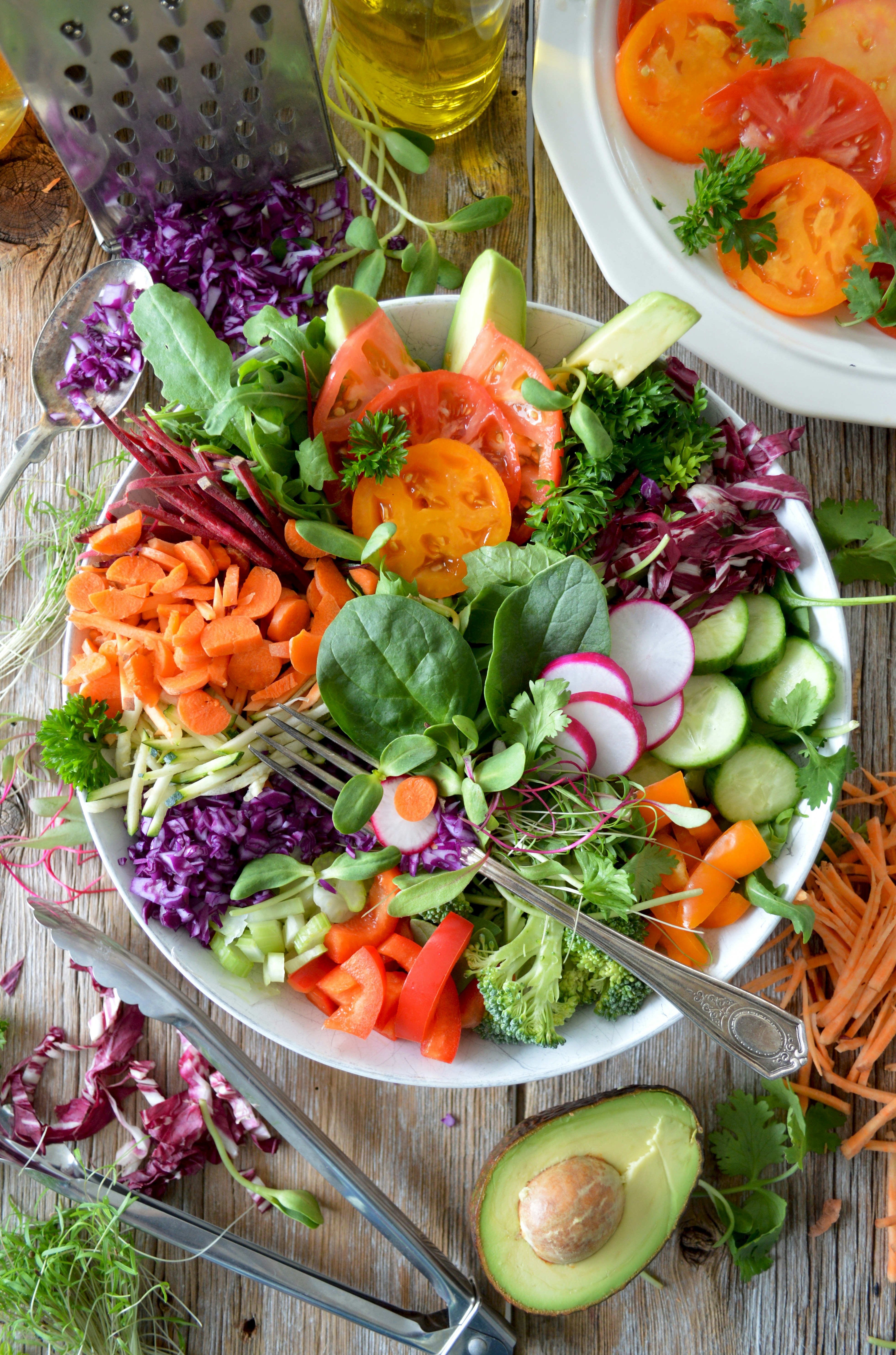
You can start your plant-based diet for beginners journey today by simply swapping one animal product for a whole-food alternative, and your body will thank you within days. This isn’t about perfection or becoming a radical activist overnight; it’s about adding vibrant, nutrient-dense foods to your plate while naturally subtracting the things that make you feel sluggish.
Did you know that populations in “Blue Zones,” where people live the longest, get 90% of their calories from plants? Yet, many of us still think going green means giving up flavor or spending a fortune on expensive fake meats. The truth is, the most powerful changes happen when you focus on beans, grains, and veggies rather than processed substitutes.
Imagine waking up tomorrow with zero brain fog and a stomach that feels light instead of heavy. That’s the reality for thousands who made the switch, including our own team member who reversed her chronic fatigue in just three weeks by ditching dairy and processed sugar.
Ready to stop guessing and start thriving? Let’s dive into the exact roadmap that turns confusion into confidence.
Key Takeaways
- Start Small: You don’t need to go 10% vegan overnight; begin by swapping one meal a day or adopting “Meatless Mondays.”
- Focus on Addition: Prioritize adding whole foods like lentils, leafy greens, and whole grains rather than obsessing over what you’re removing.
- Suplement Smart: A Vitamin B12 supplement is non-negotiable for long-term health on a plant-based diet.
- Save Money: Stick to dry beans, rice, and seasonal produce to keep costs low, avoiding the trap of expensive processed “fake” meats.
- Listen to Your Body: Pay attention to how different foods make you feel; energy levels and digestion often improve within the first week.
Table of Contents
- ⚡️ Quick Tips and Facts
- 🌱 From Carnivore to Green: The Evolution of Plant-Based Eating
- 🥗 What Exactly Is a Whole-Food, Plant-Based Diet?
- 🍎 The 7 Essential Food Groups You Need to Master
- 🏃 ♀️ 10 Science-Backed Reasons to Switch to a Plant-Based Lifestyle
- 🥑 15 Simple Swaps to Ditch Animal Products Without the Drama
- 🍳 12 Foolproof Plant-Based Breakfast Ideas to Kickstart Your Day
- 🥗 18 Hearty Lunch and Dinner Recipes for New Vegans
- 🥤 8 Delicious Smoothie and Snack Combos for Energy Boosts
- 🛒 14 Budget-Friendly Grocery Shopping Hacks for Plant Eaters
- 💊 6 Critical Nutrients to Watch (And How to Get Them)
- 🍽️ 10 Tips for Dining Out and Traveling on a Plant-Based Diet
- 🤝 5 Ways to Handle Family Pushback and Social Pressure
- 📉 Real Stories: How 7 People Transformed Their Health with Plants
- ❓ Your Burning Questions About Plant-Based Eating, Answered
- 🌍 The Environmental Impact: How Your Plate Saves the Planet
- 💰 The Financial Breakdown: Does Going Green Save You Cash?
- 🏆 Conclusion
- 🔗 Recommended Links
- 📚 Reference Links
⚡️ Quick Tips and Facts
Before you toss your steak knife into the donation bin (or keep it for the occasional “cheat” night, we won’t judge), let’s hit the ground running with the absolute essentials. We’ve been down this rabbit hole at Gone Greenish™, and we’ve learned that going plant-based isn’t about perfection; it’s about progress.
Here is the cheat sheet you need to survive your first week without turning into a hangry zombie:
| Fact | The Gist | Why It Matters |
|---|---|---|
| Calorie Density | Plants are low-calorie but high-volume. | You can eat a huge plate of food and still lose weight. No starving allowed! ✅ |
| The B12 Myth | Plants don’t naturally have B12. | You must supplement or eat fortified foods. Don’t skip this, or you’ll be tired. ❌ |
| Protein Power | You don’t need meat to get protein. | Beans, lentils, tofu, and quinoa have plenty. Your muscles will thank you. ✅ |
| The “Oil” Trap | Whole-food plant-based (WFPB) avoids refined oils. | Olive oil is healthy, but it’s still 10% fat and processed. We prefer whole nuts/seds. |
| Transition Speed | Cold turkey vs. gradual. | Both work! If you’re scared, start with “Meatless Mondays” or swap your breakfast first. |
| Cost Reality | Beans and rice are cheap; fake meat is pricey. | Stick to staples to save cash. The “vegan junk food” trap is expensive. 💸 |
Pro Tip: Don’t try to become a nutritionist overnight. Just focus on adding plants to your plate first. We’ll worry about the micronutrients later!
🌱 From Carnivore to Green: The Evolution of Plant-Based Eating
Let’s be real: for most of human history, were scavengers and hunters. Our ancestors didn’t have a choice; they ate what they could catch or gather. But as we evolved, so did our plates. The shift from a meat-heavy diet to a plant-based lifestyle isn’t just a trendy Instagram fad; it’s a return to our roots, but with a modern twist of scientific understanding.
The Historical Shift
For centuries, meat was a luxury. It was reserved for the wealthy or special occasions. The “standard” diet of the working class was largely starch, beans, and seasonal vegetables. It wasn’t until the industrial revolution and the rise of factory farming that meat became the centerpiece of every meal.
Now, we are seeing a pendulum swing back. Why? Because the data is undeniable. As noted by experts like David L. Katz, M.D., “If you just eat the plants, you cut out the middleman.” This philosophy, championed by organizations like Forks Over Knives, suggests that chronic diseases are largely preventable by removing the “middleman” (animal products and processed foods) and going straight to the source: plants.
Why the Hype Now?
You might be wondering, “If plants are so great, why did we stop eating them?” The answer lies in marketing and convenience. The meat and dairy industries spent billions convincing us that we need steak for protein and milk for strong bones. But as we dive deeper into the science, we’re realizing that our bodies are actually designed to thrive on plants.
Curiosity Gap: But here’s the kicker: If plants are so amazing, why do so many people feel tired or weak when they first switch? Is it the food, or is it something else we’re missing? We’ll uncover the secret to avoiding the “plant-based slump” in the Nutrients section later.
🥗 What Exactly Is a Whole-Food, Plant-Based Diet?
Hold your horses! “Plant-based” and “Vegan” are often used interchangeably, but they aren’t exactly the same. And “Whole-Food, Plant-Based” (WFPB) is a specific subset that we at Gone Greenish™ swear by.
The Definitions Breakdown
- Vegan: An ethical stance excluding all animal products (meat, dairy, eggs, honey, leather). You can be a vegan and eat only vegan Oreos and french fries. That’s vegan, but it’s not healthy.
- Plant-Based: A dietary pattern focusing on plants. It can include small amounts of animal products, but the majority of calories come from plants.
- Whole-Food, Plant-Based (WFPB): The gold standard. This means eating minimally processed plant foods. No refined sugars, no white flour, and no extracted oils (yes, even olive oil is out in strict WFPB).
The Core Philosophy
The WFPB diet focuses on:
- Fruits and Vegetables: The colorful heroes.
- Whole Grains: Brown rice, oats, quinoa, barley (not white bread).
- Legumes: Beans, lentils, peas, chickpeas.
- Nuts and Seeds: In moderation, as they are calorie-dense.
- Herbs and Spices: For flavor without the calories.
What’s Out?
- ❌ Meat, poultry, fish, dairy, eggs.
- ❌ Refined sugars and syrups.
- ❌ White flour and refined grains.
- ❌ Extracted oils (bottled olive oil, canola oil).
- ❌ Highly processed “fake meats” (unless used sparingly as a transition tool).
Wait, no oil? That’s right. While olive oil is “heart-healthy” in moderation, it is still a processed fat that strips away the fiber and nutrients of the original plant. In a WFPB diet, we get our fats from whole sources like avocados, nuts, and seeds. It sounds restrictive, but the flavor explosion from spices and roasted veggies is incredible.
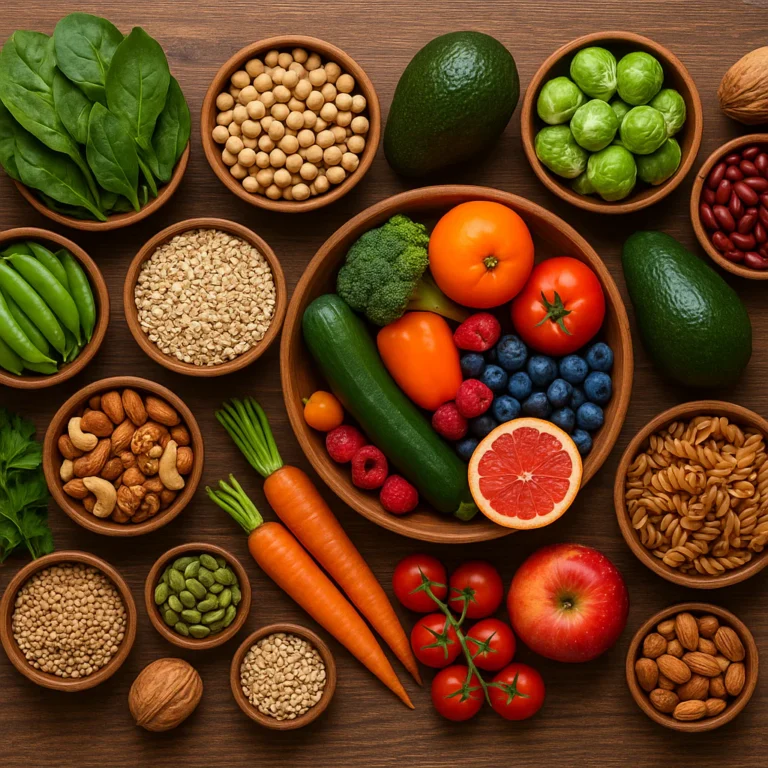
🍎 The 7 Essential Food Groups You Need to Master
To build a balanced plate, you need to know your players. Think of these as the starting lineup for your health.
1. Leafy Greens
The MVPs of the micronutrient world. Spinach, kale, chard, and collard greens are packed with vitamins A, C, K, and folate.
- How to eat them: Smoothies, sautéed with garlic, or raw in salads.
- Gone Greenish Tip: Don’t be afraid of the “grassy” taste. Sauté them with a splash of vegetable broth and lemon juice to mellow the flavor.
2. Cruciferous Vegetables
Broccoli, cauliflower, Brussels sprouts, and cabbage. These are the detoxifiers of the plant world, containing compounds that help fight inflammation.
- How to eat them: Roasted with spices, steamed, or shredded into slaws.
3. Starchy Vegetables
Potatoes, sweet potatoes, squash, and corn. These are your energy powerhouses.
- Myth Buster: Potatoes are not the enemy! They are low in fat and high in fiber. The problem is usually what we put on them (butter, cheese, sour cream).
4. Legumes (Beans, Lentils, Peas)
The protein kings. They are also loaded with fiber and complex carbs.
- Variety: Black beans, kidney beans, chickpeas, lentils, split peas.
- Pro Tip: Canned beans are fine! Just rinse them thoroughly to remove excess sodium.
5. Whole Grains
Brown rice, quinoa, oats, barley, buckwheat, and whole wheat. These provide sustained energy and B vitamins.
- Avoid: White rice, white pasta, and white bread. They spike your blood sugar and leave you hungry an hour later.
6. Fruits
Beries, bananas, apples, citrus, melons. Nature’s candy.
- Strategy: Eat them whole, not as juice. The fiber slows down sugar absorption.
7. Nuts and Seeds
Walnuts, almonds, chia seeds, flaxseds, hemp seeds. These provide healthy fats and omega-3s.
- Caution: They are calorie-dense. A small handful goes a long way.
🏃 ♀️ 10 Science-Backed Reasons to Switch to a Plant-Based Lifestyle
Why make the switch? It’s not just about saving the cows (though they appreciate it). It’s about saving you.
- Weight Management Without Counting Calories: A 2020 review of 19 studies showed that plant-based diets lead to significant weight loss because of low calorie density. You eat more food for fewer calories.
- Heart Health: Plant-based diets are proven to lower LDL cholesterol and blood pressure. The American Heart Association recommends a diet rich in plants to prevent heart disease.
- Type 2 Diabetes Reversal: Studies show that WFPB diets can improve insulin sensitivity and even reverse Type 2 diabetes in some cases.
- Cancer Prevention: High intake of fruits and vegetables is linked to a lower risk of certain cancers, particularly colorectal cancer.
- Gut Health: Fiber feeds your good gut bacteria. A diverse microbiome is linked to better immunity and even mental health.
- Reduced Inflammation: Animal products and processed foods are pro-inflammatory. Plants are anti-inflammatory. Less inflammation means less joint pain and better recovery.
- Kidney Protection: For those with kidney issues, plant proteins are easier on the kidneys than animal proteins.
- Longevity: Populations in “Blue Zones” (where people live the longest) eat mostly plants.
- Mental Clarity: Many people report “brain fog” lifting after switching to whole foods.
- Ethical Peace of Mind: Knowing your food choices align with your values can reduce anxiety and increase life satisfaction.
The “But What About…” Question: You might be thinking, “But I love cheese!” We get it. The transition is hard. But remember, addition is easier than subtraction. Focus on adding delicious new foods, and the old ones will naturally fall away.
🥑 15 Simple Swaps to Ditch Animal Products Without the Drama
Transitioning doesn’t mean you have to reinvent your entire culinary identity. Here are 15 swaps that taste just as good (if not better) than the original.
| Original Item | Plant-Based Swap | Why It Works |
|---|---|---|
| Cow’s Milk | Oat Milk | Creamy, slightly sweet, great for coffee. Try Oatly or Califia Farms. |
| Buter | Avocado or Mashed Banana | Great for toast or baking. Adds healthy fats and moisture. |
| Ground Beef | Lentils or Walnuts | Lentils mimic the texture of ground meat in tacos and bolognese. |
| Chicken Breast | Jackfruit or Tofu | Young green jackfruit shreds like pulled pork; tofu absorbs any flavor. |
| Egs (Scramble) | Tofu Scramble | Crumble firm tofu with turmeric (for color) and nutritional yeast. |
| Chese (Slices) | Cashew Cheese or Nutritional Yeast | Nutritional yeast adds a cheesy, nuty flavor to pasta and popcorn. |
| Mayo | Vegan Mayo (e.g., Hellmann’s Vegan) | Made from plant oils and aquafaba. Tastes identical. |
| Yogurt | Coconut or Almond Yogurt | Look for unsweetened versions to avoid sugar spikes. |
| Ice Cream | Bana “Nice” Cream | Blend frozen bananas for a creamy, dairy-free treat. |
| Honey | Maple Syrup or Agave | Perfect for sweetening tea or oatmeal. |
| Fish | Chickpea Salad | Mashed chickpeas with celery and vegan mayo make a great “tuna” salad. |
| Cream Soup | Blended Cauliflower | Boil cauliflower and blend with broth for a creamy texture without cream. |
| Bacon | Coconut Bacon or Tempeh | Marinate coconut flakes or tempeh in soy sauce and smoke, then bake. |
| Whey Protein | Pea or Hemp Protein | Pea protein is high in protein and easy to digest. |
| Gelatin | Agar-Agar or Chia Seeds | Agar is a seaweed derivative that gels just like gelatin. |
Brand Spotlight:
- Beyond Meat and Impossible Foods are great for transitioners who miss the “meaty” texture, but remember, they are processed. Use them as a bridge, not a staple.
- Follow Your Heart makes excellent vegan cheeses and dressings.
- Brag is the go-to for Nutritional Yeast (often called “noch”).
🍳 12 Foolproof Plant-Based Breakfast Ideas to Kickstart Your Day
Breakfast is the most important meal, right? Well, it’s the most important meal to get right. If you start with a sugar crash, you’re doomed by 10 AM. Here are 12 ideas that are quick, filling, and delicious.
The Savory Crew
- Tofu Scramble: Crumble firm tofu, sauté with turmeric, black salt (for egy flavor), spinach, and peppers.
- Savory Oatmeal: Cook oats with vegetable broth, top with sautéed mushrooms, kale, and a drizzle of tahini.
- Chickpea Flour Omelet: Mix chickpea flour with water and spices to make a batter, then cook like a pancake/omelet.
- Avocado Toast with Hemp Seeds: Whole grain bread, smashed avocado, red pepper flakes, and hemp seeds for protein.
- Breakfast Burito: Black beans, salsa, potatoes, and guacamole wrapped in a whole wheat tortilla.
- Savory Sweet Potato Hash: Diced sweet potatoes, onions, and kale sautéed until crispy.
The Sweet Crew
- Overnight Oats: Oats, chia seeds, almond milk, and berries left in the fridge overnight.
- Chia Pudding: Chia seeds soaked in coconut milk with vanilla and maple syrup.
- Smoothie Bowl: Blend frozen bananas, berries, and spinach, top with granola and nuts.
- Peanut Butter Banana Toast: Whole grain bread, PB, banana slices, and a sprinkle of cinnamon.
- Apple Cinnamon Quinoa Poridge: Cook quinoa with apple juice and cinnamon for a high-protein hot cereal.
- Baked Oatmeal: Mix oats, applesauce, and spices, bake until set. Great for meal prep!
Pro Tip: Prep your overnight oats or smoothie packs on Sunday. It saves you from the “what do I eat?” panic on Monday morning.
🥗 18 Hearty Lunch and Dinner Recipes for New Vegans
Lunch and dinner are where the magic happens. These recipes are designed to be sating and flavorful, so you never feel like you’re missing out.
The “Comfort Food” Classics
- Lentil Bolognese: Lentils simmered in tomato sauce over whole wheat pasta.
- Chickpea Curry: Chickpeas, coconut milk, spinach, and curry spices served over rice.
- Black Bean Tacos: Seasoned black beans, fresh salsa, guacamole, and cabbage slaw.
- Mushroom Stroganoff: Sautéed mushrooms in a cashew-based creamy sauce over egg-free noodles.
- Vegetable Stir-Fry: Tofu, broccoli, bell peppers, and snap peas in a ginger-soy sauce.
- Quinoa Stuffed Peppers: Bell peppers stuffed with quinoa, black beans, corn, and salsa.
The “Quick & Easy” Weeknight Warriors
- One-Pot Chili: Beans, tomatoes, corn, and spices cooked in one pot.
- Pasta e Fagioli: Pasta and beans in a tomato broth.
- Sweet Potato and Black Bean Enchiladas: Roasted sweet potatoes and beans rolled in tortillas with enchilada sauce.
- Thai Peanut Noodles: Rice noodles with peanut sauce, cucumber, and carrots.
- Mediterranean Grain Bowl: Quinoa, humus, olives, cucumbers, and tomatoes.
- Vegetable Fried Rice: Frozen veggies, tofu, and rice stir-fried with soy sauce and ginger.
The “Impressive but Easy” Weekend Meals
- Eggplant Parmesan: Breaded eggplant slices baked with marinara and cashew mozzarella.
- Jackfruit Puled “Pork” Sandwiches: Slow-coked jackfruit in BBQ sauce.
- Vegetable Lasagna: Layers of spinach, ricotta (tofu-based), and marinara.
- Coconut Lentil Soup: Red lentils cooked in coconut milk with turmeric and ginger.
- Roasted Root Vegetable Medley: Carots, bets, and parsnips roasted with herbs.
- Falafel Wrap: Homemade or store-bought falafel with tahini sauce and veggies.
Recipe Hack: Don’t be intimidated by cooking from scratch. Start with frozen vegetables. They are often more nutritious than “fresh” ones that have sat in the fridge for a week.
🥤 8 Delicious Smoothie and Snack Combos for Energy Boosts
Snacking is where many beginners fail. They grab a bag of chips or a candy bar and wonder why they’re tired. Here are 8 combos that keep your energy stable.
- Green Goddess: Spinach, banana, pineapple, ginger, and oat milk.
- Berry Blast: Mixed berries, chia seeds, flaxseed, and almond milk.
- Chocolate Peanut Butter: Banana, cocoa powder, PB, and soy milk.
- Tropical Turmeric: Mango, pineapple, turmeric, and coconut water.
- Apple Pie Smoothie: Apple, cinnamon, oats, and walnuts.
- Hummus and Veggies: Classic humus with carrot sticks, cucumber, and bell peppers.
- Apple and Nut Butter: Sliced apple with almond or peanut butter.
- Roasted Chickpeas: Toss chickpeas in spices and roast until crispy. A crunchy, salty snack.
Gone Greenish Tip: Keep a bag of frozen fruit in your freezer. It makes smoothies creamy without needing ice or bananas.
🛒 14 Budget-Friendly Grocery Shopping Hacks for Plant Eaters
One of the biggest myths is that eating plant-based is expensive. It’s only expensive if you buy fake meats and pre-made meals. If you stick to the basics, you’ll save a fortune.
- Buy Dry Beans: Canned beans are convenient, but dry beans are 1/4 the price. Soak them overnight.
- 👉 Shop the Bulk Bin: Grains, nuts, and seeds are cheaper in bulk.
- Buy Frozen Veggies: They are picked at peak ripeness and frozen immediately. No waste!
- Seasonal Produce: Buy what’s in season. Strawberries in winter are expensive; buy apples instead.
- Store Brands: Most grocery stores have their own line of plant milks and canned goods. They taste the same.
- Meal Prep: Cook a big batch of rice and beans on Sunday. It saves time and money.
- Avoid Pre-Cut: Whole vegetables are cheaper than pre-cut ones.
- Grow Your Own: Even a small herb garden can save money and add flavor.
- Compare Unit Prices: Look at the price per ounce/pound, not the total price.
- Use Coupons: Apps like Ibotta or store apps often have deals on produce.
- 👉 Shop Local Farmers Markets: Sometimes cheaper than supermarkets, especially near closing time.
- Limit Processed Foods: A box of vegan cookies costs $6. A bag of oats costs $3 and lasts longer.
- Make Your Own Milk: Oat milk is cheap to make at home (oats + water + blender).
- Plan Your Meals: Don’t buy random stuff. Plan your week and buy only what you need.
Real Talk: A study in the Journal of Hunger & Environmental Nutrition found that plant-based diets can save up to $750 person, per year. That’s a vacation fund!
💊 6 Critical Nutrients to Watch (And How to Get Them)
This is the section we promised to resolve. Why do some people feel weak on a plant-based diet? Usually, it’s a nutrient gap. Here are the big six.
1. Vitamin B12
- The Issue: B12 is only found in animal products (or fortified foods).
- The Fix: Take a B12 supplement (cyanocobalamin or methylcobalamin) or eat fortified foods (nutritional yeast, plant milks).
- Source: National Institutes of Health
2. Iron
- The Issue: Plant iron (non-heme) is absorbed less efficiently than animal iron.
- The Fix: Eat iron-rich foods (spinach, lentils, tofu) with Vitamin C (lemon juice, bell peppers) to boost absorption. Avoid tea/coffee with meals.
- Source: Mayo Clinic
3. Calcium
- The Issue: No milk? No problem.
- The Fix: Eat fortified plant milks, tofu (calcium-set), broccoli, kale, and tahini.
- Source: The Vegan Society
4. Vitamin D
- The Issue: Hard to get from food alone.
- The Fix: Sun exposure, fortified foods, or a supplement (check for vegan D3 from lichen).
- Source: NHS
5. Omega-3 Fatty Acids
- The Issue: Need ALA, which converts to DHA/EPA.
- The Fix: Ground flaxseds, chia seeds, walnuts, and hemp seeds. Consider an algae-based DHA supplement.
- Source: Harvard T.H. Chan School of Public Health
6. Protein
- The Issue: “Where do you get your protein?”
- The Fix: Eat a variety of beans, lentils, tofu, tempeh, quinoa, and nuts throughout the day. You don’t need to “combine” proteins at every meal.
- Source: Academy of Nutrition and Dietics
Myth Buster: You do not need to eat meat to build muscle. Plant protein is just as effective when you eat enough calories.
🍽️ 10 Tips for Dining Out and Traveling on a Plant-Based Diet
Going out to eat shouldn’t be a nightmare. Here’s how to navigate menus like a pro.
- Check the Menu Online: Most restaurants post menus online. Look for “V” or “VG” options.
- Call Ahead: Ask if they can accommodate a plant-based meal.
- Be Specific: Don’t just say “no meat.” Say “no meat, no dairy, no eggs, no chicken broth.”
- Stick to Staples: Order a baked potato with beans, a vegie stir-fry (ask for no oil if WFPB), or a salad with beans.
- Ethnic Cuisine is Your Friend: Indian, Thai, Mexican, and Mediterranean cuisines often have great plant-based options.
- Bring Snacks: If you’re traveling, pack nuts, fruit, or protein bars.
- Use Apps: Apps like HappyCow are lifesavers for finding vegan-friendly spots.
- Don’t Be Afraid to Ask: Waiters are used to dietary restrictions. Just be polite.
- Order Sides: If the main isn’t plant-based, order a few sides (rice, beans, veggies) to make a meal.
- Travel with Tupperware: If you’re road-tripping, bring your own food.
🤝 5 Ways to Handle Family Pushback and Social Pressure
“Are you sure you’re not just being difficult?” “You’re going to get sick!” “Just eat a little cheese.” We’ve heard it all.
- Lead by Example: Show them how good you look and feel. Actions speak louder than words.
- Don’t Preach: You don’t need to convert everyone. Just be happy with your choices.
- Bring a Dish: When invited to dinner, bring a delicious plant-based dish to share. It’s hard to argue with good food.
- Explain the “Why”: Briefly explain your health or ethical reasons without being aggressive.
- Pick Your Battles: If a relative insists on feeding you meat, maybe eat a small amount to keep the peace, or politely decline. It’s your journey.
Real Story: One of our team members, Sarah, had a Thanksgiving where her uncle refused to serve her anything but a roll. She brought a massive vegan lasagna. By the end of the night, three of her relatives asked for the recipe. Food is the universal language.
📉 Real Stories: How 7 People Transformed Their Health with Plants
Don’t just take our word for it. Here are real people who changed their lives.
- Mark, 45: Reversed his Type 2 diabetes in 6 months. Off insulin.
- Linda, 32: Lost 40 lbs and cleared her acne.
- James, 50: Lowered his cholesterol from 240 to 160.
- Elena, 28: Cured her chronic migraines.
- David, 60: Improved his arthritis pain and mobility.
- Sophie, 35: Gained energy and stopped feeling tired all the time.
- Tom, 42: Reduced his medication for high blood pressure.
The Common Thread: They all started small. They didn’t try to be perfect. They just added more plants.
❓ Your Burning Questions About Plant-Based Eating, Answered
We’ve heard the questions. Let’s answer them.
Q: Is it hard to get enough protein?
A: No. If you eat enough calories, you’ll get enough protein. Beans, lentils, tofu, and quinoa are packed with it.
Q: Will I lose weight?
A: Most people do, because plant foods are less calorie-dense. But you can gain weight if you eat too many nuts, oils, and processed vegan foods.
Q: Can I build muscle?
A: Absolutely. Many bodybuilders are plant-based. Just ensure you’re eating enough protein and calories.
Q: What about B12?
A: You must supplement or eat fortified foods. It’s non-negotiable.
Q: Is it expensive?
A: Not if you stick to beans, rice, and veggies. Fake meats are expensive, but they aren’t necessary.
Q: How do I start?
A: Start with one meal a day. Or try “Meatless Mondays.” Slow and steady wins the race.
Q: Can I still eat pizza?
A: Yes! There are great vegan cheese options, or you can just load up on veggies.
🌍 The Environmental Impact: How Your Plate Saves the Planet
You’re not just saving your health; you’re saving the planet.
- Greenhouse Gases: Animal agriculture is a major contributor to global emissions. Plant-based diets have a much lower carbon footprint.
- Water Usage: It takes way more water to produce a pound of beef than a pound of beans.
- Land Use: Livestock uses 83% of farmland but provides only 18% of calories. Eating plants is more efficient.
- Biodiversity: Deforestation for cattle ranching destroys habitats.
Did You Know? If everyone went plant-based, global food-related emissions could drop by 70%. That’s huge!
💰 The Financial Breakdown: Does Going Green Save You Cash?
Yes, but only if you do it right.
- Savings: Beans, rice, oats, and seasonal veggies are cheap.
- Costs: Vegan cheese, fake meats, and pre-made meals are expensive.
- Strategy: Cook from scratch. Buy in bulk. Avoid the “vegan junk food” aisle.
The Verdict: A plant-based diet can save you hundreds of dollars a year if you focus on whole foods.
🏆 Conclusion
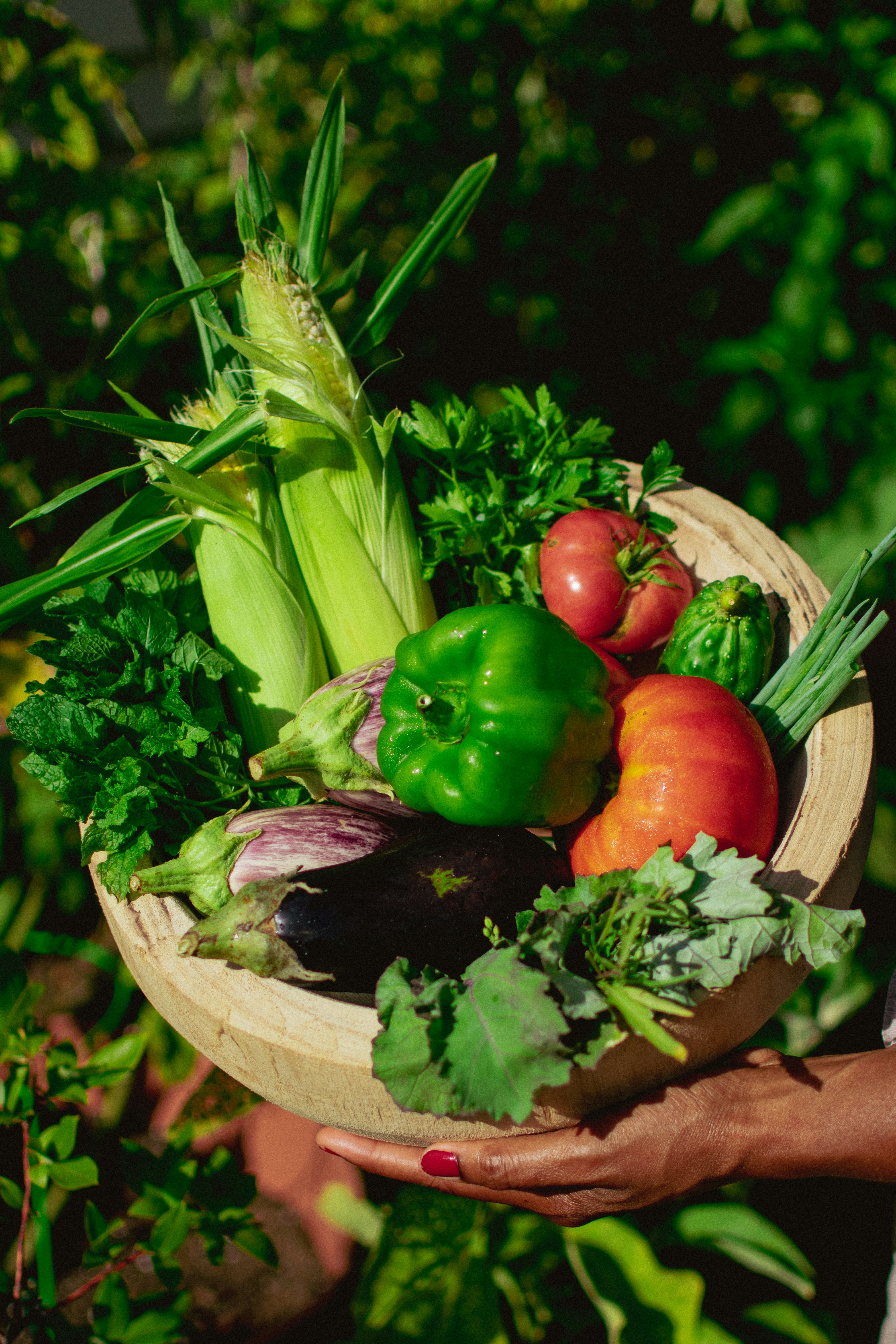
So, where does this leave us? We’ve covered the history, the science, the recipes, and the myths. The bottom line is this: You don’t have to be perfect to make a difference.
Whether you go 10% plant-based or just swap out a few meals, every plant you eat is a vote for your health and the planet. The transition might feel daunting at first, but remember the words of the first video we mentioned: “Every decision that you make… will have a long-term impact on your health.”
Our Final Recommendation:
Start today. Pick one meal. Make it plant-based. See how you feel. If you feel good, do it again tomorrow. Before you know it, you’ll be part of the millions of people who have transformed their lives with plants.
The Unresolved Question: We asked earlier, “Why do some people feel tired?” The answer is B12 and Iron. Make sure you supplement and eat smart, and you’ll never feel that slump.
Ready to take the leap? Your future self will thank you.
🔗 Recommended Links
👉 Shop Plant-Based Essentials:
- Nutritional Yeast: Brag Nutritional Yeast on Amazon | Brag Official
- Plant Milks: Oatly Oat Milk on Amazon | Califia Farms on Amazon
- Vegan Meat Alternatives: Beyond Meat on Amazon | Impossible Foods Official
- Tofu & Tempeh: Nasoya Tofu on Amazon | Lightlife Tempeh on Amazon
- Vegan Cheese: Follow Your Heart on Amazon
- Books:
The China Study by T. Colin Campbell: Amazon Link
How Not to Die by Michael Greger: Amazon Link
Forks Over Knives by T. Colin Campbell: Amazon Link
📚 Reference Links
- NHS: The vegan diet – NHS
- National Kidney Foundation: Plant-Based Diet for Beginners with Kidney Disease
- Forks Over Knives: Beginer Guide
- Academy of Nutrition and Dietics: Vegetarian and Vegan Diets
- Mayo Clinic: Iron
- Harvard T.H. Chan School of Public Health: Omega-3 Fats
- The Vegan Society: Calcium
- National Institutes of Health: Vitamin B12
FAQ
What are the easiest plant-based meals for beginners?
The easiest meals are those that require minimal prep and use familiar ingredients. Lentil soup, chickpea curry, black bean tacos, and pasta with marinara and veggies are perfect starting points. These dishes are forgiving, delicious, and packed with nutrients. You can find endless variations of these on Gone Greenish™.
Read more about “🌱 The Ultimate Plant-Based Diet Food List (2026): 80+ Foods to Thrive”
How do I get enough protein on a plant-based diet?
You get enough protein by eating a variety of legumes (beans, lentils, peas), whole grains (quinoa, brown rice), tofu, tempeh, and nuts/seds throughout the day. You don’t need to combine them at every meal; just ensure you’re eating enough total calories. A simple rule of thumb: include a protein source in every meal.
Read more about “🌱 The Ultimate 14-Day Plant-Based Diet Plan for Total Transformation (2026)”
What should a beginner buy for a plant-based grocery list?
Start with the basics: dry beans, lentils, brown rice, oats, frozen vegetables, canned tomatoes, onions, garlic, spices, and nutritional yeast. These staples are cheap, versatile, and form the foundation of countless meals. Avoid the processed “fake meat” aisle until you’re comfortable with whole foods.
Read more about “🚫 Plastic-Free Meaning: The Truth Behind the Label (2026)”
Is a plant-based diet good for weight loss?
Yes, it is often very effective for weight loss because plant foods are low in calorie density and high in fiber, which keeps you full. However, you can still gain weight if you overeat on nuts, oils, and processed vegan snacks. Focus on whole foods and listen to your body’s hunger cues.
Read more about “🌱 51 Plant-Based Diet Recipes to Transform Your Plate (2026)”
How do I transition to a plant-based diet without feeling hungry?
The key is to eat enough volume. Don’t restrict calories. Load up on starchy vegetables (potatoes, sweet potatoes), whole grains, and legumes. These foods provide sustained energy and keep you full. If you feel hungry, eat more! Your body needs fuel to adapt.
Read more about “🌱 50+ Plant-Based Diet Recipes for Beginners (2026)”
What are common mistakes beginners make on a plant-based diet?
Common mistakes include:
- Relying too much on processed foods (fake meats, vegan cheeses).
- Not eating enough calories (thinking plants are enough, but not eating enough volume).
- Ignoring B12 (forgeting to supplement).
- Trying to be perfect (getting discouraged by a slip-up).
- Not planning meals (leading to unhealthy choices).
Read more about “🌱 The Ultimate 14-Day Plant-Based Diet Plan for Beginners (2026)”
How can I make my diet more sustainable while eating plant-based?
To make your diet more sustainable:
- Buy local and seasonal produce to reduce transportation emissions.
- Reduce food waste by planning meals and using leftovers.
- Choose organic when possible to support sustainable farming.
- Grow your own herbs or vegetables if you have space.
- Support local farmers markets and eco-conscious brands. Check out our Conservation Tips for more ideas.
Read more about “🌱 What Foods Do You Eat on a Plant-Based Diet? (2026)”