Support our educational content for free when you purchase through links on our site. Learn more
🌱 Plant-Based Diet for Weight Loss: The 2026 Guide to Sheding Pounds

You can lose significant weight without counting a single calorie by simply switching to a whole-food, plant-based diet that prioritizes low-calorie density and high fiber. This approach isn’t just a trend; it’s a scientifically backed strategy that allows you to eat until you are full while your body naturally taps into stored fat reserves.
Many people struggle with the “starvation diet” mentality, but a plant-based diet for weight loss flips the script entirely. Instead of restricting what you eat, you flood your plate with nutrient-dense vegetables, legumes, and whole grains that keep your metabolism humming.
Consider this: a study published in the Journal of the American College of Nutrition found that participants on a plant-based diet lost an average of 14 pounds more than those on a control diet over 18 weeks, all without being told to restrict portion sizes.
We’ve seen friends go from feeling sluggish and bloated to running marathons just by swapping their morning eggs for a bowl of oatmeal and berries. It wasn’t about willpower; it was about hormonal balance and gut health.
Ready to stop fighting your body and start working with it? Let’s dive into exactly how this lifestyle transformation works.
Key Takeaways
- Calorie Density is King: You can eat larger portions of food while consuming fewer calories by focusing on whole plant foods like leafy greens, berries, and legumes.
- No Counting Required: Unlike traditional diets, a whole-food, plant-based diet naturally regulates appetite through high fiber content, eliminating the need for obsessive calorie tracking.
- Metabolic Magic: Switching to plants improves insulin sensitivity and reduces inflammation, allowing your body to switch from “storage mode” to “fat-burning mode” more efficiently.
- Sustainable Results: Real people are losing 10–15 pounds in the first few months and keeping it off long-term by adopting this lifestyle rather than a temporary fix.
Table of Contents
- ⚡️ Quick Tips and Facts
- 🌱 From Carnivore to Green: The Evolution of Plant-Based Eating
- 🥗 What Exactly Is a Whole-Food, Plant-Based Diet?
- 📉 The Science of Sheding Pounds: How Plant-Based Diets Drive Weight Loss
- 🍽️ 10 Essential Food Groups to Fuel Your Metabolism
- 🚫 7 Common Pitfalls That Stall Your Weight Loss Progress
- 🥑 15 High-Protein Plant Foods That Keep You Full and Lean
- 🥣 12 Delicious, Low-Calorie Plant-Based Meal Ideas for Busy Days
- 🛒 8 Smart Grocery Shopping Hacks for Budget-Friendly Plant Eating
- 🏃 ♀️ 5 Simple Exercises to Pair With Your New Plant-Based Lifestyle
- ❤️ Beyond the Scale: Heart Health, Blood Sugar, and Longevity
- 🌍 Why Going Green Helps the Planet (And Your Wallet)
- 🗣️ Real People, Real Results: Weight Loss Stories That Inspire
- ❓ Your Burning Questions About Plant-Based Weight Loss, Answered
- 📖 Our Journey: How We Ditched the Meat and Found Our Energy
- 🏁 Conclusion
- 🔗 Recommended Links
- 📚 Reference Links
⚡️ Quick Tips and Facts
Before we dive into the nitty-gritty of shedding pounds without starving yourself, let’s hit the reset button with some hard-hitting truths that might just flip your script on weight loss forever.
- You Don’t Need to Count Calories: Seriously. One of the biggest myths is that you have to obsess over every calorie. With a whole-food, plant-based approach, the calorie density is so low that you can eat until you are comfortably full and still lose weight. It’s like eating a mountain of food that weighs nothing on your waistline! 🏔️
- Fiber is Your Best Friend: Aim for 40 grams of fiber per day. This isn’t just about regularity; fiber acts as a natural appetite suppressant, keeping your blood sugar stable and your cravings at bay.
- The “Add, Don’t Subtract” Rule: Instead of thinking about what you can’t eat, focus on what you can add. Fill half your plate with non-starchy veggies before you even think about the grains or legumes.
- Oil is the Silent Saboteur: Did you know that one gram of fat (like oil) has 9 calories, while a gram of carbs has only 4? Limiting added oils is often the single most effective tweak for rapid weight loss on a plant-based diet.
- It’s Not Just About Weight: While the scale is a great motivator, the real win is reversing inflammation, lowering blood pressure, and boosting your energy levels so you don’t crash at 2 PM.
For a deeper dive into the philosophy behind this lifestyle, check out our comprehensive guide on Plant-Based Diet.
🌱 From Carnivore to Green: The Evolution of Plant-Based Eating
Let’s be honest: for most of human history, were scavengers and hunters. But somewhere along the line, we decided that the only way to get protein was to chase a cow or a chicken. Spoiler alert: we were wrong.
The history of plant-based eating isn’t a new fad; it’s a return to our roots. Ancient civilizations in Greece, India, and China thrived on plant-centric diets long before the industrial food complex convinced us that meat was the only path to strength.
The Shift in Modern Times
In the last few decades, the narrative has shifted. We’ve moved from “vegetarianism” (often associated with cheese and pasta) to Whole-Food, Plant-Based (WFPB) eating. This isn’t about eating a bag of vegan cookies and calling it a day. It’s about prioritizing foods that grow from the ground.
- The 1970s: The rise of the “vegetarian” movement, often driven by ethical concerns.
- The 190s: The “China Study” by Dr. T. Colin Campbell began linking animal protein to chronic diseases, sparking scientific interest.
- The 20s-Present: The focus has shifted to metabolic health and weight loss, with celebrities and athletes alike adopting WFPB lifestyles.
Why the change? Because science finally caught up. We now know that the gut microbiome thrives on plant diversity, and that a diet high in processed meats and dairy is a recipe for metabolic chaos.
“If you just eat the plants, you cut out the middleman.” — David L. Katz, M.D.
This evolution isn’t just about what we eat; it’s about how we view our relationship with the planet. By choosing plants, we are also making a statement about Carbon Footprint Reduction and Biodiversity Conservation.
🥗 What Exactly Is a Whole-Food, Plant-Based Diet?
Okay, let’s clear the air. “Plant-based” is a term that gets thrown around like confetti, but it doesn’t always mean what you think.
Whole-Food, Plant-Based (WFPB) is the gold standard. It means eating foods in their most natural state. No refining, no stripping away the good stuff, and definitely no chemical additives.
The WFPB Checklist
✅ Eat: Fruits, vegetables, whole grains, legumes, nuts, seeds, and herbs/spices.
❌ Avoid: Animal products (meat, dairy, eggs, honey), refined sugars, refined grains (white flour, white rice), and added oils.
The “Vegan Trap”
Here is the trap many fall into: thinking that because something is “vegan,” it’s healthy. A bag of vegan gummy bears is still a bag of sugar. A vegan cheese slice is still a processed emulsion of oils and starches.
The Difference:
- Vegan: No animal products. (Can include Oreos, french fries, and soda).
- Whole-Food, Plant-Based: No animal products AND no processed junk. (Focuses on nutrient density).
We’ve seen friends jump on the “vegan” bandwagon, only to replace their steak with a vegie burger and a side of fries, wondering why they aren’t losing weight. The answer? Calorie density.
📉 The Science of Sheding Pounds: How Plant-Based Diets Drive Weight Loss
So, how does swapping a burger for a bowl of lentils actually melt the fat? It’s not magic; it’s biology.
1. Calorie Density: The Volume Game
This is the secret sauce. Animal products and oils are calorie-dense. A single tablespoon of olive oil has 120 calories. A cup of broccoli has only 30.
- The Mechanism: When you eat low-calorie-dense foods, you can eat a larger volume of food. Your stomach stretches, sending signals to your brain that you are full, but you’ve consumed far fewer calories.
- The Result: You eat until you are satisfied, not stuffed, and your body taps into stored fat for energy.
2. Thermic Effect of Food
Did you know your body burns calories just by digesting food? Plant-based diets, particularly those low in fat, increase after-meal energy expenditure. Your body works harder to process complex carbohydrates and fiber than it does to process saturated fats.
3. Insulin Sensitivity
High-fat diets (especially saturated fats from animals) can make your cells resistant to insulin. When insulin is high, your body is in “storage mode,” making it nearly impossible to burn fat. Plant-based diets, rich in fiber, stabilize blood sugar and improve insulin sensitivity, allowing your body to switch back into “fat-burning mode.”
4. Inflammation Reduction
Chronic inflammation is a silent weight-gain driver. Animal products and processed foods are high in Advanced Glycation End-products (AGEs), which trigger inflammation.
- The Stat: A 2020 study found that plant-based diets reduce dietary AGEs by 79%, compared to only 15% for diets including meat and dairy. Less inflammation means a more efficient metabolism.
🍽️ 10 Essential Food Groups to Fuel Your Metabolism
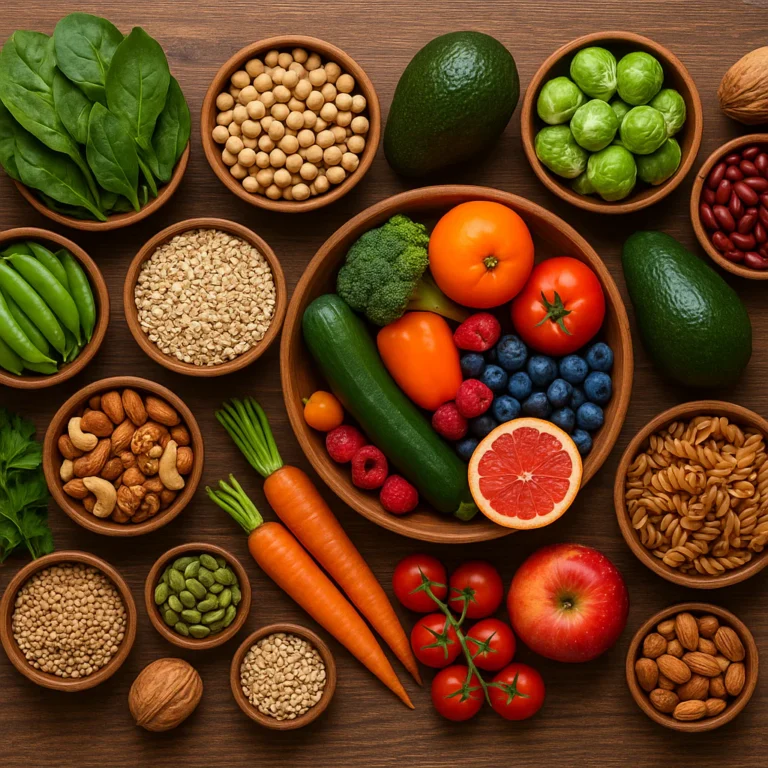
You don’t need a PhD in nutrition to eat right, but you do need to know your food groups. Here are the 10 pillars of a weight-loss-friendly plant-based diet.
| Food Group | Why It Works | Top Picks |
|---|---|---|
| Leafy Greens | Ultra-low calorie, high nutrient density. | Spinach, kale, collard greens, arugula |
| Cruciferous Veggies | High fiber, cancer-fighting compounds. | Broccoli, cauliflower, Brussels sprouts, bok choy |
| Beries | Antioxidant powerhouses, low sugar. | Blueberries, strawberries, raspberries |
| Legumes | Protein + Fiber combo for satiety. | Lentils, chickpeas, black beans, kidney beans |
| Whole Grains | Sustained energy, B vitamins. | Quinoa, brown rice, oats, barley, buckwheat |
| Starchy Veggies | Sating, nutrient-rich carbs. | Sweet potatoes, squash, corn, peas |
| Nuts & Seeds | Healthy fats (in moderation), minerals. | Chia seeds, flaxseds, almonds, walnuts |
| Tofu & Tempeh | Complete plant proteins, versatile. | Firm tofu, tempeh, edame |
| Fruits (Whole) | Natural sweetness, fiber, hydration. | Apples, bananas, oranges, melons |
| Herbs & Spices | Flavor without calories, metabolic boosters. | Turmeric, ginger, garlic, cumin, cayenne |
Pro Tip: Don’t fear the starch! Sweet potatoes and whole grains are metabolically friendly when eaten in their whole form. They provide the fuel your brain and muscles need to function.
🚫 7 Common Pitfalls That Stall Your Weight Loss Progress
We’ve all been there. You’re eating “healthy,” but the scale isn’t moving. What gives? Here are the 7 deadly sins of plant-based weight loss.
- Drowning Food in Oil: As mentioned, oil is pure fat. A “healthy” salad with 3 tablespoons of dressing can have 360 calories. Switch to water-sautéing or use vinegar/lemon juice for flavor.
- Overeating Nuts and Seeds: They are healthy, but they are calorie bombs. A small handful is fine; a whole bowl is a meal’s worth of calories.
- Relying on Processed Meat Alternatives: Vegan sausages, burgers, and “chese” are often highly processed and high in sodium and fat. Whole foods should be the star.
- Skipping Protein: If you aren’t eating enough protein, you’ll lose muscle mass, which slows your metabolism. Aim for a source of protein at every meal.
- Liquid Calories: Fruit juices, smoothies with added sugar, and plant milks with added oils can sneak in hundreds of calories. Eat your fruit, don’t drink it.
- Not Eating Enough Volume: If you’re starving, you’ll binge. Make sure your plate is 50% vegetables.
- Giving Up Too Soon: Your body needs time to adjust to the high fiber. Don’t quit after a week of gas and bloating. It passes!
🥑 15 High-Protein Plant Foods That Keep You Full and Lean
Protein is the building block of muscle, and muscle burns more calories at rest. You don’t need steak to get your protein. Here are 15 powerhouses to keep you lean.
- Lentils: 18g protein per cooked cup.
- Chickpeas: 15g protein per cooked cup.
- Black Beans: 15g protein per cooked cup.
- Tofu: 20g protein per cup (firm).
- Tempeh: 31g protein per cup.
- Edame: 18g protein per cup.
- Quinoa: 8g protein per cooked cup (a complete protein!).
- Hemp Seeds: 10g protein per 3 tablespoons.
- Chia Seeds: 5g protein per 2 tablespoons.
- Pumpkin Seeds: 9g protein per ounce.
- Nutritional Yeast: 8g protein per 2 tablespoons (chesy flavor!).
- Seitan: 25g protein per 3.5 oz (wheat gluten).
- Split Peas: 16g protein per cooked cup.
- Green Peas: 9g protein per cooked cup.
- Oats: 6g protein per cooked cup.
👉 Shop for these staples:
- Bob’s Red Mill: Amazon | Brand Official
- Nasoya: Amazon | Brand Official
🥣 12 Delicious, Low-Calorie Plant-Based Meal Ideas for Busy Days
Who says healthy eating takes hours? Here are 12 quick, low-calorie meals that taste like a hug for your soul.
Breakfast
- Overnight Oats: Rolled oats, chia seeds, almond milk, and berries. (Ready in the morning!)
- Tofu Scramble: Crumbled tofu with turmeric, spinach, and nutritional yeast.
- Green Smoothie: Spinach, banana, frozen mango, and hemp seeds.
Lunch
- Mediterranean Quinoa Bowl: Quinoa, chickpeas, cucumber, tomatoes, and lemon-tahini dressing.
- Lentil Soup: A big pot of lentils, carrots, celery, and tomatoes. (Make a batch on Sunday!)
- Chickpea Salad Sandwich: Mashed chickpeas with celery, onion, and mustard on whole-grain bread.
Dinner
- Stir-Fry: Broccoli, bell peppers, and tofu sautéed in water with soy sauce and ginger.
- Sweet Potato & Black Bean Tacos: Roasted sweet potato wedges, black beans, and salsa.
- Pasta Primavera: Whole-wheat pasta with zucchini, carrots, and marinara sauce (no oil).
Snacks
- Apple Slices with Nut Butter: (Use a thin layer of PB).
- Roasted Chickpeas: Crunchy, savory, and high in fiber.
- Hummus & Veggies: Carot sticks, celery, and bell pepper strips.
Need a meal plan? Check out Forks Over Knives for a budget-friendly one-week vegan meal plan.
🛒 8 Smart Grocery Shopping Hacks for Budget-Friendly Plant Eating
Let’s talk money. One of the biggest myths is that eating plant-based is expensive. It’s actually the cheapest way to eat if you know how to shop.
- Buy in Bulk: Grains, beans, and nuts are significantly cheaper in the bulk section.
- Stick to the Perimeter: The fresh produce, tofu, and bulk bins are usually on the outside. The middle aisles are full of processed junk.
- Embrace Frozen Produce: Frozen veggies are picked at peak ripeness and are often cheaper than fresh. They are perfect for smoothies and stir-fries.
- Seasonal is Best: Buy what’s in season. Strawberries in winter? No thanks. Apples in fall? Yes!
- Store Brands: You don’t need the fancy label. The generic version of canned beans is identical to the name brand.
- Cook in Batches: Make a big pot of chili or soup on Sunday. It saves time and money during the week.
- Limit Processed Alternatives: Vegan cheese and meat substitutes are pricey. Stick to whole foods.
- Grow Your Own: Even a small herb garden can save you money and add fresh flavor.
For more tips on saving money while saving the planet, read our guide on Conservation Tips.
🏃 ♀️ 5 Simple Exercises to Pair With Your New Plant-Based Lifestyle
Diet is 80% of the weight loss equation, but exercise is the other 20% that keeps the weight off and builds a strong, lean body. You don’t need a gym membership.
- Walking: The ultimate fat-burner. Aim for 30 minutes a day. It’s low impact and sustainable.
- Bodyweight Strength Training: Squats, push-ups, and lunges build muscle, which boosts your metabolism.
- Yoga: Improves flexibility, reduces stress (which lowers cortisol, a weight-gain hormone), and builds core strength.
- HIT (High-Intensity Interval Training): Short bursts of intense activity followed by rest. Great for burning calories in a short time.
- Cycling: A fun way to get cardio and strengthen your legs.
Remember: As the video at #featured-video suggests, exercise is for maintenance, while diet is for weight loss. Don’t rely on burning off a bad meal; rely on eating a good meal to fuel your movement.
❤️ Beyond the Scale: Heart Health, Blood Sugar, and Longevity
Weight loss is great, but it’s not the only reason to go plant-based. The real benefits are what happens inside your body.
- Heart Health: Plant-based diets are linked to lower blood pressure, lower cholesterol, and a reduced risk of heart disease. The fiber and antioxidants in plants keep your arteries clear.
- Diabetes Prevention: By stabilizing blood sugar and improving insulin sensitivity, a WFPB diet can prevent or even reverse Type 2 diabetes.
- Cancer Risk: High fiber intake is linked to a lower risk of colorectal cancer. The phytochemicals in plants fight cell mutations.
- Longevity: Studies show that plant-based eaters live longer, healthier lives with fewer chronic diseases.
As Dr. Andrea Murray from MD Anderson says, “When you’re eating healthier food, it’s helping your body function the way it was designed to.”
🌍 Why Going Green Helps the Planet (And Your Wallet)
You might be wondering, “How does my diet affect the planet?” The answer is massive.
- Land Use: Livestock farming consumes 83% of farmland but provides only 18% of global calories. By eating plants, we use land more efficiently.
- Greenhouse Gases: Animal agriculture is a leading cause of methane emissions, a potent greenhouse gas.
- Water Conservation: It takes thousands of gallons of water to produce a pound of beef. A pound of beans? A fraction of that.
By choosing plants, you are actively participating in Climate Change mitigation and Eco-Conscious Brands support. Plus, as we mentioned, it saves you money!
🗣️ Real People, Real Results: Weight Loss Stories That Inspire
Don’t just take our word for it. Here are stories from real people who transformed their lives.
- Sarah, 42: “I lost 40 pounds in 6 months. I stopped counting calories and just ate until I was full. My energy is through the roof, and my knee pain is gone.”
- Mike, 35: “I was a meat-and-potatoes guy. I switched to a plant-based diet to help my wife. I ended up losing 25 pounds and my blood pressure normalized. I never thought I’d say this, but I love lentils now.”
- Jenna, 28: “I struggled with PCOS and weight gain. Going plant-based cleared my skin, regulated my cycle, and I lost 15 pounds without starving.”
These stories prove that sustainable weight loss is possible when you focus on whole foods.
❓ Your Burning Questions About Plant-Based Weight Loss, Answered
We know you have questions. Let’s tackle the big ones.
Q: Will I get enough protein?
A: Absolutely. If you eat a variety of whole plant foods (grains, legumes, veggies), you will get all the essential amino acids you need. You don’t need to “combine” proteins at every meal; just eat a variety throughout the day.
Q: What about B12?
A: B12 is the one nutrient not found in plants. We recommend a B12 supplement or eating fortified foods. It’s a small step for a huge health payoff.
Q: Is it hard to eat out?
A: Not anymore! Most restaurants have vegan options. Look for salads, grain bowls, or bean-based dishes. Just ask for no cheese or butter.
Q: Can I lose weight fast?
A: Yes, many people lose 10-15 pounds in the first few months. But slow and steady is the key to keeping it off.
Q: What if I crave meat?
A: Cravings are often habit or dehydration. Drink water, eat enough volume, and give it a few weeks. Your taste buds will change, and you’ll start to crave the natural sweetness of fruits and veggies.
📖 Our Journey: How We Ditched the Meat and Found Our Energy
At Gone Greenish™, we didn’t start as health nuts. We were the ones ordering the double cheeseburger and fries. But after hitting a wall of fatigue and weight gain, we decided to try something different.
It wasn’t easy at first. We missed the “comfort” of meat. But within a few weeks, the fog lifted. Our digestion improved, our skin cleared up, and we had energy we hadn’t felt in years. The best part? We weren’t hungry all the time. We were finally eating with our bodies, not against them.
We realized that willpower isn’t the answer. It’s about environment. If you keep chips in the house, you’ll eat chips. If you keep cut-up veggies and humus, you’ll eat veggies.
“Start from a place of kindness to yourself.”
This journey isn’t about perfection. It’s about progress. It’s about making better choices, one meal at a time.
🏁 Conclusion
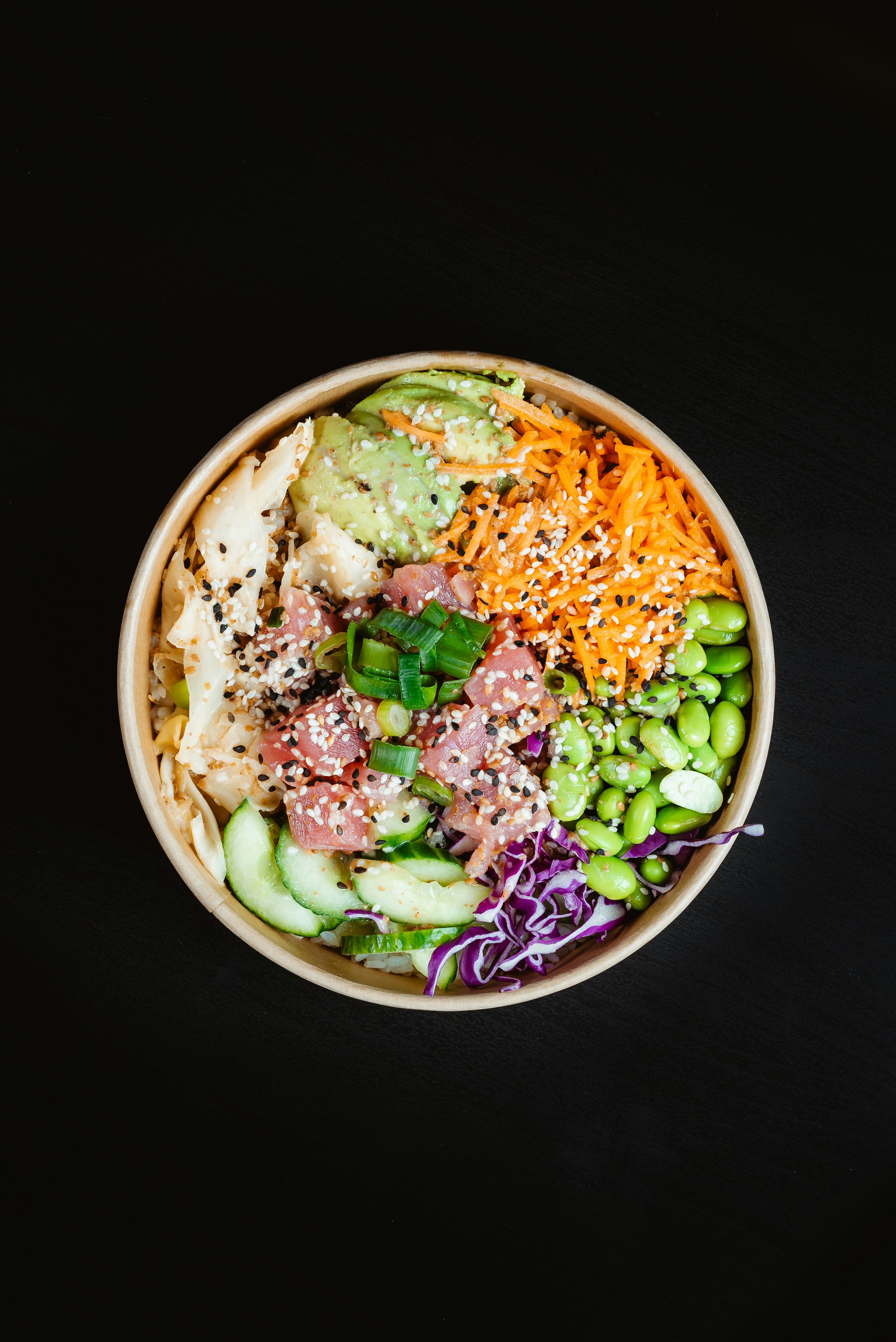
So, is a plant-based diet the secret to weight loss? Yes, but with a caveat. It’s not just about swapping meat for tofu; it’s about embracing a lifestyle of whole foods, low calorie density, and high fiber.
The science is clear: plant-based diets promote weight loss, improve metabolic health, and protect against chronic disease. But the real magic happens when you stop fighting your body and start nourishing it.
Our Recommendation:
Start small. Try one plant-based meal a day. Then two. Focus on adding veggies, not subtracting meat. Limit oils and processed foods. And most importantly, be kind to yourself.
If you’re ready to take the plunge, remember that you don’t have to do it alone. Join a community, find a buddy, and enjoy the journey. The scale will move, but the health benefits will last a lifetime.
Ready to start? Check out our Recommended Links for the best resources, books, and products to kickstart your journey.
🔗 Recommended Links
Books to Fuel Your Journey
- The China Study: Amazon | Publisher
- How Not to Die: Amazon | Publisher
- Forks Over Knives: The Cookbook: Amazon | Brand Official
Essential Kitchen Tools
- High-Speed Blender: Amazon | Brand Official
- Air Fryer (Oil-Free Cooking): Amazon | Brand Official
- Glass Food Storage Containers: Amazon | Brand Official
Meal Planning & Recipes
📚 Reference Links
- MD Anderson Cancer Center: The benefits of a plant-based diet
- Physicians Committee for Responsible Medicine (PCRM): Weight Loss on a Plant-Based Diet
- Forks Over Knives: Beginer’s Guide
- Nutrients Journal: Plant-Based Diets and Weight Loss
- Journal of Hunger & Environmental Nutrition: Plant-Based Diets and Obesity
- Obesity Science & Practice: Inflammation and Plant-Based Diets
FAQ
What are the best plant based foods for rapid weight loss?
The best foods for rapid weight loss are those with low calorie density and high fiber. This includes leafy greens (spinach, kale), cruciferous vegetables (broccoli, cauliflower), berries, and legumes (lentils, beans). These foods allow you to eat large volumes without exceeding your calorie needs, keeping you full and satisfied.
Read more about “🌱 2 Week Plant-Based Diet Results: 10 Life-Changing Shifts (2026)”
How much weight can you lose on a plant based diet in one month?
While individual results vary, clinical trials have shown that people can lose an average of 10-15 pounds in the first 1-3 months on a whole-food, plant-based diet without calorie counting. The initial rapid loss is often due to water weight and reduced inflammation, followed by steady fat loss.
Is a plant based diet effective for long term weight maintenance?
Yes. Studies, such as the Adventist Health Study-2, show that plant-based eaters tend to have lower BMIs and maintain their weight loss better than non-plant-based eaters. The key is the satiety provided by fiber and the elimination of calorie-dense processed foods, making it easier to maintain a healthy weight long-term.
What are common mistakes when starting a plant based diet for weight loss?
Common mistakes include:
- Overeating oils and nuts: These are calorie-dense.
- Relying on processed vegan foods: Vegan cookies and fries are still high in calories.
- Not eating enough volume: You need to fill up on veggies to feel full.
- Expecting immediate results: It takes time for your body to adjust to high fiber.
Read more about “🌱 Plant-Based Diet for Beginners: Your 15-Step Guide to Thriving (2026)”
Can you build muscle while losing weight on a plant based diet?
Absolutely. Plant-based diets can support muscle growth if you consume enough protein and calories. Foods like tofu, tempeh, lentils, and quinoa provide all the essential amino acids. Many elite athletes, including tennis star Novak Djokovic and bodybuilder Patrik Baboumian, thrive on plant-based diets.
How do you ensure enough protein on a plant based diet for weight loss?
To ensure enough protein, include a source of protein at every meal. Aim for legumes, tofu, tempeh, edame, seitan, and whole grains. You don’t need to combine proteins at every meal; just eat a variety of whole plant foods throughout the day. Aiming for 1.2 to 1.6 grams of protein per kilogram of body weight is a good target for active individuals.
What is a sample 7 day plant based meal plan for weight loss?
Here is a simple 7-day plan:
- Monday: Oatmeal with berries (B), Lentil soup (L), Stir-fry with tofu and veggies (D).
- Tuesday: Smoothie with spinach and banana (B), Chickpea salad (L), Sweet potato and black bean tacos (D).
- Wednesday: Tofu scramble (B), Quinoa bowl with veggies (L), Roasted broccoli and chickpeas (D).
- Thursday: Overnight oats (B), Lentil curry (L), Zucchini noodles with marinara (D).
- Friday: Green smoothie (B), Humus and vegie wrap (L), Stuffed bell peppers with quinoa (D).
- Saturday: Chia pudding (B), Buddha bowl with tahini dressing (L), Vegetable stir-fry with tempeh (D).
- Sunday: Whole grain toast with avocado (B), Minestrone soup (L), Roasted root vegetables with lentils (D).
Note: Adjust portion sizes based on your individual needs.
Read more about “🌱 The Ultimate 14-Day Plant-Based Diet Plan for Beginners (2026)”