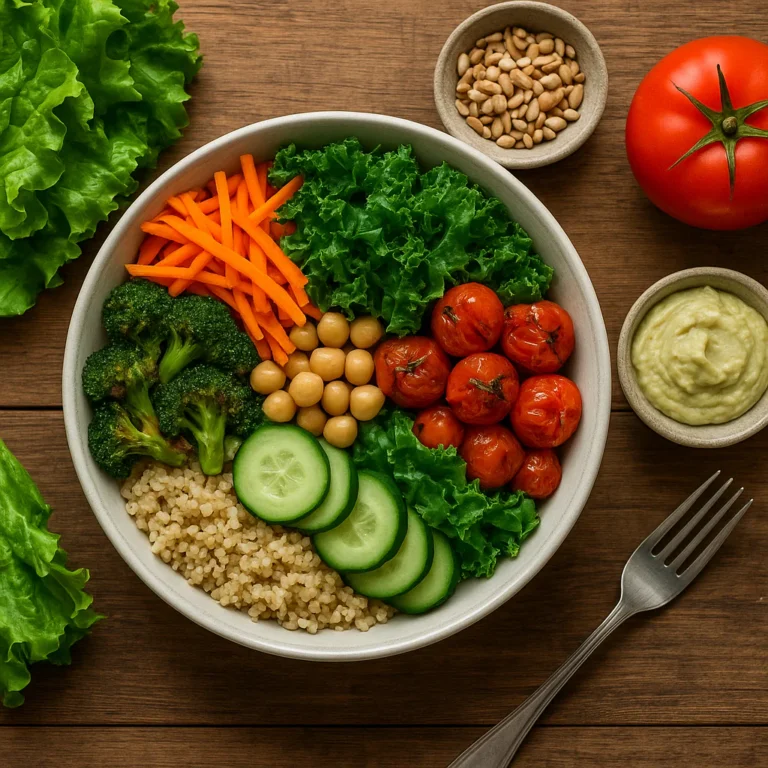
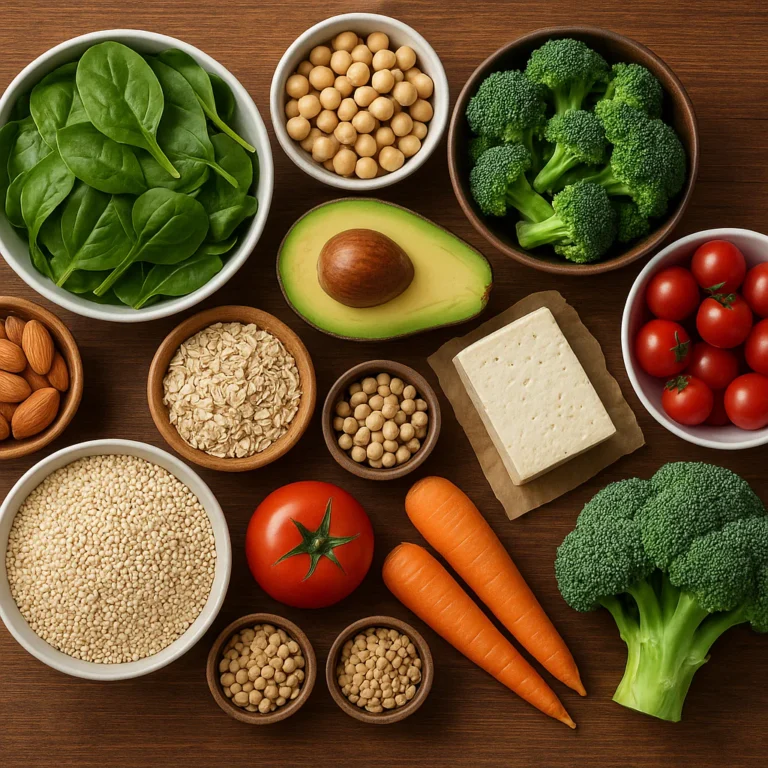
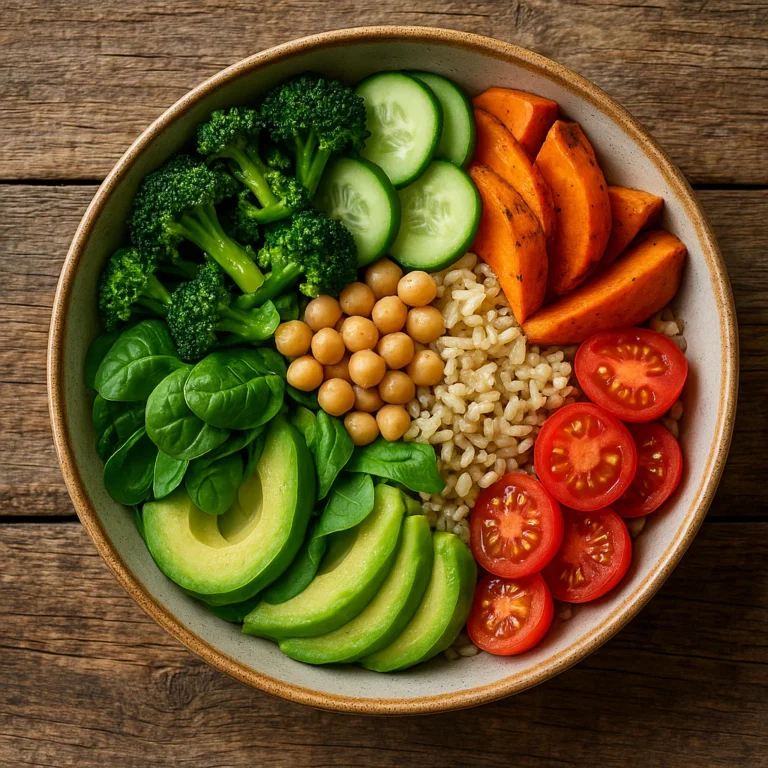
Support our educational content for free when you purchase through links on our site. Learn more
🌱 The Ultimate Plant-Based Diet Food List (2026): 80+ Foods to Thrive

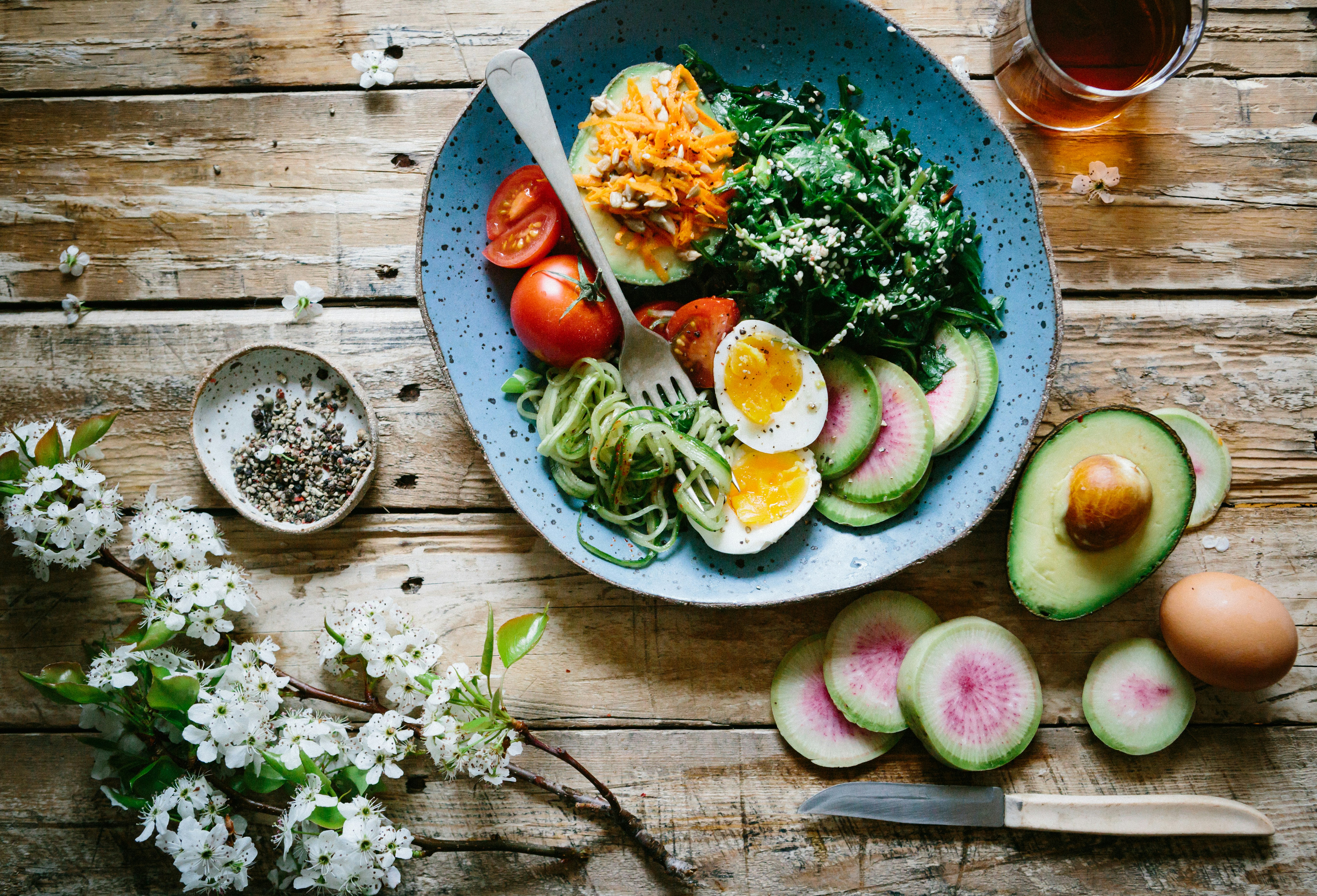
Ever walked into a grocery store feeling like you’ve forgotten how to eat? You’re not alone. At Gone Greenish™, we’ve been there too—staring at a wall of kale and wondering if “plant-based” really means surviving on nothing but lettuce and regret. Spoiler alert: it absolutely doesn’t. In fact, the opposite is true. By shifting your focus to what you can eat, you unlock a world of flavor, energy, and vitality that meat-heavy diets simply can’t match.
This isn’t just another dry list; it’s your comprehensive roadmap to the most vibrant, nutrient-dense foods on the planet. We’ve curated an extensive plant-based diet food list featuring over 80+ whole foods that will transform your health, from heart-healthy legumes to brain-boosting berries. But here’s the twist: we’re also exposing the “vegan junk food” trap that trips up so many beginners. Did you know that a diet high in processed plant foods can be just as inflammatory as a standard American diet? We’ll reveal exactly which items to avoid and how to spot them in the “No-Go” zone later in this article.
Ready to ditch the confusion and start thriving? Whether you’re looking to reverse chronic conditions, lose weight without starvation, or simply save the planet one meal at a time, this guide has you covered. Let’s turn those green leaves into a feast for your soul.
Key Takeaways
- Abundance Over Restriction: A successful plant-based diet food list focuses on crowding out unhealthy foods with nutrient-dense whole foods like legumes, whole grains, and colorful vegetables.
- Quality Matters: Not all plant foods are created equal; prioritize minimally processed ingredients and avoid ultra-processed “fake meats” and sugary snacks to maximize health benefits.
- Protein is Plentiful: You don’t need meat to build muscle; legumes, tofu, tempeh, and seitan provide ample protein when eaten in a variety of combinations throughout the day.
- Critical Nutrients: While plants offer a wealth of nutrition, remember to supplement Vitamin B12 and consider Vitamin D and Omega-3s (algae-based) for optimal health.
- Health & Planet Win-Win: Adopting this lifestyle is proven to lower the risk of heart disease, type 2 diabetes, and certain cancers while significantly reducing your carbon footprint.
Table of Contents
- ⚡️ Quick Tips and Facts
- 🌱 The Green Revolution: A Brief History of Plant-Based Eating
- 🥗 The Ultimate Plant-Based Diet Food List: What to Eat
- 1. Vibrant Vegetables: The Foundation of Your Plate
- 2. Fruits That Fuel: Nature’s Candy Without the Guilt
- 3. Legumes and Pulses: The Protein Powerhouses You Need
- 4. Whole Grains: Complex Carbs for Sustained Energy
- 5. Nuts and Seeds: Healthy Fats and Crunchy Goodness
- 6. Plant-Based Dairy Alternatives: Milk, Cheese, and Yogurt Swaps
- 7. Meat Substitutes and Tofu: Navigating the Mock Meat Aisle
- 8. Herbs, Spices, and Flavor Boosters: Making Plants Pop
- 🚫 The “No-Go” Zone: Foods to Avoid or Minimize on a Plant-Based Diet
- 1. Refined Sugars and Processed Sweets
- 2. Ultra-Processed Plant-Based Junk Foods
- 3. Refined Grains and White Flour Products
- 4. Added Oils and Excessive Fats
- 5. Alcohol and Caffeine: Moderation is Key
- 🛒 The Greenish™ Master Shopping List: Your Aisle-by-Aisle Guide
- 🍽️ 7-Day Whole-Food, Plant-Based Meal Plan for Beginners
- 🩺 How a Plant-Based Diet Transforms Your Health: Condition by Condition
- Reversing Heart Disease and Lowering Blood Pressure
- Managing Type 2 Diabetes and Insulin Resistance
- Reducing Cancer Risk and Supporting Recovery
- Boosting Brain Health and Preventing Cognitive Decline
- Weight Loss Without Starvation: The Metabolic Magic
- 🌍 Beyond the Body: The Environmental Impact of Going Green
- 🤔 Common Myths and Misconceptions About Plant-Based Eating
- 🧬 Nutrient Deep Dive: Vitamins, Minerals, and Supplements You Need
- 👩 🍳 Cooking 101: Simple Recipes and Techniques for Plant Success
- 💡 Transitioning Tips: How to Start a Plant-Based Diet Without Losing Your Mind
- 🏆 Conclusion
- 🔗 Recommended Links
- ❓ FAQ: Your Burning Questions Answered
- 📚 Reference Links
⚡️ Quick Tips and Facts
Welcome to the green side of life! Before we dive into the deep end of the plant-based pool, let’s hit the high notes. You might be wondering, “Can I really survive on just leaves and beans without turning into a panda?” The answer is a resounding yes, but there’s a catch: quality matters.
Here are the golden rules we live by at Gone Greenish™:
- Whole Foods First: Think of your plate as a canvas. The more minimally processed the ingredients, the better the masterpiece. A potato is a hero; a french fry is a villain. 🥔 vs 🍟
- The 80/20 Rule: You don’t have to be perfect. Aim for 80% whole plant foods and allow 20% for flexibility. This prevents burnout and keeps you sane.
- Nutrient Synergy: Eating iron-rich spinach? Pair it with Vitamin C (like lemon juice or bell peppers) to boost absorption by up to 40%! 🍋🥬
- B12 is Non-Negotiable: Unless you’re eating fortified foods religiously, Vitamin B12 supplementation is essential for anyone on a strict plant-based diet. It’s the one nutrient plants generally don’t provide.
- Hydration is Key: High-fiber diets need water! If you don’t drink enough, you’ll feel like a cactus. Aim for at least 8 glasses a day. 💧
Did you know? A study published in JAMA Internal Medicine found that people who ate the most plant-based diets had a 16% lower risk of all-cause mortality compared to those who ate the least. But wait, does this apply to all plant-based diets, or just the healthy ones? We’ll uncover that mystery in the “Myths” section later!
For a deeper dive into how this lifestyle impacts your carbon footprint, check out our guide on Carbon Footprint Reduction.
🌱 The Green Revolution: A Brief History of Plant-Based Eating
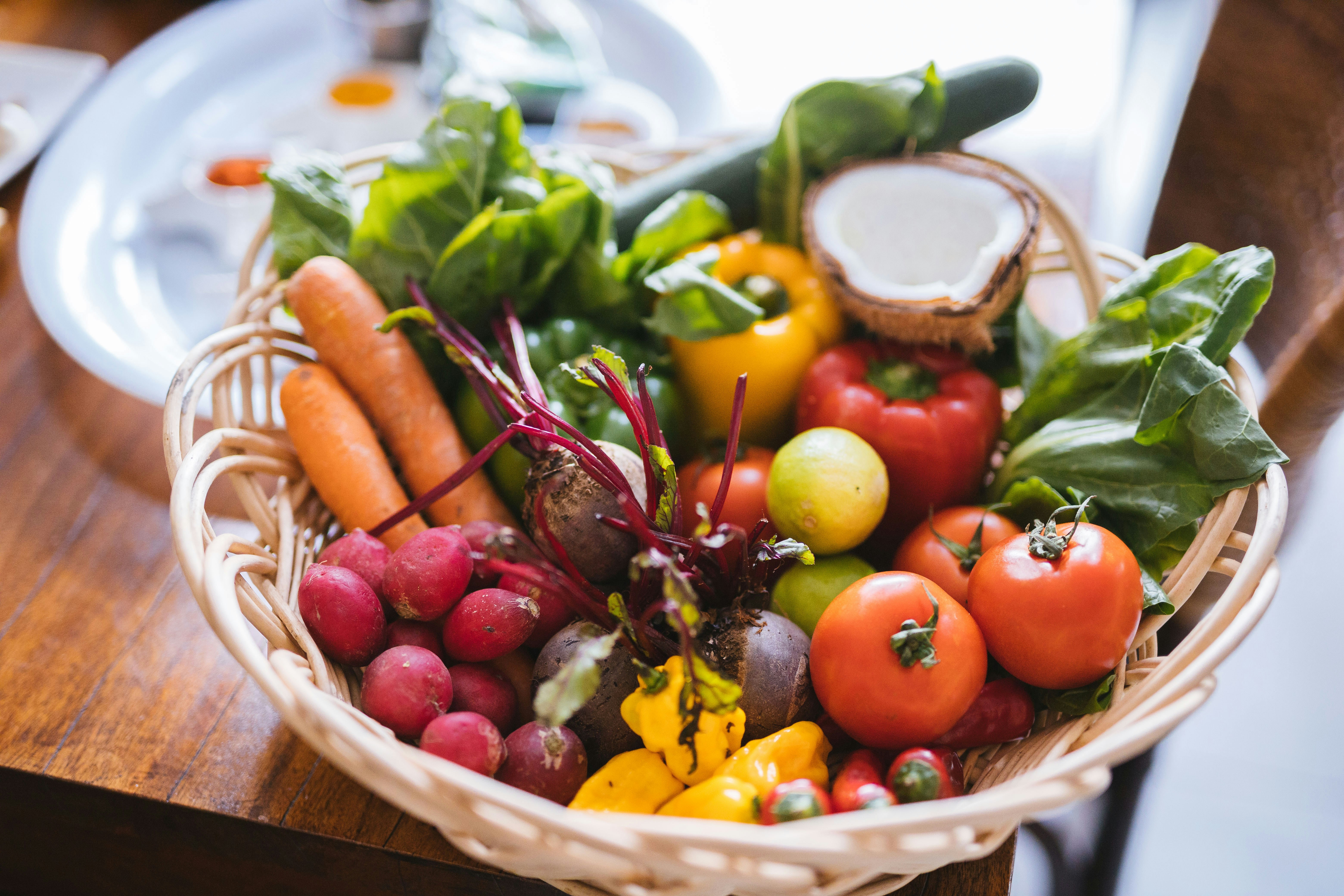
You might think going plant-based is a trendy 2020s fad, but the roots of this movement go back thousands of years. Ancient civilizations in India, Greece, and Egypt relied heavily on grains, legumes, and vegetables. The term “vegetarian” wasn’t even coined until the 19th century!
The Evolution of the Movement
- Ancient Roots: Pythagoras, the Greek mathematician, advocated for a meat-free diet long before the term “vegetarian” existed. He believed in the kinship of all living beings.
- The 19th Century: The Vegetarian Society was founded in the UK in 1847. It was a moral and religious movement initially, driven by a desire to reduce suffering.
- The 20th Century Shift: As medical science advanced, the focus shifted from ethics to health benefits. In the 1970s, books like Diet for a New America by John Robbins began linking animal agriculture to chronic disease.
- The Modern Era: Today, it’s a global phenomenon. From the Whole-Foods, Plant-Based (WFPB) movement championed by Dr. T. Colin Campbell (author of The China Study) to the rise of plant-based meat alternatives, the landscape has exploded.
Fun Fact: The term “vegan” was coined in 194 by Donald Watson, who felt that “vegetarian” didn’t go far enough. He wanted to exclude all animal products, not just meat.
The shift from “eating less meat” to “eating more plants” is the core philosophy we explore in our Plant-Based Diet article. It’s not about restriction; it’s about abundance.
🥗 The Ultimate Plant-Based Diet Food List: What to Eat
Ready to stock your kitchen? This is the meat of the matter (pun intended, but without the meat!). A successful plant-based diet isn’t just about removing animal products; it’s about crowding out the bad stuff with the good.
We’ve broken this down into eight essential categories. Let’s get shopping!
1. Vibrant Vegetables: The Foundation of Your Plate
Vegetables are the MVPs. They are low in calories but high in fiber, vitamins, and minerals.
- Leafy Greens: Spinach, kale, Swiss chard, collard greens. These are your calcium and iron powerhouses.
- Cruciferous Powerhouses: Broccoli, cauliflower, Brussels sprouts. They contain sulforaphane, a compound linked to cancer prevention.
- Colorful Peppers & Tomatoes: Packed with Vitamin C and lycopene.
- Root Vegetables: Carots, bets, radishes. Great for roasting and adding natural sweetness.
Pro Tip: Don’t fear the starch! Potatoes, sweet potatoes, and squash are nutrient-dense and should be staples, not “cheat” foods.
2. Fruits That Fuel: Nature’s Candy Without the Guilt
Forget the myth that fruit sugar is bad. Whole fruits come with fiber that slows sugar absorption.
- Beries: Blueberries, strawberries, raspberries. High in antioxidants.
- Citrus: Oranges, grapefruits, lemons. Great for immunity and flavor.
- Tropical Delights: Mangoes, pineapples, bananas. Perfect for smoothies and energy.
- Stone Fruits: Peaches, plums, cheries. Delicious in season.
3. Legumes and Pulses: The Protein Powerhouses You Need
If you think you need meat for protein, think again. Legumes are the protein kings of the plant world.
- Beans: Black beans, kidney beans, pinto beans, navy beans.
- Lentils: Green, red, brown, and black lentils. They cook fast and are great in soups.
- Chickpeas (Garbanzo Beans): The base of humus and curies.
- Peas: Split peas, green peas, edame.
Comparison: Protein Content per Cup (Cooked)
| Food | Protein (g) | Fiber (g) | Iron (mg) |
|---|---|---|---|
| Lentils | 18 | 15.6 | 6.6 |
| Black Beans | 15 | 15.0 | 3.6 |
| Chickpeas | 14.5 | 12.5 | 4.7 |
| Tofu (firm) | 20 | 2.0 | 3.4 |
| Chicken Breast | 31 | 0 | 0.9 |
Source: USDA FoodData Central
4. Whole Grains: Complex Carbs for Sustained Energy
Ditch the white stuff. Whole grains keep you full and stabilize blood sugar.
- Ancient Grains: Quinoa, amaranth, faro, millet.
- Oats: Steel-cut or rolled oats for breakfast.
- Rice: Brown rice, black rice, red rice.
- Pasta: Whole wheat, lentil, or chickpea pasta.
5. Nuts and Seeds: Healthy Fats and Crunchy Goodness
These are calorie-dense, so enjoy them in moderation, but they are essential for healthy fats and micronutrients.
- Nuts: Almonds, walnuts, cashews, pistachios.
- Seds: Chia, flax, hemp, pumpkin, sunflower.
- Nut Buters: Natural peanut butter, almond butter (look for “no added sugar”).
6. Plant-Based Dairy Alternatives: Milk, Cheese, and Yogurt Swaps
The dairy aisle has changed! But be careful—some are loaded with sugar and additives.
- Milks: Oat milk (creamy), almond milk (light), soy milk (high protein), coconut milk (rich).
- Yogurts: Coconut, soy, and almond-based yogurts.
- Cheses: Nutritional yeast is a must-have for a cheesy flavor (and B12 if fortified!).
7. Meat Substitutes and Tofu: Navigating the Mock Meat Aisle
This is where it gets tricky. Some “meats” are ultra-processed. We recommend whole-food tofu and tempeh over highly processed burgers.
- Tofu: Versatile, absorbs flavors, high in protein.
- Tempeh: Fermented soy, great for gut health, nuty texture.
- Seitan: Wheat gluten, very high in protein, meaty texture.
8. Herbs, Spices, and Flavor Boosters: Making Plants Pop
Don’t eat bland food! Spices have anti-inflammatory properties.
- Turmeric: Contains curcumin, a potent anti-inflammatory.
- Ginger: Great for digestion.
- Garlic & Onions: Prebiotics for gut health.
- Cumin, Coriander, Paprika: Add depth to any dish.
🚫 The “No-Go” Zone: Foods to Avoid or Minimize on a Plant-Based Diet
Going plant-based doesn’t mean you can eat a bag of vegan cookies and call it healthy. The “junk food vegan” trap is real. Here’s what to watch out for.
1. Refined Sugars and Processed Sweets
Soda, candy, and pastries spike your blood sugar and offer zero nutrients.
- Avoid: Table sugar, high-fructose corn syrup, artificial sweeteners like Splenda or Equal.
- Swap for: Dates, maple syrup (in moderation), or fruit.
2. Ultra-Processed Plant-Based Junk Foods
Just because it says “vegan” doesn’t mean it’s healthy.
- Avoid: Vegan nugets, fake cheeses with hydrogenated oils, and sugary cereals.
- Why? They often contain high sodium, preservatives, and isolated proteins that lack the fiber matrix of whole foods.
3. Refined Grains and White Flour Products
White bread, white pasta, and white rice strip away the fiber and nutrients.
- Avoid: Bagels, white rice, standard pasta.
- Swap for: Whole grain, sprouted grain, or legume-based pastas.
4. Added Oils and Excessive Fats
While healthy fats are good, added oils (even olive oil) are calorie-dense and stripped of fiber.
- Strategy: Try to cook with water or vegetable broth instead of oil. If you must use oil, choose cold-pressed, extra virgin olive oil or avocado oil sparingly.
5. Alcohol and Caffeine: Moderation is Key
- Alcohol: Empty calories that can disrupt sleep and liver function.
- Caffeine: Great in moderation, but too much can spike cortisol.
Wait, what about the “flexitarian” approach? Some experts argue that small amounts of animal products are okay. We’ll tackle this in the “Myths” section, but for a Whole-Food, Plant-Based diet, the goal is to eliminate animal products entirely to maximize health benefits.
🛒 The Greenish™ Master Shopping List: Your Aisle-by-Aisle Guide
Confused by the grocery store? Don’t be. Here is your battle plan.
Produce Section
- Leafy Greens: Spinach, kale, arugula.
- Cruciferous: Broccoli, cauliflower, Brussels sprouts.
- Roots: Carots, sweet potatoes, bets.
- Fruits: Beries, bananas, apples, lemons.
- Herbs: Fresh cilantro, parsley, basil.
Dry Goods & Grains
- Grains: Quinoa, brown rice, oats, faro.
- Legumes: Lentils (red and green), black beans, chickpeas (dried or canned, low sodium).
- Nuts/Seds: Walnuts, almonds, chia seeds, flax seeds.
Refrigerated/Frozen
- Tofu/Tempeh: Extra firm tofu, organic tempeh.
- Frozen Veggies: Peas, corn, mixed stir-fry mixes (no sauce).
- Plant Milks: Unsweetened oat or soy milk.
Pantry
- Canned Goods: Diced tomatoes, coconut milk (full fat), vegetable broth.
- Condiments: Low-sodium soy sauce (or tamari), nutritional yeast, tahini, mustard.
- Spices: Turmeric, cumin, garlic powder, paprika.
👉 Shop for these essentials at:
- Amazon Fresh: Search for Organic Tofu | Search for Nutritional Yeast
- Walmart: Search for Whole Grains
- Thrive Market: Search for Plant-Based Pantry Staples
🍽️ 7-Day Whole-Food, Plant-Based Meal Plan for Beginners
Stuck on what to eat? Here is a simple, delicious, and nutrient-packed plan. Remember, variety is the spice of life!
| Day | Breakfast | Lunch | Dinner | Snack |
|---|---|---|---|---|
| Mon | Oatmeal with berries & chia seeds | Large salad with chickpeas & tahini dressing | Lentil soup with whole-grain bread | Apple slices with almond butter |
| Tue | Smoothie (spinach, banana, flax, soy milk) | Quinoa bowl with roasted veggies & black beans | Stir-fry tofu with broccoli & brown rice | Handful of walnuts |
| Wed | Whole-grain toast with avocado & hemp seeds | Leftover stir-fry | Chickpea curry with sweet potato | Carot sticks with humus |
| Thu | Chia pudding made with oat milk | Lentil & vegetable soup | Baked sweet potato with black beans & salsa | Fresh fruit salad |
| Fri | Tofu scramble with spinach & peppers | Whole-wheat wrap with humus & veggies | Pasta with marinara & white beans | Popcorn (air-popped) |
| Sat | Pancakes (oat flour, banana, flax) | Buddha bowl with quinoa, kale, and tahini | Vegie burger (whole food based) with side salad | Dark chocolate (70%+) |
| Sun | Smoothie bowl with granola & fruit | Leftover pasta | Roasted vegetable medley with lentils | Handful of pumpkin seeds |
Note: This plan is high in fiber. If you’re new to this, increase your water intake gradually to avoid bloating!
🩺 How a Plant-Based Diet Transforms Your Health: Condition by Condition
Why do we do this? Because the science is undeniable. Let’s break down the benefits.
Reversing Heart Disease and Lowering Blood Pressure
Heart disease is the #1 killer globally. A plant-based diet is the only diet proven to reverse coronary artery disease.
- Mechanism: Plants are cholesterol-free and low in saturated fat. They improve endothelial function (the lining of your blood vessels).
- Evidence: Studies show a significant reduction in LDL cholesterol and blood pressure.
Managing Type 2 Diabetes and Insulin Resistance
Plants are nature’s insulin sensitizers.
- Mechanism: High fiber slows glucose absorption. The low glycemic load prevents blood sugar spikes.
- Evidence: A 2016 study showed a 34% lower risk of developing type 2 diabetes in those following a healthy plant-based diet.
Reducing Cancer Risk and Supporting Recovery
- Mechanism: Phytochemicals in plants act as antioxidants, protecting DNA from damage.
- Evidence: High consumption of fruits and vegetables is linked to lower risks of breast, prostate, and colorectal cancers.
Boosting Brain Health and Preventing Cognitive Decline
- Mechanism: Antioxidants reduce oxidative stress in the brain.
- Evidence: Adding just 10 grams of fruits and veggies daily can reduce cognitive decline risk by 13%.
Weight Loss Without Starvation: The Metabolic Magic
- Mechanism: Plant foods are less calorie-dense. You can eat a larger volume of food for fewer calories.
- Evidence: Plant-based dieters often lose 2-4 lbs more than non-plant-based dieters over 25 weeks, without counting calories.
🌍 Beyond the Body: The Environmental Impact of Going Green
You asked, “Is this good for the planet?” The answer is a resounding yes.
- Greenhouse Gases: Animal agriculture is responsible for nearly 15% of global greenhouse gas emissions.
- Water Usage: It takes 1,80 gallons of water to produce 1 pound of beef, but only 39 gallons for 1 pound of vegetables.
- Land Use: Shifting to plant-based diets could reduce land use for agriculture by 75%.
Check out our Conservation Tips for more ways to help the planet.
🤔 Common Myths and Misconceptions About Plant-Based Eating
Let’s bust some myths once and for all.
Myth 1: “You can’t get enough protein.”
- Truth: Most people eat too much protein. As long as you eat enough calories and a variety of plants, you’ll get all the amino acids you need.
Myth 2: “Plant-based food is expensive.”
- Truth: Beans, rice, and seasonal produce are cheaper than meat and cheese. It’s the processed vegan junk that’s expensive.
Myth 3: “You’ll lose muscle mass.”
- Truth: Many elite athletes, like tennis star Novak Djokovic and ultra-runner Scott Jurek, thrive on plant-based diets.
Myth 4: “It’s too hard to transition.”
- Truth: Start with one meal a day. “Meatless Mondays” are a great entry point.
🧬 Nutrient Deep Dive: Vitamins, Minerals, and Supplements You Need
As mentioned in the “First Video” summary, there are three layers of nutritional defense. Let’s dive deeper.
Essential Nutrients to Watch
- Vitamin B12: Crucial. Found only in fortified foods or supplements.
Source: Nature Made B12 - Vitamin D: Hard to get from food alone. Get sun or supplement.
- Iron: Non-heme iron (plant-based) needs Vitamin C for absorption.
- Omega-3s: ALA (flax, chia) converts poorly to EPA/DHA. Consider an algae-based supplement.
Source: Vega Omega-3 - Iodine: Use iodized salt or eat seaweed.
- Zinc: Found in legumes and nuts, but absorption can be lower. Soaking beans helps.
- Calcium: Leafy greens, fortified plant milks, tofu.
Did you know? The conversion rate of ALA (plant omega-3) to EPA/DHA is less than 5% in many people. This is why we recommend an algae supplement for optimal brain health.
👩 🍳 Cooking 101: Simple Recipes and Techniques for Plant Success
Cooking plants doesn’t have to be boring.
- Roasting: Brings out natural sweetness in veggies. Toss with spices and roast at 40°F (20°C).
- Sautéing: Use water or broth instead of oil to prevent sticking.
- Blending: Smoothies are the easiest way to pack in greens.
- Fermenting: Try making sauerkraut or kimchi for gut health.
Simple Recipe: 15-Minute Lentil Soup
- Sauté onion, garlic, and carrots in water.
- Add red lentils, vegetable broth, and cumin.
- Simer for 15 minutes until lentils are soft.
- Stir in spinach and lemon juice. Done!
💡 Transitioning Tips: How to Start a Plant-Based Diet Without Losing Your Mind
Ready to jump in? Here’s your roadmap.
- Start Slow: Don’t go cold turkey. Start with one plant-based meal a day.
- Find Your “Why”: Is it health? Animals? The planet? Keep this front of mind.
- Explore New Foods: Try a new vegetable or grain every week.
- Don’t Stress Perfection: If you slip up, just get back on track at the next meal.
- Connect with Community: Join online groups or local meetups.
Question: Are you ready to transform your health, or are you still on the fence? The answer lies in the next section, where we wrap it all up with a final verdict.
🏆 Conclusion
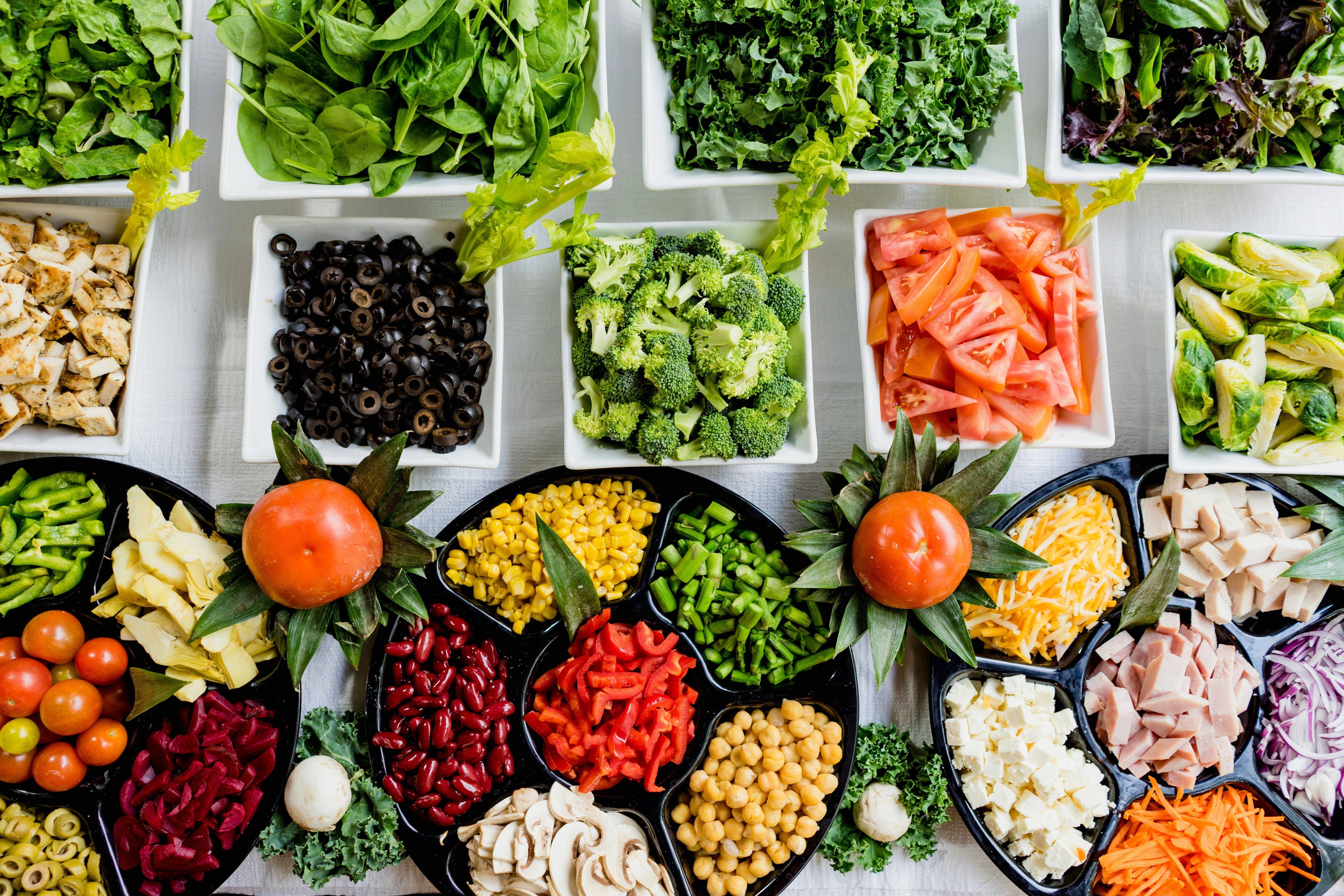
So, is a plant-based diet the magic bullet for a healthier you and a grener planet? Absolutely.
We’ve covered the ultimate food list, debunked the myths, and explored the science behind the benefits. From reversing heart disease to saving the environment, the evidence is overwhelming. But remember, it’s not about perfection; it’s about progress.
Our Recommendation:
Start today. Swap one meal. Try a new vegetable. Download a recipe app. The journey to a Whole-Food, Plant-Based lifestyle is one of the best investments you can make for your future self.
Final Thought: As we said at the beginning, can you survive on just leaves and beans? Yes. But can you thrive? Even better. The plants are waiting for you. 🌱
🔗 Recommended Links
Books to Read:
- The China Study by T. Colin Campbell
- How Not to Die by Michael Greger
- Plant-Based on a Budget by Toni Okamoto
Products to Try:
- Nutritional Yeast: Bob’s Red Mill Nutritional Yeast
- Algae Omega-3: Sports Research Algae Oil
- Plant Protein Powder: Orgain Organic Plant Protein
Resources:
- PCRM (Physicians Committee for Responsible Medicine)
- The Nutrition Source – Harvard T.H. Chan School of Public Health
❓ FAQ: Your Burning Questions Answered
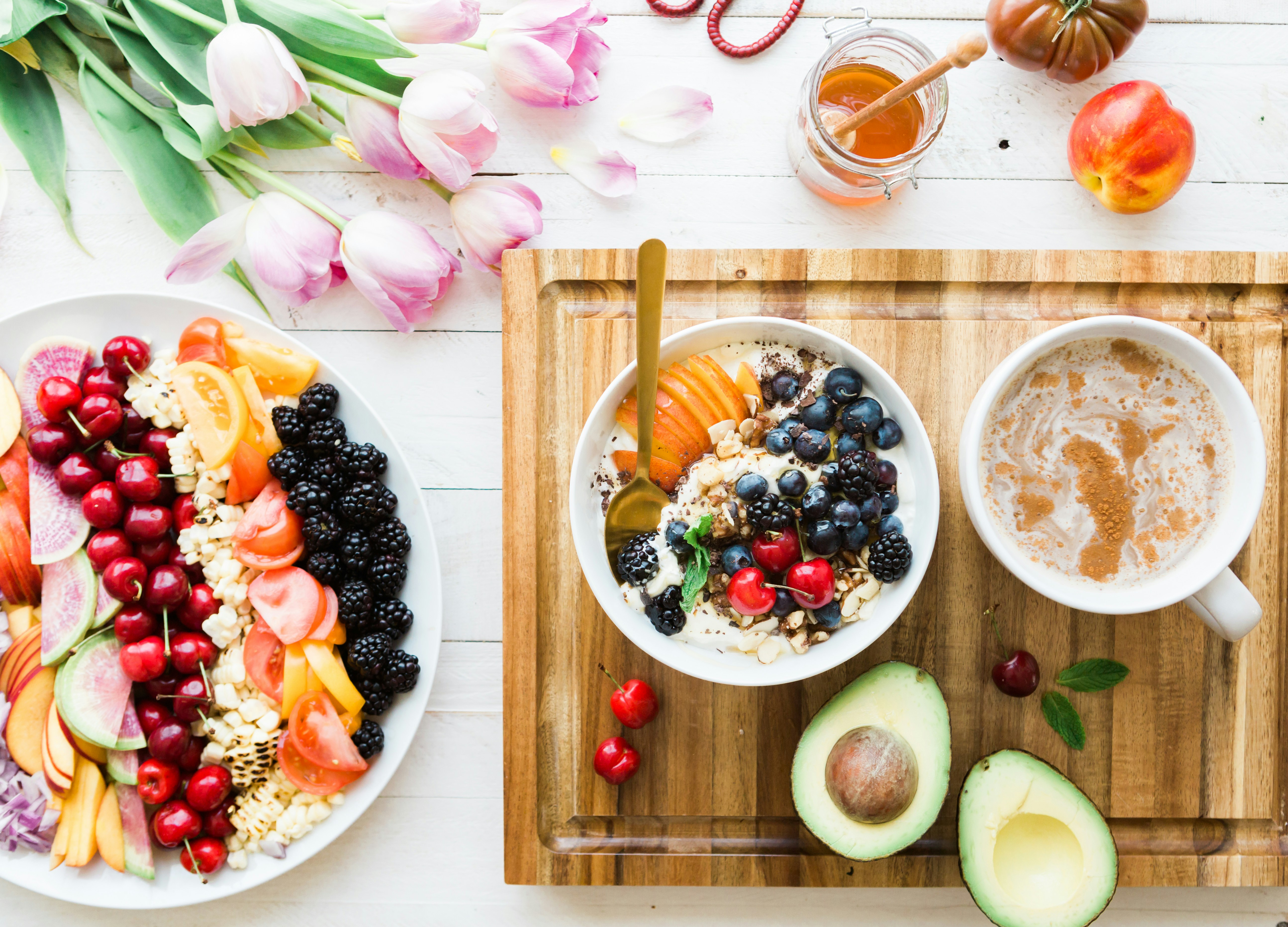
What are the best plant based foods for weight loss?
The best foods are low-calorie, high-fiber options. Think leafy greens, berries, cruciferous vegetables, and legumes. These foods fill you up without packing on the pounds. Avoid processed vegan snacks and sugary drinks.
Read more about “🌱 51 Plant-Based Diet Recipes to Transform Your Plate (2026)”
How to get enough protein on a plant based diet?
You don’t need to “combine” proteins at every meal. Just eat a variety of plant foods throughout the day. Legumes, tofu, tempeh, seitan, nuts, seeds, and whole grains all contain protein. If you eat enough calories, you’ll get enough protein.
Read more about “🌱 What Foods Do You Eat on a Plant-Based Diet? (2026)”
Are there any foods I should avoid on a plant based diet?
Yes. Avoid ultra-processed foods, refined sugars, white flour products, and added oils. Just because it’s vegan doesn’t mean it’s healthy. Focus on whole, minimally processed ingredients.
Read more about “🌱 What Does a Sustainable Lifestyle Look Like? (2026 Guide)”
What are some easy plant based meal ideas for beginners?
- Breakfast: Oatmeal with fruit and nuts.
- Lunch: Large salad with chickpeas and tahini.
- Dinner: Stir-fry with tofu and veggies over brown rice.
- Snack: Apple slices with peanut butter.
Read more about “🌱 50+ Plant-Based Diet Recipes for Beginners (2026)”
Can a plant based diet help reduce inflammation?
Yes. Plant foods are rich in antioxidants and phytochemicals that fight inflammation. Diets high in processed foods and animal products are linked to higher inflammation levels.
What are the healthiest plant based snacks to keep on hand?
- Fresh fruit
- Raw nuts and seeds
- Humus and carrot sticks
- Air-popped popcorn
- Dark chocolate (70%+ cacao)
How does a plant based diet benefit the environment?
It reduces greenhouse gas emissions, saves water, and preserves land. Animal agriculture is a major driver of climate change and deforestation. Shifting to plants is one of the most effective individual actions you can take.
Read more about “🌍 Carbon Negative: The Ultimate Guide to Reversing Climate Change (2026)”
📚 Reference Links
- Cleveland Clinic: Mediterranean Diet: Food List & Meal Plan
- Healthline: Plant-Based Diet Guide
- USDA FoodData Central: Nutrient Database
- The China Study: T. Colin Campbell
- PCRM: Diet and Heart Disease
- Harvard T.H. Chan School of Public Health: The Nutrition Source
- World Health Organization: Diet, Nutrition and the Prevention of Chronic Diseases