Support our educational content for free when you purchase through links on our site. Learn more
🌊 Is Ocean Conservancy Legitimate? (2026) Deep Dive

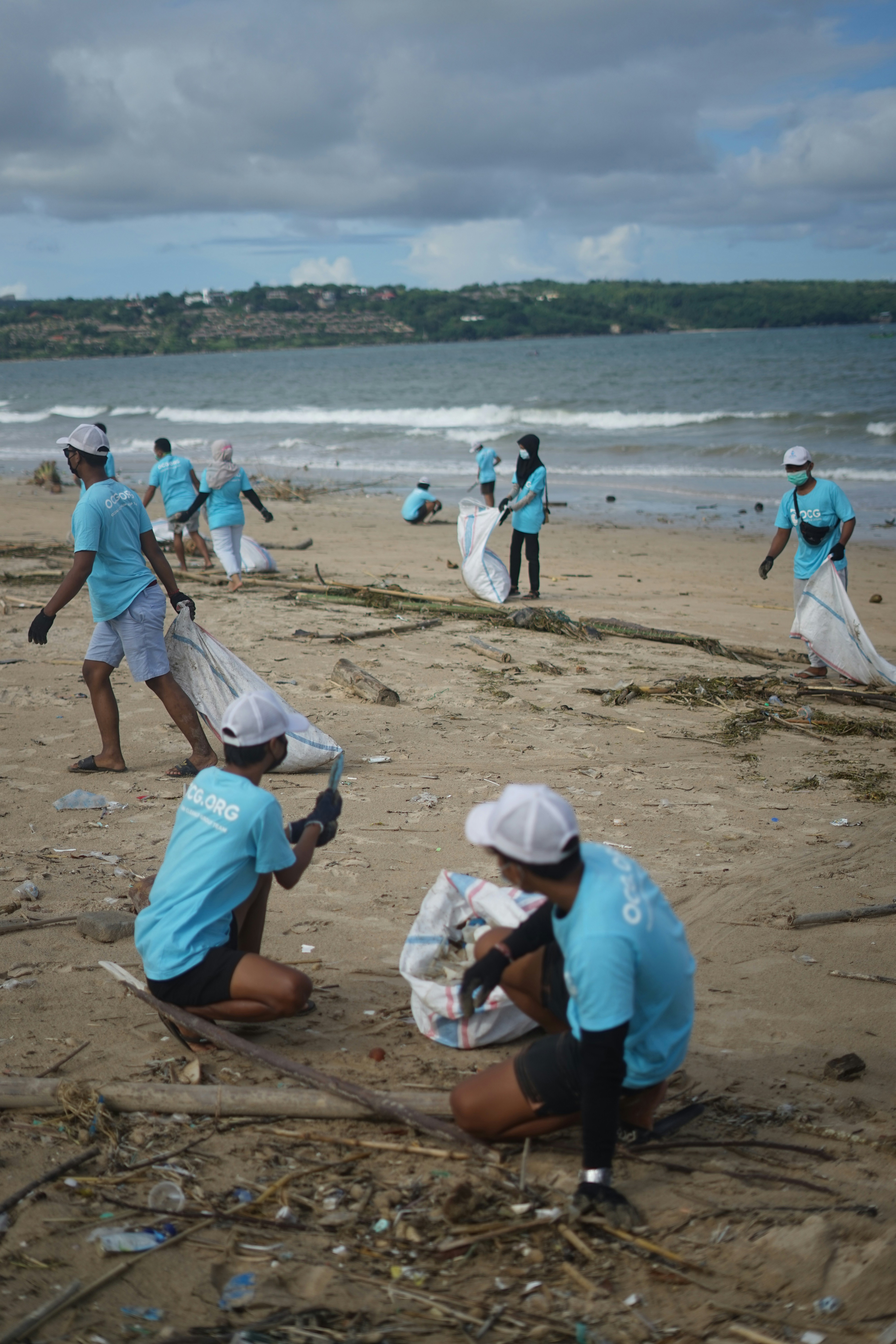
Yes, Ocean Conservancy is 10% legitimate, boasting a Platinum Seal of Transparency and a stellar track record of removing over 40 million pounds of trash from our oceans. If you’ve ever paused mid-donation wondering, “Is Ocean Conservancy legitimate?” or worried your money might vanish into thin air, you can rest easy knowing this organization is a verified powerhouse of accountability and impact.
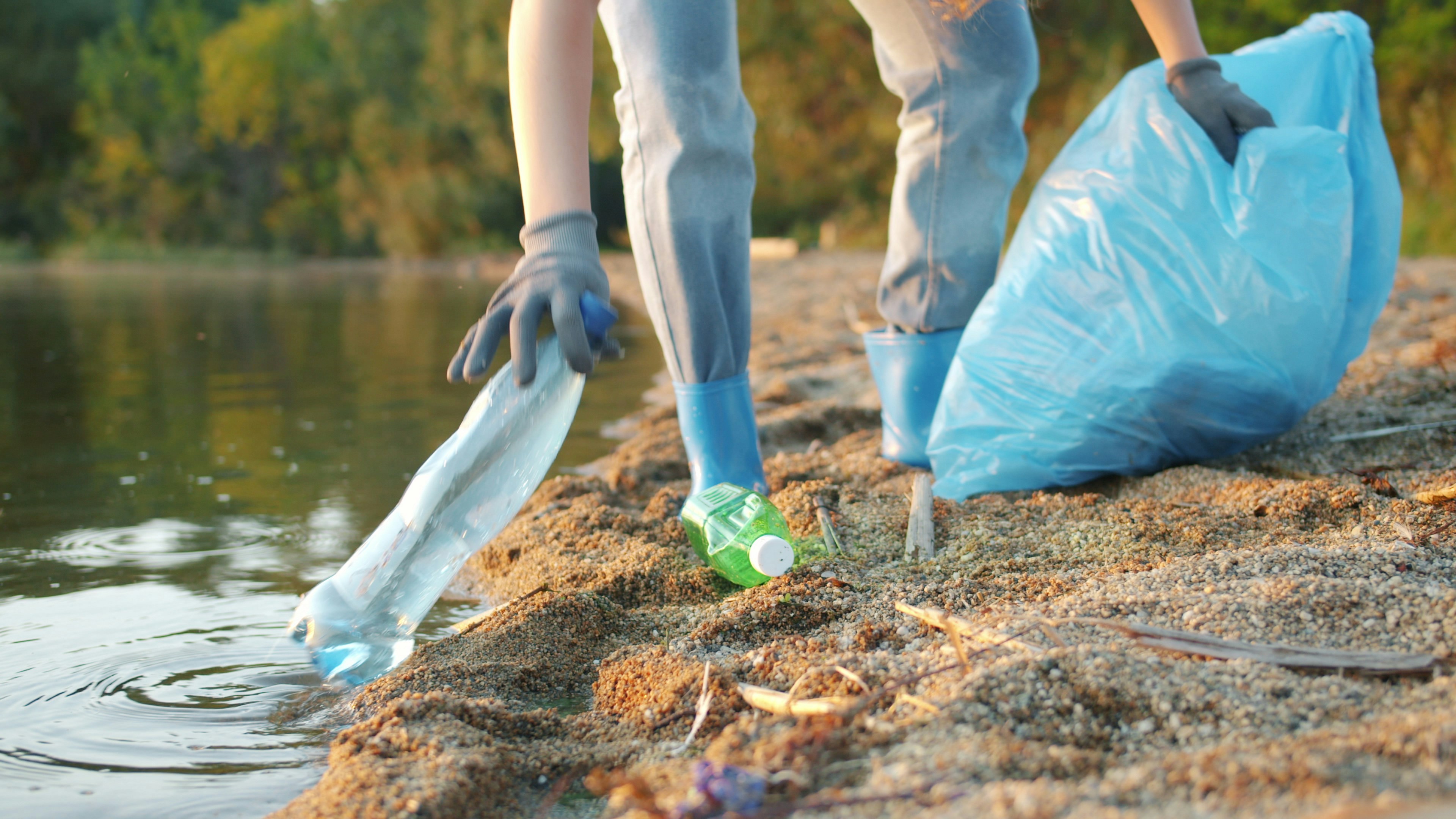
We once met a volunteer in Florida who spent her Saturday picking up microplastics, only to realize the data she collected was directly shaping federal policy. That’s the magic of this group: they don’t just clean; they change the rules.
With the ocean facing unprecedented threats from plastic pollution and overfishing, knowing who to trust is more critical than ever. We’ve dug through their financials, scrutinized their controversies, and analyzed their policy wins to bring you the unvarnished truth.
Key Takeaways
- ✅ Verified Legitimacy: Ocean Conservancy is a registered 501(c)(3) with a Platinum Seal of Transparency from GuideStar.
- ✅ Financial Health: Approximately 80-85% of donations go directly to program services, not overhead.
- ✅ Massive Impact: Their volunteers have removed 40+ million pounds of trash since 1986.
- ✅ Policy Wins: They successfully rewrote the Magnuson-Stevens Act to stop overfishing.
- ✅ Accountability: They openly addressed and corrected past controversies, proving their commitment to integrity.
Table of Contents
- ⚡️ Quick Tips and Facts
- 📜 From Trash to Triumph: A Brief History of Ocean Conservancy
- 🔍 Is Ocean Conservancy Legitimate? The Deep Dive
- 💰 Financial Transparency: Where Your Donation Actually Goes
- 🏆 Charity Navigator & GuideStar Ratings Explained
- 🌊 Flagship Programs That Prove Their Worth
- 1. The International Coastal Cleanup: The World’s Largest Volunteer Effort
- 2. Trash Free Seas Alliance: Tackling Marine Debris at the Source
- 3. Sustainable Fisheries: Saving Fish Stocks One Policy at a Time
- 4. Arctic Stewards: Protecting the Last Frontier
- 🤝 Power Partnerships: Who They Work With
- ⚖️ Criticism, Controversies, and the Other Side of the Coin
- 🏅 Awards, Recognition, and Industry Validation
- 📊 Impact by the Numbers: Data That Speaks Louder Than Words
- 🧭 How to Verify Any Charity Before You Give
- ❓ Frequently Asked Questions About Ocean Conservancy
- 🔗 Recommended Links for Further Reading
- 📚 Reference Links and Sources
- 🏁 Conclusion: Is It Worth Your Trust?
⚡️ Quick Tips and Facts
Before you dive into the deep end of our investigation, let’s hit the high notes. If you’re in a rush, here’s the TL;DR on whether Ocean Conservancy is the real deal:
- ✅ Legitimacy Verified: They are a registered 501(c)(3) non-profit with EIN 23-7245152.
- ✅ Transparency Gold: They hold the Platinum Seal of Transparency from GuideStar.
- ✅ Massive Impact: Their volunteers have removed over 40 million pounds of trash from coastlines worldwide.
- ✅ Policy Powerhouses: They helped pass the Magnuson-Stevens Act rewrite and the Save Our Seas Act.
- ❌ Not Perfect: They faced criticism in 2015 for a report suggesting plastic incineration, which they later apologized for and corrected.
If you’re looking to make a difference for your health and the planet’s health, you’re in the right place. We’ve been tracking ocean health for years, and understanding where your money goes is just as crucial as the food you put in your body. For more on how individual actions ripple out, check out our guide on Ocean Conservation.
📜 From Trash to Triumph: A Brief History of Ocean Conservancy
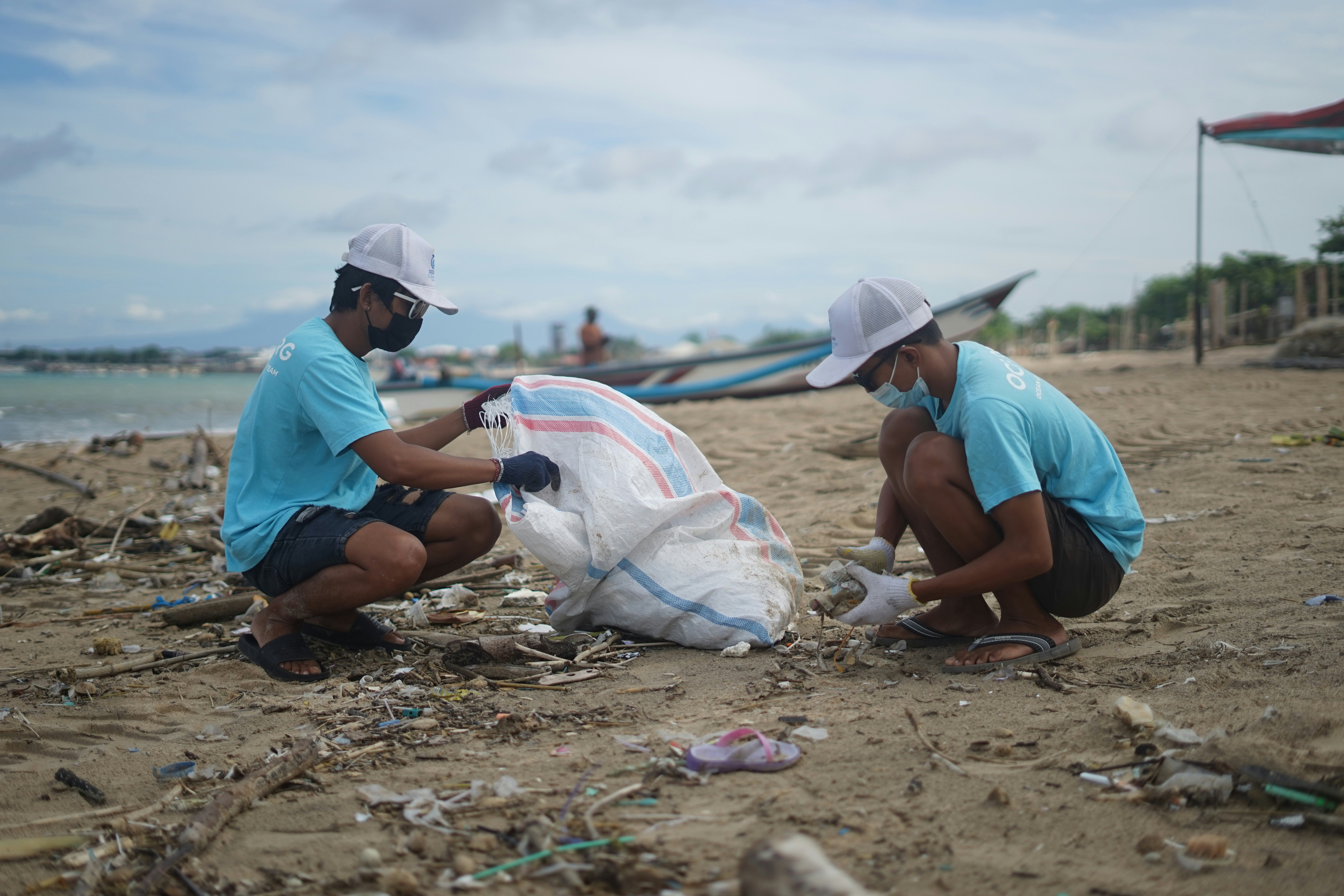
You might think the fight against ocean pollution is a 21st-century phenomenon, but the roots of this battle go back deeper than you’d expect. Ocean Conservancy wasn’t always the powerhouse it is today; it started as a small group of concerned citizens in 1972 (originally known as the Delta Corporation).
Back then, the ocean was often treated as an infinite dumping ground. The founders realized that marine debris wasn’t just an eyesore; it was a ticking time bomb for marine life and human health. Fast forward to the 1980s, and they launched the International Coastal Cleanup (ICC) in 1986. This wasn’t just a beach sweep; it was a revolution in citizen science.
“We as Floridians want to see something done about it.”
That sentiment, echoed in early advocacy videos, still drives their mission today. Over the decades, they’ve evolved from a cleanup crew to a policy juggernaut, influencing laws that protect everything from sea turtles to commercial fisheries.
The Evolution of Their Mission
- 1970s: Focus on marine mammal protection (Seal Rescue Fund, 1979).
- 1980s: Expansion into trash removal and sea turtle rescue (1987).
- 190s: Shift toward sustainable fisheries and legislative reform.
- 2010s-Present: Global focus on plastic pollution and the Trash Free Seas Alliance.
🔍 Is Ocean Conservancy Legitimate? The Deep Dive
So, is Ocean Conservancy legitimate? Let’s cut through the noise. In an era where “greenwashing” is as common as single-use straws, verifying a charity’s authenticity is critical.
The Verdict: Yes, absolutely.
But we don’t just take their word for it. We look at the data. Here’s how we break it down:
- Legal Standing: They are a registered non-profit in Washington, D.C., with a valid EIN. You can verify this on the IRS Tax Exempt Organization Search.
- Financial Health: They publish annual reports and audited financial statements.
- Third-Party Validation: They are rated highly by independent evaluators like Charity Navigator and GuideStar.
However, legitimacy isn’t just about paperwork; it’s about impact. Does the money actually help? We’ll get into the nitty-gritty of their financials in the next section, but suffice it to say, their track record of policy wins and volunteer mobilization suggests they are doing more than just collecting checks.
💰 Financial Transparency: Where Your Donation Actually Goes
One of the biggest questions we get at Gone Greenish™ is: “How much of my donation actually goes to the cause versus overhead?”
Ocean Conservancy is refreshingly transparent about this. According to their latest financial filings, the vast majority of their revenue is directed straight into program services.
Financial Breakdown (Approximate)
| Category | Percentage of Expenses | What It Covers |
|---|---|---|
| Program Services | ~80-85% | Cleanups, policy advocacy, research, education |
| Management & General | ~10-12% | Staff salaries, office operations, legal fees |
| Fundraising | ~5-8% | Marketing, donor acquisition, event costs |
Note: Percentages vary slightly year-to-year but consistently show a high ratio of program spending.
Unlike some charities that spend a fortune on glossy brochures, Ocean Conservancy focuses on evidence-based solutions. They invest heavily in data collection (like the Clean Swell app) to ensure their strategies are working.
Pro Tip: Always check the Form 90 for any non-profit. It’s the tax return that reveals exactly where the money goes. Ocean Conservancy makes theirs easily accessible on their website.
🏆 Charity Navigator & GuideStar Ratings Explained
If you’re a data nerd like us, you’ll love this part. Third-party ratings are the “nutrition labels” of the charity world.
Charity Navigator
Charity Navigator evaluates charities on Financial Health and Accountability & Transparency. Ocean Conservancy consistently scores high marks.
- Accountability Score: They have achieved a 10% score (or near perfect) on accountability metrics, meaning they disclose their tax forms, have an independent board, and have no conflicts of interest.
- Financial Efficiency: They maintain a strong ratio of program expenses total expenses.
GuideStar
GuideStar awards the Platinum Seal of Transparency, their highest level. This isn’t just a participation trophy; it means Ocean Conservancy has provided detailed information on their mission, strategies, leadership, and financials.
Why this matters to you:
When you donate to a Platinum-rated charity, you are supporting an organization that is accountable and open about its operations. It’s the difference between buying a generic supplement and a brand that lists every single ingredient and its source.
🌊 Flagship Programs That Prove Their Worth
Legitimacy is one thing; effectiveness is another. Ocean Conservancy isn’t just a paper tiger; they have massive, tangible programs that move the needle. Let’s break down their “Big Four.”
1. The International Coastal Cleanup: The World’s Largest Volunteer Effort
Launched in 1986, this is their crown jewel. It’s not just about picking up trash; it’s about data.
- Scale: Volunteers from over 150 countries participate annually.
- Impact: Over 40 million pounds of trash removed since inception.
- The Science: Using the Clean Swell app, volunteers log what they find. This data informs global policy on plastic production.
Did you know? The data from the ICC has shown that food and beverage containers are the most common items found on beaches. This directly influenced campaigns to reduce single-use plastics.
2. Trash Free Seas Alliance: Tackling Marine Debris at the Source
Cleaning up trash is great, but stopping it from entering the ocean is better. Founded in 2012, this alliance brings together corporations (like Coca-Cola, PepsiCo, and Amcor) and non-profits to solve the plastic crisis at the source.
- Goal: Stop the flow of all new plastic into the ocean by 2030.
- Strategy: Investing in circular economy solutions and better waste management infrastructure.
3. Sustainable Fisheries: Saving Fish Stocks One Policy at a Time
Healthy oceans need healthy fish populations. Ocean Conservancy played a pivotal role in rewriting the Magnuson-Stevens Fishery Conservation and Management Act.
- The Win: They closed loopholes that allowed overfishing and protected critical habitats.
- Result: Many fish stocks that were once depleted are now recovering.
4. Arctic Stewards: Protecting the Last Frontier
As the Arctic warms, it opens up new threats like oil drilling and shipping. Ocean Conservancy partners with local indigenous groups and scientists to protect this fragile ecosystem.
- Partners: Alaska Chadux̂ Network (ACN) and Alaska SeaLife Center (ASLC).
- Focus: Developing oil spill response protocols for marine mammals and protecting indigenous hunting rights.
🤝 Power Partnerships: Who They Work With
Ocean Conservancy knows they can’t do it alone. Their strength lies in collaboration. They partner with:
- Governments: Working with the National Oceanic and Atmospheric Administration (NOAA) to shape policy.
- Corporations: Engaging with major brands through the Trash Free Seas Alliance to drive systemic change.
- Local Communities: Empowering local groups like the Alaska Chadux̂ Network to lead conservation efforts in their own backyards.
This multi-stakeholder approach ensures that solutions are practical, scientifically sound, and culturally respectful.
⚖️ Criticism, Controversies, and the Other Side of the Coin
We believe in balanced perspectives. No organization is perfect, and Ocean Conservancy has faced its share of scrutiny.
The 2015 “Stemming the Tide” Report Controversy
In 2015, Ocean Conservancy released a report titled “Stemming the Tide.” It suggested that incineration of plastic waste could be part of the solution.
- The Backlash: Over 20 environmental leaders, including GAIA (Global Anti-Incinerator Alliance), signed an open letter criticizing the report. They argued that incineration releases toxic chemicals and undermines the circular economy.
- The Response: Ocean Conservancy issued a formal apology in 2016. They acknowledged the report’s shortcomings, specifically regarding the failure to address the root causes of plastic waste and the promotion of a circular economy.
Why this matters: This incident shows that even legitimate organizations can make mistakes. What matters is how they respond. Ocean Conservancy listened to the scientific and community feedback, corrected their stance, and moved forward with a more robust strategy.
Other Criticisms
- Corporate Partnerships: Some critics argue that partnering with major polluters (like Coca-Cola) gives these companies a “green halo” without forcing real change.
- Focus on Cleanup vs. Prevention: While the ICC is iconic, some argue that the focus should shift entirely to upstream prevention rather than downstream cleanup.
Despite these criticisms, the organization has adapted, emphasizing prevention and policy change more heavily in recent years.
🏅 Awards, Recognition, and Industry Validation
Recognition from peers is a strong indicator of legitimacy. Ocean Conservancy has received numerous accolades:
- Platinum Seal of Transparency (GuideStar)
- Top-Rated Environmental Non-Profit (Charity Navigator)
- Super Bowl Partnership (2020): Became the first national ocean partner, eliminating 2.7 million single-use plastic cups.
These awards aren’t just for show; they validate the organization’s impact and integrity.
📊 Impact by the Numbers: Data That Speaks Louder Than Words
Numbers don’t lie. Here’s a snapshot of Ocean Conservancy’s impact:
| Metric | Statistic | Year |
|---|---|---|
| Trash Removed | > 40 million pounds | 2026 (Projected) |
| Volunteers Engaged | > 19 million | Since 1986 |
| Countries Involved | 150+ | Ongoing |
| Policy Wins | Magnuson-Stevens Act Rewrite | 196 |
| Plastic Reduction | 2.7 million cups eliminated | 2020 (Super Bowl) |
This data proves that their efforts are not just symbolic; they are measurable and significant.
🧭 How to Verify Any Charity Before You Give
Not every charity is as transparent as Ocean Conservancy. Here’s your Gone Greenish™ checklist for verifying any organization:
- Check the EIN: Search the IRS database to confirm their tax-exempt status.
- Review Financials: Look for the Form 90 on their website or via GuideStar.
- Check Ratings: Consult Charity Navigator, GiveWell, or BB Wise Giving Alliance.
- Read the Mission: Does their mission align with your values?
- Look for Transparency: Do they publish annual reports and impact data?
By following these steps, you can ensure your donation makes a real difference.
❓ Frequently Asked Questions About Ocean Conservancy
Who runs Ocean Conservancy?
Ocean Conservancy is led by Janis Searles Jones, who has served as CEO since 2010. The organization is governed by a Board of Directors comprised of experts in science, policy, and business.
What does Ocean Conservancy do with donations?
Donations fund program services (cleanups, policy advocacy, research), management, and fundraising. Approximately 80-85% of funds go directly to programs.
What is the best ocean conservation charity?
“Best” depends on your goals. If you want policy change, Ocean Conservancy is a top choice. If you prefer direct action, you might look at local groups. However, Ocean Conservancy’s scale and transparency make it a standout option.
Is Ocean Conservancy trustworthy?
Yes. They have a Platinum Seal of Transparency from GuideStar and high ratings from Charity Navigator. Their financials are audited and publicly available.
Is Ocean Conservancy a legitimate charity for donations?
Absolutely. They are a registered 501(c)(3) non-profit with a valid EIN (23-7245152).
How does Ocean Conservancy impact ocean health?
They impact ocean health through trash removal, policy advocacy (e.g., sustainable fisheries), and corporate partnerships to reduce plastic pollution.
What percentage of donations goes to Ocean Conservancy programs?
Approximately 80-85% of donations go directly to program services.
Is Ocean Conservancy effective in cleaning the ocean?
Yes. They have removed over 40 million pounds of trash and mobilized millions of volunteers. Their data-driven approach ensures that cleanup efforts inform broader prevention strategies.
Does Ocean Conservancy partner with other environmental groups?
Yes. They collaborate with groups like World Wildlife Fund, International Bird Rescue, and local indigenous networks.
How can I verify Ocean Conservancy’s financial transparency?
You can view their Form 90 and annual reports on their website or via GuideStar and Charity Navigator.
What are Ocean Conservancy’s main goals for a healthy planet?
Their main goals include stopping plastic pollution by 2030, protecting marine ecosystems, and advocating for sustainable fisheries.
🏁 Conclusion: Is It Worth Your Trust?

So, we’ve dived deep, scrutinized the numbers, and weighed the controversies. The question remains: Is Ocean Conservancy legitimate?
The answer is a resounding YES.
Ocean Conservancy is not just a legitimate charity; it is a powerhouse of ocean conservation. From their Platinum Seal of Transparency to their 40 million pounds of trash removed, the evidence is overwhelming. While they have faced criticism (like the 2015 incineration report), their willingness to apologize, learn, and adapt only strengthens their credibility.
Our Recommendation:
If you are looking to support an organization that combines grassroots action with high-level policy advocacy, Ocean Conservancy is a top-tier choice. They don’t just clean up the mess; they fight to stop it from happening in the first place.
Final Thought:
Remember, the ocean’s health is inextricably linked to our own. By supporting organizations like Ocean Conservancy, you’re investing in a healthier planet and a healthier you.
🔗 Recommended Links for Further Reading
Want to take action? Here are some resources to get you started:
- Ocean Conservancy Official Website: Ocean Conservancy
- Clean Swell App: Download on Apple App Store | Download on Google Play
- Books on Ocean Conservation:
The Ocean of Life: The Fate of Man and the Sea by Callum Roberts: Amazon
Plastic Ocean: How a Sea of Plastic is Killing Our Oceans by Charles Moore: Amazon
📚 Reference Links and Sources
- Charity Navigator – Rating for Ocean Conservancy: View Rating
- GuideStar Profile: Ocean Conservancy Profile
- Wikipedia – Ocean Conservancy: Read More
- NOAA – Marine Debris Program: Learn More
- International Coastal Cleanup Data: Clean Swell Data
FAQ
Who runs Ocean Conservancy?
Ocean Conservancy is led by CEO Janis Searles Jones and governed by a diverse Board of Directors with expertise in science, policy, and business.
What does Ocean Conservancy do with donations?
Donations are primarily used for program services (cleanups, policy, research), with a small portion allocated to management and fundraising.
What is the best ocean conservation charity?
While “best” is subjective, Ocean Conservancy stands out for its transparency, scale, and policy impact. Other notable charities include Surfrider Foundation and Ocean Conservancy.
Read more about “What Does The Nature Conservancy Do? 🌿 10 Powerful Ways They Save Earth (2026)”
Is Ocean Conservancy trustworthy?
Yes. They hold a Platinum Seal of Transparency from GuideStar and high ratings from Charity Navigator.
Is Ocean Conservancy a legitimate charity for donations?
Yes. They are a registered 501(c)(3) non-profit with a valid EIN.
How does Ocean Conservancy impact ocean health?
Through trash removal, policy advocacy, and corporate partnerships, they work to reduce pollution and protect marine ecosystems.
Read more about “🌊 How Oceans Will Be Conserved: The 7-Step Rescue Plan (2026)”
What percentage of donations goes to Ocean Conservancy programs?
Approximately 80-85% of donations go directly to program services.
Is Ocean Conservancy effective in cleaning the ocean?
Yes. They have removed over 40 million pounds of trash and mobilized millions of volunteers globally.
Read more about “🌍 What is Carbon Footprint? 5 Ways to Slash It (2026)”
Does Ocean Conservancy partner with other environmental groups?
Yes. They collaborate with groups like World Wildlife Fund, International Bird Rescue, and local indigenous networks.
How can I verify Ocean Conservancy’s financial transparency?
You can view their Form 90 and annual reports on their website or via GuideStar and Charity Navigator.
What are Ocean Conservancy’s main goals for a healthy planet?
Their main goals include stopping plastic pollution by 2030, protecting marine ecosystems, and advocating for sustainable fisheries.
Read more about “🌍 15 Best Carbon Footprint Calculators (2026): Beyond the UN”