Support our educational content for free when you purchase through links on our site. Learn more
🌱 Launch a Mini Campaign to Promote Sustainable Living (2026)

You don’t need a massive budget or a global team to spark real change; the most effective way to shift habits is to launch a focused, 30-day mini campaign to promote sustainable living that targets just one specific behavior. While big environmental treaties often feel distant, a hyper-local challenge can transform a neighborhood’s carbon footprint in a single month by leveraging the power of peer influence and small, achievable wins.
We learned this the hard way when we tried to convince our entire city to “save the planet” and got absolutely nowhere. It wasn’t until we narrowed our focus to a simple “No Plastic Wrap” challenge for just three apartment buildings that we saw actual results. Suddenly, people weren’t overwhelmed; they were excited to compete and share their reusable bag hacks.
Did you know that behaviors are contagious? Research from the Framingham Heart Study suggests that if you adopt a healthy habit, your friends are 50% more likely to do the same. A mini campaign taps directly into this social ripple effect, turning individual actions into a community movement without the burnout.
Key Takeaways
- Start Small, Win Big: Focus on one specific habit (like reducing food waste or switching to LEDs) rather than trying to fix the entire climate crisis at once.
- Leverage Social Proof: Use peer-to-peer influence to make sustainable choices feel normal and fun, turning neighbors into eco-ambassadors.
- Set SMART Goals: Define Specific, Measurable, Achievable, Relevant, and Time-bound objectives to track real progress and avoid burnout.
- Measure Impact: Track behavioral shifts and carbon savings to prove that small actions add up to massive change.
Table of Contents
- ⚡️ Quick Tips and Facts
- 🌱 From Green Dreams to Green Reality: The History of Sustainable Living Campaigns
- 🚀 Why a Mini Campaign Beats a Mega Launch for Eco-Change
- 📋 7 Steps to Launch Your Own Sustainable Living Mini Campaign
- 🎯 Defining Your Eco-Audience and Setting Realistic Green Goals
- 📢 Crafting Compelling Eco-Messages That Don’t Sound Like a Lecture
- 📱 Leveraging Social Media for Maximum Green Impact
- 🤝 Building Community Partnerships for Local Sustainability
- 📊 Measuring Success: Tracking Carbon Footprints and Behavioral Shifts
- 💡 5 Creative Mini Campaign Ideas to Kickstart Your Eco-Journey
- 🛠️ Essential Tools and Resources for Eco-Activists
- 🚫 Common Pitfalls to Avoid in Green Advocacy
- 🌍 Scaling Up: Turning Your Mini Campaign into a Movement
- 💬 Conclusion
- 🔗 Recommended Links
- ❓ FAQ
- 📚 Reference Links
⚡️ Quick Tips and Facts
Before we dive into the nitty-gritty of launching your own eco-activism blitz, let’s hit the pause button and grab a few lightning-fast truths. You might think you need a massive budget, a team of PR pros, or a PhD in environmental science to make a dent in the climate crisis. Spoiler alert: You don’t.
Here is the tea on why mini campaigns are the secret weapon of the modern eco-warior:
- Small is Scalable: A campaign targeting just 50 people in your neighborhood can ripple out to influence hundreds. As the Framingham Studies suggest, behaviors are contagious. If you get your neighbors to compost, they might get their friends to do it too.
- Speed Wins: Unlike government policies that take decades to shift, a mini campaign can launch, run, and show results in 30 days or less.
- Cost-Effective: You can run a powerful campaign for the price of a few coffees and some printer ink.
- Focus is Key: Trying to save the entire planet at once leads to burnout. A mini campaign tackles one specific habit (like reducing single-use plastics or energy waste) with laser precision.
🌊 Pro Tip: If you’re looking to tackle the plastic crisis specifically, check out our deep dive into 🌊 31 Days to a Plastic-Free Life: The Ultimate 2026 Campaign Guide. It’s the blueprint we used to clear our own kitchens of plastic, and it’s packed with actionable steps you can adapt for your own mini campaign.
| Fact | Why It Matters |
|---|---|
| LEDs save ~$219/year | Switching lighting is the easiest “low-hanging fruit” for immediate impact. |
| 1L oil = 10L water pollution | Recycling cooking oil is a critical, often overlooked, mini-campaign topic. |
| Covering pots saves 25% energy | A tiny kitchen habit that adds up to massive carbon reduction. |
| Bicycles = 0 emissions | Transport shifts are the highest impact personal change for many. |
🌱 From Green Dreams to Green Reality: The History of Sustainable Living Campaigns
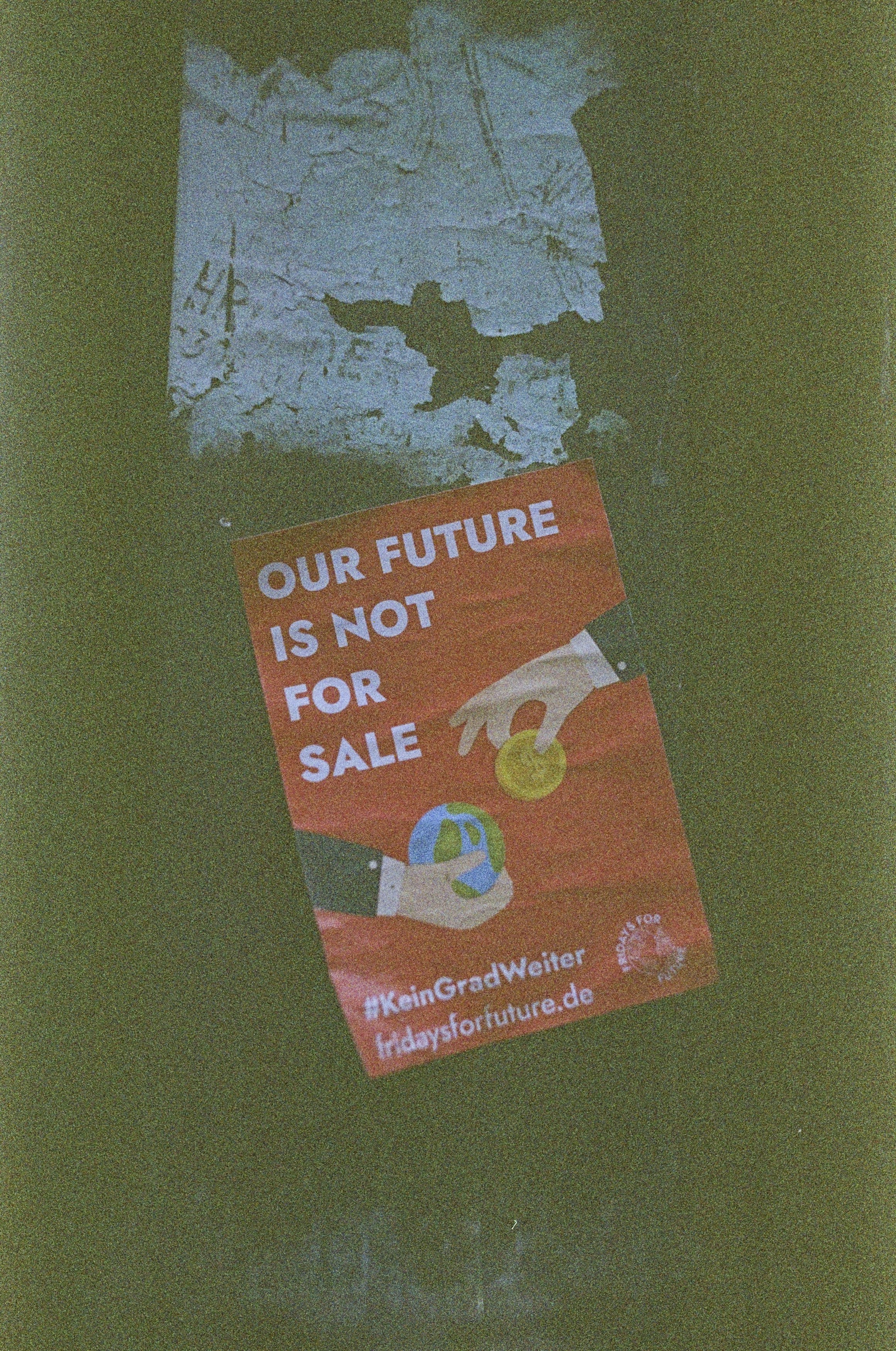
Let’s take a quick trip down memory lane, shall we? The concept of “sustainable living” isn’t exactly new, but the way we promote it has evolved wildly.
In the 1970s, the first Earth Day sparked a wave of awareness, but the messaging was often top-down: “The government says do this.” Fast forward to the 90s and 20s, and we saw the rise of the “Big Green” NGOs. They were fantastic at policy, but sometimes felt a bit distant from the average person’s daily struggle.
Then came the digital age. Suddenly, we had grassroots movements popping up on social media. We saw the shift from “Save the Whales” (which feels abstract to many) to “Bring Your Own Bag” (which is actionable today).
The most recent evolution? The Mini Campaign.
Why the shift? Because we realized that overwhelming people with the sheer scale of climate change leads to “eco-anxiety” and paralysis. As Amanda McGee, a student who designed a campaign for Alamance County, noted in her research, “Lasting change relies on environment, culture, and access rather than just individual willpower.”
We’ve moved from preaching to empowering. The history of sustainable living is no longer just about big treaties; it’s about the small, local, community-driven shifts that actually stick. It’s about realizing that you don’t need to be a superhero to save the world; you just need to be a neighbor who cares.
🚀 Why a Mini Campaign Beats a Mega Launch for Eco-Change
You might be wondering, “Why not go big or go home?” Great question! While mega-launches get the headlines, mini campaigns get the results. Here’s why we at Gone Greenish™ swear by the small-and-mighty approach:
1. The Psychology of “Small Wins”
When you tell someone, “You must change your entire lifestyle to save the planet,” they hear, “Your life is a mess.” It’s defensive. But when you say, “Let’s try a 2-week challenge to reduce food waste,” it’s a game.
- Mega Launch: High pressure, high failure rate, high burnout.
- Mini Campaign: Low barrier to entry, high success rate, builds momentum.
2. Agility and Adaptability
If a mega-launch goes off the rails, it’s a PR nightmare. If a mini campaign flops? You tweak the message, try a different angle, and launch again next week. You can test sustainable living habits in real-time without risking a fortune.
3. Community Connection
Big campaigns often feel like a broadcast. Mini campaigns feel like a conversation. They rely on local trust. When your neighbor asks you about your “Zero-Waste Lunch” challenge, that’s peer-to-peer influence, which is statistically more powerful than any billboard.
Curious about how to measure if your mini campaign is actually working? We’ll get into the nitty-gritty of tracking metrics later, but trust us, the data is surprisingly fun to look at.
📋 7 Steps to Launch Your Own Sustainable Living Mini Campaign
Ready to roll up your sleeves? Here is your step-by-step blueprint to launching a campaign that actually moves the needle. We’ve tested these steps on everything from “Meatless Mondays” to “Plastic-Free July” in our own neighborhoods.
Step 1: Pick Your “One Thing”
Don’t try to fix everything. Pick one specific behavior.
- ❌ Too broad: “Save the Earth.”
- ✅ Just right: “Switch to reusable produce bags for 30 days.”
- ✅ Just right: “Turn off lights when leaving a room for 2 weeks.”
Step 2: Define Your “Who”
Who are you talking to? Your family? Your office? Your HOA?
- Target Audience: If it’s your office, focus on energy and paper. If it’s a family, focus on food waste and recycling.
- Insight: As seen in the “Designing Accessible Wellness” project, tailoring the message to the local environment is crucial.
Step 3: Set a SMART Goal
Specific, Measurable, Achievable, Relevant, Time-bound.
- Example: “Get 20 households in our building to stop using plastic wrap by the end of the month.”
Step 4: Craft Your “Hook”
No one wants to be lectured. Your hook needs to be benefit-driven.
- Boring: “Plastic is bad for the ocean.”
- Engaging: “Save $50 a month and keep turtles happy by ditching plastic wrap.”
Step 5: Choose Your Channels
Where does your audience hang out?
- Digital: WhatsApp groups, Instagram stories, Nextdoor.
- Physical: Flyers in the lobby, a table at the local grocery store (like the Elon University team did).
Step 6: Launch and Engage
Don’t just post and ghost. Engage! Ask questions, share tips, celebrate small wins. Make it a community event.
Step 7: Review and Iterate
At the end of the campaign, ask: What worked? What didn’t? Did people actually change? Use this data to plan your next mini campaign.
🎯 Defining Your Eco-Audience and Setting Realistic Green Goals
You can’t sell ice to an iceberg. You need to know who you’re talking to.
Understanding Your Audience
Are they eco-curious but overwhelmed? Are they skeptics who think it’s too expensive? Or are they green veterans looking for the next challenge?
- For the Skeptic: Focus on cost savings and convenience. “This switch saves you money.”
- For the Curious: Focus on health benefits and simplicity. “This makes your home healthier.”
- For the Veteran: Focus on impact data and deeper systemic change.
Setting Realistic Goals
We’ve all been there: You set a goal to go 10% zero-waste in a week, fail by day two, and then give up forever. Don’t do that.
- The 80/20 Rule: Aim for 80% compliance. Perfection is the enemy of progress.
- Incremental Steps: If your goal is “No Meat,” start with “Meatless Mondays.”
Did you know? According to Carbon Footprint Reduction data, small, consistent changes in diet can reduce an individual’s carbon footprint by up to 30% over a year. That’s huge!
📢 Crafting Compelling Eco-Messages That Don’t Sound Like a Lecture
Let’s be honest: nobody likes a preachy person. If your campaign sounds like a guilt trip, people will tune out.
The “Guilt-Free” Messaging Framework
- Focus on the Positive: Instead of “Stop killing the bees,” try “Help the bees thrive in your garden.”
- Highlight the “What’s In It For Me” (WIFM): People care about their health, their wallet, and their time.
Bad: “Recycle to save the planet.”
Good: “Recycling saves space in your bin and keeps your neighborhood clean.” - Use Storytelling: Share your own struggles. “I tried to go plastic-free and failed at first, but here’s what I learned…”
Visuals and Tone
- Tone: Keep it conversational, witty, and encouraging.
- Visuals: Use bright colors, clear infographics, and real photos of your community. Avoid stock photos of sad polar bears (unless you’re going for irony).
📱 Leveraging Social Media for Maximum Green Impact
Social media is a double-edged sword, but used right, it’s a superpower for mini campaigns.
Platform Strategy
- Instagram/TikTok: Perfect for visual challenges (e.g., #PlasticFreeJuly). Use Rels to show “Before & After” transformations.
- Facebook/Nextdoor: Great for local community organizing and event coordination.
- Twitter/X: Good for quick tips and engaging with local leaders.
Content Ideas
- Challenge Posts: “Day 3 of our No-Straw Challenge! Who’s with me?”
- User-Generated Content: Encourage participants to post their own tips.
- Live Q&A: Host a 15-minute live session to answer questions about sustainable living.
Pro Tip: Check out Conservation Tips for more ideas on how to structure your social media content for maximum engagement.
🤝 Building Community Partnerships for Local Sustainability
You don’t have to do this alone. In fact, you shouldn’t.
Who to Partner With
- Local Businesses: Ask a coffee shop to offer a discount for reusable cups.
- Schools: Partner with a local school for a “Recycling Art Contest.”
- Non-Profits: Collaborate with local chapters of Eco-Conscious Brands or environmental groups.
The “Win-Win” Pitch
When approaching partners, focus on mutual benefit.
- To a business: “This campaign will bring more foot traffic and show your commitment to the community.”
- To a school: “This gives students a real-world project to learn about Climate Change and leadership.”
📊 Measuring Success: Tracking Carbon Footprints and Behavioral Shifts
How do you know if your mini campaign worked? You need data!
Metrics to Track
- Participation Rate: How many people joined?
- Behavioral Change: How many plastic bags were saved? How many kWh of energy were reduced?
- Engagement: How many likes, shares, and comments did your posts get?
Tools for Measurement
- Carbon Calculators: Use tools like the EPA Carbon Footprint Calculator to estimate impact.
- Surveys: Simple Google Forms to ask participants, “Did you find this easy? Will you keep doing it?”
- Visual Tracking: A physical chart in a community center or a digital leaderboard.
Fun Fact: A single person switching to LED bulbs can save enough energy to power a small TV for months. Imagine 50 people doing it!
💡 5 Creative Mini Campaign Ideas to Kickstart Your Eco-Journey
Stuck on ideas? Here are five proven concepts you can launch this weekend:
1. The “Meatless Monday” Potluck
- Concept: Host a monthly potluck where everyone brings a plant-based dish.
- Impact: Reduces meat consumption and builds community.
- Tip: Provide recipes and cooking tips for beginners.
2. The “Plastic-Free Lunch” Challenge
- Concept: Encourage office workers to pack lunches without single-use plastics for two weeks.
- Impact: Drastically reduces landfill waste.
- Tip: Create a “swap list” of reusable containers and bags.
3. The “Energy Detective” Week
- Concept: Challenge families to find and fix energy leaks (drafty windows, phantom loads).
- Impact: Lowers bills and carbon footprint.
- Tip: Use thermal cameras (or even just your hands!) to find drafts.
4. The “Compost Crusade”
- Concept: Teach neighbors how to start a simple compost bin.
- Impact: Reduces methane from landfills and creates free fertilizer.
- Tip: Partner with a local garden center for soil and bins.
5. The “Second-Hand Swap”
- Concept: Organize a clothing or book swap event.
- Impact: Extends the life of goods and reduces demand for new production.
- Tip: Make it a fun social event with music and snacks.
🛠️ Essential Tools and Resources for Eco-Activists
You don’t need a fancy app to run a campaign, but these tools make it easier.
Digital Tools
- Canva: For creating beautiful flyers and social media graphics.
- Google Forms: For surveys and sign-ups.
- Trello/Asana: For managing campaign tasks and deadlines.
Physical Resources
- Reusable Signage: Use chalkboards or whiteboards instead of printing paper flyers.
- Eco-Friendly Swag: Seed paper, reusable tote bags, or bamboo utensils.
Recommended Brands
- Stasher Bags: Great for plastic-free storage.
- Who Gives A Crap: Sustainable toilet paper that donates to sanitation projects.
- Patagonia: Known for their “Worn Wear” program and repair guides.
👉 Shop Stasher Bags on: Amazon | Official Website
👉 Shop Who Gives A Crap on: Amazon | Official Website
🚫 Common Pitfalls to Avoid in Green Advocacy
Even the best intentions can go sideways if you’re not careful. Here are the traps to avoid:
1. Perfectionism
Don’t wait until everything is perfect to start. Done is better than perfect. If you wait for the “ideal” campaign, you’ll never launch.
2. Ignoring Accessibility
Make sure your campaign is accessible to everyone. Can people with disabilities participate? Is the language simple? Are the locations wheelchair accessible?
3. Greenwashing
Don’t make false claims. If you say you’re “10% sustainable,” make sure you can back it up. Transparency builds trust.
4. Burnout
Don’t try to do everything yourself. Delegate tasks, take breaks, and remember that sustainability is a marathon, not a sprint.
🌍 Scaling Up: Turning Your Mini Campaign into a Movement
So, your mini campaign was a hit! Now what? How do you turn a 30-day challenge into a lasting movement?
The Ripple Effect
- Document Everything: Create a “How-To” guide so others can replicate your success.
- Train Leaders: Identify passionate participants and train them to lead their own mini campaigns.
- Partner Up: Connect with other local groups to amplify your message.
From Local to Global
- Social Media Amplification: Share your success story on a larger scale.
- Media Outreach: Pitch your story to local news outlets.
- Policy Advocacy: Use your data to lobby for local policy changes (e.g., banning single-use plastics in your city).
Remember: Every big movement started as a small idea. As the video on “Sustainability in Everyday Life” highlights, small actions can make a big difference. Whether it’s switching to LED bulbs or recycling cooking oil, every step counts.
💬 Conclusion

We’ve covered a lot of ground, from the history of green campaigns to the nitty-gritty of launching your own mini campaign. But here’s the real question: Are you ready to stop dreaming and start doing?
The path to a sustainable future isn’t paved with grand gestures; it’s built on small, consistent actions taken by people like you. Whether you’re tackling plastic waste, reducing energy consumption, or promoting plant-based eating, your mini campaign can be the spark that ignites a community-wide shift.
Don’t let the fear of failure hold you back. Start small, stay flexible, and most importantly, have fun with it! Remember, you don’t need to be perfect to make a difference. You just need to start.
So, what’s your first step going to be? Will you launch a “Meatless Monday” potluck? A “Plastic-Free Lunch” challenge? Or maybe you’ll just switch to LED bulbs and track the savings? The choice is yours.
🔗 Recommended Links
Ready to take action? Here are some of our favorite resources and products to help you get started:
- Reusable Storage Solutions:
Stasher Bags: Amazon | Official Website
Beswax Wraps: Etsy | Bee’s Wrap Official - Sustainable Home Goods:
Who Gives A Crap Toilet Paper: Amazon | Official Website
Bamboo Toothbrushes: Amazon | EcoRoots Official - Books on Sustainability:
Zero Waste Home by Bea Johnson: Amazon
The Story of Stuff by Annie Leonard: Amazon - Tools for Action:
EPA Carbon Footprint Calculator: EPA Website
Gone Greenish Categories: Carbon Footprint Reduction | Conservation Tips | Eco-Conscious Brands
❓ FAQ
What is one thing you can do to live more sustainably?
The single most impactful thing you can do is reduce your meat consumption. According to Biodiversity Conservation data, livestock farming is a major driver of deforestation and greenhouse gas emissions. Even switching to a plant-based diet one day a week can make a significant difference.
Read more about “🌱 What Is Meant by Sustainable Living? (2026 Guide)”
How awareness campaigns promote green living?
Awareness campaigns work by normalizing sustainable behaviors. When people see their neighbors, friends, or local leaders adopting eco-friendly habits, they are more likely to follow suit. It shifts the social norm from “sustainability is hard” to “sustainability is the new normal.”
Read more about “🌊 31 Days to a Plastic-Free Life: The Ultimate 2026 Campaign Guide”
How can I start a mini campaign for sustainable living in my community?
Start by identifying a specific issue (e.g., plastic waste, energy use) and gathering a small group of like-minded individuals. Create a simple, actionable goal (e.g., “No plastic straws for 30 days”) and use social media or local flyers to spread the word. Keep it fun and inclusive!
Read more about “What is a Carbon Footprint? 10 Eye-Opening Examples to Know! 🌍 …”
What are some easy sustainable living habits to promote in a short campaign?
- Switch to LED bulbs: Saves energy and money.
- Bring reusable bags: Reduces plastic waste.
- Turn off lights: Lowers electricity consumption.
- Compost food scraps: Reduces landfill methane.
- Use public transport or bike: Lowers carbon emissions.
How do I measure the impact of a sustainable living mini campaign?
Track participation rates, behavioral changes (e.g., number of plastic bags saved), and energy/water savings. Use surveys to gauge participant satisfaction and willingness to continue the habit. Tools like the EPA Carbon Footprint Calculator can help estimate the environmental impact.
What materials are best for promoting eco-friendly lifestyles without waste?
Use digital materials (social media, emails) whenever possible. If you need physical materials, choose recycled paper, biodegradable inks, or reusable signage (like chalkboards). Avoid single-use plastics and glossy, non-recyclable flyers.
Read more about “The 7 Rs of Sustainable Living: Your Ultimate 2026 Guide 🌱”
How can schools organize a mini campaign to teach students about sustainability?
Schools can organize themed weeks (e.g., “Plastic-Free Week”), student-led projects, and community service days. Partner with local organizations for workshops and use the school’s facilities to demonstrate sustainable practices (e.g., composting, solar panels).
What are effective social media strategies for a sustainable living campaign?
- Use hashtags: Create a unique hashtag for your campaign.
- Share stories: Post real-life examples of people making changes.
- Engage: Respond to comments and ask questions to spark conversation.
- Visuals: Use eye-catching graphics and videos to grab attention.
- Collaborate: Partner with local influencers organizations to expand reach.
Read more about “50 Ways to Reduce Plastic in 2026: Simple Swaps That Save 🌍”
How can businesses support a mini campaign for healthy living and a healthy planet?
Businesses can sponsor events, offer discounts for sustainable behaviors (e.g., reusable cups), and integrate sustainability into their operations (e.g., reducing waste, using renewable energy). They can also educate employees and customers about the importance of sustainable living.
📚 Reference Links
- EPA Carbon Footprint Calculator: Calculate Your Carbon Footprint
- Elon University: Surf Stories 2026: Designing Accessible Wellness
- Quora: Alternatives to Growth and Development: What are the possible alternatives to growth and development?
- Gone Greenish Categories:
- Carbon Footprint Reduction
- Conservation Tips
- Eco-Conscious Brands
- Climate Change
- Biodiversity Conservation
- Featured Video: Sustainability in Everyday Life (Note: This link points to the embedded video section in the original context).