Support our educational content for free when you purchase through links on our site. Learn more
🌱 What Does a Sustainable Lifestyle Look Like? (2026 Guide)

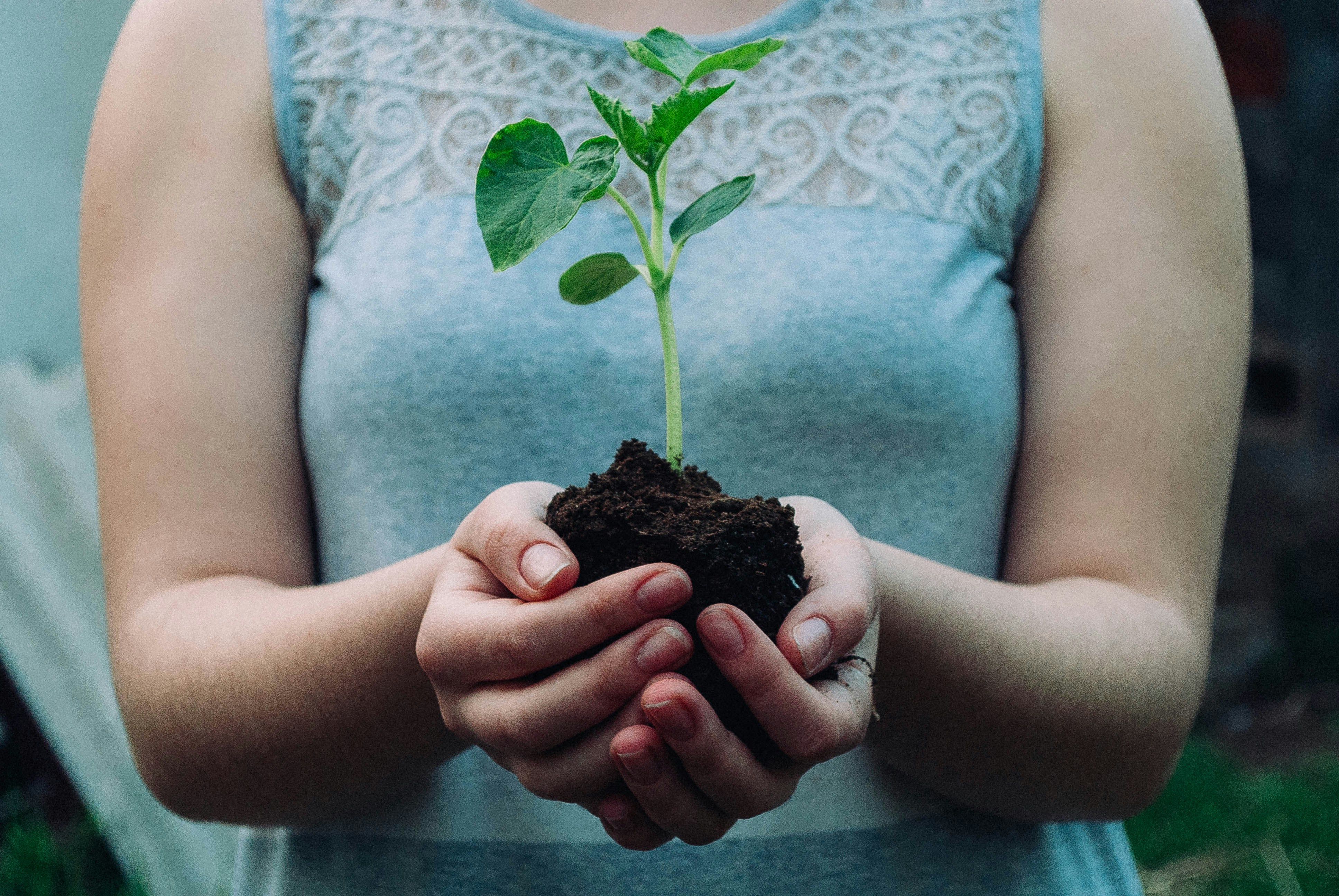
Ever feel like “going green” means living in a yurt, eating only dandelions, and never buying anything new again? We’ve been there too! When we first started our journey at Gone Greenish™, we thought sustainability was a rigid set of rules designed to make us miserable. But here’s the plot twist: a truly sustainable lifestyle isn’t about deprivation; it’s about intentional abundance. It’s the freedom of knowing your choices heal the planet while enriching your own life.
In this comprehensive guide, we’re ditching the vague buzzwords to show you exactly what a modern, 2026 sustainable lifestyle looks like in action. From the 65-step framework for a zero-waste wardrobe to the surprising 70% energy savings of a simple pressure cooker, we’re pulling back the curtain on the practical, profitable, and even joyful side of eco-living. You’ll discover how small swaps—like switching to plant-based meals or second-hand fashion—can compound into massive global impact without breaking the bank.
Ready to stop guessing and start living? We’ll reveal the specific habits that separate the “greenwashed” from the genuinely green, and show you how to build a life that feels good, looks good, and does good. The answer to “What does a sustainable lifestyle look like?” is simpler, smarter, and more stylish than you think.
Key Takeaways
- Progress Over Perfection: A sustainable lifestyle is a spectrum, not a binary switch; small, consistent changes like reducing meat consumption or fixing leaks create massive cumulative impact.
- The 3 Pillars of Green Living: True sustainability balances environmental integrity (reducing carbon footprint), social equity (supporting fair labor), and economic viability (saving money long-term).
- Actionable Swaps: You can transform your home, diet, and wardrobe with specific strategies, such as adopting a plant-forward diet, embracing circular fashion, and utilizing DIY eco-cleaners.
- Myth-Busting: Going green doesn’t have to be expensive or difficult; in fact, many sustainable choices like buying less and fixing instead of replacing save you money.
- Mental Well-being: Adopting a sustainable lifestyle can reduce eco-anxiety by providing a sense of agency and connection to your community.
Table of Contents
- ⚡️ Quick Tips and Facts
- 🌍 The Roots of Green: A Brief History of Sustainable Living
- 🏡 What Does a Sustainable Lifestyle Actually Look Like?
- 🥗 7 Ways to Eat Like the Planet Cares: Sustainable Food & Nutrition
- 👗 65 Steps to a Zero-Waste Wardrobe: Ethical Fashion & Textiles
- 🚿 52 Hacks for a Grener Home: Eco-Friendly Cleaning & Utilities
- 🚲 4 Ways to Move Without the Carbon Footprint: Green Transportation
- 💸 3 Smart Swaps for a Sustainable Budget: Eco-Friendly Shopping
- 🧘 The Mindful Shift: Mental Health & The Psychology of Green Living
- 🛠️ DIY vs. Buy: When to Craft Your Own Eco-Solutions
- 🌱 Common Myths Debunked: Is Going Green Actually Hard?
- 📊 The Impact Dashboard: Measuring Your Personal Carbon Footprint
- 🏆 Conclusion: Your Journey to a Grener Tomorrow Starts Now
- 🔗 Recommended Links
- ❓ FAQ: Your Burning Questions About Sustainable Living Answered
- 📚 Reference Links
⚡️ Quick Tips and Facts
Before we dive deep into the nitty-gritty of transforming your life, let’s hit the fast-forward button with some game-changing sustainable living swaps that you can implement today. Did you know that simply switching to LED bulbs can reduce your lighting energy use by up to 75%? Or that meat consumption accounts for a staggering portion of your dietary carbon footprint?
Here is the lowdown on why this matters, straight from the Gone Greenish™ lab:
| Fact | The Impact | The Action |
|---|---|---|
| 150 million tons of trash enter oceans annually. | Marine life is choking on our waste. | ✅ Switch to reusable bags and bottles immediately. |
| 80% of dietary carbon footprint comes from animal products. | Industrial farming is a climate killer. | ✅ Try “Meatless Mondays” or go fully plant-based. |
| Biodegradable plastics can outlive humans. | “Green” labels can be misleading. | ✅ Prioritize compostable or zero-waste materials. |
| 70% energy reduction is possible with pressure cookers. | Cooking habits matter more than you think. | ✅ Invest in a stovetop pressure cooker. |
| 530,0 tonnes of cleaning chemicals hit German wastewater yearly. | Toxic runoff harms ecosystems. | ✅ Make your own DIY eco-cleaners. |
Wait, you might be thinking, “But I don’t have time for all this!” Don’t worry, we’ve got you covered. For a deeper dive into actionable changes, check out our guide on 25+ Game-Changing Sustainable Living Swaps for 2026 🌍.
🌍 The Roots of Green: A Brief History of Sustainable Living
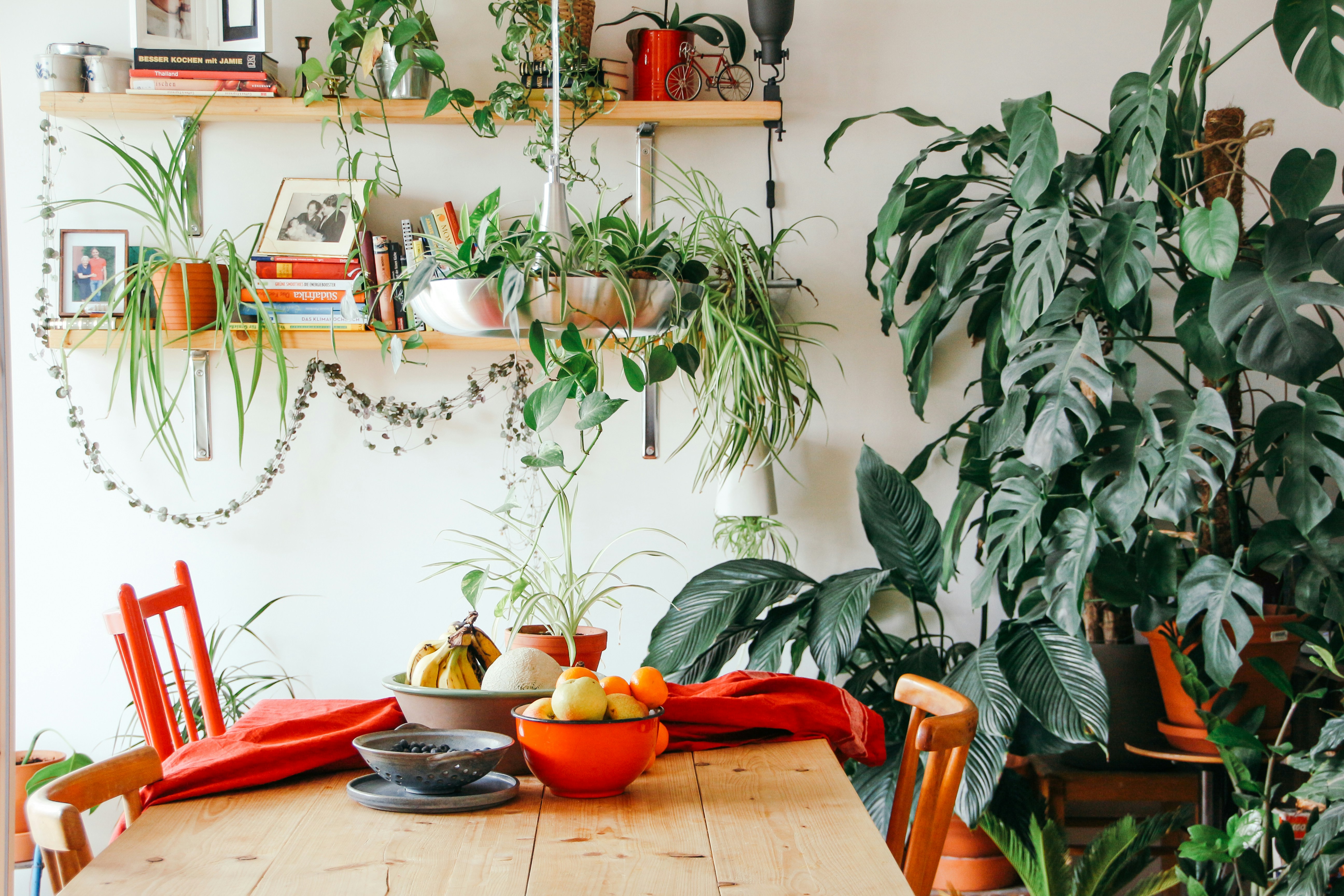
You might think “sustainable living” is a buzzword born in the 21st century, but the roots of this philosophy go back much further. The concept of living in harmony with nature is as old as humanity itself, but the modern sustainable lifestyle movement really took off in response to the industrial revolution’s unchecked consumption.
From Survival to Stewardship
For millennia, indigenous cultures practiced circular economies long before the term existed. They understood that taking more than the earth could replenish meant starvation. Fast forward to the 1960s and 70s, when books like Rachel Carson’s Silent Spring and the first Earth Day in 1970 sparked a global awakening. We realized that progress didn’t have to mean destruction.
The Evolution of the Green Movement
The definition has shifted from simple conservation (saving resources) to regeneration (healing the planet). Today, it’s not just about recycling; it’s about systemic change. As noted by experts at Inspire Clean Energy, sustainability is about “making choices today that will positively impact the planet tomorrow.”
We’ve moved from the “reduce, reuse, recycle” mantra to the circular economy model, where waste is designed out of the system entirely. This shift is crucial because, as the UNEP notes, we need to transform our economic systems to support social equity, economic viability, and environmental preservation.
Did you know? The term “sustainable development” was popularized by the Brundtland Report in 1987, defining it as “development that meets the needs of the present without compromising the ability of future generations to meet their own needs.”
🏡 What Does a Sustainable Lifestyle Actually Look Like?
So, what does this actually look like in your daily life? Is it living in a yurt with no electricity? Eating only dandelion greens? Absolutely not.
A sustainable lifestyle is a spectrum, not a binary switch. It’s about progress over perfection. It looks like a home filled with energy-efficient appliances, a wardrobe of ethical fashion, and a diet rich in plant-based foods. It’s about making conscious choices that align with your values.
The Three Pillars of Your Green Life
- Environmental Integrity: Minimizing your carbon footprint through energy conservation, waste reduction, and protecting biodiversity.
- Social Equity: Supporting fair labor practices, local communities, and ensuring that your choices don’t exploit others.
- Economic Viability: Making choices that are financially sustainable for you while supporting businesses that do the same.
The Visual of a Sustainable Home
Imagine walking into a home where:
- Lighting: Soft, warm LEDs illuminate the space, powered by renewable energy.
- Kitchen: Glass jars line the shelves, filled with bulk grains. A compost bin sits quietly under the sink, turning scraps into gold.
- Bathroom: Bamboo toothbrushes, bar soaps, and refillable containers replace plastic bottles.
- Living Room: Furniture made from reclaimed wood or recycled materials sits on a rug woven from natural fibers.
This isn’t a fantasy; it’s a reality for millions. But how do you get there? Let’s break it down by category.
🥗 7 Ways to Eat Like the Planet Cares: Sustainable Food & Nutrition
Your plate is your most powerful tool for change. Did you know that diet determines one-third of an individual’s carbon footprint? And that animal-based foods account for 80% of that dietary footprint? It’s time to rethink what we eat.
1. Embrace the Plant-Forward Plate
You don’t have to go 10% vegan overnight (unless you want to!). Start by swapping one meat-based meal a day for a plant-based alternative.
- Why? Industrial meat production requires vast amounts of water, contributes to deforestation, and releases massive amounts of methane.
- The Swap: Try Beyond Meat or Impossible Foods for burgers, or simply load up on lentils, beans, and tofu.
2. Go Local and Seasonal
Buying strawberries in winter means they likely flew in from another hemisphere.
- The Impact: Reduces food miles and the associated emissions from shipping.
- The Action: Visit your local farmers’ market. Look for produce that is in season in your region.
3. Ditch the Plastic Packaging
Supermarkets are plastic factories.
- The Hack: Bring your own reusable produce bags and glass jars. Buy in bulk whenever possible.
- Brand Tip: Check out Package Free Shop for zero-waste essentials.
4. Reduce Food Waste
Approximately one-third of all food produced is wasted.
- The Fix: Plan your meals, shop with a list, and get creative with leftovers.
- Community: Join food-sharing initiatives like Too Good To Go to rescue surplus food from restaurants.
5. Choose Organic and Fair Trade
Conventional farming relies heavily on synthetic pesticides and fertilizers that harm soil health and waterways.
- The Benefit: Organic farming supports biodiversity and healthier soil.
- The Brand: Look for certifications like USDA Organic or Fair Trade.
6. Drink Tap Water (Seriously!)
Bottled water is a massive source of plastic waste and requires fossil fuels to transport.
- The Stat: In many developed nations, tap water is strictly monitored and safer than bottled water.
- The Upgrade: Get a high-quality water filter (like Brita or ZeroWater) or a carbonated water maker (like SodaStream) to ditch the plastic bottles.
7. Grow Your Own (Even a Little)
You don’t need a farm. A windowsill herb garden counts!
- The Joy: There is nothing like the taste of fresh basil or mint you grew yourself.
- The Impact: Zero food miles and zero packaging.
👉 CHECK PRICE on:
- SodaStream: Amazon | SodaStream Official
- Package Free Shop: Package Free Shop
- Beyond Meat: Amazon | Beyond Meat Official
👗 65 Steps to a Zero-Waste Wardrobe: Ethical Fashion & Textiles
Fashion is the second most polluting industry in the world. From the water used to grow cotton to the microplastics shed by synthetic fibers, our clothes have a heavy footprint. But you can build a wardrobe that looks good and does good.
The 65-Step Framework (Condensed for Sanity, Expanded for Impact)
We aren’t listing 65 individual steps here (that would take a lifetime!), but we are giving you the categories that cover every aspect of a sustainable wardrobe.
1. The Mindset Shift (Steps 1-10)
- Stop buying fast fashion. It’s designed to fall apart.
- Adopt the “30 Wears” rule. If you won’t wear it 30 times, don’t buy it.
- Audit your closet. Know what you have before buying more.
- Define your style. Stop chasing trends.
- Embrace “slow fashion.” Quality over quantity.
- Understand fabric labels. Avoid polyester, nylon, and acrylic.
- Learn to love second-hand. Thrifting is the new luxury.
- Rent for special occasions. Use services like Rent the Runway.
- Swap with friends. Host a clothing swap party.
- Repair, don’t replace. Learn basic mending skills.
2. Fabric Choices (Steps 1-25)
- Choose Organic Cotton. Grown without toxic pesticides.
- Opt for Linen. Durable, breathable, and biodegradable.
- Select Hemp. Requires less water and no pesticides.
- Try Tencel/Lyocell. Made from sustainably sourced wood pulp.
- Avoid Virgin Polyester. It sheds microplastics.
- Look for Recycled Polyester (rPET). Made from plastic bottles.
- Choose Wool. Renewable and biodegradable (if ethically sourced).
- Avoid Rayon/Viscose unless certified (e.g., FSC).
- Check for GOTS certification. Guarantes organic and ethical production.
- Support regenerative agriculture.
- Avoid leather (unless plant-based or upcycled).
- Choose plant-based dyes.
- Look for OEKO-TEX certification. Ensures no harmful chemicals.
- Avoid “eco-friendly” greenwashing.
- Research brand transparency.
3. Shopping Habits (Steps 26-40)
- Buy second-hand first.
- Support local designers.
- 👉 Shop vintage.
- Use resale apps like Depop, Poshmark, or ThredUp.
- Rent instead of buy.
- Wait 24 hours before purchasing.
- Unsubscribe from marketing emails.
- Buy off-season.
- Invest in timeless pieces.
- Avoid impulse buys.
- Read reviews for durability.
- Check return policies.
- Support B-Corp brands.
- Look for “Made in USA” or local.
- Avoid “limited edition” drops.
4. Care and Maintenance (Steps 41-5)
- Wash less often. Air out clothes instead.
- Wash in cold water. Saves energy and protects fibers.
- Use a Guppyfriend bag. Catches microplastics.
- Avoid the dryer. Hang dry to save energy and extend life.
- Use eco-friendly detergent.
- Skip the fabric softener.
- Iron less.
- Store properly.
- Rotate your shoes.
- Resole boots.
- Darn socks.
- Patch holes.
- Take clothes to a tailor.
- Learn to sew.
- Donate responsibly.
5. End of Life (Steps 56-65)
- Upcycle old clothes.
- Turn rags into cleaning cloths.
- Recycle textiles.
- Compost natural fibers.
- Sell what you don’t need.
- Donate to local shelters.
- Participate in textile recycling programs.
- Avoid landfill.
- Educate others.
- Advocate for policy change.
👉 Shop Ethical Brands on:
- Patagonia: Amazon | Patagonia Official
- Reformation: Reformation Official
- ThredUp: ThredUp
- Allbirds: Allbirds Official
🚿 52 Hacks for a Grener Home: Eco-Friendly Cleaning & Utilities
Your home is your sanctuary, but it can also be a source of pollution. From toxic cleaning chemicals to energy-guzzling appliances, small changes add up to massive savings and a smaller footprint.
Energy Efficiency: The Low-Hanging Fruit
- Switch to LEDs. They use 75% less energy and last 25 times longer.
- Unplug “vampire” electronics. Devices draw power even when off.
- Use smart power strips. Cut power to multiple devices at once.
- Lower your thermostat. Just 1-2 degrees makes a difference.
- Seal drafts. Weather stripping is cheap and effective.
- Install a programmable thermostat.
- Use natural light. Open curtains during the day.
- Insulate your attic.
- Upgrade to Energy Star appliances.
- Wash clothes in cold water.
Water Conservation: Every Drop Counts
- Fix leaks. A dripping faucet wastes gallons.
- Install low-flow showerheads.
- Turn off the tap while brushing teeth.
- Take shorter showers.
- Run full loads in the dishwasher and washing machine.
- Collect rainwater for your garden.
- Water plants early in the morning.
- Install dual-flush toilets.
- Use a bucket to catch cold shower water.
- Reuse cooking water for plants.
Chemical-Free Cleaning: DIY is King
Did you know 530,0 tonnes of cleaning chemicals enter wastewater annually? Many are toxic.
- The Magic Trio: Vinegar, Baking Soda, and Lemon.
- All-Purpose Cleaner: Mix 1 part vinegar, 1 part water, and a few drops of essential oil.
- Scouring Powder: Baking soda + a little water.
- Glass Cleaner: Vinegar + water + newspaper (no streaks!).
- Avoid: Bleach, ammonia, and synthetic fragrances.
- Look for: EU Ecolabel or Green Seal certifications.
Waste Reduction: The Zero-Waste Kitchen
- Use beeswax wraps instead of plastic wrap.
- Switch to bamboo toothbrushes.
- Use bar soap instead of liquid soap in plastic bottles.
- Buy in bulk.
- Compost your food scraps.
- Use reusable produce bags.
- Ditch paper towels. Use cloth rags.
- Use a pressure cooker. Saves 70% energy.
- Air dry your clothes.
- Repair instead of replace.
👉 CHECK PRICE on:
- Guppyfriend Washing Bag: Amazon | Guppyfriend Official
- Beswax Wraps: Amazon | Bee’s Wrap Official
- Bamboo Toothbrushes: Amazon | The Humble Co.
🚲 4 Ways to Move Without the Carbon Footprint: Green Transportation
Transportation is a major contributor to greenhouse gas emissions. But you don’t need to give up mobility to be sustainable.
1. Walk and Bike
- The Benefit: Zero emissions, free, and great for your health.
- The Action: Walk or bike for short trips (under 2 miles).
- The Gear: Invest in a good bike lock and helmet.
2. Public Transit
- The Benefit: Reduces traffic congestion and per-person emissions.
- The Action: Use buses, trains, and subways for commuting.
- The Tip: Download transit apps for real-time schedules.
3. Carpool and Rideshare
- The Benefit: Fewer cars on the road.
- The Action: Coordinate with coworkers or neighbors.
- The App: Use Waze Carpool or local carpool networks.
4. Electric and Hybrid Vehicles
- The Benefit: Lower emissions than gas cars.
- The Action: If you must drive, choose an EV or hybrid.
- The Brand: Tesla, Nissan Leaf, Toyota Prius.
- The Tip: Check for tax credits and rebates.
👉 Shop Green Vehicles on:
- Tesla: Tesla Official
- Nissan: Nissan Official
- Toyota: Toyota Official
💸 3 Smart Swaps for a Sustainable Budget: Eco-Friendly Shopping
Going green doesn’t have to break the bank. In fact, it can save you money in the long run.
1. Buy Less, Buy Better
- The Myth: Sustainable products are always expensive.
- The Reality: Cheap fast fashion and disposable goods cost more over time due to frequent replacement.
- The Swap: Invest in high-quality items that last longer.
2. Second-Hand First
- The Benefit: Significantly cheaper and keeps items out of landfills.
- The Action: Shop at thrift stores, garage sales, and online marketplaces.
- The Platform: eBay, Facebook Marketplace, Depop.
3. Support Local and Ethical Brands
- The Benefit: Supports your local economy and ensures fair labor practices.
- The Action: Research brands before buying.
- The Tip: Look for B-Corp certification.
👉 Shop Second-Hand on:
🧘 The Mindful Shift: Mental Health & The Psychology of Green Living
Sustainable living isn’t just about the planet; it’s about you. Many people feel overwhelmed by the scale of the climate crisis. This is known as eco-anxiety.
The Power of Action
Taking action, no matter how small, can reduce anxiety and give you a sense of control.
- The Science: Studies show that engaging in pro-environmental behavior improves mental well-being.
- The Mindset: Focus on progress, not perfection.
Building a Sustainable Community
You don’t have to do it alone.
- The Action: Join local environmental groups.
- The Benefit: Connect with like-minded people and share resources.
- The Tip: Attend community clean-ups or tree-planting events.
The Joy of Simplicity
Sustainable living often leads to a simpler, more intentional life.
- The Shift: Less clutter, more experiences.
- The Result: Reduced stress and increased happiness.
🛠️ DIY vs. Buy: When to Craft Your Own Eco-Solutions
Sometimes, the most sustainable option is to make it yourself. Other times, buying a high-quality, durable product is better.
When to DIY
- Cleaning products: Vinegar and baking soda are cheap and effective.
- Simple repairs: Learning to sew a button or fix a leaky faucet.
- Gardening: Starting seeds from scratch.
- Upcycling: Turning old furniture into something new.
When to Buy
- Complex items: Solar panels, EV chargers.
- Specialized tools: High-quality gardening tools.
- Time-consuming projects: If your time is valuable, buying a pre-made solution might be more efficient.
The Balance
The key is to find the right balance. Don’t waste time making something that can be bought sustainably, and don’t buy something you can easily make.
🌱 Common Myths Debunked: Is Going Green Actually Hard?
Let’s bust some myths that are holding you back.
Myth 1: “Sustainable living is too expensive.”
- Truth: Many sustainable choices (like using less water, eating less meat, and buying second-hand) save money.
Myth 2: “I have to be perfect.”
- Truth: Progress over perfection. Every small step counts.
Myth 3: “Individual actions don’t matter.”
- Truth: Collective action drives systemic change. Your choices influence others and signal demand to companies.
Myth 4: “It’s too much work.”
- Truth: Once you build habits, it becomes second nature. Start small.
Myth 5: “Green products are low quality.”
- Truth: Many sustainable brands offer superior quality and durability.
📊 The Impact Dashboard: Measuring Your Personal Carbon Footprint
How do you know if you’re making a difference? You need to measure it.
Tools to Track Your Footprint
- Online Calculators: Use tools from the EPA or Carbon Footprint Ltd.
- Apps: Try JouleBug or Oroeco.
- Smart Meters: Monitor your energy and water usage in real-time.
Key Metrics to Watch
- Carbon Emissions: CO2 equivalent from your activities.
- Water Usage: Gallons used per day.
- Waste Generated: Pounds of trash sent to landfill.
- Energy Consumption: kWh used per month.
Setting Goals
- Short-term: Reduce meat consumption by 50%.
- Medium-term: Switch to 10% renewable energy.
- Long-term: Achieve net-zero carbon footprint.
🏆 Conclusion: Your Journey to a Grener Tomorrow Starts Now

So, what does a sustainable lifestyle look like? It looks like you. It looks like a life filled with intention, community, and respect for the planet. It’s not about living in a cave; it’s about making smarter choices that benefit both you and the Earth.
We started this journey by asking if it was possible to live sustainably without sacrificing comfort. The answer is a resounding yes. From the food on your plate to the clothes on your back, every choice is an opportunity to make a difference.
Remember, progress over perfection. Don’t let the fear of not being perfect stop you from starting. Every small step counts. Whether it’s switching to LED bulbs, trying a plant-based meal, or simply walking instead of driving, you are part of a global movement.
As the video we mentioned earlier said, “Imagine a world where we live in harmony with our planet.” That world starts with you. So, what are you waiting for? Start today.
🔗 Recommended Links
Ready to take the next step? Here are some of our favorite resources and products to help you on your journey.
Books to Inspire Your Journey
- “Braiding Sweetgrass” by Robin Wall Kimer: A beautiful exploration of indigenous wisdom and scientific knowledge. Amazon
- “The Uninhabitable Earth” by David Wallace-Wells: A sobering look at climate change and what we can do. Amazon
- “Zero Waste Home” by Bea Johnson: The ultimate guide to reducing waste. Amazon
Essential Products
- Reusable Water Bottles: Hydro Flask | Amazon
- Eco-Friendly Cleaning Kits: Blueland | Amazon
- Sustainable Fashion: Patagonia | Reformation
- Zero-Waste Kitchen: Package Free Shop | Amazon
❓ FAQ: Your Burning Questions About Sustainable Living Answered

What is a sustainable healthy lifestyle?
A sustainable healthy lifestyle is one that balances personal well-being with environmental stewardship. It involves making choices that support your health (like eating whole foods and exercising) while minimizing your impact on the planet (like reducing waste and conserving energy).
Read more about “🌱 What Foods Do You Eat on a Plant-Based Diet? (2026)”
What would a sustainable world look like?
A sustainable world would be one where resources are used responsibly, waste is minimized, and ecosystems are protected. It would feature renewable energy, circular economies, and social equity. Imagine cities with green spaces, clean air, and communities that thrive together.
Read more about “25+ Game-Changing Sustainable Living Swaps for 2026 🌍”
What are some examples of sustainable everyday life?
Examples include:
- Using reusable bags and bottles.
- Eating plant-based meals.
- Walking or biking instead of driving.
- Composting food scraps.
- Buying second-hand clothes.
Read more about “🌍 What is Carbon Footprint? 5 Ways to Slash It (2026)”
How do you describe a sustainable lifestyle?
A sustainable lifestyle is characterized by conscious consumption, waste reduction, and a commitment to environmental preservation. It’s about making choices that ensure the planet remains habitable for future generations.
Read more about “Solar Power Lorde: 22 Sunlit Secrets & Insights You Must Know ☀️ (2026)”
How can I start a sustainable lifestyle on a budget?
Start small!
- Reduce waste: Use what you have before buying new.
- Eat less meat: Plant-based meals are often cheaper.
- Buy second-hand: Thrift stores are goldmines.
- DIY: Make your own cleaning products.
- Conserve energy: Turn off lights and unplug devices.
Read more about “7 Best Carbon Footprint Calculators for Students (2026) 🌍”
What are easy swaps for a zero waste home?
- Plastic wrap → Beswax wraps.
- Paper towels → Cloth rags.
- Disposable razors → Safety razors.
- Plastic toothbrushes → Bamboo toothbrushes.
- Liquid soap → Bar soap.
Read more about “🌍 Your Ultimate Carbon Footprint Guide: Cut Emissions by 87% (2026)”
How does eating locally reduce my carbon footprint?
Buying local reduces food miles, the distance food travels from farm to table. This means less fuel burned for transportation and fewer emissions. Plus, local produce is often fresher and more nutritious.
Read more about “🌍 Carbon Footprint by Country: The 2026 Global Emissions Ranking”
What are the benefits of a plant-based diet for the environment?
A plant-based diet significantly reduces greenhouse gas emissions, water usage, and land degradation. Animal agriculture is a major driver of deforestation and pollution.
Read more about “Is Carbon Neutral the Same as Green Energy? (2026) 🌍❌”
How can I reduce water usage in my daily routine?
- Fix leaks immediately.
- Install low-flow showerheads.
- Turn off the tap while brushing teeth.
- Take shorter showers.
- Run full loads in the dishwasher and washing machine.
Read more about “Plastic Free Living: 15 Game-Changing Swaps for 2026 🌿”
What are the best eco-friendly products for personal care?
- Bar soaps and shampos.
- Bamboo toothbrushes.
- Reusable makeup removers.
- Menstrual cups or period underwear.
- Natural deodorants.
Read more about “What Should My Carbon Footprint Be? 🌍 Your Ultimate 2026 Guide”
How does sustainable fashion help the planet?
Sustainable fashion reduces water pollution, textile waste, and carbon emissions. It supports fair labor practices and encourages the use of eco-friendly materials. By buying less and choosing quality, you help break the cycle of fast fashion.
Read more about “🌿 10 Proven Ways to Preserve Nature (2026)”
📚 Reference Links
- UNEP: Sustainable Lifestyles and Skills
- Inspire Clean Energy: What is Sustainable Living?
- CBS: Sustainable living: 59 tips for a more sustainable lifestyle
- EPA: Carbon Footprint Calculator
- Brot für die Welt: Sustainable Food Systems
- NABU: Cleaning Chemicals and Wastewater
- Gone Greenish Internal: Carbon Footprint Reduction | Conservation Tips | Eco-Conscious Brands | Climate Change | Biodiversity Conservation