Support our educational content for free when you purchase through links on our site. Learn more
🌍 Carbon Footprint by Country: The 2026 Global Emissions Ranking

Did you know that the average citizen of Qatar emits more carbon in a single year than the entire population of Ethiopia? It sounds like a plot twist from a dystopian novel, but it’s the stark reality of our carbon footprint by country. At Gone Greenish™, we’ve spent years crunching the numbers, and the results are nothing short of shocking. While some nations are sprinting toward a green future with wind turbines and electric grids, others are still chugging along on coal, dragging the entire planet down with them.
In this comprehensive deep dive, we aren’t just listing numbers; we’re unraveling the complex web of history, economics, and lifestyle that drives these emissions. We’ll expose why the “top polluter” title changes depending on how you look at it, reveal the surprising nations with the lowest per capita footprints, and show you exactly how your daily choices ripple out to affect your country’s global score. From the industrial giants of Asia to the hidden carbon sinks of the Amazon, get ready to see the world through a new lens.
Key Takeaways
- Total vs. Per Capita Matters: While China leads in total emissions, countries like Qatar and the USA top the charts for individual impact, revealing a massive disparity in lifestyle responsibility.
- History Holds the Bag: Developed nations carry a heavy cumulative carbon debt from centuries of industrialization, a fact often overlooked in current climate debates.
- Trade Distorts Reality: Embodied carbon means your country’s footprint might be lower than it appears because it’s “outsourcing” pollution to manufacturing hubs abroad.
- Action is Possible: Individuals can significantly lower their national score by shifting to plant-based diets, embracing public transit, and supporting renewable energy initiatives.
Table of Contents
- ⚡️ Quick Tips and Facts
- 🌍 The Carbon Footprint by Country: A Global History of Emissions
- 🏆 The Top 10 Highest Carbon Footprint Countries in 2024
- 📉 The Bottom 10: Nations with the Lowest Per Capita Emissions
- 📊 Total vs. Per Capita: Why the Ranking Game is Tricky
- 🏭 Industrial Giants: How Manufacturing Drives National Emissions
- 🚗 Transportation and Energy: The Twin Engines of National Carbon Output
- 🌱 Green Energy Transition: Which Countries Are Leading the Charge?
- 🌳 Carbon Sinks and Offsets: How Forests and Oceans Balance the Scales
- 🛒 Consumer Habits: How Your Shopping Spree Impacts Your Country’s Footprint
- 🌐 The Role of International Trade and Embodied Carbon
- 📈 Future Projections: Where Will the World Be in 2050?
- 💡 Actionable Steps: How Individuals Can Lower Their National Carbon Score
- 🏁 Conclusion
- 🔗 Recommended Links
- ❓ FAQ: Everything You Wanted to Know About Global Emissions
- 📚 Reference Links
⚡️ Quick Tips and Facts
Before we dive into the nitty-gritty of which nations are choking our atmosphere and which are breathing a little easier, let’s hit the fast track with some mind-bending facts that might just change how you look at your passport.
- The 1.78 Earths Reality: According to the Global Footprint Network, humanity is currently using the equivalent of 1.78 Earths to regenerate the resources we consume each year. We are literally living on credit! 🌍💸
- The “Big Three” Dominance: Just three countries—China, the United States, and India—are responsible for nearly 50% of all global CO2 emissions. That’s a lot of pressure on a few shoulders, or should we say, a few smokestacks?
- Per Capita Shockers: While China leads in total emissions, countries like Qatar, Kuwait, and the UAE often top the charts for per capita emissions. Why? Because small populations with massive oil wealth and air-conditioned lifestyles add up fast.
- The Historical Hangover: The United Kingdom was the first industrial giant, but the US held the crown for over a century before China snatched it in 206. History matters when calculating “cumulative responsibility.”
- Deficit vs. Reserve: Most developed nations run an Ecological Deficit, meaning they consume more than their land can regenerate. Conversely, countries like Gabon and Brazil often hold an Ecological Reserve, acting as the planet’s lungs (for now).
If you’re wondering how your own lifestyle stacks up against these global giants, check out our deep dive on how to calculate your personal carbon footprint. Spoiler alert: It’s not just about the flights you take!
🌍 The Carbon Footprint by Country: A Global History of Emissions
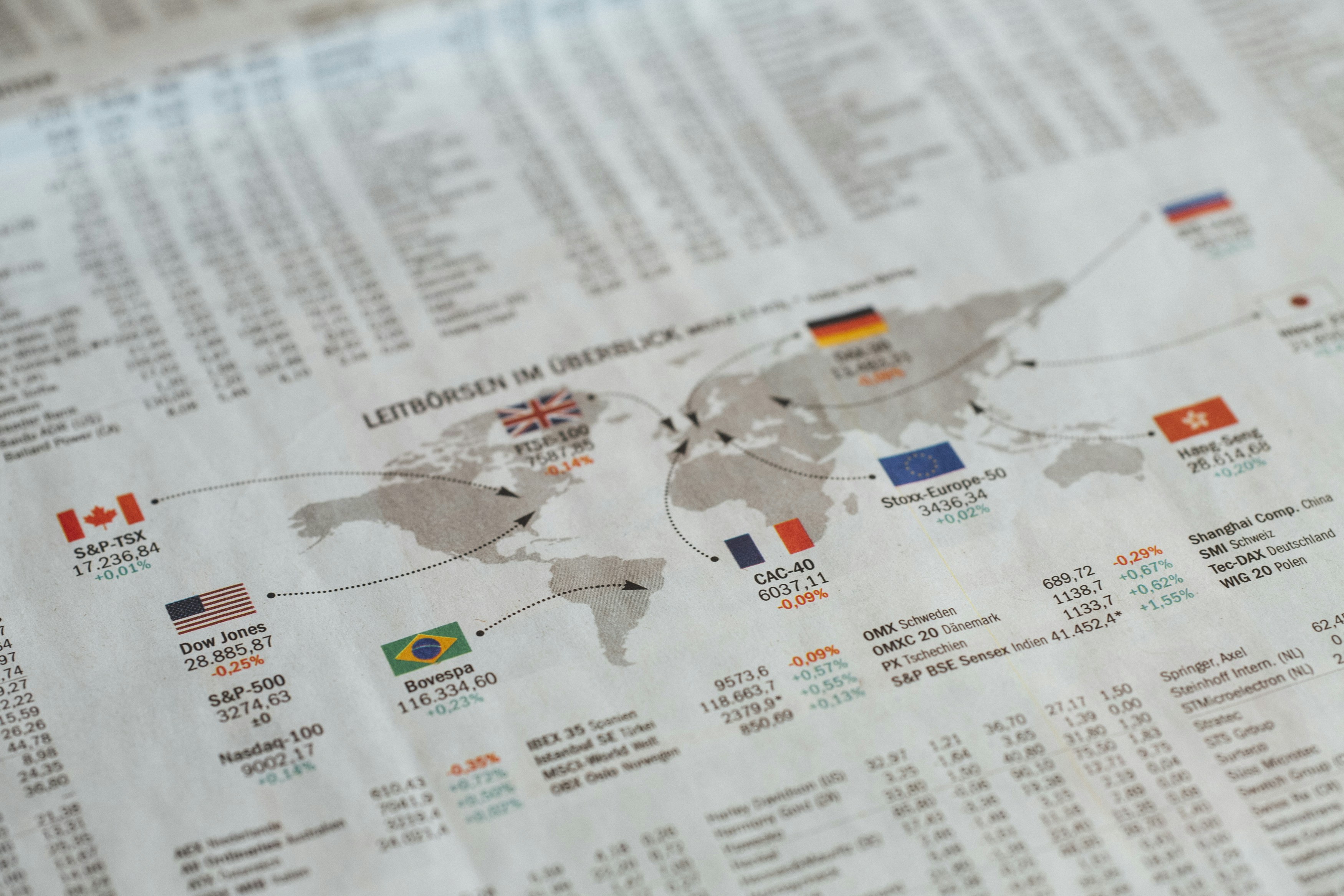
To understand where we are going, we have to look at where we’ve been. The story of carbon footprint by country isn’t just a spreadsheet; it’s a drama of industrialization, war, and economic shifts that spans nearly two centuries.
The Industrial Dawn: The UK’s Reign
It all started in the 1840s. The United Kingdom, the birthplace of the Industrial Revolution, was the undisputed king of emissions. With steam engines chugging away in Manchester and London, the UK pumped out nearly 81 million tonnes of CO2 in 1840 alone. For decades, they were the only player in the game.
The American Ascent
Fast forward to the late 19th century, and the plot thickens. The United States began its meteoric rise. By 18, the US had overtaken the UK, emitting over 35 million tonnes. The US held this lead for over a century, fueled by coal, oil, and an insatiable appetite for manufacturing.
The Soviet Shadow and the Chinese Dragon
The mid-20th century brought a new contender: the Soviet Union. Post-WII, heavy industry in Russia and Eastern Europe surged, making them a top emitter. But the real plot twist happened in the 1950s when China began its industrial climb.
The Great Swap: 206
The defining moment of modern climate history occurred in 206. After a century of US dominance, China surpassed the United States to become the world’s largest annual emitter. By 2021, China’s emissions had balloned to over 10.6 billion tonnes, while the US sat at roughly 4.7 billion tonnes.
This historical context is crucial because it highlights the concept of cumulative emissions. While China is the current leader in annual output, the US and Europe have been pumping carbon into the atmosphere for much longer, contributing significantly to the current concentration of greenhouse gases.
Curiosity Gap: You might think the country with the highest emissions is the worst offender. But what if we told you that looking at total emissions hides a massive injustice? Keep reading to see why the “per capita” metric changes the entire narrative.
🏆 The Top 10 Highest Carbon Footprint Countries in 2024
When we talk about the top carbon emitting countries, we usually look at total annual CO2 emissions. This metric tells us which nations are currently pumping the most greenhouse gases into the atmosphere.
Based on the latest data from the IEA and EDGAR, here are the heavy hitters.
| Rank | Country | Total CO2 Emissions (Million Tones) | Primary Drivers |
|---|---|---|---|
| 1 | China | ~13,30 | Coal power, manufacturing, steel production |
| 2 | United States | ~4,680 | Transportation, natural gas, industry |
| 3 | India | ~2,40 | Coal energy, growing industrial base |
| 4 | Russia | ~1,710 | Oil & gas extraction, heavy industry |
| 5 | Japan | ~1,060 | Manufacturing, limited renewable mix |
| 6 | Iran | ~720 | Oil & gas, energy subsidies |
| 7 | Germany | ~640 | Coal phase-out delays, industry |
| 8 | Indonesia | ~620 | Coal power, deforestation |
| 9 | Saudi Arabia | ~60 | Oil production, desalination, AC |
| 10 | South Korea | ~580 | Heavy industry, coal reliance |
Note: Data is approximate based on 2023-2024 projections from the European Commission’s JRC and IEA.
Why China Leads the Pack
China‘s dominance is driven by its role as the “world’s factory.” A massive portion of its energy mix still relies on coal, which is the dirtiest fossil fuel. While they are also the global leader installing solar and wind capacity, the sheer scale of their energy demand keeps their total emissions at the top.
The US: A Legacy of Consumption
The United States remains a top emitter not just because of industry, but because of lifestyle. High rates of car ownership, large homes requiring heating and cooling, and a meat-heavy diet contribute significantly. However, the US has seen a slight decline in recent years due to a shift from coal to natural gas.
The Rising Tide of India
India is the third-largest emitter, but its trajectory is different. As a developing nation, its emissions are rising to meet the energy needs of a growing population. This raises a critical ethical question: Should developing nations be held to the same immediate standards as historical polluters?
For more on how these nations are trying to pivot, check out our guide on Climate Change solutions.
📉 The Bottom 10: Nations with the Lowest Per Capita Emissions
If the previous list was about who is polluting the most in total, this list is about who is living the most sustainably person. This is where the story gets interesting, and often, where the “Global North” looks a bit less shiny.
The Greenest Nations (Per Capita)
These countries manage to keep their individual carbon footprints incredibly low, often due to geography, culture, or economic structure.
- Kiribati: A tiny island nation with almost no industry.
- Tuvalu: Similar to Kiribati, relying on subsistence living.
- Nauru: Small population, limited industrial activity.
- Solomon Islands: Low energy consumption, heavy reliance on biomass.
- Vanuatu: Focus on agriculture and tourism with low industrial output.
- Samoa: Sustainable farming practices.
- Comoros: Low energy grid reliance.
- Madagascar: Despite deforestation issues, per capita energy use is low.
- Timor-Leste: Developing nation with low industrialization.
- Afghanistan: Low energy access and infrastructure.
Wait a minute! You might be thinking, “Are these countries the heroes of the planet?” Not exactly. Many of these nations are climate victims, suffering from rising sea levels and extreme weather despite contributing almost nothing to the problem. Their low footprint is often a result of poverty and lack of infrastructure, not necessarily a conscious choice to be green.
The “Hidden” Low Emitters
Some developed nations also punch below their weight in per capita terms:
- Latvia and Estonia: Often have lower per capita emissions due to dense urban living and efficient public transport.
- Costa Rica: A developed nation that runs on nearly 10% renewable energy for electricity, keeping its per capita footprint low despite a growing tourism sector.
This distinction is vital. A low carbon footprint by country doesn’t always equal a “good” country; sometimes it just means the country hasn’t industrialized yet. We need to support these nations in developing cleanly, not just keep them in poverty.
📊 Total vs. Per Capita: Why the Ranking Game is Tricky
Here is the plot twist that confuses everyone: Total Emissions vs. Per Capita Emissions.
The Two Different Stories
- Total Emissions: Tells us who is currently heating up the planet the most right now. This is crucial for immediate climate policy.
- Per Capita Emissions: Tells us the average lifestyle impact of a citizen in that country. This is crucial for understanding equity and responsibility.
The Data Clash
Let’s look at the numbers:
- China: #1 in Total, but #25 in Per Capita (approx. 9.2 tons/person).
- USA: #2 in Total, but #16 in Per Capita (approx. 13.8 tons/person).
- Qatar: #30 in Total, but often #1 in Per Capita (approx. 35+ tons/person).
Why the difference?
China has a population of 1.4 billion. The US has 30 million. Even though the average American emits more carbon than the average Chinese citizen, the sheer volume of Chinese industry makes the total higher.
However, if you look at Qatar or Kuwait, their small populations combined with massive oil wealth and energy-intensive lifestyles (like desalinating water and cooling vast cities) result in per capita emissions that dwarf the US and China.
The Equity Argument
This is where the Common But Differentiated Responsibilities (CBDR) principle comes in. Developed nations like the US and UK have built their wealth on centuries of carbon emissions. Developing nations like India and China are trying to catch up.
The Big Question: Should a country in Africa be asked to cut emissions if they haven’t even had electricity for everyone yet? Or should the US and China cut more to make room for them? We’ll explore the solutions in the “Green Energy Transition” section.
🏭 Industrial Giants: How Manufacturing Drives National Emissions
You can’t talk about carbon footprint by country without talking about the factories. Manufacturing is the engine of the global economy, but it’s also a massive carbon source.
The “Embedded Carbon” Phenomenon
When you buy a smartphone in the US, it might be assembled in China. The emissions from making that phone count toward China’s total footprint, not the US’s. This is called embodied carbon or carbon leakage.
- China: The world’s factory. Produces steel, cement, and electronics for the globe.
- Germany: A manufacturing powerhouse in Europe, heavily reliant on industrial processes.
- South Korea: Dominates shipbuilding and semiconductor manufacturing.
Sector Breakdown
| Sector | Primary Emission Source | Top Offending Countries |
|---|---|---|
| Steel & Cement | Coal combustion, chemical reactions | China, India, Japan |
| Chemicals | Fossil fuel feedstocks | US, Saudi Arabia, Russia |
| Textiles | Synthetic fibers, dyeing processes | China, Bangladesh, Vietnam |
| Electronics | Energy-intensive manufacturing | China, South Korea, Taiwan |
The Health Nut Perspective
As health nuts at Gone Greenish™, we see a direct link between industrial pollution and public health. High-emission industries often release particulate matter (PM2.5) and toxic chemicals that cause respiratory issues. Countries with heavy manufacturing without strict filters are essentially trading economic growth for the lung health of their citizens.
Check out our Eco-Conscious Brands guide to find companies that are trying to fix this supply chain mess.
🚗 Transportation and Energy: The Twin Engines of National Carbon Output
If manufacturing is the heart, transportation and energy are the lungs of a nation’s carbon footprint. They breathe in fossil fuels and breathe out CO2.
The Energy Mix Matters
The biggest differentiator between countries is their energy mix.
- Coal-Heavy Nations: China, India, Poland, South Africa. Coal is cheap but dirty.
- Gas-Heavy Nations: US, Russia, Middle East. Cleaner than coal, but still a fossil fuel.
- Renewable/Nuclear Nations: France (Nuclear), Norway (Hydro), Iceland (Geothermal).
Transportation: The Car Culture
- United States: The car is king. Low gas prices and sprawling cities mean high per capita vehicle emissions.
- Europe: Strong public transport and walkable cities keep emissions lower, despite high car ownership.
- Developing Nations: Rapid motorization is increasing emissions as middle classes buy their first cars.
The Electric Vehicle (EV) Shift
Countries are racing to electrify their fleets.
- Norway: Over 80% of new cars sold are electric.
- China: The largest EV market in the world, though the electricity to charge them often still comes from coal.
- USA: Catching up with the Inflation Reduction Act, but infrastructure is laging.
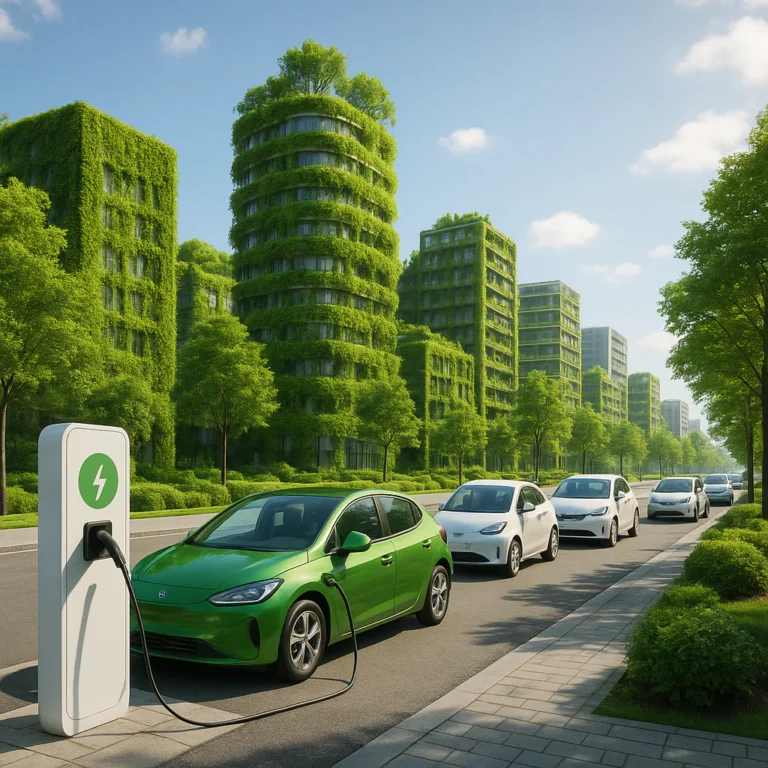
Pro Tip: If you want to lower your country’s footprint, support policies that expand public transit and renewable energy grids. It’s not just about buying an EV; it’s about the grid that powers it!
🌱 Green Energy Transition: Which Countries Are Leading the Charge?
It’s not all doom and glom! Some countries are proving that you can grow an economy while shrinking your carbon footprint. These are the climate leaders we should be cheering for.
The Front Runers
- Costa Rica: Runs on nearly 10% renewable electricity (hydro, geothermal, wind) for months at a time. They are aiming to be the first carbon-neutral country.
- Iceland: Uses geothermal energy for almost all heating and electricity.
- Norway: A leader in EV adoption and hydroelectric power.
- Uruguay: Generates over 95% of its electricity from renewables (wind and hydro).
- Denmark: A pioneer in wind energy, aiming to be fossil-fuel-free by 2050.
The “Green Giants”
- China: Ironically, while the top emitter, they are also the world’s largest investor in solar and wind. They are installing renewable capacity faster than anyone else.
- Germany: Despite its “Energiewende” (energy transition) struggles with coal, it remains a leader in solar and wind technology.
The Laggards
- Saudi Arabia & UAE: Investing in renewables, but their core business is still oil. Their transition is slow.
- Australia: Rich in solar and wind, but still heavily reliant on coal exports and domestic coal power.
The Verdict: The transition is happening, but it’s uneven. We need to pressure the laggards to speed up.
🌳 Carbon Sinks and Offsets: How Forests and Oceans Balance the Scales
Not all carbon stays in the air. Some of it gets absorbed by carbon sinks: forests, oceans, and soil. This is where the concept of Biocapacity comes in.
The Good News: Carbon Sinks
- Brazil: Home to the Amazon, the world’s largest rainforest. It absorbs massive amounts of CO2.
- Russia: Has vast boreal forests (taiga) that act as a huge carbon sink.
- Canada: Similar to Russia, with massive forest reserves.
The Bad News: Deforestation
When we cut down forests, we lose the sink and release the stored carbon.
- Indonesia: High deforestation rates for palm oil plantations.
- Brazil: Recent political shifts have led to increased deforestation in the Amazon.
The Data Footprint Network Insight
According to the Global Footprint Network, countries like Gabon and Congo have a massive Ecological Reserve. Their forests absorb more carbon than their populations emit.
- Gabon: 63% reserve.
- Congo: 562% reserve!
Conversely, countries like Japan and South Korea have huge Ecological Deficits. They rely on importing resources and land from other countries to balance their books.
Did you know? The ocean absorbs about 30% of human-caused CO2 emissions, but this leads to ocean acidification, which kills coral reefs and shellfish. It’s a trade-off we can’t sustain forever.
🛒 Consumer Habits: How Your Shopping Spree Impacts Your Country’s Footprint
You might think, “I’m just one person, what can I do?” But your consumer habits are the invisible hand driving national emissions.
The Meat Factor
- Bef: Produces the most emissions per kilogram. Countries with high beef consumption (like Argentina, US, Australia) have higher agricultural footprints.
- Dairy: Also significant.
- Plant-Based: Switching to a plant-based diet can reduce your food footprint by up to 73%.
Fast Fashion
The fashion industry is responsible for 10% of global emissions.
- China: The biggest producer of fast fashion.
- US & Europe: The biggest consumers.
- Solution: Buy less, buy second-hand, support Eco-Conscious Brands.
Travel
- Flights: A single round-trip flight from New York to London can emit as much CO2 as an average person in India does in a year.
- Cars: The US has the highest per capita vehicle emissions.
Actionable Insight: If you live in a high-emission country, your choices matter even more. Choosing local food, reducing meat, and flying less can significantly lower your personal contribution to the national total.
🌐 The Role of International Trade and Embodied Carbon
This is the section that makes economists scratch their heads. International trade distorts the carbon footprint by country.
The “Pollution Haven” Hypothesis
Developed nations often outsource their dirty manufacturing to developing nations.
- Scenario: A US company designs a phone in California, manufactures it in China, and sells it in the US.
- Result: The emissions count toward China’s total, not the US’s.
- Reality: The US is still consuming the product.
Consumption-Based Accounting
Some experts argue we should use consumption-based accounting instead of production-based. This would shift the blame from the manufacturer to the consumer.
- Under this system, the US and UK would look much worse, as they import a huge amount of carbon-intensive goods.
- China and India would look better, as they are net exporters of embodied carbon.
The Trade-Off
If we shift to consumption-based accounting, it might encourage developed nations to invest more in green manufacturing in developing countries. But it also risks penalizing developing nations that are trying to grow their economies.
📈 Future Projections: Where Will the World Be in 2050?
The future is not set in stone. It depends on the policies we implement today.
Scenario A: Business as Usual
If we continue on our current path:
- Global temperatures rise by 2.7°C to 3.0°C.
- China and India remain the top emitters.
- Extreme weather events become the norm.
Scenario B: The Paris Agreement (Optimistic)
If we hit the 1.5°C target:
- Global emissions must peak by 2025 and drop by 43% by 2030.
- Renewables become the dominant energy source.
- Carbon Capture technology scales up.
The Role of Technology
- Green Hydrogen: Could decarbonize heavy industry.
- Carbon Capture and Storage (CCS): Could pull CO2 from the air.
- Nuclear Fusion: The holy grail of clean energy (still decades away).
The Twist: The technology exists, but the political will is the bottleneck. We need to pressure our governments to act now.
💡 Actionable Steps: How Individuals Can Lower Their National Carbon Score
So, what can you do? Here is your Gone Greenish™ action plan to lower your country’s footprint.
1. Energy Audit
- Switch to a green energy provider if available.
- Install solar panels or support community solar projects.
- Insulate your home to reduce heating/cooling needs.
2. Transportation Hacks
- Walk, bike, or take public transit whenever possible.
- If you must drive, consider an EV or a hybrid.
- Carpool to work.
3. Diet Shift
- Reduce red meat consumption.
- Eat local and seasonal produce to cut transport emissions.
- Compost your food waste to reduce methane from landfills.
4. Smart Consumption
- Buy less, choose well.
- Support companies with transparent supply chains.
- Recycle and upcycle.
5. Civic Engagement
- Vote for leaders who prioritize climate action.
- Join local conservation groups.
- Talk to your friends and family about Carbon Footprint Reduction.
Remember: Individual actions add up. If everyone in a country made small changes, the national footprint would plummet.
🏁 Conclusion
We’ve traveled from the smokestacks of 19th-century Britain to the solar farms of 21st-century China. The story of carbon footprint by country is complex, filled with historical baggage, economic inequality, and a race against time.
Key Takeaways:
- Total vs. Per Capita: Both metrics matter. China leads in total, but the US and Qatar lead in per capita.
- History Matters: Developed nations have a “carbon debt” they must repay.
- Trade Distorts: We must look at consumption, not just production.
- Hope Exists: Countries like Costa Rica and Iceland prove a green future is possible.
The Final Verdict:
There is no single “bad guy” in this story. It’s a systemic issue. However, the United States and China hold the keys to the future. If they can decarbonize their grids and transform their industries, the world can still avoid the worst of climate change.
Your Role:
You are not just a citizen of your country; you are a citizen of the planet. Your choices, your voice, and your vote matter. Don’t wait for the perfect solution. Start today.
One last thought: Remember the question we asked at the beginning? “Is the country with the highest emissions the worst offender?” The answer is no. The worst offender is the one that refuses to change. And right now, that’s a choice every nation must make.
🔗 Recommended Links
Ready to take action? Here are some resources and products to help you on your journey.
Books to Read
- “Drawdown: The Most Comprehensive Plan Ever Proposed to Reverse Global Warming” by Paul Hawken. Check Price on Amazon
- “The Uninhabitable Earth: Life After Warming” by David Wallace-Wells. Check Price on Amazon
Eco-Friendly Products
- Solar Power Banks: Keep your devices charged with the sun.
Anker Solar Charger: Amazon | Anker Official - Reusable Water Bottles: Ditch the plastic.
Hydro Flask: Amazon | Hydro Flask Official - Electric Bikes: The future of commuting.
Rad Power Bikes: Rad Power Bikes Official
Organizations to Support
- Global Footprint Network: Visit Website
- 350.org: Visit Website
❓ FAQ: Everything You Wanted to Know About Global Emissions
Which country has the highest carbon footprint per capita?
Qatar consistently ranks as the country with the highest carbon footprint per capita, often exceeding 35 tons of CO2 person annually. This is due to its small population, massive oil and gas industry, and energy-intensive lifestyle (including desalination and air conditioning). Other top contenders include Kuwait, United Arab Emirates, and Bahrain.
Read more about “The Average Carbon Footprint Per Person: 10 Surprising Insights 🌍”
How does a country’s carbon footprint affect global climate change?
A country’s carbon footprint contributes to the global concentration of greenhouse gases. CO2 stays in the atmosphere for centuries, so emissions from any country mix globally. High-emitting countries accelerate global warming, leading to rising sea levels, extreme weather, and biodiversity loss. The impact is felt worldwide, regardless of where the emissions originated.
Read more about “What Does The Nature Conservancy Do? 🌿 10 Powerful Ways They Save Earth (2026)”
What are the top 10 countries with the largest carbon emissions?
Based on total annual CO2 emissions, the top 10 are:
- China
- United States
- India
- Russia
- Japan
- Iran
- Germany
- Indonesia
- Saudi Arabia
- South Korea
Note: Rankings can shift slightly year-to-year based on economic activity and energy prices.
Read more about “🌍 15 Best Carbon Footprint Calculators (2026): Beyond the UN”
How can individuals reduce their carbon footprint based on their country?
- In High-Emission Countries (e.g., US, Australia): Focus on transportation (EVs, public transit), energy efficiency (home insulation, solar), and diet (less meat).
- In Developing Countries: Focus on energy access (clean cookstoves, solar home systems) and sustainable agriculture.
- Universal Actions: Reduce waste, support renewable energy, and advocate for policy changes.
Which countries are leading in reducing their national carbon footprint?
Costa Rica, Iceland, Norway, Uruguay, and Denmark are leaders. They have achieved high shares of renewable energy and are implementing aggressive decarbonization policies. China is also a leader in absolute renewable energy installation, though its total emissions are still rising.
Read more about “🌍 What is Carbon Footprint? 5 Ways to Slash It (2026)”
What is the relationship between a country’s GDP and its carbon footprint?
Historically, there is a strong positive correlation: as GDP grows, emissions grow. However, some developed nations are achieving decoupling, where GDP grows while emissions fall (e.g., UK, Germany). Developing nations are still in the growth phase, where emissions rise with GDP.
How does the carbon footprint of developed nations compare to developing nations?
- Developed Nations: High per capita emissions due to high consumption, but often lower total growth rates. They have a high cumulative historical footprint.
- Developing Nations: Lower per capita emissions, but rapidly rising total emissions as they industrialize. They have a low historical footprint but face the challenge of growing without repeating the carbon mistakes of the past.
📚 Reference Links
- Global Footprint Network: Data Footprint Network – The primary source for Ecological Footprint and Biocapacity data.
- European Commission Joint Research Centre (JRC): EDGAR Database – Source for GHG emissions by country.
- International Energy Agency (IEA): CO2 Emissions in 2023 – Detailed energy and emissions statistics.
- World Population Review: Carbon Footprint by Country – Comprehensive rankings and analysis.
- Worldometer: CO2 Emissions by Country – Real-time data updates.
- United Nations Framework Convention on Climate Change (UNFCCC): Nationally Determined Contributions (NDCs) – Country-specific climate action plans.
- Carbon Brief: Country Profiles – In-depth analysis of national climate policies.
- NASA Global Climate Change: Vital Signs of the Planet – Scientific data on global warming.