Support our educational content for free when you purchase through links on our site. Learn more
🌱 What Are 5 Foods for a Plant-Based Diet? (2026 Guide)

You’ve heard the buzz, seen the trends, and maybe even tried a “Meatless Monday” that ended with a regretful slice of pepperoni pizza. But what if we told you that transforming your health, saving the planet, and unlocking boundless energy doesn’t require a PhD in nutrition or a wallet full of cash? It all comes down to mastering the Big 5.
At Gone Greenish™, we’ve spent years testing, tasting, and tweaking our plates to find the absolute best way to eat. We’ve discovered that the secret isn’t in the complex superfoods you see on Instagram, but in the humble, powerful staples that have fed humanity for millennia. In fact, a single cup of lentils packs more protein than a standard steak, yet costs a fraction of the price and leaves zero carbon footprint! 🌍✨
In this comprehensive guide, we’re cutting through the noise to answer the burning question: What are 5 foods plant-based diet? We’ll break down exactly which five categories you need to prioritize, debunk the myths about protein and cost, and show you how to build a meal plan that actually tastes amazing. Plus, stick around for our exclusive “Zepbound & Plants” section and a shopping list that will save you money at the checkout. Ready to eat your way to a better you? Let’s dive in.
Key Takeaways
- The Big 5 Rule: Your plant-based diet revolves around Legumes, Leafy Greens, Whole Fruits, Nuts & Seeds, and Whole Grains. Master these, and you master your health.
- Whole Foods Over Processed: True plant-based eating means minimally processed ingredients. Avoid “fake meats” and added oils to maximize nutrient density.
- Health & Planet Win-Win: Adopting this diet can reverse heart disease, manage diabetes, and reduce your carbon footprint by up to 70%.
- Budget-Friendly: You don’t need expensive supplements or exotic ingredients; beans, rice, and seasonal veggies are the most affordable superfoods on the planet.
- Start Small: You don’t have to go 10% vegan overnight. Swap one meal at a time to build a sustainable, lifelong habit.
Table of Contents
- ⚡️ Quick Tips and Facts
- 🌱 The Green Revolution: A Brief History of Plant-Based Eating
- 🤔 What Exactly Is a Whole-Foods, Plant-Based Diet?
- 🥗 The Big 5: Top Plant-Based Powerhouses You Need Now
- 1. 🌾 Legumes: The Protein Kings of the Plant World
- 2. 🥦 Leafy Greens: Nature’s Multivitamin
- 3. 🍎 Whole Fruits: Sweetness Without the Guilt
- 4. 🥜 Nuts and Seeds: Healthy Fats and Crunchy Goodness
- 5. 🌽 Whole Grains: The Energy Backbone
- 🚫 Foods to Avoid or Minimize on a Plant-Based Diet
- 🛒 The Ultimate Whole-Foods, Plant-Based Shopping List
- 🍽️ Sample 7-Day Plant-Based Meal Plan for Beginners
- ❤️ How a Plant-Based Diet Fights Heart Disease
- 🧬 Plant-Based Nutrition and Cancer Prevention
- 🧠 Boosting Brain Health: Combating Cognitive Decline
- 🩸 Managing and Reversing Type 2 Diabetes Naturally
- ⚖️ Weight Loss and Metabolic Health on a Plant-Based Diet
- 🌍 The Environmental Impact: Eating for the Planet
- 🤔 What to Eat on Zepbound While Going Plant-Based?
- 🥣 Common Myths and Misconceptions About Plant-Based Eating
- 🥗 Transitioning Tips: How to Start Your Plant-Based Journey
- 📝 Was This Article Helpful?
- Conclusion
- Recommended Links
- FAQ
- Reference Links
⚡️ Quick Tips and Facts
Welcome to the green room, friends! 🌿 Before we dive into the deep end of the plant-based pool, let’s hit the fast-forward button on the most critical takeaways. We’ve been eating, testing, and sweating over these foods for years at Gone Greenish™, and here is the raw truth: You don’t need a degree in nutrition to eat like a plant-powered superhero.
Here is the 30-second crash course:
- The “Big 5” Rule: If you fill your plate with Legumes, Leafy Greens, Whole Fruits, Nuts/Seds, and Whole Grains, you are 90% of the way there. The other 10% is just flavor and fun! 🎉
- Myth Buster: You do not need to count protein grams obsessively. Plants have protein; nature doesn’t lie. 🥗
- The Oil Trap: Many “vegan” diets are just “processed junk” diets. A true Whole-Foods, Plant-Based (WFPB) approach minimizes added oils. Yes, even olive oil! 🚫🫒
- Cost Reality Check: Beans, rice, and seasonal veggies are often cheaper than meat and cheese. We’re talking pennies per meal. 💸
- The “Egg” Question: Can you eat eggs? Technically, yes, on a flexible plant-based diet, but on a strict WFPB diet? We usually say no. Curious why? We break it all down later in this article, but if you can’t wait, check out our deep dive: 🥚 Can I Eat Eggs on a Plant-Based Diet? The 2026 Truth.
Ready to transform your health and the planet? Let’s get into the nitty-gritty.
🌱 The Green Revolution: A Brief History of Plant-Based Eating
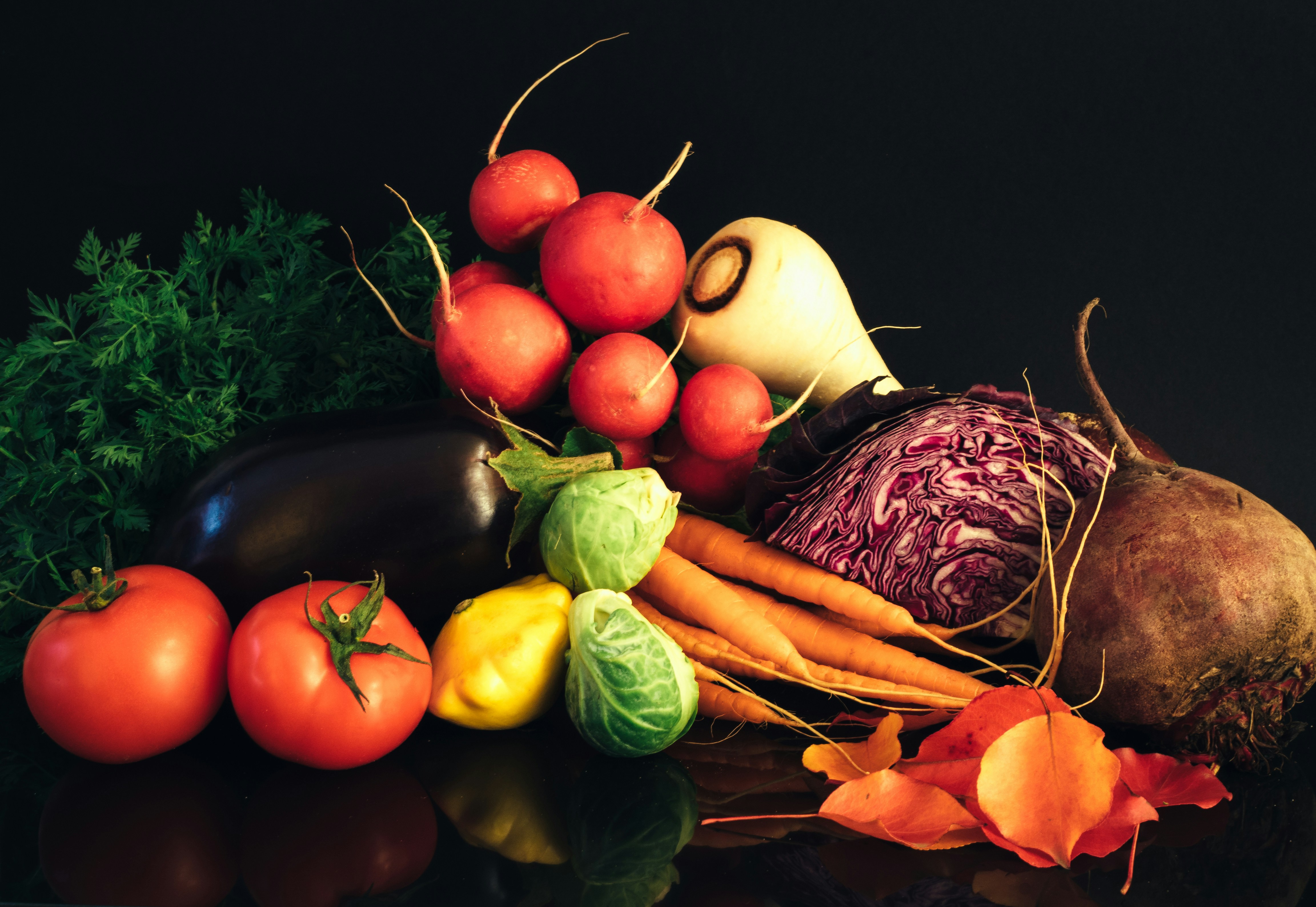
You might think “plant-based” is the latest TikTok trend, but this lifestyle is as old as humanity itself. Before the industrial revolution turned our plates into meat-heavy battlegrounds, our ancestors were primarily foragers and farmers relying on the bounty of the earth.
From Survival to Science
The modern movement really kicked into high gear in the 1970s with the publication of Diet for a New America by John Robbins, which connected diet to environmental destruction and animal cruelty. But the scientific backbone? That comes from the China Study by Dr. T. Colin Campbell and Dr. Thomas Campbell. Their research, spanning decades, provided the first major evidence linking animal protein to chronic diseases like heart disease and cancer.
“If you just eat the plants, you cut out the middleman.” — David L. Katz, M.D.
This philosophy shifted the narrative from “what we can’t eat” to “what we should eat.” It’s not about deprivation; it’s about abundance.
The Evolution of the Term
- 194: The term “vegan” was coined by Donald Watson.
- 190s: “Plant-based” gained traction to describe diets focused on health rather than ethics, allowing for more flexibility.
- 2020s: The rise of WFPB (Whole-Foods, Plant-Based) emphasizes quality over just exclusion. It’s not just “no meat”; it’s “no processed junk.”
Why does this history matter to you? Because understanding that this isn’t a fad gives you the confidence to stick with it. It’s a return to our roots, backed by modern science. 🌍📚
🤔 What Exactly Is a Whole-Foods, Plant-Based Diet?
Okay, let’s clear the fog. You’ve heard “vegan,” “vegetarian,” “pescatarian,” and “plant-based.” Are they the same? Absolutely not.
The Distinction
- Vegan: An ethical stance avoiding all animal products (food, leather, wool).
- Vegetarian: No meat, but often includes dairy and eggs.
- Plant-Based: A dietary pattern focusing on plants. It can be 10% vegan or include small amounts of animal products (flexitarian).
- Whole-Foods, Plant-Based (WFPB): The gold standard for health. It focuses on minimally processed plant foods and strictly limits or eliminates animal products, refined sugars, white flour, and added oils.
The Core Philosophy
The WFPB diet isn’t about restriction; it’s about crowding out. When you fill your stomach with fiber-rich, nutrient-dense plants, there’s simply no room for the junk.
Key Principles of WFPB:
- Minimally Processed: If it has a label with 20 ingredients you can’t pronounce, put it back. 🚫
- Plant-First: Plants are the main event. Animal products are the garnish (or non-existent).
- No Added Oils: We get our fats from the whole food source (avocados, nuts, seeds), not extracted oils.
- Variety: Eat the rainbow. Different colors mean different phytonutrients. 🌈
Did you know? A 2018 analysis showed that livestock provides only 18% of global calories but consumes 83% of farmland. By shifting to WFPB, you’re not just healing your body; you’re healing the soil. 🌱
🥗 The Big 5: Top Plant-Based Powerhouses You Need Now
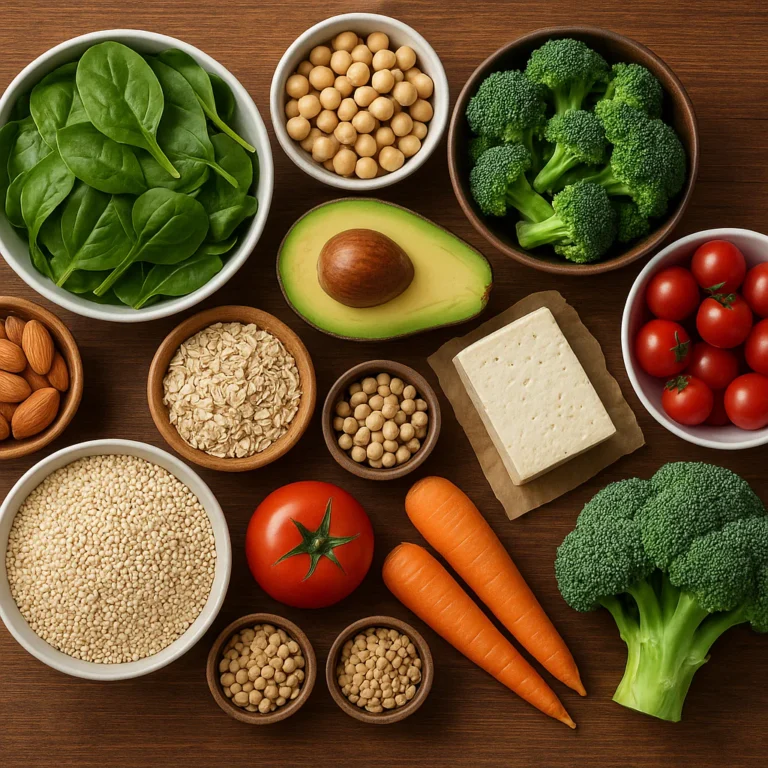
You asked for 5 foods, and we are delivering 5 categories that will revolutionize your health. These aren’t just “good for you”; they are essential for longevity, energy, and disease prevention.
1. 🌾 Legumes: The Protein Kings of the Plant World
Legumes are the unsung heroes of the plant kingdom. They are the ultimate protein-fiber combo.
- Why they rock: They are packed with lysine, an amino acid often missing in grains. They stabilize blood sugar and feed your gut microbiome.
- Top Picks: Lentils (red, green, black), chickpeas, black beans, kidney beans, peas, and soy (tofu, tempeh, edame).
- Pro Tip: Don’t fear the gas! Soaking dried beans or rinsing canned ones thoroughly reduces the oligosacharides that cause bloating.
Real World Example: A cup of lentils has about 18g of protein and 15g of fiber. That’s more protein than a steak of the same weight, with zero cholesterol!
2. 🥦 Leafy Greens: Nature’s Multivitamin
If you aren’t eating greens, you aren’t eating WFPB. Period.
- Why they rock: They are nutrient-dense but calorie-light. You can eat a massive bowl and feel full while absorbing vitamins A, C, K, folate, and magnesium.
- Top Picks: Spinach, kale, Swiss chard, collard greens, arugula, and bok choy.
- The Secret: Steaming them slightly makes the calcium more bioavailable.
Fun Fact: Leafy greens are one of the few plant sources of Vitamin K2 (in small amounts) and are crucial for bone health.
3. 🍎 Whole Fruits: Sweetness Without the Guilt
Forget the fear of sugar. Whole fruit is not the enemy; fruit juice and syrup are.
- Why they rock: The fiber in whole fruit slows down sugar absorption, preventing insulin spikes. They are loaded with antioxidants and water.
- Top Picks: Beries (blueberries, strawberries), apples, bananas, citrus fruits, and stone fruits (peaches, plums).
- Myth Buster: You do not need to limit fruit unless you have specific metabolic issues. Eat it whole!
4. 🥜 Nuts and Seeds: Healthy Fats and Crunchy Goodness
These are your energy dense powerhouses. A little goes a long way.
- Why they rock: They provide essential Omega-3 fatty acids (especially flax and chia) and healthy monounsaturated fats that protect your heart.
- Top Picks: Walnuts, almonds, chia seeds, flaxseds, hemp seeds, pumpkin seeds, and tahini.
- Caution: They are calorie-dense. Stick to a small handful (about 1/4 cup) per day.
5. 🌽 Whole Grains: The Energy Backbone
Grains are not the villain. Refined grains are the villain.
- Why they rock: They provide sustained energy, B vitamins, and fiber. They are the base of most cultures’ diets for thousands of years.
- Top Picks: Quinoa, brown rice, oats, barley, buckwheat, millet, and whole wheat.
- Gluten-Free Option: Quinoa, buckwheat, and millet are naturally gluten-free.
| Food Category | Key Nutrient | Best For | Top Brand/Source Example |
|---|---|---|---|
| Legumes | Protein, Fiber, Iron | Muscle repair, Blood sugar control | 365 Organic (Whole Foods) or Goya (Canned) |
| Leafy Greens | Vitamins A, C, K | Immune support, Eye health | Local Farmers Market or Earthbound Farm |
| Whole Fruits | Antioxidants, Fiber | Heart health, Digestion | Driscoll’s (Beries) or Chiquita (Banas) |
| Nuts/Seds | Healthy Fats, Omega-3s | Brain health, Satiety | Blue Diamond (Almonds) or Navitas Organics (Chia) |
| Whole Grains | Complex Carbs, B Vitamins | Sustained Energy | Bob’s Red Mill (Quinoa/Oats) |
👉 CHECK PRICE on:
- Legumes: Amazon Search: Organic Dried Lentils | Whole Foods Market
- Nuts & Seeds: Amazon Search: Raw Walnuts | Thrive Market
- Whole Grains: Amazon Search: Bob’s Red Mill Quinoa | Bob’s Red Mill Official
🚫 Foods to Avoid or Minimize on a Plant-Based Diet
Here is where the “Whole-Foods” part of WFPB comes in. Just because it’s vegan doesn’t mean it’s healthy. We call these the “Fake Foods.” 🤡
Foods to Avoid Completely
- Refined Sugars: Soda, candy, pastries, and sugary cereals. These spike insulin and cause inflammation.
- Refined Grains: White bread, white pasta, white rice. They act like sugar in your body.
- Added Oils: Even “healthy” oils like olive or coconut oil are stripped of fiber and nutrients. They are pure fat.
- Highly Processed “Meats”: Tofurkey, vegie burgers with 30 ingredients, and fake cheeses. These are often high in sodium and additives.
Foods to Minimize (The Gray Area)
- Animal Products: Meat, dairy, eggs, and seafood. If you choose to include them, treat them as a condiment, not the main course.
- Processed Vegan Alternatives: While convenient, they shouldn’t be your daily staple.
- Salt: Use herbs and spices instead of salt to flavor your food.
The “Blended Burger” Compromise:
If you aren’t ready to go 10% plant-based, try the blended burger method: mix 50% ground meat with 50% finely chopped mushrooms. You get the flavor with half the saturated fat and double the fiber! 🍄🥩
🛒 The Ultimate Whole-Foods, Plant-Based Shopping List
Ready to hit the grocery store? Don’t go hungry, or you’ll buy junk. Here is your master list for a WFPB pantry.
🥬 Produce Section (The Rainbow)
- Leafy Greens: Spinach, kale, chard.
- Cruciferous: Broccoli, cauliflower, Brussels sprouts.
- Starchy Veggies: Potatoes, sweet potatoes, squash.
- Fruits: Beries, bananas, apples, citrus.
- Alliums: Onions, garlic, leks (flavor bombs!).
🥫 Pantry Staples
- Legumes: Dried lentils, black beans, chickpeas (canned or dry).
- Grains: Brown rice, quinoa, oats, barley.
- Nuts/Seds: Walnuts, almonds, chia, flax, pumpkin seeds.
- Spices: Turmeric, cumin, paprika, nutritional yeast (for cheesy flavor!).
- Condiments: Low-sodium soy sauce (tamari), apple cider vinegar, mustard.
🧊 Frozen Aisle (Your Best Friend)
- Frozen berries (often cheaper and just as nutritious).
- Frozen mixed vegetables (no chopping required!).
- Frozen edame.
Pro Tip: Buy frozen produce if fresh is out of season or too expensive. The flash-freezing process locks in nutrients! ❄️
🍽️ Sample 7-Day Plant-Based Meal Plan for Beginners
Stuck on what to eat? Here is a simple, delicious, and budget-friendly 7-day plan. No fancy ingredients, just real food.
Day 1: The Kickstart
- Breakfast: Oatmeal with chia seeds, cinnamon, and sliced bananas.
- Lunch: Large salad with chickpeas, spinach, and lemon-tahini dressing.
- Dinner: Lentil Bolognese over whole wheat pasta with steamed broccoli.
Day 2: The Power Bowl
- Breakfast: Smoothie with spinach, frozen berries, flaxseed, and oat milk.
- Lunch: Quinoa bowl with black beans, corn, avocado, and salsa.
- Dinner: Sweet potato and black bean tacos with cabbage slaw.
Day 3: Comfort Food
- Breakfast: Tofu scramble with turmeric, onions, and peppers.
- Lunch: Leftover sweet potato tacos.
- Dinner: Creamy (cashew-based) mushroom risotto with asparagus.
Day 4: The Light & Fresh
- Breakfast: Whole grain toast with mashed avocado and hemp seeds.
- Lunch: Minestrone soup (bean-heavy) with a side of greens.
- Dinner: Stir-fry with tofu, broccoli, carrots, and brown rice.
Day 5: The Weekend Prep
- Breakfast: Chia pudding made with almond milk and mango.
- Lunch: Leftover mushroom risotto.
- Dinner: Roasted vegetable medley (potatoes, carrots, zucchini) with white beans.
Day 6: The Fun Meal
- Breakfast: Fruit salad with a dolop of coconut yogurt.
- Lunch: Humus wrap with spinach, cucumber, and shredded carrots.
- Dinner: Homemade vegie chili with cornbread (made with flax eggs).
Day 7: The Reset
- Breakfast: Green smoothie bowl topped with granola and berries.
- Lunch: Leftover vegie chili.
- Dinner: Simple baked potato with steamed broccoli and nutritional yeast.
Need more inspiration? Check out the Forks Over Knives meal plans or the Clif Bar guide for more ideas.
❤️ How a Plant-Based Diet Fights Heart Disease
Heart disease is the #1 killer globally. But guess what? It’s largely preventable and even reversible with a WFPB diet.
The Mechanism
- Cholesterol: Plants have zero cholesterol. Animal products are the only source of dietary cholesterol. By eliminating them, you lower your LDL (“bad”) cholesterol.
- Endothelial Function: The lining of your blood vessels (endothelium) thrives on nitric oxide, which is boosted by leafy greens and bets. This keeps arteries flexible.
- Inflammation: Saturated fats from animal products trigger inflammation. Plant fats (from whole foods) reduce it.
The Data: A study of over 20,0 people found that those following a healthy plant-based diet had a significantly lower risk of heart disease. Conversely, “unhealthy” plant diets (high in sugar/refined grains) actually increased risk. Quality matters!
🧬 Plant-Based Nutrition and Cancer Prevention
Cancer is a complex disease, but diet plays a massive role.
The Protective Power
- Phytochemicals: Plants contain thousands of compounds (like lycopene in tomatoes and sulforaphane in broccoli) that fight cancer cells.
- Fiber: Fiber speeds up digestion, reducing the time carcinogens sit in the colon.
- Hormonal Balance: Plant-based diets lower estrogen levels, reducing the risk of breast and prostate cancers.
Study Spotlight: Research involving over 169,0 people linked healthy plant-based diets to a lower risk of breast cancer. Another study found that men under 65 who ate more plants had a lower risk of aggressive prostate cancer.
🧠 Boosting Brain Health: Combating Cognitive Decline
Want to keep your mind sharp? Eat your greens! 🧠🥦
The Brain-Body Connection
- Antioxidants: Oxidative stress damages brain cells. Beries and leafy greens are packed with antioxidants that protect the brain.
- Blood Flow: A healthy heart means a healthy brain. Improved circulation delivers more oxygen to your neurons.
- The Numbers: A 2017 review found that adding just 10 grams of fruits and vegetables daily led to a 13% reduction in the risk of cognitive impairment.
Myth Buster: You don’t need to eat meat to get B12. But you do need to supplement B12 if you are strictly plant-based, as it’s crucial for brain health.
🩸 Managing and Reversing Type 2 Diabetes Naturally
Diabetes is a metabolic disorder, and WFPB is a powerful tool to manage it.
How It Works
- Insulin Sensitivity: Plant-based diets improve the body’s ability to use insulin effectively.
- Weight Loss: Losing even 5-10% of body weight can reverse pre-diabetes.
- Fiber: Slows sugar absorption, preventing spikes.
Real Results: A 2016 study showed a 34% lower risk of developing type 2 diabetes for those on a healthy plant-based diet. Many patients are able to reduce or eliminate their medication under medical supervision.
⚖️ Weight Loss and Metabolic Health on a Plant-Based Diet
Losing weight on WFPB is almost effortless because of calorie density.
The Secret Weapon
- Volume Eating: You can eat a huge plate of food for fewer calories than a small burger.
- Satiety: Fiber and water keep you full longer.
- Metabolism: Plant-based diets often boost metabolism by improving gut health.
The Stats: A 2015 review found plant-based dieters lost significantly more weight (~4.5 lbs) over 25 weeks compared to non-vegetarians. Another study showed sustained weight loss of 25 lbs over a year.
🌍 The Environmental Impact: Eating for the Planet
You can’t talk about WFPB without talking about the planet. 🌎
The Carbon Footprint
- Emissions: Livestock accounts for a massive chunk of global greenhouse gases. Shifting to plants can reduce emissions by 70%.
- Land Use: We use 83% of farmland for animals that provide only 18% of calories.
- Water: Plant-based diets use 50% less water than meat-heavy diets.
By choosing plants, you are voting for a sustainable future with every bite. Check out our articles on Carbon Footprint Reduction and Biodiversity Conservation for more ways to help.
🤔 What to Eat on Zepbound While Going Plant-Based?
With the rise of GLP-1 medications like Zepbound and Ozempic, many people are asking: “Can I do this on plants?”
The Answer: Yes, absolutely! In fact, a WFPB diet might be better for Zepbound users.
Why?
- Nutrient Density: These meds suppress appetite. You need every bite to count. Plants provide the most nutrients per calorie.
- Digestion: High-fiber plant foods help manage the digestive side effects (like constipation) common with GLP-1s.
- Protein: You must ensure adequate protein intake. Focus on tofu, tempeh, lentils, and edame.
Warning: Avoid the “low-carb” trap. Many Zepbound users switch to keto, which can be hard on the heart long-term. Stick to whole plant carbs for sustained energy.
🥣 Common Myths and Misconceptions About Plant-Based Eating
Let’s bust some myths once and for all.
Myth 1: “You can’t get enough protein.”
Fact: Legumes, grains, and nuts provide plenty of protein. You don’t need to “combine” them at every meal; just eat a variety throughout the day.
Myth 2: “It’s too expensive.”
Fact: Beans, rice, and seasonal veggies are cheaper than meat. Processed vegan junk is expensive, but whole foods are budget-friendly.
Myth 3: “It’s boring.”
Fact: Have you tried a curry with chickpeas, a stir-fry with tofu, or a berry smoothie? The world of plant-based cuisine is limitless.
Myth 4: “You need supplements for everything.”
Fact: You mainly need B12. Vitamin D and Omega-3s (DHA/EPA) might be needed depending on your sun exposure and diet, but B12 is the non-negotiable one.
🥗 Transitioning Tips: How to Start Your Plant-Based Journey
Ready to make the switch? Don’t go “cold turkey” if you’re not ready.
Step 1: The “Add-In” Method
Don’t focus on what you’re removing. Focus on adding one new plant food to every meal. Add spinach to your eggs, beans to your pasta, fruit to your oatmeal.
Step 2: Meatless Mondays (or Every Day!)
Start with one day a week. Once you master that, try two. Then three.
Step 3: Swap, Don’t Stop
- Swap dairy milk for oat milk or soy milk.
- Swap ground beef for lentils or mushrooms.
- Swap cheese for nutritional yeast or cashew sauce.
Step 4: Experiment with Spices
Flavor is key. Use turmeric, cumin, smoked paprika, and garlic powder to make plants taste amazing.
Remember: It’s a journey, not a race. If you slip up, just get back on track at the next meal.
📝 Was This Article Helpful?
We hope this guide has cleared up the confusion and given you the confidence to embrace the Big 5 plant-based foods. Remember, the goal isn’t perfection; it’s progress.
Did you learn something new?
- ✅ Yes, I’m ready to try the lentil bolognese!
- ❌ I still have questions about B12.
Let us know in the comments below! And if you found this helpful, share it with a friend who needs a health boost.
Conclusion
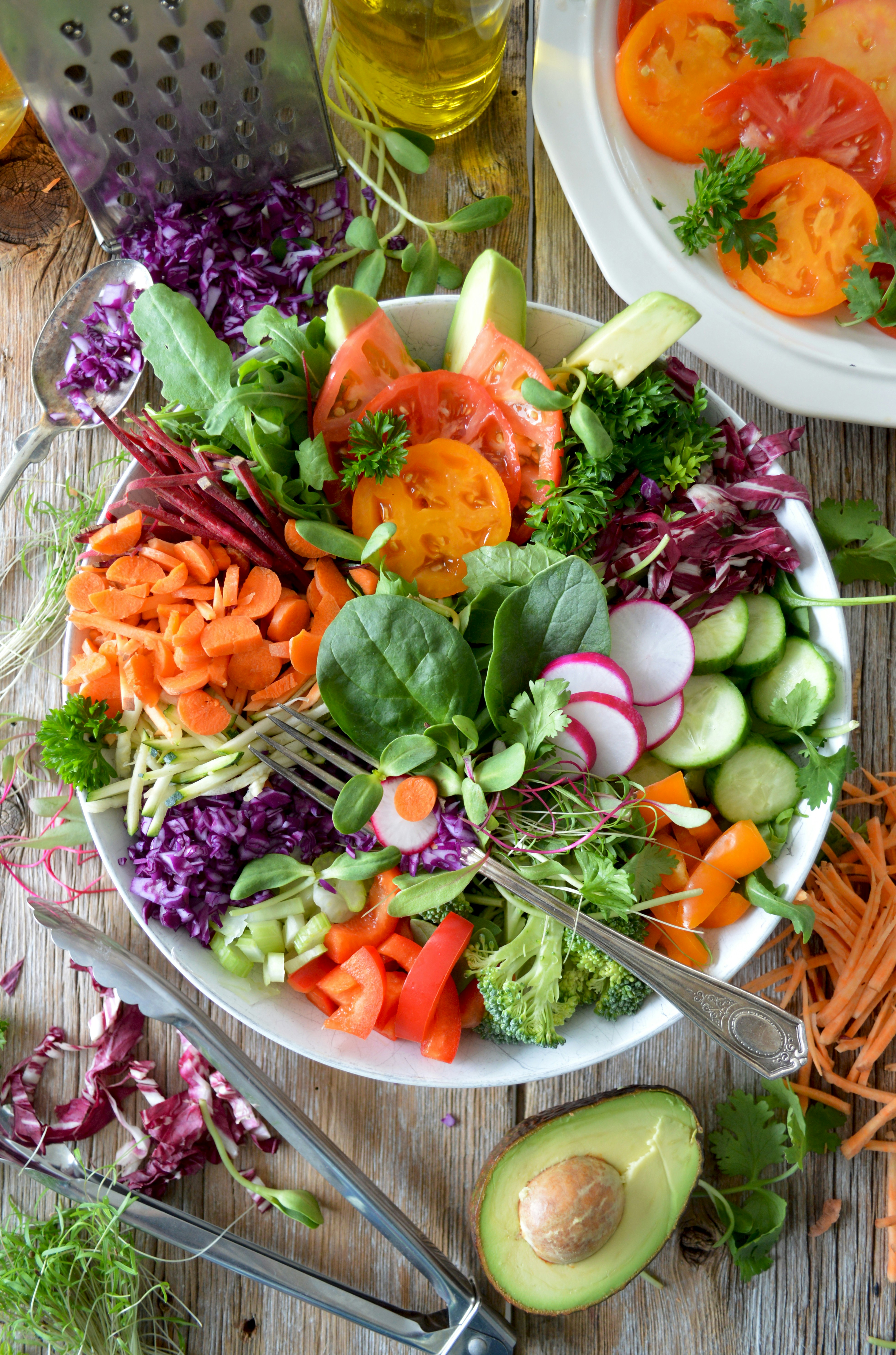
So, what are the 5 foods you need for a plant-based diet? Legumes, Leafy Greens, Whole Fruits, Nuts/Seds, and Whole Grains. These aren’t just foods; they are the building blocks of a longer, healthier, and more sustainable life.
We’ve covered the history, the science, the myths, and the practical steps. Whether you are looking to reverse heart disease, lose weight, or save the planet, the answer lies in eating more plants.
Our Confident Recommendation:
Start today. Pick one meal to make plant-based. Try a lentil soup or a big green salad. Don’t worry about being perfect. The Whole-Foods, Plant-Based lifestyle is flexible, forgiving, and incredibly powerful.
Final Thought:
As we mentioned earlier, the transition can be daunting. But remember the advice from the “first YouTube video” perspective: Start small, swap one meal at a time, and don’t be afraid to experiment. The number of whole plant-based foods you can consume is limitless. You can do anything you set your mind to! 🌱💪
Recommended Links
Books to Deepen Your Knowledge:
- The China Study by T. Colin Campbell – The foundational text on plant-based nutrition.
- How Not to Die by Michael Greger – A practical guide to disease prevention.
- The Plant-Based Solution by Joel Kahn – Heart health focus.
Products & Brands:
- Nutritional Yeast: Bob’s Red Mill Nutritional Yeast – For that cheesy flavor!
- Plant Milks: Silk Oat Milk or Califia Farms
- Legumes: 365 Organic Dried Lentils
- Grains: Bob’s Red Mill Quinoa
- Nuts: Blue Diamond Almonds
External Resources:
- What To Eat on a Plant Based Diet | Clif Bar | Journal – A great guide from Clif Bar.
- Forks Over Knives Beginner Guide – Comprehensive meal plans and recipes.
- Healthline Plant-Based Diet Guide – Detailed nutritional breakdowns.
FAQ
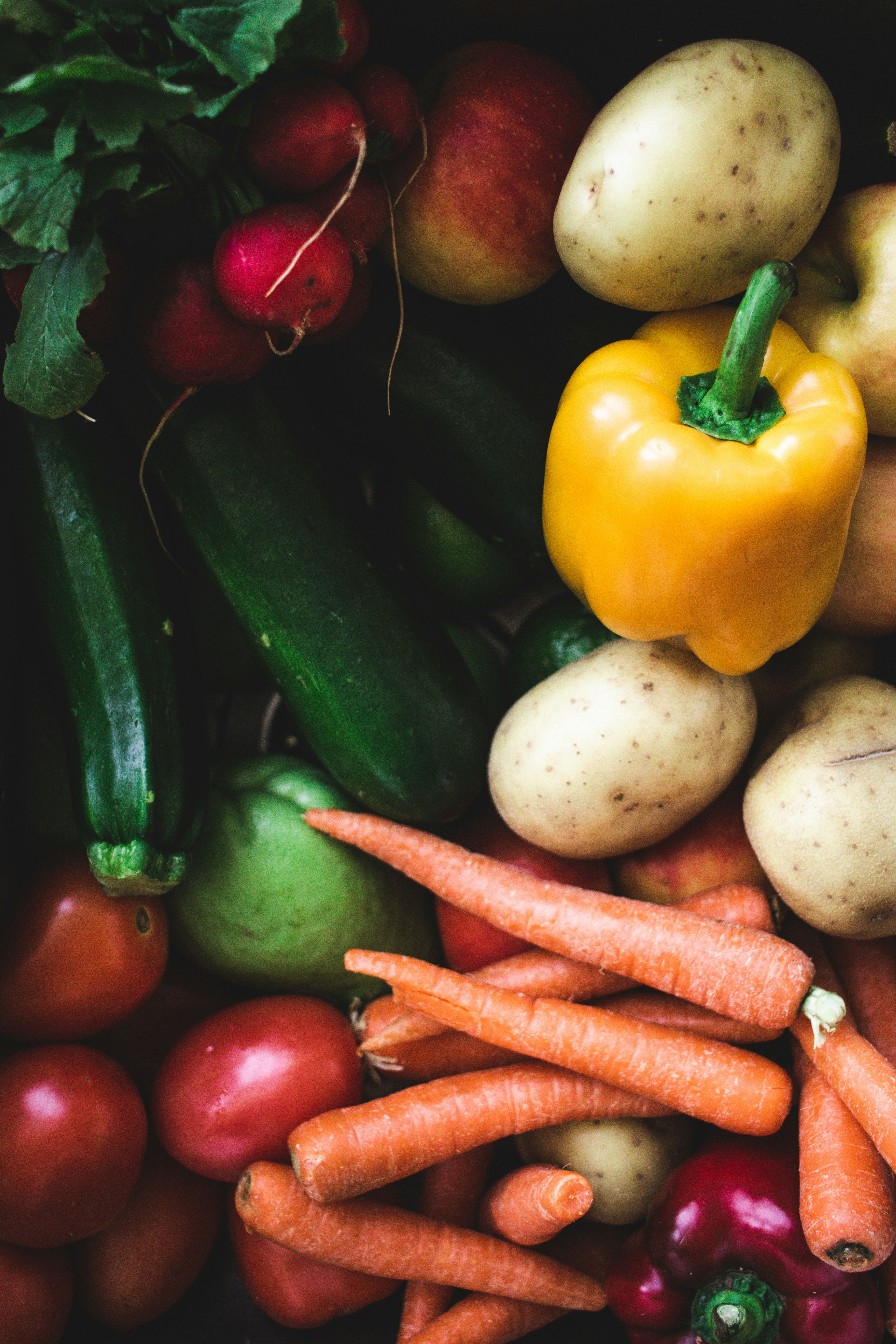
Are potatoes part of a plant-based diet?
Yes! Potatoes are a starchy vegetable and a staple of the WFPB diet. They are low in fat, high in fiber, and packed with potassium. Just avoid frying them in oil!
Read more about “Unlocking the Power of a Plant-Based Diet: 15 Must-Know Facts for 2025 🌱”
What are the two most common plant-based diets?
The two most common variations are:
- Vegan: Excludes all animal products.
- Flexitarian: Primarily plant-based but allows occasional meat or dairy.
Both focus on increasing plant intake, but the level of restriction differs.
What are 5 plant-based foods?
The Big 5 categories are:
- Legumes (beans, lentils)
- Leafy Greens (spinach, kale)
- Whole Fruits (berries, apples)
- Nuts and Seeds (walnuts, chia)
- Whole Grains (quinoa, oats)
Read more about “🌍 What is Carbon Footprint? 5 Ways to Slash It (2026)”
What are the main foods in a plant-based diet?
The main foods are minimally processed plant foods. This includes vegetables, fruits, whole grains, legumes, nuts, and seeds. The focus is on whole foods, not processed substitutes.
Read more about “🥚 Can I Eat Eggs on a Plant-Based Diet? The 2026 Truth”
What are the top 5 plant-based foods for a healthy planet?
- Legumes: Fix nitrogen in soil, low water use.
- Leafy Greens: High yield, low resource input.
- Whole Grains: Efficient land use.
- Nuts (local): Support biodiversity (if sustainably sourced).
- Seasonal Vegetables: Reduce transport emissions.
Read more about “🎯 What Is the Goal of Carbon Neutrality? (2026 Guide)”
How do these 5 plant-based foods reduce your carbon footprint?
These foods require significantly less land, water, and energy to produce compared to animal products. They also generate fewer greenhouse gases. For example, producing 1kg of beef generates ~60kg of CO2, while 1kg of lentils generates ~0.9kg.
Read more about “🌍 Carbon Negative: The Ultimate Guide to Reversing Climate Change (2026)”
Are these 5 plant-based foods good for heart health?
Absolutely. They are rich in fiber, antioxidants, and healthy fats that lower cholesterol, reduce inflammation, and improve blood pressure. They are the cornerstone of heart-healthy diets.
Read more about “🌱 What is Beyond Carbon Neutral? 7 Steps to a Regenerative Future (2026)”
What are 5 affordable plant-based foods to start your diet?
- Dried Lentils (cheapest protein source)
- Brown Rice (bulk staple)
- Frozen Vegetables (cost-effective and nutritious)
- Banas (cheap fruit)
- Oats (budget breakfast)
Read more about “What Is a Natural Health Supplement? 🌿 Your Ultimate Guide (2026)”
How can 5 plant-based foods improve your energy levels?
Whole plant foods provide complex carbohydrates that release energy slowly, preventing crashes. They also contain B vitamins and iron, which are essential for energy production.
What are 5 sustainable plant-based foods for beginners?
- Chickpeas (versatile, low water use)
- Spinach (fast-growing, high yield)
- Quinoa (drought-resistant)
- Apples (long shelf life, local options)
- Sunflower Seeds (low resource input)
Read more about “The Ultimate Green Home Book Guide: 12 Must-Reads for 2026 🌿”
Do these 5 plant-based foods support a healthy gut?
Yes! They are all high in fiber, which feeds the beneficial bacteria in your gut. A diverse gut microbiome is linked to better immunity, mood, and digestion.
Why is B12 important for plant-based eaters?
B12 is found naturally only in animal products. Plant-based eaters must supplement or eat fortified foods to prevent deficiency, which can lead to nerve damage and anemia.
Can I lose weight on a plant-based diet without counting calories?
Yes. Because plant foods are low in calorie density and high in fiber, you can eat until you are full without counting. The volume of food keeps you satisfied while naturally reducing calorie intake.
Read more about “Natural Health Uncovered: 10 Powerful Secrets for 2026 🌿”
Reference Links
- Academy of Nutrition and Dietics: Position on Vegetarian Diets
- World Health Organization (WHO): Diet, Nutrition and the Prevention of Chronic Diseases
- National Institutes of Health (NIH): Plant-Based Diets and Health
- The China Study: T. Colin Campbell Official Site
- Forks Over Knives: Science & Research
- Clif Bar: What To Eat on a Plant Based Diet
- Healthline: Plant-Based Diet Guide
- EAT-Lancet Commission: Food in the Anthropocene