Support our educational content for free when you purchase through links on our site. Learn more
Is Carbon Neutral the Same as Green Energy? (2026) 🌍❌

You’ve seen the labels everywhere: “Carbon Neutral,” “Net Zero,” “10% Green.” It’s enough to make your head spin faster than a wind turbine in a hurricane! 🌪️ But here’s the kicker that most companies don’t want you to know: being carbon neutral does not automatically mean you are using green energy.
Imagine eating a greasy, double-patty burger and then popping a vitamin pill that claims to cancel out the cholesterol. You’re still eating the burger, right? That’s exactly how many “Carbon Neutral” claims work. A company can burn fossil fuels all day long, buy a cheap tree-planting certificate, and slap a “Carbon Neutral” sticker on their product. Meanwhile, the air outside is still thick with smog. 🍔💊
In this deep dive, we’re tearing down the jargon to reveal the truth about offsets, the trap of annual accounting, and why “Green Energy” is the only real winner. We’ll even show you how a Stanford study proved that buying solar credits in a crowded grid might actually do nothing for the planet. Ready to stop being fooled by the math and start making a real difference? Let’s get green, not just neutral.
Key Takeaways
- Carbon Neutral ≠ Green Energy: You can be carbon neutral by burning fossil fuels and buying offsets, whereas green energy strictly means using renewable sources like wind and solar.
- The Time Trap: Most “Carbon Neutral” claims rely on annual matching, ignoring the fact that your power might come from coal at night even if you bought solar credits during the day.
- Offsets Are Not a Cure-All: High-quality offsets are great for residual emissions, but they cannot replace the need to switch to actual renewable energy sources.
- Look for Hourly Matching: True green impact requires matching your energy use with renewable generation in real-time, not just once a year.
- Action Over Accounting: To truly help the planet, prioritize reduction and green energy over purchasing carbon credits.
Table of Contents
- ⚡️ Quick Tips and Facts
- 🌍 Background: The Evolution from Carbon Neutrality to Green Energy
- 🤔 Is Carbon Neutral the Same as Green Energy? The Core Distinction
- 📉 Carbon Neutral vs. Net Zero: Decoding the Confusing Jargon
- 🔋 The Role of Offsets: Why Buying Credits Isn’t Always “Green”
- 🌞 Renewable Energy Sources: Solar, Wind, and Beyond
- ⏱️ Annual vs. Hourly Accounting: The Time Factor in Green Claims
- 🔌 Investing in Non-Solar Renewables: Geothermal, Hydro, and Biomass
- 🔋 Energy Storage Solutions: Batteries and the Grid of Tomorrow
- 🧪 The Science Behind Decarbonization: How It Actually Works
- 🏭 Corporate Greenwashing: Spoting Fake Eco-Friendly Claims
- 🏠 How You Can Go Green: Practical Steps for Your Home and Wallet
- 📊 Real-World Case Studies: Brands Nailing (and Missing) the Mark
- 🔮 Future Trends: The Next Generation of Clean Energy Tech
- 🧠 Grain and the Green Economy: Food Systems and Carbon Footprints
- 🏆 Stanford Impact Founder Awardes: Innovators to Watch
- 🏁 Conclusion: The Final Verdict on Carbon Neutrality
- 🔗 Recommended Links
- ❓ FAQ: Your Burning Questions Answered
- 📚 Reference Links
⚡️ Quick Tips and Facts
Before we dive into the deep end of the green energy ocean, let’s grab a life raft of essential truths that might just save you from drowning in corporate jargon.
- The Big Lie: Buying a “Carbon Neutral” label does not automatically mean you are using “Green Energy.” You could be burning coal and buying a tree to offset it. 🌳🔥
- The Time Trap: Most companies match their energy use annually, not hourly. This means they might claim to be 10% green while actually drawing dirty power from the grid at 2 AM. ⏰
- The Solar Saturation: In places like California, adding more solar panels doesn’t always reduce emissions if the grid is already flooded with sun power during the day. It’s like pouring water into a bucket that’s already full! 🌊☀️
- The Wind Win: Surprisingly, wind energy often displaces fossil fuels more effectively than solar in certain grids because it blows when the sun isn’t shining. 💨
- The Offset Reality: Offsets are a band-aid, not a cure. They are great for residual emissions, but they shouldn’t be your primary strategy for going green.
🌍 Did you know? The average American’s carbon footprint is massive. Check out our deep dive into 🌍 Carbon Footprint by Country: The 2026 Global Emissions Ranking to see where you stand globally.
🌍 Background: The Evolution from Carbon Neutrality to Green Energy
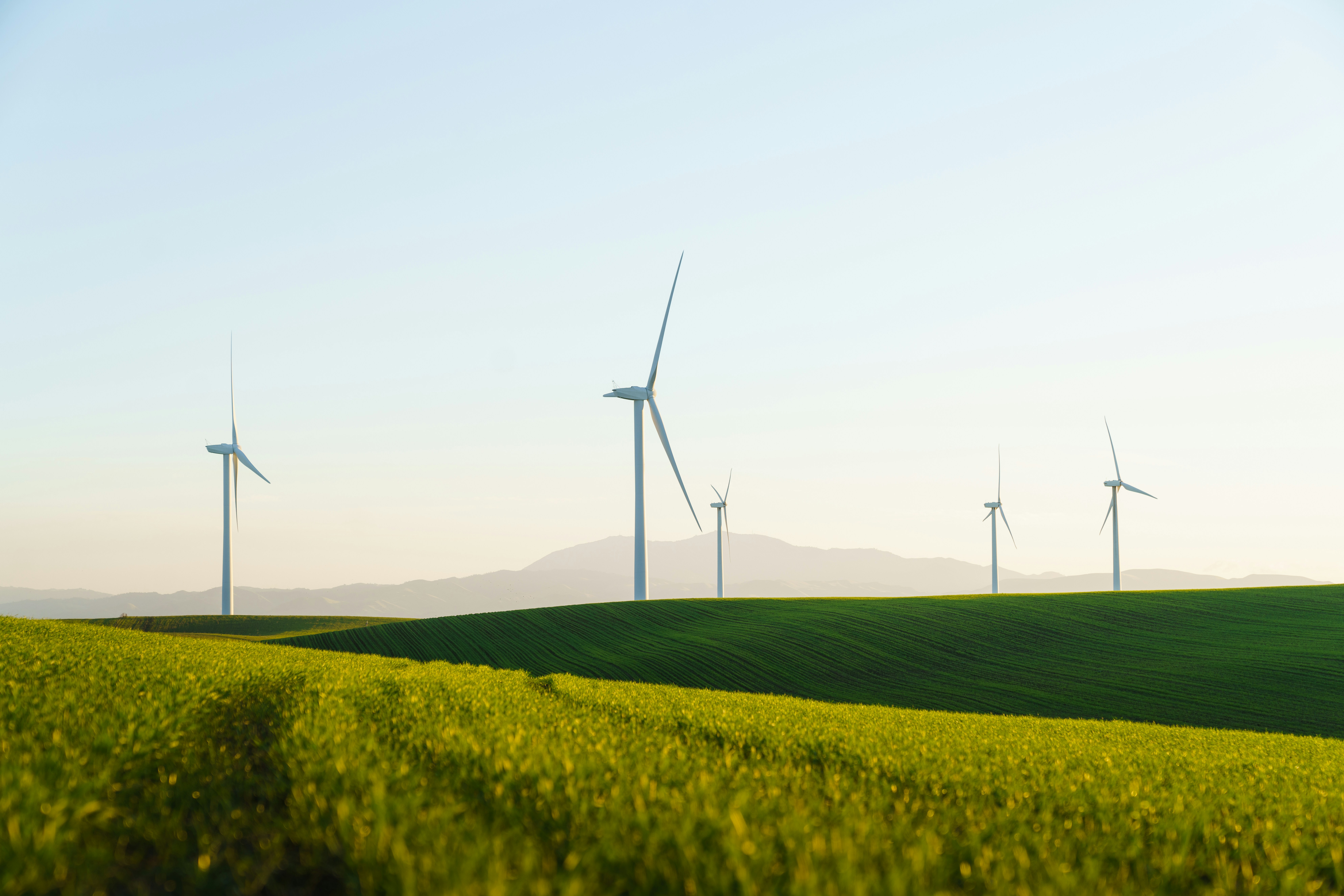
Let’s take a trip down memory lane, shall we? 🕰️ The term “Green Energy” has been around since the first hippie bought a solar calculator in the 70s. But “Carbon Neutrality”? That’s the cool new kid on the block that everyone is trying to impress.
Historically, the focus was purely on renewables. We wanted wind, sun, and water. But as the climate crisis deepened, the conversation shifted from what we use to how much we emit. Enter Carbon Neutrality: the art of balancing the books. If you emit 1 ton of CO2, you must remove 1 ton.
However, this shift created a massive gray area. Companies realized they could claim “Carbon Neutral” status by buying cheap carbon offsets (like planting trees in a distant forest) while continuing to burn fossil fuels at home. It was a loophole the size of the Grand Canyon! 🏜️
This is why the distinction matters. Green Energy implies a source that is naturally replenishing and clean. Carbon Neutrality is a math equation. You can solve the equation without ever touching a clean energy source.
🤔 Is Carbon Neutral the Same as Green Energy? The Core Distinction
Here is the million-dollar question (or rather, the million-ton CO2 question): Are they the same?
Short Answer: No. 🙅 ♀️
Long Answer: It’s complicated, and it depends entirely on how you count.
Think of it like this:
- Green Energy is like eating a salad. It’s healthy, fresh, and good for you. 🥗
- Carbon Neutral is like eating a burger, then taking a pill that claims to neutralize the cholesterol. You still ate the burger. 🍔💊
The “Annual Matching” Trap
Most corporate claims rely on Annual Matching. A company says, “We used 1,0 MWh of electricity this year, so we bought 1,0 MWh of Renewable Energy Certificates (RECs).”
- The Problem: They might use coal power at 6 PM when the sun sets, and buy solar credits generated at 10 AM. The grid doesn’t care about your accounting; it just mixes everything together.
- The Result: You get a “Carbon Neutral” certificate, but the grid is still dirty.
“Just purchasing more solar energy in a grid that already has lots of solar generation will not result in zero emissions.” — Sally Benson, Co-author and Co-director of the Precourt Institute for Energy.
The “Green” Definition
Green Energy strictly refers to renewable sources (Solar, Wind, Geothermal, Biomass) that have low environmental impact.
Carbon Neutral refers to a net-zero balance of emissions, which can be achieved through offsets, nuclear power (which is carbon-free but not always “green” due to waste), or efficiency.
| Feature | Green Energy | Carbon Neutral |
|---|---|---|
| Primary Focus | Source of energy (Renewable) | Net Emissions Balance (Zero) |
| Method | Generating clean power | Offsetting, Efficiency, or Renewables |
| Timeframe | Continuous generation | Often Annual Accounting |
| Environmental Impact | Low (usually) | Can be high if offsets are low quality |
| Reliability | Depends on weather | Depends on accounting rules |
📉 Carbon Neutral vs. Net Zero: Decoding the Confusing Jargon
If “Carbon Neutral” isn’t the same as “Green Energy,” what about “Net Zero”? Are we just swapping one buzzword for another? 🤯
Carbon Neutral usually focuses on CO2 (Carbon Dioxide).
Net Zero is the big boss. It includes all greenhouse gases: Methane, Nitrous Oxide, and Fluorinated gases. 🌡️
The Hierarchy of Good Intentions
- Carbon Neutral: Balance CO2 emissions. (Often relies heavily on offsets).
- Net Zero: Drastically reduce all emissions first, then offset the tiny remainder.
- Carbon Negative: Remove more carbon than you emit. (The holy grail! 🏆)
According to the CarbonNeutral Protocol, a company aiming for Net Zero must prioritize reduction over offseting. It’s the difference between trying to lose weight by eating less (Net Zero) versus eating a pizza and buying a diet pill (Carbon Neutral).
Key Insight: A company can be “Carbon Neutral” today by buying cheap offsets, but they cannot be “Net Zero” without a fundamental overhaul of their operations.
🔋 The Role of Offsets: Why Buying Credits Isn’t Always “Green”
Let’s talk about the elephant in the room: Carbon Offsets. 🐘
Offsets are essentially “get out of jail free” cards. You emit CO2, you pay someone else to plant a tree or capture methane, and boom—you’re neutral.
The Good, The Bad, and The Ugly
- ✅ The Good: High-quality offsets fund projects that wouldn’t happen otherwise (e.g., protecting a rainforest from logging).
- ❌ The Bad: Many offsets are “phantom.” The trees were going to be planted anyway, or the forest wasn’t in danger.
- 🤬 The Ugly: Double counting. Two companies claim the same tree as their offset.
The Stanford Study: A Wake-Up Call
A groundbreaking study from Stanford University revealed that in grids with high solar penetration (like California), buying solar offsets often yields zero climate benefit. Why? Because the grid already has too much solar during the day. Buying more solar credits just pushes other renewable generators off the grid, leaving fossil fuels to fill the gap.
“Both the carbon footprint of a large consumer and the environmental value of renewable energy assets depend on the grid they interact with.” — Jacques de Chalendar, Lead Author.
Our Verdict: Offsets are a tool, not a strategy. Use them for the emissions you can’t eliminate, not as a license to pollute.
🌞 Renewable Energy Sources: Solar, Wind, and Beyond
So, if offsets are tricky, what is the real deal? Renewable Energy. Let’s break down the heavy hitters.
1. Solar Power ☀️
- Pros: Abundant, scalable, prices have plummeted.
- Cons: Intermittent (no sun at night), manufacturing has a carbon footprint.
- Real-World Brand: Tesla has revolutionized residential solar with the Solar Roof, integrating panels directly into tiles.
👉 Shop Tesla Solar on: Tesla Official Site | Amazon Solar Panels Search
2. Wind Power 💨
- Pros: Generates power day and night, often complements solar.
- Cons: Visual impact, bird collisions (though much lower than cats!), intermittent.
- The Wind Advantage: As the Stanford study noted, wind is often the “secret weapon” for decarbonization because it blows when solar doesn’t.
3. Geothermal 🌋
- Pros: Baseload power (24/7), small footprint.
- Cons: Location-specific, high upfront drilling costs.
- Real-World Brand: Ormat Technologies is a leader in geothermal energy.
Learn more at: Ormat Technologies
4. Hydroelectric 💧
- Pros: Reliable, massive scale.
- Cons: Dams disrupt ecosystems, fish migration, sediment buildup.
- Is it “Green”? Large hydro is Carbon-Free but often not considered “Green” due to ecological damage. Small-scale run-of-river hydro is a better bet.
⏱️ Annual vs. Hourly Accounting: The Time Factor in Green Claims
This is where the rubber meets the road. 🛣️
The Flaw in Annual Accounting
Imagine you use 10 kWh of electricity in a year. You buy 10 kWh of solar credits.
- Scenario A: You use power at 2 PM (sunny). The grid is 10% solar. You are green! ✅
- Scenario B: You use power at 2 AM (dark). The grid is 10% coal. You bought solar credits, but your power came from coal. ❌
Annual accounting ignores Scenario B. It assumes the grid is an average.
The Hourly Solution
Hourly Matching requires you to match your consumption with renewable generation in real-time.
- The Result: If you want to be truly green, you need to shift your usage to when the sun is shining or the wind is blowing.
- The Data: In California, annual accounting overstates solar benefits by 50%. Hourly accounting reveals the true impact.
Pro Tip: Look for utilities or apps that offer 24/7 Carbon-Free Energy tracking, like WattTime or Arcadia.
🔌 Investing in Non-Solar Renewables: Geothermal, Hydro, and Biomass
Don’t put all your eggs in the solar basket! 🧺 Diversification is key to a resilient green grid.
Geothermal: The Sleeping Giant
Geothermal taps into the Earth’s heat. It’s the only renewable that provides baseload power (constant energy).
- Brand to Watch: Fervo Energy is using advanced drilling techniques (from the oil industry) to unlock geothermal everywhere.
Check them out: Fervo Energy
Biomass: The Controversial One
Burning organic matter (wood, waste) for energy.
- The Debate: Is it carbon neutral? Only if the trees are replanted faster than they are burned. Often, it’s just burning fossilized carbon (coal) in disguise.
- Verdict: Proceed with caution. Look for certified sustainable biomass.
Hydro: The Double-Edged Sword
- Large Dams: Great for stability, bad for rivers.
- Pumped Storage: Using excess solar/wind to pump water uphill, then releasing it to generate power at night. This is the ultimate battery! 🔋
🔋 Energy Storage Solutions: Batteries and the Grid of Tomorrow
If renewable energy is the heart, storage is the circulatory system. Without storage, green energy is useless at night.
The Battery Revolution
- Lithium-Ion: The current king (used in EVs and home storage).
Brand: LG Chem (Residential batteries).
👉 Shop on: Amazon LG Batteries | LG Official - Solid-State: The future. Higher capacity, safer, longer life.
- Thermal Storage: Stanford University used thermal storage (heating water or rocks) to cut emissions by 40% more than just electrification alone.
Why Storage Matters for “Green” Claims
Storage allows you to use solar power at night. This moves you from “Annual Matching” to “Hourly Matching,” making your carbon neutrality claim legit.
🧪 The Science Behind Decarbonization: How It Actually Works
Let’s get nerdy for a second. 🤓 How do we actually stop the planet from cooking?
- Electrification: Switching gas stoves, cars, and heaters to electric.
- Decarbonizing the Grid: Replacing coal/gas with wind/solar.
- Carbon Capture: Sucking CO2 out of the air (Direct Air Capture).
Brand: Climeworks is a leader in DAC technology.
Learn more: Climeworks
The “Marginal Generator” Concept
In a grid, the last power plant turned on sets the price and the emissions.
- If you add solar, you might displace a gas plant (good!).
- But if the grid is already full of solar, adding more solar might just displace other solar, leaving the gas plant running.
- This is why timing matters!
🏭 Corporate Greenwashing: Spoting Fake Eco-Friendly Claims
Ah, the art of the spin. 🎭 How do you spot a fake “Green” company?
Red Flags 🚩
- “Carbon Neutral” without a reduction plan: They are just buying offsets.
- Vague language: “Eco-friendly,” “Green,” “Natural” without certification.
- No third-party verification: Look for B Corp, Science Based Targets (SBTi), or CarbonNeutral® certification.
Real-World Case Studies
- Apple: Aiming for Net Zero by 2030 across their entire supply chain. They are actually measuring Scope 3 emissions (manufacturing). 🍏
- Amazon: Comitted to Net Zero by 2040 and the Climate Pledge. They are investing in electric delivery vans (Rivian). 📦
- The “Green” Gas Scam: Some gas companies claim “Carbon Neutral Natural Gas” by planting trees. This is widely criticized by scientists as a distraction.
Tip: Always check the GHG Protocol reports. If they aren’t transparent about their Scope 1, 2, and 3 emissions, run! 🏃 ♂️
🏠 How You Can Go Green: Practical Steps for Your Home and Wallet
You don’t need to be a Fortune 50 company to make a difference. Here’s your action plan:
- Switch Providers: Choose a utility that offers 10% renewable energy (not just offsets).
Brand: Green Mountain Energy (US) or Octopus Energy (UK).
👉 Shop on: Green Mountain Energy | Octopus Energy - Install Solar: If you own a home, go solar.
Brand: Sunrun or SunPower.
Check Price: Sunrun Solar | SunPower - Get a Smart Thermostat: Optimize usage to match renewable peaks.
Brand: Nest or Ecobee.
👉 Shop on: Amazon Nest | Ecobee - Buy an EV: Electric vehicles are only as clean as the grid, but they are getting cleaner every year.
Brand: Tesla, Rivian, Ford.
👉 Shop on: Tesla | Rivian | Amazon EV Search
📊 Real-World Case Studies: Brands Nailing (and Missing) the Mark
The Nails 🏆
- Patagonia: The gold standard. They are 1% for the Planet members, use recycled materials, and are transparent about their supply chain.
Link: Patagonia - Interface: The carpet company that went Climate Positive. They measure every gram of carbon and offset the rest.
The Misses ❌
- Fast Fashion Brands: Many claim “sustainable collections” while producing millions of tons of waste.
- Oil Giants: Claiming “Net Zero” while expanding drilling operations.
🔮 Future Trends: The Next Generation of Clean Energy Tech
What’s next? The future is bright (and windy)!
- Green Hydrogen: Using renewable energy to split water into hydrogen fuel. Perfect for heavy industry and shipping.
- Perovskite Solar Cells: Cheaper, more efficient solar panels.
- Virtual Power Plants (VPPs): Connecting thousands of home batteries to act as a single power plant.
Brand: Sonen is a leader in VPPs.
Learn more: Sonen
🧠 Grain and the Green Economy: Food Systems and Carbon Footprints
We can’t talk about green energy without talking about food. 🌾 Agriculture is a massive emitter.
- Regenerative Agriculture: Farming practices that sequester carbon in the soil.
- Plant-Based Diets: Reducing meat consumption lowers methane emissions.
- Local Sourcing: Reducing food miles.
Did you know? The food system accounts for nearly 30% of global greenhouse gas emissions. Going green isn’t just about your electricity bill!
🏆 Stanford Impact Founder Awardes: Innovators to Watch
The Stanford Impact Founder Awards highlight entrepreneurs solving the climate crisis. These are the people to watch for the next big breakthrough in green tech. From carbon capture to sustainable agriculture, these founders are the real deal.
- Why it matters: They prove that profitability and sustainability can coexist.
- Check out the winners: Stanford Impact Lab
🏁 Conclusion: The Final Verdict on Carbon Neutrality
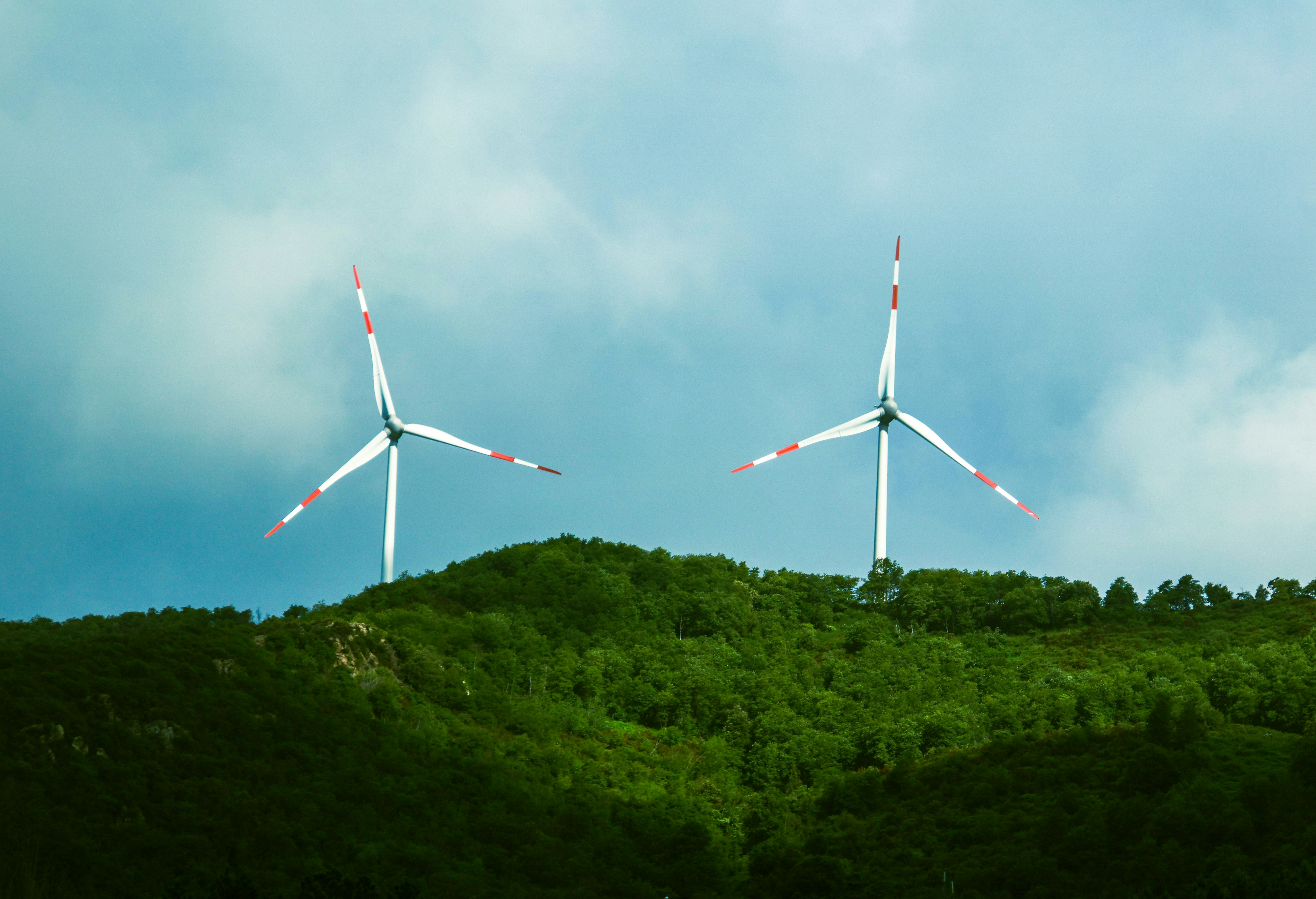
So, we’ve come full circle. Is carbon neutral the same as green energy?
The verdict is a resounding NO. 🙅 ♂️
Carbon Neutrality is a financial and accounting concept. It’s a balance sheet. You can be carbon neutral by burning coal and planting trees.
Green Energy is a physical reality. It’s about the source of your power.
If you want to truly help the planet, don’t just settle for “Carbon Neutral.” Demand Green Energy. Look for hourly matching, invest in storage, and support companies that prioritize reduction over offsets.
The Final Takeaway:
- ✅ Do: Switch to 10% renewable energy providers.
- ✅ Do: Invest in home storage and efficiency.
- ❌ Don’t: Rely solely on carbon offsets.
- ❌ Don’t: Trust vague “Carbon Neutral” claims without third-party verification.
The path to a healthy planet isn’t about balancing the books; it’s about changing the game. Let’s make it green, not just neutral! 🌍💚
🔗 Recommended Links
Ready to take action? Here are our top picks for products and services that align with true green energy principles.
Home Energy & Storage
- Tesla Powerwall: The ultimate home battery for storing solar energy.
👉 Shop on: Tesla Official | Amazon Tesla Powerwall Search - Sunrun Solar Installation: Leading residential solar provider.
👉 Shop on: Sunrun - Nest Learning Thermostat: Optimize your energy usage automatically.
👉 Shop on: Amazon Nest | Google Store
Green Energy Providers
- Green Mountain Energy: 10% renewable electricity plans.
👉 Shop on: Green Mountain Energy - Octopus Energy: Innovative green energy plans with smart tariffs.
👉 Shop on: Octopus Energy
Books & Resources
- “Drawdown: The Most Comprehensive Plan Ever Proposed to Reverse Global Warming” by Paul Hawken.
Buy on: Amazon - “The Future We Choose” by Christiana Figueres and Tom Rivett-Carnac.
Buy on: Amazon
❓ FAQ: Your Burning Questions Answered
What is the difference between a carbon-free and carbon neutral energy source?
Carbon-free means the energy source produces zero emissions during operation (e.g., wind, solar, nuclear). Carbon neutral means the net emissions are zero, which can be achieved by balancing emissions with offsets. You can be carbon neutral with a dirty source if you offset enough, but you can’t be carbon-free with a dirty source.
What is the meaning of carbon neutral energy?
It refers to energy where the total carbon dioxide emissions associated with its production and consumption are balanced by removing an equivalent amount of CO2 from the atmosphere, often through tree planting or carbon capture projects.
Read more about “🌍 Carbon Footprint by Country: The 2026 Global Emissions Ranking”
Is green energy carbon neutral?
Not necessarily. Green energy (like solar or wind) is carbon-free during operation, but the manufacturing and installation of the equipment do produce some emissions. However, over their lifecycle, they are vastly lower than fossil fuels. True “Carbon Neutrality” for green energy usually involves offseting those initial manufacturing emissions.
Read more about “🌱 What is Beyond Carbon Neutral? 7 Steps to a Regenerative Future (2026)”
What is the difference between green and carbon neutral?
Green refers to the source (renewable, eco-friendly). Carbon neutral refers to the outcome (net zero emissions). Green energy is a subset of the path to carbon neutrality, but carbon neutrality can be achieved without green energy (via offsets).
Read more about “Carbon Neutrality vs Net Zero: The 2026 Truth 🌍”
What is the difference between carbon neutral and green energy?
See above! Green Energy = Clean Source. Carbon Neutral = Zero Net Emissions (Source + Offsets).
Read more about “15 Best Eco Brands to Know in 2026 🌿”
Can a company be carbon neutral without using green energy?
Yes. A company can burn coal or gas and buy carbon offsets (like planting trees) to claim they are carbon neutral. This is why many environmentalists argue that “Carbon Neutral” is a weaker claim than “10% Renewable.”
Read more about “🌍 What is Carbon Footprint? 5 Ways to Slash It (2026)”
How does carbon neutrality impact personal health and the environment?
Achieving true carbon neutrality (via green energy) reduces air pollution, which directly improves respiratory health and reduces climate change impacts like extreme weather. Relying on offsets without reducing emissions doesn’t improve local air quality.
Read more about “🌍 Carbon Neutral: The Ultimate 2026 Guide to Saving the Planet (15 Steps)”
Is renewable energy always considered carbon neutral?
Renewable energy is carbon-free during operation. It is considered low-carbon over its lifecycle. To be strictly “carbon neutral,” the initial manufacturing emissions must be offset.
What are the benefits of switching to green energy for a healthier planet?
Switching to green energy reduces greenhouse gas emissions, improves air quality, conserves water, and protects biodiversity. It also reduces reliance on finite fossil fuels.
Read more about “🌍 15 Best Carbon Footprint Calculators (2026): Beyond the UN”
Does achieving carbon neutrality reduce air pollution?
Only if achieved through reduction and green energy. If achieved solely through offsets while continuing to burn fossil fuels, local air pollution remains unchanged.
How can individuals support both carbon neutrality and green energy initiatives?
- Switch to a green energy provider.
- Install solar panels and batteries.
- Reduce energy consumption.
- Support companies with Science Based Targets.
- Advocate for policies that mandate hourly matching and transparency.
📚 Reference Links
- Stanford University: When 10% Renewable Energy Doesn’t Mean Zero Carbon
- MCE Clean Energy: What’s the Difference Between Carbon-Free and Renewable Energy?
- CarbonNeutral: Carbon Neutral vs. Net Zero
- Precourt Institute for Energy: Research on Grid Decarbonization
- Climate Impact Partners: CarbonNeutral Protocol
- Science Based Targets Initiative (SBTi): Corporate Net-Zero Standard
- GHG Protocol: Global Standard for Emissions Accounting
- Tesla: Solar and Energy Storage
- Climeworks: Direct Air Capture
- Patagonia: Worn Wear & Sustainability
- Apple: Environmental Progress Report
- Amazon: Climate Pledge