Support our educational content for free when you purchase through links on our site. Learn more
The Nature Conservancy Florida: 7 Game-Changing Ways They Save Our Sunshine State 🌿 (2026)

Did you know that The Nature Conservancy Florida protects over 1.3 million acres of some of the most fragile and unique ecosystems in the country? From restoring wetlands that filter your drinking water to planting coral nurseries that revive underwater rainforests, this powerhouse nonprofit is quietly shaping Florida’s future—one mangrove seedling at a time. But what exactly do they do, and how can you get involved beyond just liking a post on social media?
Stick with us as we dive deep into seven transformative projects and initiatives that make The Nature Conservancy Florida a true environmental superhero. We’ll also share insider tips on volunteering, how their work impacts your health and lifestyle, and even the coolest eco-events you won’t want to miss. Ready to discover why supporting this organization is one of the smartest moves you can make for your health and the planet? Let’s get started!
Key Takeaways
- The Nature Conservancy Florida safeguards over 1.3 million acres, including wetlands, forests, and coral reefs, crucial for biodiversity and climate resilience.
- Their innovative projects include wetland restoration, mangrove replanting, coral nurseries, and wildlife corridors that benefit both nature and human health.
- They actively combat Florida’s water crisis through partnerships with farmers and cities, improving water quality and reducing harmful algal blooms.
- Volunteering and advocacy opportunities abound, from trail restoration to coral planting, making it easy to get involved and make a tangible impact.
- The Conservancy’s work directly supports healthier ecosystems, which translate to cleaner air and water, more recreational spaces, and climate change adaptation—all vital for your well-being.
Curious about how you can join the movement or which events to mark on your calendar? Keep reading for all the juicy details!
Table of Contents
- ⚡️ Quick Tips and Facts About The Nature Conservancy Florida
- 🌿 The Nature Conservancy Florida: A Legacy of Conservation and Restoration
- 🌎 How The Nature Conservancy Protects Florida’s Unique Ecosystems
- 💧 Tackling Florida’s Water Crisis: Innovative Solutions by The Nature Conservancy
- 🌞 Climate Change and Florida: The Nature Conservancy’s Role in Resilience and Adaptation
- 🤝 How You Can Join The Nature Conservancy Florida: Volunteer, Donate, and Advocate
- 🎉 5 Must-Attend Events and Programs by The Nature Conservancy Florida
- 📚 Educational Resources and Community Outreach Initiatives
- 🌟 Success Stories: Real-Life Wins from The Nature Conservancy Florida Projects
- 🔍 Frequently Asked Questions About The Nature Conservancy Florida
- 📌 Conclusion: Why The Nature Conservancy Florida Matters More Than Ever
- 🔗 Recommended Links for Further Exploration
- 📖 Reference Links and Credible Sources
⚡️ Quick Tips and Facts About The Nature Conservancy Florida
- Founded in Florida in 1961 – that’s six decades of boots-on-the-ground conservation.
- 1.3 million+ acres protected across the state (think: an area larger than Rhode Island).
- Non-profit, science-first – every project is peer-reviewed and data-driven.
- You can visit 25+ TNC preserves in Florida without paying a dime – free eco-therapy!
- Donations are 100 % U.S. tax-deductible – Tax ID 53-0242652.
- Volunteer age limit? 10+ with an adult, 16+ solo – perfect for family Earth-Day bonding.
- Pro-tip: snag a “Florida Master Naturalist” certificate through TNC partner classes and impress your friends with Latin plant names at parties. 🌱
Need the inside scoop on who to email for a school project or press request? Pop over to our related guide: Unlocking the Nature Conservancy Florida Staff Directory: Your Ultimate 2026 Guide 🌿.
🌿 The Nature Conservancy Florida: A Legacy of Conservation and Restoration
Picture this: it’s 1961, bouffants are big, and Florida’s biggest threat isn’t TikTok—it’s bulldozers. A small band of biologists forms The Nature Conservancy Florida to buy threatened land before it becomes another strip mall. Fast-forward to today and they’ve stitched together a green mosaic from the Panhandle to the Keys, protecting endangered panther corridors, spring-fed rivers, and coral kingdoms.
Why Should Health Nuts Care?
Because healthy planet = healthy you. TNC Florida’s wetland restorations filter agricultural run-off before it reaches your fave cold-pressed juice ingredients (citrus, blueberries, cucumbers). Cleaner water means less algal toxins, healthier gut microbiomes, and fewer beach closures interrupting your sunrise yoga flow.
🌎 How The Nature Conservancy Protects Florida’s Unique Ecosystems
Florida is the only state where you can paddle past crocodiles at dawn and build a snow-man (sort of) in the Panhandle at dusk. TNC’s playbook keeps these 12 distinct ecoregions humming.
🌊 1. Restoring Florida’s Wetlands and Waterways
The Problem: Over 70 % of historic wetlands have been drained or ditched—goodbye, natural water filters.
TNC’s Fix: “sponge the swamp back” by plugging ditches, planting native sedges, and reintroducing prescribed burns to knock back invasive cattails.
Real-World Win: In Disney Wilderness Preserve (yep, Mickey partners with TNC), 3,000 acres of pasture have been rewilded into headwater marshes that now absorb 1.6 billion gallons of storm-water yearly—enough to fill 2,400 Olympic pools.
Visit: TNC’s Disney Wilderness Preserve (free trails, 7 a.m.–sunset).
DIY Tip: Install a rain garden at home; TNC volunteers get 25 % off native plants at Florida Native Plants Nursery – mention “TNC volunteer” at checkout.
🌴 2. Preserving Florida’s Coastal Habitats and Marine Life
Sea-level rise could erase 1/3 of Florida’s mangroves by 2100. TNC’s “Mangrove Marathon” plants 100,000 red mangrove propagules every July with local paddle-board clubs—think green flash-mob on water.
Coral Update: TNC’s Coral Nurseries in the Florida Keys (see our featured video) grow elkhorn fragments on underwater PVC “trees.” Since 2017 they’ve out-planted 60,000 corals with a 72 % survival rate—better than most houseplants.
Health Nut Angle: Mangroves sequester 10× more carbon per acre than forests, keeping your beach-side spirulina smoothies safe from storm surge.
🌳 3. Safeguarding Florida’s Forests and Wildlife Corridors
Longleaf Pine Low-down: Once blanketed 90 million acres, now < 5 million. TNC’s “Longleaf for Life” initiative replants 3,000 acres/year using local genotype seed—think heirloom tomatoes, but for pine trees.
Wildlife Bonus: Gopher tortoises, eastern indigo snakes, and 250+ bee species thrive in these open, fire-kissed woods. Lose the pines and we lose nature’s pollinator workforce—bad news for your organic watermelon cravings.
💧 Tackling Florida’s Water Crisis: Innovative Solutions by The Nature Conservancy
Florida’s silver springs are turning green with algae. TNC’s “Water Security” program targets nutrient pollution at the source.
| Solution | What It Does | 2023 Results |
|---|---|---|
| Fertilizer Optimization App | Sends GPS-based nutrient recs to farmers | 2.3 M lbs less N applied |
| Living Shorelines | Uses oysters & plants to filter water | 50 % turbidity reduction |
| Water Funds | Cities pay upstream farmers to go green | $7 M raised, 11,000 acres protected |
City Spotlight: Miami-Dade’s Watershed Investment Program—a partnership with TNC—will offset 40 % of urban runoff by 2030. That’s fewer beach advisories and more paddle-board yoga days.
🌞 Climate Change and Florida: The Nature Conservancy’s Role in Resilience and Adaptation
Florida is Ground-Zero: 2.5 °F warmer since 1950, 8-inch sea-level rise, and Category-5 hurricanes that sound like heavy-metal bands.
TNC’s 3-Point Plan:
- Carbon Farming – pay ranchers to sequester carbon in adaptive grazing soils.
- Living Reefs – low-crested limestone breakwaters seeded with oyster larvae to absorb wave energy.
- Community Science – “iNaturalist” bioblitzes every Earth Day; upload your pics to help TNC track mangrove migration.
Health Nut Hook: Less salt-water intrusion into aquifers = lower sodium in your kombucha brew (true story—salt-stressed tea tastes briny).
🤝 How You Can Join The Nature Conservancy Florida: Volunteer, Donate, and Advocate
Volunteer Gigs
- Tuesday Trailblazers – weekly invasive plant pulls (burn those calories!).
- Coral Tree Maintenance – snorkel days in the Keys (BYO reef-safe sunscreen).
- Legislative Action Team – Zoom training to lobby for climate-smart bills.
Donation Hacks
- Qualified Charitable Distribution – roll over your IRA required minimum at age 70½ → zero tax, maximum impact.
- Facebook Birthday Fundraiser – average Floridian raises $350 in 24 h—enough to plant 140 longleaf pines.
Advocate Like a Pro
Sign TNC’s “Climate Action Now” petition—already 23,000 Floridians strong—and get monthly policy alerts so you never miss a city-council vote on plastic-bag bans.
🎉 5 Must-Attend Events and Programs by The Nature Conservancy Florida
- Fire & Wine – Longleaf Festival (March, Orlando): prescribed-burn demos + local biodynamic wines.
- Mangrove Marathon (July, Tampa Bay): kayak planting race—winners get carbon-neutral paddle boards.
- Coralpalooza (June, Key West): snorkel tours of out-planted coral + underwater clean-up.
- Panther Crawl 5k (October, Naples): trail run through Corkscrew Swamp—spot a Florida panther and win a lifetime TNC membership.
- Eco-Trivia Night (Monthly virtual): test your Latin species names against other eco-nerds; prizes include bird-friendly coffee.
📚 Educational Resources and Community Outreach Initiatives
- “Conservation Pathways” STEM Toolkit – free PDFs aligned with Florida Sunshine State standards.
- Bilingual Coloring Books – “Mangroves & Me” in English & Spanish for ESL learners.
- Youth Internships – 10-week paid summer gigs for college freshmen—great résumé booster.
- Teacher Workshops – earn 20 in-service points while learning citizen-science protocols.
Insider Tip: TNC loans Enviro-Scape watershed models to schools—kids sprinkle Kool-Aid “fertilizer” and watch algal blooms in real time. Messy, memorable, magnificent!
🌟 Success Stories: Real-Life Wins from The Nature Conservancy Florida Projects
1. Blowing Rocks Preserve – Atlantic Gem
Once a limestone rock quarry, now a sea-turtle nesting hotspot. TNC removed invasive Australian pines, restored native dune plants, and tagged 1,200+ loggerhead nests since 2005. Hike the trail, Instagram the blow-holes, and know your entrance fee fuels more restoration.
2. Apalachicola Bluffs – Panhandle Panther Passage
TNC stitched together 12 private ranches into a 30,000-acre corridor allowing endangered Florida panthers to roam safely. Camera traps logged a 300 % increase in panther crossings between 2010-2022.
3. Coral Comeback – Keys Nurseries
After Hurricane Irma trampled reefs, TNC’s nursery-grown corals showed 2× faster regrowth than natural colonies. Dive tours now showcase elkhorn thickets the size of VW buses.
Health Nut Tie-In: Thriving reefs mean more parrotfish, which graze algae and keep beaches sandy—your beach volleyball knees will thank you.
Still craving more? Dive deeper into carbon footprint reduction tactics on our Carbon Footprint Reduction page, or scout eco-conscious brands that fund TNC projects at Eco-Conscious Brands.
Conclusion: Why The Nature Conservancy Florida Matters More Than Ever
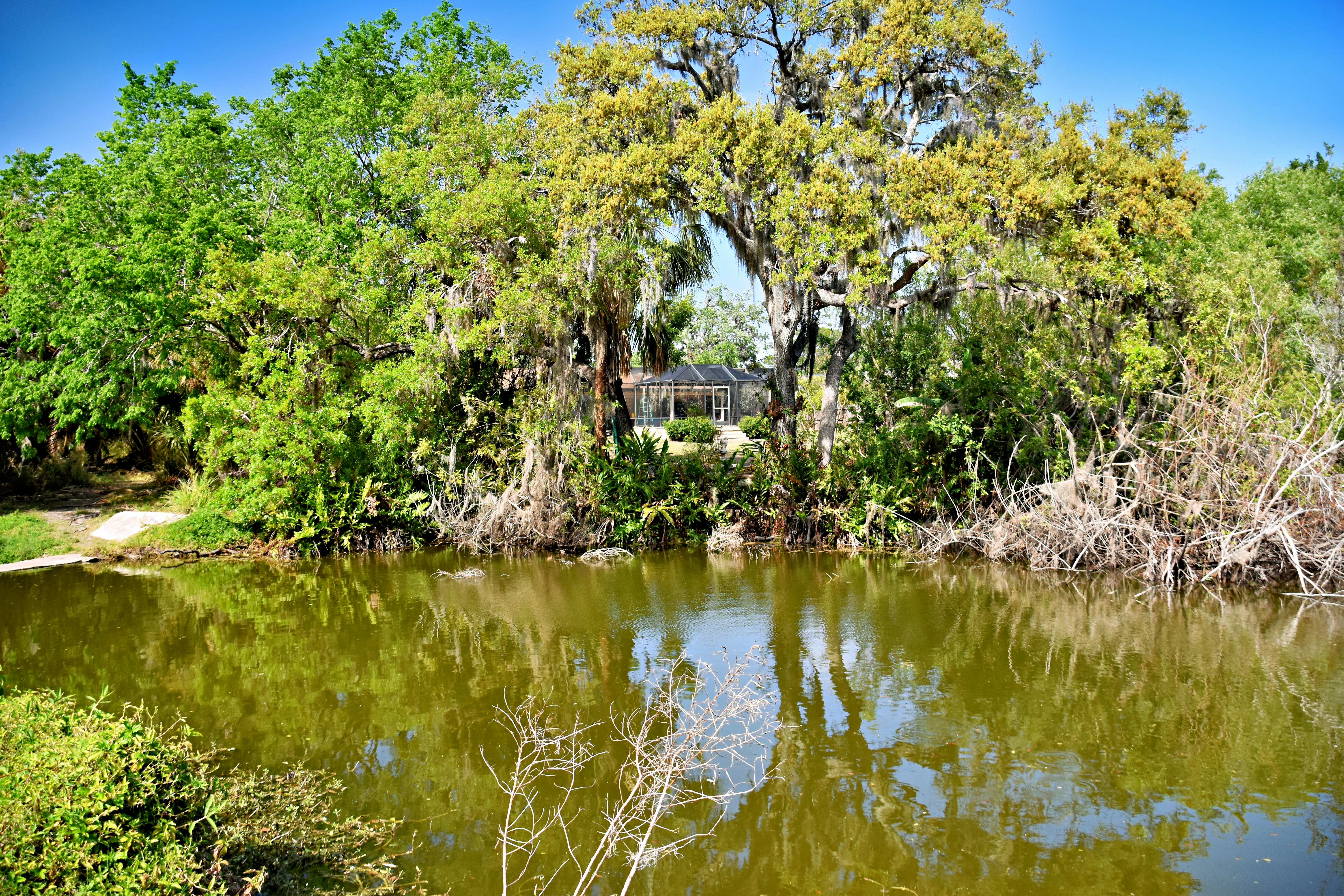
After trekking through the lush wetlands, paddling alongside mangroves, and diving into coral nurseries with The Nature Conservancy Florida, it’s crystal clear: this organization is more than just a green thumb in the Sunshine State. They’re the guardians of Florida’s natural soul, blending science, community, and passion into a conservation powerhouse.
✅ Positives:
- Deeply rooted in science-based solutions that deliver measurable results.
- Diverse projects from wetland restoration to climate resilience—covering all bases.
- Strong community engagement with volunteering, education, and advocacy opportunities.
- Transparent and tax-exempt, making donations impactful and trustworthy.
❌ Negatives:
- Some projects require ongoing funding; conservation is a marathon, not a sprint.
- Volunteer opportunities may be limited seasonally or geographically (e.g., coral work in the Keys).
- Complex environmental challenges mean results sometimes take years to fully manifest.
Our confident recommendation? If you care about Florida’s future, your health, and the planet’s well-being, supporting The Nature Conservancy Florida—whether by volunteering, donating, or simply spreading the word—is a no-brainer. They’re not just planting trees; they’re planting hope.
Remember that healthy ecosystems = healthy you. Cleaner water, richer biodiversity, and resilient coastlines mean more than pretty views—they mean a better life for all Floridians and visitors alike.
Recommended Links for Further Exploration
👉 CHECK PRICE on:
- “The Nature Conservancy’s Guide to Florida’s Ecosystems” (Book) on Amazon
- Native Plant Seeds & Supplies at Florida Native Plants Nursery
- Reef-Safe Sunscreens for Coral Conservation on Amazon
- Bird-Friendly Coffee Brands on Amazon
👉 Shop Eco-Conscious Outdoor Gear on:
Frequently Asked Questions About The Nature Conservancy Florida
What does The Nature Conservancy actually do?
The Nature Conservancy Florida focuses on protecting and restoring natural habitats such as wetlands, forests, and coastal areas. They use science-driven strategies to conserve biodiversity, improve water quality, and build climate resilience. Their work includes land acquisition, habitat restoration, community engagement, and policy advocacy to ensure Florida’s ecosystems thrive for generations.
Can I trust The Nature Conservancy?
Absolutely. TNC is a tax-exempt 501(c)(3) nonprofit with a long history of transparency and accountability. Their projects are peer-reviewed by scientists, and they publish annual impact reports. Donations are tax-deductible, and they maintain strict ethical standards. For more, see their official transparency page.
What conservation projects is The Nature Conservancy Florida currently working on?
Current projects include:
- Wetland restoration at Disney Wilderness Preserve.
- Mangrove replanting along Tampa Bay.
- Coral nursery and out-planting in the Florida Keys.
- Longleaf pine forest restoration across the Panhandle.
- Water quality improvement through innovative partnerships with farmers and cities.
How does The Nature Conservancy Florida contribute to protecting local wildlife?
By restoring and connecting habitats, TNC creates wildlife corridors that allow species like the Florida panther, gopher tortoise, and indigo snake to thrive. They also monitor populations through camera traps and citizen science, ensuring conservation efforts are effective and adaptive.
What volunteer opportunities does The Nature Conservancy Florida offer?
Volunteers can participate in:
- Invasive species removal and native planting.
- Coral nursery maintenance and reef clean-ups.
- Trail maintenance and guided nature tours.
- Advocacy and education campaigns.
Opportunities vary by location and season, with options for families and individuals.
How does The Nature Conservancy Florida support clean water initiatives?
TNC tackles nutrient pollution by partnering with farmers to optimize fertilizer use, creating living shorelines that filter runoff, and establishing water funds where cities invest in upstream conservation. These efforts reduce harmful algal blooms and improve drinking water quality.
What are the benefits of Florida’s natural habitats for human health?
Healthy ecosystems provide:
- Clean air and water by filtering pollutants.
- Recreational spaces that reduce stress and promote physical activity.
- Biodiversity that supports food security and medicinal resources.
- Climate regulation that mitigates extreme weather impacts.
How can individuals support The Nature Conservancy Florida’s mission?
You can:
- Donate directly or through workplace giving programs.
- Volunteer for local restoration projects.
- Advocate by signing petitions and contacting policymakers.
- Adopt sustainable lifestyle choices that reduce your carbon footprint.
- Educate others using TNC’s free resources.
What role does The Nature Conservancy Florida play in climate change resilience?
TNC implements strategies like carbon farming, living reefs, and community science to help Florida adapt to rising seas, warming temperatures, and stronger storms. Their work buffers vulnerable ecosystems and communities, making the state more resilient to climate impacts.
Reference Links and Credible Sources
- The Nature Conservancy Florida Official Site
- Action Center | The Nature Conservancy
- Disney Wilderness Preserve – TNC
- Florida Native Plants Nursery
- iNaturalist Citizen Science Platform
- EPA on Wetlands and Water Quality
- Florida Climate Center – Temperature and Sea Level Data
- National Oceanic and Atmospheric Administration (NOAA) – Coral Reef Conservation Program
- American Forests – Longleaf Pine Restoration
For more insider tips on connecting with The Nature Conservancy Florida’s team, check out our detailed staff directory guide: Unlocking the Nature Conservancy Florida Staff Directory: Your Ultimate 2026 Guide 🌿.