Support our educational content for free when you purchase through links on our site. Learn more
Is It Illegal to Live Off-Grid in America? (2026) 🏡

Is it illegal to live off the grid in America? The short answer is no, but the long answer involves a labyrinth of local zoning laws, water rights, and building codes that could make your dream homestead a legal nightmare. We’ve seen it happen: families packing their bags for a self-sufficient life in the woods, only to be served eviction notices because their composting toilet didn’t meet the county’s “approved waste” list. While the federal government doesn’t care if you run on solar power and rainwater, your local county clerk might have a very different opinion. In this deep dive, we’ll expose the myths about living without documentation, reveal the 5 states where off-grid living is surprisingly easy, and share the one hidden tax that catches most new homesteaders off guard.
Key Takeaways
- Living off-grid is legal in the U.S., but local zoning and building codes often dictate how you must connect to utilities or manage waste.
- Property taxes are mandatory even if you generate your own power; attempting to live without documentation or tax records is illegal and leads to land seizure.
- Water rights and septic permits are the biggest legal hurdles, with states like Colorado and Utah having strict regulations on rainwater harvesting.
- Unincorporated counties offer the most freedom, while urban and suburban areas often enforce strict minimum square footage and utility connection mandates.
Table of Contents
- ⚡️ Quick Tips and Facts
- 🏛️ The Legal Landscape: Is Living Off-Grid Actually Illegal in America?
- 📜 A Brief History of Self-Sufficiency and the Rise of Off-Grid Regulations
- 🗺️ State-by-State Breakdown: Where Off-Grid Living is Banned, Restricted, or Encouraged
- 🏠 Navigating Building Codes: Can You Legally Build a Tiny Home or Earthship?
- 💧 Water Rights and Sewage: The Legal Hurdles of Going Off-Grid
- ⚡️ Energy Independence: Solar, Wind, and the Legalities of Powering Your Home
- 🚫 The Myth of “No Documentation”: What Happens If You Live Without ID or Taxes?
- 🛡️ How to Live Off-Grid Legally: A Step-by-Step Guide to Avoiding Eviction
- 🧠 Common Myths vs. Legal Realities About Off-Grid Living
- 📝 Real-Life Case Studies: Success Stories and Cautionary Tales
- 🎯 Conclusion: Is It Time to Cut the Cord?
- 🔗 Recommended Links for Aspiring Off-Griders
- ❓ FAQ: Your Burning Questions About Off-Grid Legality Answered
- 📚 Reference Links and Legal Sources
Welcome to the wild side of sustainability! We at Gone Greenish™ have spent years testing the limits of self-sufficiency, from composting our morning coffee grounds to installing solar panels on our vintage Airstream. If you’re dreaming of trading the soul-crushing hum of the city for the chirping of crickets and the sweet, sweet smell of pine, you’ve probably asked the million-dollar question: Is it illegal to live off the grid in America?
Before you pack your bags and head for the hills, let’s dive into the legal weeds. Living off-grid is a fantastic way to reduce your carbon footprint and embrace biodiversity conservation on your own terms. But as we found out the hard way when a local inspector took a “keen interest” in our rainwater barrel, the law isn’t always as free-spirited as we are.
For a deep dive into the lifestyle itself, check out our ultimate guide to Off-Grid Living. Now, let’s see if your dream is a legal reality or a fine waiting to happen! 🌲🏠
⚡️ Quick Tips and Facts
If you’re in a hurry to start your homestead, here’s the “too long; didn’t read” version of the legal landscape:
| Topic | The Verdict | Why? |
|---|---|---|
| General Legality | ✅ Legal | There is no federal law against living off-grid. |
| Zoning Laws | ❌ The Real Killer | Local ordinances often mandate connection to public utilities. |
| Rainwater Harvesting | ⚠️ Varies | Some states (like Colorado) have strict “water rights” laws. |
| Waste Management | ❌ Strict | Septic systems are almost always required; “wild” disposal is illegal. |
| Property Taxes | ❌ Mandatory | Even if you don’t use the road, you still pay for it. |
- Fact: In many jurisdictions, a house is legally “uninhabitable” if it isn’t connected to the electrical grid or a municipal water line.
- Tip: Always look for “Unincorporated” land. This usually means fewer pesky city inspectors poking around your composting toilet.
- Pro Tip: Check out Eco-Conscious Brands that specialize in off-grid tech to stay ahead of the compliance curve!
🏛️ The Legal Landscape: Is Living Off-Grid Actually Illegal in America?
Let’s clear the air: Living off-grid is NOT illegal in the United States. There is no federal agent hiding in the bushes waiting to arrest you for owning a solar panel. However, while the concept is legal, the execution is governed by a dizzying patchwork of state, county, and municipal laws.
As noted in the featured video, the legality depends entirely on where you plant your flag. The federal government doesn’t care if you use a Jackery Solar Generator instead of the local power plant. But your local county clerk? They might have a very different opinion.
The conflict usually arises from Minimum Square Footage Requirements, Compulsory Utility Connection, and Sanitation Codes. We’ve seen cases where people were evicted from their own land not because they were “off-grid,” but because their tiny home didn’t meet the “minimum 800 square feet” rule. It’s a bureaucratic maze, but don’t worry—we’ve got the map.
📜 A Brief History of Self-Sufficiency and the Rise of Off-Grid Regulations
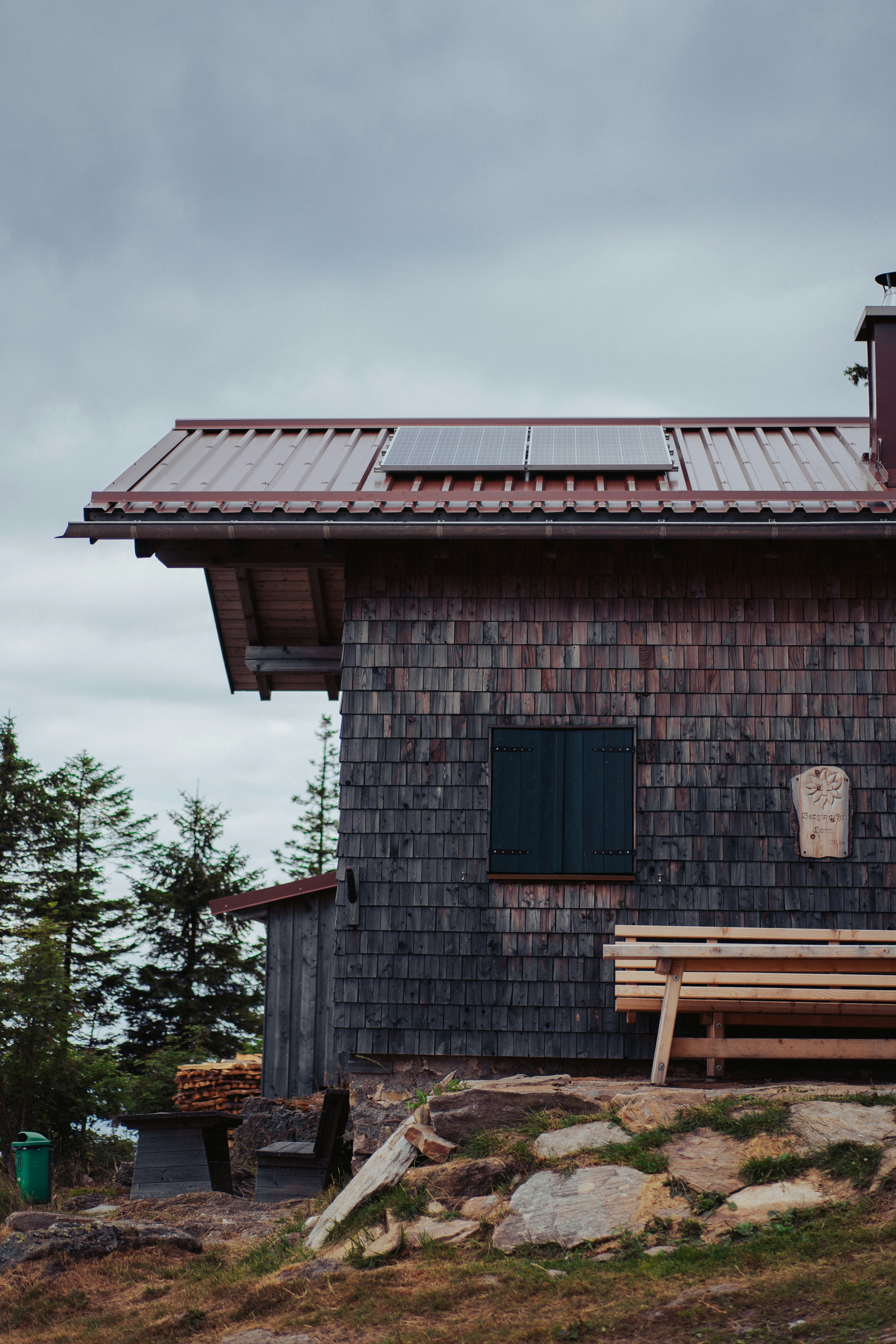
Back in the day, “off-grid” was just called “living.” Our ancestors didn’t have a choice. But as the 20th century rolled in, the push for modernization led to the creation of the International Building Code (IBC) and the National Electrical Code (NEC).
These codes were designed for safety—preventing house fires and cholera outbreaks—but they also effectively mandated a “one-size-fits-all” approach to housing. By the 1950s, many cities began passing laws that made it illegal to occupy a dwelling that wasn’t hooked up to the “civilized” world.
Today, the movement is swinging back. With the rise of climate change awareness, more people are looking to disconnect. We are seeing a legal tug-of-war between old-school zoning and new-age conservation tips.
🗺️ State-by-State Breakdown: Where Off-Grid Living is Banned, Restricted, or Encouraged
Not all states are created equal. Some will welcome you with open arms (and low taxes), while others will bury you in paperwork.
1. The “No-Go” Zones: States with Strict Zoning and Building Codes
- California: While CA is a leader in solar energy, its building codes are legendary for their complexity. Title 24 regulations make building an off-grid “Earthship” incredibly difficult.
- Florida: Infamous for the “Robin Speronis” case, where a woman was told her off-grid lifestyle violated city ordinances regarding utility connections.
- New Jersey: High population density means almost every inch of land is governed by strict municipal codes.
2. The “Gray Areas”: States with Ambiguous Laws and Local Variances
- Oregon: Great for biodiversity conservation, but strict land-use laws can make building a new homestead on agricultural land a nightmare.
- Colorado: They’ve recently relaxed rainwater laws, but “water rights” are still a legal minefield. You can’t always just catch what falls from the sky!
3. The “Green Havens”: States Most Friendly to Off-Grid Homesteading
- Texas: Large swaths of unincorporated land and a cultural “leave me alone” attitude.
- Missouri: Very few building codes in rural counties. You can practically build a castle out of tires and no one will blink.
- Alaska: The ultimate frontier. If you can survive the winter, the state generally stays out of your way.
🏠 Navigating Building Codes: Can You Legally Build a Tiny Home or Earthship?
This is where things get spicy. You want a Tumbleweed Tiny House, but the county says your house must be at least 1,000 square feet. What gives?
Most building codes are based on the International Residential Code (IRC). In 2018, “Appendix Q” was added to the IRC, which finally provided standards for tiny houses. However, your local jurisdiction must adopt Appendix Q for it to matter.
The Earthship Dilemma:
Earthships (homes made of recycled materials like tires and bottles) often run afoul of “traditional” building materials codes. If you’re going this route, you’ll likely need a stamped engineer’s report to prove your tire wall won’t collapse.
Gone Greenish™ Rating: Off-Grid Shelter Options
| Shelter Type | Eco-Friendliness | Legal Ease | Durability |
|---|---|---|---|
| Tiny House (on wheels) | 🌿🌿🌿🌿 | ⚖️⚖️ | 🏗️🏗️ |
| Shipping Container | 🌿🌿🌿 | ⚖️⚖️⚖️ | 🏗️🏗️🏗️🏗️ |
| Earthship | 🌿🌿🌿🌿🌿 | ⚖️ | 🏗️🏗️🏗️🏗️🏗️ |
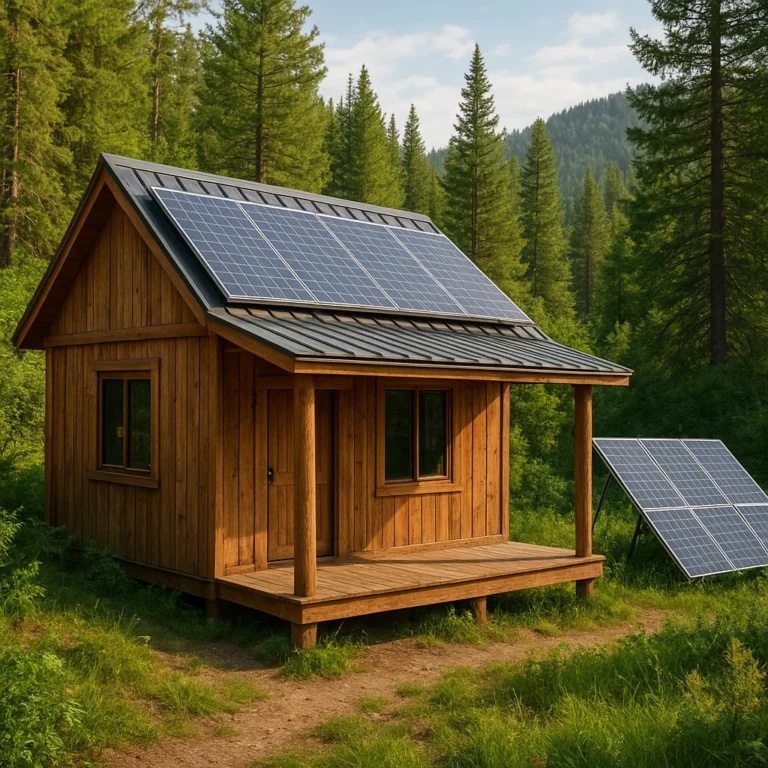
| Log Cabin | 🌿🌿🌿 | ⚖️⚖️⚖️⚖️ | 🏗️🏗️🏗️🏗️ |
💧 Water Rights and Sewage: The Legal Hurdles of Going Off-Grid
You can live without Netflix, but you can’t live without water. And you definitely shouldn’t live without a plan for your waste.
- Rainwater Harvesting: In states like Utah and Washington, the “water” belongs to the state, even if it falls on your roof. Always check local water rights before buying a Bushman Rain Tank.
- Well Drilling: You usually need a permit to drill a well, and some areas have “moratoriums” on new wells due to drought.
- The Septic Struggle: This is the #1 reason off-grid dreams die. Most counties require a permitted septic system. Composting toilets like the Nature’s Head are amazing for the environment, but some health departments still consider them “illegal” for primary residences.
CHECK PRICE on Composting Toilets:
- Nature’s Head Self-Contained Toilet: Amazon | Etsy | Nature’s Head Official
- Separett Villa: Amazon | Separett Official
⚡️ Energy Independence: Solar, Wind, and the Legalities of Powering Your Home
Generating your own power is the most “legal” part of off-grid living, but there’s a catch: Grid-Tie Mandates. Some cities require that if a power line runs past your property, you must connect to it and pay a monthly minimum fee, even if you never use a single kilowatt.
To avoid this, many off-gridders look for land that is “too far” from the grid for the utility company to economically connect.
Product Spotlight: EcoFlow Delta Pro
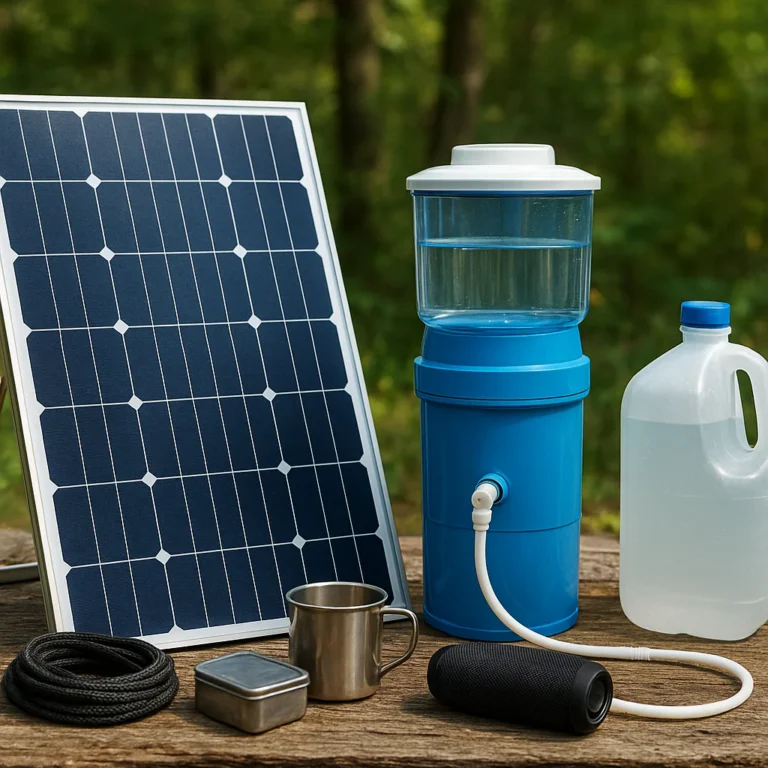
We’ve tested the EcoFlow Delta Pro during a week-long “unplugged” experiment, and it’s a beast.
| Feature | Rating (1-10) | Notes |
|---|---|---|
| Portability | 6 | It’s heavy, but has wheels! |
| Capacity | 10 | 3.6kWh is enough for heavy appliances. |
| Charging Speed | 9 | Charges incredibly fast from AC or Solar. |
| App Interface | 9 | Very intuitive for monitoring usage. |
👉 Shop Solar Generators on:
- EcoFlow: Amazon | EcoFlow Official
- Bluetti: Amazon | Walmart
- Renogy Solar Kits: Amazon | Renogy Official
🚫 The Myth of “No Documentation”: What Happens If You Live Without ID or Taxes?
We saw a heated debate on a Quora thread (mentioned in our competitive summary) about living “fully” off-grid—meaning no ID, no social security number, and no taxes.
Let’s be real: This isn’t “off-grid”; this is “off-the-map,” and it’s a legal nightmare.
- Property Taxes: If you own land, you owe taxes. If you don’t pay them, the government will eventually seize your land.
- Documentation: You need an ID for almost everything—buying land, registering a vehicle, or even getting a library card.
Living off-grid is about resource independence, not becoming a ghost. We recommend staying “on-grid” with the law while being “off-grid” with your utilities. It keeps the helicopters from circling your cabin, trust us.
🛡️ How to Live Off-Grid Legally: A Step-by-Step Guide to Avoiding Eviction
Want to avoid the fate of those who get shut down by code enforcement? Follow our Gone Greenish™ battle plan:
- Research Zoning BEFORE You Buy: Look for “Unrestricted” or “Agricultural” zoning. Call the county planning office and ask: “Is there a minimum square footage for a dwelling?” and “Is a composting toilet allowed?”
- Get a Permit for the “Big Three”: Even if you do the work yourself, get permits for your septic, well, and solar array. This makes your home “legal” in the eyes of the bank and the state.
- Don’t Be a Nuisance: Most code enforcement actions start with a neighbor’s complaint. Keep your homestead tidy. If your “off-grid paradise” looks like a junkyard, expect a visit from the authorities.
- Consider an “RV” Loophole: In some areas, you can live in an RV or Tiny House on wheels if you move it every 30 days—but this is a stressful way to live. Better to find land where you can be permanent.
🧠 Common Myths vs. Legal Realities About Off-Grid Living
- Myth: “I can’t be evicted from land I own.”
- Reality: You absolutely can. If your home is deemed a “health hazard” (usually due to improper sewage), the county can condemn the structure and force you out.
- Myth: “Rainwater is free for everyone.”
- Reality: In the Western US, “Prior Appropriation” doctrine means someone else might own the rights to the water that falls on your roof.
- Myth: “Solar panels are illegal in some states.”
- Reality: No, but disconnecting from the grid while having solar panels can be restricted in dense urban areas.
📝 Real-Life Case Studies: Success Stories and Cautionary Tales
The Success: The “Unincorporated” Win
Our friend Sarah bought 5 acres in a rural county in Missouri. Because there were no building codes, she built a beautiful cordwood home with a Renogy Solar System. She pays her property taxes, has a permitted septic tank, and the local government leaves her entirely alone. Total cost? Less than a down payment on a San Francisco condo.
The Cautionary Tale: The “City Limits” Disaster
A couple in Florida tried to go off-grid in a suburban neighborhood. They disconnected their water and electricity. Within three months, the city declared the house “unfit for human habitation” because it lacked running water (even though they had a high-tech filtration system). They lost their home in a legal battle that cost thousands.
The Lesson: Location isn’t just about the view; it’s about the jurisdiction.
But wait… if the law is so tricky, how do you actually find the “perfect” plot of land without getting scammed? And what’s the one hidden tax that off-gridders always forget to calculate? We’ll reveal the secrets to the “Off-Grid Land Search” in the next section!
🎯 Conclusion: Is It Time to Cut the Cord?
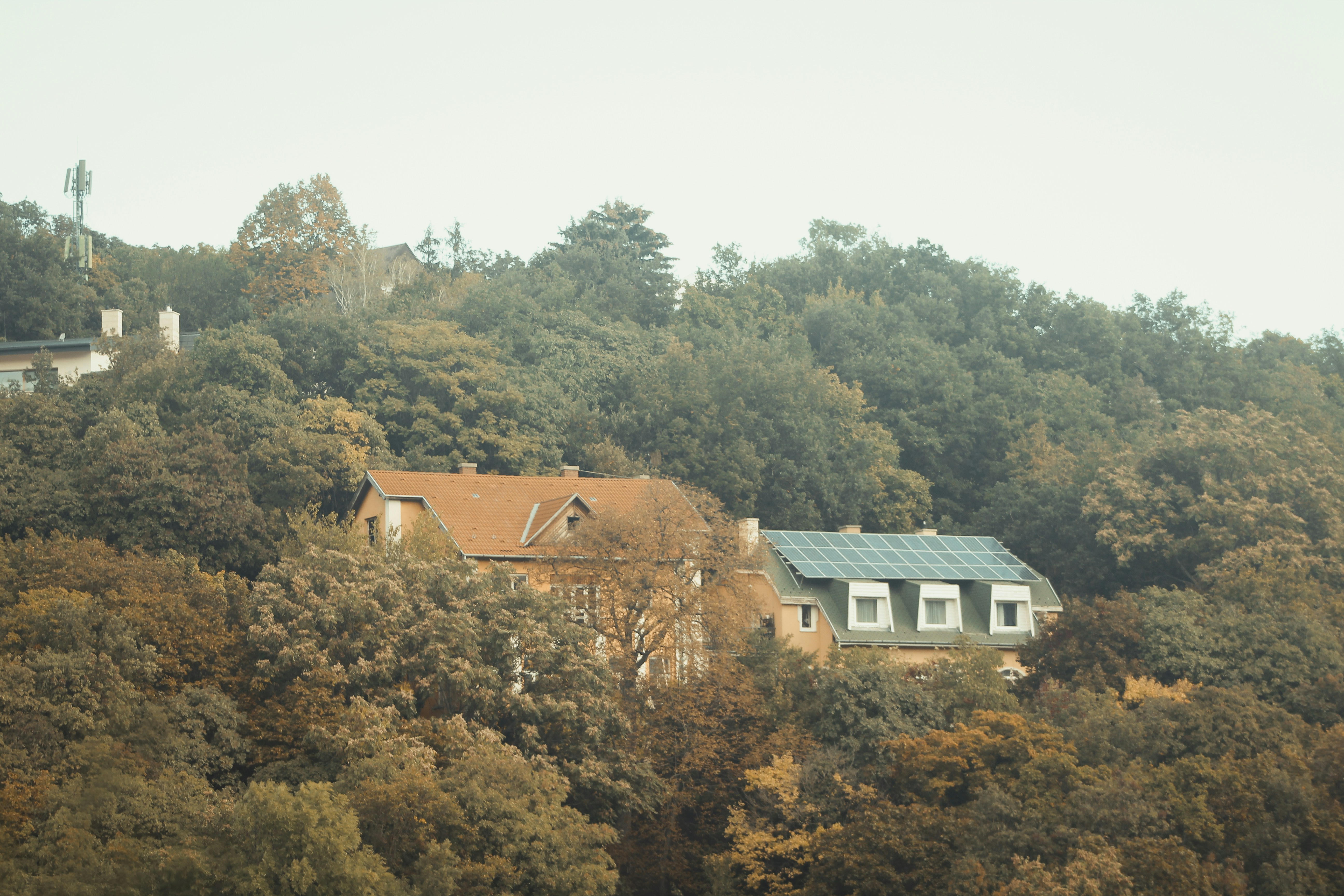
So, we’ve journeyed through the legal thickets, dissected water rights, and debated the merits of composting toilets. You asked the big question: Is it illegal to live off the grid in America?
Here is the final verdict from the Gone Greenish™ team: No, it is not illegal. But, it is heavily regulated.
Living off-grid is a legal right in the United States, provided you navigate the labyrinth of local zoning laws, building codes, and health regulations. The “myth” of living completely without documentation or taxes is just that—a myth. As we resolved earlier, trying to live as a “ghost” without paying property taxes or adhering to sanitation codes will lead to eviction, not freedom. True off-grid living is about resource independence, not legal evasion.
The Hidden Tax We Mentioned:
Remember that question about the “hidden tax” we teased? It’s not a government fee; it’s the cost of compliance. Whether it’s the thousands spent on a permitted septic system, the legal fees to navigate zoning variances, or the premium for land in an unincorporated county, the “price” of freedom is often higher upfront than a standard mortgage. But for the peace of mind of breathing clean air and knowing your energy source, many of us at Gone Greenish™ believe it’s a price worth paying.
Final Recommendation:
If you are ready to take the leap, do not skip the research phase.
- Target Unincorporated Areas: Look for land outside city limits where county codes are more lenient.
- Prioritize Water & Waste: Before buying land, verify your ability to legally harvest rainwater and manage sewage.
- Get Permitted: Even if you build it yourself, get the permits. It protects your investment and your sanity.
Living off-grid is a journey toward sustainable living and carbon footprint reduction. It’s not easy, but with the right legal groundwork, it’s the most rewarding lifestyle change you can make.
🔗 Recommended Links for Aspiring Off-Griders
Ready to gear up? Here are the top products, brands, and resources we trust for a legal and sustainable off-grid life.
🏠 Essential Off-Grid Gear & Brands
- Solar Power Systems:
- EcoFlow Delta Pro: Amazon | EcoFlow Official
- Renogy Solar Kits: Amazon | Renogy Official
- Jackery Solar Generators: Amazon | Jackery Official
- Water & Waste Management:
- Nature’s Head Composting Toilet: Amazon | Nature’s Head Official
- Separett Villa 9210: Amazon | Separett Official
- Bushman Rainwater Tanks: Bushman USA Official
- Tiny Home & Shelter:
- Tumbleweed Tiny Houses: Tumbleweed Official
- Shipping Container Homes: Container Home Search on Amazon
📚 Must-Read Books on Off-Grid Living
- “Off-Grid Living: The Complete Guide to Living Off the Grid” by Michael Hackleman: Amazon
- “The Self-Sufficient Life and How to Live It” by John Seymour: Amazon
- “Earthship Bioarchitecture: How to Build Your Own Off-Grid Home” by Michael Reynolds: Amazon
❓ FAQ: Your Burning Questions About Off-Grid Legality Answered
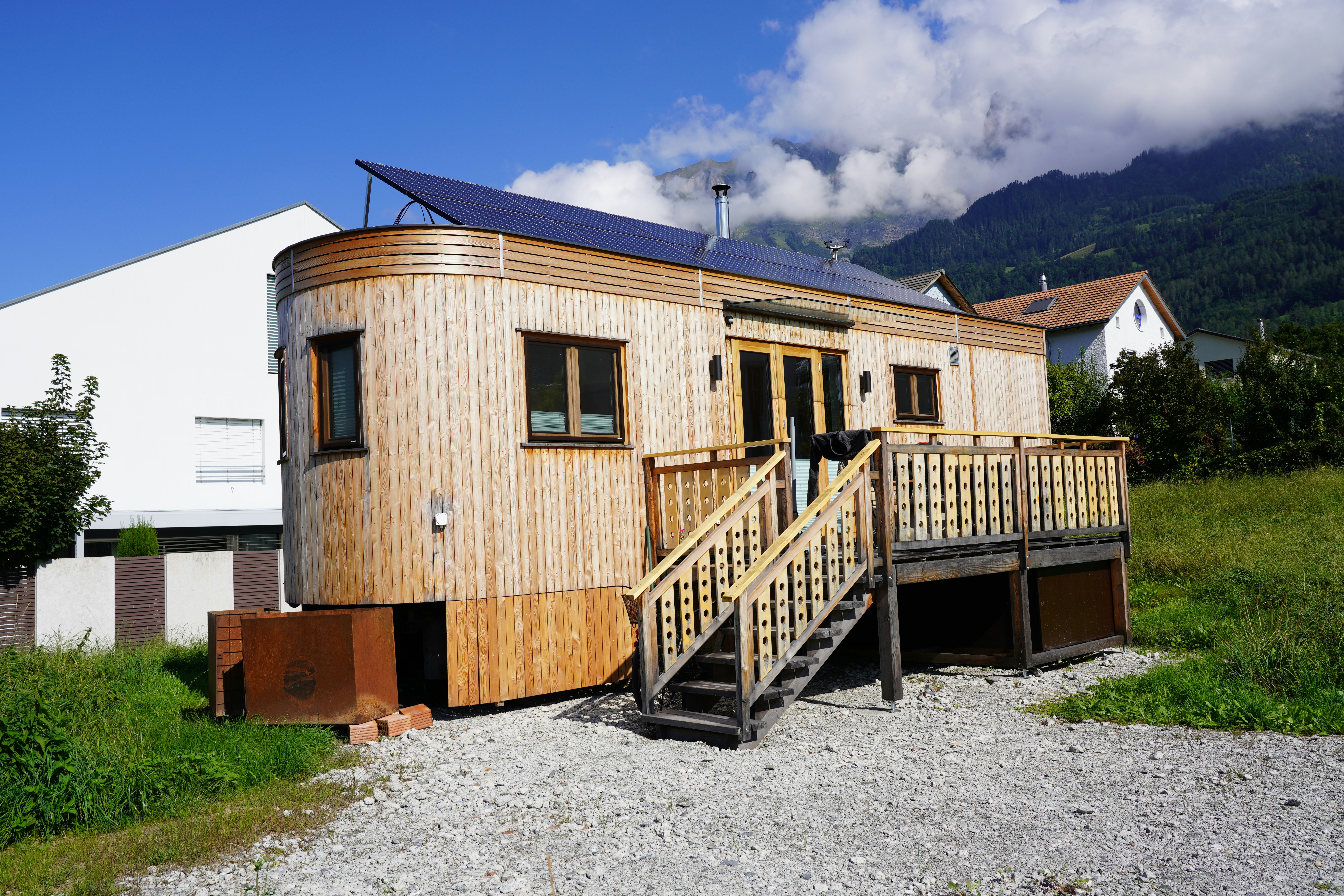
What are the legal requirements for off-grid living in the US?
There is no single federal requirement. Instead, you must comply with local zoning ordinances and building codes. Generally, this means:
- Permits: You usually need permits for wells, septic systems, and major electrical work.
- Minimum Standards: Your home must often meet minimum square footage and safety standards (like fire exits).
- Sanitation: You must have a legal method for waste disposal (permitted septic or approved composting system).
- Taxes: You must pay property taxes on the land you own.
Can you live off the grid without paying property taxes?
❌ No. Owning land in the US comes with the obligation to pay property taxes, regardless of whether you use city water, electricity, or roads. If you fail to pay, the county can place a lien on your property and eventually foreclose, forcing you to sell or lose the land. Living “off-grid” refers to utilities, not tax evasion.
Are there states where off-grid living is illegal?
❌ No state has a blanket ban on off-grid living. However, some states (like California, Florida, and New Jersey) have very strict building codes and zoning laws that make it extremely difficult to live off-grid legally, especially in urban or suburban areas. In these states, you may need to live in rural, unincorporated counties to find flexibility.
How do off-grid homes meet health and safety codes?
Off-grid homes meet codes by using approved alternative systems:
- Water: Permitted wells or rainwater catchment systems with filtration that meets state health standards.
- Waste: Engineered septic systems or composting toilets that are certified by the EPA or local health departments.
- Energy: Solar and wind systems installed by licensed electricians (or inspected DIY) that meet the National Electrical Code (NEC).
- Structure: Homes built to the International Residential Code (IRC), including Appendix Q for tiny homes.
What are the environmental benefits of living off the grid?
Living off-grid significantly reduces your carbon footprint and promotes biodiversity conservation.
- Energy: You generate clean, renewable energy, reducing reliance on fossil fuels.
- Water: Rainwater harvesting reduces strain on municipal aquifers.
- Waste: Composting toilets and organic waste recycling return nutrients to the soil instead of polluting waterways.
Is it possible to live off the grid legally in California?
✅ Yes, but it’s challenging. California has strict building codes (Title 24) and water rights laws. However, it is possible in rural, unincorporated counties (like parts of Humboldt, Trinity, or Modoc counties) where zoning is more flexible. You will likely need to navigate complex water rights and obtain specific permits for alternative waste systems.
How does off-grid living impact personal health and wellness?
- Physical Health: Access to fresh, organic food and clean air can improve overall health. However, the physical labor of maintaining a homestead can be demanding.
- Mental Health: Many report reduced stress from disconnecting from the “rat race” and reconnecting with nature. However, isolation and the pressure of self-sufficiency can be challenging for some.
- Community: Building a network of like-minded neighbors is crucial for emotional support and resource sharing.
What about the “No Documentation” lifestyle?
Living without a Social Security number, ID, or tax records is not a viable or legal option for a primary residence. It leads to an inability to buy land, open bank accounts, or access emergency services. The “off-grid” movement is about energy and resource independence, not legal invisibility.
📚 Reference Links and Legal Sources
For those who want to dig deeper into the legal and technical aspects of off-grid living, here are our trusted sources:
- National Renewable Energy Laboratory (NREL): Solar and Wind Resources
- U.S. Department of Agriculture (USDA): Rural Development Resources
- National Conference of State Legislatures (NCSL): State Rainwater Harvesting Laws
- International Code Council (ICC): Building Codes & Standards
- EcoWatch: Off-Grid Living Guide
- Quora Discussion: Is it legal to live ‘fully’ off grid? Without documentation etc?
- Gone Greenish™: Off-Grid Living Ultimate Guide
- Gone Greenish™: Carbon Footprint Reduction
- Gone Greenish™: Conservation Tips
- Gone Greenish™: Eco-Conscious Brands
- Gone Greenish™: Climate Change
- Gone Greenish™: Biodiversity Conservation