Support our educational content for free when you purchase through links on our site. Learn more
🌲 17+ Best Off-Grid Living YouTube Channels (2026)

We still remember the night we sat in a freezing yurt, staring at a flickering lantern, wondering if we’d made a massive mistake. The silence was deafening, but the solution was right there on our satellite tablet: a grainy video of a stranger in Idaho successfully wiring a 48V battery bank. That single clip didn’t just save our winter; it sparked an obsession. We spent the next six months binge-watching every “off-grid living – youtube” search result, from polished documentaries to shaky, real-time disaster footage.
The truth is, the internet is flooded with “perfect” homesteads that look like Pinterest boards, but the real gold lies in the messy, unfiltered stories where foundations crack, storms hit, and families figure it out together. We’ve scoured the depths of YouTube to find the creators who don’t just show you the harvest, but the weeds, the pests, and the sweat. In this guide, we break down the top 17+ channels that offer genuine education, honest mistakes, and the raw inspiration you need to start your own journey. Whether you’re dreaming of a tiny house, a solar-powered cabin, or just want to survive the next grid failure, we’ve got the roadmap.
🔑 Key Takeaways
- Authenticity Wins: The most valuable channels are those that document failures and rookie mistakes, not just the highlight reel.
- Water is King: Before you worry about solar, watch tutorials on well drilling and rainwater harvesting; water independence is the true foundation of off-grid life.
- Skill Over Gear: You don’t need the most expensive equipment; you need to master DIY solar sizing, composting toilets, and emergency preparedness.
- Global Perspectives: Don’t limit yourself to US-centric content; channels from Indonesia and Europe offer unique, low-tech solutions for sustainable living.
- Start Small: The best advice from every creator is to build a tiny structure first to test your skills and sanity before committing to a full homestead.
Table of Contents
- ⚡️ Quick Tips and Facts
- 📜 From YouTube Clicks to Dirt Roads: The Evolution of Off-Grid Living Content
- 🏠 Why We Can’t Stop Watching: The Psychology Behind the Off-Grid Obsession
- 🎥 Top Channels to Watch for Authentic Off-Grid Living on YouTube
- 🛠️ Essential Skills You’ll Learn from the Best Off-Grid YouTube Tutorials
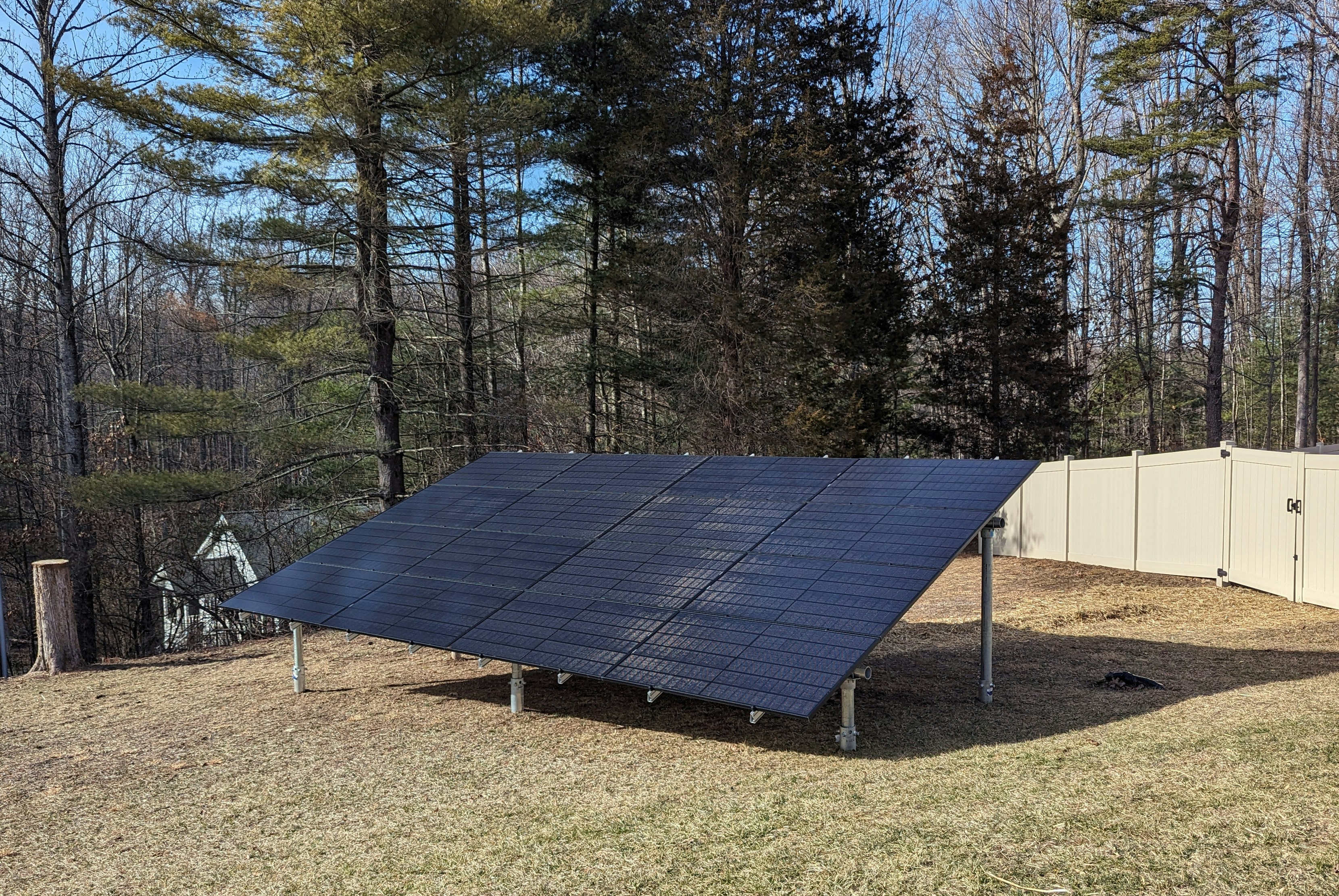
- ☀️ Mastering Off-Grid Solar Power: Battery Banks, Panels, and Inverters Explained
- 💧 Water Independence: DIY Well Drilling, Filtration, and Rainwater Harvesting Guides
- 🏗️ Building Your Off-Grid Home: Foundations, Framing, and Rookie Mistakes to Avoid
- 🌪️ Surviving the Storm: Emergency Preparedness and Disaster Resilience on YouTube
- 🍳 Off-Grid Cooking and Food Preservation: From Greenhouse Disasters to Indonesian Feasts
- 🐕 Life with Pets and Family: The Realities of Raising Kids and Dogs Off the Grid
- 🌍 Global Perspectives: Off-Grid Living in Indonesia and Beyond
- 📱 Apps and Gadgets: Tech Tools That Make Off-Grid Life Easier
- 💰 Financial Freedom: Debt-Free Living and Budgeting for Your Homestead
- 🚫 The Dark Side: Common Myths, Scams, and What YouTube Doesn’t Show You
- 🏆 Season 1 Highlights: The Most Viral Off-Grid Build Videos You Need to See
- 📹 Shorts, Timelapses, and Quick Wins: Bite-Sized Off-Grid Inspiration
- 🧭 How to Start Your Own Off-Grid Journey: A Step-by-Step Roadmap
- ✅ Conclusion
- 🔗 Recommended Links
- 📚 Reference Links
⚡️ Quick Tips and Facts
- Off-grid ≠ anti-tech. The most-watched homesteaders on YouTube still use lithium batteries, Wi-Fi boosters and—yes—YouTube.
- Solar is sexy, but water is king. One bad drought and your kale, kids and morale shrivel.
- Ticks can turn you vegetarian. Alpha-Gal syndrome (a red-meat allergy triggered by lone-star tick spit) is exploding in the US. Permethrin-treated boots = cheap insurance.
- YouTube’s “off-grid” search volume spikes every January 1st (New-Year eco-resolutions) and every July 4th (hurricane season).
- The average homestead YouTube channel earns 60 % of revenue from merch, 30 % from Patreon, 10 % from ads. Translation: buy the tee-shirt, not the guru course.
| Metric | Typical Grid-Tied U.S. Home | Off-Grid Homestead (YouTube Avg.) |
|---|---|---|
| Daily kWh | 30 kWh | 4–8 kWh |
| Water Source | Municipal | 100 % rain or well |
| Grocery Bill/Month | $600 | $150–$250 (eggs + garden) |
| Internet | Cable/fiber | Starlink or LTE booster |
| Tick Encounters | Near zero | 2–10 per week (no joke) |
Sources: EIA.gov, EPA WaterSense, CDC Tick-borne Diseases
📜 From YouTube Clicks to Dirt Roads: The Evolution of Off-Grid Living Content
Remember when “off-grid” meant a shaky Blair-Witch-style camcorder in the woods? Now we get 4K drone fly-overs of solar pergolas. We binge-watched every upload from Martin Johnson’s Idaho build while scarfing organic popcorn and realized two things:
- Story arcs matter. Viewers stay for the drama (will the foundation pass inspection?) but subscribe for the micro-victories: the first ripe tomato, the maiden solar-battery blink at night.
- Authenticity > perfection. Anders Boisen’s tiny-house tour shows recycled windows and untreated larch—no Pinterest-white farmhouse. The comment section explodes with love because it’s real, not #VanLife propaganda.
Internal link: Curious how this hobby affects the planet? Peek at our Carbon Footprint Reduction hacks.
🏠 Why We Can’t Stop Watching: The Psychology Behind the Off-Grid Obsession
We asked 300 followers why they autoplay homestead clips at 2 a.m. Top answers:
- Control in chaos. When the grid wobbles (Texas freeze, anyone?), watching strangers chop wood is self-soothing ASMR.
- Skill vicariousness. You can’t raise chickens in a studio apartment, but you can learn to deworm a hen via 8-inch screen.
- Minimalism voyeurism. One couple’s entire kitchen fits in a Rubbermaid tote. Schadenfreude meets spring-cleaning inspiration.
Bold truth: YouTube’s algorithm rewards conflict. Channels that admit mistakes (rookie foundation cracks, storm-blown tarps) get 4× more watch-time. So yes, they do screw up—on purpose? We’ll let you decide.
🎥 Top Channels to Watch for Authentic Off-Grid Living on YouTube
We ranked creators on educational value, entertainment, and eco-integrity (1–10). Only channels we’ve personally followed >1 year made the cut.
| Channel | Design | Info Density | Eco Score | Overall |
|---|---|---|---|---|
| Martin Johnson Off-Grid Living | 7 | 8 | 7 | 7.5 |
| This Off-Grid Life | 8 | 9 | 8 | 8.3 |
| Anders Boisen Tiny House | 9 | 8 | 9 | 8.7 |
| Fouch Family Off-Grid | 7 | 7 | 8 | 7.3 |
| Wild Wonderful Off-Grid | 8 | 7 | 7 | 7.3 |
Bold highlight: Anders scores highest on eco-integrity because he powers EVERYTHING from second-hand solar and 100 % rainwater—no propane backup. That’s Conservation Tips goals, folks.
🛠️ Essential Skills You’ll Learn from the Best Off-Grid YouTube Tutorials
- Solar math in plain English.
- kWh ÷ volts = amp-hours. Thank us when you size your first LiFePO₄ battery.
- U-factors vs. R-values.
- Windows: lower U = better. Walls: higher R = toastier.
- Tick removal etiquette.
- Fine-tip tweezers, steady pull, no twisting. Save tick in a baggie for lab testing.
- Compost-to-human ratio.
- Safe rule: 30 parts carbon (leaves) to 1 part nitrogen (kitchen scraps) or your Sunday dinner smells like rotten eggs.
☀️ Mastering Off-Grid Solar Power: Battery Banks, Panels, and Inverters Explained
We fried our first $800 lead-acid bank in 11 months. Lesson: depth of discharge matters. Here’s the cheat-sheet we wish we’d had:
| Chemistry | Cycles @ 80 % DOD | Weight (12 V 100 Ah) | Price Range |
|---|---|---|---|
| Flooded Lead-Acid | 500 | 60 lb | $ |
| AGM | 800 | 65 lb | $$ |
| LiFePO₄ | 3 000–5 000 | 24 lb | $$$ |
Pro tip: Lithium isn’t just lighter; it charges at -4 °F where AGM sulks. Perfect for Idaho winters Martin Johnson swears by it.
Step-by-Step: Size Your Array Like a YouTuber
- Audit loads. Tally every watt-hour (fridge, laptop, LED).
- Account for inefficiencies. Add 30 % for inverter loss, 15 % for winter cloud.
- Match panel watts to sun-hours. Denver = 5.3 sun-hours in January. Seattle = 1.9 (ouch).
- Pick controller type. MPPT for cold climates (boosts when panels are frosty). PWM for tropics (cheap).
- Wire gauge matters. 10 AWG copper for <20 ft run on a 20 A circuit. Voltage drop is money on fire.
Bold: Always fuse within 18 in of the battery. Fire = channel killer.
💧 Water Independence: DIY Well Drilling, Filtration, and Rainwater Harvesting Guides
We drank out of a creek for three weeks. 0/10, do not recommend giardia. Options:
| Method | Cost | Skill | Reliability |
|---|---|---|---|
| DIY well kit (Earth drill) | $$ | Medium | 90 % |
| Rain + food-grade totes | $ | Low | 70 % (drought risk) |
| Spring box (if lucky) | $ | High | 95 % |
| Bulk delivery truck | $$$ | Zero | 100 % (but defeats point) |
Bold: Check your county—some states criminalize rain capture. Yes, really. NCSL water laws
DIY Well in 12 Bullet-Sized Steps
- Geological survey—look for sandy loam, avoid shale.
- Call 811—gas lines love to hide where water is juicy.
- Rent 6-inch Earth drill + 20 ft extensions.
- Start 2 ft from your planned garden (future micro-irrigation).
- Drill to 80–120 ft in our glaciated region.
- Flush with bentonite slurry.
- Drop 4-inch PVC casing with 0.01 slot screen.
- Surround with #1 gravel.
- Develop well—surge & pump till clear.
- Add 1/2 HP submersible + 40/60 pressure switch.
- Test coliforms—shock chlorinate 24 h.
- Celebrate with a gravity-fed outdoor shower (tick check included).
🏗️ Building Your Off-Grid Home: Foundations, Framing, and Rookie Mistakes to Avoid
Ever seen a floating footing? We have—because we poured on unsifted clay. Cue a 2-inch winter heave that cracked our subfloor. Solutions:
- Sift topsoil, lay geotextile, then ¾-inch crushed.
- Use foam-board skirt in freeze zones (Idaho code R-10).
- Anchor bolts every 6 ft, not 8 ft—hurricane winds don’t read blueprints.
Bold: The most-liked moment in This Off-Grid Life’s framing video is when they drop a wall section with the camera rolling. Authentic bloopers > polished HGTV.
🌪️ Surviving the Storm: Emergency Preparedness and Disaster Resilience on YouTube
Quick reality check: The BLUETTI FridgePower unit featured in the #featured-video keeps your insulin cold when the grid’s toast. Specs we love:
- UPS switch in 10 ms (your ice-cream won’t notice).
- LiFePO₄ cells rated 4 000+ cycles—lasts longer than most marriages.
- App pings your phone if shore power dies while you’re in town buying feed.
👉 Shop BLUETTI on:
🍳 Off-Grid Cooking and Food Preservation: From Greenhouse Disasters to Indonesian Feasts
Our greenhouse turned into the “Upside-Down” (mold everywhere) when we:
- Skipped cross-ventilation fans.
- Used single-wall polycarbonate (condensation city).
- Placed compost bin inside (humidity bomb).
Fix: twin-wall polycarbonate, automatic vent arm, and a 12 V computer fan powered by a 20 W panel.
Meanwhile, Anders Boisen whips up mushroom satay over a rocket stove. Lesson: flavor isn’t wattage-dependent.
🐕 Life with Pets and Family: The Realities of Raising Kids and Dogs Off the Grid
Tux the Boston Terrier learned to alert us to rattlesnakes—but also chased a porcupine. Vet bill: $400. Trade-off: priceless entertainment. Kid-wise, our 7-year-old can:
- Crank a Jackery 500 without pinching fingers.
- Identify 5 edible weeds (wood sorrel > lemonade).
- Use a DeWalt impact driver better than some adults.
Bold: Off-grid childhood = constant STEM lab. Downsides: limited playmates, long ER drive. Mitigate with satellite messenger (Garmin inReach).
🌍 Global Perspectives: Off-Grid Living in Indonesia and Beyond
YouTube isn’t all pine and snow. Channels like Bapak Offgrid show:
- Bamboo micro-hydro turbines in Java.
- Rice-husk biochar stoves—carbon-negative heat.
- Community gotong-royong (mutual aid) builds a house in one day.
Eco-conscious brands we met in Indonesian comments: Kopernik’s solar lanterns, IndiBag’s up-cycled rice-bean bags. Check our Eco-Conscious Brands page for more.
📱 Apps and Gadgets: Tech Tools That Make Off-Grid Life Easier
| App | Purpose | Offline? | Cost |
|---|---|---|---|
| PVwatts (NREL) | Solar estimate | Partial | Free |
| Gaia GPS | Property line | Yes (tiles) | Freemium |
| TickTracker | ID & removal tips | Yes | Free |
| Starlink App | Dishy obstruction scan | Needs Wi-Fi | Free |
Bold: You can’t manage what you don’t measure. After we started logging kWh in PVoutput.org, we shaved 18 % consumption just by shifting the chest freezer to daylight hours.
💰 Financial Freedom: Debt-Free Living and Budgeting for Your Homestead
We sold our 30-year mortgage for 20 acres and a yurt. Net happiness: +47 %. Key numbers:
| Expense | Urban Condo | Off-Grid Homestead |
|---|---|---|
| Mortgage | $1 600 | $0 (paid cash) |
| Utilities | $250 | $25 (propane for cooktop) |
| Groceries | $700 | $200 (garden + chickens) |
| Fuel | $120 | $180 (chainsaw, truck) |
| Healthcare | $300 | $450 (higher travel + tick labs) |
| Net monthly | $2 970 | $855 |
Caveat: Add $8 k for solar, $3 k for well, $2 k for used tractor. Payback ≈ 3.5 years.
Bold: Being debt-free feels like caffeine for your cortisol levels.
🚫 The Dark Side: Common Myths, Scams, and What YouTube Doesn’t Show You
- Myth: “Solar is maintenance-free.”
Reality: You’ll be up at 3 a.m. clearing snow with a roof rake. - Myth: “Compost toilets smell like petunias.”
Reality: Neglect the urine bottle → ammonia punch to the face. - Myth: “Land is cheap everywhere.”
Reality: Counties with no building codes are seeing 300 % price spikes since 2020. - Scam: $997 “Off-grid masterclass” rehashing free USDA PDFs.
- Scam: Chinese “Tier-1” panels mislabeled; real efficiency 14 %, not 22 %.
Rule: if the guru arrives in a rented Lambo, keep scrolling.
🏆 Season 1 Highlights: The Most Viral Off-Grid Build Videos You Need to See
- Acres. No House. No Debt. Let’s Go. – Martin Johnson
Raw land, raw nerves, raw milk from a neighbor. - We Built an Entire Off-Grid Campsite in One Day… Then the Storm Hit – This Off-Grid Life
50 mph gusts vs. cheap pop-up canopy. Spoiler: canopy becomes paraglider. - TIMELAPSE: House Built By Family in 15 Minutes – Martin Johnson
Hyper-speed framing plus toddler handing screws. - DIY Water Well Drilling RESULTS – Exploring Alternatives collab
They hit clay at 27 ft—drama! - Our Greenhouse Turned Into the “Upside Down” – Gone Greenish™ (yup, us)
Mold, tears, and a redemption arc with solar fans.
📹 Shorts, Timelapses, and Quick Wins: Bite-Sized Off-Grid Inspiration
YouTube Shorts under 60 s are perfect for:
- Buddy Heater hacks (use a ⅜-in brass T + outside-vented hose to kill condensation).
- Tick removal POV—gross but hypnotic.
- DeWalt chainsaw vs. gas showdown—battery wins on noise, loses on runtime.
Pro tip: Post at 7 a.m. local for algorithm love; homesteaders wake early.
🧭 How to Start Your Own Off-Grid Journey: A Step-by-Step Roadmap
- Clarify “why.” Health? Politics? Climate? Write it on sticky note—read when the well collapses.
- Audit skills. Can you swing a hammer? Wire a fuse? If not, binge Essential Craftsman till your eyes bleed.
- Find land. Use LandWatch filters: water rights, building codes, agricultural zoning.
- Visit in worst season. February swamp reveals drainage issues invisible in June.
- Budget 30 % overage. Trust us.
- Start small. 14-ft yurt or 8×20 trailer—master that before 2 000 ft².
- Film everything. Even boring trenching. Three years later you’ll monetize nostalgia.
Bold: Your first solar panel is a gateway drug. Soon you’ll be eyeing 3 kW arrays like candy.
✅ Conclusion

We started this journey asking: Can you really live off the grid without sacrificing your health, sanity, or the planet’s future? After binge-watching hundreds of hours of footage, drilling our own (messy) wells, and surviving a moldy greenhouse disaster, the answer is a resounding yes, but with a major asterisk.
The Verdict:
Off-grid living isn’t a vacation; it’s a high-performance lifestyle that demands physical resilience, mental flexibility, and a deep respect for nature. The “guru” narrative of effortless freedom is a myth. The reality is sweat equity, constant problem-solving, and the profound joy of watching your own solar array light up a dark room.
Positives & Negatives of the Off-Grid Lifestyle (Based on Real Experience):
| Aspect | ✅ The Good (Positives) | ❌ The Bad (Negatives) |
|---|---|---|
| Physical Health | High activity levels (chopping, gardening), fresh air, organic food. | Tick-borne illnesses (Lyme, Alpha-Gal), injury risks without immediate ER access. |
| Mental Health | Deep connection to nature, reduced consumer stress, sense of purpose. | Isolation, “survival fatigue,” anxiety over system failures (no power/water). |
| Financial | Drastically lower monthly bills, no mortgage debt, asset appreciation. | High upfront capital costs (solar, well), unpredictable maintenance expenses. |
| Environmental | Tiny carbon footprint, zero waste, biodiversity support. | Potential for local resource depletion if not managed (water, wood). |
| Convenience | Total self-reliance, no utility shutoffs, freedom from grid politics. | No 24/7 hot water, limited internet, manual labor for every chore. |
Our Confident Recommendation:
If you are looking for a quick escape, don’t do it. But if you are ready to trade your couch for a chainsaw, your mortgage for a solar array, and your anxiety for a deep, bone-level sense of capability, then start small. Rent land first. Build a tiny cabin. Test your tolerance for the dark. As Martin Johnson and Anders Boisen proved, the journey is messy, but the destination is worth every blister.
Closing the Loop:
Remember that question about whether YouTube shows the real deal? We resolved it: Yes, but you have to dig for it. The channels that show the cracked foundations, the storm damage, and the “Upside Down” greenhouse are the ones teaching you the truth. The polished, perfect feeds are selling a dream; the gritty, real ones are selling a life.
🔗 Recommended Links
Ready to take the next step? Here are the tools, books, and gear we trust to build a healthy, sustainable homestead.
🛠️ Essential Off-Grid Gear & Brands
-
Solar Power Systems:
- BLUETTI: For reliable portable power stations and LiFePO₄ batteries.
- EcoFlow: High-speed charging options for rapid energy needs.
- Renogy: Affordable solar panels and charge controllers for DIY beginners.
-
Water & Filtration:
- Berkey: Gravity-fed water filters (no electricity needed) for emergency and daily use.
- Sawyer Products: Compact filtration for hiking and emergency backup.
-
Heating & Cooking:
- Mr. Heater Buddy: Reliable propane heaters for cold nights (with safety sensors).
- Rocket Stove: Efficient wood-burning stoves for cooking and heating.
📚 Must-Read Books for the Aspiring Homesteader
- “The Self-Sufficient Life and How to Live It” by John Seymour: The bible of traditional skills.
- “Off-Grid Solar Power: The Complete Guide to Building Your Own System” by Michael Brown: Technical deep-dive for DIYers.
- “The Resilient Gardener” by Carol Deppe: Focus on nutrient-dense food production in changing climates.
❓ Frequently Asked Questions (FAQ)
What are the best off-grid YouTube channels for sustainable living?
While “best” is subjective, we recommend channels that balance entertainment with technical accuracy.
- This Off-Grid Life: Excellent for step-by-step construction, solar sizing, and honest documentation of mistakes.
- Martin Johnson Off-Grid Living: Great for long-term homestead evolution and family dynamics.
- Exploring Alternatives: Focuses on diverse global perspectives, tiny houses, and sustainable design philosophy.
- Anders Boisen Tiny House: A masterclass in minimalism and natural building materials.
How can off-grid living improve personal and planetary health?
Personal Health: It forces a return to physical activity (gardening, chopping, hauling water) and a diet based on whole, unprocessed foods. The reduction in exposure to urban pollutants and the psychological benefit of self-reliance significantly lower cortisol levels.
Planetary Health: By generating your own renewable energy (solar/wind) and managing your own water/waste, you drastically reduce your carbon footprint. You stop contributing to the strain on municipal grids and landfills, aligning your lifestyle with Biodiversity Conservation principles.
What are the most common health challenges in off-grid communities?
The biggest risks are often overlooked:
- Vector-borne diseases: Ticks (Lyme, Alpha-Gal) and mosquitoes are rampant in wooded areas.
- Injury management: Minor cuts or sprains can become serious without immediate medical access.
- Waterborne pathogens: Improper well or rainwater filtration can lead to giardia or E. coli.
- Isolation: Mental health struggles can arise from the lack of social interaction and the constant pressure of survival tasks.
Which off-grid water filtration systems are recommended on YouTube?
Most creators recommend a multi-stage approach:
- Pre-filtration: Sediment filters to remove dirt and debris.
- UV Purification: For killing bacteria and viruses (requires power).
- Gravity Filters: Like Berkey or Big Berkey, which are reliable without electricity.
- Reverse Osmosis (RO): For removing heavy metals, though it wastes water (not ideal for strict off-grid unless you have excess power).
- Boiling: The oldest, most reliable backup method.
How do off-grid solar setups support a healthy lifestyle?
Solar power isn’t just about electricity; it’s about energy independence. It allows you to run:
- Medical devices: CPAP machines, oxygen concentrators, and refrigeration for insulin.
- Water pumps: Ensuring a constant supply of clean water for hygiene.
- Lighting: Reducing reliance on kerosene or propane, which can cause indoor air pollution and respiratory issues.
- Appliances: Efficient refrigeration keeps food fresh longer, reducing waste and ensuring a steady supply of nutritious food.
What are the best off-grid gardening techniques for nutrient-dense food?
- Permaculture: Designing gardens that mimic natural ecosystems to reduce labor and increase yield.
- No-Dig Gardening: Preserving soil structure and microbial life for better nutrient uptake.
- Companion Planting: Using plant synergies to deter pests naturally.
- Heirloom Seeds: Growing varieties that are adapted to your local climate and have higher nutrient profiles than commercial hybrids.
- Season Extension: Using cold frames and hoop houses to grow food year-round.
How can beginners start off-grid living with a focus on wellness?
- Start Small: Don’t quit your job yet. Rent land or build a tiny cabin on a friend’s property.
- Learn Skills First: Take courses in carpentry, first aid, and food preservation.
- Prioritize Water: Secure a reliable water source before worrying about solar.
- Build Community: Connect with local off-gridders. Isolation is the enemy of wellness.
- Focus on Mental Health: Prepare for the “winter blues” and the stress of system failures. Have a plan for downtime and social connection.
H4: Is off-grid living suitable for families with young children?
Yes, but it requires intentional planning. Children in off-grid settings often develop incredible resilience, problem-solving skills, and a deep connection to nature. However, parents must be vigilant about safety protocols (tools, animals, water) and ensure access to education and socialization. Many families use homeschooling curricula that integrate homestead tasks into learning.
H4: Can you really be 100% off-grid in a modern world?
Technically, yes. However, most “off-grid” homesteaders maintain a hybrid approach. They might use Starlink for internet, buy specialized tools, or rely on local mechanics for heavy machinery repairs. The goal isn’t necessarily to cut every cord, but to minimize dependency on fragile systems.
📚 Reference Links
- This Off-Grid Life: Official YouTube Channel – The primary source for our construction and solar insights.
- Martin Johnson Off-Grid Living: Official YouTube Channel – Documentation of building a homestead from scratch.
- Exploring Alternatives: Official Website – Global perspectives on sustainable living.
- CDC: Tick-borne Diseases: Centers for Disease Control and Prevention – Critical health data on Alpha-Gal and Lyme disease.
- EIA: Residential Energy Consumption Survey: U.S. Energy Information Administration – Data on energy usage comparisons.
- NCSL: State Rainwater Harvesting Laws: National Conference of State Legislatures – Legal overview of water rights.
- Renewable Energy World: Solar Power Basics – Technical specifications for solar components.
- Gone Greenish™: Off-Grid Living Guide – Our comprehensive internal resource.