Support our educational content for free when you purchase through links on our site. Learn more
🌿 27 Essential Off-Grid Living Ideas for Total Freedom (2026)

Imagine waking up not to the shrill blast of an alarm clock, but to the golden warmth of the sun filtering through a hand-hewn window, with the only sound being the wind in the pines and the crackle of a wood stove you built yourself. Sounds like a dream, right? But here’s the twist: that dream can quickly turn into a nightmare if you skip the critical step of strategic planning. We’ve seen too many “back-to-the-landers” crash and burn because they romanticized the silence while ignoring the reality of water rights and winter insulation.
In this comprehensive guide, we’re not just listing ten basic steps; we’re diving deep into 27 actionable off-grid living ideas that cover everything from the science of LiFePO4 batteries to the art of composting toilet management. Whether you’re eyeing a remote plot in the Rockies or a tiny home in the desert, you’ll discover why community is your most valuable asset and how to avoid the “isolation trap” that catches so many. By the end of this read, you’ll know exactly how to turn your off-grid fantasy into a resilient, self-sufficient reality—without losing your mind (or your savings) in the process.
Key Takeaways
- Prioritize Water & Shelter First: Before dreaming of solar arrays, secure a reliable water source and a sturdy temporary shelter; these are the non-negotiable foundations of survival.
- Embrace Modern Technology: True independence doesn’t mean rejecting gadgets; it means using efficient solar systems and smart monitoring to maximize your resources.
- Build Your Community Early: Isolation is the silent killer off-grid dreams; connect with like-minded neighbors and local networks before you even break ground.
- Plan for the Long Haul: Financial stability requires a realistic income strategy and a buffer for unexpected repairs, not just a “no money” fantasy.
- Master Waste & Food Systems: Sustainable living hinges on mastering composting toilets, greywater recycling, and permaculture gardening to close the loop on your resources.
Table of Contents
- ⚡️ Quick Tips and Facts
- 📜 The Evolution of Self-Sufficient Living: From Homesteading to Modern Off-Grid
- 🏡 Assessing Your Readiness: Is Off-Grid Living Right for You?
- 🌞 Powering Your Independence: Solar, Wind, and Battery Solutions
- 💧 Water Wisdom: Sourcing, Storing, and Purifying Your Supply
- 🚽 Waste Management: Composting Toilets and Greywater Systems
- 🌱 Growing Your Own Food: Gardening, Preserving, and Foraging
- 🏠 Shelter and Structure: Tiny Homes, Yurts, and Sustainable Building
- 🔥 Heating and Cooling: Passive Design and Alternative Energy
- 🛡️ Security and Safety: Protecting Your Off-Grid Sanctuary
- 💰 Financial Realities: Budgeting for Off-Grid Life
- 👥 Community and Connection: Avoiding Isolation in the Wild
- 📚 Recommended Links
- ❓ FAQ
- 📖 Reference Links
⚡️ Quick Tips and Facts
Before you pack your bags and head for the hills (or the desert, or the deep woods), let’s hit the pause button and get real. Off-grid living isn’t just a Pinterest aesthetic; it’s a lifestyle overhaul that demands respect, preparation, and a healthy dose of grit. Here at Gone Greenish™, we’ve seen dreamers turn into doers, and we’ve seen the ones who underestimated the mud.
Here are the non-negotiables you need to know before you even look at a plot of land:
- Water is King: You can survive weeks without food, but only three days without water. If your land doesn’t have a reliable source, your off-grid dream is already on life support.
- Shelter First, Solar Later: Don’t obsess over a 5kW solar array if you’re sleeping in a tent during a blizzard. Temporary shelter is your immediate priority.
- The “No Money” Myth: While you can reduce costs, living off-grid with zero capital is a fast track to misery. You need funds for land, tools, and a buffer for the inevitable “oops” moments.
- Community is Currency: In the wild, your neighbors are your safety net. Isolation is romantic until your tractor breaks down in the middle of winter.
- Legalities Matter: Just because you’re off-grid doesn’t mean you’re off the law. Zoning, building codes, and water rights are real hurdles.
Did you know? According to the CDC, waterborne diseases are a leading cause of illness in rural areas. Proper filtration isn’t optional; it’s survival.
If you’re ready to dive deeper into how this lifestyle impacts your health and the planet, check out our comprehensive guide on Off-Grid Living for a holistic view.
📜 The Evolution of Self-Sufficient Living: From Homesteading to Modern Off-Grid
We often romanticize the “pioneer spirit,” imagining rugged individuals battling the elements with nothing but a musket and a plow. But the history off-grid living is a fascinating evolution from survival necessity to conscious choice.
The Homesteading Roots
In the 19th and early 20th centuries, “off-grid” wasn’t a trend; it was the only option for millions. The Homestead Act of 1862 in the US encouraged settlers to claim land, provided they improved it. These folks didn’t have a choice about solar panels; they had wood stoves, hand-dug wells, and outhouses. Their goal was simple: food security and shelter.
The Counter-Culture Shift
Fast forward to the 1970s. The oil crisis and the environmental movement sparked a new wave of interest. People began questioning the grid not because they had to, but because they wanted to. This era saw the rise of the “back-to-the-lander,” experimenting with solar thermal, windmills, and permaculture.
The Modern Off-Grid Movement
Today, we are in a renaissance off-grid living. Driven by concerns over climate change (read more here), rising utility costs, and a desire for carbon footprint reduction (explore our tips), modern off-gridders are tech-savy. We’re talking lithium batteries, smart water monitoring, and 3D-printed homes.
The Conflict: Some purists argue that modern technology makes us too dependent on gadgets, while others say it makes sustainability accessible. Who’s right? We think it’s about balance. You don’t need to reject technology to live simply; you just need to use it wisely.
🏡 Assessing Your Readiness: Is Off-Grid Living Right for You?
So, you’ve watched the videos, read the blogs, and you’re ready to ditch the 9-to-5. Hold your horses! Before you sign a deed, ask yourself the hard questions. Off-grid living is not a vacation; it’s a 24/7 job where you are the CEO, the janitor, the plumber, and the electrician.
The Psychological Checklist
- Do you thrive on solitude? Or do you need constant social interaction?
- Can you handle uncertainty? When the power goes out in the city, you call a repairman. Out here, you fix it yourself.
- Are you adaptable? Weather, equipment failure, and crop failures are part of the deal.
The Physical Reality
Let’s be honest: physical labor is the name of the game. Whether it’s hauling water, chopping wood, or building a fence, your body will be your primary tool. If you have chronic health issues, consider how you’ll manage them without immediate access to a hospital.
The Financial Truth
While you save on utility bills, the upfront costs are steep. Land, solar systems, water tanks, and tools add up quickly. Plus, you need a cash flow strategy. As noted by Mud Mountain’s experience, income generation is the “trickiest” part of the journey.
Pro Tip: Try “micro-off-grid” living first. Rent a cabin or stay in a yurt for a month. See if you actually enjoy the silence and the manual labor before making the leap.
🌞 Powering Your Independence: Solar, Wind, and Battery Solutions
Ah, the holy grail off-grid life: energy independence. But let’s bust a myth right now: Power is nowhere near as crucial as modern Westerners believe, at least not initially. You can live comfortably with a tiny system for lights and a laptop. However, if you want to run a fridge, a washer, or power tools, you need a robust setup.
Solar: The Sunshine King
Solar is the most popular choice for a reason. It’s scalable, silent, and requires minimal maintenance.
- Pros: Low maintenance, silent operation, scalable.
- Cons: Expensive upfront, dependent on weather, requires battery storage.
Wind: The Wild Card
Wind turbines can be a great supplement, especially in coastal or open areas.
- Pros: Generates power at night and in winter (when solar is weak).
- Cons: Noisy, requires tall towers, moving parts need maintenance.
Battery Storage: The Heart of the System
Your batteries are your energy bank. If you run out of juice, you’re in the dark.
- Lead-Acid: Cheaper upfront, but shorter lifespan and requires maintenance.
- Lithium-Ion (LiFePO4): More expensive, but longer lifespan, deeper discharge, and no maintenance. We highly recommend LiFePO4 for new builds.
Comparison: Solar vs. Wind vs. Micro-Hydro
| Feature | Solar PV | Wind Turbine | Micro-Hydro |
|---|---|---|---|
| Reliability | High (Daytime) | Variable | Very High (24/7) |
| Maintenance | Low | Medium/High | Medium |
| Noise | Silent | Noisy | Low (Water flow) |
| Upfront Cost | Medium | Medium/High | High (Site specific) |
| Best For | Most locations | Open, windy areas | Properties with flowing water |
Recommended Brands & Products
When it comes to reliability, we trust brands that have stood the test of time.
- Panels: Renogy and SunPower are industry leaders.
- Batteries: Battle Born Batteries for LiFePO4 excellence.
- Inverters: Victron Energy offers top-tier off-grid inverters.
👉 Shop Solar Components on:
- Renogy: Amazon | Renogy Official
- Battle Born Batteries: Amazon | Battle Born Official
💧 Water Wisdom: Sourcing, Storing, and Purifying Your Supply
If you thought power was important, wait until you talk about water. As the old saying goes, “Water is life.” But in the off-grid world, water is labor.
Sourcing Your Water
- Well: Drilling a well is expensive but provides a reliable source. You’ll need a pump (solar or electric).
- Rainwater Harvesting: Collecting rain from your roof is sustainable and free. You’ll need guters, filters, and storage tanks.
- Spring/Stream: If your land has a natural water source, this is the jackpot. But you must check water rights and test for contaminants.
Storage Solutions
You need to store enough water for dry spells. A general rule of thumb is 50-10 gallons person, per day (including cooking, cleaning, and hygiene).
- Tanks: Food-grade polyethylene tanks are durable. Brands like Rural King offer affordable options.
- Bladders: Flexible water bladders are great for temporary storage or overflow.
Purification: Don’t Drink the River Water!
Even if water looks clear, it can harbor bacteria, viruses, and parasites.
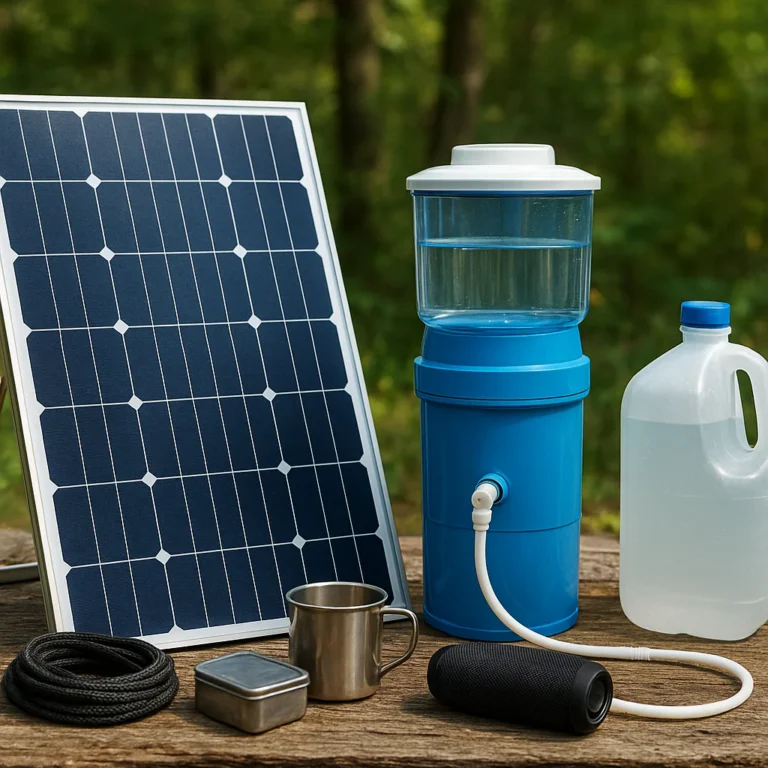
- Filtration: Use a high-quality filter like the Berkey or Big Berkey for daily drinking water.
- UV Purification: Systems like the SteriPEN are great for emergency backup.
- Boiling: The oldest method, but effective. Boil for at least 1 minute (3 minutes at high altitudes).
Real Talk: We once met a couple who thought their stream water was “pure” because it looked clear. They ended up with severe giardia. Always test and treat.
👉 Shop Water Filtration on:
- Berkey: Amazon | Berkey Official
- SteriPEN: Amazon | SteriPEN Official
🚽 Waste Management: Composting Toilets and Greywater Systems
Let’s talk about the elephant in the room: pop. In the off-grid world, waste management is a critical skill. You can’t just flush it away; you have to manage it.
Composting Toilets: The Gold Standard
Composting toilets separate liquid and solid waste, allowing it to decompose into safe, nutrient-rich compost.
- Benefits: No water usage, no sewage system needed, produces fertilizer.
- Drawbacks: Requires regular maintenance (adding carbon material, turning), can smell if not managed correctly.
Top Brands to Consider
- Nature’s Head: A classic, reliable split-system toilet.
- Separett: Swedish engineering, great for separating liquids.
- Sun-Mar: Excellent for larger families.
👉 Shop Composting Toilets on:
- Nature’s Head: Amazon | Nature’s Head Official
- Separett: Amazon | Separett Official
Greywater Systems
Greywater is water from sinks, showers, and washing machines. It’s not sewage, but it can’t go straight into the ground without treatment.
- Simple Systems: A 3-way valve diverts water to a mulch basin for irrigation.
- Advanced Systems: Filtration and storage for reuse in toilets or gardens.
Did you know? Properly managed greywater can reduce your water usage by up to 50%. It’s a win for your wallet and the environment (learn more about conservation).
🌱 Growing Your Own Food: Gardening, Preserving, and Foraging
You can’t survive on solar power alone; you need food. Growing your own food is the ultimate act of self-sufficiency, but it’s not as easy as planting a seed and walking away.
Permaculture Principles
Permaculture is about designing your garden to mimic natural ecosystems.
- Zone Planning: Place high-maintenance crops (herbs, veggies) close to the house.
- Companion Planting: Planting compatible crops together to deter pests and improve growth.
- Soil Health: Build healthy soil with compost, cover crops, and no-till methods.
Preserving the Harvest
If you grow a bumper crop of tomatoes in July, you need to preserve them for winter.
- Canning: Great for jams, pickles, and sauces.
- Dehydrating: Perfect for herbs, fruits, and vegetables.
- Freezing: Simple and effective, but requires power.
Foraging: Nature’s Grocery Store
Foraging for wild edibles is a fun way to supplement your diet.
- Common Edibles: Dandelion, chickweed, berries, nuts.
- Safety First: Never eat anything you can’t 10% identify. Many poisonous plants look like edible ones.
Pro Tip: Start small. Don’t try to grow 50 varieties of vegetables in your first year. Master a few crops, then expand.
👉 Shop Gardening Tools on:
- Fiskars: Amazon | Fiskars Official
- Harvest Right: Amazon | Harvest Right Official
🏠 Shelter and Structure: Tiny Homes, Yurts, and Sustainable Building
Your shelter is your fortress. In the off-grid world, your home needs to be efficient, durable, and suited to your climate.
Tiny Homes
Tiny homes are popular for their mobility and low cost.
- Pros: Affordable, easy to heat/cool, mobile.
- Cons: Limited space, zoning issues, potential for “cabin fever.”
Yurts
Yurts are circular, portable structures with a wooden lattice frame and canvas cover.
- Pros: Quick to set up, great insulation, unique aesthetic.
- Cons: Can be drafty if not sealed properly, canvas needs replacement.
Earthships and Cob
For the truly dedicated, building with natural materials like earth, straw, and cob is an option.
- Pros: Extremely sustainable, excellent thermal mass, low cost.
- Cons: Labor-intensive, requires specific skills, may not meet code.
The Mud Mountain Wisdom: As the experts at Mud Mountain suggest, temporary shelter is your first priority. Don’t spend years building a dream home if you don’t have a roof over your head for the first winter.
👉 Shop Tiny Home Kits on:
- Tumbleweed Tiny House Company: Amazon | Tumbleweed Official
- Yurt Source: Amazon | Yurt Source Official
🔥 Heating and Cooling: Passive Design and Alternative Energy
Staying warm in winter and cool in summer without a grid connection is a challenge. But with passive design, you can minimize the need for active heating and cooling.
Passive Solar Design
- Orientation: Face your home south (in the Northern Hemisphere) to maximize winter sun.
- Thermal Mass: Use materials like stone, concrete, or adobe to absorb heat during the day and release it at night.
- Insulation: Super-insulate your home to keep heat in (or out).
Alternative Heating
- Wood Stoves: The classic off-grid heater. Efficient, but requires a wood supply. Brands like Vermont Castings are top-tier.
- Propane Heaters: Good for backup, but requires fuel storage.
- Rocket Mass Heaters: Highly efficient, low fuel consumption, and great for DIYers.
Cooling Strategies
- Cross Ventilation: Design windows to catch prevailing breezes.
- Shading: Use overhangs, trees, or awnings to block summer sun.
- Evaporative Coolers: Great for dry climates, but use water.
Did you know? A well-designed passive solar home can reduce heating costs by up to 70%. It’s all about working with nature, not against it.
👉 Shop Wood Stoves on:
- Vermont Castings: Amazon | Vermont Castings Official
- Drolet: Amazon | Drolet Official
🛡️ Security and Safety: Protecting Your Off-Grid Sanctuary
Living off-grid means you’re often far from help. Security and safety are paramount.
Physical Security
- Fencing: Keep wildlife and unwanted visitors out.
- Lighting: Motion-sensor lights deter intruders.
- Locks: Invest in high-quality locks for doors and windows.
Emergency Preparedness
- First Aid: Have a comprehensive first aid kit and know how to use it.
- Communication: Satellite phones or ham radios are essential for emergencies.
- Fire Safety: Have fire extinguishers and a plan for wildfires.
The “Favor Bank”: As the Mud Mountain article wisely notes, build a network of friends and neighbors immediately. “Something will go wrong at some point,” and having a community to rely on is your best security.
👉 Shop Emergency Gear on:
- Garmin InReach: Amazon | Garmin Official
- First Aid Only: Amazon | First Aid Only Official
💰 Financial Realities: Budgeting for Off-Grid Life
Let’s talk money. While you’ll save on utility bills, the upfront costs are significant.
- Land: Can range from cheap to expensive depending on location and water rights.
- Infrastructure: Solar, water, and septic systems can cost tens of thousands.
- Tools: Quality tools are an investment.
- Income: You still need money for food, fuel, and unexpected expenses.
Strategies for Financial Stability
- Remote Work: Many off-gridders work online to maintain an income.
- Barter: Trade skills or goods with neighbors.
- Minimalism: Reduce your consumption to reduce your needs.
The Reality Check: As one expert noted, it took eight years to master income generation off-grid. Be patient and realistic about your financial goals.
👥 Community and Connection: Avoiding Isolation in the Wild
One of the biggest challenges off-grid living is isolation. Humans are social creatures, and being alone for too long can take a toll on your mental health.
Building a Community
- Local Events: Attend local farmers’ markets, workshops, and gatherings.
- Online Forums: Join off-grid communities on Facebook or Reddit to share tips and connect.
- Voluntering: Offer your skills to neighbors or local organizations.
The Importance of a “Like-Minded Mate”
As Cath Coffee, an earthbag pioneer, suggests, having a like-minded mate to share the journey is crucial. It’s easier to stay motivated and handle challenges when you have a partner.
Final Thought: Off-grid living isn’t about escaping society; it’s about redefining your relationship with it. You can be off-grid and still be connected.
📚 Recommended Links
- Gone Greenish: Off-Grid Living Guide
- Gone Greenish: Carbon Footprint Reduction
- Gone Greenish: Conservation Tips
- Gone Greenish: Eco-Conscious Brands
- Gone Greenish: Climate Change
- Gone Greenish: Biodiversity Conservation
❓ FAQ
Q: Can I really live off-grid with no money?
A: No. While you can reduce costs, you need capital for land, tools, and infrastructure. The “no money” myth is dangerous.
Q: How much does it cost to go off-grid?
A: It varies wildly. A basic setup can cost $10,0, while a fully equipped home can cost $10,0+.
Q: Is off-grid living legal?
A: It depends on your location. Check local zoning laws, building codes, and water rights before you buy land.
Q: What is the hardest part off-grid living?
A: Most people cite water management and isolation as the biggest challenges.
Q: Can I have a job while living off-grid?
A: Yes! Many off-gridders work remotely, run online businesses, or do seasonal work.
📖 Reference Links
- CDC: Water Safety
- Mud Mountain: The First Ten Things
- Renogy: Solar Power Solutions
- Battle Born Batteries: LiFePO4
- Berkey: Water Filtration
- Nature’s Head: Composting Toilets
- Vermont Castings: Wood Stoves
- Garmin: Satellite Communication
Conclusion
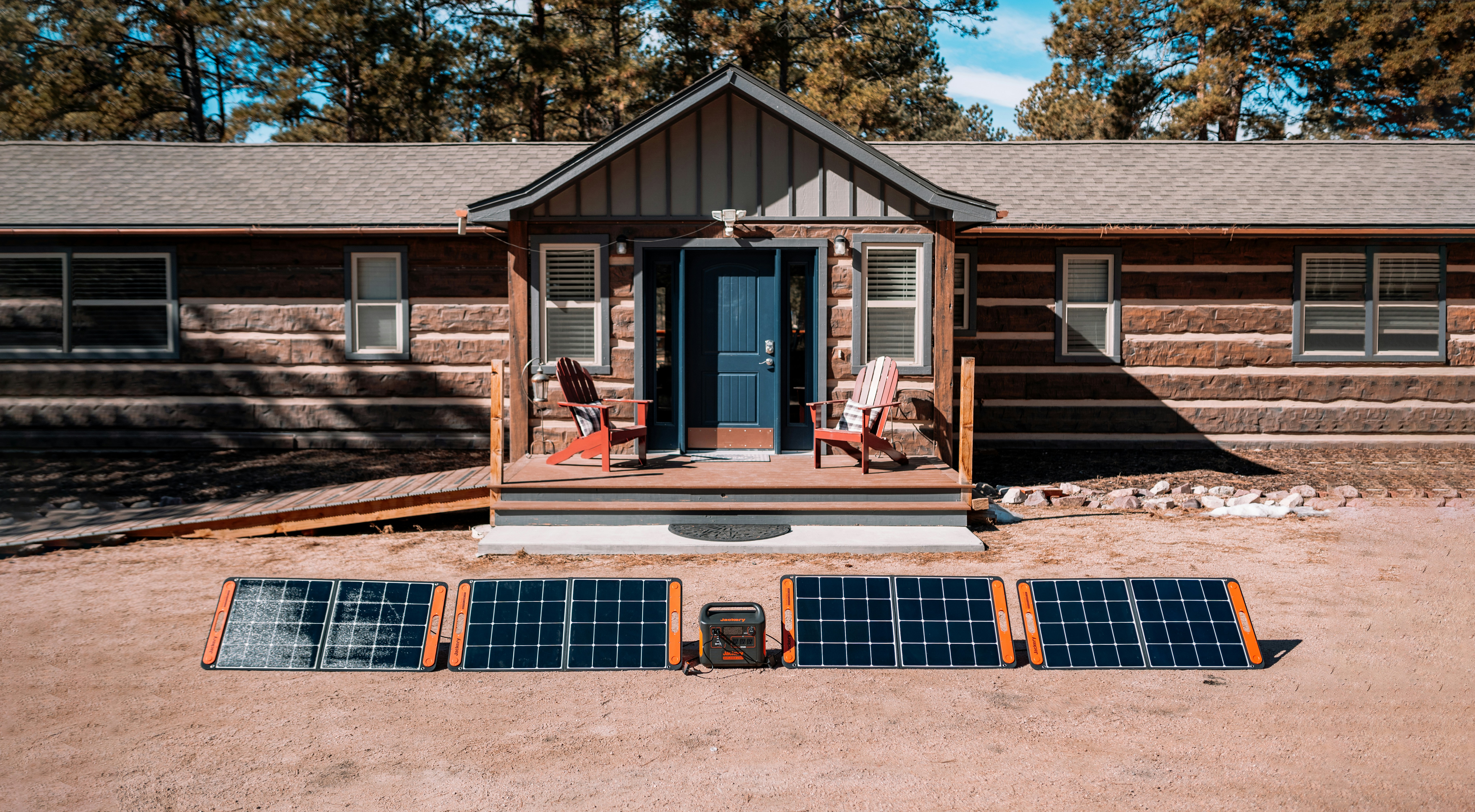
So, we’ve journeyed from the muddy reality of setting up a temporary shelter to the high-tech nuances of lithium battery banks. You asked the big question at the start: Is this lifestyle actually feasible, or just a fantasy? The answer, as we’ve uncovered through the grit of real-world experience and the wisdom of pioneers like those at Mud Mountain, is a resounding yes—but with a massive asterisk.
Off-grid living isn’t about escaping responsibility; it’s about taking full ownership of your life. It’s about swapping the passive consumption of grid power for the active engagement of harvesting your own energy. It’s about trading the convenience of a flush toilet for the satisfaction of creating nutrient-rich soil.
The Verdict:
If you are looking for a quick fix to your stress, look elsewhere. The “no money” dream is a trap that leads to exhaustion. However, if you are ready to embrace the slow, deliberate, and deeply rewarding path of self-sufficiency, this lifestyle offers a profound sense of freedom that the grid simply cannot provide.
Our Confident Recommendation:
Start small. Don’t sell your house and buy a plot in the wilderness tomorrow.
- Test the waters: Rent an off-grid cabin for a month.
- Master one system: Learn to manage a composting toilet or a small solar setup before scaling up.
- Build your community: Find your “like-minded mate” or local network before you need them.
- Prioritize water and shelter: As the experts say, solve these first. The rest will follow.
The journey is messy, the winters are cold, and the work is hard. But the moment you drink water you filtered yourself, eat food you grew, and sleep under a roof you built, you’ll realize that the fredom is worth every drop of sweat. Welcome to the green side of life.
📚 Recommended Links
Ready to take the next step? Here are the essential tools, books, and resources we trust to help you build your off-grid sanctuary.
Essential Gear & Brands
- Solar Power Systems:
👉 CHECK PRICE on: Amazon | Renogy Official
👉 CHECK PRICE on: Amazon | Battle Born Official - Water Filtration:
👉 CHECK PRICE on: Amazon | Berkey Official
👉 CHECK PRICE on: Amazon | SteriPEN Official - Composting Toilets:
👉 CHECK PRICE on: Amazon | Nature’s Head Official
👉 CHECK PRICE on: Amazon | Separett Official - Heating & Safety:
👉 CHECK PRICE on: Amazon | Vermont Castings Official
👉 CHECK PRICE on: Amazon | Garmin Official
Must-Read Books
- “The Self-Sufficient Life and How to Live It” by John Seymour: The classic guide to traditional skills.
- Shop on Amazon
- “Off-Grid Living: A Complete Guide to Sustainable Living” by various authors: A modern take on the lifestyle.
- Shop on Amazon
- “The Earthbag Building Guide” by Kaki Hunter and Donald Kiffmeyer: For those interested in natural building.
- Shop on Amazon
❓ FAQ
What are the best off-grid water filtration systems for healthy living?
Choosing the right filtration depends on your source. For surface water (streams, lakes), a multi-stage system is non-negotiable.
- Gravity Filters (e.g., Berkey): Excellent for removing bacteria, protozoa, and heavy metals without electricity. They are the gold standard for drinking water.
- UV Purifiers (e.g., SteriPEN): Perfect for killing viruses that filters might miss, ideal for emergency backup or treating clear water.
- Reverse Osmosis: Best for removing dissolved solids and salts, though it wastes water and requires pressure.
- Why it matters: As we learned, “clear” water can still harbor giardia and cryptosporidium. A combination of filtration and UV/boiling ensures your water is safe for your family.
How can off-grid solar power support a sustainable and healthy lifestyle?
Solar power is the backbone of modern off-grid health. It allows you to:
- Run Medical Devices: Power nebulizers, CPAP machines, or refrigeration for insulin.
- Preserve Food: Keep a fridge running to store fresh produce, reducing reliance on processed foods.
- Maintain Hygiene: Power water pumps and washing machines, which is crucial for preventing skin infections and maintaining mental well-being.
- Reduce Toxins: By avoiding diesel generators, you eliminate the risk of carbon monoxide poisoning and reduce noise pollution, creating a quieter, cleaner environment.
What are the most nutritious crops to grow in an off-grid garden?
Focus on calorie density and nutrient density.
- Potatoes & Sweet Potatoes: High calorie, easy to store, and grow in various soils.
- Leafy Greens (Kale, Chard): Packed with vitamins and can be harvested continuously.
- Legumes (Beans, Peas): Provide essential protein and fix nitrogen in the soil.
- Squash & Pumpkins: Store well through winter and are versatile.
- Tip: Practice permaculture to maximize yield and minimize labor. Companion planting reduces pests naturally, keeping your food chemical-free.
How do you maintain mental health while living off the grid?
Isolation is the silent killer off-grid dreams.
- Build a Routine: Structure your day to avoid the “drift” that leads to depression.
- Connect with Community: Join local groups, attend markets, or host neighbors. As Cath Coffee noted, having a like-minded mate is vital.
- Stay Active: Physical labor is great, but balance it with hobbies that don’t involve work.
- Digital Detox (Controled): Use technology intentionally to stay connected with loved ones, but set boundaries to avoid the “dom scroll.”
- Nature Therapy: Spend time in the woods or by the water. Studies show that time in nature significantly reduces cortisol levels.
What are eco-friendly off-grid toilet options that protect the environment?
The goal is to turn waste into a resource, not a pollutant.
- Composting Toilets: These separate liquids and solids, using carbon material (sawdust, coco coir) to break down waste into safe compost. Brands like Nature’s Head and Separett are industry leaders.
- Incinerating Toilets: Burn waste to ash, requiring propane or electricity but no water. Great for cold climates.
- Dry Urine Diverters: Simple, low-tech systems that divert urine for fertilizer (diluted) and compost solids.
- Why it’s eco-friendly: These systems prevent groundwater contamination and return nutrients to the soil, closing the loop in your biodiversity conservation efforts.
How can off-grid living reduce exposure to environmental toxins?
Living off-grid gives you control over your immediate environment.
- Clean Air: No reliance on gas stoves or diesel generators means fewer indoor air pollutants.
- Chemical-Free Water: You control the filtration, avoiding lead pipes and chemical runoff found in municipal systems.
- Organic Food: Growing your own food eliminates exposure to pesticides and herbicides.
- Natural Building Materials: Using wood, stone, and clay instead of synthetic plastics and off-gassing paints improves indoor air quality.
What are the health benefits of disconnecting from the grid for your well-being?
Beyond the physical, the mental shift is profound.
- Reduced Stress: Living in rhythm with nature rather than the 24/7 news cycle lowers anxiety.
- Improved Sleep: Natural light cycles regulate circadian rhythms, leading to deeper, more restorative sleep.
- Sense of Purpose: The daily tasks of survival provide a tangible sense of accomplishment and agency.
- Resilience: Knowing you can care for yourself builds confidence and reduces the fear of external disruptions.
📖 Reference Links
For those who want to verify our claims and dive deeper into the history and mechanics off-grid living, we recommend these authoritative sources:
- The First Ten Things You Need to Organise When You Go Off-Grid: The definitive guide from Mud Mountain on prioritizing survival needs.
- Read the full article here
- CDC Water Safety Guidelines: Official health recommendations for water purification and disease prevention.
- CDC Water Safety
- Renogy Solar Systems: Technical specs and guides for solar power.
- Renogy Official Site
- Battle Born Batteries: Information on LiFePO4 battery technology.
- Battle Born Official Site
- Berkey Water Filters: Filtration technology and safety data.
- Berkey Official Site
- Nature’s Head: Composting toilet installation and maintenance guides.
- Nature’s Head Official Site
- Vermont Castings: Wood stove efficiency and safety standards.
- Vermont Castings Official Site
- Garmin InReach: Satellite communication technology for remote areas.
- Garmin Official Site