Support our educational content for free when you purchase through links on our site. Learn more
27 Off-Grid Living Pros and Cons: The Brutal Truth (2026) 🌿

Imagine waking up to the sound of birds instead of a blaring alarm, sipping coffee made with water you caught from the sky, and knowing your power comes from the sun. Sounds like a dream, right? But what happens when the sun hides for a week, the water tank runs dry, or you realize you’re 45 minutes from the nearest hospital? At Gone Greenish™, we’ve traded the grid for the wild, and let us tell you: the reality is a wilder ride than any Instagram reel suggests. While the freedom is intoxicating, the learning curve is as steep as a mountain climb. In this guide, we peel back the romantic layers to reveal 27 brutally honest pros and cons of off-grid living, from the life-saving resilience of solar power to the back-breaking reality of hauling water. We’ll even share the one mistake that nearly froze us out in our first winter—a story you won’t want to miss until the end.
Key Takeaways
- Freedom vs. Responsibility: Off-grid living offers total autonomy from utility companies and rising costs, but demands relentless physical labor and self-reliance for every life-support system.
- The Cost Paradox: While monthly utility bills vanish, the upfront investment for solar arrays, water systems, and land can be staggering, often taking 7–10 years to recoup.
- Resilience is Real: You gain immunity to grid failures and supply chain disruptions, but you must master emergency preparedness and accept the risks of isolation.
- Health & Mindset: The lifestyle promotes physical fitness and mental clarity through nature connection, yet requires strong psychological resilience to handle the silence and stress of self-sufficiency.
Table of Contents
- ⚡️ Quick Tips and Facts
- 📜 From Pioneers to Preppers: The Evolution of Off-Grid Living
- ⚖️ 27 Brutally Honest Pros and Cons of Going Off-Grid
- The Pros: Freedom, Savings, and Soul-Searching
- The Cons: Hard Work, High Costs, and Isolation
- ☀️ Powering Your Life: Solar, Wind, and Hydro Solutions
- Battery Storage and Energy Management
- 💧 The Liquid Gold: Water Sourcing and Filtration
- Rainwater Harvesting vs. Well Drilling
- 🚽 The Dirty Truth: Waste Management and Composting
- Septic Systems vs. Composting Toilets
- 🏡 Shelter and Zoning: Navigating the Legal Red Tape
- Tiny Houses, Earthships, and Log Cabins
- 🛠️ From Ruin to Remarkable: Our Personal Journey to Self-Sufficiency
- 🌱 Sustainable Sustenance: Gardening and Livestock
- 🧠 The Mental Game: Psychological Impacts of Isolation
- 💰 The Real Cost of Independence: Budgeting for the Unplugged Life
- 🤔 Is the Off-Grid Lifestyle Right for You?
- Conclusion
- Recommended Links
- FAQ
- Reference Links
⚡️ Quick Tips and Facts
Before you pack your bags and head for the hills (or the desert, or the woods), let’s hit the pause button on the romanticized Instagram reels. Off-grid living isn’t just about staring at sunsets while sipping herbal tea; it’s about survival, systems, and serious sweat.
Here is the raw, unfiltered truth from our team at Gone Greenish™:
- It’s Not Primitive by Default: You can have a modern home with solar power, high-speed Starlink internet, and a composting toilet that doesn’t smell like a swamp. As the creators in our featured video featured-video proved, “You don’t have to live a rough life to live off-grid.”
- The “Free” Water Myth: Water is heavy. One gallon weighs 8.34 lbs. If you haul your own water, you are essentially working out at the gym every single day.
- The Learning Curve is Vertical: You aren’t just learning to garden; you’re learning electrical engineering, plumbing, carpentry, and meteorology.
- Cost Paradox: While utility bills vanish, the upfront capital for solar arrays, batteries, and water systems can be staggering.
- Isolation is Real: The silence is beautiful until you realize you’re 45 minutes from the nearest hospital.
Did you know? According to the U.S. Department of Energy, off-grid homes can reduce energy consumption by up to 90% compared to traditional grid-tied homes, but the initial investment often takes 7–10 years to recoup through savings.
If you’re ready to dive deeper into the mechanics of this lifestyle, check out our comprehensive guide on Off-Grid Living to see how it fits into your Carbon Footprint Reduction goals.
📜 From Pioneers to Preppers: The Evolution of Off-Grid Living
The term “off-grid” sounds modern, like a tech buzzword, but its roots are as deep as the dirt we walk on. Historically, off-grid living wasn’t a choice; it was the only option. From the homesteaders of the 1800s to the Amish communities of today, humanity has always relied on the land.
However, the modern iteration is a fascinating blend of ancient wisdom and cutting-edge technology.
The Great Shift
In the mid-20th century, the grid expanded, offering cheap, reliable electricity and running water. For a few generations, we forgot how to live without it. But as climate change accelerates and Climate Change brings unpredictable weather patterns, a new wave of people is looking back to move forward.
- The Pioneer Era: Relied on wood heat, rain catchment (often crude), and 100% manual labor.
- The Prepper Era (2000s-2010s): Focused on stockpiling, bunkers, and survivalism.
- The Eco-Modern Era (Now): Focuses on sustainability, regenerative agriculture, and smart technology. It’s not about hiding from the world; it’s about living better within it.
As the author of Dirt Witch eloquently puts it, “Nature is Queen, and we are her subjects. Forget your plans, they count for nothing.” This shift represents a move from dominating nature to collaborating with it.
⚖️ 27 Brutally Honest Pros and Cons of Going Off-Grid
We’ve lived the dream, and we’ve scraped the mud off our boots. We’ve seen the butterfly-filled utopia and the herculean endurance required to keep it running. Below is our definitive list of 27 points (14 Pros, 13 Cons) to help you decide if this lifestyle is your destiny or a disaster waiting to happen.
The Pros: Freedom, Savings, and Soul-Searching
- Total Autonomy: You answer to no utility company. No more “shut off” notices. You are your own power company.
- Zero Utility Bills: Once your systems are paid off, your electric, water, and gas bills drop to $0.
- Physical Health Transformation: As noted by experts, the constant labor leads to rapid fitness gains, weight loss, and increased stamina. You aren’t just “exercising”; you are living.
- Mental Clarity: Without the constant ping of notifications and the 9-5 grind, your mind clears. “Not a day goes by when I don’t wake up relieved that I don’t have to yank myself out of bed.”
- Pure Water and Food: No chlorine, no fluoride, no pesticides. You know exactly what goes into your body.
- Resilience: When the grid goes down (and it will), you keep humming. You are immune to blackouts and supply chain disruptions.
- Deep Nature Connection: You watch the seasons change in real-time, not through a window. The wildlife becomes your neighbors.
- Creative Problem Solving: You become a master of improvisation. If the pump breaks, you fix it. If the garden fails, you adapt.
- Reduced Consumerism: When you have to haul your own water, you stop buying bottled water. When you chop your own wood, you stop buying cheap furniture.
- Lower Carbon Footprint: By generating your own renewable energy and reducing waste, you actively contribute to Biodiversity Conservation.
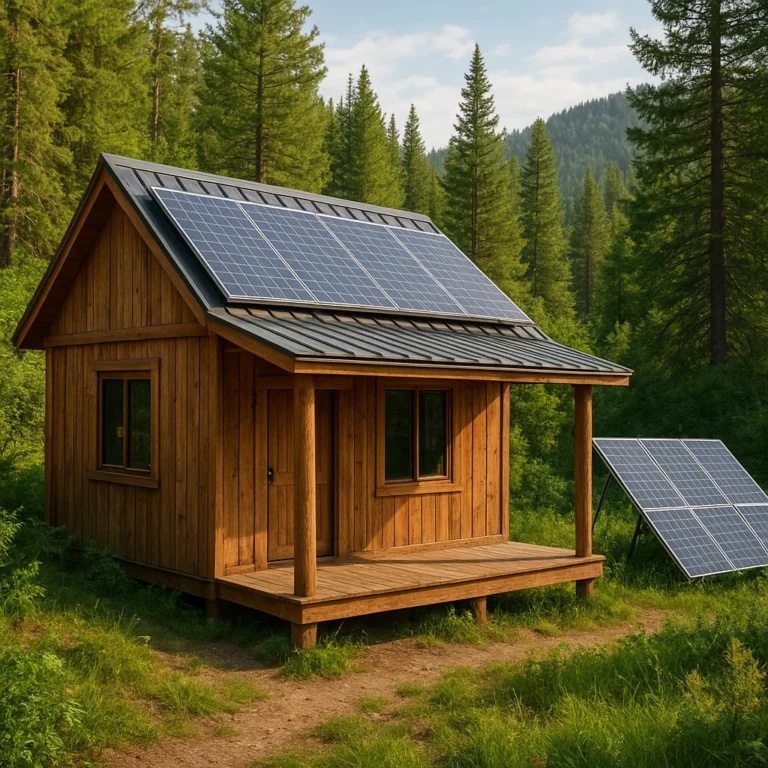
- Customizable Lifestyle: You can build a tiny house, an earthship, or a log cabin. The rules are yours to write.
- Tax Benefits: In some jurisdictions, off-grid land has lower property taxes or specific exemptions for renewable energy installations.
- Community Bonding: Neighbors in off-grid areas often rely on each other, creating tight-knit support networks.
- The “X-Ray Vision” Effect: You gain a profound understanding of how the world works, from plumbing to solar circuits.
The Cons: Hard Work, High Costs, and Isolation
- Relentless Physical Labor: Chopping wood, hauling water, and maintaining systems is a part-time job that never ends.
- High Upfront Costs: Solar panels, batteries, and water systems cost thousands (or tens of thousands) of dollars before you flip a switch.
- Weather Dependency: If the sun doesn’t shine, you have no power. If it doesn’t rain, you have no water. You are at the mercy of the elements.
- Isolation: For “people-needers,” the silence can be deafening. You might be hours from the nearest human.
- Inaccessibility: Need salt? Need a specific tool? You might have to drive 45 minutes. No corner store runs.
- Maintenance Nightmares: Systems break. Pumps fail. Batteries degrade. You must be a jack-of-all-trades.
- Legal Red Tape: Zoning laws, building codes, and water rights can be a nightmare to navigate.
- Limited Internet: While Starlink helps, connectivity can still be spotty in deep valleys or during storms.
- Waste Management: Dealing with sewage (even composting toilets) requires discipline and knowledge.
- Safety Risks: Medical emergencies are a major concern. Ambulances take longer to arrive.
- Social Stigma: Friends and family might think you’ve lost your mind or are “going back to the dark ages.”
- Seasonal Extremes: Winter can be brutal without central heating. Summer can be scorching without AC.
- The “Grind” of Routine: The freedom can feel like a prison if you don’t structure your day. As one expert noted, “Creative types often adapt better,” but structure is key.
☀️ Powering Your Life: Solar, Wind, and Hydro Solutions
Let’s talk about the heartbeat of your off-grid home: Energy. Without it, you’re just a very cold, dark person in a nice house.
The Solar Dominance
Solar is the king of off-grid power. It’s scalable, silent, and increasingly affordable.
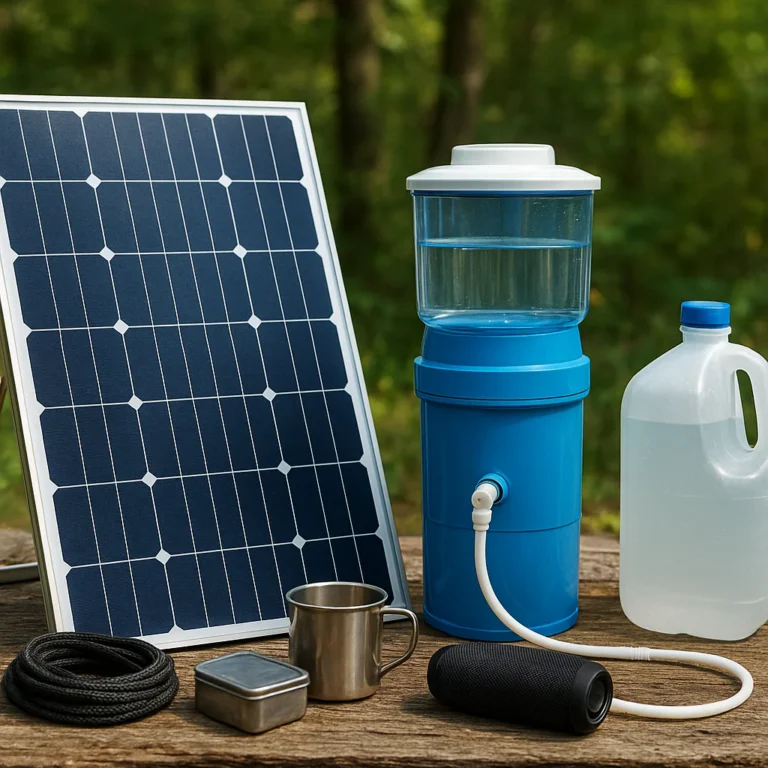
- The Setup: You need Solar Panels, a Charge Controller, Batteries, and an Inverter.
- Real-World Example: In our featured video, the creators use 30 panels totaling 10,000 watts paired with 16 Battle Born batteries. This setup allows them to run everything from fridges to laptops.
- The Catch: Solar is intermittent. You need oversizing for cloudy days and battery storage for the night.
Wind and Hydro: The Wildcards
- Wind Turbines: Great for windy, open areas. They can generate power day and night, but they require maintenance and can be noisy.
- Micro-Hydro: If you have a flowing stream, this is the holy grail. It provides constant, 24/7 power. However, it requires significant water flow and legal permissions.
Battery Storage and Energy Management
Your batteries are your safety net.
- Lithium-Ion (LiFePO4): The gold standard. Brands like Battle Born and Renogy offer long lifespans (10+ years) and deep discharge capabilities.
- Lead-Acid: Cheaper upfront but heavier, shorter lifespan, and requires maintenance (watering).
- Energy Management: You must learn to conserve. Running a dryer on solar? Good luck. You’ll need to be strategic with high-draw appliances.
Pro Tip: Don’t skimp on the inverter. A cheap inverter can fry your electronics. Invest in a pure sine wave inverter for sensitive devices.
👉 Shop Solar Systems on:
- Amazon: Solar Panel Kits Search | Battery Storage Search
- Brand Official: Battle Born Batteries | Renogy
💧 The Liquid Gold: Water Sourcing and Filtration
Water is life. Literally. If you mess this up, you die. It’s that simple.
Rainwater Harvesting vs. Well Drilling
You generally have two main paths:
| Feature | Rainwater Harvesting | Well Drilling |
|---|---|---|
| Initial Cost | Low to Medium (Tanks, gutters) | High (Drilling fees, pumps) |
| Reliability | Weather dependent | High (if aquifer exists) |
| Maintenance | Cleaning filters, checking tanks | Pump maintenance, water testing |
| Legal Issues | Varies by state (some ban it!) | Permits required |
| Best For | Areas with good rainfall | Areas with accessible aquifers |
The Rainwater Reality:
As detailed in the CNET summary, a system with 3,500+ gallons of storage can last six months in a monsoon climate, but by March, you might be hauling water.
- Filtration is Non-Negotiable: You must screen debris, filter sediment, and treat for microbes.
- First Flush Diverter: Essential to keep the first dirty rainwater out of your tank.
The Well Reality:
Drilling a well can cost a fortune and might hit rock at 800 feet (as seen in the Taos Plateau example). If you hit water, you’re golden. If you don’t, you’re out thousands.
Filtration Systems
- Sediment Filters: Remove dirt and debris.
- Carbon Filters: Remove chemicals and improve taste.
- UV Purification: Kills bacteria and viruses. Essential for rainwater.
- Reverse Osmosis: For drinking water only (removes minerals too, so remineralize!).
👉 Shop Water Systems on:
- Amazon: Rainwater Harvesting Kits | Well Pumps
- Brand Official: Berkey Filters | ProWater
🚽 The Dirty Truth: Waste Management and Composting
Let’s get gross. This is the part nobody talks about at dinner parties.
Septic Systems vs. Composting Toilets
- Traditional Septic: Requires a large leach field, regular pumping, and can be expensive to install. It’s heavy on water usage.
- Composting Toilets: The off-grid champion. They use zero water and turn waste into soil.
- Pros: No smell (if managed right), eco-friendly, produces fertilizer.
- Cons: Requires regular scooping, adding carbon material (sawdust), and patience. If you mess up the balance, it smells terrible.
The “Catastrophic Clog” Warning:
As one off-grider noted, “We now have a routine down that’s relatively painless… but the lessons were learned the hard way.” You must learn the specific maintenance for your model. Brands like Nature’s Head and Sun-Mar are industry leaders.
Gray Water Systems
Don’t waste the water from your sink and shower!
- The System: Divert gray water through a filtration system (mulch basins) to irrigate fruit trees and gardens.
- The Result: As seen in the CNET example, this can sustain crops in “brutal environments.”
- Caution: Never use gray water on root vegetables or edible leaves. Use it for ornamental plants or fruit trees.
👉 Shop Composting Toilets on:
- Amazon: Composting Toilets
- Brand Official: Nature’s Head | Sun-Mar
🏡 Shelter and Zoning: Navigating the Legal Red Tape
You want to build a tiny house on 10 acres? Hold your horses.
The Legal Labyrinth
- Zoning Laws: Many counties prohibit off-grid homes, tiny houses, or composting toilets. You must check local codes before buying land.
- Building Codes: Even off-grid, your structure must meet safety standards.
- Water Rights: In the western US, water rights are complex. You might own the land but not the water on it.
Shelter Options
- Tiny Houses: Mobile, affordable, but often face legal hurdles regarding where they can be parked.
- Earthships: Sustainable, thermal mass heating/cooling, but require specialized construction skills.
- Log Cabins: Traditional, durable, but labor-intensive to build.
Pro Tip: Look for “unincorporated” counties with lax zoning laws, but be prepared for fewer services.
🛠️ From Ruin to Remarkable: Our Personal Journey to Self-Sufficiency
We didn’t start as experts. We started with a ruin and a dream.
Our journey began with a dilapidated cabin, no electricity, and a well that ran dry in July. We thought we were ready. We weren’t.
- The First Winter: We froze. Our wood stove was inefficient, and we didn’t have enough firewood. We learned the hard way that preparation is everything.
- The Water Crisis: We relied on rainwater, but a dry summer left us hauling water from a community well 5 miles away. It took an hour per trip. We realized conservation is a lifestyle, not a suggestion.
- The Breakthrough: We installed a solar array and a backup generator. We learned to fix our own pumps. We started a garden that actually produced food.
Now, we live in a home that hums with solar power, our water is pure, and our garden feeds us. But we still check the weather forecast every morning. We still have a first aid kit stocked. We still respect the land.
Key Takeaway: The transition is a marathon, not a sprint. As the Mud Home author suggests, “Do not get a puppy immediately; learn to pace yourself.”
🌱 Sustainable Sustenance: Gardening and Livestock
You can’t eat solar power. You need food.
Gardening Strategies
- Permaculture: Design your garden to mimic nature. Use companion planting, mulching, and water catchment.
- Season Extension: Use greenhouses or cold frames to grow food year-round.
- Soil Health: Compost everything. Your soil is your bank account.
Livestock
- Chickens: The ultimate off-grid pets. They provide eggs, meat, and pest control.
- Goats: Great for clearing brush and providing milk.
- Bees: Essential for pollination and honey.
Pro Tip: Start small. Don’t try to raise a herd of cows in your first year. Master the chickens first.
🧠 The Mental Game: Psychological Impacts of Isolation
This is the part nobody warns you about. The silence.
The Good
- Mental Clarity: No noise, no distractions. You think deeper.
- Resilience: You learn to rely on yourself.
The Bad
- Isolation: If you are a “people-needer,” this can be devastating.
- Boredom: Without Netflix, you need hobbies.
- Stress: When things break, the stress is real.
Recommendation: Choose land near a community if you need social interaction. Join local off-grid groups. Keep a routine.
💰 The Real Cost of Independence: Budgeting for the Unplugged Life
Is it cheap? No. Is it worth it? Maybe.
The Costs
- Land: Varies wildly.
- Systems: Solar, water, waste can cost $20,000 – $50,000+.
- Maintenance: Budget for repairs and replacements.
The Savings
- Utilities: $0/month.
- Food: Reduced grocery bills.
- Lifestyle: Less consumerism.
The Verdict: You need a financial cushion to get started. Once established, the cost of living drops significantly, but the initial investment is high.
🤔 Is the Off-Grid Lifestyle Right for You?
So, are you ready to trade your 9-5 for a life of chopping wood and fixing pumps?
Ask yourself:
- Can I handle physical labor?
- Am I comfortable with isolation?
- Do I have the skills (or the willingness to learn) to fix anything?
- Do I have the capital to start?
If you answered yes to most, you might be a candidate. If you answered no, maybe start with a weekend off-grid retreat.
Remember, as the experts say, “It’s empowering, until the moment things don’t work.” But when they do work, there is no feeling like it.
Stay tuned for our Conclusion, where we wrap up this journey and give you our final verdict on whether you should take the plunge. And don’t forget to check out our FAQ for answers to your burning questions!
Conclusion
So, we’ve walked the path from the romanticized sunsets to the gritty reality of hauling water in the dead of winter. We’ve answered the lingering question: Is off-grid living the ultimate freedom or a beautiful trap?
The answer, as with most things in life, is a resounding “It depends on you.”
If you crave the total autonomy of generating your own power, the mental clarity of disconnecting from the digital noise, and the physical vitality that comes from a life of purposeful labor, then the off-grid lifestyle is your destiny. It offers a profound connection to nature that no Netflix series can replicate. As we learned, “Nature is Queen, and we are her subjects.” Embracing this hierarchy brings a humility and resilience that modern life often strips away.
However, if you rely heavily on instant gratification, struggle with isolation, or lack the mechanical aptitude to troubleshoot a broken water pump at 2 AM, the cons will quickly outweigh the pros. The “herculean endurance” required is not for the faint of heart. The initial financial barrier and the relentless maintenance can turn a dream into a nightmare if you aren’t prepared.
Our Confident Recommendation:
Don’t jump in feet first. Start small. Rent an off-grid property for a month. Build a tiny solar setup in your backyard. Test your water filtration skills. If you find yourself energized by the challenge rather than exhausted by it, then make the leap. But remember: Preparation is the bridge between ruin and remarkable. Whether you choose a solar-powered cabin or a wind-turbine homestead, the key is to respect the systems that keep you alive.
The journey to self-sufficiency is not a destination; it’s a continuous evolution. Are you ready to become the subject of Nature’s Queen?
Recommended Links
Ready to take the next step? Here are the essential tools, books, and resources we trust at Gone Greenish™ to help you build your off-grid sanctuary.
📚 Essential Reading
- “Dirt Witch: A Memoir of Getting Back to the Land” by Luisa Lyons: The definitive guide to the mindset shift required for off-grid life.
- Check Price on Amazon
- “The Off-Grid Home: A Guide to Self-Sufficiency” by various authors: Practical guides on systems and construction.
- Check Price on Amazon
☀️ Power & Energy Systems
- Battle Born Batteries: Top-tier Lithium Iron Phosphate (LiFePO4) batteries for reliable, long-lasting storage.
- 👉 Shop on Amazon: Battle Born Batteries Search | Official Site: Battle Born Batteries
- Renogy Solar Kits: Comprehensive solar solutions for beginners and pros alike.
- 👉 Shop on Amazon: Renogy Solar Kits | Official Site: Renogy
- Goal Zero Yeti Power Stations: Portable power for smaller setups or emergency backup.
- 👉 Shop on Amazon: Goal Zero Yeti | Official Site: Goal Zero
💧 Water & Waste Solutions
- Berkey Water Filters: The gold standard for gravity-fed water purification.
- 👉 Shop on Amazon: Berkey Water Filters | Official Site: Berkey Filters
- Nature’s Head Composting Toilet: The most reliable, odor-free composting toilet for off-grid homes.
- 👉 Shop on Amazon: Nature’s Head Toilet | Official Site: Nature’s Head
- Sun-Mar Composting Toilets: Excellent alternative for larger households.
- 👉 Shop on Amazon: Sun-Mar Toilets | Official Site: Sun-Mar
🏡 Shelter & Tools
- Tiny House Plans & Kits: Explore pre-designed plans for your off-grid home.
- 👉 Shop on Etsy: Tiny House Plans
- Fiskars Tools: Durable, ergonomic tools for chopping wood and gardening.
- 👉 Shop on Amazon: Fiskars Tools | Official Site: Fiskars
FAQ
How does off-grid living impact mental health and stress levels?
The Double-Edged Sword of Silence
Off-grid living presents a unique psychological paradox. On one hand, the removal of digital noise, traffic, and the 9-5 grind can lead to profound mental clarity and reduced anxiety. The rhythm of the day is dictated by the sun and your tasks, not a clock.
On the other hand, isolation can be a significant stressor. For individuals who thrive on social interaction, the silence can feel oppressive. The constant responsibility of maintaining life-support systems (water, power, heat) can also create a unique form of “survival stress” that doesn’t exist in grid-tied living.
The Verdict: It depends on your personality. If you are self-motivated and enjoy solitude, your stress levels may plummet. If you are a “people-needer,” you must proactively build a community or choose a location near others to avoid the psychological toll of isolation.
Read more about “Is It Cheaper to Live Off the Grid? 10 Surprising Truths (2026) 🌿”
What are the environmental benefits of living off the grid?
A Direct Path to Sustainability
Living off-grid is one of the most effective ways to reduce your carbon footprint.
- Renewable Energy: By relying on solar, wind, or hydro, you eliminate the burning of fossil fuels for electricity.
- Water Conservation: Rainwater harvesting and gray water systems drastically reduce the strain on municipal water supplies and sewage treatment plants.
- Waste Reduction: Composting toilets and organic gardening eliminate the need for chemical fertilizers and reduce landfill waste.
- Local Food Production: Growing your own food eliminates the “food miles” associated with grocery store produce, significantly lowering transportation emissions.
As highlighted in our Carbon Footprint Reduction guides, these small, individual actions aggregate to create a massive positive impact on Biodiversity Conservation.
Read more about “🌿 Off-Grid Living for Beginners: The Ultimate 20-Step Guide (2026)”
Can off-grid homes be designed to support a healthy lifestyle?
Yes, and Often Better Than Traditional Homes
Absolutely. In fact, off-grid homes often promote a healthier lifestyle by design:
- Non-Toxic Materials: Off-grid builders often prioritize natural, non-toxic building materials (like straw bale, clay, or reclaimed wood) to avoid off-gassing from synthetic materials.
- Active Living: The lifestyle naturally incorporates physical activity—chopping wood, gardening, hauling water—leading to improved cardiovascular health and muscle strength.
- Clean Air and Water: Without industrial pollutants and with advanced filtration systems, the air and water quality in off-grid homes are often superior to urban environments.
- Mental Well-being: The connection to nature and the reduction of “digital fatigue” contribute to better sleep and lower cortisol levels.
Read more about “🌲 Off-Grid Living: The Ultimate 2026 Guide to True Freedom”
How does off-grid living affect access to fresh food and nutrition?
From Farm to Table in Your Backyard
Off-grid living revolutionizes your relationship with food.
- Peak Freshness: You harvest vegetables at peak ripeness, maximizing nutrient density. Store-bought produce often loses nutrients during transport and storage.
- No Pesticides: You control what goes into your soil, ensuring your food is free from synthetic pesticides and herbicides.
- Seasonal Eating: You learn to eat with the seasons, which aligns your body’s needs with natural cycles.
- Challenges: The downside is the seasonal limitation. You must learn preservation techniques (canning, freezing, drying) to survive the winter. You also need the space and knowledge to grow a diverse range of crops.
What are the health risks associated with off-grid water systems?
The Importance of Rigorous Testing
While off-grid water can be incredibly pure, it is not without risks if not managed correctly.
- Microbial Contamination: Rainwater or surface water can contain bacteria, viruses, or parasites (like Giardia) if not properly filtered and disinfected (e.g., via UV or boiling).
- Chemical Runoff: In agricultural areas, rainwater can pick up pesticides or fertilizers.
- Heavy Metals: Old roofing materials (like lead flashing) can leach into rainwater.
- Stagnation: Stagnant water in tanks can breed mosquitoes or algae.
Mitigation: Regular water testing is non-negotiable. Invest in a multi-stage filtration system (sediment, carbon, UV) and maintain your tanks and gutters diligently.
Is off-grid living suitable for people with chronic health conditions?
A Careful Consideration
This is a critical question. Off-grid living can be challenging for those with chronic health conditions:
- Medical Access: Being far from hospitals and specialists can be dangerous in an emergency.
- Physical Demands: The labor-intensive nature of the lifestyle may exacerbate physical limitations.
- Environmental Control: Maintaining consistent temperatures (heating/cooling) can be harder and more expensive off-grid, which can be risky for those with respiratory or circulatory issues.
Recommendation: If you have a chronic condition, you must have a robust emergency plan, a reliable backup power system for medical equipment, and a location within a reasonable distance of medical care. Consult with your doctor before making the move.
How can renewable energy systems in off-grid homes improve air quality?
Breathing Easier
Traditional grid electricity often relies on coal and natural gas power plants, which emit pollutants that degrade air quality. By switching to solar, wind, or micro-hydro:
- Zero Emissions: You eliminate the direct emissions associated with your home’s energy consumption.
- Reduced Indoor Pollution: Many off-grid homes use electric heat pumps or efficient wood stoves (with proper filtration) instead of gas furnaces, reducing indoor nitrogen dioxide and carbon monoxide levels.
- Cleaner Surroundings: By reducing the demand on fossil-fuel power plants, you contribute to cleaner air in your broader region.
Read more about “☀️ Solar Power: The Ultimate 2026 Guide to Free Energy & 20 Benefits”
Reference Links
For those who want to dive deeper into the data and stories behind off-grid living, here are the reputable sources and communities we referenced:
- U.S. Department of Energy: Renewable Energy for Homeowners – Data on energy savings and system efficiency.
- The Mud Home: Considering Going Off-Grid? Here Are the Pros and Cons – A deep dive into the philosophical and practical realities of the lifestyle.
- CNET: I’m Still Surprised by the Benefits and Struggles of Life Off-Grid – Real-world testing of water and energy systems.
- Facebook Community: Off-Grid Living and Camper Life: Pros and Cons – A vibrant community discussion on the realities of the lifestyle (Note: Login may be required).
- Battle Born Batteries: Lithium Battery Technology – Technical specs and benefits of LiFePO4 batteries.
- Nature’s Head: Composting Toilet Systems – Installation guides and maintenance tips.
- Berkey Filters: Water Filtration Science – Information on contaminant removal.
- Gone Greenish™ Categories:
- Carbon Footprint Reduction
- Conservation Tips
- Eco-Conscious Brands
- Climate Change
- Biodiversity Conservation