Support our educational content for free when you purchase through links on our site. Learn more
🌿 Off-Grid Living for Beginners: The Ultimate 20-Step Guide (2026)

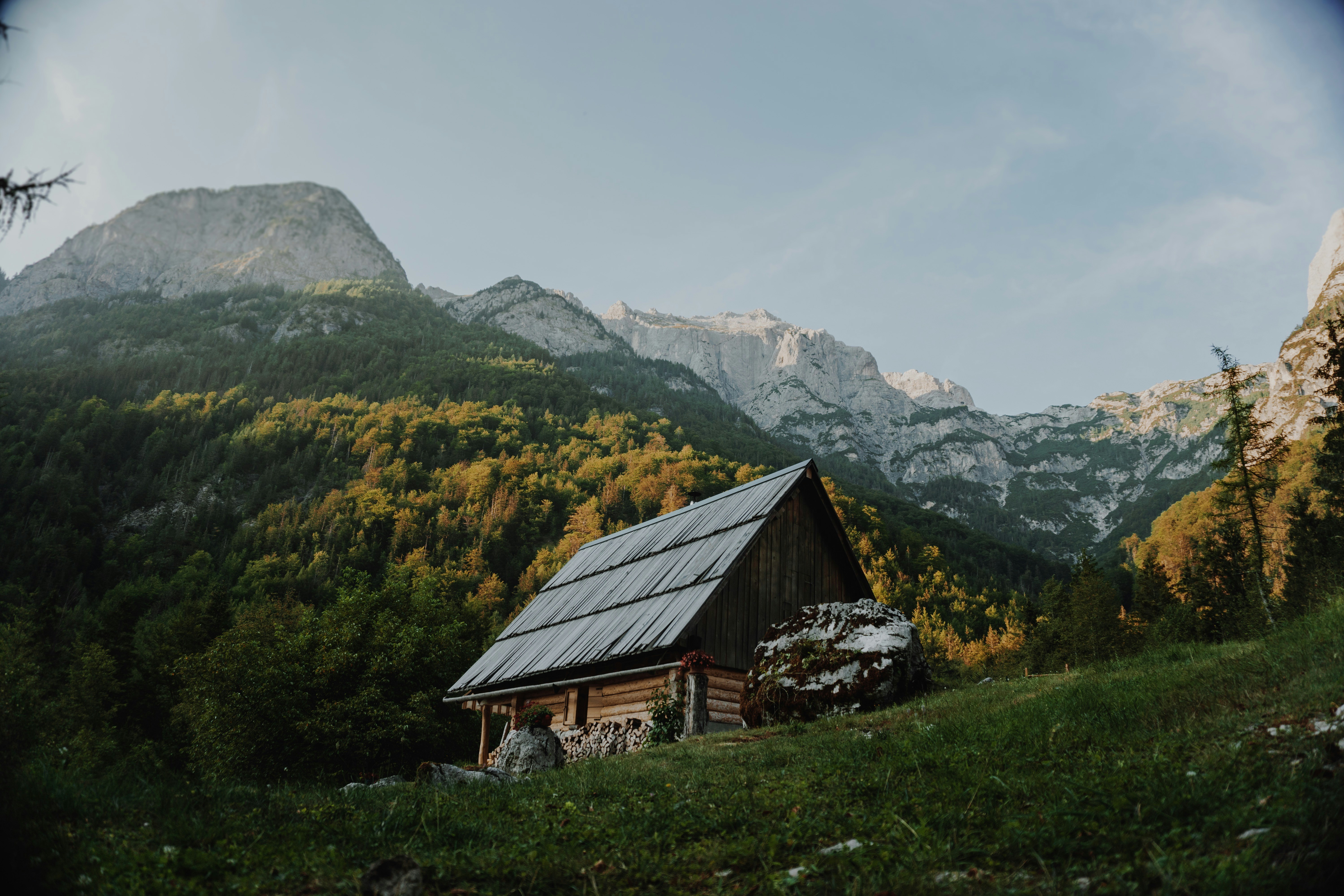
Imagine waking up not to the shrill blast of an alarm clock, but to the golden sun warming your face and the gentle chirp of birds you helped feed yesterday. No utility bills, no grid outages, just pure, unadulterated freedom. But here’s the plot twist: off-grid living isn’t a vacation; it’s a masterclass in self-reliance. While many dream of escaping to the woods, few realize that the average American home guzzles 30 kWh of energy daily, whereas a well-designed off-grid cabin thrives on a mere 5 kWh. In this comprehensive guide, we’ll walk you through the gritty reality of drilling wells, wiring solar arrays, and mastering the art of composting toilets, revealing the 20 essential steps that separate the dreamers from the doers. From the legal labyrinth of zoning laws to the psychological thrill of growing your own food, we’ve got the roadmap you need to turn your wild dream into a sustainable reality.
Key Takeaways
- Start Small, Think Big: You don’t need a mansion to begin; a tiny house or camper is the perfect low-risk entry point to master the basics of energy and water management.
- Water is Life: Before you worry about solar panels, secure a reliable water source; a failure here is far more critical than a power outage.
- Legal Due Diligence: Zoning laws and building codes are your first hurdle—never buy land without verifying water rights, easements, and minimum square footage requirements.
- Energy Independence: A hybrid system (Solar + Wind + Backup Generator) ensures you stay powered through the darkest winter storms.
- Mindset Matters: Success requires a shift from consumer to creator; be prepared for physical labor, problem-solving, and the profound silence of the wild.
Table of Contents
- ⚡️ Quick Tips and Facts
- 📜 The Evolution of Self-Sufficiency: From Pioneers to Modern Homesteaders
- 🗺️ Finding Your Slice of Paradise: Land Acquisition and Zoning Laws
- Verifying Your Land’s Legal Status and Building Codes
- The Critical Importance of Water Rights and Mineral Rights
- 🔋 Powering Your Life: 20 Essential Steps to Off-Grid Energy Independence
- 1. Calculating Your Total Kilowatt-Hour Needs
- 2. Designing a Robust Solar Array System
- 3. Choosing Between Lead-Acid and Lithium LiFePO4 Batteries
- 4. Installing Wind Turbines for Supplemental Power
- 5. Utilizing Micro-Hydro Systems for Constant Energy
- 6. Setting Up a Backup Propane or Diesel Generator
- 💧 Liquid Gold: Sourcing and Managing Your Water Supply
- 7. Drilling a Deep Well vs. Shallow Well Options
- 8. Designing a Rainwater Catchment and Harvesting System
- 9. Implementing Multi-Stage UV and Carbon Filtration
- 10. Gravity-Fed Water Systems for Zero-Energy Pressure
- 🚽 The Dirty Truth: Waste Management and Sanitation
- 11. Composting Toilets: The Humanure Revolution
- 12. Installing a Traditional Septic or Mound System
- 13. Greywater Recycling for Irrigation and Orchards
- 🏠 Building Your Sanctuary: Sustainable Shelter Options
- 14. Tiny Houses on Wheels and Foundations
- 15. Earthships: Living in a Self-Sustaining Vessel
- 16. Shipping Container Homes: Pros and Cons
- 17. Log Cabins and Traditional Timber Framing
- 🍎 Food Security: The Off-Grid Grocery Store
- 18. Permaculture Design and Food Forests
- 19. Raising Livestock: Chickens, Goats, and Bees
- 20. Long-Term Food Preservation: Canning and Root Cellars
- 🌡️ Climate Control: Staying Cozy Without the Grid
- Wood Stoves and Rocket Mass Heaters
- Passive Solar Heating and Cooling Techniques
- 🛡️ Securing Your Perimeter: Safety and Emergency Preparedness
- 💰 The Financial Reality: Budgeting for Your Green Escape
- 🧠 The Psychology of Self-Reliance: Mental Health Off the Map
- 🏁 Conclusion
- 🔗 Recommended Links
- ❓ FAQ
- 📚 Reference Links
⚡️ Quick Tips and Facts
Before you trade your ergonomic office chair for a tractor seat, let’s look at the cold, hard (and sometimes muddy) facts. Off-grid living is less about “escaping” and more about “engaging” with the systems that keep you alive. If you’re looking for a deep dive into the lifestyle, check out our guide on Off-Grid Living to see if you’re truly ready to cut the cord.
| Fact/Tip | Description |
|---|---|
| Energy Usage | The average American home uses 30 kWh per day; most off-grid homes survive on 3-5 kWh. |
| Zoning is King | Your biggest hurdle isn’t the weather; it’s the local building inspector. |
| Water Priority | You can live 3 weeks without food, but only 3 days without water. Source it first! |
| The 3-Year Rule | It typically takes 3 years for an off-grid homestead to reach a “rhythm.” |
| Resale Value | Off-grid homes can be harder to finance through traditional banks. |
📜 The Evolution of Self-Sufficiency: From Pioneers to Modern Homesteaders
Once upon a time, “off-grid” was just called “living.” Our ancestors didn’t have a choice; they were the original Conservation Tips experts by necessity. They hauled water, chopped wood, and prayed for rain.
Fast forward to the 1970s, and the “Back-to-the-Land” movement turned self-sufficiency into a political statement. Today, it’s a high-tech revolution. We’ve moved from smoky kerosene lamps to Renogy Solar Panels and Starlink internet. As we face the realities of Climate Change, many are realizing that decentralizing our lives is the ultimate act of Carbon Footprint Reduction.
But here’s the kicker: Is modern tech making us more independent, or just dependent on a different kind of grid? We’ll explore how to strike that balance.
🗺️ Finding Your Slice of Paradise: Land Acquisition and Zoning Laws
Finding land is like dating: the photos always look better than the reality, and sometimes there are hidden “exes” (like liens or easements). According to the experts at Frugal Off Grid, “Off-grid living isn’t a fantasy. It’s a skill set.” And the first skill you need is legal research.
Verifying Your Land’s Legal Status and Building Codes
Don’t buy a single acre until you’ve called the County Planning Department. Some counties have “Minimum Square Footage” requirements that make tiny homes illegal. Others have “Compulsory Utility Hookup” laws. ❌ Never assume “rural” means “anything goes.”
The Critical Importance of Water Rights and Mineral Rights
In states like Colorado, you might own the land but not the rain that falls on it! 😲 Check for:
- Water Rights: Can you legally drill a well or catch rain?
- Mineral Rights: Can a mining company set up a rig in your backyard?
- Easements: Does the neighbor have a legal right to drive through your “secluded” garden?
🔋 Powering Your Life: 20 Essential Steps to Off-Grid Energy Independence
Energy is the heartbeat of your home. To get it right, you need a system that works while you sleep.
1. Calculating Your Total Kilowatt-Hour Needs
You can’t build a system if you don’t know your load. Use a Kill A Watt Meter to measure your current gadgets. Be ruthless. Do you really need that electric milk frother?
2. Designing a Robust Solar Array System
Solar is the gold standard for Eco-Conscious Brands.
- Fixed Mounts: Cheaper, less maintenance.
- Tracking Mounts: Follow the sun, 30% more efficient, but more moving parts to break.
3. Choosing Between Lead-Acid and Lithium LiFePO4 Batteries
This is the “VHS vs. Betamax” of the off-grid world.
| Feature | Lead-Acid (AGM/Flooded) | Lithium (LiFePO4) |
|---|---|---|
| Lifespan | 3-5 Years | 10-15 Years |
| Depth of Discharge | 50% (Don’t drain them!) | 90-100% |
| Maintenance | High (Adding water) | Zero |
| Weight | Heavy (Lead is… heavy) | Lightweight |
Gone Greenish™ Recommendation: Go Lithium. Brands like Battle Born Batteries are an investment that pays for itself in longevity.
- 👉 Shop Battle Born Batteries on: Amazon | Battle Born Official
4. Installing Wind Turbines for Supplemental Power
Wind is great because it works at night and during storms when solar fails. However, small turbines like the Missouri Wind and Solar models require high average wind speeds to be effective.
5. Utilizing Micro-Hydro Systems for Constant Energy
If you have a running stream with “head” (vertical drop), you’ve hit the energy jackpot. It’s 24/7 power!
6. Setting Up a Backup Propane or Diesel Generator
Even the best solar setup needs a “Plan B” for those dark December weeks. A Honda EU2200i is the gold standard for quiet, reliable backup.
💧 Liquid Gold: Sourcing and Managing Your Water Supply
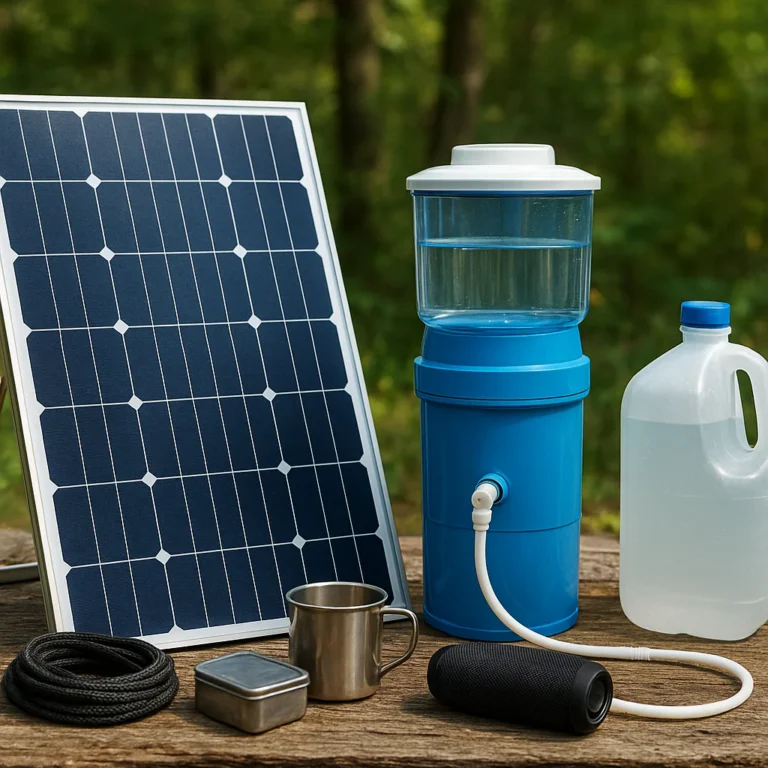
Water is the one thing you cannot compromise on. As the #featured-video suggests, having a reliable water container and source is the difference between a homestead and a campsite.
7. Drilling a Deep Well vs. Shallow Well Options
Deep wells are expensive but offer the most consistent supply. Shallow wells are cheaper but prone to drying up during droughts—a major concern with increasing Climate Change impacts.
8. Designing a Rainwater Catchment and Harvesting System
Your roof is a giant funnel. For every inch of rain on a 1,000 sq ft roof, you can collect about 600 gallons of water. Use First Flush Diverters to keep the bird poop out of your tank.
9. Implementing Multi-Stage UV and Carbon Filtration
Don’t gamble with Giardia.
- Sediment Filter: Removes dirt.
- Carbon Filter: Removes chemicals/tastes.
- UV Light: Zaps bacteria and viruses.
10. Gravity-Fed Water Systems for Zero-Energy Pressure
If you place your tank 50 feet above your house, you get ~22 PSI of pressure without ever turning on a pump. It’s physics, baby!
🚽 The Dirty Truth: Waste Management and Sanitation
Let’s talk about the “elephant in the room”—or rather, the “deposit in the bucket.”
11. Composting Toilets: The Humanure Revolution
The Nature’s Head Composting Toilet is the darling of the off-grid world. It separates solids and liquids to prevent smell.
Product Review: Nature’s Head Composting Toilet
| Category | Rating (1-10) |
|---|---|
| Design | 8/10 (A bit bulky, but functional) |
| Ease of Use | 9/10 (Simple crank handle) |
| Odor Control | 10/10 (Surprisingly effective!) |
| Eco-Friendliness | 10/10 (Saves thousands of gallons of water) |
- 👉 CHECK PRICE on: Amazon | Etsy | Nature’s Head Official
12. Installing a Traditional Septic or Mound System
If you want a “normal” flush toilet, you’ll need a septic tank. This is often the most expensive part of a build and requires a “perc test” to ensure the soil can handle the drainage.
13. Greywater Recycling for Irrigation and Orchards
Why waste shower water? Use biodegradable soaps (like Dr. Bronner’s) and pipe that water directly to your fruit trees. This is peak Biodiversity Conservation in action.
🏠 Building Your Sanctuary: Sustainable Shelter Options
Where you lay your head matters. But how much house do you really need?
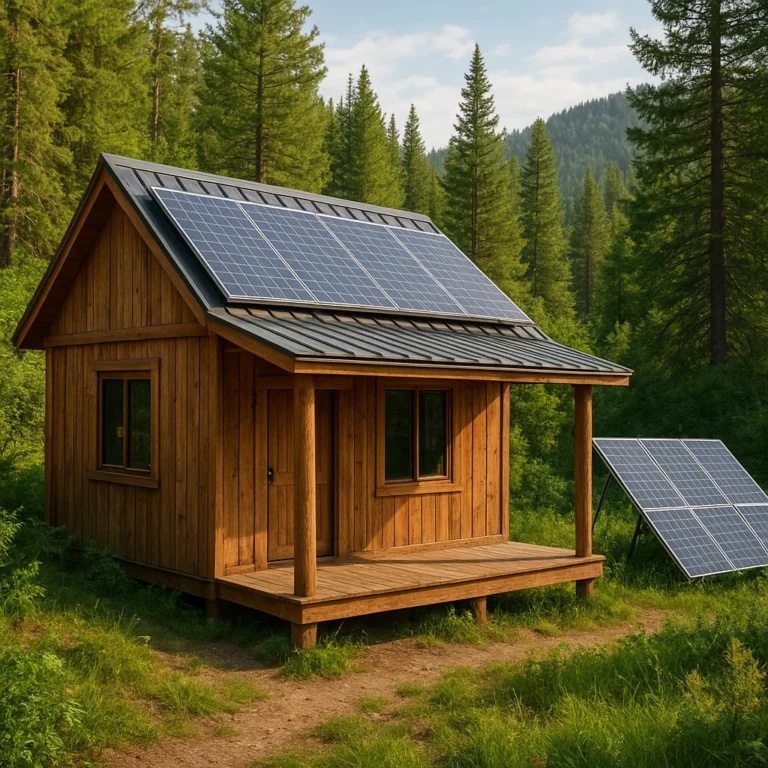
14. Tiny Houses on Wheels and Foundations
Tiny houses are the “gateway drug” to off-grid living. They are easy to heat and cool, but can feel cramped if you’re stuck inside during a week-long blizzard.
15. Earthships: Living in a Self-Sustaining Vessel
Built from tires and rammed earth, Earthships are designed to heat and cool themselves passively. They are the ultimate in Carbon Footprint Reduction.
16. Shipping Container Homes: Pros and Cons
✅ Pros: Structural integrity, “cool” factor.
❌ Cons: They are giant metal ovens/freezers without massive amounts of insulation. Also, cutting holes for windows compromises the structure.
17. Log Cabins and Traditional Timber Framing
There’s a reason these have lasted for centuries. They offer incredible thermal mass and a connection to the land that steel just can’t match.
🍎 Food Security: The Off-Grid Grocery Store
If you’re still driving to Walmart every three days, are you really off-grid?
18. Permaculture Design and Food Forests
Instead of a high-maintenance lawn, plant a food forest. Use layers (canopy, shrubs, groundcover) to create a self-sustaining ecosystem. This supports Biodiversity Conservation while filling your plate.
19. Raising Livestock: Chickens, Goats, and Bees
- Chickens: The “gateway” livestock. Eggs + Pest Control.
- Goats: Great for clearing brush, but they are escape artists.
- Bees: Essential for pollination and that sweet, sweet honey.
20. Long-Term Food Preservation: Canning and Root Cellars
When the harvest comes in, it comes in fast. You’ll need a Presto Pressure Canner to ensure your pantry stays full through the winter.
🌡️ Climate Control: Staying Cozy Without the Grid
Heating and cooling are the biggest energy hogs in a standard home. Off-grid, we use smarter methods.
Wood Stoves and Rocket Mass Heaters
A Cubic Mini Wood Stove is perfect for small spaces. For larger homes, a Rocket Mass Heater uses 1/4 of the wood of a traditional stove by storing heat in a thermal mass (like a cob bench).
Passive Solar Heating and Cooling Techniques
Design your house with south-facing windows and large overhangs. In the winter, the low sun hits the floor and warms the house. In the summer, the overhang shades the glass. It’s free energy!
🛡️ Securing Your Perimeter: Safety and Emergency Preparedness
Living remotely means help is far away. The “first YouTube video” emphasizes that a 4×4 truck and trailer are essential for transporting supplies and serving as an emergency escape pod.
- First Aid: Get a professional grade MyMedic First Aid Kit.
- Communication: A Garmin inReach satellite messenger is a literal lifesaver when cell towers are down.
- Fire Safety: Living in the woods means wildfire risk. Have a “Go Bag” ready at all times.
💰 The Financial Reality: Budgeting for Your Green Escape
Is it cheaper? Eventually. Is it expensive to start? Absolutely.
Frugal Off Grid notes that many beginners overbuild before the foundation is solid. Start with a camper or a simple shed while you build your main home. This prevents you from going into debt while trying to “be free.”
🧠 The Psychology of Self-Reliance: Mental Health Off the Map
The silence can be deafening. Many people quit not because the solar panels failed, but because they missed the convenience of a pizza delivery or the social hum of a city.
Are you prepared for the “Dark Days of December”? When the batteries are low, the wood is wet, and you haven’t seen another human in two weeks? This is where true grit is forged. But don’t worry, the first time you bite into a sun-warmed tomato you grew yourself, or see the Milky Way without light pollution, you’ll know exactly why you’re here.
But wait… what happens when something actually breaks and you’re the only one there to fix it? We’ll tackle the “Master of All Trades” mindset next.
🏁 Conclusion
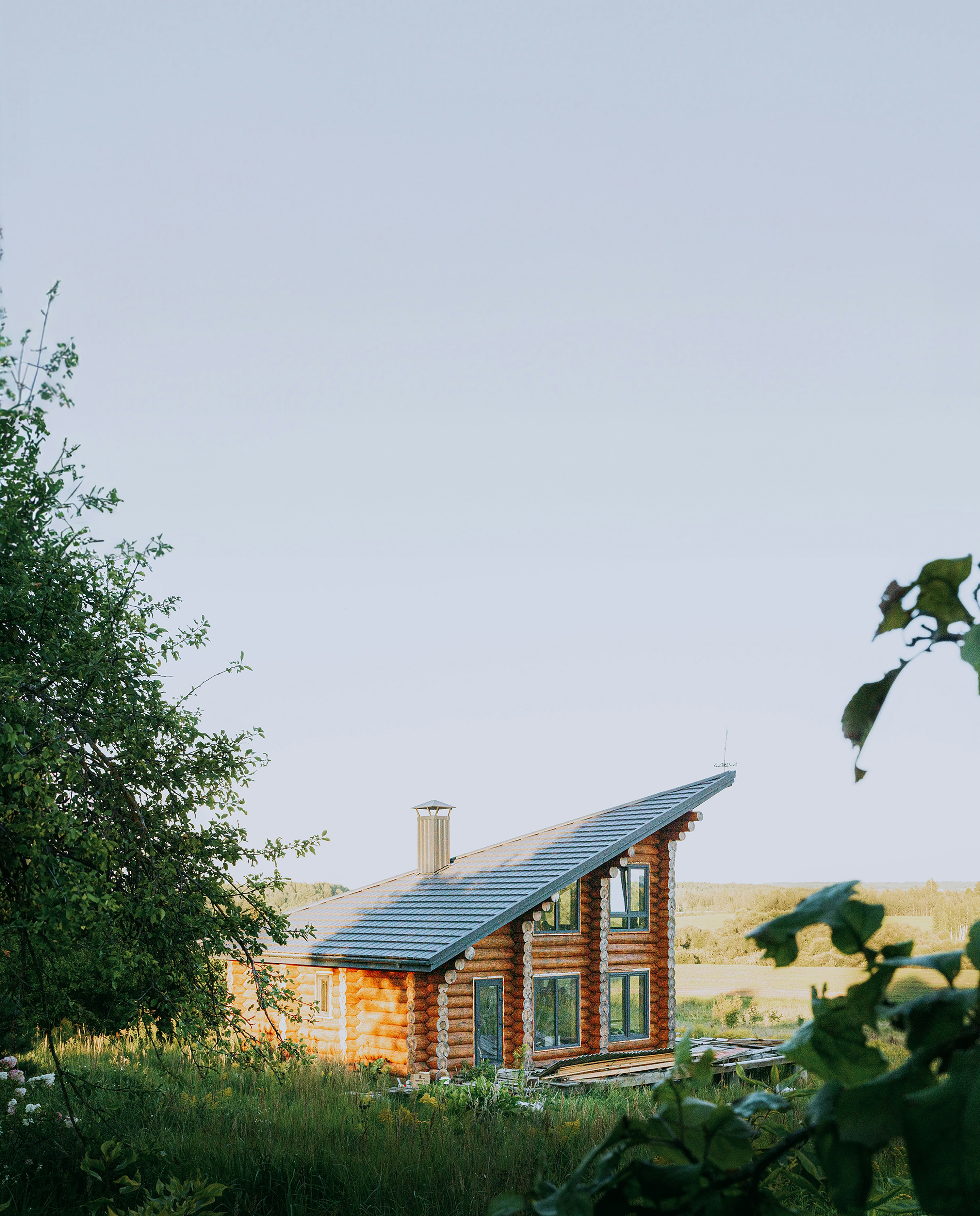
So, we’ve journeyed from the muddy boots of the pioneer to the lithium-ion batteries of the modern homesteader. You asked the big question earlier: “What happens when something actually breaks and you’re the only one there to fix it?” The answer is simple: You fix it. Or you learn to. That is the essence of off-grid living. It’s not about escaping the world; it’s about regaining control over your time, your health, and your environment.
As we’ve seen, the path isn’t linear. It’s a spiral of learning, failing, and adapting. Whether you choose a Nature’s Head Composting Toilet or a deep well, a Renogy Solar Array or a wind turbine, the goal remains the same: Resilience.
The Verdict on the Lifestyle:
- ✅ Pros: Unmatched freedom, zero utility bills, direct connection to nature, reduced Carbon Footprint, and a profound sense of self-reliance.
- ❌ Cons: High initial capital, physical labor, isolation, and the constant need for maintenance and problem-solving.
Our Confident Recommendation:
If you are ready to trade convenience for capability, start small. Do not mortgage your future to build a mansion on a mountain before you’ve mastered the art of growing a potato. Begin with a tiny house, a rainwater catchment system, and a solar setup that powers your essentials. As the experts at Frugal Off Grid wisely stated, “Off-grid living isn’t a fantasy. It’s a skill set.”
You don’t need to be a master of all trades today. You just need to be willing to learn one new skill tomorrow. The silence of the woods, the taste of your own food, and the warmth of a wood stove are waiting for you. Are you ready to take the leap?
🔗 Recommended Links
Ready to gear up? Here are the essentials we trust for a healthy, green, and self-sufficient life.
🛒 Essential Gear & Brands
- Solar Power Systems:
- 👉 Shop Renogy Solar Panels on: Amazon | Renogy Official
- 👉 Shop Battle Born Batteries on: Amazon | Battle Born Official
- Water & Sanitation:
- 👉 Shop Nature’s Head Composting Toilet on: Amazon | Nature’s Head Official
- 👉 Shop First Flush Diverters on: Amazon
- 👉 Shop Eco-Friendly Soaps (Dr. Bronner’s) on: Amazon | Dr. Bronner’s Official
- Heating & Cooking:
- 👉 Shop Cubic Mini Wood Stoves on: Cubic Mini Official
- 👉 Shop Presto Pressure Canners on: Amazon
- Safety & Communication:
- 👉 Shop Garmin inReach Satellite Messengers on: Amazon | Garmin Official
- 👉 Shop MyMedic First Aid Kits on: Amazon | MyMedic Official
📚 Must-Read Books for the Aspiring Homesteader
- “The Self-Sufficient Life and How to Live It” by John Seymour: The classic guide to traditional skills. Check Price on Amazon
- “Gaia’s Garden: A Guide to Home-Scale Permaculture” by Toby Hemenway: Essential for creating your food forest. Check Price on Amazon
- “Off-Grid Living: A Beginner’s Guide to Sustainable Living” by various authors: A practical roadmap for modern systems. Check Price on Amazon
❓ FAQ
How can off-grid living improve my physical and mental health?
Living off-grid forces a return to natural rhythms.
- Physical Health: You engage in daily physical activity (chopping wood, gardening, hauling water) which improves cardiovascular health and strength. You also consume fresher, organic food grown without synthetic pesticides, directly reducing your toxic load.
- Mental Health: The removal of digital noise and the “hustle culture” of city life reduces cortisol levels. The sense of agency—knowing you can provide for your family—builds immense confidence and reduces anxiety. However, be aware of the potential for isolation; maintaining social connections is crucial.
Read more about “🌲 17+ Best Off-Grid Living YouTube Channels (2026)”
What are the healthiest water filtration systems for off-grid beginners?
Not all filters are created equal. For off-grid living, you need a system that handles bacteria, viruses, and heavy metals.
- The Gold Standard: A Multi-Stage System combining:
- Sediment Filter: Removes dirt and rust.
- Activated Carbon: Removes chlorine, VOCs, and bad tastes.
- UV Purifier: The final step that kills 99.9% of bacteria and viruses (like Giardia and E. coli) without chemicals.
- Recommendation: Look for systems from brands like Berkey (gravity-fed, no electricity) or iSpring (for pressurized systems). Always test your source water first!
How do I start a sustainable organic garden for off-grid living?
Start with Permaculture Principles.
- Observe: Watch the sun, wind, and water flow on your land for a full season before planting.
- Soil First: Build healthy soil with compost, cover crops, and no-till methods. Healthy soil = healthy food.
- Water Wisely: Use rainwater catchment and drip irrigation to conserve water.
- Diversity: Plant a variety of crops (food forests) to prevent pest outbreaks and ensure food security.
- Seed Saving: Learn to save seeds from your best plants to ensure self-sufficiency year after year.
Read more about “🌲 Off-Grid Living: The Ultimate 2026 Guide to True Freedom”
What are the best renewable energy sources for a healthy off-grid home?
The “best” source depends on your location, but a Hybrid System is usually the most reliable and healthy choice.
- Solar PV: The most versatile and silent. Ideal for most climates.
- Wind Turbines: Excellent for supplementing solar during cloudy/stormy days, but can be noisy and require maintenance.
- Micro-Hydro: The most consistent source if you have flowing water, but geographically limited.
- Why Hybrid? It ensures you have power even when the sun isn’t shining, reducing the stress of “blackouts” and ensuring your medical devices and refrigeration stay running.
Read more about “☀️ Solar Power: The Ultimate 2026 Guide to Free Energy & 20 Benefits”
How does off-grid living reduce exposure to environmental toxins?
By disconnecting from the grid, you often disconnect from the sources of pollution.
- Air Quality: You avoid the exhaust of power plants and the smog of urban centers.
- Water Quality: You control your water source, avoiding municipal treatment chemicals like chlorine and fluoride (if you choose to filter them out).
- Food Quality: You grow your own food without synthetic fertilizers, herbicides, or pesticides.
- Building Materials: You have the freedom to use non-toxic, natural building materials (clay, straw, untreated wood) instead of off-gassing synthetics found in conventional construction.
What are the essential natural remedies for off-grid health emergencies?
While you should always have a professional first aid kit, a well-stocked herbal apothecary is vital.
- Wound Care: Honey (antibacterial), Yarrow (stops bleeding), and Plantain (draws out splinters and soothes stings).
- Digestive Issues: Ginger (nausea), Peppermint (bloating), and Chamomile (calming).
- Pain & Inflammation: Willow Bark (natural aspirin) and Arnica (bruises).
- Immune Support: Elderberry and Echinacea.
- Note: Always consult a healthcare professional for serious conditions. Natural remedies are for minor ailments and supportive care.
How can I build an off-grid home using non-toxic and eco-friendly materials?
- Walls: Use Straw Bales, Cob, Rammed Earth, or Hempcrete. These materials are breathable, non-toxic, and have excellent thermal mass.
- Insulation: Avoid fiberglass. Use Sheep’s Wool, Cellulose (recycled paper), or Cork.
- Finishes: Use Clay Plaster instead of drywall and paint. Use Natural Linseed Oil or Beeswax for wood finishes.
- Foundation: Use Stone or Recycled Concrete to minimize the carbon footprint of cement.
Read more about “Do Green Homes Cost More? Unpacking 21 Surprising Truths in 2026 🌿”
📚 Reference Links
- Frugal Off Grid: Off-Grid Living for Beginners: Key Summary – A comprehensive guide on the five essential systems of off-grid life.
- Gone Greenish™: Off-Grid Living – Our deep dive into the lifestyle.
- Gone Greenish™: Carbon Footprint Reduction – Learn how to lower your impact.
- Gone Greenish™: Conservation Tips – Practical advice for saving resources.
- Gone Greenish™: Eco-Conscious Brands – Reviews of sustainable products.
- Gone Greenish™: Climate Change – Understanding the global context.
- Gone Greenish™: Biodiversity Conservation – Protecting nature on your homestead.
- Facebook Community: Off-grid living in Arkansas: a beginner’s guide – Facebook – Join the discussion on regional challenges and community support.
- Renogy: Solar Power Solutions
- Battle Born Batteries: Lithium Batteries
- Nature’s Head: Composting Toilets
- Dr. Bronner’s: Organic Soaps
- Garmin: inReach Satellite Communicators
- MyMedic: First Aid Kits