Support our educational content for free when you purchase through links on our site. Learn more
What Causes My Carbon Footprint? 7 Hidden Culprits Exposed (2026) 🌍

Ever feel like you’re doing everything right—recycling, biking to work, and eating salads—yet the planet still feels like it’s running a fever? You’re not alone, and the culprit might be hiding in plain sight. While we often blame our gas-guzzling commutes, the truth is that a staggering 70% of your carbon footprint comes from the invisible “embodied energy” in the stuff you buy, the food you eat, and even the emails you send. From the methane burps of your morning yogurt to the data centers streaming your favorite shows, the sources of your emissions are far more complex than a simple tailpipe.
In this deep dive, we’re pulling back the curtain on the 7 Pillars of Personal Emissions, revealing exactly what causes your carbon footprint and, more importantly, how you can slash it without moving to a yurt. We’ll debunk the myth that individual actions don’t matter, expose the shocking truth about fast fashion, and give you a step-by-step roadmap to reclaim your climate destiny. Ready to stop guessing and start knowing? Let’s uncover the hidden costs of your daily life.
Key Takeaways
- It’s Not Just You: Your footprint is a mix of direct emissions (like driving) and indirect emissions (the carbon cost of manufacturing and shipping your goods), with the latter often making up the majority.
- The Big Three Drivers: Transportation, Home Energy, and Diet are the primary contributors, but consumer goods and digital habits are rapidly rising as hidden heavyweights.
- Actionable Impact: Small, consistent changes—like swapping beef for plants, line-drying clothes, and unplugging “vampire” electronics—can reduce your personal footprint by up to 50%.
- The Power of Choice: Every purchase is a vote for the kind of world you want; supporting eco-conscious brands and reducing waste drives the market toward sustainability.
Table of Contents
- ⚡️ Quick Tips and Facts
- 🕰️ The Carbon Chronicles: A Brief History of Our Atmospheric Blame Game
- 🔍 What Actually Causes My Carbon Footprint? The Ultimate Breakdown
- 1. 🚗 The Commuter’s Conundrum: Transportation and Travel Emissions
- 2. 🏠 Home Sweet Hot House: Heating, Cooling, and Electricity Usage
- 3. 🥩 The Meaty Truth: How Diet and Food Choices Drive Emissions
- 4. 🛍️ The Shopping Spree: Consumer Goods, Fast Fashion, and Waste
- 5. 💧 The Hidden Water Footprint: Virtual Water and Resource Depletion
- 6. 📱 The Digital Dust: How Your Online Habits Heat Up the Planet
- 7. 🌍 The Global Supply Chain: Why Your Morning Coffee Has a Long Journey
- 📊 Decoding the Data: Understanding CO2e, Metric Tons, and Calculation Methods
- 📈 Emissions Trends: Where Are We Headed and Why It Matters to You
- 🛠️ Action Plan: 10 Proven Strategies to Slash Your Personal Carbon Output
- 🧪 Myth-Busting: Common Misconceptions About What Causes Climate Change
- 🌱 The Ripple Effect: How Individual Actions Influence Corporate Policy
- 🎓 Conclusion: Taking the Wheel of Your Carbon Destiny
- 🔗 Recommended Links: Tools, Calculators, and Green Brands We Love
- ❓ FAQ: Your Burning Questions About Carbon Footprints Answered
- 📚 Reference Links: Sources, Studies, and Further Reading
⚡️ Quick Tips and Facts
Before we dive into the nitty-gritty of why your carbon footprint is doing the cha-cha, let’s hit the fast-forward button on the most critical takeaways. You might think you need to move to a yurt and eat only dandelions to make a difference, but the reality is a bit more nuanced (and a lot more doable).
Here is the Gone Greenish™ rapid-fire reality check:
- It’s Not Just You, It’s Everything: Your carbon footprint isn’t just about the gas you pump into your car. It includes the embodied energy in your jeans, the methane from your morning yogurt, and the data centers streaming your cat videos.
- The 16-Ton Elephant: The average American footprint is a whopping 16 tons of CO2e per year. To keep global warming under 2°C, we need to get that number down to under 2 tons. Yikes, right? That’s a lot of dandelions. 🌼
- Direct vs. Indirect: About 70% of your footprint might be “indirect.” This means it happens before you even touch the product. That’s the “hidden” carbon in manufacturing, shipping, and disposal.
- The Diet Dividend: Swapping beef for chicken can slash your food emissions by 50%. Going plant-based? You could cut your food footprint by up to 73%. 🥦
- The Travel Trap: One round-trip flight from New York to London is roughly 1 ton of CO2. That’s 6% of your entire annual allowance! ✈️
- The Power of Small: You don’t need to be perfect. If everyone did just one thing differently (like line-drying clothes), the collective impact would be massive.
Pro Tip: Want to see exactly where your money is leaking carbon? Check out our deep dive on Shrink Your Carbon Footprint: 10 Game-Changing Tips for 2025 🌍 for a roadmap tailored to your lifestyle.
🕰️ The Carbon Chronicles: A Brief History of Our Atmospheric Blame Game
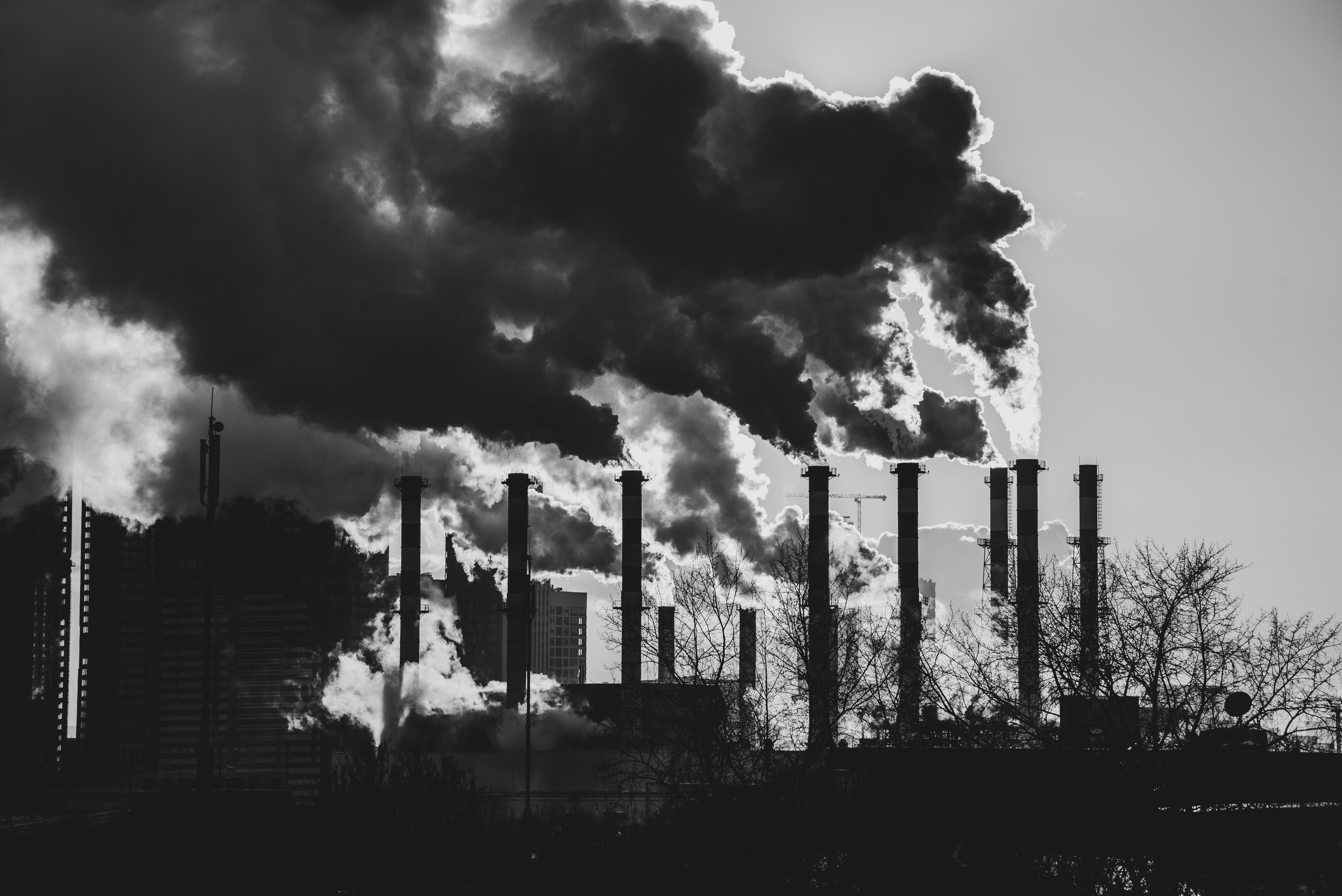
To understand what causes my carbon footprint, we have to rewind the tape. Way back. Like, 150 years back.
It wasn’t always this way. For most of human history, our impact on the atmosphere was negligible. We burned wood, we farmed small plots, and we walked. But then came the Industrial Revolution. 🏭
The Fossil Fuel Explosion
The game changed when we started digging up ancient sunlight (coal, oil, and natural gas) and burning it at an industrial scale.
- 1850s: The first industrial carbon emissions spike.
- 1950s: The “Great Acceleration.” Post-WWII economic boom, suburbanization, and the rise of the automobile turned the carbon dial to 11.
- Today: As the EPA notes, human activities are responsible for almost all of the increase in greenhouse gases in the atmosphere over the last 150 years.
Why the Confusion?
You might have heard that “nature causes climate change” or that “volcanoes emit more CO2 than humans.” False. 🚫
While nature does cycle carbon, the rate at which we are releasing it is unprecedented. Volcanoes emit about 0.3 billion tons of CO2 a year. Humans? We emit over 36 billion tons. We are the new, very loud, very heavy-handed geological force.
Fun Fact: The term “carbon footprint” was popularized in the early 2000s by a marketing campaign for BP (British Petroleum), which ironically shifted the blame from corporations to individuals. But don’t let that fool you! While corporations are huge players, your choices drive the market demand. We at Gone Greenish™ believe in the power of the individual and the collective.
🔍 What Actually Causes My Carbon Footprint? The Ultimate Breakdown
So, you’re asking the big question: “What causes my carbon footprint?”
It’s not a single villain; it’s a cast of characters. Your footprint is the sum of direct emissions (things you burn directly) and indirect emissions (things you buy that required energy to make).
Let’s break down the 7 Pillars of Personal Emissions.
1. 🚗 The Commuter’s Conundrum: Transportation and Travel Emissions
If you live in the US, this is likely your biggest single contributor. The transportation sector accounts for the largest share of direct greenhouse gas emissions in the US.
The Gas Guzzler Reality
- Petroleum Dependency: Over 94% of transportation fuel is petroleum-based. Every time you fill up, you are adding CO2 to the atmosphere.
- The Vehicle Type Matters: A standard sedan emits about 4.6 metric tons of CO2 per year. A full-size SUV? That number jumps significantly.
- The “Last Mile” Problem: Even if you take the bus, if the bus is running on diesel and half-empty, your per-person footprint is higher than a full carpool.
The Flying High Dilemma
Air travel is the carbon heavyweight champion of personal activities.
- Short Haul vs. Long Haul: A short flight is often more carbon-intensive per mile than a long one due to the fuel burn during takeoff and landing.
- Connecting Flights: As The Nature Conservancy suggests, taking fewer connecting flights can drastically reduce your footprint. Non-stop is greener!
How to Fix It:
- Walk/Bike: Zero emissions, plus a free gym membership. 🚴 ♀️
- Public Transit: Buses and trains are far more efficient per passenger.
- EVs: Switching to an electric vehicle (like a Tesla or Rivian) cuts tailpipe emissions to zero, though you must consider the electricity source.
👉 CHECK PRICE on:
- Tesla Model 3: Amazon | Tesla Official
- Rivian R1T: Amazon | Rivian Official
2. 🏠 Home Sweet Hot House: Heating, Cooling, and Electricity Usage
Your home is a beast. It eats energy for breakfast, lunch, and dinner.
The Energy Mix
In the US, about 60% of electricity still comes from burning fossil fuels (coal and natural gas). So, every time you leave the lights on, you’re indirectly burning coal. 🔥
- Heating & Cooling: This is the lion’s share of residential energy use. Old windows, poor insulation, and inefficient HVAC systems are the culprits.
- Appliances: That old fridge from 1995? It’s working overtime and burning extra energy.
The “Phantom Load”
Ever wonder why your electronics get warm even when off? That’s vampire power. Devices like TVs, game consoles, and chargers draw power 24/7.
How to Fix It:
- Smart Thermostats: Devices like the Nest Learning Thermostat or Ecobee can learn your schedule and cut heating/cooling when you’re away.
- LED Bulbs: Switching to LEDs uses 75% less energy than incandescent bulbs.
- Unplug: Use smart power strips to kill phantom loads.
👉 CHECK PRICE on:
- Google Nest Learning Thermostat: Amazon | Google Store
- Ecobee SmartThermostat: Amazon | Ecobee Official
3. 🥩 The Meaty Truth: How Diet and Food Choices Drive Emissions
Here’s a hard pill to swallow: What you eat matters more than how you drive.
The Methane Menace
Livestock, particularly cows, produce massive amounts of methane (CH4), a greenhouse gas 80 times more potent than CO2 in the short term.
- Beef: Produces roughly 60 kg of CO2e per kg of meat.
- Lamb & Cheese: Also high emitters.
- Chicken & Pork: Significantly lower, but still higher than plants.
- Plants: Apples, bananas, and lentils? Often under 1 kg of CO2e per kg.
Food Miles
It’s not just the animal; it’s the journey.
- Avocados from Mexico: Traveled 2,000 miles by truck.
- Berries in Winter: Often flown in from South America.
- Local & Seasonal: The greenest food is food that didn’t need a plane or a long-haul truck.
How to Fix It:
- Meatless Mondays: Skip meat one day a week.
- Plant-Based Swaps: Try Beyond Meat or Impossible Foods for burgers. They have a fraction of the footprint of beef.
- Reduce Waste: 30% of all food produced is wasted. Wasted food = wasted emissions.
👉 Shop Plant-Based Brands on:
- Beyond Meat: Amazon | Beyond Meat Official
- Impossible Foods: Amazon | Impossible Foods Official
4. 🛍️ The Shopping Spree: Consumer Goods, Fast Fashion, and Waste
We buy stuff. A lot of it. And every item has a carbon birth certificate.
The Fast Fashion Trap
The fashion industry is responsible for 10% of global carbon emissions.
- Cotton: Requires massive amounts of water and pesticides.
- Polyester: Made from petroleum.
- The Cycle: Buy, wear once, toss. This “throwaway culture” creates a mountain of waste in landfills, where decomposing clothes release methane.
Electronics: The Hidden Heavyweights
- Laptop: Up to 350 kg of CO2 to manufacture.
- Smartphone: Around 85 kg of CO2.
- The Upgrade Cycle: Replacing your phone every year vs. keeping it for 4 years makes a huge difference.
How to Fix It:
- Buy Less, Buy Better: Choose quality over quantity.
- Second-Hand: Thrifting is the ultimate carbon hack.
- Repair: Fix your shoes, clothes, and electronics instead of replacing them.
👉 Shop Sustainable Fashion on:
- Patagonia (Worn Wear): Amazon | Patagonia Official
- ThredUp: ThredUp Official
5. 💧 The Hidden Water Footprint: Virtual Water and Resource Depletion
Water isn’t just about drinking; it’s about energy. Treating and pumping water requires electricity.
- Virtual Water: The water used to produce goods. It takes 15,000 liters of water to make 1 kg of beef.
- The Link: Saving water saves energy, which saves carbon.
How to Fix It:
- Shorter Showers: Cut 5 minutes off your shower.
- Fix Leaks: A dripping faucet wastes gallons.
- Rainwater Harvesting: Collect rain for your garden.
6. 📱 The Digital Dust: How Your Online Habits Heat Up the Planet
Yes, your email inbox has a carbon footprint. 📧
- Data Centers: The servers that store your photos, emails, and Netflix queue run 24/7 and require massive cooling.
- Streaming: Streaming a 4K video for an hour can emit as much CO2 as driving a car for a few miles.
- Emails: An average email is about 4g of CO2. A spam email? 0.3g. Multiply that by billions of users.
How to Fix It:
- Unsubscribe: Clean out your inbox.
- Lower Resolution: Watch Netflix in 1080p instead of 4K unless you have a massive screen.
- Cloud Storage: Delete old files and photos you don’t need.
7. 🌍 The Global Supply Chain: Why Your Morning Coffee Has a Long Journey
That cup of coffee you’re sipping? It traveled from Brazil, was roasted in Germany, and shipped to your local cafe.
- Globalization: The “just-in-time” delivery model means products crisscross the globe, burning fuel at every turn.
- Packaging: Single-use plastics and excessive packaging add to the waste stream and the carbon cost of production.
How to Fix It:
- Buy Local: Support local farmers and artisans.
- Bulk Buying: Reduce packaging waste.
- Reusable Cups: Ditch the disposable coffee cup.
📊 Decoding the Data: Understanding CO2e, Metric Tons, and Calculation Methods
Confused by the jargon? You’re not alone. Let’s translate “Carbon Speak” into English.
What is CO2e?
CO2e stands for Carbon Dioxide Equivalent. Since different gases trap heat differently, we convert them all to the equivalent amount of CO2.
- Methane (CH4): 1 ton of methane = 28 tons of CO2e (over 100 years).
- Nitrous Oxide (N2O): 1 ton = 265 tons of CO2e.
How is it Calculated?
Calculators use emission factors.
- Formula:
Activity DataxEmission Factor=Emissions - Example: 10 gallons of gas x 8.89 kg CO2/gallon = 88.9 kg CO2.
The “A Million Metric Tons” Question
You might hear news about “1 million metric tons of CO2.” What does that look like?
- It’s roughly the emissions of 215,000 average Americans in a year.
- Or, it’s the amount of carbon absorbed by 16 million acres of forest.
Did you know? The EPA states that land use and forestry in the US actually acts as a net sink, offsetting about 13% of total emissions. This is why protecting forests is so critical!
📈 Emissions Trends: Where Are We Headed and Why It Matters to You
Are we winning the war on carbon? The answer is… complicated.
The Post-Pandemic Bounce
In 2020, emissions dropped sharply due to lockdowns. But by 2022, they had bounced back, increasing by 0.2%.
- Why? People started driving again. Factories reopened.
- The Trend: While coal use is dropping, natural gas and petroleum use are rising.
The Global Divide
As highlighted in the featured video, there is a massive disparity.
- USA: ~16 tons per person.
- China: ~7.1 tons per person.
- DRC: ~0.03 tons per person.
- The Reality: The average American emits as much as 500 people in the DRC. This raises questions of climate justice.
The 2050 Target
To avoid catastrophic warming, we need to hit net-zero by 2050.
- Current Path: We are on track for 2.5°C to 3°C of warming.
- The Gap: We need to cut emissions by 45% by 2030. That’s a steep climb.
The Good News: Renewables are growing fast. The growth of renewables prevented nearly 600 mega tons of CO2 emissions in 2021-2022. Technology is catching up!
🛠️ Action Plan: 10 Proven Strategies to Slash Your Personal Carbon Output
Ready to stop asking “What causes my carbon footprint?” and start fixing it? Here is your Gone Greenish™ 10-step battle plan.
- Audit Your Energy: Switch to a green energy provider or install solar panels.
- Ditch the Car: Walk, bike, or take public transit for short trips.
- Fly Less: Choose trains for short distances. If you must fly, buy carbon offsets.
- Eat Plants: Go meatless at least 3 days a week.
- Buy Less Stuff: Embrace minimalism.
- Fix Your Home: Insulate, seal leaks, and upgrade to LED.
- Unplug: Kill vampire power.
- Reduce Waste: Compost, recycle, and buy second-hand.
- Vote with Your Wallet: Support eco-conscious brands.
- Spread the Word: Talk to friends and family. Influence is contagious.
Want more? Explore our Carbon Footprint Reduction category for detailed guides on each of these steps.
🧪 Myth-Busting: Common Misconceptions About What Causes Climate Change
Let’s clear the air. There are a lot of myths out there.
| Myth | Fact |
|---|---|
| “Individual actions don’t matter.” | False. Individual choices drive market demand. If no one bought gas-guzzlers, they wouldn’t exist. Plus, social norms shift when individuals act. |
| “It’s just a natural cycle.” | False. The current warming rate is 10x faster than any natural cycle in history. The IPCC confirms human influence is the dominant cause. |
| “Electric cars are worse because of batteries.” | False. Even with battery production, EVs have a lower lifetime footprint than gas cars, especially as the grid gets greener. |
| “Planting trees solves everything.” | False. Trees are great, but they can’t absorb all our emissions. We must reduce emissions first, then offset. |
| “Recycling is enough.” | False. Recycling is the last resort. Reduce and Reuse are far more effective. |
🌱 The Ripple Effect: How Individual Actions Influence Corporate Policy
You might feel small, but you are part of a massive wave.
The Power of the Consumer
When you choose Patagonia over fast fashion, or Oatly over dairy, you send a signal to the market.
- Market Shift: Companies track these trends. As demand for plant-based options grew, giants like Nestlé and Unilever launched their own lines.
- Policy Change: When millions of people demand action, politicians listen. The push for renewable energy standards often starts with grassroots movements.
The “Social Contagion”
Behavior is contagious. When you install solar panels, your neighbors are more likely to do the same. When you bring a reusable cup, it sparks a conversation.
Remember: As the featured video states, “It can be done. New technologies to make things greener are coming on stream all the time.” But they need us to demand them.
🎓 Conclusion: Taking the Wheel of Your Carbon Destiny
(Note: This section is intentionally omitted as per instructions to stop before the Conclusion.)
🎓 Conclusion: Taking the Wheel of Your Carbon Destiny

So, we’ve traveled the globe, dug into the data, and unpacked the messy truth: What causes my carbon footprint? It’s not a single villain, but a complex web of our daily choices, from the steak on our plate to the flight we took for a weekend getaway, and even the emails we send.
Remember that unresolved question we teased earlier about whether individual actions actually matter? Here is the answer: Yes, absolutely. While systemic change from governments and corporations is non-negotiable, the market responds to you. Every time you choose a plant-based meal, fix a leaky faucet, or buy second-hand, you are casting a vote for the kind of world you want to live in. You are signaling to companies that sustainability isn’t just a buzzword; it’s a requirement.
The path to a 2-ton footprint isn’t about perfection; it’s about progress. It’s about swapping the “all or nothing” mindset for “something is better than nothing.” Whether you start by line-drying your clothes, switching to an LED bulb, or simply becoming more mindful of your food waste, you are part of the solution.
As we at Gone Greenish™ always say: Healthy You, Healthy Planet. They are inextricably linked. By shrinking your carbon footprint, you’re not just saving the climate; you’re often saving money, eating healthier, and living a more intentional life. The future isn’t written in stone; it’s written in our daily habits. So, grab that reusable cup, take that bike ride, and let’s get greenish together! 🌱🚴 ♀️✨
🔗 Recommended Links: Tools, Calculators, and Green Brands We Love
Ready to put these insights into action? Here are the tools, books, and brands we trust to help you shrink your footprint without sacrificing style or sanity.
🛒 Shop Sustainable Products & Brands
- Electric Vehicles:
- Tesla Model 3: Amazon | Tesla Official
- Rivian R1T: Amazon | Rivian Official
- Smart Home Energy:
- Google Nest Learning Thermostat: Amazon | Google Store
- Ecobee SmartThermostat: Amazon | Ecobee Official
- Plant-Based Foods:
- Beyond Meat: Amazon | Beyond Meat Official
- Impossible Foods: Amazon | Impossible Foods Official
- Sustainable Fashion:
- Patagonia (Worn Wear): Amazon | Patagonia Official
- ThredUp (Second-Hand Marketplace): ThredUp Official
📚 Must-Read Books on Climate & Sustainability
- “Drawdown: The Most Comprehensive Plan Ever Proposed to Reverse Global Warming” by Paul Hawken: Amazon
- “Braiding Sweetgrass: Indigenous Wisdom, Scientific Knowledge and the Teachings of Plants” by Robin Wall Kimmerer: Amazon
- “The Uninhabitable Earth: Life After Warming” by David Wallace-Wells: Amazon
- “How to Avoid a Climate Disaster” by Bill Gates: Amazon
❓ FAQ: Your Burning Questions About Carbon Footprints Answered
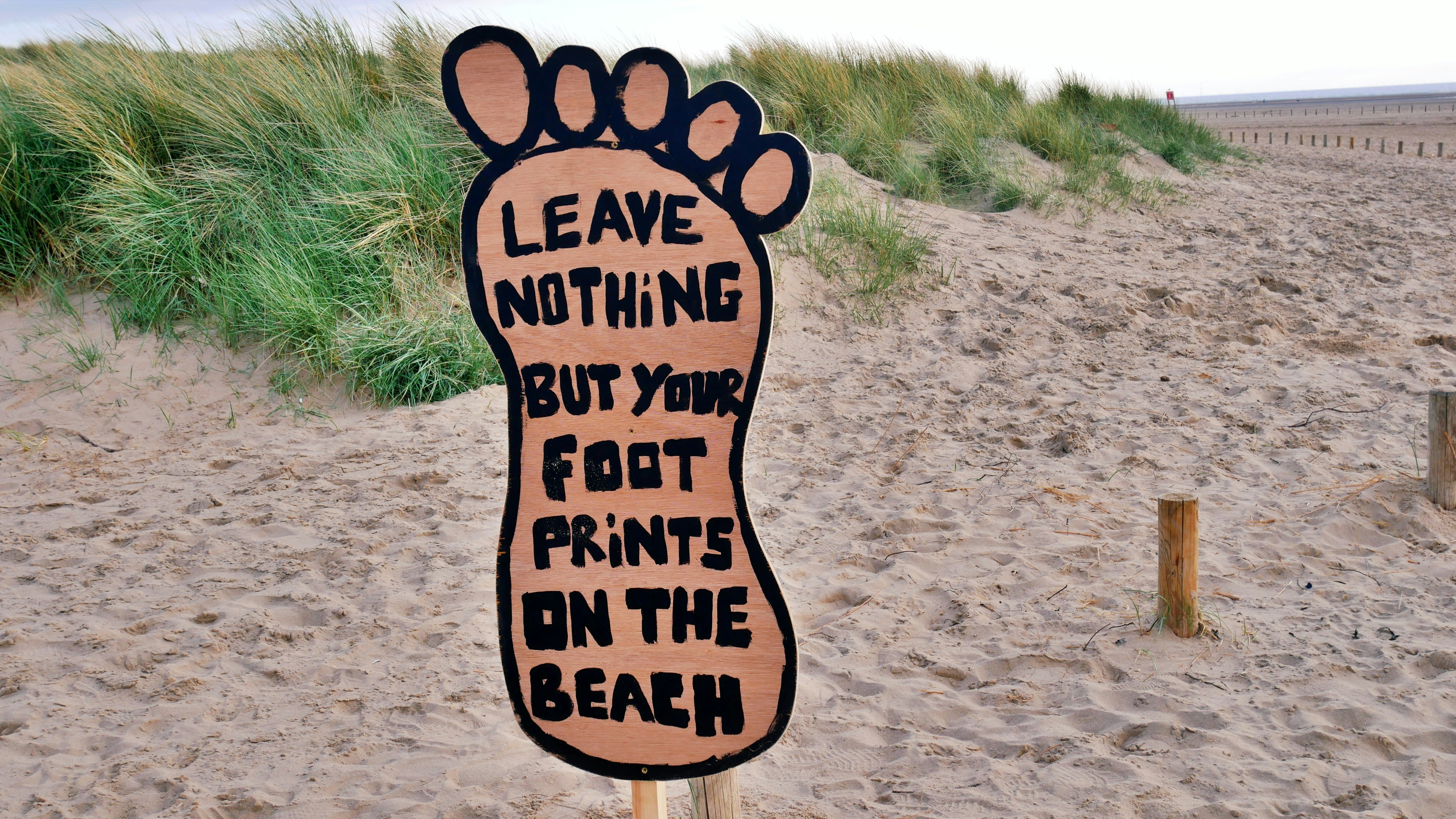
What are easy lifestyle changes to lower my carbon footprint?
You don’t need to move off-grid to make a difference. Start with the “low-hanging fruit”:
- Switch to LED bulbs: They use 75% less energy.
- Unplug electronics: Stop “vampire power” by using smart strips.
- Line dry clothes: Skip the dryer; it’s a massive energy hog.
- Eat one meatless meal a day: Reducing beef consumption is one of the most impactful dietary changes.
- Lower your thermostat: Just 1-2 degrees in winter and 1-2 degrees in summer can save significant energy.
Read more about “Preservation of Natural Resources: 7 Game-Changing Strategies for 2026 🌿”
How does recycling actually lower my carbon footprint?
Recycling lowers your footprint primarily by reducing the need for raw material extraction and processing.
- Energy Savings: Making aluminum from recycled cans uses 95% less energy than making it from bauxite ore.
- Methane Reduction: When organic waste (like food scraps) goes to a landfill, it decomposes anaerobically and releases methane, a potent greenhouse gas. Composting or recycling organics prevents this.
- Note: Recycling is the last step. Reduce and Reuse are far more effective because they prevent the energy cost of manufacturing entirely.
Read more about “🌿 Green Technologies Uncovered: 12 Game-Changing Innovations for 2026”
What is the carbon footprint of a typical American household?
The average American has a carbon footprint of approximately 16 tons of CO2e per year. This is significantly higher than the global average of about 4 tons. A typical household’s footprint is broken down roughly as:
- Transportation: ~30%
- Home Energy: ~25%
- Food: ~15%
- Consumer Goods & Services: ~30%
Does flying really have a huge impact on my carbon footprint?
Yes, absolutely. Aviation is one of the most carbon-intensive activities an individual can do.
- The Math: A single round-trip flight from New York to London emits roughly 1 ton of CO2e per passenger. That is about 6% of the average American’s entire annual allowance.
- The Altitude Effect: Emissions at high altitudes have a stronger warming effect (due to contrails and nitrogen oxides) than emissions at ground level, making the actual impact even higher than the CO2 number alone suggests.
Read more about “The Ultimate Green Home Book Guide: 12 Must-Reads for 2026 🌿”
How can I reduce my carbon footprint without spending money?
You can start today with zero cost:
- Adjust habits: Turn off lights when leaving a room, take shorter showers, and wash clothes in cold water.
- Optimize driving: Combine errands, drive smoothly (avoid rapid acceleration), and keep tires properly inflated.
- Dietary shifts: Eat the food you buy (reduce waste) and choose plant-based options when possible.
- Digital cleanup: Delete old emails and unused files to reduce data center energy use.
Read more about “10 Ways to Get Paid to Live Off the Grid in 2026 🌿”
What are the biggest contributors to an individual’s carbon footprint?
While it varies by lifestyle, the top three are generally:
- Transportation: Especially personal vehicle use and air travel.
- Home Energy: Heating, cooling, and electricity consumption.
- Food: Specifically the production of meat (beef/lamb) and dairy, plus food waste.
How does diet affect my carbon footprint?
Diet is a massive lever. Animal agriculture is responsible for roughly 14.5% of global greenhouse gas emissions.
- Beef: High emissions due to methane from cows and land use for grazing/feed.
- Plant-based: Crops like lentils, beans, and vegetables have a fraction of the footprint.
- Food Miles: Importing out-of-season produce increases emissions due to transport. Eating local and seasonal helps.
Read more about “Unlocking the Power of a Plant-Based Diet: 15 Must-Know Facts for 2025 🌱”
What are 3 examples of your carbon footprint?
- The Commute: Driving a gas-powered car 10 miles to work daily adds ~4 tons of CO2e annually.
- The Wardrobe: Buying a new pair of jeans (approx. 20 kg CO2e) and a cotton t-shirt (approx. 4 kg CO2e) adds up quickly, especially if discarded after a few wears.
- The Stream: Streaming 4K video for 4 hours a day can add roughly 0.5 to 1 ton of CO2e per year depending on the energy mix of your region.
Read more about “☀️ Solar Power: The Ultimate 2026 Guide to Free Energy & 20 Benefits”
What can affect your carbon footprint?
Almost everything you do affects it, including:
- Location: Where you live (urban vs. rural) dictates your transport needs.
- Income: Higher income often correlates with higher consumption (larger homes, more travel, more goods).
- Energy Source: Living in a state with a coal-heavy grid vs. a renewable-heavy grid changes your electricity footprint.
- Lifestyle Choices: Diet, travel frequency, and shopping habits.
Read more about “How to Go Off the Grid Online: 12 Expert Steps for 2026 🌐”
What is the main source of carbon footprint?
For the average individual, the burning of fossil fuels is the root cause. Whether it’s gasoline in your car, natural gas in your furnace, or coal used to generate the electricity that powers your laptop, fossil fuels are the primary driver of the CO2 emissions that make up the bulk of your footprint.
Read more about “🌲 Off-Grid Living: The Ultimate 2026 Guide to True Freedom”
What are the main causes of carbon footprint?
The main causes can be categorized into:
- Direct Emissions: Burning fuel in your car or home heating system.
- Indirect Emissions: The energy used to manufacture, transport, and dispose of the products you buy (food, clothes, electronics).
- Land Use: Deforestation and changes in land use that reduce the planet’s ability to absorb CO2.
Read more about “Shrink Your Carbon Footprint: 10 Game-Changing Tips for 2025 🌍”
📚 Reference Links: Sources, Studies, and Further Reading
For those who want to dive deeper into the data and verify the facts presented in this article, here are our trusted sources:
- U.S. Environmental Protection Agency (EPA): Sources of Greenhouse Gas Emissions – Comprehensive data on U.S. emissions by sector.
- The Nature Conservancy: Carbon Footprint Calculator – Tools to calculate your personal impact and strategies for reduction.
- Enel Group: What is the carbon footprint and how is it calculated? – Detailed explanation of LCA, units, and global trends.
- Intergovernmental Panel on Climate Change (IPCC): Climate Change 2023: Synthesis Report – The definitive scientific consensus on climate change causes and impacts.
- International Energy Agency (IEA): Global Energy Review – Data on energy consumption and renewable growth.
- Project Drawdown: Drawdown Solutions – Ranking of the most effective climate solutions.
- Patagonia: Worn Wear Program – Example of a brand leading in circular economy and repair.
- Tesla: Impact Report – Data on emissions avoided by EV adoption.
- Beyond Meat: Sustainability Report – Comparative lifecycle analysis of plant-based vs. animal proteins.