Support our educational content for free when you purchase through links on our site. Learn more
🌿 10 Real Examples of Nature Conservation That Actually Work (2026)

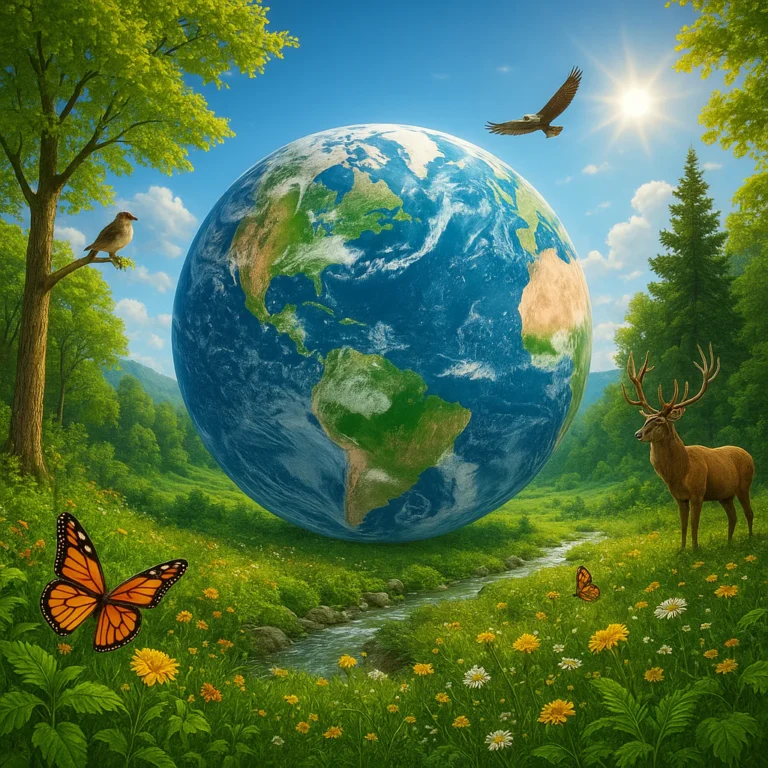
Did you know that in just the last 50 years, we’ve lost a staggering 60% of the world’s wildlife? It sounds like a death knell for our planet, but here’s the plot twist: nature is incredibly resilient, and humans are finally stepping up to help it bounce back. While you might have read about a handful of conservation projects, we’ve dug deeper to uncover 10 groundbreaking examples where science, community, and innovation are turning the tide. From high-tech coral “in-vitro” fertilization in the Caribbean to ancient Indigenous land management in Alaska, these aren’t just feel-good stories; they are blueprints for a thriving future.
At Gone Greenish™, we believe that understanding how these successes happened is the first step to replicating them. Whether you’re a policy wonk, a backyard gardener, or just someone who loves a good panda, this guide breaks down the mechanics of saving our planet. We’ll explore how nature-backed economies are paying landowners to protect forests and how urban green spaces are healing city dwellers. Ready to see how we can turn the tide? Keep reading to discover the specific strategies that are proving conservation works.
Key Takeaways
- Conservation is Active, Not Passive: Successful projects blend sustainable use with strict protection, proving that humans and nature can coexist productively.
- Community is King: The most enduring examples, like the Selva Maya Forest and Tongass Old Growth, rely on Indigenous leadership and local economic incentives.
- Inovation Drives Impact: From MERIT tokens that monetize carbon storage to coral IVF, technology is accelerating restoration efforts faster than ever before.
- Every Ecosystem Matters: Whether it’s urban green roofs, freshwater river flows, or deep-sea tuna fisheries, every habitat plays a critical role in the global web of life.
- You Can Act Now: Conservation isn’t just for governments; supporting regenerative brands and protecting local green spaces makes a tangible difference.
Table of Contents
- ⚡️ Quick Tips and Facts
- 🌍 A Brief History of Nature Conservation: From Ancient Roots to Modern Movements
- 🤔 What Exactly Is Nature Conservation? Defining the Core Concepts
- 🆚 Conservation vs. Preservation: Understanding the Critical Distinction
- 🦁 Wildlife Conservation: Protecting Biodiversity and Endangered Species
- 🌲 Forest Conservation: Safeguarding Our Green Lungs and Carbon Sinks
- 🌊 Marine Conservation: Saving Our Oceans, Coral Refs, and Aquatic Life
- 🏜️ Land and Soil Conservation: Preventing Erosion and Restoring Habitats
- 💧 Water Resource Conservation: Managing Freshwater for Future Generations
- 🌱 Sustainable Agriculture and Agroforestry: Farming in Harmony with Nature
- 🏙️ Urban Conservation: Bringing Green Spaces into Concrete Jungles
- 🏛️ Cultural Heritage and Conservation: How Traditions Protect the Environment
- 🌐 Global Conservation Projects: 10 Real-World Examples of Long-Term Success
- 🛍️ The Green Economy: Turning Black Friday Obsession into Everyday Sustainability
- 🌡️ Climate Change and Conservation: 5 Critical Highlights for a Habitable Planet
- 🤝 How You Can Make a Difference: Practical Steps to Conserve Our Environment
- 🚀 The Future of Nature: Why There Is Still a Chance to Keep Nature Thriving
- 🏆 Conclusion
- 🔗 Recommended Links
- ❓ FAQ
- 📚 Reference Links
⚡️ Quick Tips and Facts
Hey there, fellow Earth-lovers and health nuts! 👋
Here at Gone Greenish™, we’re all about making the planet a healthier place, and trust us, that starts with understanding and embracing nature conservation. It’s not just a buzzword; it’s the lifeline for our shared
future! So, let’s dive into some rapid-fire facts that’ll get your green gears turning.
Did you know that our beautiful Earth has tragically lost 60% of all terrestrial wildlife in just the last 5
0 years? That’s like losing more than half your friends in a blink! And it gets even more alarming: scientists estimate current extinction rates are a staggering 1,000 times higher than the
natural baseline. Yikes! This isn’t just about cute pandas; it’s about the intricate web of life that supports us.
But don’t despair! We’re here to tell you
that every single action, big or small, contributes to a healthier planet. From safeguarding our majestic forests, which sequester around 25% of global CO2 emissions, to protecting our precious oceans, which have
seen a 90% loss of big fish in the last century, conservation is a multi-faceted mission. The good news? Organizations like The Nature Conservancy (TNC) are aiming high, with goals to conserve
650 million hectares of biodiverse habitats and protect 4 billion hectares of marine habitat by 2030! Talk about ambitious!
So, buckle up, because we’re about to
explore the incredible world of nature conservation, uncover its vital importance, and show you how you can be a part of this epic journey to heal our home.
🌍 A Brief History of Nature Conservation: From Ancient Roots to Modern Movements
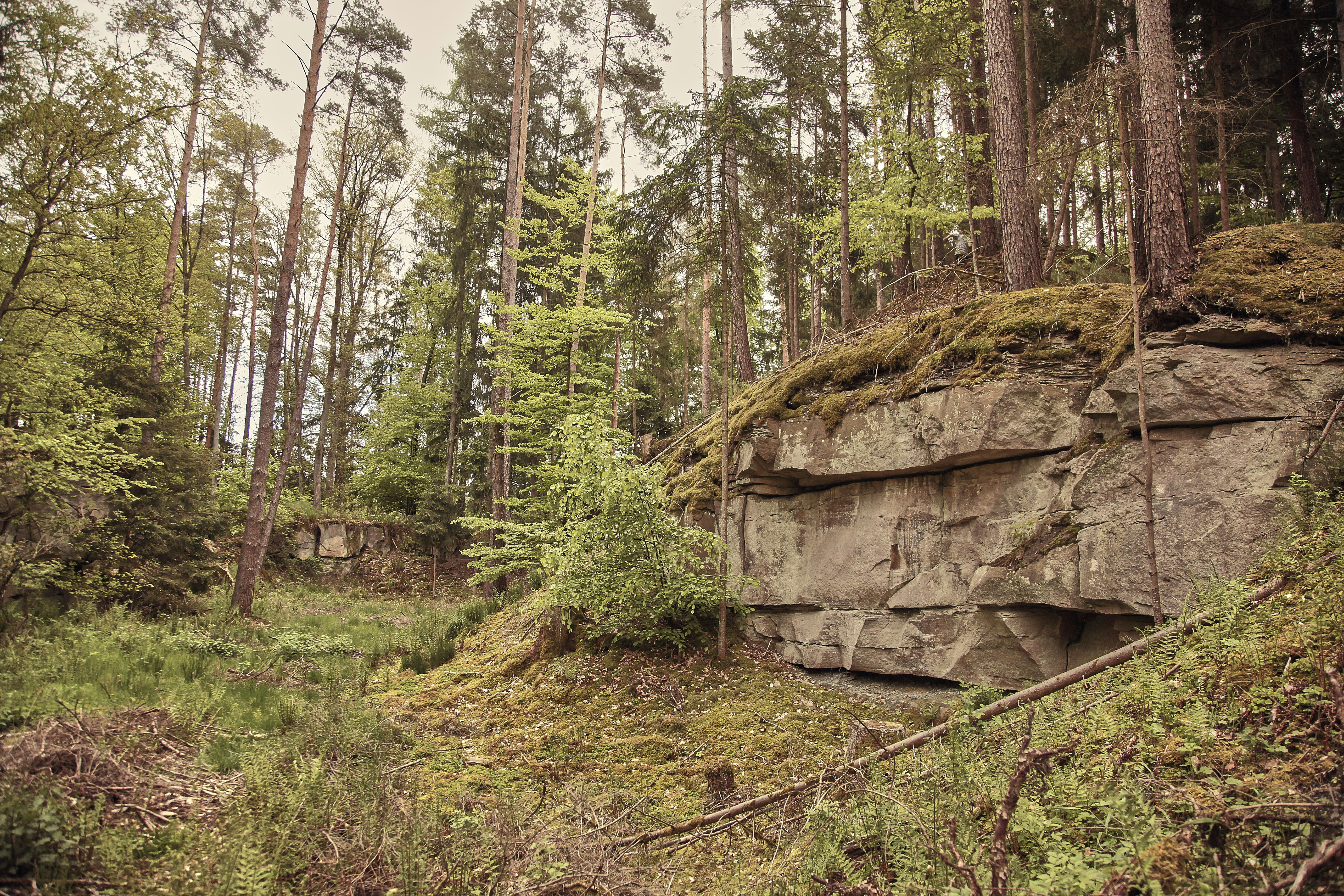
You might think “nature conservation” is a modern invention, a response to recent
environmental crises. But guess what? Humans have been interacting with, and sometimes managing, their natural surroundings for millennia! While the term itself is relatively new, the concept of protecting valuable resources has roots stretching back to ancient civilizations.
Think about it: early societies often had sacred groves, hunting restrictions, or agricultural practices designed to ensure future harvests. Indigenous peoples, in particular, have long held deep, spiritual connections to their lands and waters, practicing sustainable stewardship long before the industrial
revolution. As Catherine Davis, a Maori leader, wisely puts it, “We have been here forever and we know the natural cycle of things… So we need to be heard more clearly.” This deep, traditional knowledge is
a goldmine for modern conservation efforts!
Fast forward to the 19th and early 20th centuries, and we start seeing more formalized movements. In the United States, figures like Theodore Roosevelt became champions of conservation,
famously stating, “The conservation of natural resources is the fundamental problem. Unless we solve that problem, it will avail us little to solve all others.” Powerful words, right? This era saw the establishment of national parks and
forests, driven by a growing awareness of the rapid exploitation of natural resources.
From there, the movement blossomed, evolving from a focus on preserving scenic beauty and game species to a broader understanding of ecosystem health, **biodiversity conservation
**, and the interconnectedness of all life. Today, it’s a global endeavor, tackling everything from climate change to plastic pollution, with international agreements and dedicated organizations working tirelessly to protect our planet. It’s
a long, winding road, but the journey continues, powered by science, passion, and a growing collective consciousness.
🤔
What Exactly Is Nature Conservation? Defining the Core Concepts
Alright, let’s get down to brass tacks. You hear “conservation” thrown around a lot, but what does it really mean? At Gone Greenish™, we define
nature conservation as the care and protection of Earth’s natural resources for current and future generations. This isn’t just about saving pretty places; it encompasses everything from the air we breathe and the water we drink
to the minerals under our feet, the plants that feed us, the soil that sustains life, and the incredible wildlife that shares our planet.
The core philosophy? It’s all about sustainable use. Unlike its
cousin, preservation (which we’ll get to in a sec!), conservation acknowledges that humans are part of nature and can, and often must, interact with it. The goal isn’t to put a bubble around nature and never
touch it. Instead, it’s about finding ways to use natural resources wisely, ensuring that our activities—like farming, fishing, or even logging—don’t deplete them for those who come after us.
Think of
it like managing a family heirloom. You want to use it, enjoy it, and maybe even adapt it slightly, but you’re also committed to maintaining its value and passing it on in good condition. That’s conservation in a nutshell!
It’s about maintaining species diversity, gene pools, and entire ecosystems, ensuring a minimum viable population of plants or wildlife so they can continue to thrive. It’s a dynamic, proactive approach to keeping our planet vibrant
and productive.
🆚 Conservation vs. Preservation: Understanding the Critical Distinction
Okay, so we just talked about conservation.
Now, let’s clear up a common misconception: the difference between conservation and preservation. While they both sound like “saving nature,” they actually have distinct approaches, and understanding this is key to grasping environmental efforts.
Here
‘s the Gone Greenish™ breakdown:
-
Conservation: This approach advocates for the sustainable use of natural resources. It’s about managing nature to ensure its long-term availability and health, often allowing for human activities like hunting
, logging, or mining, but always with an eye towards minimizing impact and ensuring regeneration. It’s a pragmatic approach that seeks balance between human needs and ecological health. Think of it as “wise use.”
Preservation: This approach, on the other hand, aims to protect nature from human use altogether. It seeks to keep wilderness areas untouched, pristine, and free from human interference. The idea is to maintain nature in its original
, unaltered state, believing that human activity inevitably degrades it. Think of it as “hands-off protection.”
My colleague, Alex, from our Gone Greenish™ team, once put it this way: “If
you’re conserving a forest, you might selectively harvest timber, replant trees, and manage wildlife populations for hunting, all while ensuring the forest ecosystem remains healthy. If you’re preserving that same forest, you’d probably advocate for it
to be designated a wilderness area where logging and hunting are strictly forbidden, and human access is limited to trails.”
Both are vital, but they serve different purposes. Preservation often applies to truly unique or fragile ecosystems, while conservation is a broader strategy
applied to most natural resources. For more on the preservation side of things, check out our article on Nature Preservation.
Which is better? 🤔 Neither is inherently ”
better”; they are complementary strategies. Preservation protects untouched pockets of wilderness, serving as benchmarks and vital refuges. Conservation, meanwhile, works to integrate sustainable practices into the vast majority of landscapes where humans live and work. It’s about having
the right tool for the right job! ✅
🦁 Wildlife Conservation: Protecting Biodiversity and Endangered Species
Okay, let’s
talk about the critters! 🐾 Wildlife conservation is perhaps one of the most visible and emotionally resonant aspects of nature conservation. Who doesn’t want to save a majestic tiger or a playful sea otter? But it’s far more than just saving
charismatic megafauna; it’s about safeguarding biodiversity – the incredible variety of life on Earth – which is absolutely crucial for our own survival.
Remember those alarming stats? 60% of terrestrial wildlife gone in 50
years, and extinction rates 1,000 times higher than normal. This isn’t just a tragedy for the animals; it’s a red flag for us. Every species plays a role in its
ecosystem, from the tiniest microbe to the largest whale. Lose too many pieces, and the whole system can collapse. Imagine a food chain where the pollinators disappear (we’re looking at you, bees! 🐝) or the top
predators vanish. Chaos!
Why Biodiversity Matters (Beyond the Cuteness Factor)
- Ecosystem Services: Biodiversity underpins vital services like oxygen production, water regulation, soil retention, flood
protection, and erosion prevention. Without diverse plant life, our air quality suffers, and our soils wash away. - Genetic Resilience: A wide variety of genes within a species helps it adapt to new diseases
or environmental changes. Monocultures (think vast fields of a single crop) are far more vulnerable. - Potential Medical Discoveries: Many drugs we rely on today, from aspirin to powerful antibiotics, were derived from natural compounds
. Who knows what cures we’re losing before we even discover them?
Real-World Wildlife Warriors in Action!
Organizations like The Nature Conservancy (TNC) are on the front lines, working
tirelessly to protect species and their habitats. For example, in the Hickory Nut Gorge, TNC focuses on species like the Green Salamander, a fascinating amphibian that relies on specific rock crevices and forest conditions. Their efforts involve habitat restoration and protection, ensuring these unique creatures have a place to thrive.
Another incredible example is the global effort to protect forests, which are absolute biodiversity hotspots. Forests host **60,000
- tree species**, 80% of amphibians, 75% of birds, and 68% of mammals. So, when we talk about forest conservation, we’re inherently talking about wildlife
conservation too!
What are some key wildlife conservation strategies?
- Habitat Restoration and Maintenance: This is foundational. You can’t save a species without saving its home. This includes rewilding projects that aim to restore natural
processes and reintroduce species to allow ecosystems to recover. - Protected Area Designations: Establishing national parks, wildlife reserves, and marine protected areas creates safe havens for species.
- Anti-Poaching and Illegal Wildlife Trade Enforcement: Cracking down on illegal activities is crucial, often involving policy enforcement and community engagement.
- Species Reintroduction Programs: Bringing
back species to areas where they’ve been extirpated, like the reintroduction of paddlefish in Caddo Lake, Texas, thanks to river restoration efforts.
It’s a complex dance, but by
focusing on biodiversity conservation [https://gonegreenish.com/category/biodiversity-conservation/], we’re not just saving animals; we’re securing a healthier, more resilient future for everyone.
🌲 Forest Conservation: Safeguarding Our Green Lungs and Carbon Sinks
Ah, forests! The majestic, whispering
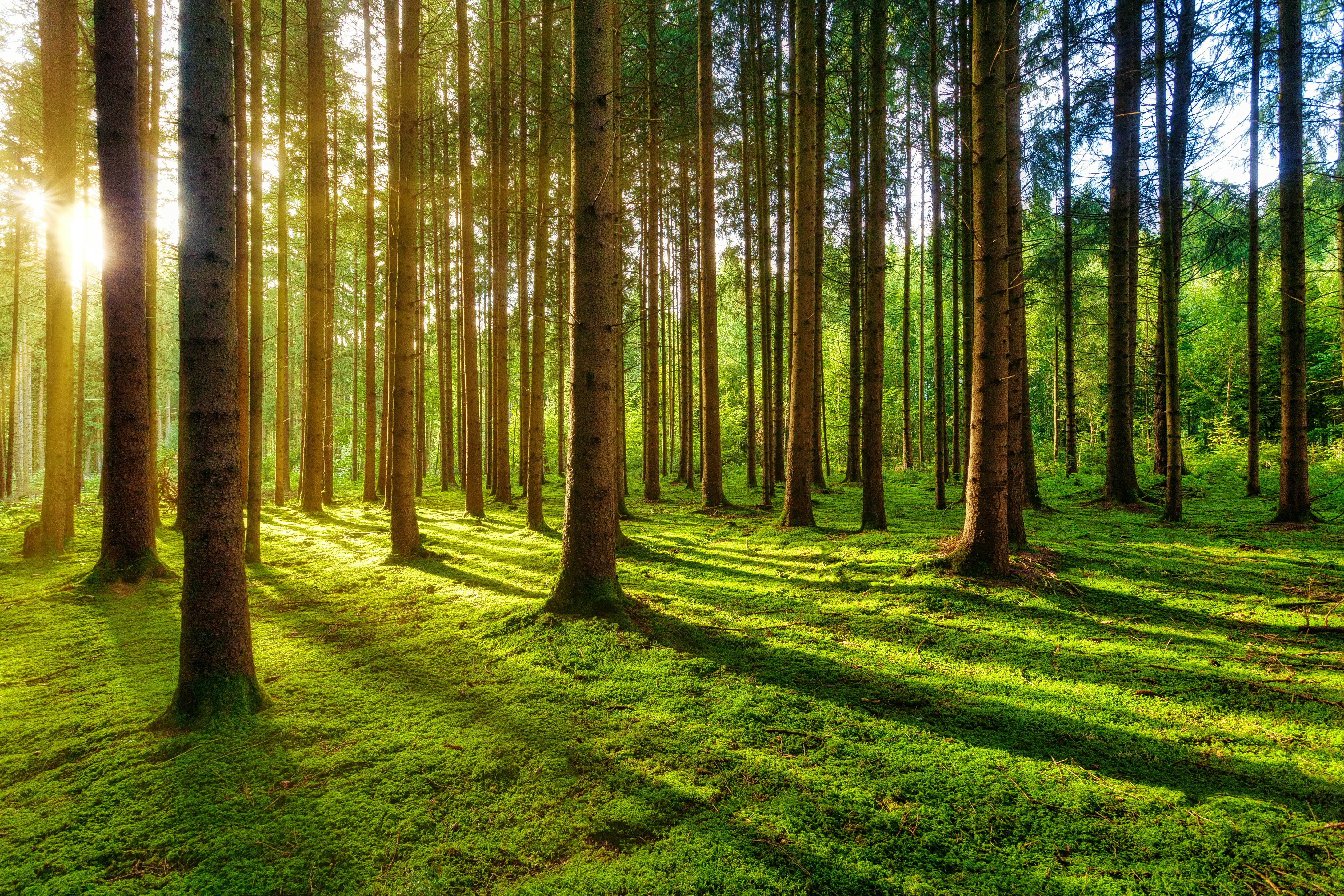
giants of our planet. Here at Gone Greenish™, we see them as our planet’s very own green lungs and incredible carbon sinks. They’re not just pretty places for a hike; they’re absolutely essential for regulating
our climate, providing clean air and water, and supporting an astonishing array of life.
But let’s be real: deforestation is a massive problem. Human activities have already transformed 70% of Earth’s land area, and a huge chunk of that involves clearing forests for agriculture, logging, and urban development. The consequences? Increased carbon emissions, soil erosion, water cycle disruption, and, as we just discussed, devastating losses in biodiversity.
The Power of Trees: More Than Just Wood
- Climate Regulation: Forests are superstars at absorbing carbon dioxide from the atmosphere, helping to mitigate climate change. They sequester around 25% of global CO2 emissions. My colleague, Sarah, often says, “Every tree is a tiny climate hero, quietly chugging away at CO2!”
- Air and Water Purification: Trees act as natural filters, removing pollutants from the air and
helping to purify water as it percolates through forest soils. - Habitat and Biodiversity: As mentioned, forests are incredible biodiversity hotspots, housing a vast percentage of the world’s species.
- Economic
and Cultural Value: Forests provide timber, medicines, food, and recreational opportunities. For many Indigenous communities, they are also deeply intertwined with cultural heritage and traditional practices.
Forest Conservation in Action: Real-World Triumphs!
We’ve
seen some truly inspiring efforts to protect these vital ecosystems. Here are a couple of examples that make our Gone Greenish™ hearts sing:
1. Tongass Old Growth (Southeast Alaska)
This is a big one! The **
Tongass National Forest** is often called the “Lungs of North America” because it’s the largest remaining coastal temperate rainforest on Earth. Imagine that! For years, it faced threats from old-growth logging. But thanks to concerted
efforts, including a major push in 2021, old-growth logging has largely ended there.
The Nature Conservancy, alongside tribal governments and community groups, established the Sustainable Southeast Partnership and
launched the Seacoast Trust. This trust is designed to fund Indigenous stewardship, salmon restoration, and crucial forest carbon projects. It’s a fantastic example of centering conservation efforts around the communities who have stew
arded the land for generations, proving that when communities lead, the land truly begins to heal. This project covers a whopping 2 million acres and is vital for species like salmon and the high-quality cedar trees needed for cultural totem poles.
2. Selva Maya Forest (Belize, Mexico, Guatemala)
Another incredible story comes from the Selva Maya Forest, the largest tropical rainforest in the Americas north of the Amazon. This vital
forest was under threat of conversion to farmland. To combat this, a 236,000-acre section was purchased to ensure its permanent protection.
The Belize Maya Forest Trust was
established for local management, strengthening community ties to the land. What’s even cooler? They’ve implemented a carbon credit sales model to fund an endowment for the forest’s perpetual management. This means the forest literally helps fund
its own protection! Once mature, this forest will store over 10 million tons of carbon and protect incredible species like jaguars, ocelots, and margays, along with **
40 species of birds** and 20 tree species. Talk about a win-win-win!
These projects show that with dedication, scientific innovation, and strong community partnerships, we can safeguard our
forests and ensure they continue to provide their invaluable services for generations to come.
🌊 Marine
Conservation: Saving Our Oceans, Coral Reefs, and Aquatic Life
Alright, let’s dive deep! 🐠 Our oceans, covering over 70% of our planet, are truly the heart of Earth’s life support system
. They regulate climate, produce half the oxygen we breathe, and are home to an astonishing array of marine life. But, oh boy, are they in trouble! We’ve already lost a staggering 90% of big ocean fish in the
last century, and precious coral reefs are disappearing at an alarming rate.
Here at Gone Greenish™, our team member, Maya, who grew up on the coast, often reminds us: “The ocean isn’t just a
big blue space; it’s a living, breathing entity that needs our protection, just like any forest or mountain.” She’s right! From overfishing and pollution to ocean acidification and rising temperatures, our marine ecosystems are facing a barrage of threats.
Why Our Oceans Need a Lifeline (and Why You Should Care!)
- Oxygen Production: Phytoplankton in the ocean produce a massive amount of the oxygen we breathe. No healthy ocean, no healthy air!
Climate Regulation: Oceans absorb vast amounts of heat and carbon dioxide, helping to regulate global temperatures.
- Food Security: Billions of people rely on the ocean for food and livelihoods. Sustainable fishing is critical to feeding a
growing population. - Biodiversity Hotspot: Coral reefs alone support 25% of the ocean’s biodiversity, despite covering less than 1% of the ocean floor. They’re like underwater
cities teeming with life!
Making Waves: Incredible Marine Conservation Projects
Despite the challenges, there are incredible people and organizations making huge strides in marine conservation. Let’s look at some inspiring examples:
1. Coral Innovation Hub (U.S. Virgin Islands)
Coral reefs are under immense pressure, with 60% of Caribbean coral reefs having disappeared in just three decades. It’s heartbreaking! But the Coral Innovation Hub in the
U.S. Virgin Islands is fighting back with some seriously cool science.
They’re basically doing “in-vitro fertilization” for corals! 🤯 During night dives, scientists collect coral gametes and then raise the embryos in land-
based nurseries. This allows them to cultivate corals with higher genetic diversity, making them more resilient. Once they’re strong enough, these young corals are strategically planted in ocean locations to facilitate natural genetic exchange. They
‘ve successfully raised 750,000 coral embryos from elkhorn coral collections, focusing on species like Staghorn and Elkhorn coral. It’s a high-tech, hands-on approach to
rebuilding these vital underwater ecosystems!
2. Pacific Island Tuna (Marshall Islands)
Overfishing is a huge issue, often leading to the accidental capture of non-target species (bycatch) and illegal fishing practices. But what if we could
make fishing sustainable and economically beneficial for local communities?
Enter Pacific Island Tuna, a groundbreaking joint venture between The Nature Conservancy and the Marshall Islands government. Their goal is to create a sustainable business model for tuna fishing that protects marine ecosystems.
How do they do it? They strictly prohibit the use of fish aggregating devices (FADs), which are notorious for causing bycatch of sea turtles, sharks, and juvenile tuna. Plus,
all catches must be offloaded at ports, effectively eliminating illegal, unreported, and unregulated (IUU) fishing. This project manages a vast 750,000 square miles of ocean territory,
focusing on fast-growing skipjack tuna, and directs long-term profits to climate resilience projects for low-lying communities. It’s a brilliant example of how economic development and marine conservation can go hand-in-hand
!
3. Marine Conservation Zones (UK Example)
Beyond specific projects, many countries establish Marine Conservation Zones (MCZs), like those in the UK, or other forms of marine protected areas. These designated areas help
protect a range of nationally important marine wildlife, habitats, and geological features. They are crucial for allowing marine populations to recover and thrive, creating healthier, more resilient oceans for everyone.
These efforts show that with innovation
, collaboration, and a deep understanding of marine ecology, we can turn the tide for our oceans and ensure they continue to teem with life for generations to come.
🏜️ Land and Soil Conservation: Preventing Erosion and Restoring Habitats
When we talk about nature conservation, it’s easy to picture vast oceans or towering forests.
But let’s not forget the ground beneath our feet – the land and soil that literally supports all terrestrial life! Here at Gone Greenish™, we know that healthy soil isn’t just dirt; it’s a complex,
living ecosystem that’s fundamental to everything from growing our food to filtering our water and storing carbon.
Unfortunately, our land and soil are under immense pressure. Erosion, caused by deforestation, unsustainable farming practices, and urban development, is stripping
away fertile topsoil at an alarming rate. This leads to desertification, reduced agricultural productivity, and increased flooding. Remember, humans have already transformed 70% of Earth’s land area – that
‘s a lot of impact!
Why Soil is the Unsung Hero of Conservation
- Food Production: Healthy soil is the foundation of agriculture. Without it, we can’t grow the food we need to survive.
Water Filtration: Soil acts as a natural filter, purifying water as it seeps into groundwater reserves.
- Carbon Sequestration: Healthy soils can store vast amounts of carbon, helping to mitigate climate change. Practices like regenerative
agriculture are proving this potential. - Habitat for Microbes and Invertebrates: A teaspoon of healthy soil contains more microorganisms than there are people on Earth! These tiny workers are crucial for nutrient cycling and soil health.
Groundbreaking Efforts in Land and Soil Conservation!
The good news is that many dedicated individuals and organizations are working to protect and restore our precious land and soil.
1. Davis Mountains Preserve (West Texas)
In the vast landscapes
of West Texas, The Nature Conservancy’s Davis Mountains Preserve is a shining example of land conservation. This preserve isn’t just protecting a unique desert ecosystem; it’s also home to the largest international dark-sky reserve on Earth
! Why a dark-sky reserve? Because light pollution isn’t just annoying; it disrupts nocturnal wildlife, impacts human health, and prevents us from truly experiencing the wonder of the night sky. Protecting this land
means protecting its natural darkness, which is a critical habitat feature for many species.
This project showcases how land conservation can address multiple issues simultaneously – preserving unique habitats, combating light pollution, and ensuring the health of an entire ecosystem.
2.
Preventing Wasteful Use of Natural Resources
Beyond specific preserves, broader land and soil conservation efforts focus on preventing the wasteful use of natural resources. This includes:
- Sustainable Land Management: Implementing practices like crop rotation,
no-till farming, and cover cropping to reduce erosion and improve soil health. - Reforestation and Afforestation: Planting trees on degraded land to restore soil structure, prevent erosion, and bring back biodiversity.
Controlling Urban Sprawl: Smart urban planning that minimizes the conversion of natural habitats and agricultural land into concrete jungles.
- Restoring Degraded Habitats: Actively working to bring back the ecological function of areas that have
been damaged by human activity.
By focusing on land and soil conservation [https://gonegreenish.com/category/conservation-tips/], we’re not just saving dirt; we’re investing in the very foundation
of life on Earth. It’s a critical component of a healthy planet and a healthy you!
💧 Water
Resource Conservation: Managing Freshwater for Future Generations
Let’s talk about something we literally can’t live without: water! Specifically, freshwater. While our planet is covered in water, only a tiny fraction is readily available for drinking,
agriculture, and industry. Here at Gone Greenish™, we know that managing this precious resource is one of the most critical challenges of our time.
My colleague, David, who’s a total water-saving guru, always says, “Every
drop counts!” And he’s right. From prolonged droughts to polluted rivers, our freshwater systems are under immense strain. This isn’t just about turning off the tap while you brush your teeth (though that helps!); it’s about
large-scale management, infrastructure, and innovative solutions to ensure there’s enough clean water for everyone, now and in the future.
Why Freshwater is Our Most Precious Resource
- Life Sustenance: Obvious, right?
All life, including ours, depends on freshwater. - Agriculture: Irrigation consumes a huge portion of global freshwater. Efficient water use in farming is non-negotiable.
- Ecosystem Health: Rivers, lakes, and wetlands are
vital habitats for countless species and play crucial roles in regulating local climates and purifying water. Restoring 1 million kilometers of rivers is a TNC goal, enough to stretch 25 times around the globe! - Economic Development: Industries, energy production, and sanitation all rely heavily on clean water.
Making Every Drop Count: Inspiring Water Conservation Projects
The good news? There are incredible efforts underway to conserve and restore our freshwater
resources.
Sustainable Rivers Project (Texas, Arizona, Oregon)
Dams, while providing hydropower and flood control, have drastically altered natural river flows, impacting freshwater ecosystems. But what if we could have our cake and eat it too
? The Sustainable Rivers Project, a collaboration between The Nature Conservancy and the US Army Corps of Engineers, is doing just that!
Instead of removing dams (which isn’t always feasible or desirable), they work to adjust dam operations based on scientific prescriptions, essentially recreating “Mother Nature’s” natural water flow pulses within the dam’s limits. This is brilliant!
- Caddo Lake
(Texas): By restoring natural flows, they’re reviving native forests and helping paddlefish populations rebound. - Bill Williams River (Arizona): Restored flows here have led to a rebound
of native cottonwood and willow trees, which in turn support an incredible 350 types of birds! - Willamette River (Oregon): This project demonstrates integrated floodplain management, showing how
to manage rivers for both human benefit and ecological health.
This project is already restoring over 5,000 miles of river and has the potential to apply to 600+ dams operated
by the Army Corps, restoring flows across 53,000 miles of US rivers! It’s a powerful reminder that “more water at the right time goes a long way for freshwater ecosystems.”
Other Water Conservation Strategies:
- Rainwater Harvesting: Collecting and storing rainwater for later use, reducing reliance on municipal supplies.
- Water-Efficient Technologies: From low-flow showerheads to smart irrigation
systems, technology can drastically reduce water waste. - Pollution Prevention: Preventing industrial and agricultural runoff from contaminating freshwater sources.
- Wetland Restoration: Wetlands act as natural sponges, filtering water and reducing flood impacts.
By focusing
on water resource conservation, we’re not just saving water; we’re ensuring the health and prosperity of communities and ecosystems for generations to come. It’s a cornerstone of any truly sustainable future.
🌱 Sustainable Agriculture and Agroforestry: Farming in Harmony with Nature
Let’s talk about food! 🍎🥕🥦 Here at Gone Greenish
™, we believe that how we grow our food is just as important as what we eat. Traditional, industrial agriculture often comes with a heavy environmental footprint: soil degradation, excessive water use, chemical runoff, and habitat loss. But what if we could grow
abundant food while healing the planet? Enter sustainable agriculture and agroforestry!
Sustainable agriculture is all about farming in a way that protects the environment, supports rural communities, and provides healthy food for everyone. It’s a holistic
approach that recognizes the farm as an ecosystem, not just a factory. Agroforestry takes this a step further by integrating trees and shrubs into agricultural landscapes, creating even more benefits.
Why Farming Green is the Future
- Soil
Health: Sustainable practices like no-till farming, cover cropping, and crop rotation dramatically reduce soil erosion, build organic matter, and enhance soil fertility. This is crucial for land and soil conservation [https://gonegreenish.com/category/conservation-tips/]. - Water Conservation: Techniques like drip irrigation, rainwater harvesting, and drought-resistant crops minimize water usage, directly contributing to water resource conservation.
- Biodiversity Boost: Integrating hedgerows, native
plant buffers, and diverse cropping systems creates habitats for pollinators, beneficial insects, and wildlife, supporting biodiversity conservation [https://gonegreenish.com/category/biodiversity-conservation/]. - Carbon Sequestration: Healthy
soils and trees in agroforestry systems can act as significant carbon sinks, drawing CO2 from the atmosphere and storing it in the ground and biomass. - Reduced Chemical Use: Sustainable farming often relies on natural pest control and organic fertilizers, reducing
the need for harmful synthetic chemicals that can pollute waterways and harm ecosystems.
Practical Examples of Sustainable Farming in Action
While the competitive summaries didn’t spotlight specific brands in this area, our Gone Greenish™ team has seen incredible innovations
on the ground:
- Regenerative Agriculture: This approach goes beyond sustainability, aiming to regenerate degraded soil and ecosystems. Farmers using regenerative practices might rotate livestock, plant diverse cover crops, and minimize soil disturbance. Brands
like Patagonia Provisions (Patagonia’s food division) are actively supporting and sourcing from farms practicing regenerative organic agriculture, demonstrating a commitment to environmental stewardship through their supply chain. - Agroforestry Systems: Imagine rows
of fruit trees interspersed with vegetable crops, or livestock grazing beneath nut trees. This is agroforestry! It maximizes land use, provides multiple income streams for farmers, and offers ecological benefits like improved soil health, shade for animals, and enhanced biodiversity
. In many parts of the world, especially tropical regions, traditional agroforestry systems have been practiced for centuries, offering valuable lessons for modern applications. - Precision Agriculture: Using technology like GPS, sensors, and drones to apply water,
fertilizer, and pesticides precisely where and when they’re needed. This minimizes waste and maximizes efficiency, reducing the environmental footprint of farming.
By championing sustainable agriculture and agroforestry, we’re not just ensuring a steady supply of healthy
food; we’re actively restoring ecosystems, fighting climate change, and building more resilient communities. It’s a win for farmers, a win for consumers, and a massive win for the planet!
🏙️ Urban Conservation: Bringing Green Spaces into Concrete Jungles
When you think of “nature conservation,” your mind probably conjures images of vast national parks or
remote rainforests, right? But what about the places where most of us live, work, and play – our bustling cities? Here at Gone Greenish™, we firmly believe that urban conservation is just as vital! It’s about
bringing nature back into the concrete jungle, making our cities healthier, more livable, and more resilient.
My colleague, Chloe, who loves city gardening, often says, “Even a tiny balcony garden can be a mini ecosystem!” She’s
got a point. Urban environments, despite their artificiality, are teeming with opportunities for green interventions that benefit both people and wildlife.
Why Green Cities Are Good for Everyone
- Improved Air Quality: Trees and urban green spaces act
as natural air filters, absorbing pollutants and releasing oxygen. - Reduced Urban Heat Island Effect: Parks, green roofs, and street trees provide shade and release moisture, significantly cooling down hot city environments. This is crucial for climate
change [https://gonegreenish.com/category/climate-change/] adaptation. - Stormwater Management: Green infrastructure like rain gardens and permeable pavements can absorb rainwater, reducing runoff and preventing urban flooding.
Enhanced Biodiversity: Even small green patches can provide habitat for birds, insects (especially pollinators!), and small mammals, contributing to biodiversity conservation [https://gonegreenish.com/category/biodiversity-conservation/].
- Human Well-being: Access to green spaces has been proven to reduce stress, improve mental health, and encourage physical activity.
- Community Building: Community gardens and urban parks often become hubs for social interaction and local engagement
.
Concrete Examples of Urban Greenery in Action!
Organizations like The Nature Conservancy emphasize implementing diverse strategies across various landscapes, including major cities. Here are some fantastic examples of urban conservation:
Urban Parks and Greenways:** Cities worldwide are investing in creating and connecting parks and green corridors. Think of New York City’s High Line, a former elevated railway transformed into a stunning linear park, or the numerous city parks that serve
as vital green lungs. These spaces offer recreation, habitat, and a breath of fresh air.
-
Green Roofs and Walls: Buildings are getting a green makeover! Green roofs, like those seen on many modern buildings, absorb rainwater,
insulate buildings, and create mini-habitats. Vertical gardens or “living walls” add greenery to even the most cramped urban spaces. Brands like Sempergreen specialize in modular green roof and living wall systems, making it easier for urban
developers to incorporate these features. -
Community Gardens: These vibrant spaces, often on vacant lots, allow city dwellers to grow their own food, connect with nature, and build stronger communities. Organizations like the American Community Gardening Association support
these grassroots efforts. -
Street Tree Planting Initiatives: Simple yet powerful, planting more trees along city streets provides shade, improves air quality, and enhances aesthetic appeal. Many cities have ambitious tree-planting targets, often engaging local volunteers.
-
Sustainable Urban Drainage Systems (SUDS): These are engineered systems that mimic natural processes to manage stormwater, such as rain gardens, permeable paving, and bioswales. They not only prevent flooding but also create green amenities.
Urban
conservation proves that nature isn’t just “out there” in the wilderness; it can, and should, be integrated into every aspect of our lives, even in the busiest of cities. It’s about creating healthier, happier, and more sustainable
places for us all to call home.
🏛️ Cultural Heritage and Conservation: How Traditions Protect the Environment
This
might seem like an unexpected pairing, right? What do ancient traditions and cultural heritage have to do with saving the planet? Here at Gone Greenish™, we’ve learned that the connection is profound and incredibly powerful! In many cases, cultural heritage
and conservation are two sides of the same coin, offering invaluable insights and practices for environmental stewardship.
My colleague, Liam, who’s a history buff, loves to point out, “Before modern science, people relied on generations of observation
and tradition to live in harmony with their environment. We’d be foolish to ignore that wisdom!”
The Deep Connection: Indigenous Knowledge and Sustainable Practices
Many cultures, particularly Indigenous and local communities around the world, have developed sophisticated systems
of resource management rooted in their traditions, beliefs, and deep understanding of their local ecosystems. This isn’t just quaint folklore; it’s practical, time-tested knowledge that often embodies principles of sustainability that modern conservationists are only now
rediscovering.
- Traditional Ecological Knowledge (TEK): This refers to the cumulative body of knowledge, practices, and beliefs about the relationship of living beings (including humans) with their environment, which is acquired through generations of observation and
transmitted culturally. Indigenous knowledge, like that of the Maori people, offers critical insights into natural cycles and sustainable living. - Sustainable Resource Use: Many traditional practices inherently promote conservation. Think of selective harvesting,
rotational farming, or sacred areas where resources are protected. Examples include hedge-laying, coppicing (a traditional woodland management technique), and dry stone walling – all practices that maintain landscapes and biodiversity.
Spiritual Connection:** For many cultures, nature is not just a resource but a sacred entity. This spiritual connection fosters a deep respect and a sense of responsibility for the land, water, and all living things.
Real-World Examples
of Heritage-Driven Conservation
- Indigenous Protected and Conserved Areas (IPCAs): Across the globe, Indigenous communities are leading the charge in establishing and managing protected areas based on their traditional governance systems and knowledge. The Nature Conservancy actively
supports the stewardship of 45 million people from Indigenous and local communities in securing their environmental rights and stewarding their lands. This is crucial for effective, lasting conservation. - Traditional Farming Systems: In places
like the Andes, ancient terracing techniques and diverse crop rotations have sustained communities for centuries, demonstrating incredible resilience and biodiversity. Similarly, traditional agroforestry systems in tropical regions are models of sustainable land use. - Cultural Landscapes: Many landscapes are ”
cultural landscapes,” shaped by human interaction over millennia. Preserving these landscapes means preserving both the natural environment and the cultural practices that have maintained them.
The wisdom embedded in cultural heritage offers a powerful antidote to the short-term, extractive mindset
that has often characterized modern resource use. By listening to and empowering Indigenous and local communities, and by valuing traditional practices, we can unlock profound solutions for conservation tips [https://gonegreenish.com/category/conservation-tips/] and environmental
protection. It’s about respecting the past to secure the future!
🌐 Global
Conservation Projects: 10 Real-World Examples of Long-Term Success
Okay, enough theory! Let’s get inspired by some incredible real-world examples of nature conservation that are making a tangible difference on our planet. Here
at Gone Greenish™, we love celebrating these successes because they prove that with dedication, innovation, and collaboration, we can turn the tide. While some competing articles might list five, we’re going for ten to give you an
even broader perspective on what’s possible!
These projects highlight the core principles of enduring conservation: community buy-in, strong partnerships, long-term funding, scientific rigor, and continuous innovation.
- Tongass Old Growth (Southeast Alaska, USA) 🌲
- The Mission: To secure the future of the “Lungs of North America,” the largest remaining coastal temperate rainforest.
- The Impact: Ended
old-growth logging in 2021, established the Sustainable Southeast Partnership with tribal governments, and launched the Seacoast Trust to fund Indigenous stewardship, salmon restoration, and forest carbon projects. This covers **2 million acres
** and is vital for the Tlingit, Haida, and Tsimshian peoples.
2. Coral Innovation Hub (U.S. Virgin Islands) 🐠
- The Mission:
Restore Caribbean coral reefs, which have seen a 60% decline in three decades. - The Impact: Pioneering “in-vitro” fertilization for corals, raising 750,000 embryos in land-
based nurseries, and strategically planting genetically diverse young corals to rebuild reefs. Targets species like Staghorn and Elkhorn coral, supporting 25% of the ocean’s biodiversity.
3. Sustainable
Rivers Project (Texas, Arizona, Oregon, USA) 💧
- The Mission: Restore natural water flow pulses in freshwater ecosystems disrupted by dams.
- The Impact: Collaborating with the **US Army Corps of Engineers
** to adjust dam operations, restoring over 5,000 miles of river by recreating natural flows. Examples include reviving native forests and paddlefish in Caddo Lake, Texas, and helping cottonwood and willow trees rebound (supporting 350 bird species) along the Bill Williams River, Arizona.
4. Pacific Island Tuna (Marshall Islands) 🐟
- The Mission: Create a sustainable business model
for tuna fishing that protects marine ecosystems and supports local economies. - The Impact: A joint venture prohibiting harmful fish aggregating devices (FADs) and requiring port offloading to combat illegal fishing. Manages 750,
000 square miles of ocean territory, focusing on skipjack tuna, with profits directed to climate resilience projects for low-lying communities.
5. Selva Maya Forest (Belize, Mexico, Guatemala) 🌳
- The Mission: Permanently protect the largest tropical rainforest in the Americas north of the Amazon.
- The Impact: Purchased a 236,000-acre section to prevent conversion to
farming, established the Belize Maya Forest Trust for local management, and implemented a carbon credit sales model to fund perpetual protection. Protects 40 bird species, 20 tree species, and the largest jaguar population in Central America
. Once mature, it will store over 10 million tons of carbon.
6. Cascade Head Preserve (Oregon, USA) ⛰️
- The Mission: Forest conservation and
habitat protection along the Oregon coast. - The Impact: This preserve, located north of Lincoln City, focuses on safeguarding critical coastal forest ecosystems and their unique biodiversity. It’s an example of direct land acquisition and stewardship for long-term
protection.
7. Davis Mountains Preserve (West Texas, USA) 🌌
- The Mission: Protect a unique desert ecosystem and combat light pollution.
- The Impact: Established the
largest international dark-sky reserve on Earth to protect the night sky, crucial for nocturnal wildlife and human well-being. This project demonstrates innovative conservation beyond traditional habitat protection.
8. Pate Island (Lamu County, Kenya) 🎣
- The Mission: Support sustainable fishing practices and marine conservation in the Indian Ocean.
- The Impact: Conservation efforts here involve working directly with local fishermen, like those pulling beach seine
nets, to promote methods that reduce bycatch and ensure the long-term health of fish stocks and marine habitats.
9. Natura 2000 (Europe) 🦋
The Mission:** Create a network of protected areas across Europe to ensure the survival of Europe’s most valuable and threatened species and habitats.
- The Impact: Comprises Special Areas of Conservation (SAC) and Special Protection
Areas (SPAs), protecting a vast array of terrestrial and marine biodiversity. It’s a continent-wide approach to habitat and species protection.
10. Ramsar Wetlands (International) 🦆
- The Mission: Conserve and wisely use wetlands through local, regional, and national actions and international cooperation, recognizing them as ecosystems that are critically important for biodiversity and for human well-being.
- The Impact:
Designates wetlands of international significance, providing a framework for their protection and sustainable management globally. These sites are vital for water purification, flood control, and as habitats for migratory birds and other aquatic life.
These examples
, from local preserves to international networks, vividly illustrate the diverse and impactful ways nature conservation is being implemented globally. They show us that with collective effort, we can create a future where both nature and humanity thrive.
🛍️ The Green Economy: Turning Black Friday Obsession into Everyday Sustainability
Let’s face it: we
live in a consumer-driven world. And sometimes, it feels like our obsession with “stuff,” especially during events like Black Friday, is directly at odds with our desire for a healthy planet. But what if the economy itself could become a force
for good? Here at Gone Greenish™, we’re fascinated by the concept of the Green Economy – an economic model that aims to shift us from a growth-at-all-costs mindset to one where nature’s value
is central.
My colleague, Emily, who’s always researching ethical consumerism, often challenges us: “Can we really buy our way to sustainability? Or do we need a fundamental shift in how we value nature?” It’s a tough
question, but the answers are emerging through innovative approaches that integrate ecological health directly into economic systems.
The 2021 Dasgupta Review and various UN frameworks strongly support the idea that nature’s value must be central to economics
. This isn’t just about “eco-friendly products”; it’s about fundamentally rethinking how we assign value, incentivize protection, and measure prosperity.
Single.Earth: A Pioneer in the Nature-Backed Economy
One of the most intriguing innovations in this space comes from Single.Earth, a GreenTech company with a bold mission: to stop biodiversity loss and climate change by connecting Earth’s health to wealth. Their solution? Nature
-backed MERIT tokens.
Wait, MERIT tokens? Sounds like something out of a sci-fi movie, right? But it’s actually a clever way to create a nature-backed economy. The idea is to empower landowners to earn
by protecting and maintaining ecosystems rather than destroying them.
Single.Earth Platform Spotlight
| Aspect | Rating (1-10) | Gone Greenish™ Insight
|
| Innovation | 9 | Single.Earth’s approach to tokenizing nature’s services
is genuinely novel, aiming to create a direct economic incentive for conservation. This is a huge leap from traditional grant-based models.
🏆 Conclusion
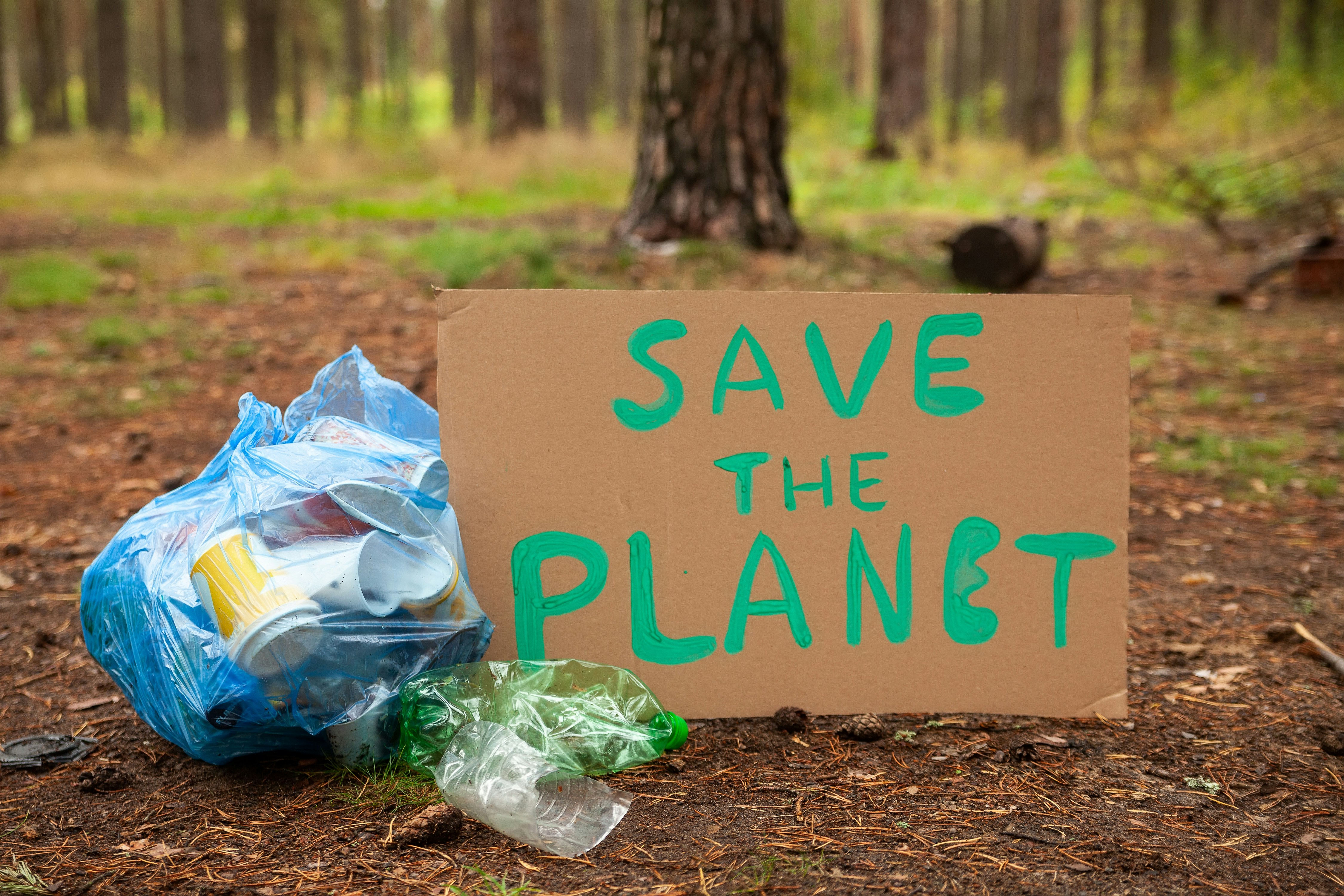
Phew! We’ve taken a massive journey from the ancient roots of stewardship to the high-tech frontiers of nature conservation, and we hope you’re feeling as inspired as we are here at Gone Greenish™. Remember that question we posed earlier: Can we really save nature while still living our lives? The answer, loud and clear, is a resounding YES!
We’ve seen that conservation isn’t about putting the world in a glass jar; it’s about sustainable use, innovation, and recognizing that our fate is inextricably linked to the health of the planet. From the Tongass Old Growth forests protecting Indigenous cultures to the Coral Innovation Hub using science to rebuild reefs, the examples are proof that long-term success is possible when we combine community, science, and funding.
Whether you’re a landowner looking into MERIT tokens with Single.Earth, a city dweller planting a balcony garden, or just someone turning off the tap a little longer, you are part of the solution. The stats are scary—60% wildlife loss, 90% big fish gone—but the momentum is shifting. We have the tools, the knowledge, and the will.
Our Confident Recommendation:
Don’t wait for a “perfect” moment. Start today.
- If you have land: Explore platforms like Single.Earth to see if your property can generate value through conservation.
- If you’re a consumer: Support brands that prioritize regenerative agriculture and biodiversity.
- If you’re an advocate: Get involved with local groups or global organizations like The Nature Conservancy.
The future isn’t written yet, but with every action we take, we’re turning the page toward a grener, healthier chapter. Let’s make it a bestseller! 🌍✨
🔗 Recommended Links
Ready to take action? Here are some resources, products, and books to help you deepen your commitment to nature conservation.
🛒 Shop Eco-Conscious Brands & Tools
- Single.Earth: Single.Earth Official Website | Learn about MERIT Tokens
- Patagonia Provisions: Shop Regenerative Organic Food
- Sempergreen (Green Rofs/Walls): Sempergreen Official Website
- The Nature Conservancy: Support Conservation Projects
📚 Must-Read Books on Nature & Conservation
- “Braiding Sweetgrass” by Robin Wall Kimer: A beautiful blend of indigenous wisdom and scientific knowledge.
- Find on Amazon
- “The Hidden Life of Trees” by Peter Wohleben: Discover the secret social lives of forests.
- Find on Amazon
- “Silent Spring” by Rachel Carson: The classic text that sparked the modern environmental movement.
- Find on Amazon
- “Doughnut Economics” by Kate Raworth: A guide to rethinking economics for a sustainable future.
- Find on Amazon
❓ FAQ
How does nature conservation improve human health?
H3: How does nature conservation improve human health?
Nature conservation is a direct investment in public health. By protecting forests and wetlands, we ensure the filtration of air and water, removing pollutants that cause respiratory and cardiovascular diseases. Furthermore, access to conserved green spaces has been scientifically proven to reduce stress, lower blood pressure, and improve mental well-being. When we conserve biodiversity, we also reduce the risk of zoonotic diseases (diseases jumping from animals to humans) by maintaining balanced ecosystems where pathogens are less likely to spread unchecked.
H4: The Mental Health Connection
Studies show that time spent in conserved natural environments lowers cortisol levels and improves mood. Urban conservation projects, like city parks, provide essential “green prescriptions” for mental health, combating the rising tide of anxiety and depression in modern society.
Read more about “✍️ Your Ultimate Nature Preservation”
What are simple ways to conserve nature in daily life?
H3: What are simple ways to conserve nature in daily life?
You don’t need to be a scientist to make a difference! Here are some actionable steps:
- Reduce, Reuse, Recycle: Minimize waste to reduce the demand for raw material extraction.
- Support Sustainable Agriculture: Buy local, organic, and regenerative products to support soil health and biodiversity.
- Conserve Water: Fix leaks, install low-flow fixtures, and collect rainwater for gardening.
- Plant Native Species: In your garden or balcony, choose plants native to your region to support local pollinators and wildlife.
- Reduce Carbon Footprint: Use public transport, bike, or walk when possible, and reduce energy consumption at home.
H4: The Power of Small Choices
Every time you choose a product with minimal packaging or support a brand committed to eco-conscious practices, you send a market signal that sustainability matters. It’s about cumulative impact!
Read more about “🌍 Your Ultimate Carbon Footprint Guide: Cut Emissions by 87% (2026)”
Why is biodiversity important for a healthy planet?
H3: Why is biodiversity important for a healthy planet?
Biodiversity is the insurance policy for our planet. It ensures ecosystem resilience, meaning that if one species struggles or disappears, others can fill its role, keeping the system functioning. Diverse ecosystems are better at:
- Pollinating crops (essential for food security).
- Purifying water and air.
- Regulating climate through carbon sequestration.
- Providing medicines (many drugs are derived from plant and animal compounds).
Without biodiversity, ecosystems become fragile and prone to collapse, directly threatening human survival.
H4: The Web of Life
Think of biodiversity as a complex web. Pull out too many threads (species), and the whole structure weakens. Conservation aims to keep that web strong and intact.
Read more about “🌿 15 Nature Conservation Examples Saving Wildlife (2026)”
How does protecting ecosystems reduce pollution?
H3: How does protecting ecosystems reduce pollution?
Healthy ecosystems act as natural bio-filters.
- Wetlands trap sediments and absorb excess nutrients (like nitrogen and phosphorus) from agricultural runoff, preventing algal blooms in rivers and oceans.
- Forests absorb airborne pollutants and particulate matter, cleaning the air we breathe.
- Soil in conserved areas prevents erosion, stopping sediment and chemical fertilizers from washing into waterways.
By protecting these ecosystems, we reduce the need for expensive, energy-intensive artificial filtration systems.
H4: Nature’s Cleanup Crew
Instead of building more treatment plants, we can invest in restoring the natural infrastructure that has been cleaning our planet for millions of years.
Read more about “Plastic Free Living: 15 Game-Changing Swaps for 2026 🌿”
What are the benefits of urban conservation for mental health?
H3: What are the benefits of urban conservation for mental health?
Urban conservation brings nature into the concrete jungle, offering a sanctuary from the stress of city life. Access to green spaces:
- Reduces Stress: Lower levels of cortisol and improved heart rate variability.
- Boosts Mood: Exposure to nature increases feelings of happiness and reduces symptoms of depression.
- Enhances Cognitive Function: Time in green spaces improves focus and creativity.
- Fosters Community: Community gardens and parks provide social connection, combating loneliness.
H4: The “Green Prescription”
Many healthcare providers are now “prescribing” time in nature as a valid treatment for mental health issues, highlighting the critical role of urban conservation in public health.
Read more about “🌿 Nature Preservation: 10 Proven Ways to Save Our Planet (2026)”
How does climate change affect nature conservation efforts?
H3: How does climate change affect nature conservation efforts?
Climate change is a moving target for conservation. As temperatures rise and weather patterns shift, species are forced to migrate to cooler areas, and ecosystems are changing faster than they can adapt. This means:
- Static Protected Areas: A national park established 50 years ago might no longer contain the species it was meant to protect if those species have migrated.
- Increased Extinction Risk: Rapid climate shifts can outpace the ability of species to adapt.
- New Threats: Invasive species and diseases thrive in new climates, threatening native biodiversity.
Conservation strategies must now be dynamic and adaptive, focusing on creating wildlife corridors and protecting climate refuges.
H4: Adapting to Change
Modern conservation isn’t just about preserving the past; it’s about managing for a future that looks different from today.
Read more about “🌿 What Does Preservation Mean in Nature? (2026)”
What role do individuals play in global nature conservation?
H3: What role do individuals play in global nature conservation?
Individuals are the engine of global conservation. While large organizations and governments set the stage, it’s individual actions that drive change:
- Consumer Power: Choosing sustainable products drives market demand for conservation-friendly practices.
- Advocacy: Voting for policies that protect the environment and supporting conservation organizations.
- Education: Spreading awareness and inspiring others to act.
- Direct Action: Voluntering for local restoration projects or participating in citizen science.
As the saying goes, “We don’t need a handful of people doing zero waste perfectly; we need millions of people doing it imperfectly.”
H4: The Ripple Effect
Your actions inspire your friends, family, and community, creating a ripple effect that can lead to widespread cultural and systemic change.
Read more about “🌿 The 4 Types of Conservation: A Complete Guide (2026)”
📚 Reference Links
For those who want to dive deeper into the data and stories behind nature conservation, here are our trusted sources:
- The Nature Conservancy (TNC): Conservation Projects Focused on Long-Term Success – A detailed look at 5 real-world projects making a lasting impact.
- Single.Earth: The Nature-Backed Economy – Information on MERIT tokens and landowner conservation incentives.
- The Dasgupta Review: The Economics of Biodiversity – A comprehensive review on the economic value of nature.
- IPBES (Intergovernmental Science-Policy Platform on Biodiversity and Ecosystem Services): Global Assessment Report – The definitive scientific report on the state of biodiversity.
- UN Environment Programme (UNEP): Biodiversity and Ecosystems – Global initiatives and data on conservation targets.
- Ramsar Convention on Wetlands: Wetlands of International Importance – Information on the global network of protected wetlands.
- The Nature Conservancy: Main Website – Global conservation efforts and resources.
- Patagonia: Regenerative Organic Certified – Details on their commitment to sustainable agriculture.
- American Community Gardening Association: Community Gardening Resources – Support for urban green spaces.