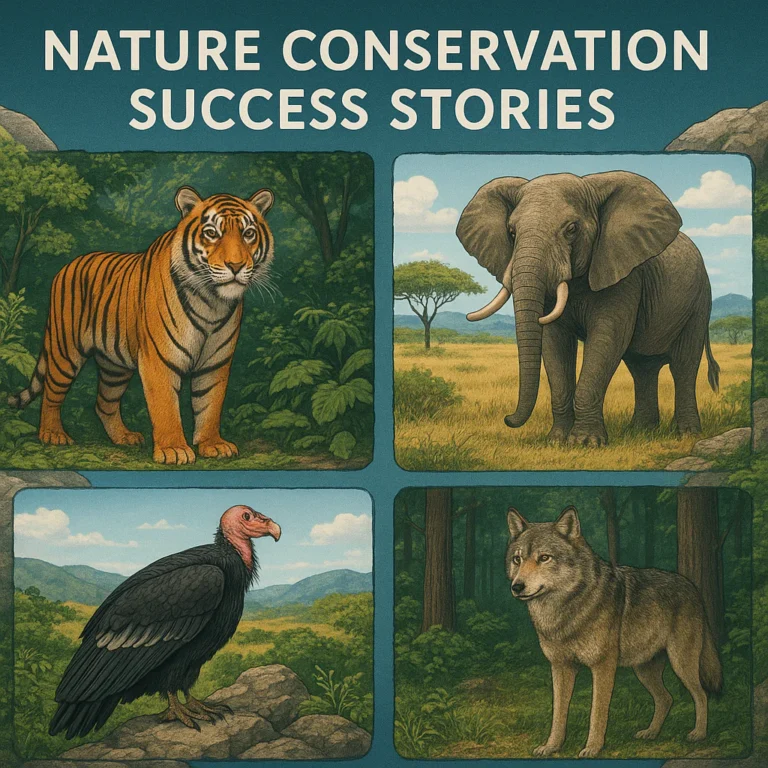
Support our educational content for free when you purchase through links on our site. Learn more
✍️ Your Ultimate Nature Preservation

Essay Guide
Hey there, future environmental champions! Ever wondered how to transform your passion for the planet into a powerful, persuasive essay? At Gone Greenish™, we believe your words are a potent force for change, especially when advocating for nature
preservation. Did you know that a football field’s worth of coastal wetlands vanishes every 1.5 hours in Louisiana? That stark reality underscores the urgency of our mission, and it’s precisely the kind of compelling detail that can elevate
your writing. This comprehensive guide isn’t just about crafting a top-notch nature preservation essay; it’s about equipping you with the insights, facts, and inspiration to become a true voice for the wild, exploring everything from the irreplaceable
value of biodiversity to the global efforts making a difference. Ready to make your mark?
Key Takeaways
- Nature preservation is vital for human survival and well-being, providing essential ecosystem services like clean air and water, supporting
biodiversity, and fulfilling ethical responsibilities to future generations. - Major threats like climate change, habitat loss, pollution, and invasive species demand urgent attention and comprehensive solutions.
- Diverse approaches to conservation—from national
parks and rewilding initiatives to sustainable living and robust environmental policies—are crucial for safeguarding our planet. - Your nature preservation essay can be a powerful tool for advocacy when structured effectively, supported by facts, infused with personal passion
, and concluded with a clear call to action. - Every individual can contribute through conscious consumption, supporting eco-conscious brands, volunteering, and staying informed about global and local conservation efforts.
Table of Contents
-
⚡️ Quick Tips and Facts: Your Nature Preservation Essay Starter Pack
-
🌿 Unearthing the Roots: A Brief History of Conservation & Environmentalism
-
💚 Why Bother? The Irreplaceable Value of Nature Preservation
-
🚨 The Silent Crisis: Understanding Current Threats to Our Wild World
-
🌱 Guardians of the Green: Diverse Approaches to Nature Preservation
-
Sustainable Practices & Green Living: Everyday Conservation Heroes
-
✍️ Your Voice Matters: Crafting a Powerful Nature Preservation Essay
-
Weaving Your Narrative: Personal Stories & Emotional Resonance
-
🌎 Global Greenprints: Conservation Across Continents & Cultures
-
North American Efforts: From Yellowstone to Local Land Trusts
-
Asian Conservation Challenges & Innovations: A Diverse Landscape
-
📚 Beyond the Essay: Influential Voices & Landmark Texts in Conservation Thought
-
Recommended Reads for Deeper Understanding & Essay Inspiration
-
Spotlight on Visionaries: Ben A. Minteer and Jonathan B. Losos on “The Heart of the Wild”
-
🤝 Joining the Green Revolution: How to Stay Engaged & Make a Difference
-
Supporting Conservation Organizations: Where Your Impact Grows
⚡
️ Quick Tips and Facts: Your Nature Preservation Essay Starter Pack
Hey there, fellow green warriors and aspiring environmental advocates! 👋 At Gone Greenish™, we’re all about empowering you to make a difference, and sometimes, that starts with putting
pen to paper (or fingers to keyboard!). Writing a compelling nature preservation essay isn’t just an academic exercise; it’s a chance to amplify your voice for the planet. So, let’s dive into some quick, actionable tips and
fascinating facts to kickstart your journey into environmental conservation and help you craft an essay that truly resonates!
Here’s the skinny on what makes a nature preservation essay shine:
-
Know Your “Why”: Before
you write a single word, ask yourself: Why does nature preservation matter to you? Is it the majestic redwood forests, the buzzing biodiversity of a coral reef, or the simple joy of a clean local park? Your personal
connection will be your essay’s heartbeat. -
Hook ‘Em Early: Start with a captivating statistic, a poignant anecdote, or a thought-provoking question. Did you know that a football field’s worth of coastal wetlands is
lost every 1.5 hours in Louisiana? That’s a powerful opener! -
Facts are Your Friends: Back up your passion with solid data. For instance, the Mississippi River, a vital artery,
carries 50 million tons of sediment annually into the Gulf of Mexico. These details add weight and credibility to your arguments. -
Show, Don’t Just Tell: Instead of saying “pollution is bad,” describe
the devastating impact of plastic waste on marine life or the murky waters of a once-pristine river. -
Embrace the “Anthropocene”: We’re living in an era where human impact is undeniable. As *
The Heart of the Wild* suggests, we must acknowledge the “urgency of learning about and experiencing our wild places in an age of rapidly expanding human impacts.” This perspective is crucial for a modern nature preservation essay. -
Think Globally, Act Locally: While global issues like climate change are critical, don’t forget to highlight local conservation efforts. The Nature Conservancy’s work in the Mississippi River Headwaters in Minnesota, protecting
clean drinking water and rich biodiversity, is a fantastic example. -
LSI Keywords for SEO: Remember to naturally weave in terms like ecological balance, sustainable living, habitat protection, wildlife preservation,
and environmental ethics throughout your essay. This helps your message reach a wider audience! -
Call to Action: What do you want your reader to do after reading your essay? Inspire them to learn more, support a cause
, or change a daily habit.
🌿 Unearthing the Roots: A Brief History of Conservation &
Environmentalism
Ever wonder how we got to this point, where “nature preservation” is a global rallying cry? It’s not a new concept, but its evolution is fascinating, much like watching a tiny seed grow into a mighty oak
! Here at Gone Greenish™, we believe understanding the past helps us better shape the future of environmental conservation.
For centuries, humans have interacted with nature, sometimes in harmony, often in conflict. Early forms of preservation were often tied
to resource management – ensuring there was enough timber for ships or game for hunting. But the idea of protecting nature for its intrinsic value, or for future generations, really started gaining traction.
Think about the Romantic era in the 18
th and 19th centuries, when poets and philosophers began to extol the beauty and spiritual power of wild landscapes. This was a crucial shift from viewing nature merely as a resource to be exploited. Then came the conservation movement in the late
19th and early 20th centuries, particularly in the United States. Visionaries like John Muir, who championed the establishment of national parks, and Gifford Pinchot, who advocated for sustainable resource management, laid foundational stones. Muir
‘s passion for preserving places like Yosemite and the Grand Canyon helped create the very concept of protected areas as we know them today.
Fast forward to the mid-20th century, and a new wave of environmentalism emerged,
fueled by groundbreaking works like Rachel Carson’s Silent Spring (1962). This book, exposing the devastating effects of pesticides, ignited public awareness about pollution and the interconnectedness of ecosystems. It was a wake-up
call that shifted the focus from just conserving resources to protecting the entire ecological balance of the planet.
The 1970s saw the first Earth Day and the creation of major environmental protection agencies, marking a significant governmental commitment
to environmental policy. Since then, the movement has broadened, grappling with complex issues like climate change, biodiversity loss, and the ethical dilemmas of restoration ecology. As the Aeon essay points out, the term “restoration
” itself has evolved, with art conservation offering lessons on the importance of “reversibility” and careful intervention in making nature “whole”. It’s a journey from simply “saving” nature to actively understanding
, restoring, and coexisting with it in an increasingly human-dominated world.
💚 Why Bother? The
Irreplaceable Value of Nature Preservation
“Why should I care about a frog in Panama or a forest halfway across the world?” you might ask. It’s a fair question, and one we at Gone Greenish™ love to answer!
The truth is, nature preservation isn’t just about saving cute animals or pretty landscapes; it’s fundamentally about our own survival and well-being. The value of nature is so profound, so interwoven with our lives, that to
ignore it is to ignore the very foundations of our existence. Let’s break down why protecting our planet is non-negotiable.
Ecosystem Services: Nature’s Free Lunch (and Life Support!)
Imagine a world without clean air to breathe, fresh water to drink, or fertile soil to grow food. Sounds dystopian, right? Well, these aren’t just
luxuries; they’re essential “services” that nature provides, absolutely free of charge! We call them ecosystem services, and they are the unsung heroes of our daily lives.
- Clean Air & Water: Forests
act as giant air purifiers, absorbing carbon dioxide and releasing oxygen. Wetlands and healthy river systems, like the Mississippi River basin, filter pollutants, providing us with clean drinking water. Without these natural systems, we’d be
spending astronomical amounts on artificial purification plants. - Pollination: Bees, butterflies, and other insects are tiny but mighty workers, pollinating crops that feed us. Without them, our food supply would dwindle dramatically. Think about your
morning coffee or your favorite fruit – thank a pollinator! - Soil Fertility: Healthy soil, teeming with microorganisms, is crucial for agriculture. It cycles nutrients, prevents erosion, and supports the growth of everything from wheat to avocados
. - Climate Regulation: Oceans and forests are massive carbon sinks, absorbing greenhouse gases and helping to regulate global temperatures. This is a critical defense against climate change.
- Natural Disaster Protection: Mangrove forests protect
coastlines from storm surges, wetlands absorb floodwaters, and healthy forests prevent landslides. The L536 Levee Setback Project on the Missouri River, which reconstructs a levee further back from the river, is a human-engineered
solution to a problem that healthy floodplains could naturally mitigate.
These services are literally priceless. When we degrade nature, we’re not just losing a pretty view; we’re dismantling our own life support system.
Biodiversity: The Web of Life and Our Resilience
Have you ever considered how many different species share our planet? From
the smallest microbe to the largest whale, biodiversity is the incredible variety of life on Earth. And it’s not just about counting species; it’s about the intricate web of interactions that makes ecosystems resilient and productive.
Stability & Resilience**: A diverse ecosystem is like a well-built house with many different supports. If one support weakens, others can pick up the slack. For example, a forest with many tree species is more resilient to disease than a monoculture. When
we lose species, we weaken this web, making ecosystems more vulnerable to collapse.
- New Discoveries: Many of our medicines, from aspirin (derived from willow bark) to powerful antibiotics, come from nature. Who knows what cures
for future diseases lie undiscovered in the Amazon rainforest or the deep sea? Losing species means losing potential breakthroughs. - Genetic Diversity: Within a single species, genetic diversity is vital for adaptation. Think about different varieties of crops – some
might be drought-resistant, others pest-resistant. This genetic library is essential for food security in a changing world. - Ecosystem Function: Every species plays a role, from decomposers recycling nutrients to predators controlling populations. The
Buffalo National River in Arkansas, home to hundreds of fish species and aquatic life, showcases a vibrant ecosystem at work.
The Panamanian Rabb’s fringe-limbed frog, named in 2005 and assumed
extinct in the wild by 2017, is a stark reminder of the rapid biodiversity loss we’re witnessing. Every extinction is a tear in the fabric of life, making our planet a
little less robust. We need to save nature, but as the first YouTube video embedded in this article suggests, “we’re going to need to save it in a lot of other places.” [cite: #featured-video]
Ethical & Aesthetic Imperatives: Beyond Utility
Beyond the practical benefits, there’s a deeper, more philosophical reason to protect nature. It’s about our environmental
ethics and our place in the world.
- Intrinsic Value: Many believe that nature has value simply because it exists, independent of its usefulness to humans. A mountain range, a pristine lake, or a rare bird species has
a right to exist, just as we do. - Aesthetic Beauty & Inspiration: Who hasn’t felt a sense of awe standing before a majestic waterfall, a towering forest, or a starlit desert sky? Nature inspires
art, music, literature, and provides solace and spiritual renewal. The quote from The Nature Conservancy about West Virginia’s wilderness rings true: “For centuries, people have sought adventure, solace and creative inspiration in this wilderness and others like it. The
COVID-19 pandemic has only increased that appreciation for this aspect of nature.” - Legacy for Future Generations: Do we have a moral obligation to leave a healthy planet for our children and grandchildren?
Most of us would emphatically say yes! Preserving nature is about intergenerational equity. - Connection to Self: Spending time in nature has proven benefits for mental and physical health. It reduces stress, boosts creativity, and fosters a sense of connection
to something larger than ourselves. When our connections with the wild have “frayed or been lost altogether,” as The Heart of the Wild notes, we lose a part of ourselves too.
So, why
bother? Because nature is our home, our life support, our inspiration, and our legacy. It’s not just about saving the planet; it’s about saving ourselves.
🚨 The Silent Crisis: Understanding Current Threats to Our Wild World
Alright, green team, let’s get real. While we’ve talked about the incredible value
of nature, we can’t ignore the elephant in the room – or rather, the rapidly disappearing elephants, rhinos, and countless other species. Our planet is facing a silent crisis, a relentless assault on its natural systems, largely driven by human activities
. Understanding these threats is the first step toward effective nature preservation. At Gone Greenish™, we’re not here to sugarcoat it, but to equip you with the knowledge to confront these challenges head-on.
Climate Change: The Overarching Threat
If there’s one overarching villain in this story, it’s climate change. It’s not just about warmer weather
; it’s a complex web of interconnected impacts that destabilize ecosystems globally.
- Rising Temperatures: This leads to melting glaciers and ice caps, contributing to rising sea levels. Coastal cities like New Orleans are sinking at roughly one centimeter per year
, exacerbated by land loss. - Extreme Weather Events: More frequent and intense heatwaves, droughts, floods, and wildfires are devastating habitats and human communities. The 2019 Missouri River floods
, which damaged over one million acres of farms and breached multiple levees, are a stark reminder of this. - Ocean Acidification: The oceans absorb a significant amount of excess carbon dioxide, leading to increased
acidity. This threatens marine life, especially organisms with shells like corals and shellfish, impacting entire food webs. - Shifting Ecosystems: As temperatures change, species are forced to migrate or face extinction. This disrupts delicate ecological balance and
can lead to the collapse of local populations. The Nature Conservancy’s Montana Freshwater Program is actively working to protect resources in the face of climate variability.
The urgency of addressing climate change cannot be overstated. It’s
a threat multiplier, exacerbating almost every other environmental challenge. You can learn more about this critical issue on our dedicated page: Climate Change.
Habitat Loss & Fragmentation: Shrinking Sanctuaries
Imagine your home being bulldozed, or your neighborhood being chopped up into tiny, isolated pieces. That’s
what habitat loss and fragmentation do to wildlife. It’s arguably the biggest direct driver of biodiversity loss.
- Deforestation: Forests are cleared for agriculture, logging, and urban development. This destroys homes for countless
species and reduces the planet’s ability to absorb carbon. Much of the bottomland hardwood forests along the Lower Mississippi have been removed for agriculture. - Urban Sprawl: As human populations grow, cities
expand, encroaching on natural areas. This directly converts wild spaces into concrete jungles. - Agricultural Expansion: The demand for food drives the conversion of grasslands, forests, and wetlands into farmland. This is a significant issue in areas
like the Ohio River basin, where balancing farming with water quality is a challenge. - Fragmentation: Even if habitats aren’t completely destroyed, they can be broken into smaller, isolated patches. This makes
it difficult for animals to find food, mates, and genetic diversity, leading to population declines.
The loss of these natural sanctuaries means fewer places for wildlife to thrive, pushing many species closer to the brink of extinction.
Pollution: A Toxic Legacy
From the air we breathe to the water we drink, pollution is a pervasive and insidious threat. It’s the unwanted byproduct of our industrial and consumer
-driven society, leaving a toxic legacy for generations.
- Air Pollution: Emissions from factories, vehicles, and power plants contribute to smog, acid rain, and greenhouse gases. This impacts human health, damages forests, and contributes
to climate change. - Water Pollution: Industrial waste, agricultural runoff (like nutrient runoff from farms into the Ohio River), plastics, and sewage contaminate rivers, lakes, and oceans. This harms aquatic life, makes
water unsafe for human consumption, and creates vast “dead zones” in marine environments. - Plastic Pollution: Our addiction to single-use plastics has led to an alarming accumulation of plastic waste in every corner of the globe, from the deepest
oceans to the highest mountains. This plastic breaks down into microplastics, entering food chains and posing unknown health risks. - Chemical Pollution: Pesticides, herbicides, and other industrial chemicals can persist in the environment for decades, poisoning
soil, water, and wildlife. Rachel Carson’s Silent Spring was a groundbreaking exposé on this very issue.
Pollution doesn’t just make things look ugly; it fundamentally alters the chemistry of our planet, making it less
hospitable for life.
Overexploitation & Invasive Species: Unbalancing the Scales
Sometimes, our direct actions, or even our unintentional introductions
, can throw entire ecosystems out of whack.
- Overexploitation: This refers to harvesting natural resources at a rate faster than they can replenish themselves. Think overfishing, illegal logging, or poaching of endangered animals. When demand outstrips supply
, populations plummet. - Invasive Species: These are non-native species introduced to an ecosystem, often accidentally, that outcompete native species for resources, prey on them, or introduce diseases. They can devastate local
biodiversity. For example, invasive buckthorn and honeysuckle are major problems in the US Midwest, requiring “massive, ongoing labor” to remove. The Aeon article highlights the “ethical dilemmas” and “squeamish
ness” among conservationists when decisions involve killing invasive species to protect native ones. - Disease Spread: Global travel and trade can inadvertently spread diseases to vulnerable wildlife populations, further compounding existing threats.
These threats are
complex and interconnected, often creating a domino effect that amplifies their impact. But understanding them is the first step towards finding solutions and championing effective conservation efforts.
🌱 Guardians of the Green: Diverse Approaches to Nature Preservation
Okay, so the threats are real, and frankly, a bit daunting. But here’s the good news: there are countless dedicated
individuals, organizations, and governments working tirelessly to protect our planet! At Gone Greenish™, we’re inspired by the ingenuity and passion behind these diverse approaches to nature preservation. It’s not a one-size-fits-all solution
; rather, it’s a tapestry woven with many different threads, each playing a vital role in safeguarding our wild world.
Protected Areas &
National Parks: Sanctuaries of Life
One of the most straightforward and effective ways to protect nature is simply to set aside land and water, declaring it off-limits to harmful human activities. These protected areas and national parks are truly
sanctuaries of life.
- National Parks: Iconic places like Yellowstone in the US, or the Buffalo National River in Arkansas (the first designated national river in the U.S.), are prime examples. They
preserve vast ecosystems, offer recreational opportunities, and serve as living laboratories for scientific research. - Wildlife Refuges & Wilderness Areas: These areas prioritize the protection of specific species or ecosystems, often with stricter regulations on human access.
Marine Protected Areas (MPAs): Just as we protect land, we must protect our oceans. MPAs safeguard critical marine habitats, allowing fish populations to recover and coral reefs to thrive.
- Land Trusts: Local and
regional land trusts, often non-profit organizations, work to acquire and protect land through purchases or conservation easements. The Nature Conservancy (TNC) is a global leader in this, actively protecting the Mississippi River Headwaters in Minnesota and managing preserves like the Charlotte Ryde Preserve at Cheat Canyon in West Virginia.
These designated spaces are crucial for maintaining biodiversity conservation and providing safe havens for countless species.
Rewilding & Ecological Restoration: Bringing Back the Wild
Sometimes, protection isn’t enough. What about areas that have already been degraded? That
‘s where rewilding and ecological restoration come in – active efforts to repair and rebuild damaged ecosystems. It’s about giving nature a helping hand to heal itself.
-
What is Rewilding?: This ambitious
approach aims to restore natural processes and, often, reintroduce keystone species (like wolves or beavers) to an area. The goal is to create self-sustaining ecosystems that require minimal human intervention. -
Ecological Restoration: As
defined by William Jordan III in the 1980s, it’s “the attempt…to make nature whole.” This can involve a wide range of activities: -
Reforestation: Planting
native trees to restore forests. -
Wetland Restoration: Recreating wetlands to filter water and provide habitat. TNC, for instance, is restoring streams and wetlands in the Ohio River basin to prevent nutrient runoff.
-
Invasive Species Removal: Eradicating non-native plants and animals that outcompete native species. This is a massive undertaking in places like the US Midwest, where buckthorn and honeysuckle are rampant.
-
Habitat Reconstruction: Physically rebuilding habitats, such as creating sandbars for camping along the Kansas River.
-
Success Stories: The Aeon essay highlights incredible successes, like Costa
Rica’s Área de Conservación Guanacaste (ACG) project, which restored a landscape providing habitat for up to 350,000 species. New Zealand’s efforts to save the black
robin and Chatham Island taiko are also inspiring examples.
However, restoration isn’t without its challenges. The Aeon article notes the difficulty in defining “original” conditions and the high cost of continuous management. It also draws parallels with art conservation, suggesting that ecological restoration could learn from the art world’s emphasis on “reversibility” and careful, documented interventions. This means accepting that some restoration goals
might need to be reversed if they prove harmful, and being open to managing “novel” ecosystems that may not have historical analogues but still support biodiversity.
Sustainable Practices & Green Living: Everyday Conservation Heroes
While large-scale projects are vital, the collective impact of individual choices cannot be underestimated. Sustainable living is about making conscious decisions in our daily lives that reduce
our carbon footprint reduction and minimize our environmental impact.
- Reduce, Reuse, Recycle: The classic mantra! Reducing consumption is key, followed by reusing items, and then recycling what’s left.
- Eco
-Friendly Products: Choosing products from eco-conscious brands that prioritize sustainability, ethical sourcing, and minimal waste. - Energy Conservation: Turning off lights, unplugging electronics, using energy-efficient appliances, and opting for renewable energy sources
. - Water Conservation: Taking shorter showers, fixing leaks, and being mindful of water usage in gardening.
- Sustainable Food Choices: Eating less meat, choosing locally grown produce, and supporting organic farming practices that protect
soil health and reduce pesticide use. The Blaney family farm in Ohio, utilizing water from an Ohio River tributary and selling produce via a CSA, is a great example of community-supported sustainable agriculture. - Responsible
Travel: Opting for public transport, cycling, walking, or choosing eco-tourism options.
Every small action adds up! You can find more tips on how to reduce your impact on our Carbon Footprint Reduction and Conservation Tips pages.
Policy & Legislation: The Backbone of Protection
Behind many successful conservation efforts are strong laws and policies. Governments play a critical role in setting standards, enforcing regulations, and allocating resources for **environmental protection
**.
- Environmental Laws: Legislation like the Endangered Species Act in the US, or international agreements like the Convention on Biological Diversity, provide legal frameworks for protecting species and habitats.
- Land Use Planning: Regulations that guide urban
development, protect agricultural land, and zone areas for conservation. - Funding for Conservation: Government budgets often support national parks, wildlife agencies, and scientific research.
- International Cooperation: Many environmental issues, like climate change and
migratory species protection, require global collaboration and treaties.
Policy isn’t always perfect, and it often involves complex negotiations and compromises. However, it provides the essential backbone for large-scale, systemic change in nature preservation.
<
a id=”your-voice-matters-crafting-a-powerful-nature-preservation-essay”>
✍️ Your Voice Matters: Crafting a Powerful Nature Preservation Essay
So, you’re fired
up about environmental conservation and ready to put your passion into words? Fantastic! Your essay isn’t just an assignment; it’s an opportunity to educate, inspire, and persuade. At Gone Greenish™, we believe everyone has a powerful
story to tell about nature, and we’re here to help you craft an essay that truly makes an impact. Remember, a well-written essay can be a catalyst for change, just like a single drop of water can contribute to the
mighty flow of the Mississippi River!
Laying the Foundation: Structure, Thesis, & Argumentation
Think of your essay as a sturdy
tree: it needs strong roots (your research), a solid trunk (your structure), and branches that reach out (your arguments).
-
The Mighty Thesis Statement: This is the core of your essay – your main argument or point
of view. It should be clear, concise, and debatable. Instead of “Nature is important,” try something like: “Effective nature preservation in the Anthropocene demands a shift from passive protection to active, adaptive ecological restoration, integrating indigenous wisdom and community
engagement.” See the difference? It sets the stage for a compelling argument. -
A Logical Flow: Structure your essay with a clear introduction, body paragraphs, and a conclusion.
-
Introduction: Hook your reader,
provide background, and present your thesis. -
Body Paragraphs: Each paragraph should focus on a single idea that supports your thesis. Use topic sentences, evidence (facts, examples, quotes), and analysis to explain your points.
-
Conclusion: Summarize your main points, restate your thesis in a new way, and offer a final thought or call to action.
-
Building Your Argument: Don’t just state facts; explain *
why* they matter. Use logical reasoning to connect your evidence back to your thesis. Consider different perspectives, even those that might challenge your own, and address them thoughtfully. For instance, while some might argue for strict “wilderness” untouched by humans, others
, like the Aeon article suggests, advocate for a “cultural ecology” approach that recognizes benign human influence. Acknowledge these nuances to strengthen your argument.
Weaving Your Narrative: Personal Stories & Emotional Resonance
Facts and figures are essential, but what truly connects with readers is emotion. Your personal voice and experiences can make your essay unforgettable.
Share Your “Aha!” Moment: Did you have a transformative experience in nature? Perhaps a hike through a national park, or a moment witnessing biodiversity firsthand? Sharing a personal anecdote can make your essay relatable and powerful. For us
at Gone Greenish™, it was seeing the sheer resilience of a tiny plant pushing through concrete – a metaphor for nature’s enduring spirit!
- Use Vivid Language: Paint pictures with your words! Instead of “the forest was nice
,” try “the ancient forest, a cathedral of towering pines, whispered secrets of centuries past.” - Metaphors and Analogies: These can help explain complex ideas in an engaging way. We often think of ecosystems as intricate
webs – pull one thread, and the whole thing can unravel. - Engage with Questions: Pose rhetorical questions to your reader to make them think, then resolve them with your insights. “Can we truly afford to lose another
species?”
Remember the quote about the Mississippi River basin: “For centuries, people have sought adventure, solace and creative inspiration in this wilderness and others like it. The COVID-19 pandemic has only increased that appreciation for this aspect of nature
.” Tap into that universal appreciation.
Citing Your Sources: Credibility & Impact
A powerful essay is built on a
foundation of solid evidence. Citing reliable sources isn’t just about avoiding plagiarism; it’s about bolstering your credibility and demonstrating the depth of your research.
-
Reliable Sources are Key: Prioritize academic journals, reputable environmental
organizations (like The Nature Conservancy), government reports (e.g., EPA, NOAA), and well-regarded books (like The Heart of the Wild from Princeton University Press). -
**In-Text Citations
**: Every time you use a fact, statistic, or idea that isn’t your own, you must cite it. Use a consistent citation style (e.g., MLA, APA, Chicago) as required by your instructor.
For this article, we’re using the [cite:INDEX] format. -
Reference List: Include a comprehensive list of all your sources at the end of your essay. This allows readers to explore your research further.
-
Hyperlinking for Online Sources: If your essay is digital, embed hyperlinks to your sources where appropriate. This is excellent for online articles and helps readers validate your facts instantly. For example, when discussing the Mississippi River, you might link to
The Nature Conservancy’s article.
Common Pitfalls to Avoid: Sharpening Your Message
Even the most passionate writers can stumble. Here are some common traps to avoid to make your nature preservation essay truly shine:
- ❌ Being Overly Emotional Without Evidence: Passion is great, but it needs to be
grounded in facts. Don’t just rant; provide evidence to support your outrage or hope. - ❌ Generalizations & Vague Statements: Avoid phrases like “everyone knows” or “nature is good.” Be specific! What
aspect of nature? Why is it good? - ❌ Lack of Focus: Don’t try to cover every single environmental issue in one essay. Pick a specific aspect of environmental conservation or biodiversity conservation and delve
deep. - ❌ Ignoring Counterarguments: Acknowledge and address opposing viewpoints. This shows you’ve thought critically about the issue and strengthens your own position.
- ❌ Plagiarism: This is a big one
! Always give credit where credit is due. If you’re unsure, err on the side of citing. - ✅ Proofread, Proofread, Proofread: Typos and grammatical errors undermine your credibility. Read your essay aloud,
or have someone else review it.
By following these tips, you’ll be well on your way to crafting a powerful, persuasive, and truly impactful nature preservation essay that inspires action and champions our planet!
🌎 Global Greenprints: Conservation Across Continents & Cultures
The fight for nature preservation isn’t confined to one country or one culture; it’s a
global endeavor, a tapestry woven with countless threads of local action and international cooperation. At Gone Greenish™, we’re constantly amazed by the diverse and innovative ways people are working to protect our planet, from vast national parks to community-led initiatives.
Let’s take a whirlwind tour of some inspiring “greenprints” from around the world, showcasing how different regions are tackling the urgent challenges of environmental conservation.
North American Efforts: From Yellowstone to Local Land Trusts
North America, with its vast and varied landscapes, has a rich history of conservation efforts, from the establishment of the world
‘s first national park to cutting-edge ecological restoration.
- The Birth of National Parks: The United States pioneered the concept of national parks with Yellowstone in 1872, a move that forever changed how we view
and protect wild spaces. Today, these parks, along with Canada’s extensive park system, are vital for wildlife preservation and public enjoyment. - The Mighty Mississippi Basin: This colossal river system, draining approximately one-quarter of
Minnesota alone, is a microcosm of North American conservation challenges and successes. - Headwaters Protection: In Minnesota, The Nature Conservancy (TNC) actively protects the Mississippi River Headwaters, ensuring clean drinking water and
preserving rich biodiversity. This region supports everything from camping to wild rice harvesting. - Western Water Scarcity: In Montana, where the Yellowstone and Missouri River tributaries extend, TNC’s Montana
Freshwater Program works to protect vital water resources in the face of climate variability and historically low water levels. - Ohio River & Sustainable Agriculture: Along the Ohio River, TNC partners with farmers to restore
streams and wetlands, preventing nutrient runoff and promoting sustainable agriculture. The Blaney family farm in Albany, Ohio, is a shining example of balancing farming with water quality.
Kansas River (“The Kaw”): This largely undammed prairie river faces threats from dredging. Grassroots organizations like Friends of the Kaw lead cleanups and advocacy, supported by TNC’s Healthy Streams for Kansas Initiative.
-
Missouri River Flood Management: Following devastating floods in 2019, the L536 Levee Setback Project in Atchison County, a collaboration between local districts, landowners,
TNC, and the U.S. Army Corps of Engineers, is reconstructing levees further back to better protect against extreme flooding. This is a prime example of adapting to climate change impacts. -
Buffalo National River: In Arkansas, this first designated national river in the U.S. is a haven for hundreds of fish species and the state’s only elk herd, protected by TNC.
Louisiana’s Fragile Coast: New Orleans faces a critical situation with land loss and sinking rates. TNC is fortifying shorelines with natural climate solutions to combat these impacts and protect the unique Creole and Cajun cultures of the Atch
afalaya Basin, the largest wetland and swamp in the U.S..
- Local Land Trusts: Beyond the big names, thousands of smaller land trusts across the continent are working to protect local forests
, wetlands, and farmlands, often engaging communities directly in land management.
European Initiatives: Rewilding the
Old World & Beyond
Europe, with its long history of human settlement, presents unique challenges and opportunities for nature preservation. Here, the focus often shifts towards rewilding and restoring landscapes that have been heavily modified over centuries.
Rewilding Europe: This ambitious initiative aims to create larger, wilder, and more biodiverse landscapes across the continent. Projects involve reintroducing species like bison and wild horses, and allowing natural processes to take hold.
*
Forest Restoration: In countries like Ireland, which is one of the least wooded countries in Europe due to centuries of deforestation, there are significant efforts to convert commercial coniferous plantations back to native oak woodlands, supporting rare bryophytes, insects, and mammals
.
- Transboundary Conservation: With many countries in close proximity, Europe excels at cross-border conservation efforts, creating larger ecological corridors for wildlife.
The concept of “rewilding” in Europe often
involves a delicate balance between human activity and natural processes, acknowledging that truly “pristine” wilderness is rare.
Asian Conservation Challenges & Innovations
: A Diverse Landscape
Asia, home to the majority of the world’s population and incredible biodiversity, faces immense pressure from rapid development, but also showcases remarkable innovation in conservation efforts.
- Protecting Iconic Species: From
tigers in India to pandas in China, many Asian countries are investing heavily in protecting their iconic, often endangered, species through habitat restoration and anti-poaching efforts. - Sustainable Development: The challenge here is often to integrate environmental
conservation with economic growth. Initiatives focus on sustainable forestry, responsible tourism, and green technologies. - Wet-Rice Ecosystems: As the Aeon article notes, some landscapes, like wet-rice ecosystems in China, are examples
of “cultural ecology” where human influence has shaped benign, productive environments over millennia. This highlights that not all human impact is destructive.
Indigenous Wisdom: Timeless Lessons in Stewardship
Across all continents, Indigenous communities hold invaluable knowledge and practices regarding land management and nature preservation. Their perspectives often offer profound lessons for modern conservation.
Deep Connection to Land: Many Indigenous cultures view themselves as an integral part of nature, not separate from it. This fosters a deep sense of responsibility and stewardship.
- Traditional Ecological Knowledge (TEK): Generations of observation
and interaction with specific ecosystems have yielded sophisticated knowledge about sustainable resource use, fire management, and biodiversity conservation. - Holistic Approach: Indigenous practices often integrate spiritual, cultural, and ecological dimensions, viewing land management as “totally
entwined” with the human spirit, as seen in Australia’s Gondwana Link project. This project, integrating Indigenous knowledge with Western science, is a powerful model for the future. - Guard
ians of Biodiversity: Many of the world’s remaining biodiverse areas are found on Indigenous lands, a testament to their effective stewardship. The Chitimacha tribe in Louisiana’s Atchafalaya Basin is an example of a culture deeply intertwined
with its natural environment.
As the Aeon essay suggests, adopting a “cultural ecology” approach that recognizes and integrates Indigenous knowledge is a crucial step forward for ecological restoration and nature preservation globally. It’s about looking forward, not back, and embracing all forms of wisdom to save nature in a lot of different places, as the featured video reminds us. [cite: #featured-video]
📚 Beyond the Essay: Influential Voices & Landmark Texts in Conservation Thought
So, you’ve penned your powerful nature preservation essay,
but your journey into the world of environmental conservation doesn’t have to end there! At Gone Greenish™, we believe that continuous learning is key to becoming an effective advocate for the planet. Just as a gardener nurtures their plants, we must
nurture our understanding of the complex issues surrounding nature. Diving into the works of influential thinkers and landmark texts can deepen your insights, refine your arguments, and inspire your next steps.
Recommended Reads for Deeper Understanding & Essay Inspiration
If you’re looking to expand your knowledge base, find new angles for your arguments, or simply get lost in the beauty and urgency of nature
‘s story, here are some essential reads that have shaped the environmental ethics and conservation efforts of our time:
- Silent Spring by Rachel Carson: A foundational text that exposed the dangers of pesticides and ignited
the modern environmental movement. It’s a powerful example of how scientific rigor combined with passionate writing can spark massive change. - A Sand County Almanac by Aldo Leopold: A classic that introduces the concept of a “land ethic,”
arguing for a moral responsibility to the natural world. Leopold’s eloquent prose and profound insights are timeless. - The Sixth Extinction: An Unnatural History by Elizabeth Kolbert: A Pulitzer Prize-winning book that chilling
ly details the ongoing mass extinction event, largely driven by human activity. It’s a sobering but essential read for understanding biodiversity loss. - ***Braiding Sweetgrass: Indigenous Wisdom, Scientific Knowledge and the Teachings of Plants
*** by Robin Wall Kimmerer: This beautiful book weaves together scientific understanding with Indigenous perspectives on our relationship with the natural world, offering profound lessons in stewardship and reciprocity. It’s a must-read for anyone interested in “cultural ecology” and
the integration of diverse knowledge systems. - Half-Earth: Our Planet’s Fight for Life by E.O. Wilson: A bold proposal from the renowned biologist, advocating for setting aside half the Earth’s land
and sea to preserve biodiversity. It’s a thought-provoking read that challenges conventional thinking about habitat protection.
These books aren’t just collections of facts; they are invitations to think differently, feel more deeply, and act
more decisively for the planet.
Spotlight on Visionaries: Ben A. Minteer and Jonathan B. Losos on “The Heart of the Wild”
Speaking of influential voices, we absolutely have to shine a spotlight on The Heart of the
Wild, a truly thought-provoking collection edited by Ben A. Minteer and Jonathan B. Losos. This book, published by Princeton University Press, is a “meditation on the urgency of learning about and experiencing our wild places
” in our current era, often referred to as the Anthropocene.
What makes this book so vital for your nature preservation journey?
- Reframing “Wildness”: In a
world increasingly shaped by human hands, what does “wildness” even mean anymore? The essays in this collection offer “nuanced and often surprising perspectives on the meaning and value of ‘wildness'”. This is
crucial for anyone writing about nature preservation today, as it challenges us to think beyond pristine, untouched landscapes. - Restoring Connection: The contributors make “impassioned defenses of naturalism, natural history, and nature education”
. They argue that we need to “rediscover a love for the wild at a time when our connections with it have frayed or been lost altogether”. This resonates deeply with our Gone Greenish™ philosophy
– a healthy planet starts with a healthy connection to nature. - Charting a New Path: The book isn’t just about lamenting what’s lost; it’s about “charting a new path forward in an
era of ecological uncertainty”. It brings together leading scientists, humanists, and nature writers, including luminaries like Peter H. Raven and Emma Marris, to explore the trends and forces transforming our relationship with nature
.
If you’re looking for a book that grapples with the complex realities of environmental conservation in the 21st century, offering both intellectual depth and a call to action, The Heart of the
Wild is an essential read. It will undoubtedly enrich your understanding and provide fresh perspectives for your own essays and advocacy.
👉 Shop The Heart of the Wild on:
- Amazon: https://www.amazon.com/Heart-Wild-Essays-Nature-Conservation/dp/0691228620
- Princeton University Press Official Website: https://press.princeton.edu/books/hardcover/9780691228624/the-heart-of-the-wild
🤝 Joining the Green Revolution: How to Stay Engaged & Make a Difference
You’ve written your
essay, you’ve delved into the depths of conservation efforts, and now you’re probably thinking, “What next?” That’s the spirit we love at Gone Greenish™! Writing about nature preservation is a powerful first step
, but the real magic happens when we translate knowledge into action. The good news is, you don’t need to be a scientist or a politician to make a tangible difference. Every single one of us can be a part of the green revolution
, contributing to sustainable living and ecological balance. Let’s explore how you can stay engaged and amplify your impact!
Citizen Science & Advocacy: Your Role in Action
Think you can’t contribute to scientific research or influence policy? Think again! Citizen science and grassroots advocacy are powerful tools for everyday heroes.
- Become a Citizen Scientist:
Many organizations rely on volunteers to collect data on local biodiversity, water quality, or climate change impacts. - eBird: Love birdwatching? Submit your sightings to eBird, a global database that helps
scientists track bird populations and migration patterns. - iNaturalist: Snap photos of plants and animals you encounter, upload them to iNaturalist, and get help identifying them. Your observations contribute to global **biodiversity conservation
** data. - Water Quality Monitoring: Check with local environmental groups or universities for opportunities to monitor water quality in your nearby rivers or lakes. Organizations like Friends of the Kaw in Kansas rely on community engagement for river
cleanups and protection. - Advocate for Change: Your voice matters!
- Contact Your Representatives: Write letters, send emails, or call your elected officials to express your concerns about **
environmental policy** and advocate for stronger conservation efforts. - Sign Petitions: Support campaigns from reputable environmental organizations.
- Participate in Public Hearings: When local development projects threaten natural areas, attend public
hearings and make your voice heard. - Educate Others: Share what you’ve learned! Talk to friends, family, and colleagues about the importance of nature preservation. Your essay is a fantastic starting point!
Remember, “We need to be active, not passive, look forward, not back,” as the featured video wisely states. [cite: #featured-video] Your active participation is invaluable!
Supporting Conservation Organizations: Where Your Impact Grows
Want to make a bigger splash? Supporting established eco-conscious brands and non-profit conservation organizations is a fantastic way to contribute to large-scale
environmental protection.
- Financial Contributions: Even small donations can make a difference. These organizations use funds for land acquisition, ecological restoration projects, scientific research, and advocacy.
- The Nature Conservancy (TNC): A global powerhouse in nature preservation, TNC works on everything from protecting the Mississippi River basin to fortifying shorelines in Louisiana.
- World Wildlife
Fund (WWF): Focuses on protecting endangered species and their habitats worldwide. - Sierra Club: A grassroots environmental organization that engages in advocacy and outdoor recreation.
- Local Land Trusts: Support organizations working
to protect natural areas in your own community. - Volunteer Your Time: Many organizations need volunteers for everything from trail maintenance and invasive species removal to office work and event support. This is a hands-on way to contribute to **habitat protection
**. - 👉 Shop Sustainably: When you buy products from companies committed to sustainability, you’re voting with your wallet and supporting eco-conscious brands. Look for certifications like Fair Trade, Organic, and FSC (Forest Stewardship Council).
👉 Shop Eco-Conscious Brands on:
- Patagonia: https://www.patagonia.com/ | Shop Patagonia on Amazon
- TOMS: https://www.toms.com/ | Shop TOMS on Amazon
- Seventh Generation: https://www.seventhgeneration.com/ | Shop Seventh Generation on Amazon
Staying Connected: Resources for Ongoing Action & Learning
The world of environmental conservation is constantly evolving. Staying informed and connected
is crucial for making effective contributions.
-
Follow Gone Greenish™!: Of course! We’re always sharing the latest insights, tips, and news on sustainable living, carbon footprint reduction, and all things green.
-
Subscribe to Newsletters: Sign up for email updates from environmental organizations you trust.
-
Read Environmental News: Follow reputable news sources that cover environmental issues.
-
Join Online Communities: Engage with other environmental
enthusiasts on social media or dedicated forums. -
Attend Webinars & Events: Many organizations offer free online events and workshops on various conservation tips and topics.
By actively engaging, supporting, and staying informed, you become
an indispensable part of the global movement for nature preservation. Your journey as a green advocate is just beginning, and we at Gone Greenish™ are thrilled to be on this path with you!
✅ Conclusion: Our Shared Future, Our Shared Responsibility
Phew! We’ve journeyed through the intricate tapestry of nature preservation,
from its historical roots to the urgent threats it faces today, and the inspiring solutions emerging globally. At Gone Greenish™, our mission is to empower you, and we hope this deep dive has illuminated not just the “why bother?” behind environmental conservation,
but also the profound impact your voice and actions can have.
We started by asking why nature preservation matters. The answer, as we’ve seen, is multifaceted and deeply personal. It’s about the irreplaceable ecosystem services that sustain
our very lives – the clean air, fresh water, and fertile soil that nature provides freely. It’s about the incredible biodiversity that forms the resilient web of life, offering stability, new discoveries, and a rich genetic library for
our future. And it’s about the ethical and aesthetic imperatives that connect us to something larger than ourselves, inspiring awe, solace, and a moral obligation to future generations.
We also confronted the “silent crisis” – the relentless
march of climate change, the devastating impact of habitat loss and fragmentation, the pervasive reach of pollution, and the unbalancing effects of overexploitation and invasive species. These aren’t abstract problems; they are tangible threats that are ”
pulling us farther away from wild places and species with each passing day,” as The Heart of the Wild eloquently puts it.
But here’s the powerful takeaway: we are not helpless. From the vast protected areas
like national parks to the innovative strategies of rewilding and ecological restoration, from the everyday choices of sustainable living to the crucial role of policy and indigenous wisdom, there are countless ways to be a guardian of the green. The lessons
from art conservation, emphasizing “reversibility” and collaborative decision-making, offer fresh perspectives for making nature “whole” again.
Your essay, your voice, your choices – they all contribute to this vital effort. Whether you’
re advocating for carbon footprint reduction, exploring eco-conscious brands, or simply spending time appreciating the wild, you are part of the solution. Let’s continue to learn, to act, and to champion the cause of nature preservation, ensuring
a healthier planet for all. Our shared future depends on our shared responsibility.
🔗 Recommended Links: Dive Deeper, Act
Smarter
Ready to take your passion for nature preservation to the next level? Here are some resources and products that can help you learn more, get involved, and make a tangible difference.
Books for Inspiration & Knowledge:
- The
Heart of the Wild: Essays on Nature, Wilderness, and the Anthropocene: - Hardcover: Amazon | Princeton University Press Official Website
- Silent Spring by Rachel Carson:
- Paperback: Amazon | Walmart
- A Sand County Almanac by Aldo Leopold:
- Paperback
: Amazon
Support Conservation Efforts:
- **The Nature Conservancy
**: The Nature Conservancy Official Website - Friends of the Kaw (Kansas Riverkeeper): Friends of the Kaw Official Website
World Wildlife Fund (WWF): World Wildlife Fund Official Website
- Sierra Club: Sierra Club Official Website
Explore Eco-Conscious Brands & Products:
- 👉 Shop Eco-Friendly Home Goods on: Amazon | Etsy
- 👉 Shop Sustainable Apparel on: Amazon | Patagonia Official Website
❓ FAQ: Your Burning Questions Answered
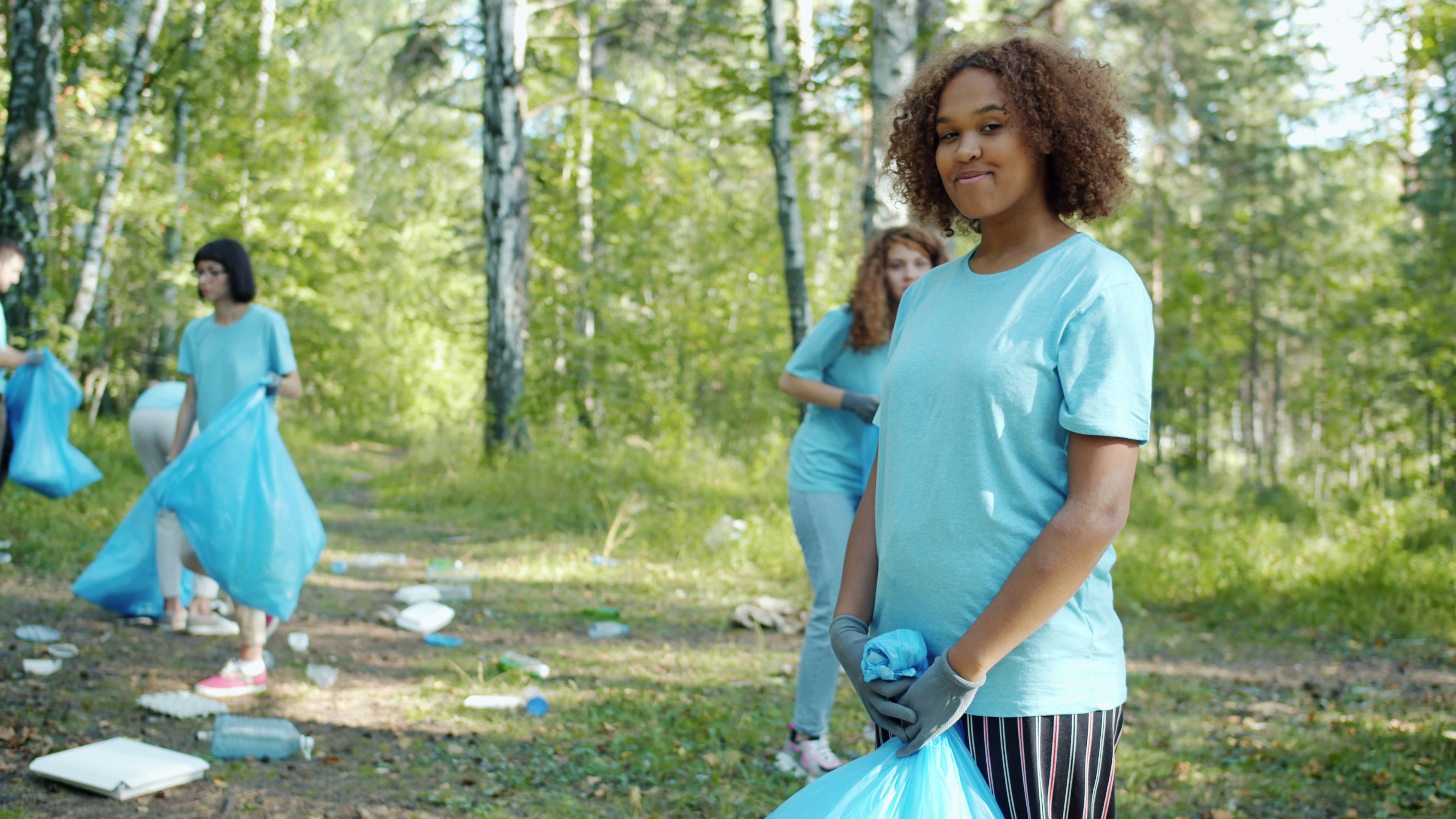
We know you’ve got questions, and we’ve got answers! Here at Gone Greenish™, we’re all about clarity when it comes to protecting our planet and ourselves.
Why is nature preservation important for human health?
Nature preservation is fundamentally intertwined with human health because healthy ecosystems provide the essential building blocks for
our well-being.
Clean Air and Water
Preserving forests means more trees to absorb pollutants and produce oxygen, directly improving air quality and reducing respiratory illnesses. Intact wetlands and healthy river systems naturally filter water, ensuring access to clean drinking
water, which is vital for preventing waterborne diseases.
Disease Prevention
Biodiverse ecosystems can help regulate disease. For instance, intact forests can limit the spread of zoonotic diseases by maintaining natural predator-prey relationships and reducing human
-wildlife contact that can lead to pathogen spillover. Conversely, habitat destruction can force wildlife into closer proximity with humans, increasing disease transmission risks.
Access to Natural Resources
Many modern medicines are derived from plants and organisms found in nature.
Preserving biodiversity ensures that this vast natural pharmacy remains available for future medical discoveries and treatments.
Read more about “🌿 Conservation vs. Preservation: The Ultimate 2026 Guide”
How does environmental conservation improve mental well
-being?
Environmental conservation directly contributes to mental well-being by ensuring access to natural spaces and fostering a sense of purpose and connection.
Stress Reduction and Relaxation
Spending time in nature, often referred to as “forest bathing” or ec
otherapy, has been scientifically proven to reduce stress hormones, lower blood pressure, and improve mood. Conserving green spaces ensures that these vital mental health resources remain accessible.
Cognitive Benefits
Exposure to natural environments can improve cognitive function, attention span
, and creativity. A walk in a conserved park or wilderness area can offer a mental break from urban overstimulation, leading to clearer thinking and problem-solving.
Sense of Purpose and Connection
Engaging in conservation efforts, whether through volunteering
, advocacy, or sustainable living, provides individuals with a sense of purpose and agency. Knowing you are contributing to something larger than yourself can boost self-esteem and foster a deeper connection to the planet and community, combating feelings of helplessness or isolation.
Read more about “🌿 15 Nature Conservation Examples Saving Wildlife (2026)”
What are the best ways to start a nature preservation essay?
A strong opening is crucial for
hooking your reader and setting the tone for your nature preservation essay.
Start with a Striking Statistic or Fact
Grab attention immediately with a powerful, verifiable piece of data about environmental degradation or the value of nature. For example, ”
Every 1.5 hours, an area of coastal wetlands the size of a football field is lost in Louisiana, threatening vital ecosystems and human communities.”
Use a Personal Anecdote
Share a brief, compelling personal story or experience that illustrates
your connection to nature or highlights a specific environmental issue. This creates an emotional resonance and makes your argument more relatable.
Pose a Rhetorical Question
Engage your reader by asking a thought-provoking question that your essay will explore and answer. For
instance, “In an age where human impact reshapes every corner of the globe, can ‘wildness’ truly survive, or must we redefine our relationship with nature entirely?”
Employ a Vivid Description
Paint a picture with words,
describing a pristine natural scene or a stark example of environmental damage. This can evoke strong emotions and draw the reader into your topic.
How does protecting ecosystems benefit physical health?
Protecting ecosystems offers numerous direct and indirect benefits to our physical health, forming a foundational layer of public health.
Improved Air and Water Quality
Healthy ecosystems, like forests and wetlands, act
as natural filters, removing pollutants from the air and water. This directly reduces the incidence of respiratory diseases, allergies, and illnesses caused by contaminated water sources.
Climate Regulation and Disaster Mitigation
Intact ecosystems help regulate the climate by absorbing carbon
dioxide, reducing the severity of climate change impacts such as extreme heatwaves, which can cause heatstroke and other heat-related illnesses. They also provide natural defenses against disasters; for example, mangroves protect coastlines from storm surges, reducing injuries and fatalities.
Food Security and Nutrition
Biodiverse ecosystems support healthy soil and pollinators, which are essential for agricultural productivity and a varied food supply. Protecting these systems ensures access to nutritious food, preventing malnutrition and related health issues.
Opportunities for Physical Activity
Preserved natural areas, such as parks, trails, and wilderness, provide safe and accessible spaces for physical activity like hiking, cycling, and walking. Regular physical activity is crucial for preventing chronic diseases like heart disease, diabetes, and obesity.
Read more about “🌍 Carbon Neutral: The Ultimate 2026 Guide to Saving the Planet (15 Steps)”
What are the consequences of failing to preserve nature?
The consequences of failing to preserve nature are severe
and far-reaching, impacting every aspect of life on Earth, including human society and economy.
Ecological Collapse and Mass Extinction
Continued habitat destruction, climate change, and pollution lead to rapid biodiversity loss, pushing countless species to extinction
. This weakens ecosystems, making them less resilient and potentially leading to their collapse, disrupting essential ecological balance.
Resource Depletion and Economic Instability
Failure to preserve natural resources results in their depletion, impacting industries reliant on them (e.g., fisheries, forestry, agriculture). This can lead to economic instability, job losses, and increased competition for dwindling resources.
Increased Natural Disasters and Climate Extremes
Degradation of natural systems exacerbates the impacts of
climate change, leading to more frequent and intense extreme weather events like floods, droughts, wildfires, and severe storms. This causes immense human suffering, infrastructure damage, and economic losses.
Public Health Crises
Loss of clean air and
water, increased pollution, and the emergence of new diseases due to ecosystem disruption can trigger widespread public health crises, overwhelming healthcare systems and reducing overall quality of life.
Loss of Aesthetic and Cultural Value
Beyond practical concerns, failing to preserve
nature means losing invaluable natural beauty, recreational opportunities, and cultural heritage tied to specific landscapes and species. This diminishes human well-being, spiritual connection, and inspiration.
How can individuals contribute to nature preservation for a healthier planet?
Every individual has the power to contribute to nature preservation through conscious choices and active participation.
Embrace Sustainable Living
- Reduce Your Carbon Footprint: Make efforts to reduce energy consumption at home, choose public transport or active travel, and opt for renewable energy sources. Learn more on our Carbon Footprint Reduction page.
- Reduce, Reuse, Recycle: Minimize waste, especially single-use plastics, and properly recycle materials.
- Conscious Consumption: Support
eco-conscious brands that prioritize sustainability, ethical sourcing, and minimal environmental impact.
Get Involved Locally and Globally
-
Volunteer: Participate in local clean-up drives, habitat restoration projects, or citizen science initiatives.
-
Advocate: Contact your elected officials to support environmental policies, and raise awareness about critical issues within your community.
-
Support Conservation Organizations: Donate to reputable organizations like The Nature Conservancy or WWF, or become a member.
Educate Yourself and Others
- Stay Informed: Continuously learn about environmental issues, biodiversity conservation, and sustainable practices.
- Share Knowledge: Talk to friends, family, and colleagues about the importance of nature preservation
and inspire them to take action.
Connect with Nature
- Spend Time Outdoors: Foster your own appreciation for nature by regularly visiting parks, forests, or wild spaces. This personal connection often fuels a desire to protect it.
Read more about “🌿 Nature Preservation: 10 Proven Ways to Save Our Planet (2026)”
What is the link between biodiversity and human longevity?
The link between biodiversity and human longevity is indirect
but profound, primarily through the provision of essential ecosystem services and the maintenance of a stable, healthy environment.
Stable Ecosystems for Life Support
Biodiverse ecosystems are more stable and resilient, meaning they are better at providing critical services like clean air
, fresh water, and fertile soil. These are fundamental for human survival and health, directly impacting our ability to thrive and live long, healthy lives. Without these, human populations would face severe health challenges.
Source of Medicine and Nutrition
A rich variety of life forms provides a vast genetic library from which new medicines, treatments, and nutritional sources can be discovered. The loss of biodiversity means losing potential cures for diseases and reducing the genetic diversity of food crops, making them more vulnerable to
pests and climate change, which could impact food security and human health over time.
Reduced Exposure to Pathogens
While some biodiversity loss can increase disease risk (as discussed in “Disease Prevention”), a healthy, balanced ecosystem can also help
regulate pathogen populations and reduce the likelihood of novel diseases emerging and spreading to humans.
Mental and Physical Health Benefits
Access to biodiverse natural environments has been shown to reduce stress, improve mental health, and encourage physical activity. These factors
are well-known contributors to overall human health and, consequently, longevity. A degraded environment, conversely, can lead to chronic stress and reduced opportunities for healthy living.
📖 Reference Links: The Evidence Behind Our Passion
We believe in backing up our green talk with solid facts! Here are the reputable sources that informed this comprehensive guide to nature preservation.
- The
Heart of the Wild: Essays on Nature, Wilderness, and the Anthropocene – Princeton University Press: https://press.princeton.edu/books/hardcover/9780691228624/the-heart-of-the-wild - The Nature Conservancy – Mississippi River Basin Articles: https://www.nature.org/en-us/magazine/magazine-articles/mississippi-river-photos/
- Aeon – What restoration ecology could learn from art conservation: https://aeon.co/essays/what-restoration-ecology-could-learn-from-art-conservation
- Rachel Carson – Silent Spring:
https://www.amazon.com/Silent-Spring-Rachel-Carson/dp/0618249060/?tag=bestbrands0a9-20 - The Nature Conservancy Official Website: https://www.nature.org/
- Friends of the Kaw Official
Website: https://kansasriver.org/ - World Wildlife Fund (WWF) Official Website: https://www.worldwildlife.org/
- Sierra Club Official Website: https://www.sierraclub.org/
- Patagonia Official
Website: https://www.patagonia.com/ - Gone Greenish™ – Carbon Footprint Reduction: https://gonegreenish.com/category/carbon-footprint-reduction/
- Gone Greenish™ – Conservation Tips: https://gonegreenish.com/category/conservation-tips/
- Gone Greenish™ – Eco-Conscious Brands: https://gonegreenish.com/category/eco-conscious-brands/
- Gone Greenish™ – Climate Change: https://gonegreenish.com/category/climate-change/
- Gone Greenish™ – Biodiversity Conservation: https://gonegreenish.com/category/biodiversity-conservation/
- Gone Greenish™ – Nature Preservation (Main Article): https://gonegreenish.com/nature-preservation/