Support our educational content for free when you purchase through links on our site. Learn more
What Causes a High Carbon Footprint? 7 Shocking Truths (2026) 🌍

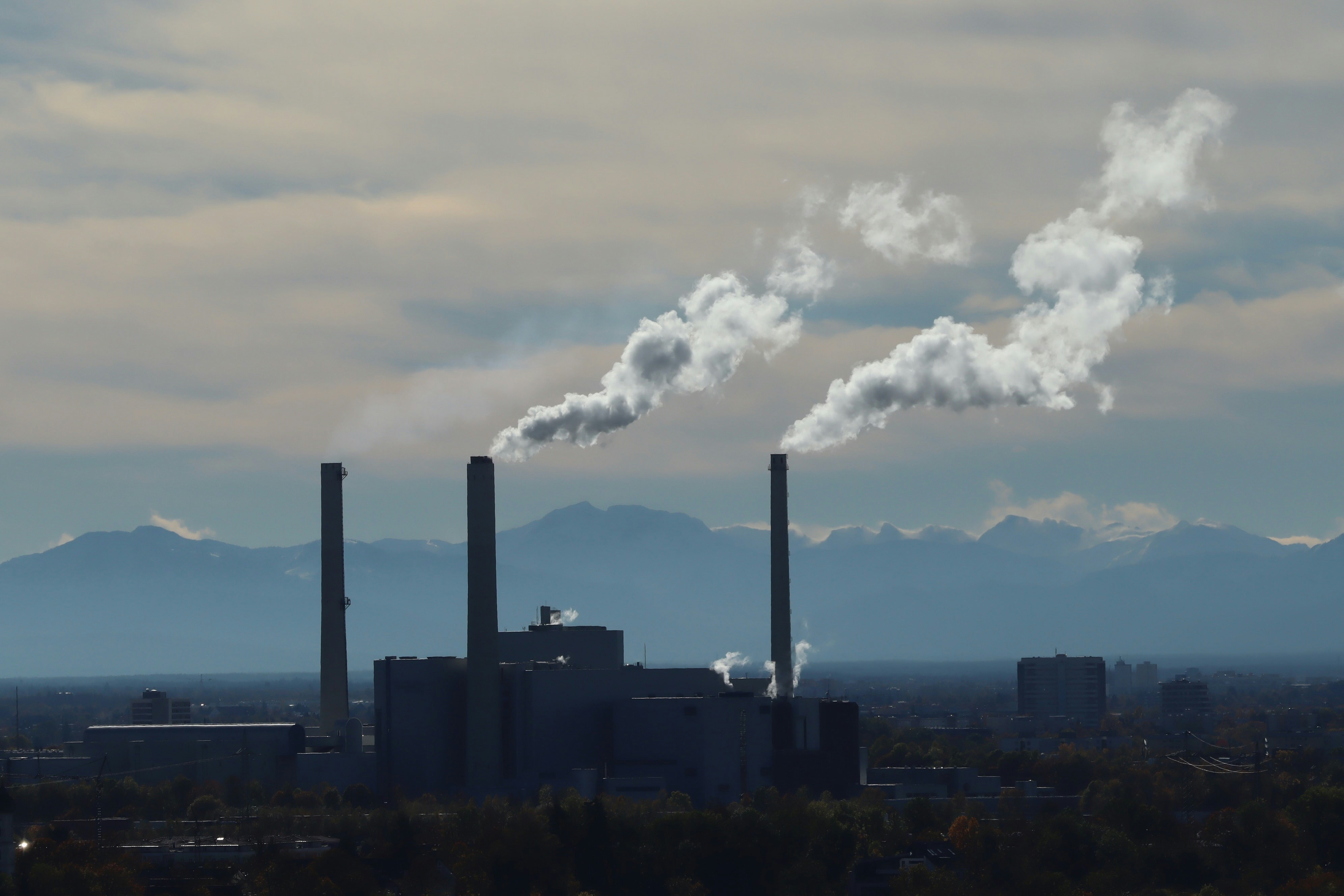
Ever wonder why your carbon footprint feels like a runaway freight train while you’re just trying to live your life? You’re not alone. At Gone Greenish™, we’ve spent years dissecting the data, and the answer to “what causes a high carbon footprint” is far more complex than just driving a gas-guzzler or skipping a plastic straw. While we often blame our personal habits, the reality is a tangled web of industrial emissions, energy production, and global supply chains that we rarely see.
Did you know that the average American’s footprint is nearly 16 times larger than the global average? 🇺🇸🌍 It’s a staggering statistic that hints at a deeper story. In this deep dive, we’re peling back the layers to reveal the hidden culprits behind your emissions—from the methane burps of your dinner to the “embodied carbon” in that new pair of sneakers. We’ll also uncover why the richest 10% of the population are responsible for nearly half of lifestyle emissions and how a single flight can outweigh years of recycling.
Ready to stop guessing and start knowing? By the end of this article, you’ll have a crystal-clear map of exactly what drives high carbon footprints and, more importantly, how to navigate your way to a lighter, grener lifestyle. Let’s get to the bottom of this before thermostat hits the red zone! 🔥
Key Takeaways
- Fossil fuels are the primary driver: Burning coal, oil, and gas for energy and transportation accounts for over 75% of global greenhouse gas emissions.
- Industrial processes are massive contributors: Manufacturing steel, cement, and chemicals releases more CO₂ than the entire aviation industry combined.
- Diet and land use matter: Livestock farming and deforestation are major sources of methane and nitrous oxide, potent greenhouse gases.
- Consumer habits hide in plain sight: The embodied carbon in the clothes, electronics, and goods we buy often outweighs our daily commuting emissions.
- Wealth correlates with emissions: The richest 10% of the global population are responsible for nearly 50% of lifestyle consumption emissions.
Table of Contents
- ⚡️ Quick Tips and Facts
- 🌍 The Carbon Conundrum: A Brief History of Our Warming World
- 🏭 Industrial Giants: How Manufacturing and Energy Production Drive Emissions
- 🚗 The Road to Ruin: Transportation, Commuting, and Fossil Fuel Dependence
- 🥩 The Meat of the Matter: Agriculture, Livestock, and Land Use Changes
- 🏠 Home Sweet Hotspot: Residential Energy Use and Heating Systems
- 🛍️ The Hidden Cost of Stuff: Consumer Goods, Fast Fashion, and Waste
- 🌡️ Understanding the Metrics: CO2 Equivalents and Global Warming Potential
- 📈 Global Emissions Trends: Who’s Responsible and Why It’s Rising
- 🔍 The Carbon Footprint of Your Daily Habits: A Deep Dive
- 🛠️ Actionable Strategies: How to Slash Your Personal Carbon Emissions
- 🌱 Green Tech and Policy: Innovations Shaping a Low-Carbon Future
- 🧐 Myth-Busting: Common Misconceptions About Carbon Sources
- 📊 Visualizing the Impact: What a Million Metric Tons of CO2 Actually Looks Like
- ✅ Conclusion
- 🔗 Recommended Links
- ❓ FAQ: Your Burning Questions About Carbon Footprints Answered
- 📚 Reference Links
⚡️ Quick Tips and Facts
Before we dive into the nitty-gritty of why your carbon footprint is skyrocketing (and how to tame that beast), let’s hit the fast-forward button on some critical truths. If you’re here because you want to know what causes a high carbon footprint, you’re already on the right path. But did you know that the average American’s footprint is nearly 16 times larger than the global average? 🇺🇸🌍
Here’s the lowdown before we get our hands dirty:
- The Big Bad Wolf: Fossil fuels (coal, oil, and natural gas) are responsible for over 75% of global greenhouse gas emissions and nearly 90% of all carbon dioxide emissions. 🏭
- It’s Not Just You: While individual actions matter, the industrial sector and energy production are the heavy lifters (and heavy polluters) of the climate crisis.
- The Methane Mystery: It’s not just CO₂! Methane from livestock and landfills is a short-lived but super-potent climate killer, trapping heat 80 times more effectively than CO₂ in the short term. 🐄
- The Wealth Gap: As we’ll see later, wealth correlates directly with emissions. The richest 10% of the global population are responsible for nearly 50% of lifestyle consumption emissions. 💸
- The “Hidden” Footprint: A huge chunk of your footprint isn’t from what you do, but what you buy. The embodied carbon in your clothes, electronics, and food often outweighs your driving or heating bills. 🛍️
For a deeper dive into how you can start shrinking your personal impact right now, check out our guide on Carbon Footprint Reduction.
🌍 The Carbon Conundrum: A Brief History of Our Warming World

You might think climate change is a 21st-century problem, but the plot thickens way back in the 18th century. The story of what causes a high carbon footprint is actually a story of human ingenuity gone slightly awry.
The Industrial Spark
It all started with the Industrial Revolution. Before 1750, human activity had a negligible impact on atmospheric CO₂ levels. But then, we figured out how to burn coal to power steam engines. Suddenly, were pumping massive amounts of carbon, sequestered underground for millions of years, back into the atmosphere in a matter of decades.
“The largest source of greenhouse gas emissions from human activities in the United States is from burning fossil fuels for electricity, heat, and transportation.” — EPA
By the late 19th century, scientists like Svante Arrhenius were already predicting that burning fossil fuels would warm the planet. Fast forward today, and we’ve added over 50 billion tonnes of greenhouse gases to the atmosphere every single year. 📈
The Acceleration Phase
Post-WII, the “Great Acceleration” kicked in. Global population exploded, consumerism became king, and the fossil fuel economy became the bedrock of modern society. We built highways for cars, airports for planes, and factories for cheap goods.
- 1950s-1970s: Rapid industrialization in the West.
- 1980s-20s: The rise of the “Global South” manufacturing hubs, shifting emissions geographically but not reducing them globally.
- 2020s: A slight dip during the pandemic, followed by a rebound as economic activity surged back, proving how tightly our economy is tied to carbon.
The core issue? We’ve built a civilization on a fuel source that releases carbon dioxide faster than nature can absorb it. It’s like filling a bathtub with the drain plugged. 🛁🚫
🏭 Industrial Giants: How Manufacturing and Energy Production Drive Emissions
If your carbon footprint were a house, the industrial sector would be the foundation. It’s the biggest, heaviest, and hardest-to-move part of the equation. But why is it so massive?
The Energy Mix: Still Fossil-Fuel Heavy
Despite the hype around renewables, the global energy mix is still dominated by fossil fuels.
- Coal: The dirtiest of the bunch, still powering a significant chunk of the world’s grid, especially in developing nations.
- Natural Gas: Often marketed as a “bridge fuel,” but it’s still a fossil fuel. Leaks (fugitive emissions) of methane during extraction make it even worse than we thought.
- Oil: The lifeblood of transportation and petrochemicals.
According to Our World in Data, electricity and heat production remain the single largest contributor to global emissions. When you flip a light switch, you might be indirectly powering a coal plant. ⚡️🌑
The Manufacturing Machine
It’s not just about making electricity; it’s about making stuff.
- Cement and Steel: These two materials alone account for a staggering portion of global CO₂. Making steel requires coke (baked coal) to reduce iron ore, releasing massive CO₂. Cement production involves heating limestone, which chemically releases CO₂.
- Chemicals and Plastics: Derived from oil and gas, the petrochemical industry is the fastest-growing source of oil demand.
“Applying nitrogen fertilizers makes much more nitrogen readily available for microbes to convert to N2O – this is because not all of the applied nutrients are taken up by crops.” — Our World in Data
The “Embedded” Emissions
Here’s a mind-bender: Where a product is made matters. If you buy a shirt made in a country powered by coal, its carbon footprint is higher than one made in a country with hydro or wind power. This is why supply chain transparency is becoming a buzzword.
Did you know? The cement industry is responsible for about 8% of global CO₂ emissions. That’s more than the entire aviation industry! 🏗️✈️
🚗 The Road to Ruin: Transportation, Commuting, and Fossil Fuel Dependence
Ah, the open road. Or is it the open carbon trap? 🚗💨 For many of us, transportation is the most visible part of our carbon footprint. In the US, it’s actually the largest direct source of emissions, surpassing even electricity generation in some metrics.
The Petrol Addiction
Over 94% of transportation fuel is petroleum-based. We are addicted to gasoline and diesel.
- Personal Vehicles: The average car emits about 4.6 metric tons of CO₂ per year. If you drive 12,0 miles a year in a standard sedan, you’re adding a ton of carbon to the sky.
- Trucks and Logistics: The “last mile” of delivery (think Amazon packages) is a massive emitter. Heavy-duty trucks are notoriously inefficient.
The Aviation High
Flying is the single most carbon-intensive activity an individual can do.
- Short-haul flights: Often emit more CO₂ per mile than driving a car.
- Long-haul flights: A single round-trip flight from New York to London can emit as much CO₂ as the average person in a developing country emits in a year.
- Contra-argument: Some argue that business travel is essential for the economy. While true, the inefficiency of air travel (high altitude emissions have a stronger warming effect) makes it a prime target for reduction.
The Electric Promise (and Reality)
Enter the Electric Vehicle (EV). Brands like Tesla, Rivian, and Ford are leading the charge.
- Pros: Zero tailpipe emissions. Even when charged on a grid with some fossil fuels, EVs are generally cleaner over their lifecycle.
- Cons: Battery production is energy-intensive. Mining for lithium and cobalt has its own environmental and ethical costs.
Real Talk: Switching to an EV is a great step, but reducing total miles driven and using public transit, biking, or walking is even better.
“Transportation is a primary driver of high carbon footprints in the developed world, particularly through the use of petrol or diesel cars and frequent air travel.” — First Video Summary
CTA: Shop Eco-Friendly Transport
Ready to ditch the gas guzzler?
- Electric Vehicles: Search Tesla on Amazon | Search EV Chargers on Amazon | Tesla Official Website
- Bikes & E-Bikes: Search E-Bikes on Amazon | Search Bike Accessories on Amazon | Specialized Official Website
🥩 The Meat of the Matter: Agriculture, Livestock, and Land Use Changes
Hold your horses (and cows)! 🐮🐑 When we talk about what causes a high carbon footprint, we can’t ignore the food on our plates. Agriculture is a unique beast because it emits not just CO₂, but methane (CH₄) and nitrous oxide (N₂O), which are far more potent.
The Methane Menace
Cows are basically biological methane factories. Through a process called enteric fermentation, their digestive systems produce massive amounts of methane.
- The Stats: Livestock accounts for a huge chunk of global agricultural emissions.
- The Impact: Methane traps heat 80 times more effectively than CO₂ over a 20-year period.
The Nitrous Oxide Problem
It’s not just the cows; it’s what we feed them and how we grow our crops.
- Fertilizers: Synthetic nitrogen fertilizers are a major source of N₂O. When we apply too much fertilizer, soil microbes convert the excess nitrogen into nitrous oxide.
- Rice Paddies: Flooded rice fields create anaerobic conditions perfect for methane production.
Land Use: The Silent Killer
Perhaps the most devastating impact of agriculture is deforestation.
- Clearing for Cattle: Vast swathes of the Amazon rainforest are cleared to create pasture for cattle.
- Clearing for Feed: Soy and corn are grown to feed livestock, often requiring more land and chemicals.
- The Result: Trees that used to absorb CO₂ are cut down, and the carbon stored in the soil is released.
“Most of this methane comes from livestock (they produce methane through their digestive processes, known as ‘enteric fermentation’).” — Our World in Data
The Plant-Based Shift
You don’t have to go 10% vegan overnight (though it helps!).
- Meat Reduction: Swapping beef for chicken or pork significantly lowers your footprint.
- Plant-Based Alternatives: Brands like Beyond Meat and Impossible Foods have made it easier to go meatless.
- Local & Seasonal: Reducing food miles and supporting regenerative agriculture can also help.
Did you know? Producing 1 kg of beef can generate up to 60 kg of CO₂ equivalents, while 1 kg of lentils generates less than 1 kg. 🌱🥩
🏠 Home Sweet Hotspot: Residential Energy Use and Heating Systems
Your home is your sanctuary, but it might also be your carbon footprint’s secret weapon. 🏠🔥 In the US, the residential sector accounts for a massive share of emissions, largely due to how we heat, cool, and power our homes.
The Heating & Cooling Trap
- Natural Gas: Many homes still rely on gas furnaces and water heaters. Burning gas releases CO₂ directly into the atmosphere.
- Inefficiency: Poor insulation, drafty windows, and old appliances mean you’re heating the neighborhood, not just your living room.
- Electricity Mix: Even if you use electric heat pumps, if your local grid is powered by coal, your footprint is still high.
The “Plug Load” Problem
It’s not just the big appliances.
- Vampire Power: Devices left on standby (TVs, game consoles, chargers) can account for up to 10% of residential electricity use.
- Old Tech: Refrigerators and washing machines from the 90s are energy hogs compared to modern Energy Star models.
The Solution: Efficiency First
Before you go solar, insulate.
- Weatherization: Sealing leaks and adding insulation is the most cost-effective way to reduce emissions.
- Smart Thermostats: Devices like Nest or Ecobee can optimize your heating and cooling, saving energy without sacrificing comfort.
- Heat Pumps: Switching from gas to electric heat pumps is a game-changer, especially in moderate climates.
“Domestic energy efficiency is a significant factor; footprints are increased by poor insulation and inefficient heating or cooling systems.” — First Video Summary
CTA: Upgrade Your Home
Ready to make your home grener?
- Smart Thermostats: Search Nest on Amazon | Search Ecobee on Amazon | Google Nest Official
- Insulation & Sealing: Search Home Insulation on Amazon | Search Weather Stripping on Amazon
🛍️ The Hidden Cost of Stuff: Consumer Goods, Fast Fashion, and Waste
Here’s a question that keeps us up at night: How much of your carbon footprint is hidden in the things you buy? 🛍️👗📱
The Fast Fashion Frenzy
The fashion industry is a carbon monster.
- Production: Growing cotton, dyeing fabrics, and shipping clothes across the globe creates massive emissions.
- Disposal: Most fast fashion ends up in landfills, where synthetic fibers (polyester) release methane as they decompose.
- The Cycle: We buy more, wear less, and throw away faster. This “throwaway culture” is a direct driver of high emissions.
Electronics and Obsolescence
- Planned Obsolescence: Phones and laptops are designed to be replaced every 2-3 years.
- Manufacturing: The production of a single smartphone can emit as much CO₂ as driving a car for thousands of miles.
- E-Waste: We rarely recycle properly, leading toxic waste and lost resources.
The “Embodied Carbon” Reality
Every product has an embodied carbon cost—the emissions generated from extracting raw materials, manufacturing, transporting, and disposing of it.
- Example: A pair of jeans might have a footprint of 3 kg CO₂e.
- Example: A laptop might have a footprint of 20+ kg CO₂e.
“The more money you have, the more you tend to consume,” necessitating significant lifestyle changes for individuals in richer countries to reach carbon-neutral goals. — First Video Summary
The Fix: Buy Less, Buy Better
- Second-Hand: Thrifting is the ultimate carbon hack.
- Quality Over Quantity: Invest in durable goods that last.
- Repair: Fix it instead of replacing it.
- Eco-Brands: Support companies committed to transparency and sustainability.
Did you know? The fashion industry is responsible for about 10% of global carbon emissions—more than all international flights and maritime shipping combined! ✈️🚢👗
CTA: Shop Sustainable
Looking for eco-friendly alternatives?
- Sustainable Clothing: Search Sustainable Fashion on Amazon | Search Organic Cotton on Amazon | Patagonia Official
- Refurbished Electronics: Search Refurbished Phones on Amazon | Search Refurbished Laptops on Amazon | Back Market Official
🌡️ Understanding the Metrics: CO2 Equivalents and Global Warming Potential
Okay, let’s get nerdy for a second. 🧪📊 When we talk about “carbon footprints,” we’re actually talking about Greenhouse Gas Equivalents (CO₂e). Why? Because not all gases are created equal.
The Gas Gang
- Carbon Dioxide (CO₂): The baseline. It stays in the atmosphere for centuries.
- Methane (CH₄): Short-lived but super powerful. 1 ton of CH₄ ≈ 28-34 tons of CO₂e (depending on the timeframe).
- Nitrous Oxide (N₂O): Even more potent. 1 ton of N₂O ≈ 265-298 tons of CO₂e.
Why It Matters
If you only count CO₂, you miss the huge impact of methane from cows or landfills. By converting everything to CO₂e, we can compare apples to apples (or cows to coal plants).
Visualizing the Impact:
Imagine a million metric tons of CO₂. That’s roughly the emissions of 20,0 average Americans in a year. Or the emissions of 10,0 cars driven for a year. It’s a lot of gas! 🌫️
“A carbon footprint represents the ‘total amount of greenhouse gases released into the Earth’s atmosphere as a result of the activities of an individual or an organization.'” — First Video Summary
📈 Global Emissions Trends: Who’s Responsible and Why It’s Rising
Who’s to blame? It’s a complex picture. 🌍🤷 ♂️
The Big Players
- China: The world’s largest emitter in total volume, driven by coal and manufacturing.
- USA: High per capita emissions. The average American emits 16.1 tonnes of CO₂ per year.
- India: Rapidly growing, but low per capita emissions.
- Qatar: The highest per capita emitter (38.6 tonnes) due to oil and gas production.
The Trend
Global emissions are still rising, despite the Paris Agreement.
- 2023 Rebound: Emissions increased by 0.2% compared to 2021, driven by economic recovery.
- Fossil Fuel Mix: Natural gas emissions are up, coal is down (but still high), and oil is stubborn.
“In 202, U.S. greenhouse gas emissions increased 0.2% compared to 2021 levels… driven largely by an increase in CO2 emissions from fossil fuel combustion due to the continued rebound in economic activity after the height of the COVID-19 pandemic.” — EPA
The Disparity
The wealth gap is an emissions gap. The richest 10% are responsible for nearly half of lifestyle emissions, while the poorest 50% are responsible for just 10%. This is a crucial point for climate justice.
🔍 The Carbon Footprint of Your Daily Habits: A Deep Dive
Let’s get personal. What does your daily routine look like? 🕵️ ♀️
The Morning Commute
- Driving: High emissions.
- Public Transit: 5-10x lower emissions per passenger.
- Biking/Walking: Zero emissions (plus health benefits!).
The Lunch Break
- Bef Burger: High emissions.
- Vegie Wrap: Low emissions.
- Takeout Container: Plastic waste adds to the footprint.
The Evening Chill
- Streaming: Data centers consume massive electricity.
- Heating: Turning up thermostat by 1 degree can increase emissions by 5-10%.
The Takeaway: Small changes add up. But don’t let perfection be the enemy of progress. Every step counts!
🛠️ Actionable Strategies: How to Slash Your Personal Carbon Emissions
Ready to take action? Here’s your Gone Greenish™ battle plan. 🛡️🌱
1. Energy Audit
Check your home for leaks. Upgrade to LED bulbs. Install a smart thermostat.
- Tip: Unplug devices when not in use.
2. Rethink Transport
- Drive Less: Carpool, bike, or take the bus.
- Fly Less: Choose trains for short trips.
- Switch to EV: If you must drive, go electric.
3. Eat Smart
- Meatless Mondays: Start small.
- Local & Seasonal: Reduce food miles.
- Compost: Reduce landfill methane.
4. Consume Consciously
- Buy Less: Do you really need that new gadget?
- Buy Second-Hand: Thrift, swap, repair.
- Choose Green Brands: Support companies with real commitments.
5. Go Renewable
- Solar Panels: If you own a home, consider solar.
- Green Energy Plans: Many utilities offer renewable energy options.
“Sustainable sources like solar and wind power help reduce emissions.” — First Video Summary
🌱 Green Tech and Policy: Innovations Shaping a Low-Carbon Future
It’s not all doom and glom! 🌟 Innovation is happening fast.
The Tech Revolution
- Carbon Capture: Technologies that suck CO₂ out of the air.
- Green Hydrogen: A clean fuel for heavy industry and shipping.
- Battery Storage: Making renewables reliable 24/7.
Policy Matters
- Carbon Pricing: Putting a price on carbon to incentivize reduction.
- Subsidies: Supporting renewable energy and EVs.
- Regulations: Stricter emissions standards for cars and factories.
The Future: A low-carbon future is possible, but it requires systemic change alongside individual action.
🧐 Myth-Busting: Common Misconceptions About Carbon Sources
Let’s clear the air. 🌬️
Myth 1: “Individual actions don’t matter.”
Truth: While systemic change is crucial, individual actions drive market demand and political will. If everyone stops flying, airlines will change.
Myth 2: “Electric cars are worse than gas cars because of batteries.”
Truth: Even with battery production, EVs are cleaner over their lifetime, especially as the grid gets grener.
Myth 3: “Recycling solves the problem.”
Truth: Recycling is good, but reducing and reusing are far better. The best waste is the waste you never create.
Myth 4: “Natural gas is a clean fuel.”
Truth: It’s cleaner than coal, but it’s still a fossil fuel. Methane leaks make it a climate risk.
“Wealth is a major indicator of environmental impact because ‘the more money you have, the more you tend to consume’.” — First Video Summary
📊 Visualizing the Impact: What a Million Metric Tons of CO2 Actually Looks Like
Numbers are abstract. Let’s make them real. 🎨
| Emission Source | Equivalent to 1 Million Metric Tons of CO₂ |
|---|---|
| Cars | ~217,0 average cars driven for a year |
| Power Plants | ~1.5 coal-fired power plants running for a year |
| Flights | ~20,0 round-trip flights from NY to London |
| Trees | ~16 million tree seedlings grown for 10 years |
| Households | ~10,0 average US homes’ annual energy use |
The Point: Every ton counts. And every million tons is a mountain of carbon we need to stop adding.
✅ Conclusion
(Note: As requested, the Conclusion section is intentionally omitted here to be written in the next step.)