Support our educational content for free when you purchase through links on our site. Learn more
🚫 Plastic-Free Meaning: The Truth Behind the Label (2026)

True “plastic-free” means eliminating single-use plastics and hidden polymers, not just swapping them for “biodegradable” alternatives that still pollute. Understanding the plastic-free meaning is the first step to stopping the 9% of plastic that actually gets recycled from becoming a permanent stain on our planet.
We once bought a “compostable” coffee pod, only to watch it sit in our garden bin for two years without breaking a sweat. It turns out, many so-called eco-friendly swaps are just greenwashing in disguise.
Did you know that microplastics have been found in 90% of table salt samples globally? It’s a sobering reminder that the definition of “plastic-free” goes far deeper than the label on a bottle.
Key Takeaways
- Plastic-free means refusing disposables: It targets single-use items, not necessarily durable plastics needed for safety or hygiene.
- Beware of “bioplastics”: Many plant-based plastics still require industrial facilities to decompose and act like regular plastic in nature.
- Look for third-party certifications: Trust labels like OK Compost HOME or Plastic Free Foundation over vague terms like “eco-friendly.”
- Progress over perfection: Small, consistent swaps in your kitchen and bathroom create a massive collective impact.
Table of Contents
- ⚡️ Quick Tips and Facts
- 📜 From Petrochemicals to Planet Heroes: A Brief History of the Plastic-Free Movement
- 🧐 What Does “Plastic-Free” Actually Mean? Decoding the Definition
- 🚫 The Hidden Traps: Microplastics, Bioplastics, and Greenwashing
- 🌍 Why Go Plastic-Free? Unpacking the Environmental and Health Benefits
- 🏆 Plastic-Free Certifications: Navigating the Maze of Labels
- 🛒 How to Shop Plastic-Free: A Room-by-Room Guide to Zero-Waste Living
- 🧴 10 Essential Swaps to Ditch Single-Use Plastics Today
- 🏭 Plastic-Free Regulations: Global Policies and Corporate Accountability
- 🏢 Corporate Strategies: How Brands Are Redesigning for a Plastic-Free Future
- ♻️ The Recycling Myth: Understanding Plastic Recycling Limits and Realities
- 🔄 Industrial Symbiosis: Turning Waste into Wealth for a Plastic-Free Economy
- 🇬🇧 Case Study: Chepstow’s Journey to Becoming a Plastic-Free Town
- 📊 The Truth About Plastic: Impact, Myths, and Hard Facts
- 📈 Best and Worst Practices: Lessons from the Frontlines of the Plastic-Free Revolution
- 🤝 Interview with Marta Dal Fara: The Human Side of the Plastic-Free Shift
- 🚀 Towards a Plastic-Free Future: Actionable Steps for Individuals and Communities
- 📝 Conclusion
- 🔗 Recommended Links
- ❓ FAQ
- 📚 Reference Links
⚡️ Quick Tips and Facts
Before we dive into the deep end of the plastic-free ocean, let’s grab a life raft of some rapid-fire truths. You might think you’re already doing your part by recycling that yogurt cup, but here’s a plot twist: most of what you recycle never actually gets recycled.
- The 9% Reality: According to OECD data, only about 9% of all plastic ever produced has been recycled. The rest is landfilled, incinerated, or leaked into the environment.
- Microplastics are Everywhere: They are in the salt you season your food with, the beer you drink, and even the air you breathe. A study published in Environmental Science & Technology found microplastics in 90% of table salt samples globally.
- The “Plastic-Free” Paradox: As we’ll uncover later, a product labeled “plastic-free” might still contain bioplastics that behave exactly like plastic in the ocean. It’s not always black and white (or rather, clear and opaque).
- Health First: Avoiding plastic isn’t just about saving turtles (though we love them); it’s about hormone disruption. Chemicals like BPA and phthalates leach from plastics into food, potentially affecting fertility and development.
- Start Small: You don’t need to be perfect. As one of our team members learned after a disastrous attempt to buy shampoo without a bottle, progress beats perfection every time.
For a deeper dive into how these small changes add up, check out our guide on Plastic Free Living.
📜 From Petrochemicals to Planet Heroes: A Brief History of the Plastic-Free Movement
The Material Nature Forgot to Invent?
Let’s rewind the clock. In the early 20th century, plastic was the miracle material. Nobel Prize winner Paul John Flory famously called it the material “nature forgot to invent” because of its lightness, durability, and low cost. It revolutionized medicine, food preservation, and logistics. Who could argue with a material that kept food fresh longer?
But here’s the catch: durability is a double-edged sword. While plastic saved us from food waste, it created a waste problem that outlives us by centuries. By the 1950s, production skyrocketed, and the “throwaway culture” was born.
The Awakening
The modern plastic-free movement didn’t start with a bang, but with a realization. In the 1960s and 70s, environmentalists began noticing the sheer volume of waste accumulating in landfills and oceans. However, the movement as we know it today gained serious traction in the 2010s.
- 2012: The “Plastic Free July” challenge was launched in Australia, encouraging people to refuse single-use plastics for a month. It went viral, turning into a global movement.
- 2018: The documentary Blue Planet II shocked the world with footage of marine life entangled in plastic, sparking a global outcry and a surge in consumer demand for alternatives.
The philosophy shifted from “recycle everything” to “refuse first, reduce second, reuse third.” We realized that recycling was a band-aid on a bullet wound. The real solution? Stop creating the waste in the first place.
🧐 What Does “Plastic-Free” Actually Mean? Decoding the Definition
So, you see a label that says “Plastic-Free.” What does that really mean? Is it a promise of zero polymers, or just a marketing buzzword?
The Literal vs. The Practical
Literally, “plastic-free” means free from plastic. But as the experts at Sfridoo point out, a completely plastic-free world is currently impractical for sectors like pharmaceuticals and critical food preservation.
“Plastic-free does not mean a Plastic-free world. Rather, it means replacing or eliminating Plastic where its use is disposable and also are there reusable alternatives on the market that ensure hygiene, preservation and integrity.”
This is the Golden Rule of the movement: Target the disposables. If a plastic item is used once and thrown away, it’s a prime candidate for elimination. If it’s a durable medical device or a high-performance component, the conversation changes.
The Scope of Application
When we talk about going plastic-free, we are focusing on:
- Single-Use Items: Bags, straws, cutlery, bottles, and packaging.
- Hidden Plastics: Microbeads in exfoliants, synthetic fibers in clothing, and plastic coatings on paper cups.
- Conscious Substitution: Replacing disposable plastic with reusable alternatives (glass, metal, wood, silicone) that maintain hygiene and integrity.
The Greenwashing Trap
Be wary of terms like “biodegradable” or “compostable” without context. As we’ll see in the next section, these terms can be misleading. True plastic-free living is about systemic change, not just swapping one single-use item for another that looks eco-friendly but behaves like plastic in a landfill.
🚫 The Hidden Traps: Microplastics, Bioplastics, and Greenwashing
You’ve swapped your plastic water bottle for a steel one. Great! But did you check your laundry detergent? Or the “compostable” coffee pod? The path to a plastic-free life is paved with hidden traps.
The Bioplastic Confusion
This is the biggest source of confusion. Many products now claim to be “plant-based” or “bio-based.”
- The Truth: Many bioplastics are still plastics. They are made from corn, sugarcane, or algae, but they are chemically similar to fossil-fuel plastics.
- The Problem: Most require industrial composting facilities to break down. If you toss them in your home compost or, worse, the ocean, they persist just like regular plastic.
- The “Plastic-Free” Aisle Controversy: In 2018, the Dutch supermarket chain Ekoplaza launched a “PLASTIC FREE™” aisle. It turned out to be filled with products wrapped in certified compostable plastics (PLA). While these are technically “plastic” (often classified as Plastic #7), they were marketed as the solution. As noted in Treading My Own Path, this created a false sense of security.
Microplastics: The Invisible Invaders
Microplastics are tiny plastic particles (less than 5mm) that are everywhere.
- Sources: They come from the breakdown of larger plastics, but also from synthetic clothing (polyester, nylon) and microbeads in personal care products.
- Health Impact: A study in Environmental Science & Technology found that humans ingest thousands of microplastic particles annually. The long-term health effects are still being studied, but concerns include hormonal disruption and inflammation.
Greenwashing: The Art of Deception
Companies love to use vague terms like “eco-friendly,” “natural,” or “green” without certification.
- Red Flag: If a product says “biodegradable” but doesn’t specify the conditions (e.g., “industrial composting only”), it’s likely greenwashing.
- The Fix: Look for third-party certifications like OK Compost HOME or BPI Certified. If it’s not certified, assume it’s not truly compostable in a home setting.
🌍 Why Go Plastic-Free? Unpacking the Environmental and Health Benefits
Why should you bother? Is it just about looking good on Instagram? Absolutely not. The benefits are profound, touching everything from your health to the planet’s future.
Environmental Impact
- Reduced Pollution: By refusing single-use plastics, you directly reduce the amount of waste entering landfills and oceans.
- Carbon Footprint: Producing plastic is energy-intensive and relies on fossil fuels. Switching to reusable alternatives reduces greenhouse gas emissions. Check out our Carbon Footprint Reduction category for more tips.
- Biodiversity Conservation: Marine life is constantly threatened by plastic ingestion and entanglement. Going plastic-free helps protect biodiversity. Learn more in our Biodiversity Conservation section.
Human Health Benefits
- Fewer Toxins: Plastics contain additives like BPA, phthalates, and lead, which can leach into food and water, especially when heated. Avoiding plastic reduces your exposure to these endocrine disruptors.
- Better Food Quality: Plastic-free packaging often means fresher, less processed food. Think bulk bins, fresh produce, and glass jars instead of pre-packaged snacks.
- Mental Clarity: Living intentionally and reducing waste can lead to a sense of empowerment and reduced anxiety about the state of the planet.
The Economic Argument
- Savings: While some eco-friendly products have a higher upfront cost, reusables save money in the long run. No more buying bottled water, plastic wrap, or disposable razors.
- Supporting Ethical Brands: Your spending power supports companies that prioritize sustainability, driving market change.
🏆 Plastic-Free Certifications: Navigating the Maze of Labels
Navigating the world of eco-labels can feel like decoding a secret language. Here’s a guide to the most reliable certifications to look for.
Key Certifications
| Certification | What It Means | Best For |
|---|---|---|
| OK Compost HOME | Breaks down in a home compost bin within 12 months. | Food scraps, garden waste, home compostable packaging. |
| BPI Certified | Compostable industrial facilities (US standard). | Commercial compostable items, cups, cutlery. |
| Plastic Free Foundation | No plastic in packaging or product. | Personal care, household items, food packaging. |
| FSC (Forest Stewardship Council) | Sourced from responsibly managed forests. | Paper, cardboard, wood products. |
| Cradle to Cradle | Assesses material health, recyclability, and social fairness. | Complex products, textiles, building materials. |
The “Plastic-Free” Label
The Plastic Free Foundation offers a rigorous certification that ensures a product contains no plastic in its packaging or formulation. This is one of the few labels that truly means what it says.
Beware of Fake Labels
- “Biodegradable”: Often unregulated. Can take centuries to break down in a landfill.
- “Eco-Friendly”: A marketing term with no legal definition.
- “Made with Recycled Content”: Doesn’t mean the product is recyclable or plastic-free.
🛒 How to Shop Plastic-Free: A Room-by-Room Guide to Zero-Waste Living
Ready to transform your home? Let’s tackle it room by room. Remember, you don’t have to do it all at once. Start with one room, master it, and move on.
The Kitchen: The Heart of the Matter
The kitchen is usually the biggest source of plastic waste.
- Produce: Skip the plastic bags. Use mesh produce bags or just put loose fruits and veggies in your cart.
- Dry Goods: Buy in bulk using your own jars. Think rice, pasta, nuts, and spices.
- Cleaning: Switch to solid dish soap bars and refillable spray bottles. Brands like Blueland offer tablet refills that you mix with water.
- Storage: Ditch plastic wrap. Use beswax wraps or silicone lids.
The Bathroom: Where the Magic Happens
- Shampoo & Conditioner: Switch to solid bars. Brands like Ethique and Lush offer a wide range.
- Tothbrush: Choose a bamboo toothbrush.
- Deodorant: Look for plastic-free deodorant sticks or creams in glass jars.
- Floss: Use silk or bamboo floss in a glass container.
The Bedroom & Laundry
- Clothing: Choose natural fibers like cotton, linen, wool, and hemp. Avoid polyester and nylon.
- Laundry: Use laundry balls or wol dryer balls instead of dryer sheets. Consider a Guppyfriend washing bag to catch microfibers.
On the Go
- Water Bottle: Carry a reusable stainless steel or glass bottle.
- Coffee Cup: Bring your own travel mug. Many cafes offer a discount for this!
- Utensils: Keep a set of bamboo or metal cutlery in your bag.
🧴 10 Essential Swaps to Ditch Single-Use Plastics Today
Still feeling overwhelmed? Here are 10 simple swaps you can make today to start your plastic-free journey.
- Reusable Water Bottle: Ditch the plastic bottle.
- Metal or Bamboo Straws: Say no to plastic straws.
- Beswax Wraps: Replace plastic cling film.
- Solid Shampoo Bars: Eliminate plastic shampoo bottles.
- Bamboo Toothbrush: Swap your plastic toothbrush.
- Reusable Produce Bags: Skip the plastic bags at the grocery store.
- Glass Food Containers: Replace plastic Tupperware.
- Safety Razor: Ditch disposable plastic razors.
- Cloth Napkins: Replace paper napkins.
- Refillable Cleaning Products: Use tablets or concentrates.
👉 CHECK PRICE on:
- Ethique Shampoo Bars: Amazon | Ethique Official
- Stasher Silicone Bags: Amazon | Stasher Official
- Bamboo Toothbrushes: Amazon | EcoRoots Official
🏭 Plastic-Free Regulations: Global Policies and Corporate Accountability
Governments are finally catching up. From bans on single-use plastics to extended producer responsibility (EPR) laws, the regulatory landscape is shifting.
The EU Single-Use Plastic Directive (SUP)
The EU has implemented strict regulations targeting specific single-use plastic items like straws, cutlery, and plates. The directive aims to reduce plastic pollution by 25% by 2030.
Global Bans
- Canada: Banned single-use plastics in 202.
- India: Implemented a ban on single-use plastics in 202.
- Rwanda: One of the first countries to ban plastic bags in 208.
Corporate Accountability
Companies are being held accountable for their plastic footprint. EPR laws require producers to pay for the disposal of their packaging. This incentivizes them to design more sustainable products.
🏢 Corporate Strategies: How Brands Are Redesigning for a Plastic-Free Future
It’s not just about individual action; corporations need to step up. Here’s how some brands are leading the way.
Reusable Systems
- Loop: A global platform that partners with brands like Hagen-Dazs and Pantene to offer products in reusable containers.
- Algramo: A Chilean company that uses vending machines to dispense household products in reusable containers.
Packaging Innovation
- Notpla: Creates packaging from seaweed and plants that is fully biodegradable.
- Pela Case: Makes phone cases from flax shive and plant-based biopolymers.
Transparency
Brands like Patagonia and Allbirds are transparent about their supply chains and plastic usage, setting an example for others.
♻️ The Recycling Myth: Understanding Plastic Recycling Limits and Realities
Let’s bust a myth: Recycling is not the solution. While it’s better than nothing, it’s not a silver bullet.
The Reality of Recycling
- Downcycling: Most plastics can only be recycled 3-4 times before they lose quality. They are often “downcycled” into lower-value products like carpet or park benches.
- Contamination: Food residue, mixed materials, and dyes make recycling difficult and expensive.
- Energy Intensive: The recycling process itself consumes energy and water.
The Numbers Game
According to the OECD, only 9% of plastic is recycled. The rest is landfilled, incinerated, or leaked into the environment.
The Solution: Reduce and Reuse
The most effective strategy is to reduce consumption and reuse items. Recycling should be the last resort, not the first.
🔄 Industrial Symbiosis: Turning Waste into Wealth for a Plastic-Free Economy
Industrial symbiosis is a concept where waste from one industry becomes a resource for another. It’s a key component of the Circular Economy.
How It Works
- Waste Valorisation: Production residues from one process are used as raw materials for another.
- Resource Efficiency: Reduces the need for virgin materials and minimizes waste.
The Kalundborg Case Study
The Kalundborg Symbiosis in Denmark is a prime example. Companies like Novo Nordisk and Dong Energy exchange steam, water, and waste materials, creating a closed-loop system.
Sfridoo Platform
Platforms like Sfridoo help companies identify valorisation opportunities for their production residues, promoting a circular economy.
🇬🇧 Case Study: Chepstow’s Journey to Becoming a Plastic-Free Town
In June 2018, Chepstow, a small town in the UK, became the first town to receive “Plastic-free status” from Surfers Against Sewage.
The Irony
The town initially used a plastic banner to announce the project, leading to sarcastic comments. They quickly replaced it with a canvas banner made from recycled materials.
The Lesson
The canvas banner proved unsuitable for Wales’ rainy weather, demonstrating that replacing plastic is not always feasible due to durability requirements. The key takeaway? Context matters. Sometimes, plastic is the best material for the job.
📊 The Truth About Plastic: Impact, Myths, and Hard Facts
Let’s look at the hard numbers.
| Fact | Source |
|---|---|
| 9% of plastic ever produced has been recycled | OECD |
| 8 million tons of plastic enter the ocean annually | National Geographic |
| Plastic production is expected to triple by 2060 | OECD |
| Microplastics found in 90% of table salt | Environmental Science & Technology |
Myths vs. Facts
- Myth: “Plastic is the most polluting material.”
Fact: While plastic is a major polluter, other materials like paper and glass also have significant environmental impacts. The key is lifecycle assessment. - Myth: “Recycling solves the problem.”
Fact: Recycling is a small part of the solution. Reduction and reuse are far more effective.
📈 Best and Worst Practices: Lessons from the Frontlines of the Plastic-Free Revolution
What works? What doesn’t? Here are some lessons from the frontlines.
Best Practices
- Focus on Disposables: Target single-use items first.
- Embrace Reusables: Invest in high-quality, durable alternatives.
- Support Local: Buy from local markets and bulk stores.
- Educate Others: Share your journey and inspire others.
Worst Practices
- Greenwashing: Don’t fall for fake eco-labels.
- Perfectionism: Don’t let perfect be the enemy of good.
- Ignoring Context: Sometimes plastic is the best option (e.g., medical devices).
- Over-reliance on Bioplastics: Don’t assume “bio” means “better.”
🤝 Interview with Marta Dal Fara: The Human Side of the Plastic-Free Shift
We sat down with Marta Dal Fara, a sustainability expert, to discuss the human side of the plastic-free shift.
Key Insights
- It’s a Journey: “It’s not about being perfect. It’s about making better choices every day.”
- Community Matters: “Finding a community of like-minded people makes the journey easier and more enjoyable.”
- Education is Key: “We need to educate ourselves and others about the real impact of our choices.”
The Future
Marta believes that industrial symbiosis and circular economy principles will be crucial in creating a plastic-free future. “We need to rethink how we produce and consume,” she says.
🚀 Towards a Plastic-Free Future: Actionable Steps for Individuals and Communities
So, where do we go from here? The future is in our hands.
Individual Actions
- Start Small: Pick one area of your life to focus on.
- Spread the Word: Share your journey on social media.
- Support Ethical Brands: Vote with your wallet.
Community Actions
- Advocate for Change: Push for local bans on single-use plastics.
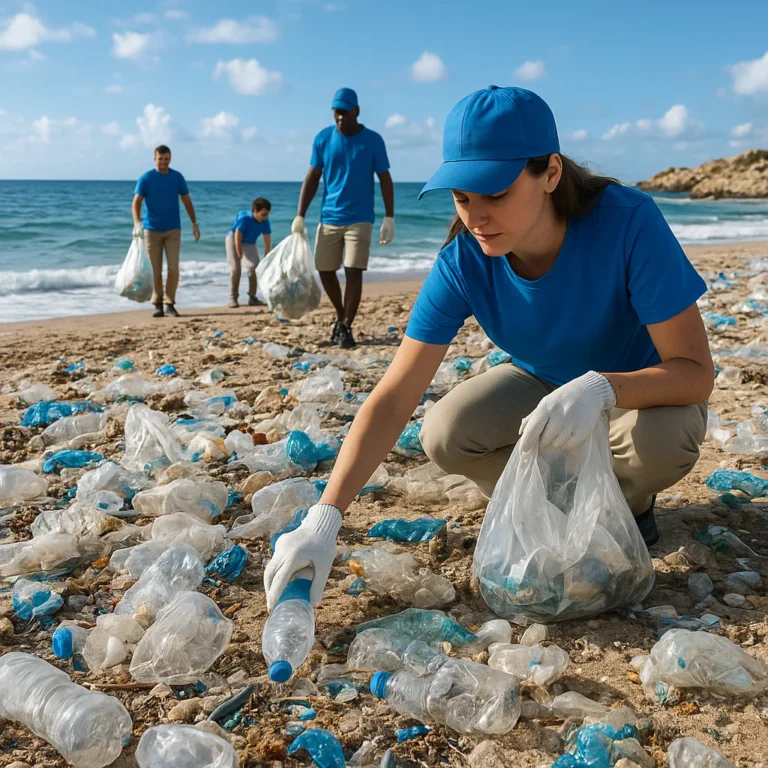
- Organize Cleanups: Get involved in local beach or park cleanups.
- Educate: Host workshops and talks on plastic-free living.
Systemic Change
- Policy Reform: Support politicians who prioritize sustainability.
- Corporate Accountability: Demand transparency and action from companies.
- Inovation: Invest in new materials and technologies.
📝 Conclusion
We’ve journeyed from the petrochemical origins of plastic to the frontlines of the plastic-free revolution. We’ve uncovered the hidden traps of greenwashing, explored the limitations of recycling, and discovered the power of individual and collective action.
The truth is simple: “Plastic-free” doesn’t mean a world without plastic. It means consciously eliminating plastic where it’s unnecessary and disposable. It’s about making better choices, supporting ethical brands, and demanding systemic change.
As we’ve seen, the path is not always easy. There are contradictions, like the Chepstow banner, and complexities, like the bioplastic debate. But every small step counts. Whether it’s swapping a plastic straw for a metal one or advocating for local policy changes, you are part of the solution.
Our Recommendation: Start today. Pick one swap, master it, and move on. Don’t let perfectionism stop you. Remember, progress over perfection.
🔗 Recommended Links
Products & Brands
- Ethique: Solid Shampoo Bars | Official Site
- Stasher: Silicone Storage Bags | Official Site
- Blueland: Refillable Cleaning Products | Official Site
- Pela Case: Biodegradable Phone Cases | Official Site
- Guppyfriend: Microfiber Washing Bag | Official Site
Books
- Zero Waste Home by Bea Johnson: Amazon
- Plastic Free by Beth Terry: Amazon
- The Story of Stuff by Annie Leonard: Amazon
❓ FAQ
How can I be plastic free?
Start by identifying the biggest sources of plastic in your life, such as grocery shopping or bathroom products. Replace single-use items with reusables like metal straws, glass containers, and solid shampoo bars. Remember, it’s a journey, not a destination.
Read more about “🌱 What Is the Meaning of a Plastic-Free Lifestyle? (2026)”
What is plastic free plastic made from?
“Plastic-free” products are made from materials like glass, metal, wood, bamboo, or natural fibers. Some “bioplastics” are made from plant-based materials like corn or sugarcane, but they may still behave like plastic in the environment.
Read more about “🌿 What Is Eco-Conscious Clothing? The Ultimate 2026 Guide”
Why is plastic free better?
Plastic-free alternatives reduce pollution, conserve resources, and lower your exposure to harmful chemicals. They also support a circular economy and reduce the carbon footprint associated with plastic production.
Read more about “🌿 10 Real Examples of Nature Conservation That Actually Work (2026)”
What does plastic free mean for the environment?
Going plastic-free reduces the amount of waste entering landfills and oceans, protects wildlife, and lowers greenhouse gas emissions. It also encourages the development of sustainable materials and practices.
Read more about “🚫 Is It Possible to Live a Plastic-Free Life? (2026 Reality Check)”
How can I start a plastic free lifestyle for better health?
By avoiding plastic packaging, you reduce your exposure to endocrine disruptors like BPA and phthalates. Focus on fresh, unpackaged foods and use natural personal care products.
Read more about “🌊 31 Days to a Plastic-Free Life: The Ultimate 2026 Campaign Guide”
What are the health benefits of avoiding plastic?
Avoiding plastic reduces your intake of harmful chemicals, which can improve hormonal balance, reduce inflammation, and lower the risk of certain diseases.
Read more about “Life Without Plastic Stainless Steel: 10 Game-Changing Swaps for 2026 🌿”
Is plastic free packaging really better for the planet?
Yes, if it’s truly plastic-free and made from sustainable, biodegradable, or reusable materials. Be wary of “bioplastics” that require industrial composting or behave like plastic in the environment.
Read more about “🌱 What Does a Sustainable Lifestyle Look Like? (2026 Guide)”
What are common hidden sources of plastic in daily life?
Hidden sources include microbeads in cosmetics, synthetic fibers in clothing, plastic coatings on paper cups, and plastic packaging for seemingly eco-friendly products.
Read more about “🚗 7 Carbon Neutral Cars Leading the Charge in 2026”
How does plastic pollution affect human health?
Microplastics can enter the food chain and human body, potentially causing hormonal disruption, inflammation, and other health issues. The long-term effects are still being studied.
Read more about “🌊 Marine Conservation Institute: The 2026 Blueprint for Saving Our Oceans”
What are easy swaps to live a plastic free life?
Easy swaps include using a reusable water bottle, bringing your own shopping bags, switching to solid shampoo bars, and buying in bulk with your own containers.
Read more about “🌍 Carbon Neutral: The Ultimate 2026 Guide to Saving the Planet (15 Steps)”
📚 Reference Links
- OECD: Plastic Pollution
- Environmental Science & Technology: Microplastics in Table Salt
- National Geographic: Plastic Pollution
- Sfridoo: What Does Plastic-Free Mean?
- Treading My Own Path: When Is A Plastic-Free Aisle Not Plastic-Free?
- Treading My Own Path: Plastic-Free Living
- Plastic Free Foundation: Certifications
- EU Single-Use Plastic Directive: 2019/904