Support our educational content for free when you purchase through links on our site. Learn more
🌍 50 Plastic Free Day Swaps to Save the Planet (2026)

You can transform your entire day into a zero-waste victory by simply refusing single-use plastics, starting with just one bold “no” to a straw or bag. Embracing Plastic Free Day isn’t about perfection; it’s about waking up to the hidden plastic in your routine and swapping it for sustainable alternatives that protect your health and the ocean.
Did you know the average person ingests a credit card’s worth of plastic every single week? It sounds impossible, but it’s true, and it all starts with the tiny wrappers and bottles we toss without a second thought.
Imagine trying to eat a sandwich without touching a single piece of plastic for 24 hours. Sounds easy until you realize the ketchup packet, the bread wrapper, and even the deli meat are all coated in it. That’s exactly what happened to us at Gone Greenish™ during our first attempt, and the realization was both shocking and liberating.
By committing to this challenge, you aren’t just skipping a straw; you are breaking a cycle of pollution that harms marine life and infiltrates our food chain.
Key Takeaways
- Start Small: You don’t need to be perfect; refusing just one single-use item creates a ripple effect of change.
- Health First: Cutting out plastics reduces your exposure to BPA and phthalates, chemicals linked to hormonal disruptions.
- 50 Swaps Ready: We’ve compiled a comprehensive list of 50 easy swaps to help you navigate everything from your morning coffee to your evening cleanup.
- Community Power: Your individual actions inspire friends and family, turning a personal pledge into a global movement.
Table of Contents
- ⚡️ Quick Tips and Facts
- 📜 The Origins of Going Plastic Free: From Global Movements to Personal Pledges
- 🌍 Why One Day Matters: The Science Behind Plastic Pollution and Microplastics
- 🛒 The Ultimate Plastic Free Day Challenge: 50 Swaps to Transform Your Routine
- 🗓️ How to Plan Your Plastic Free Day: A Step-by-Step Guide for Beginners
- 🚫 Don’t Buy It, Refuse It, Don’t Use It: Mastering the Art of Saying No
- 🌊 The Ripple Effect: How Your Single Day of Action Inspires Community Change
- 📅 Beyond May 25th: Turning a One-Day Pledge into a Lifelong Lifestyle
- 🏆 Real Stories: How We Survived (and Thrived) on Our First Plastic Free Day
- 🧐 Common Pitfalls and How to Avoid Them on Plastic Free Day
- 🏁 Conclusion
- 🔗 Recommended Links
- ❓ FAQ: Your Burning Questions About Plastic Free Day Answered
- 📚 Reference Links
⚡️ Quick Tips and Facts
Before we dive into the deep end of the plastic-free ocean, let’s grab a life raft of quick wins. You might think going plastic-free for a day is a Herculean task, but we promise it’s more about awareness than perfection.
Here is the lowdown on what you need to know right now:
- The 20-Minute Rule: It takes about 20 minutes for a plastic bag to degrade in a landfill, but it can take 50 to 1,0 years to fully decompose. That’s longer than the Pyramids have been standing! 🏺
- Microplastics are Everywhere: We aren’t just talking about the ocean. A 2019 study found that the average person ingests a credit card’s worth of plastic every week. Yikes! 🦷
- The “Free The Ocean” Date: While Plastic Free July is the big global party, International Plastic Free Day is specifically celebrated on May 25th. It’s the perfect warm-up.
- The Mantra: If you remember nothing else, remember this: Don’t buy it, refuse it, don’t use it.
- Health Bonus: Cutting out single-use plastics often means cutting out BPA and phthalates, chemicals linked to hormonal disruptions. Your body will thank you! 🧘 ♀️
Ready to see how much plastic you actually use? Keep reading, because the numbers might shock you. For a deeper dive into making these changes permanent, check out our guide on Plastic Free Living.
📜 The Origins of Going Plastic Free: From Global Movements to Personal Pledges
You might be wondering, “Who decided we needed a day to stop using plastic?” It wasn’t some corporate boardroom trying to sell you more bamboo straws. The movement has roots in grassroots activism and a growing global realization that our convenience is costing the planet its life.
The Birth of the Movement
The concept of a dedicated day to highlight single-use plastic waste gained traction through organizations like Free The Ocean. Their mission was simple yet profound: call attention to daily plastic usage. They realized that while we talk about recycling, the real issue is the sheer volume of items we use once and toss.
“Our actions have a ripple effect.” — Free The Ocean
This philosophy sparked the International Plastic Free Day on May 25th. The goal wasn’t to demand a perfect zero-waste lifestyle overnight but to open our eyes to how much plastic we consume day-to-day.
From Schools to Streets
Another massive player in this arena is Cafeteria Culture. Did you know this movement started with 56 fifth-graders from PS 15 in Brooklyn? They noticed their school lunches were drowning in plastic and decided to do something about it. Their initiative, Plastic Free Lunch Day (PFLD), has now spread to over 4,0 schools across the U.S. and beyond.
Their data is staggering:
- In a single school audit, they found 58 fewer single-use plastic items after one event.
- Collectively, these efforts have eliminated over 32 million plastic items.
- If every US school reduced just 2 pieces of plastic per lunch, we’d save 10 billion pieces a year.
The Global Giant: Plastic Free July
While May 25th is the specific “International” day, the momentum exploded with Plastic Free July. Founded in 201 in Western Australia, it has grown into a movement with 170 million+ participants in 190 countries.
The philosophy here is beautiful: “When many people make small changes, it adds up to a big difference.” It’s not about being perfect; it’s about being conscious. As Jeb Berier, the director of the movie Bag It, famously asked:
“Why would you make something that you’re going to use for a few minutes out of a material that’s basically going to last forever, and you’re just going to throw it away? What’s up with that?”
We at Gone Greenish™ believe that understanding this history empowers you. You aren’t just skipping a straw; you’re joining a global army of conscious consumers.
🌍 Why One Day Matters: The Science Behind Plastic Pollution and Microplastics
Okay, let’s get nerdy for a second. Why does skipping a plastic bag for one day matter? Isn’t it just a tiny speck in the grand scheme of things?
Absolutely not. Here’s the science behind why that single day is a massive deal.
The Lifecycle of a Plastic Bottle
When you grab a plastic water bottle, you think you’re done with it once you finish the water. But the bottle? It’s just getting started.
- Production: Made from fossil fuels, releasing carbon emissions.
- Use: Used for 15 minutes.
- Disposal: Ends up in a landfill or ocean.
- Decay: Breaks down into microplastics but never truly disappears.
According to the UN Environment Programme, plastic production is expected to triple by 2060. If we don’t change our habits, plastic will outweigh all fish in the ocean by 2050.
The Microplastic Menace
This is where it gets personal. When plastic degrades, it doesn’t vanish; it shatters into tiny particles called microplastics (less than 5mm) and nanoplastics.
- In the Ocean: They are ingested by plankton, then fish, then us.
- In the Air: We breathe them in. A study published in Nature found microplastics in the lungs of healthy people.
- In Our Food: They are found in salt, sugar, beer, and even honey.
The Health Connection
Why should a health nut like you care? Because these plastics aren’t inert. They act as sponges for toxins like PCBs and DT. Once inside our bodies, they can disrupt our endocrine system, potentially leading to:
- Hormonal imbalances
- Reproductive issues
- Increased risk of certain cancers
By committing to a Plastic Free Day, you are literally detoxing your immediate environment and reducing your exposure to these harmful chemicals. It’s a win for the planet and a win for your gut health.
For more on how your lifestyle choices impact the broader ecosystem, explore our articles on Carbon Footprint Reduction and Biodiversity Conservation.
🛒 The Ultimate Plastic Free Day Challenge: 50 Swaps to Transform Your Routine
Ready to get your hands dirty? Or rather, keep them clean? We’ve compiled the ultimate list of 50 swaps to help you navigate a day without single-use plastic. We know 50 sounds like a lot, but don’t panic! You don’t have to do them all at once. Pick a category and start there.
🥤 Ditch the Single-Use Bottles and Straws
- 1. Water Bottle: Swap disposable bottles for a high-quality stainless steel bottle like Klean Kanten or Hydro Flask.
- 2. Coffee Cup: Bring your own KeepCup or Frank Green reusable cup. Most cafes will even give you a discount!
- 3. Straws: Use silicone, stainless steel, or bamboo straws. Stasher makes great silicone ones.
- 4. Smoothies: Order in your own jar or ask for no lid/straw.
- 5. Soda: Buy glass-bottled sodas or make your own sparkling water with a SodaStream.
🥡 Say Goodbye to Takeout Containers and Cutlery
- 6. Lunch Box: Use a Bentgo stainless steel bento box instead of plastic bags.
- 7. Utensils: Carry a to-go kit with bamboo or metal cutlery. EcoRoots has great starter kits.
- 8. Containers: Bring your own Tupperware (glass or stainless) for leftovers.
- 9. Napkins: Use cloth napkins or a small handkerchief instead of paper/plastic ones.
- 10. Condiments: Ask for sauces in bulk or bring your own small glass jars.
🛍️ Replace Plastic Bags with Reusable Alternatives
- 1. Grocery Bags: Keep foldable Bagu bags in your car or purse.
- 12. Produce Bags: Use mesh produce bags or just put loose veggies in your cart.
- 13. Bread Bags: Bring a cloth bag for bakery items.
- 14. Shopping Bags: Use a sturdy tote for non-grocery shopping.
- 15. Gift Bags: Wrap gifts in fabric (Furoshiki style) instead of plastic bags.
🧴 Swap Plastic Toiletries for Zero-Waste Essentials
- 16. Shampoo: Switch to Ethique or HiBAR shampoo bars.
- 17. Conditioner: Use a conditioner bar from Lush or Ethique.
- 18. Toothbrush: Go bamboo with The Humble Co. or Bamboo Toothbrush.
- 19. Toothpaste: Try Hello or David’s natural toothpaste in glass tubes, or make your own powder.
- 20. Deodorant: Use Native (in paper tubes) or Schmidt’s in cardboard containers.
- 21. Razor: Switch to a safety razor like Merkur or Leaf Shave.
- 2. Floss: Use Wooly or Dental Picks in glass jars.
- 23. Soap: Use bar soap from Dr. Broner’s or Lush.
- 24. Menstrual Products: Try a Divacup, DivaCup, or reusable cloth pads.
- 25. Cotton Swabs: Use Bamboo or paper-stem swabs like Revolution Beauty.
🍽️ Eliminate Plastic Wrap and Food Storage Containers
- 26. Food Wrap: Swap cling film for Bee’s Wrap or Etee beeswax wraps.
- 27. Storage: Use Pyrex glass containers or Stasher silicone bags.
- 28. Sandwich Bags: Replace Ziploc with Stasher bags.
- 29. Lunch Meat: Buy from the deli counter and ask them to wrap in paper, or bring your own container.
- 30. Cheese: Buy cheese wrapped in paper or bring your own container.
🧼 Choose Plastic-Free Cleaning Products and Tools
- 31. Dish Soap: Use Blueland tablets or Dr. Broner’s castile soap in glass.
- 32. Sponges: Use cellulose or lofah sponges instead of plastic ones.
- 3. Dish Brush: Get a brush with replaceable heads like Brush with Bamboo.
- 34. Laundry Detergent: Use Tru Earth strips or Dropps pods in cardboard.
- 35. All-Purpose Cleaner: Make your own with vinegar, water, and essential oils in a glass spray bottle.
👕 Avoid Synthetic Fabrics and Microfiber Sheding
- 36. Clothing: Choose organic cotton, linen, or hemp over polyester.
- 37. Towels: Use bamboo or organic cotton towels.
- 38. Beding: Switch to organic cotton sheets.
- 39. Shoes: Look for vegan leather made from cork or pineapple leaves (like Veja).
- 40. Laundry Bag: Use a Guppyfriend washing bag to catch microfibers.
📦 Rethink Online Shopping and Packaging Waste
- 41. Delivery: Choose “no-rush” shipping to consolidate orders.
- 42. Packaging: Ask retailers to use minimal packaging.
- 43. Returns: Reuse boxes and packing peanuts.
- 4. Subscriptions: Choose brands that use plastic-free shipping (like Package Free Shop).
- 45. Gift Cards: Use digital gift cards instead of plastic ones.
🍫 Refuse Plastic Candy Wrappers and Snack Packaging
- 46. Chocolate: Buy bulk chocolate or brands like Theo that use paper wrappers.
- 47. Chips: Choose glass-bottled or paper-wrapped snacks.
- 48. Candy: Buy from bulk bins with your own jars.
- 49. Gum: Use Pür Gum or Simply Gum in paper wrappers.
- 50. Popcorn: Make your own at home in a glass bowl.
Pro Tip: Don’t try to do all 50 in one day! Start with the “Big 5” (Water, Coffee, Bags, Toiletries, Food Storage) and build from there.
🗓️ How to Plan Your Plastic Free Day: A Step-by-Step Guide for Beginners
So, you’ve decided to take the plunge. But how do you actually pull it off without ending up eating a sad sandwich on the floor because you forgot your reusable bag? Don’t worry, we’ve got a step-by-step plan to make your Plastic Free Day smooth, stress-free, and even fun.
Step 1: The Audit (Day Before)
Before you start, take a look at your trash can. What’s in there?
- Identify the culprits: Is it water bottles? Snack wrappers? Takeout containers?
- Check your pantry: Do you have plastic-wrapped items you can finish before the big day?
- Inventory your stash: Do you have reusable bags, bottles, and containers ready?
Step 2: The Prep (Morning Of)
- Pack your “Go-Bag”: Include a reusable water bottle, coffee cup, cutlery set, napkin, and shopping bags.
- Meal Plan: Decide what you’ll eat. Cook at home if possible. If you must go out, check the restaurant’s policy on plastic.
- 👉 Shop Smart: Hit the grocery store early. Stick to the perimeter (produce, meat, dairy) where plastic is less common.
Step 3: The Execution (During the Day)
- Say “No” with a smile: When offered a plastic straw or bag, just say, “No thanks, I brought my own!”
- Get creative: If you forget your container, ask if they can wrap it in paper.
- Stay flexible: If you slip up, don’t beat yourself up. Just note it and move on.
Step 4: The Reflection (Evening Of)
- Review your day: What was hard? What was easy?
- Celebrate: You did it! Even if you used one piece of plastic, you’re still ahead of the game.
For more tips on integrating these habits into your daily life, check out our Conservation Tips category.
🚫 Don’t Buy It, Refuse It, Don’t Use It: Mastering the Art of Saying No
This is the mantra of the movement, and it’s easier said than done. We live in a world designed for convenience, where plastic is the default. But mastering the art of refusal is a superpower.
The Psychology of Refusal
Saying “no” to a plastic straw can feel awkward. You might worry about being “that person.” But remember:
- You are setting a boundary: It’s okay to prioritize your values.
- You are leading by example: Others are watching. Your refusal might inspire them to do the same.
- It gets easier: The more you do it, the more natural it feels.
How to Refuse Gracefully
- Be polite: “No thanks, I brought my own.”
- Be prepared: Have your reusable items ready to show.
- Be firm: If they insist, just smile and say, “I’m good, thanks.”
The “Don’t Buy It” Rule
Sometimes, the best way to refuse is to not buy the product in the first place.
- Ask yourself: “Do I really need this?”
- Look for alternatives: Can you borrow, rent, or buy second-hand?
- Support eco-conscious brands: Choose companies that prioritize sustainability. Check out our list of Eco-Conscious Brands.
🌊 The Ripple Effect: How Your Single Day of Action Inspires Community Change
You might think, “I’m just one person. What difference can I make?”
Huge difference.
The Science of Social Proof
Humans are social creatures. We look to others to see how to behave. When you refuse a plastic bag, your friend might notice. When they see you using a reusable cup, they might think, “Hey, I could do that too.”
Real-World Impact
- Schools: As we saw with Cafeteria Culture, one school’s initiative can spread to thousands.
- Workplaces: When you bring your own mug, your coworkers might start doing the same.
- Communities: Local events like Plastic Free Picnics in Jakarta show how collective action can transform a community.
Join the Movement
You don’t have to do it alone. Join local groups, participate in cleanups, and share your journey on social media. Tag us at @GoneGreenish and use the hashtag #PlasticFreeDay.
📅 Beyond May 25th: Turning a One-Day Pledge into a Lifelong Lifestyle
So, you survived May 25th. Now what? The real challenge is making this a lifestyle, not just a one-day stunt.
The 21-Day Rule
It takes about 21 days to form a habit. Use your Plastic Free Day as a kickstart.
- Week 1: Focus one category (e.g., water bottles).
- Week 2: Add another (e.g., shopping bags).
- Week 3: Tackle a new challenge (e.g., toiletries).
Make it Fun
- Gamify it: Challenge your friends to a plastic-free week.
- Reward yourself: Treat yourself to a zero-waste gift when you hit a milestone.
- Document it: Keep a journal of your progress.
Stay Inspired
Follow blogs, watch documentaries, and join online communities. The more you learn, the more motivated you’ll be.
🏆 Real Stories: How We Survived (and Thrived) on Our First Plastic Free Day
Let’s get personal. Here at Gone Greenish™, we’re not just talking the talk; we’re walking the walk.
The Story of Bettina and Her Family
One of the most inspiring stories comes from Bettina Maidment, featured in a video that changed how we think about plastic. Bettina, a mom of two, decided to go plastic-free with her kids.
- The Challenge: She replaced plastic bottles of shampoo and gels with bar soaps.
- The Kitchen: She started making her own cleaning products and storing them in reusable bottles.
- The Grocery Run: Vegetables came in a cardboard box, and dry goods like rice and flour were bought loose and stored in reusable containers.
- The Result: Surprisingly, their food budget didn’t skyrocket. Some items were pricier, but others were cheaper, balancing out the cost. Even their kids’ toys are now mostly wooden!
Bettina emphasizes that she isn’t a “grinch.” She allows some plastic but strives to offer alternatives. “They need boundaries and the opportunity to experience life without plastic,” she says.
Our Own Struggles
We’ve had our fair share of fails. Remember the time we forgot our reusable bags and had to buy a new one? Or the time we accidentally grabbed a plastic-wrapped apple? We’ve been there. But each slip-up taught us something.
The takeaway? Perfection isn’t the goal. Progress is.
🧐 Common Pitfalls and How to Avoid Them on Plastic Free Day
Even the most dedicated eco-wariors stumble. Here are the most common pitfalls and how to dodge them.
Pitfall 1: The “All or Nothing” Mindset
The Trap: “I used one plastic straw, so I might as well give up.”
The Fix: Remember, progress over perfection. One mistake doesn’t erase your efforts.
Pitfall 2: Forgetting Your Gear
The Trap: Leaving your reusable bags at home.
The Fix: Keep a backup set in your car, purse, and by the door.
Pitfall 3: Buying “Greenwashed” Products
The Trap: Buying products labeled “biodegradable” that only break down industrial composters.
The Fix: Do your research. Look for certified compostable or reusable items.
Pitfall 4: Ignoring the Hidden Plastics
The Trap: Focusing only on visible plastic and missing microplastics in clothes or food.
The Fix: Expand your awareness. Read labels, check fabric content, and choose natural fibers.
For more on avoiding greenwashing, check out our article on Climate Change.
🏁 Conclusion
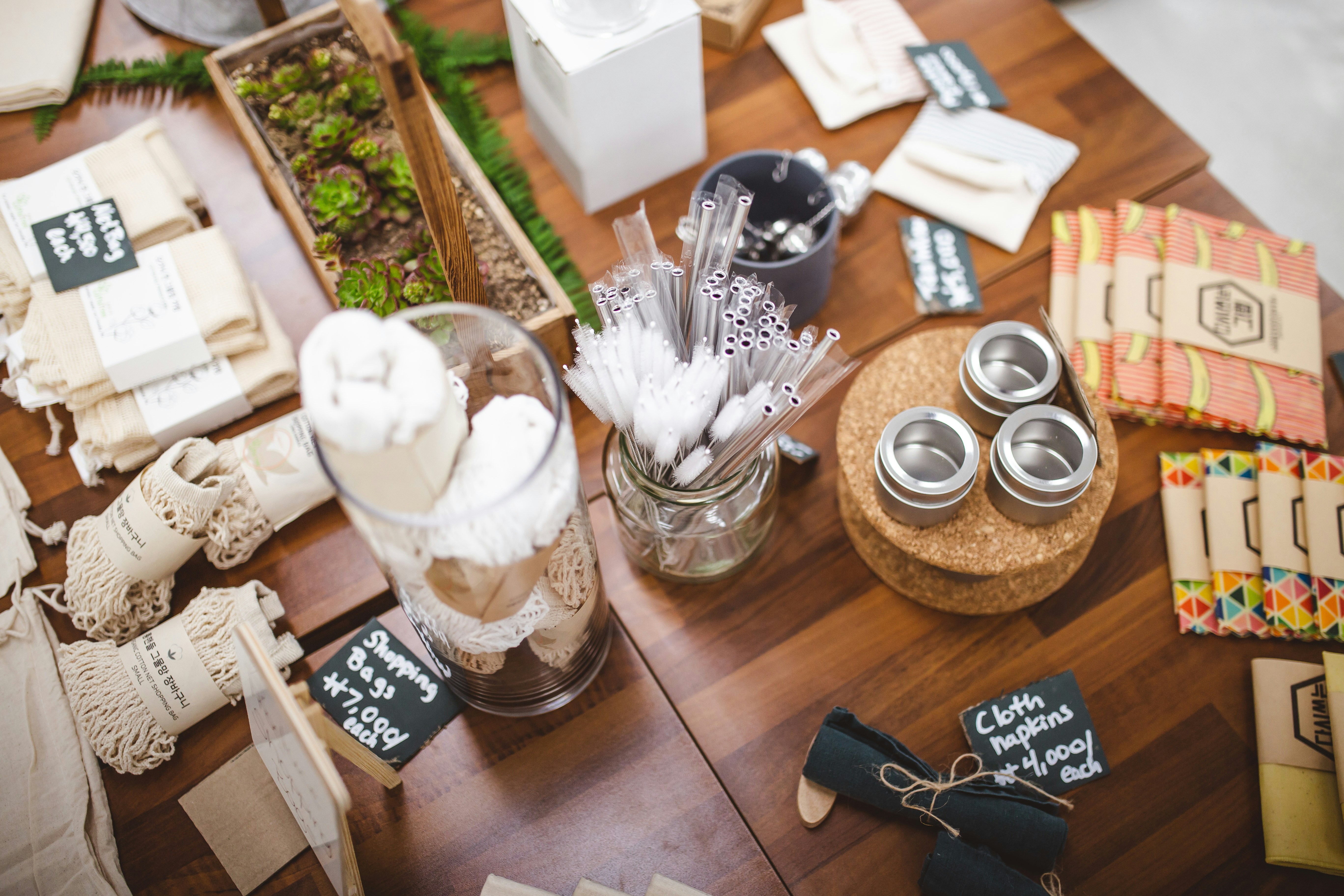
So, there you have it. A day without plastic isn’t just a challenge; it’s a revelation. It opens your eyes to the invisible web of plastic that surrounds us and shows you that small changes can lead to big impacts.
We started this journey wondering if one day mattered. Now we know: Yes, it does. It matters for the ocean, for the wildlife, and for your own health. But more importantly, it matters because it sparks a ripple effect that can transform communities.
Whether you’re joining the International Plastic Free Day on May 25th, taking on Plastic Free July, or just trying to reduce your footprint one day at a time, remember: You are not alone. Millions of people are making the same choice.
Your Action Plan:
- Pick a date: Mark May 25th (or any day) on your calendar.
- Prepare: Gather your reusable gear.
- Refuse: Say no to single-use plastic.
- Share: Tell your friends and family about your experience.
Ready to take the leap? Don’t wait. Start today.
🔗 Recommended Links
Here are some of our favorite products and resources to help you on your plastic-free journey:
- Reusable Water Bottles:
Klean Kanten: Amazon | Official Site
Hydro Flask: Amazon | Official Site - Reusable Coffee Cups:
KeepCup: Amazon | Official Site
Frank Green: Official Site - Zero-Waste Toiletries:
Ethique: Amazon | Official Site
Lush: Official Site - Reusable Food Storage:
Stasher Bags: Amazon | Official Site
Bee’s Wrap: Amazon | Official Site - Books:
Zero Waste Home by Bea Johnson: Amazon
Plastic Free by Beth Terry: Amazon
❓ FAQ: Your Burning Questions About Plastic Free Day Answered
When was the first plastic bag free day?
The concept of a dedicated day to highlight plastic waste has evolved over time. International Plastic Free Day was officially established by Free The Ocean to focus on May 25th. However, the broader movement gained significant momentum with the launch of Plastic Free July in 201 in Western Australia.
Read more about “The 7 Rs of Sustainable Living: Your Ultimate 2026 Guide 🌱”
What are the rules for plastic free July?
There are no strict “rules,” but the core challenge is to refuse single-use plastics for the month of July. Participants can choose to avoid all single-use plastics or focus on specific categories like straws, bags, or bottles. The goal is to make conscious choices and find sustainable alternatives.
Read more about “🚫 Is It Possible to Live a Plastic-Free Life? (2026 Reality Check)”
Why is plastic free in July?
July was chosen because it’s a month where many people are on vacation, traveling, and eating out, making it a prime time to confront our plastic consumption habits. It’s also a time when people are more open to trying new things and making lifestyle changes.
Read more about “🚫 Plastic-Free Meaning: The Truth Behind the Label (2026)”
What is International Plastic Free Day?
International Plastic Free Day is celebrated on May 25th. It’s a global initiative aimed at raising awareness about the impact of single-use plastics and encouraging individuals to take action by refusing, reducing, and reusing.
Read more about “What Causes My Carbon Footprint? 7 Hidden Culprits Exposed (2026) 🌍”
What are the best plastic-free alternatives for daily use?
- Water: Stainless steel bottles (e.g., Klean Kanten)
- Coffee: Reusable cups (e.g., KeepCup)
- Shopping: Cloth bags (e.g., Bagu)
- Toiletries: Bar soaps and shampos (e.g., Ethique)
- Food Storage: Glass containers (e.g., Pyrex) and beeswax wraps (e.g., Bee’s Wrap)
Read more about “🌱 How Can I Live Sustainable? Your 2026 Guide to Imperfect Action”
How does reducing plastic waste improve personal health?
Reducing plastic waste minimizes exposure to BPA, phthalates, and other harmful chemicals found in plastics. These chemicals can disrupt hormones and contribute to various health issues. By choosing plastic-free alternatives, you’re also often choosing fresher, less processed foods.
Read more about “🌱 What Is Meant by Sustainable Living? (2026 Guide)”
What are simple swaps for a plastic-free lifestyle?
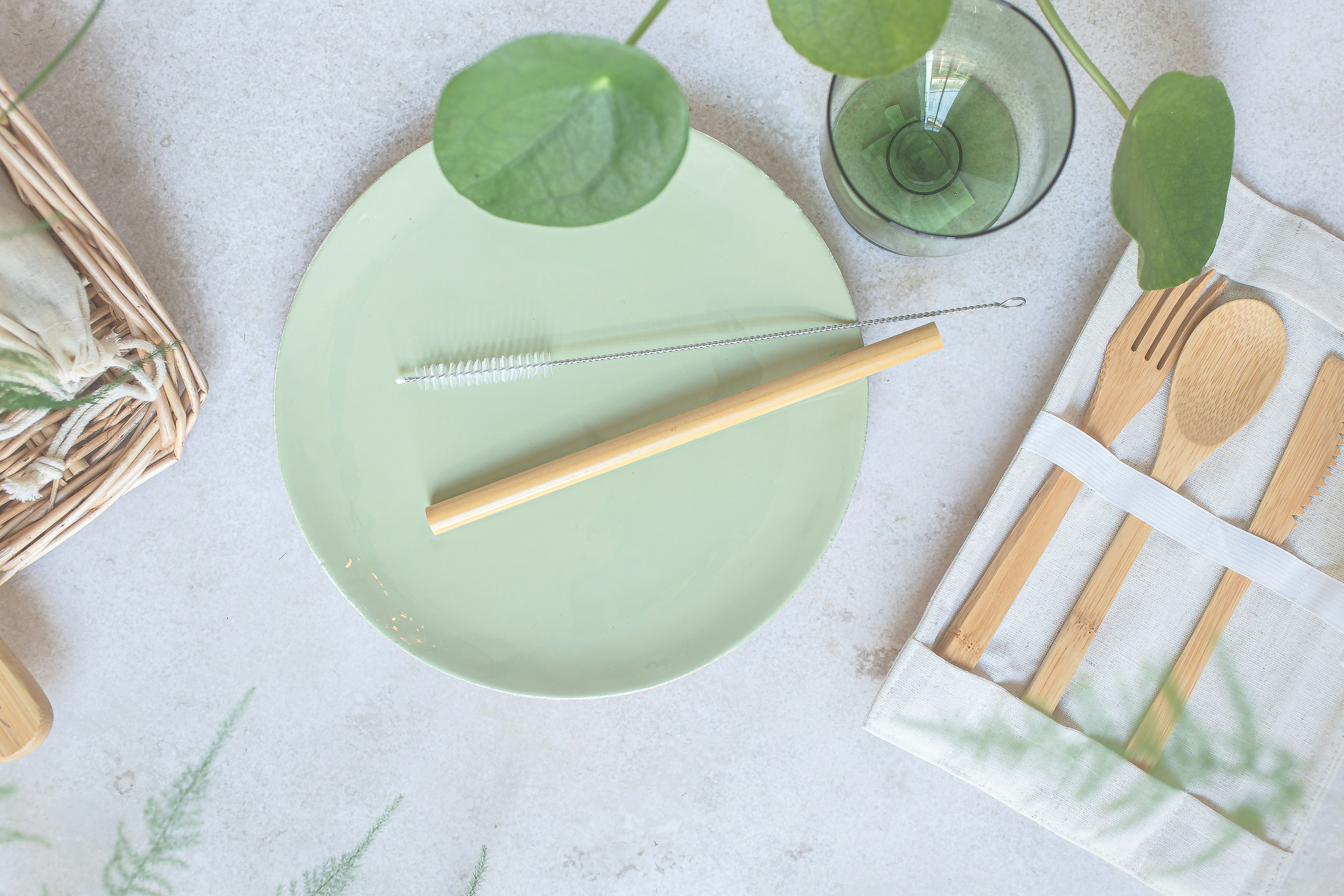
- Replace plastic straws with bamboo or metal straws.
- Swap plastic bags for reusable tote bags.
- Use bar soap instead of liquid soap in plastic bottles.
- Choose glass or metal containers for food storage.
Read more about “🌱 How to Practice Sustainable Living: 15 Steps to a Grener Life (2026)”
Why is plastic free day important for the environment?
Plastic pollution is one of the most pressing environmental issues. It harms wildlife, contaminates ecosystems, and contributes to climate change. By participating in Plastic Free Day, you help reduce the amount of plastic entering landfills and oceans.
Read more about “🌱 10 Real Examples of Sustainable Living (2026 Guide)”
How can I start a plastic-free journey at home?
Start small! Pick one category (e.g., kitchen, bathroom) and focus on swapping out single-use items. Gradually expand to other areas. Involve your family and make it a fun challenge.
Read more about “🌱 Launch a Mini Campaign to Promote Sustainable Living (2026)”
What are the health risks of microplastics in food?
Microplastics can accumulate in the human body and have been linked to inflammation, hormonal disruption, and potential cancer risks. They can also carry toxic chemicals that leach into our food and water.
Read more about “Life Without Plastic Stainless Steel: 10 Game-Changing Swaps for 2026 🌿”
How does eliminating single-use plastics benefit the planet?
Eliminating single-use plastics reduces pollution, conserves resources, and lowers carbon emissions associated with production and disposal. It also protects wildlife from ingesting or getting entangled in plastic waste.
Read more about “🏆 The 25 Most Eco-Friendly Companies of 2026: Who Really Wins?”
📚 Reference Links
- Free The Ocean: International Plastic Free Day
- Cafeteria Culture: Plastic Free Lunch Day
- Plastic Free July: Plastic Free July – Be Part of the Plastic Pollution Solution
- UN Environment Programme: Plastic Pollution
- National Geographic: Plastic Pollution
- The Ocean Cleanup: Plastic in the Ocean
- Bettina Maidment’s Story: Featured Video (Note: This refers to the video summary provided in the prompt context).