Support our educational content for free when you purchase through links on our site. Learn more
🌍 Imagine a World Without Plastic: The 2026 Reality Check

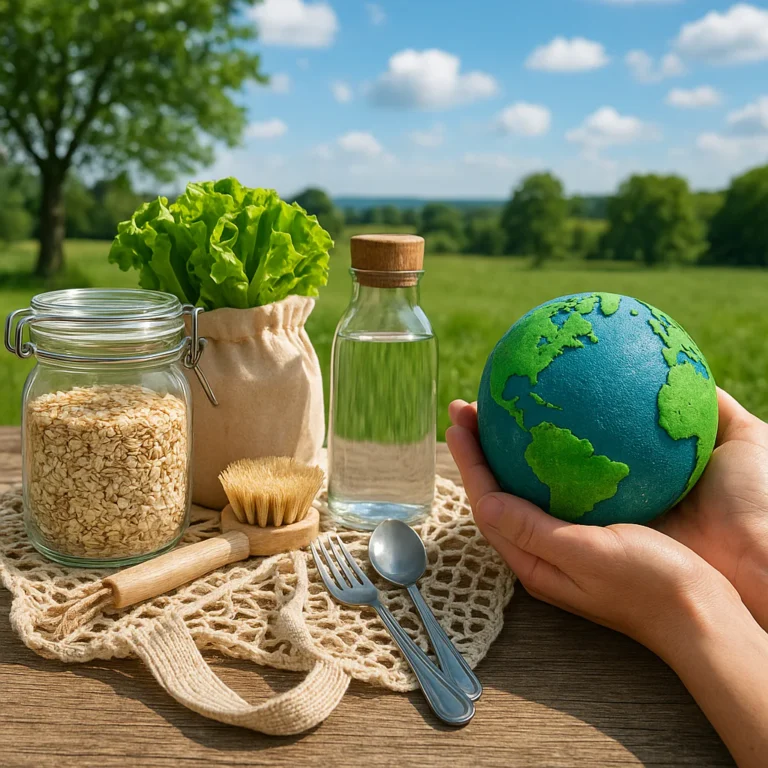
Yes, a world without plastic is not only possible, it’s already happening in pockets of the globe where tradition and innovation collide to reclaim our health and planet. When you imagine a world without plastic, you aren’t dreaming of a dystopian void, but rather a return to the durable, biodegradable materials that sustained humanity for millennia before the 1907 invention of Bakelite.
Consider this: the very first synthetic plastic was created to save elephants from being hunted for ivory billiard balls, yet today, that same material chokes our oceans and infiltrates our bloodstreams. We ingest the equivalent of a credit card’s worth of microplastics every single week, a staggering statistic that proves the status quo is broken.
The transition won’t be instant, but the path is clear through reusing glass, metal, and natural fibers while supporting policies that ban single-use waste. From the resurgence of Mexican ayate bags to the rise of compostable straws, the blueprint for a plastic-free existence is being written right now.
Key Takeaways
- Plastic is not inevitable: Humans thrived for thousands of years using glass, wood, and natural fibers; we can return to these sustainable materials today.
- Health risks are real: Microplastics are found in our water, food, and bodies, linked to endocrine disruption and inflammation.
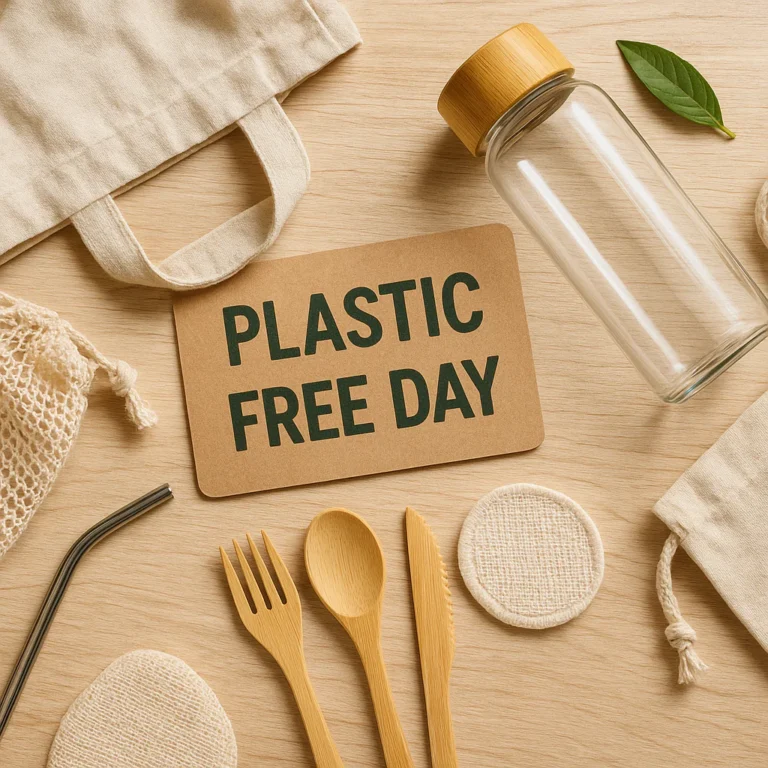
- Alternatives exist: Switching to reusable straws, glass storage, and solid personal care products drastically reduces your footprint.
- Policy drives change: Global bans and the Global Plastics Treaty are accelerating the shift away from single-use items.
- Every action counts: Small swaps like carrying a reusable bag or choosing bulk buying contribute to a massive collective impact.
Table of Contents
- ⚡️ Quick Tips and Facts
- 📜 From Bakelite to Blue Planet: The Shocking History of Synthetic Polymers
- 🌍 Imagine a World Without Plastic: The Good, The Bad, and The Ugly
- 🚫 The Great Plastic Ban: Global Policies and Local Success Stories
- 🥤 Ditching the Single-Use: Alternatives for Your Daily Routine
- 🏭 The Hidden Cost: Microplastics in Our Food, Water, and Bodies
- 🌱 Bioplastics and Compostables: Are They the Real Deal or Just Greenwashing?
- 🇲🇽 Cultural Revival: How Plastic Bans in Mexico City Sparked Tradition
- 🗓️ Join the Movement: Earth Day and Beyond
- 🤔 Frequently Asked Questions About a Plastic-Free Future
- 🔗 Recommended Links and Resources
- 📚 Reference Links and Scientific Studies
- 🏁 Conclusion: Is a Plastic-Free World Actually Possible?
⚡️ Quick Tips and Facts
Before we dive headfirst into the murky depths of the plastic ocean, let’s get our bearings with some hard-hitting truths that might just make you rethink that morning coffee cup.
- The 9% Reality Check: Did you know that only 9% of all plastic ever produced has actually been recycled? The rest is either in a landfill, incinerated, or floating in our oceans. That’s a lot of “forever” material. [Source: Science Advances]
- Microplastic Mayhem: A recent study found that a single liter of bottled water can contain up to 240,0 plastic particles, mostly nanoplastics. Compare that to tap water, which averages a mere 5.5 particles per liter. Yikes! [Source: Columbia University & Rutgers University]
- The Elephant in the Room: The entire plastic industry was born out of a crisis to save elephants. In the late 180s, ivory was being harvested to make billiard balls and combs, threatening the species. Enter John Wesley Hyatt, who invented the first synthetic polymer to save the day. [Source: EarthDay.org]
- Decomposition Myth: That plastic water bottle you tossed? It doesn’t “decompose” in the traditional sense. It just breaks into smaller and smaller pieces, becoming microplastics that persist for 450 years or more. Nature’s bacteria can’t digest those strong carbon-carbon bonds. [Source: First Video Summary]
- The “Plastic-Free” Precedent: Believe it or not, a world without plastic existed less than a century ago. Humans stored food in ceramics, carried goods in woven fibers, and drank from glass for thousands of years. We can do this again.
If you’re ready to start your journey toward a cleaner planet, check out our guide on Plastic Free Living for a roadmap to a grener lifestyle.
📜 From Bakelite to Blue Planet: The Shocking History of Synthetic Polymers
Let’s take a trip down memory lane, shall we? But instead of the good old days of dial-up internet, we’re going back to the late 19th century.
The Ivory Crisis and the Birth of a Monster
In the 1860s, the world was obsessed with billiard balls. The problem? They were made of ivory, and the elephant population was taking a nosedive. A prize of $10,0 was offered to anyone who could find a synthetic alternative. Enter John Wesley Hyatt, a printer from New York, who stumbled upon celluloid in 1869. It was the first semi-synthetic plastic, made from cotton fibers and camphor.
Fast forward to 1907, and Leo Baekeland invented Bakelite, the first fully synthetic plastic. It was a game-changer for the electrical industry, but little did we know, it was the start of a plastic explosion.
The War That Made Plastic King
World War II was the catalyst that turned plastic from a novelty into a necessity. With natural resources scarce, the military needed lightweight, durable materials for aircraft windows, helmets, and parachutes. Plastic production in the U.S. surged by 30% during the war. Suddenly, plastic wasn’t just for billiard balls; it was for survival.
The Single-Use Revolution
The 1950s and 60s brought the consumer shift. In 1965, a Swedish company introduced the polyethylene shopping bag. It was cheap, lightweight, and incredibly convenient. Soon, paper and cloth bags were a thing of the past. By the 1970s, Nathaniel Wyeth patented the PET bottle, making plastic water bottles the norm.
“Human societies successfully stored food, created home and personal care products, and adopted sustainable approaches for thousands of years before plastic was ever even an idea.” — EarthDay.org
But here’s the kicker: 97% of all water sold globally is now packaged in plastic. We traded a century of convenience for a millennium of pollution.
🌍 Imagine a World Without Plastic: The Good, The Bad, and The Ugly
So, what would happen if we flipped the switch tomorrow and said, “No more plastic”?
The Good: A Breath of Fresh Air
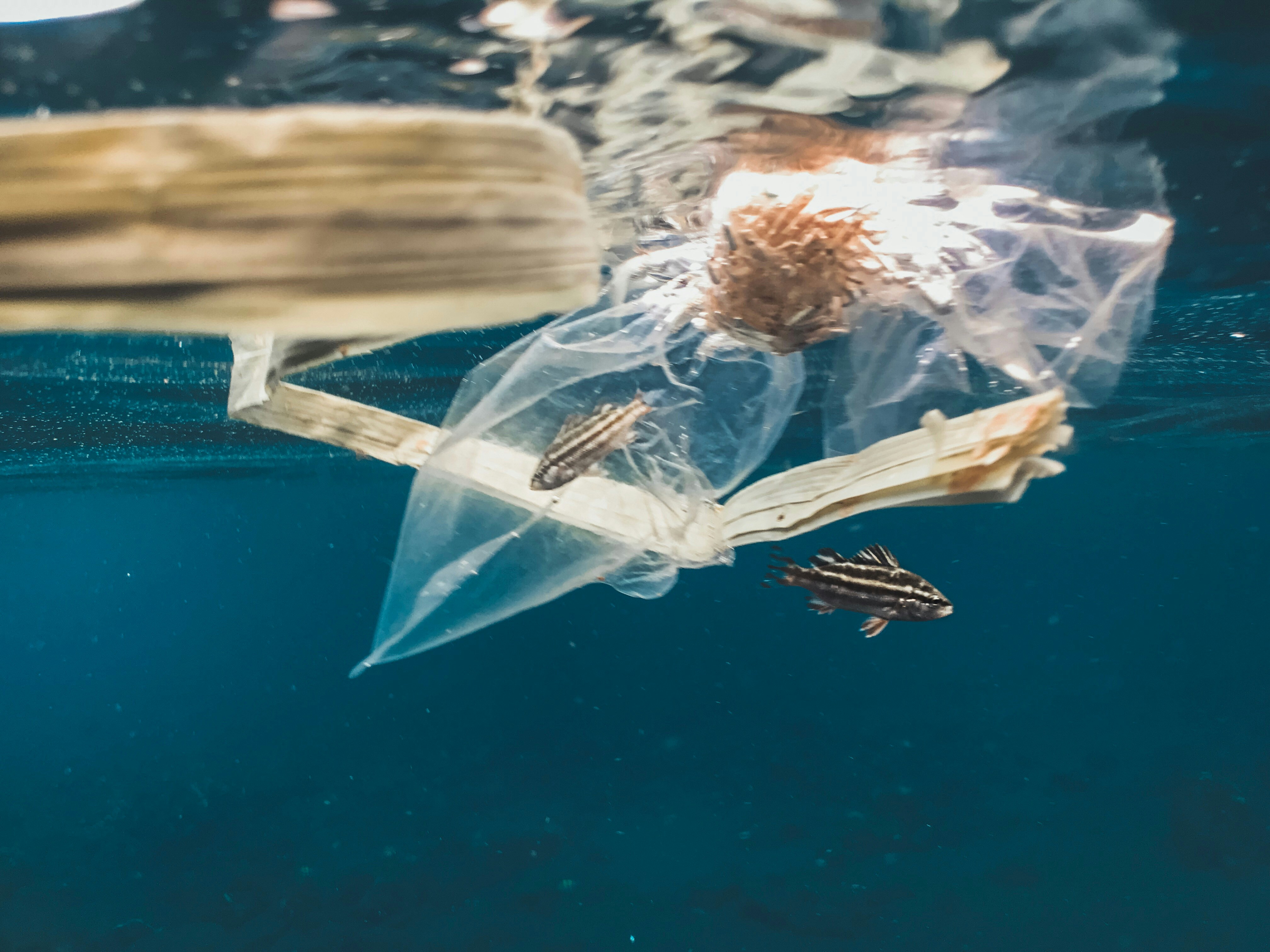
Imagine walking through a park and not seeing a single plastic wrapper. Imagine the oceans teming with life, free from the choking grip of microplastics. The biodiversity would skyrocket. Birds wouldn’t mistake plastic for food, and sea turtles wouldn’t get tangled in six-pack rings.
The Bad: The Immediate Chaos
Let’s be real: the transition wouldn’t be smooth. Our supply chains are built on plastic. Food safety could be compromised without the protective barrier of plastic packaging. In remote areas, where refrigeration is scarce, plastic packaging is a non-negotiable necessity to prevent spoilage and contamination.
The Ugly: The Economic Shockwave
Dr. Calvin Lakhan, a “pragmatic environmentalist,” argues that a world without plastic is only viable if we overhaul our entire economic system. Affluism is real; sustainable alternatives often come with a premium price tag. For low-income families, the cost of healthy, unpackaged food could be prohibitive.
“A world without plastics is only viable if there is a fundamental overhaul in how our economic and food systems work – something that may not be even possible in any sort of relevant time scale.” — Dr. Calvin Lakhan
But is it impossible? Or just a matter of innovation and will? Let’s explore the alternatives.
🚫 The Great Plastic Ban: Global Policies and Local Success Stories
Governments around the world are waking up to the plastic crisis. From Rwanda to Canada, bans on single-use plastics are becoming the norm.
Mexico City: A Cultural Revival
In 2020, Mexico City banned single-use plastic bags. But instead of just switching to paper, the ban sparked a cultural revival. The ayate bags, made from ixtle fibers derived from the agave plant, made a comeback. These bags, used by the Otomi indigenous people for centuries, are durable, biodegradable, and deeply rooted in tradition.
The Wäda collective in Hidalgo even rejected an order for 8,0 bags to avoid overexploiting the land. They proved that a shift in consumption mindset is just as important as material substitution.
The Global Push
The Global Plastics Treaty aims to slash global plastic production by 60% by 2040. But policy alone isn’t enough. We need infrastructure to support recycling and composting, and we need innovation to create affordable alternatives.
🥤 Ditching the Single-Use: Alternatives for Your Daily Routine
Ready to make the switch? Here’s your ultimate guide to ditching single-use plastics in every aspect of your life.
1. The Straw Saga: Metal, Bamboo, and the Rise of the Happy Turtle
Straws might seem small, but they are one of the most common items found in marine debris.
Why Ditch Plastic Straws?
- Marine Life: Turtles and seabirds often mistake straws for food.
- Recycling Nightmare: Straws are too small to be sorted by recycling machines.
- Microplastics: They break down into tiny particles that enter the food chain.
The Alternatives
- Stainless Steel: Durable, reusable, and easy to clean.
- Bamboo: Natural, biodegradable, and lightweight.
- Silicone: Soft and flexible, great for kids.
- Paper: Biodegradable, but can get sogy.
- The Happy Turtle Straw: Made from food-grade ingredients, these straws are 10% compostable and biodegradable. They break down in soil within 60 days.
👉 CHECK PRICE on:
- The Happy Turtle Straw: Amazon | Official Website
2. Say Goodbye to Plastic Water Bottles: Glass, Steel, and Smart Hydration
Bottled water is a $10 billion industry, but it’s costing us the planet.
The Stats
- 480 billion plastic water bottles were sold globally in 2016.
- 97% of water sold is in plastic bottles.
- 240,0 plastic particles per liter of bottled water.
The Alternatives
- Glass Bottles: The old-school choice. Pure taste, fully recyclable.
- Stainless Steel: Insulated, durable, and keeps drinks cold for hours.
- Filtered Tap Water: The most sustainable option. Invest in a good filter.
👉 Shop Stainless Steel Bottles on:
- Hydro Flask: Amazon | Official Website
- Klean Kanten: Amazon | Official Website
3. Food Storage Wars: Beswax Wraps vs. Silicone Lids vs. Glass Jars
Plastic wrap is a kitchen staple, but it’s a one-time use nightmare.
The Showdown
| Feature | Beswax Wraps | Silicone Lids | Glass Jars |
|---|---|---|---|
| Durability | Medium (lasts 6-12 months) | High (years) | High (decades) |
| Reusability | Washable, reusable | Washable, reusable | Washable, reusable |
| Biodegradability | Yes (compostable) | No (recyclable) | Yes (recyclable) |
| Best For | Cheese, bread, bowls | Bowls, cut fruit, cans | Dry goods, leftovers |
| Drawback | Can’t use with hot food | Can be expensive | Heavy, breakable |
👉 Shop Beswax Wraps on:
- Bee’s Wrap: Amazon | Official Website
- Abe’s Market: Etsy
4. Shopping Smart: Reusable Bags, Bulk Buying, and Zero-Waste Grocers
The plastic bag ban is just the beginning.
The Strategy
- Always Carry Reusables: Keep a stash of bags in your car, purse, and by the door.
- Bulk Buying: Bring your own jars to bulk stores. It’s cheaper and reduces packaging waste.
- Local Markets: Shop at farmers’ markets where produce is often sold without plastic.
👉 Shop Reusable Bags on:
- Bagu: Amazon | Official Website
- EcoRoots: Etsy
5. Personal Care Revolution: Solid Shampos, Bamboo Toothbrushes, and Refillables
Your bathroom is a plastic factory. Let’s shut it down.
The Switch
- Shampoo Bars: No bottles, no waste. Just lather and go.
- Bamboo Toothbrushes: Biodegradable handles.
- Safety Razors: Durable, metal razors that last a lifetime.
- Refillable Deodorant: Buy once, refill forever.
👉 Shop Solid Shampoo on:
- Ethique: Amazon | Official Website
- Lush: Amazon | Official Website
🏭 The Hidden Cost: Microplastics in Our Food, Water, and Bodies
We’ve talked about the environmental impact, but what about our bodies?
The Microplastic Invasion
Microplastics are everywhere: in the air we breathe, the water we drink, and the food we eat. A 2024 study found that we ingest 5 grams of plastic per week—that’s the weight of a credit card!
Health Impacts
- Endocrine Disruption: Microplastics can mimic hormones, leading to reproductive issues and developmental problems.
- Inflammation: Ingested particles can cause inflammation in the gut and other organs.
- Toxin Accumulation: Plastics can absorb toxins from the environment, which are then released into our bodies.
“Drinking water from plastic bottles means we are probably drinking microplastics too.” — EarthDay.org
The Solution?
Reduce your exposure by switching to glass and stainless steel, filtering your water, and eating fresh, unpackaged food.
🌱 Bioplastics and Compostables: Are They the Real Deal or Just Greenwashing?
Not all “plastic” is created equal. Let’s separate the hype from the reality.
Bioplastics: The Good, The Bad, and The Ugly
- PLA (Polylactic Acid): Made from corn starch. It’s compostable, but only in industrial composting facilities. If it ends up in a landfill, it’s just as bad as regular plastic.
- PHA (Polyhydroxyalkanoates): Made from bacteria. It’s truly biodegradable in soil and water.
- The Greenwashing Trap: Many products labeled “biodegradable” are just oxo-degradable, meaning they break into microplastics faster.
The Verdict
Bioplastics are a step in the right direction, but they’re not a silver bullet. We need to focus on reusability and reduction first.
🇲🇽 Cultural Revival: How Plastic Bans in Mexico City Sparked Tradition
We touched on this earlier, but it’s worth revisiting. The Mexico City ban didn’t just reduce plastic waste; it revived a cultural tradition.
The Ayate Bag
The ayate bag, made from ixtle fibers, is a testament to the power of indigenous knowledge. It’s durable, biodegradable, and deeply rooted in the Otomi culture.
The Lesson
When we ban plastic, we shouldn’t just replace it with another synthetic material. We should look to traditional practices and local resources.
🗓️ Join the Movement: Earth Day and Beyond
Every day is a chance to make a difference, but Earth Day is a great time to rally.
How to Get Involved
- Sign the Petition: Support the Global Plastics Treaty.
- Join Local Cleanups: Get out there and pick up trash.
- Spread the Word: Share your journey on social media.
Support EARTHDAY.ORG: EarthDay.org
🤔 Frequently Asked Questions About a Plastic-Free Future
What will happen if nothing is done about plastic?
If we continue on our current path, plastic production will triple by 2050. Oceans will contain more plastic than fish by weight. The health impacts on humans and wildlife will be catastrophic.
How can humans live without plastic?
We can live without plastic by returning to traditional materials like glass, metal, wood, and natural fibers. We need to reduce consumption, reuse what we have, and recycle responsibly.
What would happen if we had no more plastic?
The transition would be challenging, but not impossible. We would see a reduction in pollution, a revival of traditional crafts, and a shift in consumer behavior.
Can you imagine a life without plastic?
Yes! People lived without plastic for thousands of years. It’s about innovation and will.
What would our world be like without plastic?
A world without plastic would be cleaner, healthier, and more sustainable. It would be a world where biodiversity thrives and human health is prioritized.
What are the health benefits of a plastic-free lifestyle?
Reducing plastic exposure can lower the risk of endocrine disruption, inflammation, and toxin accumulation.
How does plastic pollution affect human health?
Microplastics can enter our bodies through food, water, and air, leading to health issues like hormonal imbalances and organ damage.
What are the best alternatives to single-use plastics?
Stainless steel, glass, bamboo, beswax, and silicone are excellent alternatives.
Can a world without plastic improve air quality?
Yes! Reducing plastic production and incineration would lower air pollution and greenhouse gas emissions.
How does reducing plastic waste help the environment?
It reduces landfill waste, ocean pollution, and carbon emissions. It also protects wildlife and biodiversity.
What are the risks of microplastics in our food and water?
Microplastics can cause inflammation, hormonal disruption, and toxin accumulation in the body.
How can individuals contribute to a plastic-free future?
By reducing consumption, reusing items, recycling responsibly, and advocating for policy changes.
🏁 Conclusion: Is a Plastic-Free World Actually Possible?
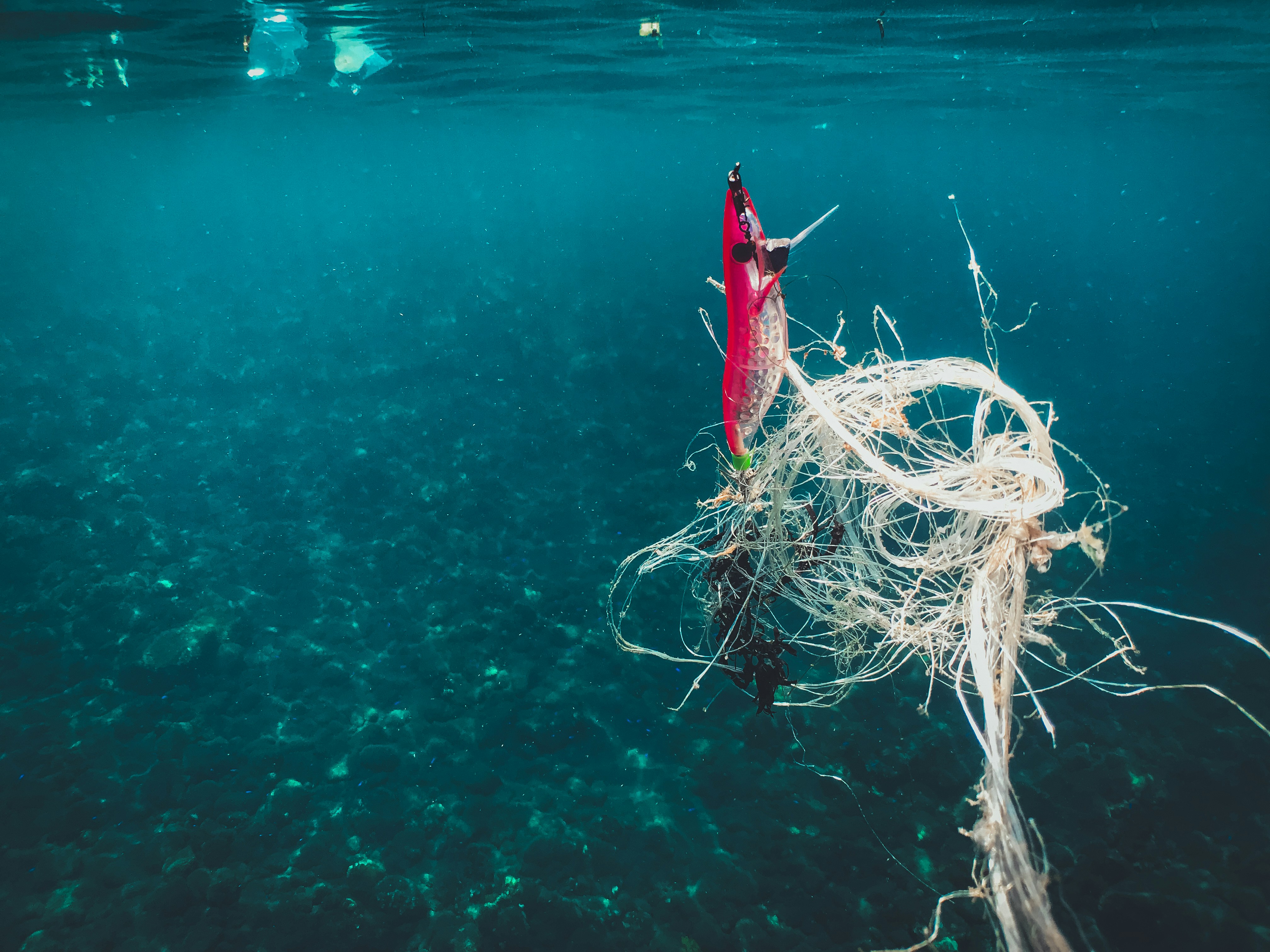
So, can we imagine a world without plastic? Absolutely. But it won’t happen overnight. It requires a fundamental shift in how we think, consume, and produce.
The Path Forward
- Reduce: Cut down on single-use plastics.
- Reuse: Embrace durable, reusable alternatives.
- Recycle: Support infrastructure for recycling and composting.
- Inovate: Invest in biodegradable materials and circular economies.
The Verdict
While a 10% plastic-free world might seem daunting, every small step counts. By choosing reusables, supporting eco-conscious brands, and advocating for policy changes, we can create a healthier planet for ourselves and future generations.
“The situation is already dire, but there are remedies available not only to solve but also entirely reverse the devastation plastic propagates on the world.” — Interesting Engineering
Let’s make that world a reality. Join the movement today!
🔗 Recommended Links and Resources
Products to Get You Started
- The Happy Turtle Straw: Amazon | Official Website
- Hydro Flask Water Bottle: Amazon | Official Website
- Bee’s Wrap: Amazon | Official Website
- Ethique Shampoo Bars: Amazon | Official Website
- Bagu Reusable Bags: Amazon | Official Website
Books to Read
📚 Reference Links and Scientific Studies
- EarthDay.org: A World Without Plastics: Historical Precedents and Modern Alternatives
- The Happy Turtle Straw: Imagine A World Without Plastics
- Columbia University & Rutgers University: Microplastics in Bottled Water Study
- Science Advances: Recycling Rates of Plastic
- Sage Publications: Marine Debris Statistics
- Interesting Engineering: Inovative Plastic Alternatives
- LinkedIn: Imagine a World Without Plastic Packaging
🎥 Featured Video
For a deeper dive into the science of plastic decomposition and potential biological solutions, check out this insightful video:
Watch the First Video on Plastic Decomposition
Note: The video explores how mealworms can break down Styrofoam and the potential of chicken feather-based bioplastics.