Support our educational content for free when you purchase through links on our site. Learn more
Solar Power: 15 Advantages and Disadvantages ☀️

Solar power can cut household electricity use and reduce power-sector emissions, but it isn’t automatically a good deal for every roof, budget, or utility plan. The real answer to the solar power advantages and disadvantages question depends on sunlight, installation costs, electricity rates, export credits, and whether you need battery backup.
We’ve seen how one overlooked detail can change the whole calculation: a sunny roof may generate plenty of electricity, but if the utility pays little for surplus power and the household uses most electricity at night, the savings may be smaller than expected. Meanwhile, a neighbor with daytime energy use and better export terms could see a much better fit.
Solar panels also produce power without burning fuel while they operate, but their full environmental footprint includes manufacturing, land use, and end-of-life recycling. So, is solar worth it? It can be—when the system, site, and contract make sense together.
Key Takeaways
- Solar’s biggest advantages: Renewable electricity, lower direct emissions during operation, and the potential to reduce grid power use and bills.
- Solar’s main drawbacks: Variable output, upfront costs, dependence on local utility rules, and environmental impacts from manufacturing and land use.
- A battery is optional: It can store electricity and provide backup when correctly configured, but adds equipment and complexity.
- Your location and utility matter: Shade, roof condition, seasonal sunlight, electricity rates, and export credits can change the economics.
- Compare the details before committing: Review month-by-month production estimates, warranties, financing terms, and the installer’s assumptions—not just a projected monthly payment.
Table of Contents
- ⚡️ Quick Tips and Facts: Solar Power at a Glance
- ☀️ Solar Energy Explained: How Solar Power Works
- Solar photovoltaic (PV) panels and solar thermal systems
- From sunlight to usable electricity
- What happens to solar power after sunset?
- 📜 A Brief History of Solar Energy and Modern Solar Technology
- 🌱 15 Advantages of Solar Energy
- 1. Solar power is renewable and widely available
- 2. Sunlight is an abundant energy source
- 3. Solar panels produce electricity without direct emissions
- 4. Solar energy can lower electricity bills
- 5. Solar can increase energy independence
- 6. Solar systems can provide backup power with batteries
- 7. Solar works at different scales, from rooftops to utility plants
- 8. Solar panels need relatively little maintenance
- 9. Solar technology keeps improving
- 10. Solar panel costs have fallen over time
- 11. Solar can support local jobs and businesses
- 12. Solar can bring electricity to remote locations
- 13. Solar can pair with electric vehicles and heat pumps
- 14. Solar farms can share land with agriculture
- 15. Solar can help diversify the electricity grid
- 🌧️ 15 Disadvantages of Solar Energy
- 1. Solar panels generate less electricity at night
- 2. Cloud cover, shade, and weather affect output
- 3. Upfront installation costs can be substantial
- 4. Battery storage adds cost and complexity
- 5. Not every roof is suitable for solar panels
- 6. Solar output varies by season and location
- 7. Energy storage and grid upgrades are still needed
- 8. Solar panels require space
- 9. Large solar farms can affect land and wildlife
- 10. Solar manufacturing has environmental impacts
- 11. Solar panels and batteries need end-of-life recycling
- 12. Inverters and batteries may need replacement
- 13. Permits, interconnection, and installation can take time
- 14. Electricity savings depend on local utility rules
- 15. Solar savings and payback are not guaranteed
- 🏡 Rooftop Solar, Community Solar, or a Solar Farm?
- Home solar panels: who benefits most?
- Community solar for renters and unsuitable roofs
- Utility-scale solar and large solar power plants
- 🔋 Solar Batteries, Net Metering, and Grid Independence
- How home solar battery storage works
- Net metering and exporting excess electricity
- Grid-tied versus off-grid solar systems
- 🌍 Solar Energy’s Environmental Impact: Benefits and Trade-Offs
- Solar life-cycle emissions compared with fossil fuels
- Land use, habitat, and biodiversity
- Water use and solar power generation
- Solar panel manufacturing, materials, and recycling
- 💰 Solar Costs, Incentives, and Financial Payback
- What affects the cost of a solar installation?
- Tax credits, rebates, and local incentives
- Solar leases, loans, and power purchase agreements
- How to estimate solar savings and payback time
- 🧭 Is Solar Power Right for Your Home or Business?
- Questions to ask before installing solar panels
- How to assess your roof, electricity use, and sunlight
- How to compare solar quotes and installers
- Solar warning signs and common sales claims
- 🔮 The Future of Solar Power and Renewable Energy
- More efficient solar cells and emerging technologies
- Solar-plus-storage and a more flexible electric grid
- Agrivoltaics, floating solar, and building-integrated solar
- ✅ Conclusion
- 🔗 Recommended Links
- ❓ FAQ
- What are the main advantages and disadvantages of solar power?
- Do solar panels work on cloudy days or in winter?
- Can solar panels power a house at night?
- How long do solar panels last?
- Are solar panels environmentally friendly over their full life cycle?
- Is solar power worth it without a battery?
- Can renters benefit from solar energy?
- What happens to solar panels when they stop working?
- 📚 Reference Links
⚡️ Quick Tips and Facts: Solar Power at a Glance
If you’re weighing the advantages and disadvantages of solar power, here’s the short version: solar can reduce electricity bills and operating emissions, but its value depends on your location, roof, utility rules, and when you use electricity. Sunlight doesn’t send a bill; panels, installation, storage, and grid connection still do. ☀️
| Solar power fact | What it means for you |
|---|---|
| Solar panels generate electricity from sunlight | Output changes with daylight, weather, season, shade, and panel orientation. |
| Panels produce no direct greenhouse-gas emissions while operating | Manufacturing, transportation, installation, and disposal still have environmental impacts. |
| Solar can lower grid electricity use | The savings depend on your system size, power rates, incentives, and compensation for exported electricity. |
| A battery is optional for many grid-connected systems | It can store energy and provide backup, but adds equipment and cost. |
| Solar is scalable | Options include rooftop systems, community solar subscriptions, and utility-scale solar farms. |
| Solar equipment lasts for decades, but not forever | Panels generally degrade gradually; inverters and batteries may need attention sooner. |
Quick solar decision checklist
- ✅ Consider solar if you have a suitable roof or site, expect to stay put long enough to benefit, and can get a clear estimate of savings.
- ✅ Check community solar if you rent, share a roof, or have too much shade.
- ❌ Don’t assume “zero electricity bills.” Fixed utility charges, nighttime use, and export-credit rules may still leave you with a bill.
- ❌ Don’t treat a battery as automatic outage protection. Some grid-connected systems shut down during outages unless configured with approved backup equipment.
- ✅ Compare the quote’s projected production with independent tools such as the U.S. Department of Energy’s Homeowner’s Guide to Going Solar.
One detail can flip a solar quote from “promising” to “not for us”: what your utility pays for electricity you send back to the grid. We’ll come back to that when we talk about net metering and payback. 🔎
☀️ Solar Energy Explained: How Solar Power Works
Solar energy is sunlight captured and converted into usable electricity or heat. The solar panels most commonly installed on homes are photovoltaic, or PV, panels. The U.S. Energy Information Administration (EIA) explains the basics of solar energy and its main technologies.
Solar photovoltaic (PV) panels and solar thermal systems
These technologies both use sunlight, but do different jobs:
| Technology | What it captures | Typical use |
|---|---|---|
| Solar PV | Light, converted into electricity | Home electricity, businesses, utility-scale generation |
| Solar thermal | Heat from sunlight | Water heating, space heating, industrial heat |
| Concentrating solar power (CSP) | Concentrated sunlight, usually to produce heat and then electricity | Large power plants, generally in high-sun areas |
When we say “solar panels” in this guide, we usually mean PV panels. Solar thermal collectors aren’t the same thing as panels that power a refrigerator, lights, or a heat pump.
From sunlight to usable electricity
Here’s the basic process:
- Sunlight reaches the PV cells. The cells generate direct-current (DC) electricity.
- An inverter converts DC electricity to AC. Most homes use alternating-current (AC) power.
- Your home uses the electricity as it’s produced. If production exceeds use, electricity may flow to a battery or the grid, depending on system design and local rules.
- The grid or a battery helps cover gaps. At night or during low production, a grid-connected home draws electricity from the utility unless storage is available and configured to supply it.
A solar system typically includes panels, an inverter, mounting hardware, wiring, safety equipment, and monitoring. A battery is an optional addition, not a panel requirement. The National Renewable Energy Laboratory (NREL) provides research on PV technology and its performance.
What happens to solar power after sunset?
Panels don’t produce meaningful electricity in darkness. After sunset, a grid-connected home generally draws from the utility. A home with battery storage may use electricity stored during the day, subject to battery capacity and system settings.
That’s why “solar-powered home” can mean different things: a home that generates some electricity, a home with backup storage, or a genuinely off-grid property. Those are not interchangeable setups.
📜 A Brief History of Solar Energy and Modern Solar Technology
People have used sunlight for warmth and drying for centuries. Modern solar electricity developed much later, after scientists discovered the photovoltaic effect in the 19th century and practical silicon solar cells emerged in the 20th. NASA helped advance PV technology for spacecraft, where reliable electricity mattered more than bargain-basement equipment.
Today, solar spans small calculators, rooftop systems, parking canopies, community projects, and huge power plants. The U.S. Department of Energy’s solar history overview traces milestones in that evolution.
The technology has changed, but the core trade-off remains familiar: solar converts a free resource into electricity, while the equipment and infrastructure needed to capture and deliver that electricity require materials, land, planning, and money.
🌱 15 Advantages of Solar Energy
Solar’s strengths are real, but they aren’t identical for every household or region. We like to judge the benefits by separating what the technology can do from what a particular utility, roof, and contract allow it to do.
1. Solar power is renewable and widely available
Sunlight is replenished naturally, unlike coal, oil, or natural gas. Solar is available across the world, though the amount and timing of useful sunlight vary by latitude, cloud cover, season, and site conditions. The EIA’s solar energy overview explains how solar resources differ by location.
Useful distinction: renewable doesn’t mean impact-free. It means the energy source is replenished; panels, batteries, mining, land use, and waste still deserve scrutiny.
2. Sunlight is an abundant energy source
The sun delivers far more energy to Earth than people use, but the practical question isn’t whether sunlight exists. It’s whether a particular system can capture it where and when it’s needed, and whether the grid can balance production with demand.
Rooftops, parking canopies, brownfields, and suitable agricultural settings can host solar systems without requiring every project to occupy pristine land. Learn more about broader conservation tips when comparing energy choices and land impacts.
3. Solar panels produce electricity without direct emissions
PV panels produce electricity without burning fuel, so they don’t emit carbon dioxide or combustion-related air pollution at the point of generation. Their life-cycle emissions are not zero: mining, manufacturing, shipping, installation, and end-of-life processing all contribute.
The IPCC’s assessment of life-cycle emissions compares power technologies across their full life cycles. Solar generally has lower life-cycle greenhouse-gas emissions than coal and gas, while the exact footprint depends on manufacturing, technology, location, and system design.
4. Solar energy can lower electricity bills
A solar system can reduce the amount of grid electricity you buy. Savings depend on how much energy you use while panels are producing, your utility’s rates, fixed charges, system output, and whether exported power earns a credit.
A home with daytime air-conditioning, remote workers, or an electric vehicle charging during sunny hours may use more of its solar generation directly. A household that uses most of its electricity after sunset may rely more heavily on the grid or choose storage.
The honest question isn’t “Will solar cut our bill?” It’s “How much electricity will we use from the system, and how will our utility value the rest?”
5. Solar can increase energy independence
Generating some electricity at home reduces dependence on the grid for that portion of your use. But standard grid-tied solar systems don’t automatically provide power during outages; safety controls typically disconnect them from the grid unless they’re designed with approved backup equipment.
For greater resilience, ask an installer to explain the system’s operating modes, backup circuits, battery capacity, and what happens during a prolonged outage. Energy independence is a spectrum, not a button marked “escape utility forever.”
6. Solar systems can provide backup power with batteries
A solar battery can store excess daytime generation for later use and may provide backup power when the grid goes down. The amount of backup depends on battery capacity, inverter design, household loads, sunlight, and whether the system can recharge during the outage.
Before adding a battery, list the things you truly need during an outage:
- Refrigerator and essential lights
- Medical devices and communications equipment
- A few outlets or a selected backup circuit
- Heating, cooling, or well pumps, if the system is sized to handle them
Running an entire home as usual can require a much larger system than keeping essentials online. The DOE’s guide to solar and storage explains questions to ask about system design.
7. Solar works at different scales, from rooftops to utility plants
Solar can be installed on a home, business, school, carport, or large project connected to the electricity grid. Community solar can offer another route for people who can’t install panels themselves.
Each scale has different trade-offs:
| Solar option | Potential advantage | Main consideration |
|---|---|---|
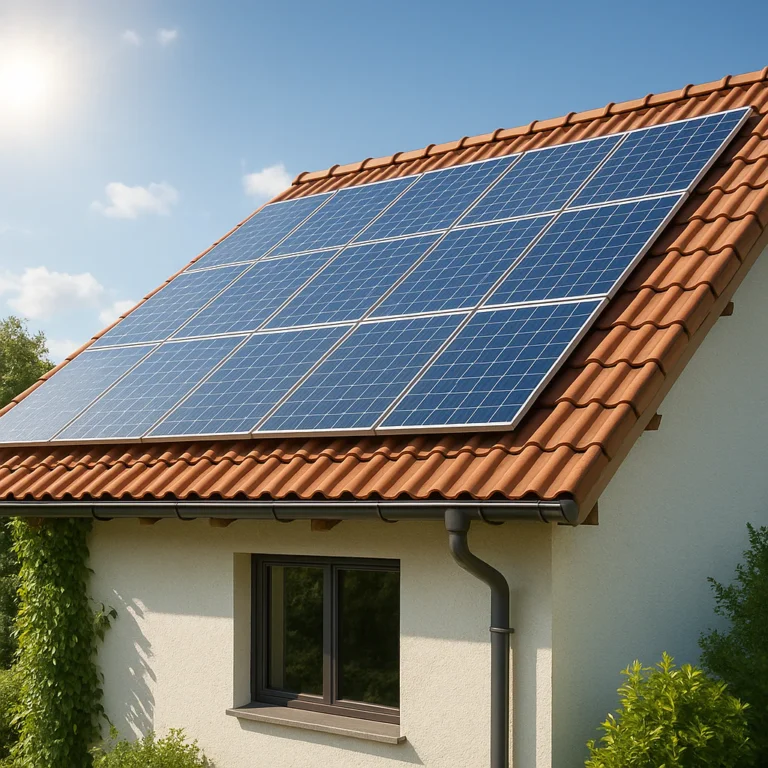
| Rooftop | Generates power close to where it’s used | Roof condition, shade, ownership, and utility terms |
| Community solar | May serve renters or unsuitable roofs | Contract terms and local project availability |
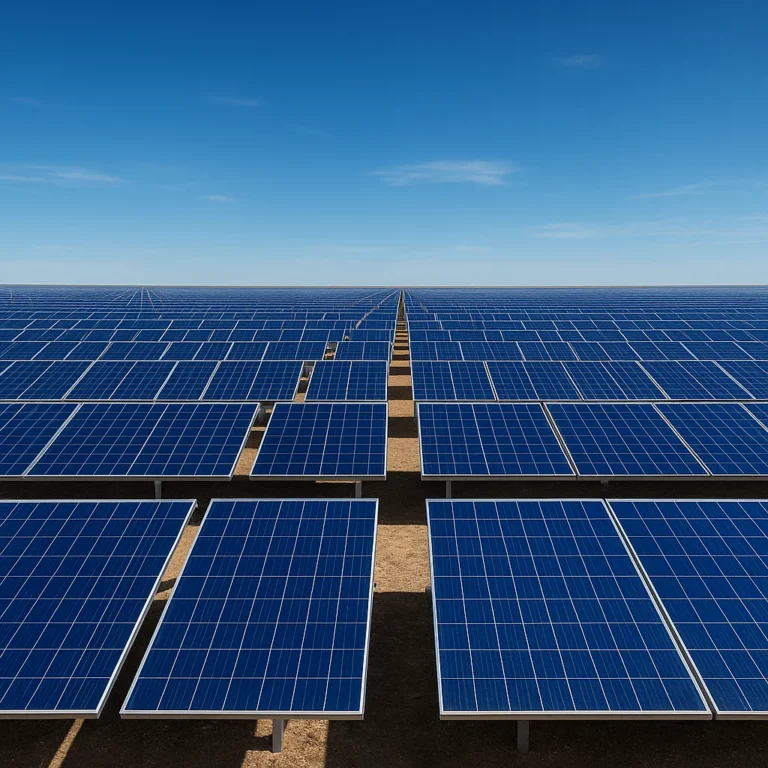
| Utility-scale | Adds large amounts of generation | Land use, transmission, and project siting |
8. Solar panels need relatively little maintenance
PV panels have no moving parts, so routine upkeep is generally limited compared with equipment that burns fuel or has complex mechanical systems. That does not mean “install it and forget it.” Monitoring, inspections, safe debris removal, and inverter maintenance may still matter.
Follow the installer’s guidance and warranty terms. Don’t climb onto a roof to clean panels unless you’re equipped and qualified to do so. The safest maintenance plan is usually preventive, not adventurous.
9. Solar technology keeps improving
PV technology continues to develop, including improvements to cell design, inverters, monitoring, and system integration. Efficiency gains can help produce more electricity from a given area, but laboratory records and commercial rooftop modules are not the same thing.
When comparing proposals, focus on expected annual generation, product warranties, degradation assumptions, and installer quality rather than a headline efficiency figure alone. NREL tracks research across the solar PV field.
10. Solar panel costs have fallen over time
Solar equipment and installation costs have declined substantially over the long term, helping solar become more widely adopted. Still, your quote depends on system size, roof complexity, equipment, labor, permitting, financing, and local market conditions. The International Renewable Energy Agency (IRENA) publishes reports on renewable-energy costs and deployment.
A falling average cost is encouraging, but it doesn’t guarantee that your proposal is good value. Compare multiple detailed bids, not just the panel brand or monthly loan payment.
11. Solar can support local jobs and businesses
Solar projects employ people installation, electrical work, manufacturing, engineering, sales, maintenance, and project development. The National Solar Jobs Census tracks employment in the U.S. solar industry.
The quality of those jobs and benefits depends on training, labor practices, supply chains, and how projects engage local communities. Supporting renewable energy can connect to broader climate change solutions, but good intentions should still come with good project standards.
12. Solar can bring electricity to remote locations
In remote areas, extending power lines can be difficult or expensive. Stand-alone solar, often paired with batteries or another backup source, can supply electricity for homes, farms, communications equipment, and monitoring systems.
Off-grid systems need careful sizing. A system that works well on a sunny summer day may struggle during a cloudy winter stretch, so design should account for seasonal sunlight and essential loads.
13. Solar can pair with electric vehicles and heat pumps
Solar can generate electricity for an EV, heat pump, or other electric equipment. The match is strongest when the equipment operates during solar production, or when the system can store energy or use grid programs to shift demand.
This pairing may help reduce household fossil-fuel use, but the result depends on the electricity mix and the way you charge or heat. Our carbon footprint reduction resources can help put household energy choices into a wider context.
14. Solar farms can share land with agriculture
Agrivoltaics combines solar generation with farming or grazing, potentially allowing land to serve more than one purpose. Depending on the site, crops, panel layout, and local conditions, panels may provide shade for livestock or certain crops while producing electricity.
It isn’t a universal fit: equipment, farm operations, soil, water, access, and crop needs must be considered together. The DOE’s agrivoltaics program shares research on these projects.
15. Solar can help diversify the electricity grid
A grid drawing on a mix of energy sources can be less dependent on any single fuel or generation technology. Solar adds electricity during daylight, while other generators, storage, transmission, and demand management help maintain supply when output changes.
The key word is mix. Solar is useful grid infrastructure, not a solo act expected to perform around the clock without support.
🌧️ 15 Disadvantages of Solar Energy
Solar has meaningful limitations. A fair comparison makes room for both the rooftop owner who sees lower bills and the neighbor who finds the economics don’t work because of shade, roof age, or utility policy.
1. Solar panels generate less electricity at night
PV panels need light to generate electricity, so production falls after sunset. A grid connection or battery can provide electricity at night, but each works differently: a grid connection draws from utility supply, while a battery provides stored energy within its available capacity.
2. Cloud cover, shade, and weather affect output
Clouds reduce sunlight reaching panels, while nearby trees, chimneys, buildings, dust, and snow can reduce production. Panels can still generate electricity in cloudy conditions, but output may be lower than on a clear day.
A site assessment should check shade across the year, not just at the time of the sales visit. The National Weather Service offers local climate information; installers can use site-specific modeling to estimate system production.
3. Upfront installation costs can be substantial
A solar installation involves more than panels: inverters, mounting, electrical work, permitting, and labor all contribute. Financing or leasing can change how costs are paid, but a monthly payment is not the same as total cost or guaranteed savings.
Ask for a written breakdown of equipment, warranties, financing terms, projected generation, and assumptions. The DOE’s homeowner solar guide recommends comparing proposals and understanding your options.
4. Battery storage adds cost and complexity
Batteries can improve backup capability and help shift solar electricity to later hours, but they add equipment, controls, installation requirements, and eventual replacement considerations. Battery performance depends on usable capacity, power output, system configuration, and the loads you want to run.
A battery isn’t automatically the right choice if your main goal is bill savings. Compare its expected benefit with your utility’s export rules and your need for backup.
5. Not every roof is suitable for solar panels
A roof may be unsuitable or less productive because of:
- Heavy shade or limited sun exposure
- A roof that needs replacement soon
- Structural concerns
- Complicated roof shapes or materials
- Ownership restrictions or shared-building rules
Ground-mounted systems may work when the roof doesn’t, but require suitable land, permitting, and access. A trustworthy installer should tell you when a project is a poor fit—not just when a sale is possible.
6. Solar output varies by season and location
Longer sunny days often mean more generation than short winter days, although local weather and system design matter. Seasonal changes can affect both production and household demand: heating may raise winter electricity use just as solar generation falls.
A useful proposal shows monthly production estimates, not only annual total. That can reveal whether the system is likely to meet your needs in the seasons when you use the most electricity.
7. Energy storage and grid upgrades are still needed
Solar output varies throughout the day, so grids need to balance it with other generation, storage, transmission, and flexible demand. In some locations, utilities may need upgrades to accommodate new generation or improve grid management.
That challenge does not make solar useless; it means more solar requires planning for a more flexible grid. The U.S. Department of Energy’s grid modernization work covers related infrastructure needs.
8. Solar panels require space
Rooftop systems use existing building surfaces, but they still need enough suitable area. Ground-mounted systems and solar farms require land, and site selection can create conflicts with housing, farming, conservation, or other community priorities.
Using rooftops, parking areas, landfills, and already-disturbed sites can reduce pressure on undeveloped land. For project-scale impacts, explore biodiversity conservation and ask how a proposed site will protect habitat.
9. Large solar farms can affect land and wildlife
Utility-scale solar projects can change land cover, disturb habitat, fragment ecosystems, and affect local views or land uses. The scale of impact depends on the site, construction methods, project design, and mitigation measures.
Well-planned projects can reduce harm through careful siting, habitat buffers, native vegetation, wildlife monitoring, and community consultation. “Renewable” is not a free pass to ignore local ecology.
10. Solar manufacturing has environmental impacts
Solar panels require energy and materials to manufacture, and supply chains may involve mining, processing, water use, and industrial emissions. Those impacts are part of the full environmental picture, even though panels generate electricity without direct combustion emissions.
The IPCC’s life-cycle assessment offers a way to compare energy technologies across stages rather than focusing only on what happens at the power plant.
11. Solar panels and batteries need end-of-life recycling
Panels and batteries eventually reach the end of their useful life. Recycling can recover some materials, but collection, transport, processing, regulation, and economic viability remain challenges. Disposal rules vary by jurisdiction and product type.
Before signing a contract, ask who handles decommissioning, recycling, warranty claims, and equipment removal. The U.S. Environmental Protection Agency’s solar panel guidance explains relevant considerations.
12. Inverters and batteries may need replacement
Panels, inverters, and batteries don’t necessarily share the same service life. Inverters convert electricity and may require servicing or replacement during a system’s lifetime; batteries also degrade and have warranties with specific terms.
Check what each warranty covers, for how long, and who is responsible for labor. A warranty headline is only useful if you understand its exclusions and claims process.
13. Permits, interconnection, and installation can take time
A project may require local permits, utility approval, inspections, and an interconnection agreement. The timeline varies by location and project complexity, and the installer may not control every step.
Ask who will handle paperwork and what could delay the project. Do not assume panels will start supplying power the day they are installed.
14. Electricity savings depend on local utility rules
Some utilities credit exported solar electricity close to the retail rate; others use different compensation methods or apply time-based rates and fees. Programs, eligibility, and terms vary, and policies may change.
The Database of State Incentives for Renewables & Efficiency (DSIRE) is a useful starting point for U.S. incentives and policies, but confirm current terms with your utility and state program.
15. Solar savings and payback are not guaranteed
Savings depend on actual system output, electricity prices, maintenance, financing costs, incentives, utility export rules, and how long you keep the system. A proposal based on optimistic assumptions can make a project look better than it is.
Request the assumptions in writing. Compare cash purchase, loan, lease, or power purchase agreement terms carefully, and treat projected savings as estimates—not promises.
🏡 Rooftop Solar, Community Solar, or a Solar Farm?
There’s more than one way to benefit from solar. The right fit depends on whether you own your roof, how much sunlight it gets, your utility’s rules, and your appetite for equipment and contracts.
Home solar panels: who benefits most?
Rooftop solar may suit homeowners with an unshaded, structurally sound roof and a utility arrangement that supports reasonable savings. It can be less appealing if the roof needs replacement, the household expects to move soon, or electricity exports receive limited credit.
Before installing:
- Review a full year of electricity bills.
- Check the roof’s age, condition, orientation, and shade.
- Ask for a month-by-month generation estimate.
- Compare at least a few itemized proposals.
- Read the warranty and financing terms before signing.
Community solar for renters and unsuitable roofs
Community solar lets eligible customers subscribe to or receive credits from a shared solar project without installing panels on their own roof. Rules and availability vary by location, and the exact arrangement may be a subscription, bill credit, or other local program.
Read the agreement closely. Check cancellation terms, fees, credit calculations, and whether savings are guaranteed or simply projected. The DOE’s community solar overview explains how these programs work.
Utility-scale solar and large solar power plants
Large solar farms feed electricity into the grid and can add substantial generation without requiring individual households to own equipment. They can also raise questions about land use, wildlife, transmission, local benefits, and community consent.
We’re most supportive of projects that use careful siting, transparent community engagement, strong environmental safeguards, and responsible end-of-life planning.
🔋 Solar Batteries, Net Metering, and Grid Independence
Batteries, utility credits, and grid connections can change how useful a solar system feels in daily life. The right combination depends on whether you want lower bills, backup power, or less reliance on utility electricity.
How home solar battery storage works
During sunny hours, a system may send surplus electricity to a battery. Later, the battery can discharge electricity to selected home loads, subject to its usable capacity, power rating, and controls.
When comparing batteries, ask about:
- Usable energy capacity: How much electricity it can store for use
- Power output: How many appliances it can run at once
- Backup configuration: Which circuits remain available during an outage
- Charging options: Whether it can recharge from solar during a grid outage
- Warranty terms: Capacity retention, operating limits, and coverage
Batteries are helpful, but they aren’t bottomless jars of sunshine. A prolonged outage, cloudy weather, or heavy appliance use can deplete stored energy.
Net metering and exporting excess electricity
“Net metering” commonly refers to utility billing arrangements that credit customers for electricity their system sends to the grid, but program designs differ. Some customers receive credits at or near retail rates; others receive a lower or time-dependent value.
Before sizing a system, ask your utility:
- How are exports credited?
- Do credits expire?
- Are fixed charges or minimum bills still due?
- Can rates or program rules change?
- Does system size affect eligibility?
This is the bill detail that can make an otherwise attractive proposal less compelling. Never rely on a salesperson’s summary when your utility can confirm the actual tariff.
Grid-tied versus off-grid solar systems
| System type | How it works | Main trade-off |
|---|---|---|
| Grid-tied | Connected to utility power; uses grid electricity when solar output is low | Usually does not provide outage power without appropriate backup equipment |
| Grid-tied with battery | Connected to the grid and stores some electricity | More equipment; backup depends on system design and battery capacity |
| Off-grid | Operates without a utility connection, generally using batteries and often backup generation | Requires careful sizing for low-sun periods and seasonal demand |
An off-grid system can make sense in remote settings, but it needs more than panels: storage, controls, careful load planning, and a strategy for extended cloudy stretches.
🌍 Solar Energy’s Environmental Impact: Benefits and Trade-Offs
Solar’s environmental profile is strongest when we examine the whole life cycle, not only the panels while they’re producing electricity. That means looking at manufacturing, operations, land, grid effects, and end-of-life management.
Solar life-cycle emissions compared with fossil fuels
Solar panels have emissions associated with manufacturing and other life-cycle stages, but they don’t burn fuel during operation. The IPCC’s energy life-cycle assessment is a valuable source for comparing greenhouse-gas emissions among energy technologies.
The exact footprint depends on manufacturing energy, material sourcing, system performance, and service life. Solar is low-emission, not zero-impact. That distinction keeps the conversation accurate without dismissing its climate benefits.
Land use, habitat, and biodiversity
A rooftop system generally uses existing building space; a large solar farm may need significant land. Siting on previously disturbed land, rooftops, parking lots, or compatible agricultural sites can help avoid some conflicts, but each project needs location-specific review.
For project developers and communities, habitat surveys, wildlife protections, native planting, and monitoring can reduce harm. Explore our biodiversity conservation resources for related ways to think about land and ecosystems.
Water use and solar power generation
PV systems generally use little water while generating electricity compared with many conventional thermal power plants, though water may be used for manufacturing and occasional panel cleaning. Concentrating solar power can have different water needs depending on its cooling design.
Water impacts vary by technology and location, so the useful question is not simply “Does solar use water?” but how much, for which part of the life cycle, and in what water-stressed region? The NREL water-energy research program covers the links between energy production and water use.
Solar panel manufacturing, materials, and recycling
PV panels use materials that must be mined, processed, assembled, and eventually managed when equipment retires. Responsible sourcing and recycling can reduce waste and recover valuable materials, but the industry still needs effective collection and processing systems.
The EPA’s solar panel recycling guidance is a useful starting point. For consumers, practical steps include checking product and installer warranties, asking about equipment take-back options, and keeping system documentation.
💰 Solar Costs, Incentives, and Financial Payback
Solar economics depend on the system, the household, and local rules. A persuasive savings estimate should clearly show its assumptions rather than turning a complex decision into a single cheerful number.
What affects the cost of a solar installation?
A quote can include panels, inverters, mounting hardware, electrical upgrades, labor, permits, monitoring, and battery storage. Costs can also vary with roof complexity, system size, equipment, installer experience, and financing.
Compare proposals using:
- System capacity and expected annual production
- Equipment models and warranties
- Estimated self-consumption and exports
- Financing fees and total repayment terms
- Battery configuration, if included
- Utility and incentive assumptions
Tax credits, rebates, and local incentives
Incentives vary by place and can change over time. Depending on eligibility and program rules, support may come from tax provisions, utility rebates, state programs, local grants, renewable energy certificates, or performance-based incentives.
Check current details directly with government agencies, utilities, and program administrators. In the U.S., DSIRE can help identify programs, but it is not a substitute for confirming that you qualify and that the incentive is still available.
Solar leases, loans, and power purchase agreements
Common payment arrangements include:
| Option | Who owns the equipment? | What to examine |
|---|---|---|
| Cash purchase | Usually the homeowner | Upfront outlay, warranties, maintenance responsibilities |
| Solar loan | Depends on the loan structure | Interest, fees, repayment schedule, ownership |
| Lease | Usually the solar provider | Monthly payment, escalators, transfer and buyout terms |
| Power purchase agreement (PA) | Usually the provider | Rate structure, contract term, export and transfer provisions |
A low monthly payment can still come with a long commitment. Read the entire contract, including what happens if you sell the home, need roof work, or want to change the system.
How to estimate solar savings and payback time
A basic comparison should account for more than annual panel production:
- Estimate your household’s electricity use from recent bills.
- Review the system’s expected monthly output.
- Estimate how much solar electricity you’ll use directly.
- Confirm the utility’s credit for electricity you export.
- Include utility fixed charges, financing, maintenance, and replacement assumptions.
- Subtract applicable incentives only after confirming eligibility.
- Compare the result with staying on your current utility plan.
The NREL PVWats calculator can help estimate production for a location, but it does not replace a site assessment or a utility-specific bill analysis.
🧭 Is Solar Power Right for Your Home or Business?
Solar is not a universal yes or no. It’s a site-specific decision, and a good assessment includes the less glamorous details that brochures tend to skip.
Questions to ask before installing solar panels
- Is the roof in good condition, and how long before it needs replacement?
- How much shade does the roof get throughout the year?
- What will the system produce month by month?
- How does my utility credit exported electricity?
- Will the system provide backup power during an outage?
- What warranties cover panels, inverters, batteries, labor, and roof penetrations?
- Who handles permitting, inspections, interconnection, and repairs?
- What are the total financing costs and contract transfer terms?
- What assumptions support the projected savings?
How to assess your roof, electricity use, and sunlight
Start with a year of electricity bills, not a guess based one month. Then review roof condition, direction, slope, shade, and available area. A qualified installer should assess those details and explain their production estimate in plain language.
You can also use NREL PVWats for a preliminary estimate. Treat the result as a screening tool, not a promise: trees grow, roofs differ, and weather refuses to read spreadsheets.
How to compare solar quotes and installers
Get multiple itemized bids and compare them on equal assumptions. Look for a clear explanation of equipment, annual production, utility credits, warranties, maintenance, and financing.
Check the installer’s licensing and complaint history with relevant local agencies. Ask for references from recent customers and confirm that the contract identifies who is responsible for system performance and service. A patient answer to a difficult question is a better sign than a fast signature request.
Solar warning signs and common sales claims
Slow down if a salesperson:
- Guarantes a specific bill reduction without reviewing your utility bills
- Claims every grid-tied system works during outages
- Treats incentives as certain before checking eligibility
- Won’t provide full contract terms or equipment details
- Pressures you to sign immediately
- Uses a monthly payment to distract from total financing terms
- Ignores roof condition, shading, or export compensation
Solar can be a strong investment, but it should survive a careful reading of the paperwork.
🔮 The Future of Solar Power and Renewable Energy
Solar’s future depends not only on better panels, but also on storage, grid infrastructure, responsible supply chains, and thoughtful land use. The most useful innovation is the one that improves real-world performance without shifting costs onto communities or ecosystems.
More efficient solar cells and emerging technologies
Research is exploring new cell materials, tandem designs, improved manufacturing, and ways to integrate PV into buildings and infrastructure. Commercial adoption depends on durability, cost, manufacturing capacity, supply chains, and performance outside laboratory settings.
For current research and technology updates, see NREL’s PV research. A promising lab result is worth watching; it isn’t automatically a ready-to-buy rooftop product.
Solar-plus-storage and a more flexible electric grid
Pairing solar with batteries can shift some generation to later hours, while grid upgrades, demand response, and better forecasting help balance variable supply. These tools work best as part of an integrated system rather than as isolated gadgets.
The DOE’s grid modernization resources explain why transmission, control systems, and flexibility matter as renewable generation grows.
Agrivoltaics, floating solar, and building-integrated solar
Solar can take forms beyond conventional rooftop panels and ground-mounted arrays:
- Agrivoltaics: solar panels and farming or grazing share land.
- Floating solar: arrays sit on suitable bodies of water, subject to ecological and engineering review.
- Building-integrated photovoltaics: solar components are incorporated into building materials or structures.
These approaches can make better use of space in some settings, but their benefits depend on local conditions and careful design. The best solar site is not simply the largest available patch of land; it’s the one that balances generation with people, nature, and long-term stewardship.