Support our educational content for free when you purchase through links on our site. Learn more
Plastic Free Living: 30 Steps to Less Waste 🌿 (2026)


Plastic Free Living works best when you reduce disposable plastic, reuse what you already own, and replace items only when necessary. You do not need to empty your cupboards and buy a matching set of bamboo everything; that is just consumption wearing a green cape.
Start with the plastic you use most often: bottled drinks, takeaway extras, produce bags, cling film, bathroom packaging, and online-delivery mailers. One reusable bottle used daily can prevent hundreds of disposable containers, while a simple food audit can reveal even bigger opportunities.
We learned this the slightly embarrassing way after discovering that our “eco-friendly” kitchen contained four reusable shopping bags, three unopened lunch containers, and absolutely no idea where the nearest refill station was. The breakthrough was not buying another product. It was placing one bottle by the door and using it every day.
Plastic pollution is a vast systems problem, but household habits still matter. The OECD Global Plastics Outlook documents the rapid growth of plastic production and waste, while the United Nations Environment Programme emphasizes prevention, reuse, better design, and stronger systems alongside individual action.
Key Takeaways
- Start with the easiest high-frequency swaps: reusable bottles, shopping bags, food containers, utensils, and washable cloths.
- Use what you already own first. Replacing working plastic items immediately can create more waste, not less.
- Reduce before recycling. Recycling helps, but local rules, contamination, mixed materials, and limited markets make it an imperfect solution.
- Choose durable alternatives thoughtfully. Glass, stainless steel, wood, paper, cotton, and natural rubber each have benefits and drawbacks.
- Protect health and safety. Avoid heating unknown plastic, follow food-contact instructions, and never replace essential medical or safety equipment for the sake of a material ideal.
- Plastic-free does not have to mean perfect. A realistic low-plastic lifestyle is more sustainable than an exhausting purity test.
- Push for systemic change. Refill stations, producer responsibility, reuse systems, and packaging reform can make better choices accessible to everyone.
Table of Contents
- ⚡️ Quick Tips and Facts
- 🌍 What Is Plastic-Free Living?
- Plastic-Free vs. Zero-Waste vs. Low-Waste
- Why Going Completely Plastic-Free Is So Difficult
- 📚 The History of Plastic Pollution and the Plastic-Free Movement
- How Single-Use Plastics Became Everyday Essentials
- From Plastic-Free July to Global Environmental Action
- Lessons From Early Plastic-Free Advocates
- 🧠 Why Choose a Plastic-Free Lifestyle?
- Plastic Waste, Ocean Health, and Wildlife
- Microplastics in Food, Water, and the Human Body
- Plastic Chemicals and Potential Health Concerns
- The Climate Impact of Plastic Production
- Environmental Justice and Plastic Pollution
- ✅ The 30-Step Plastic-Free Living Action Plan
- 1. Audit Your Household Plastic Use
- 2. Start With the Easiest Single-Use Plastics to Replace
- 3. Carry a Reusable Shopping Kit
- 4. Switch to Reusable Water Bottles and Travel Mugs
- 5. Replace Plastic Food Storage Containers
- 6. Bring Reusable Produce Bags and Bulk Containers
- 7. Choose Plastic-Free Food Packaging
- 8. Shop at Farmers Markets and Refill Stores
- 9. Make a Plastic-Free Kitchen Cleaning Kit
- 10. Reduce Plastic in the Bathroom
- 11. Try Shampoo Bars, Soap Bars, and Toothpaste Tablets
- 12. Choose Plastic-Free Period Products
- 13. Build a Low-Plastic Laundry Routine
- 14. Reduce Synthetic Clothing and Microfiber Pollution
- 15. Find Plastic-Free Baby and Family Essentials
- 16. Create a Plastic-Free Pet Care Routine
- 17. Cut Plastic From Takeout and Packed Lunches
- 18. Make Plastic-Free Choices at Work and School
- 19. Reduce Plastic Packaging When Shopping Online
- 20. Repair, Reuse, Borrow, and Buy Secondhand
- 21. Choose Durable Natural Materials
- 22. Recycle Correctly and Avoid Wishcycling
- 23. Dispose of Hard-to-Recycle Plastic Responsibly
- 24. Compost Food Scraps and Certified Compostable Packaging Carefully
- 25. Advocate for Plastic Reduction Policies
- 26. Talk About Plastic-Free Living Without the Guilt Trip
- 27. Handle Travel, Holidays, and Special Events
- 28. Plan for Emergencies and Medical Needs
- 29. Measure Progress Without Chasing Perfection
- 30. Turn Personal Habits Into Community Change
- 🛒 Plastic-Free Shopping Guide
- How to Read Packaging Labels and Material Symbols
- Plastic-Free, Biodegradable, Compostable, and Recyclable: What Do They Mean?
- Questions to Ask Before Buying a Plastic-Free Product
- Best Plastic Alternatives: Glass, Stainless Steel, Wood, Paper, and Natural Fibers
- When Plastic Is the Safer or More Practical Choice
- 🍎 Plastic-Free Grocery Shopping
- Aisle-by-Aisle Guide to Avoiding Plastic Packaging
- Buying Meat, Fish, Dairy, and Plant-Based Foods With Less Plastic
- Bulk Buying Without Food Waste
- Safe Food Storage Without Plastic Wrap
- Plastic-Free Alternatives to Cling Film, Zip Bags, and Disposable Plates
- 🏠 Creating a Plastic-Free Home
- Plastic-Free Kitchen Essentials
- Plastic-Free Bathroom Essentials
- Plastic-Free Bedroom and Living Room Swaps
- Plastic-Free Home Office Supplies
- Plastic-Free Cleaning Products and DIY Recipes
- How to Declutter Plastic Without Sending It to Landfill
- 🧴 Plastic-Free Personal Care and Beauty
- Plastic-Free Skincare and Cosmetics
- Reusable Razors, Wooden Hairbrushes, and Natural Accessories
- How to Compare Refillable and Package-Free Brands
- Hygiene, Safety, and Shelf-Life Considerations
- 👕 Clothing, Laundry, and Microfiber Reduction
- Natural Fabrics vs. Synthetic Fabrics
- How to Wash Clothes to Reduce Microfiber Shedding
- Plastic-Free Alternatives to Dryer Sheets and Laundry Pods
- Choosing Durable, Repairable Clothing
- ✈️ Plastic-Free Travel and Everyday Carry
- The Essential Plastic-Free Travel Kit
- Flying With Less Single-Use Plastic
- Plastic-Free Road Trips and Camping
- Staying Plastic-Free in Hotels and Vacation Rentals
- 👨 👩 👧 Plastic-Free Living for Families
- Teaching Children About Waste Without Fear
- Safer Lunchboxes, Toys, and School Supplies
- Birthdays, Parties, and Holidays With Less Plastic
- Plastic-Free Living on a Tight Family Schedule
- 💰 Is Plastic-Free Living Expensive?
- Low-Cost Swaps That Save Money
- Avoiding the “Eco Aesthetic” Shopping Trap
- How to Make Plastic-Free Choices Accessible
- ⚠️ Common Plastic-Free Mistakes and Greenwashing Traps
- Buying Too Many Reusables
- Confusing “Natural” With Sustainable
- Assuming Bioplastics Solve Plastic Pollution
- Ignoring Product Durability and End-of-Life Disposal
- The Carbon Footprint of Reusable Alternatives
- 📊 Measuring Your Plastic Footprint
- A Practical Household Plastic Audit
- Plastic-Free Progress Tracker
- Which Changes Make the Biggest Difference?
- 🏢 Plastic-Free Workplaces, Businesses, and Communities
- Reducing Plastic in Offices and Shared Spaces
- Plastic-Free Events and Catering
- How Businesses Can Reduce Packaging Waste
- Community Refill Stations and Local Initiatives
- ⚖️ Policy, Regulation, and the Future of Plastic
- Single-Use Plastic Bans and Extended Producer Responsibility
- Recycling Infrastructure and Its Limits
- The Global Plastics Treaty
- What Individuals Can Do Beyond Personal Consumption
- 📖 What We Learned From “100 Steps to a Plastic-Free Life”
- The Most Useful Ideas for Modern Households
- What Has Changed Since Early Plastic-Free Guides Were Published
- A Practical Update for Today’s Plastic-Free Lifestyle
- 📕 Books, Documentaries, and Experts Worth Reading
- Plastic Pollution Books
- Documentaries About Plastic Waste and Consumer Culture
- Trusted Environmental and Public Health Organizations
- 🧰 Our Favorite Plastic-Free Essentials
- Reusable Food and Drink Gear
- Plastic-Free Kitchen and Cleaning Tools
- Low-Waste Bathroom and Personal Care Products
- How to Choose Ethical and Durable Brands
- 🌱 A Realistic 30-Day Plastic-Free Challenge
- Week 1: Observe and Eliminate Easy Disposables
- Week 2: Transform the Kitchen and Grocery Routine
- Week 3: Reduce Bathroom, Laundry, and Personal Care Plastics
- Week 4: Build Long-Term Habits and Influence Change
- 💬 Frequently Asked Questions About Plastic-Free Living
- 🏁 Conclusion
- 🔗 Recommended Links
- ❓ FAQ
- 📚 Reference Links
Quick Tips and Facts
How Do I Start Plastic-Free Living? 15 Easy Steps to Begin 🌿 is our practical starting point if you want a gentler runway rather than an overnight leap into jar-filled minimalism.
Plastic-free living means reducing avoidable plastic, especially single-use packaging, while reusing what you already own and choosing durable alternatives when replacement is genuinely necessary. It does not mean throwing every plastic item in your home into the trash. That would be waste wearing a green hat. ♻️
Our fastest, highest-impact swaps
| Start here | Replace this | Better first move | Why it helps |
|---|---|---|---|
| Hydration | Bottled water | Refillable stainless-stel bottle | Cuts repeated single-use packaging |
| Shopping | Thin produce bags | Loose produce or washable bags | Easy, inexpensive, highly repeatable |
| Takeout | Disposable cutlery and containers | Eat in, bring a clean container, or skip extras | Prevents several items at once |
| Food storage | Cling film and zip bags | Lidded glass, stainless steel, plates, or silicone you already own | Reuse beats replacement shopping |
| Bathroom | Bottled bar soap alternatives | Bar soap in paper or package-free soap | Often a simple packaging reduction |
| Cleaning | Disposable wipes | Washable cloths and refill concentrates | Reduces packaging and recurring waste |
| Laundry | Synthetic-heavy clothing | Wear existing clothes longer; wash synthetics thoughtfully | Avoids new purchases and microfiber shedding |
| Online orders | Plastic mailers | Buy locally, consolidate orders, request paper packaging | Tackles packaging upstream |
Six rules we use at Gone Greenish™
- Use what you own first. The greenest lunch container is often the one already in your cupboard.
- Avoid rather than recycle. Recycling is useful, but the U.S. Environmental Protection Agency places source reduction and reuse higher in the waste hierarchy.
- Choose durable over trendy. A reusable item gathering dust is merely clutter with a bamboo handle.
- Consider the full life cycle. Manufacturing, transport, washing, durability, and disposal all count.
- Make convenience work for you. Keep a bottle, tote, and utensils where you actually need them.
- Aim for less, not perfect. The UN Environment Programme identifies plastic pollution as a systemic problem, not a personal morality test.
Five facts worth remembering
- The world produces hundreds of millions of tonnes of plastic each year, with a large share becoming waste; see the OECD Global Plastics Outlook.
- Plastic production and disposal contribute to climate pollution across the material’s life cycle, according to the International Energy Agency.
- Microplastics are widespread in food, water, air, and human samples, although researchers are still clarifying the full health implications; the World Health Organization summarizes current evidence.
- “Biodegradable” does not automatically mean home-compostable. Compostability depends on the product, certification, facility, temperature, and local rules. The U.S. Federal Trade Commission warns against vague environmental claims.
- A reusable product only earns its environmental advantage through repeated use. A lifecycle assessment published by the United Nations Environment Programme supports looking beyond the shopping moment.
Our 10-minute plastic audit
Before buying a shiny replacement:
- Open your bin and identify the five plastic items you discard most often.
- Circle items used once or for only a few minutes.
- Check whether you already own a substitute.
- Replace one routine, not your entire kitchen.
- Track the change for two weeks.
- If the swap creates extra washing, breakage, expense, or stress, redesign it.
The question is not “Can I eliminate every polymer?” It is “Where can I prevent the most waste without creating another problem?” Keep that question nearby; it will rescue us from several seductive but disappointing eco-swaps later.
What Is Plastic-Free Living?
Plastic-free living is a consumption approach focused on preventing unnecessary plastic use, particularly disposable packaging and products designed for a short life. It commonly overlaps with:
- Low-waste living
- Zero-waste principles
- Sustainable shopping
- Refill and bulk purchasing
- Reusable food storage
- Plastic pollution prevention
- Microplastic reduction
- Circular economy thinking
The phrase can sound absolute, but real households contain medical devices, electronics, synthetic fabrics, safety equipment, and old plastic items that should not be discarded prematurely.
Plastic-Free vs. Zero-Waste vs. Low-Waste
| Approach | Main goal | Practical strength | Common misunderstanding |
|---|---|---|---|
| Plastic-free | Reduce or avoid plastic | Clear focus on packaging and materials | Assumes every plastic item must disappear |
| Zero-waste | Send little or nothing to landfill or incineration | Encourages prevention, reuse, repair, and composting | “Zero” is often treated as literal perfection |
| Low-waste | Reduce total waste and resource use | Flexible and accessible | Can feel less specific without measurable targets |
| Circular living | Keep materials in use longer | Emphasizes repair, reuse, sharing, and recovery | Recycling alone is mistaken for circularity |
We prefer low-waste plastic reduction as the practical umbrella. It leaves room for health, disability access, income, geography, food safety, and emergencies.
Why Going Completely Plastic-Free Is So Difficult
A plastic-free experiment reported by NPR still generated roughly 102 pieces of plastic or mixed-material waste in one week. The writer made foods from scratch, carried containers, avoided delivery, and still encountered plastic in medication, ingredients, food-service systems, and household items.
That experience matters because it separates personal effort from system design.
You may:
- Bring a jar to a bulk shop and discover the store cannot tare it.
- Ask for a plastic-free prescription container and find the pharmacy cannot provide one.
- Buy a “paper” carton with a plastic lining.
- Choose a compostable item that your local facility cannot process.
- Avoid one plastic package only to buy an alternative with more transport emissions or food spoilage.
This is why Rebecca Prince-Ruiz, founder of Plastic Free July, encourages people to try a day, week, or month rather than treating the name as a purity test.
The Most Useful Definition
Plastic-free living means making informed, repeatable choices that reduce unnecessary plastic while protecting health, food safety, accessibility, affordability, and total environmental impact.
That definition is less dramatic than “never touch plastic again,” but much more useful on a Tuesday when your child is hungry and the only available lunch is packaged in a pouch.
The History of Plastic Pollution and the Plastic-Free Movement
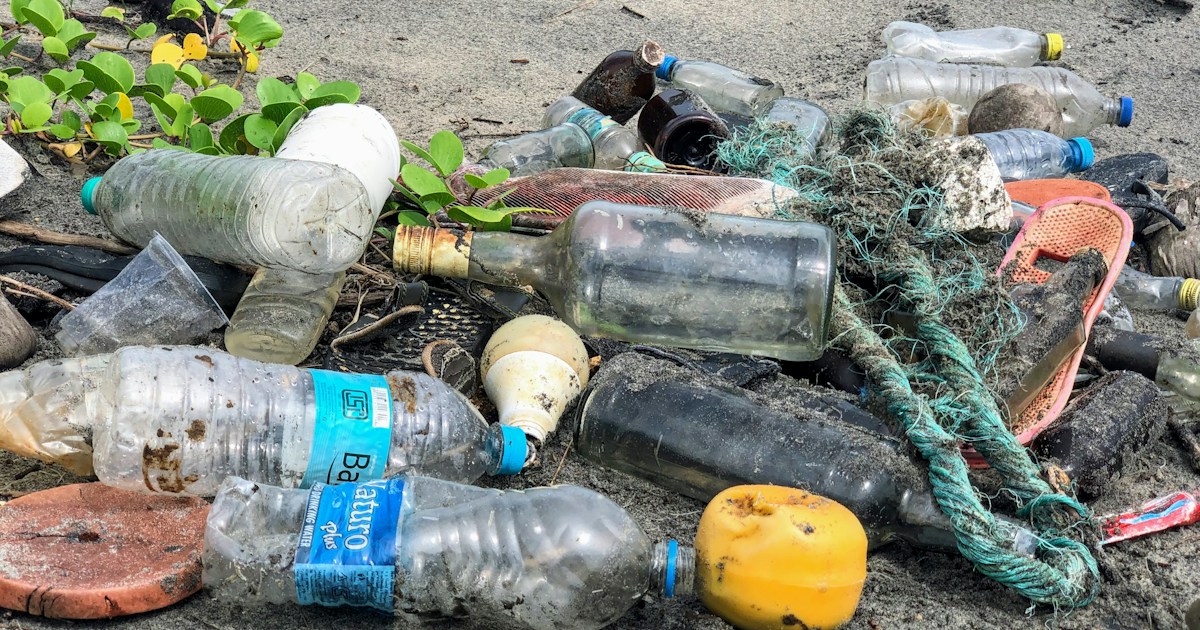
Plastic began as a useful innovation: lightweight, moldable, durable, and inexpensive. Those qualities became liabilities when manufacturers applied them to products intended to be used once.
The UNEP history of plastics describes a sharp rise in plastic production after the Second World War. Modern packaging systems then normalized individually wrapped snacks, bottled drinks, disposable foodware, and convenience products.
How Single-Use Plastics Became Everyday Essentials
The shift was not simply a story of careless consumers. It involved:
- Petrochemical investment
- Advertising built around convenience
- Supermarket expansion
- Globalized supply chains
- Cheap fossil-fuel feedstocks
- Limited municipal recycling infrastructure
- Business models that externalize disposal costs
Plastic packaging can protect food and reduce breakage, but it also creates a disposal burden that packaging designers, manufacturers, retailers, governments, and shoppers share.
From Plastic-Free July to Global Environmental Action
Plastic Free July began in Australia in 201, according to Plastic Free July. Its practical message is refreshingly manageable: choose one or two plastic items and change the routine.
The movement grew because it connects:
- Individual habit change
- Community participation
- Business innovation
- Policy pressure
- Packaging redesign
The strongest version of the movement is not “everyone shop harder.” It is everyone reducing demand while institutions make better options normal and affordable.
Lessons From Early Plastic-Free Advocates
Beth Terry’s influential guide, My Plastic-Free Life, began from a 2007 personal challenge and offers “100 Practical Steps.” Its strongest lessons remain relevant:
- Start with manageable changes.
- Reduce consumption first.
- Reuse and repair before replacing.
- Buy secondhand when appropriate.
- Treat recycling as a last line of defense, not the main strategy.
Terry’s phrase, “Recycling is no substitute to reducing what you buy in the first place,” remains a useful corrective to packaging claims that put all responsibility on the recycling bin.
Why Choose a Plastic-Free Lifestyle?
Plastic reduction can support environmental goals and, in some situations, healthier routines. But we recommend precision rather than fear. Plastic is not one chemical or one risk. Exposure depends on the polymer, additives, use pattern, temperature, food contact, and individual circumstances.
Plastic Waste, Ocean Health, and Wildlife
Plastic reaches rivers, beaches, soils, and oceans through litter, stormwater, fishing activity, industrial losses, and inadequate waste management. The National Oceanic and Atmospheric Administration explains how marine debris can entangle animals or be mistaken for food.
Reducing lightweight, disposable items helps because they are:
- Easily blown or washed into waterways
- Frequently used for minutes
- Difficult to collect after dispersal
- Common in litter surveys
- Often contaminated and uneconomic to recycle
Plastic-free choices also belong beside broader Biodiversity Conservation efforts. Wildlife does not care whether a wrapper was technically recyclable; it cares whether the wrapper is in its habitat.
Microplastics in Food, Water, and the Human Body
Microplastics are small plastic particles formed through manufacturing or the breakdown of larger plastic materials. People can encounter them through food, drinking water, indoor dust, air, and consumer products.
The World Health Organization says evidence about drinking-water risks remains limited and emphasizes continued research. A 2024 study in the New England Journal of Medicine reported micro- and nanoplastics in arterial plaque and found an association between detected particles and cardiovascular events, but observational findings do not by themselves prove that plastic particles caused those events.
Practical exposure-reduction steps include:
- Do not heat food in plastic unless the manufacturer specifically permits it.
- Use glass or stainless steel for hot foods and drinks.
- Reduce bottled water where safe tap water is available.
- Ventilate dusty indoor spaces.
- Wash hands before eating.
- Avoid unnecessary single-use packaging.
Do not panic-clean your home. We are reducing avoidable exposure, not promising a plastic-free bloodstream through one heroic pantry makeover.
Plastic Chemicals and Potential Health Concerns
Some plastic products may contain additives such as plasticizers, stabilizers, colorants, or flame retardants. Certain chemicals, including some bisphenols and phthalates, have been studied for endocrine and reproductive effects.
The National Institute of Environmental Health Sciences explains endocrine-disrupting chemical research, while the U.S. Food and Drug Administration evaluates food-contact materials.
Use a sensible hierarchy:
✅ Best: Avoid heating food in unknown plastic.
✅ Helpful: Follow manufacturer instructions and replace cracked or cloudy food containers.
✅ Practical: Choose glass or stainless steel for hot, oily, or acidic foods.
❌ Unhelpful: Assume every plastic item is equally dangerous or that a symbol alone tells you the full chemical story.
The Climate Impact of Plastic Production
Plastic is largely made from fossil-fuel feedstocks. Emissions occur during extraction, refining, chemical production, manufacturing, transport, and disposal. The International Energy Agency identifies petrochemicals as a major source of future oil demand, while the OECD documents rapid growth in plastic use and waste.
For climate-conscious households, prioritize:
- Buying fewer new products.
- Keeping existing items in use longer.
- Avoiding disposable packaging.
- Repairing and buying secondhand.
- Choosing transport-efficient, durable alternatives.
- Connecting plastic reduction with our Carbon Footprint Reduction guidance.
A heavy glass container shipped across a continent may not beat a lightweight plastic tub that is already in your cupboard. The replacement is not automatically the improvement.
Environmental Justice and Plastic Pollution
Plastic facilities, refineries, waste incinerators, and landfills can impose disproportionate burdens on low-income communities and communities of color. The United States Environmental Protection Agency’s environmental justice resources explain how pollution exposure and decision-making power are unevenly distributed.
Plastic-free advocacy should therefore support:
- Affordable refill infrastructure
- Safe drinking water
- Accessible packaging alternatives
- Worker protections
- Strong producer responsibility
- Medical and disability access
- Community-led environmental decisions
If a recommendation requires a specialty shop, a car, abundant free time, and a large upfront budget, it is not a universal solution. It is a lifestyle option.
The 30-Step Plastic-Free Living Action Plan
This is a menu, not a personality test. Pick three steps that match your routine, then add more when they feel boringly normal. Boring is excellent; boring means the habit survived Wednesday.
1. Audit Your Household Plastic Use
For seven days, record:
- Item
- Room or routine
- Frequency
- Whether it was avoidable
- Available substitute
- Disposal route
- Cost and effort
| Audit category | Questions |
|---|---|
| Food | Which foods arrive in flexible film or multilayer pouches? |
| Drinks | How many bottles, cups, lids, and straws appear? |
| Bathroom | Which products have pumps, tubes, or blister packs? |
| Cleaning | Are refills or concentrates available locally? |
| Online orders | What packaging arrives around the product? |
| Clothing | Which synthetic items shed or need frequent washing? |
2. Start With the Easiest Single-Use Plastics to Replace
Choose items with:
- High frequency
- Short use time
- Low health or safety complexity
- An alternative you already own
Good first candidates include disposable bags, bottled water, plastic cutlery, produce bags, and takeaway extras.
3. Carry a Reusable Shopping Kit
Our practical kit includes:
- One washable tote
- One compact produce bag
- A bottle
- Utensils
- A lightweight food container
- A cloth napkin
Keep a backup kit by the door, at work, or in your vehicle. ChicoBag makes compact reusable bags, while Klean Kanten offers stainless-stel drinkware.
Use them repeatedly. A tote left in a cupboard has the environmental impact of a motivational poster.
4. Switch to Reusable Water Bottles and Travel Mugs
Choose a bottle based on:
| Feature | Stainless steel | Glass | Plastic |
|---|---|---|---|
| Weight | Medium | Heavy | Light |
| Breakage risk | Low | High | Low |
| Hot-drink suitability | Often good | Good with protection | Depends on product |
| Odor retention | Low to medium | Low | Medium to high |
| Best use | Daily carry and travel | Home, office, careful commuting | Existing bottles used safely |
The CDC recommends using safe drinking water sources; a reusable bottle does not make unsafe water safe.
5. Replace Plastic Food Storage Containers
Start with containers already available:
- Glass jars
- Stainless-stel tins
- Ceramic bowls with plates
- Glass baking dishes
- Cloth bread bags
- Metal lunchboxes
Life Without Plastic and LunchBots offer stainless-stel storage options. Check lids carefully; a stainless container may still include silicone or plastic seals. That is not automatically a failure. It is a specification to understand.
6. Bring Reusable Produce Bags and Bulk Containers
Before bringing containers to a store:
- Ask whether personal containers are accepted.
- Ask how the store handles tare weight.
- Clean and dry containers.
- Label allergens or product types.
- Keep a backup plan for busy staff or food-safety rules.
Bulk shopping can reduce packaging, but it can also encourage buying more than you use. A half-empty bulk jar is not a victory.
7. Choose Plastic-Free Food Packaging
Look for:
- Loose fruits and vegetables
- Paper-baged bread
- Glass-bottled products
- Metal tins
- Cardboard without plastic lining
- Returnable containers
- Deli foods placed in your clean container where permitted
Packaging materials can be composite. A carton that looks like paper may contain plastic or aluminum layers. Check local manufacturer information rather than trusting appearance.
8. Shop at Farmers Markets and Refill Stores
Farmers markets can offer unpackaged produce and direct communication with vendors. Refill stores can reduce bottles for items such as:
- Soap
- Laundry products
- Grains
- Spices
- Oils
- Cleaning concentrates
Search local directories, ask about sanitation procedures, and compare travel emissions. A 40-mile refill pilgrimage may defeat the purpose.
9. Make a Plastic-Free Kitchen Cleaning Kit
A sensible kit:
- Cotton or cellulose cloths
- Wooden dish brush
- Natural-fiber bottle brush
- Baking soda
- Concentrated cleaner or refill
- Bar dish soap where suitable
- Metal dustpan
- Washable mop head
If You Care and Full Circle offer lower-plastic household products, though packaging and material mixes vary by product.
10. Reduce Plastic in the Bathroom
Begin with products that are easy to finish and replace:
- Bar soap
- Shampoo bar
- Toothpaste tablets or recyclable tube options
- Metal razor
- Refillable deodorant
- Toilet paper in paper packaging
- Menstrual cup or washable products, if suitable
Do not discard usable products merely to create a photogenic shelf. Finish first; replace second.
11. Try Shampoo Bars, Soap Bars, and Toothpaste Tablets
| Product | Advantages | Drawbacks |
|---|---|---|
| Shampoo bar | Little packaging, travel-friendly | Can be drying; needs drainage |
| Bar soap | Often paper-wrapped or package-free | Some formulas irritate sensitive skin |
| Toothpaste tablets | Lightweight, low packaging | Texture and fluoride availability vary |
| Powder cleanser | Refillable or paper-packed options | Can be messy and formulation-dependent |
Ethique sells solid personal-care products, and Dove offers some bar products widely available in paper packaging. Check ingredients, fragrance, allergens, and whether toothpaste contains fluoride where appropriate.
12. Choose Plastic-Free Period Products
Options include:
- Menstrual cups
- Washable cloth pads
- Period underwear
- Tampons with cardboard applicators or no applicator
- Disposable products made with reduced plastic
The FDA provides safety information on menstrual products. Comfort, access, flow, sterilization, and medical advice matter more than a perfect material claim.
13. Build a Low-Plastic Laundry Routine
Try:
- Powdered detergent in cardboard where compatible
- Refillable detergent
- Soap nuts with realistic expectations
- Wool dryer balls
- Air-drying
- Wash bags designed to capture fibers, such as Guppyfriend
- Full loads and cooler cycles
Laundry products in cardboard can still include liners or plastic scops. Read the package and follow appliance instructions.
14. Reduce Synthetic Clothing and Microfiber Pollution
Polyester, nylon, acrylic, elastane, and many performance fibers are plastic-based. The European Environment Agency outlines microfiber concerns.
To reduce shedding:
- Buy fewer new synthetic garments.
- Wear clothes longer.
- Wash only when needed.
- Use cooler, gentler cycles.
- Avoid overloading.
- Air-dry where practical.
- Use a microfiber-catching device if appropriate.
- Buy secondhand before buying new.
A cotton shirt is not automatically sustainable; farming, dyeing, transport, durability, and washing all matter.
15. Find Plastic-Free Baby and Family Essentials
Prioritize safety and function:
- Secondhand wooden toys, inspected for damage
- Cloth bibs
- Stainless-stel lunch containers
- Glass bottles where safe and appropriate
- Natural-fiber clothing
- Refillable wipes solution, if hygienically managed
Never compromise on car seats, helmets, medical supplies, or sleep safety to chase a material ideal. The American Academy of Pediatrics offers family safety guidance.
16. Create a Plastic-Free Pet Care Routine
Useful swaps include:
- Stainless-stel bowls
- Cardboard scratchers
- Sisal or natural-fiber toys
- Paper-baged litter where appropriate
- Secondhand carriers, cleaned and inspected
Do not flush cat litter without checking local rules and disease guidance. The CDC explains toxoplasmosis risks.
17. Cut Plastic From Takeout and Packed Lunches
Before ordering:
- Ask whether the restaurant accepts clean customer containers.
- Request no cutlery, napkins, sauce cups, or straws.
- Choose dine-in when convenient.
- Carry a container and utensils.
- Pack leftovers immediately.
Some businesses cannot accept outside containers due to food-safety policies. Respect the answer; the goal is less waste, not a lunchbox standoff.
18. Make Plastic-Free Choices at Work and School
Keep a small drawer kit:
- Mug
- Bowl
- Plate
- Utensils
- Cloth napkin
- Reusable container
Ask your workplace to replace bottled water, plastic stirers, and individually packaged snacks with bulk or refill options.
19. Reduce Plastic Packaging When Shopping Online
The best packaging reduction is often not placing a separate order.
- Consolidate purchases.
- Choose local pickup.
- Buy used.
- Request no plastic filler.
- Avoid unnecessary returns.
- Reuse mailers for storage or shipping.
- Prefer businesses that publish packaging standards.
20. Repair, Reuse, Borrow, and Buy Secondhand
Before buying, ask:
- Can I repair it?
- Can I borrow it?
- Can I rent it?
- Can I buy it used?
- Can I repurpose something already owned?
Secondhand plastic can be an excellent choice because it extends an existing product’s useful life. The EPA emphasizes source reduction and reuse before recycling.
21. Choose Durable Natural Materials
Useful options include:
- Stainless steel
- Glass
- Wood
- Cotton
- Hemp
- Wool
- Cork
- Natural rubber
- Ceramic
Material alone is not a sustainability score. Ask whether the object is repairable, washable, durable, safe, and likely to be used for years.
22. Recycle Correctly and Avoid Wishcycling
“Wishcycling” means placing an item in recycling because you hope it is accepted. It can contaminate loads and increase sorting costs.
Check your local program for:
- Accepted resin types
- Plastic film drop-off rules
- Bottle caps
- Food contamination
- Black plastic
- Small items
- Compostable packaging
- Tetra Pak-style cartons
The How2Recycle label can help, but local rules take priority.
23. Dispose of Hard-to-Recycle Plastic Responsibly
Options may include:
- Manufacturer take-back
- Retail film collection
- Specialty recycling services
- Household hazardous-waste facilities
- Donation or resale
- Reuse through community groups
Services such as Ridwell operate in selected locations. Availability and downstream processing should be verified; “colected” does not always mean “recycled into a new product.”
24. Compost Food Scraps and Certified Compostable Packaging Carefully
Compost:
- Food scraps
- Yard waste
- Uncoated paper where accepted
- Certified items only where the local facility accepts them
Do not assume “biodegradable” equals “compostable.” The Biodegradable Products Institute explains certification, while your local hauler determines what actually belongs in the bin.
25. Advocate for Plastic Reduction Policies
Individual habits matter, but policy can change the default. Support:
- Deposit-return systems
- Extended producer responsibility
- Refill infrastructure
- Reusable food-service systems
- Packaging reduction targets
- Better recycling data
- Chemical transparency
- Worker and community protections
Our Conservation Tips cover ways to turn household actions into community-level momentum.
26. Talk About Plastic-Free Living Without the Guilt Trip
Use language such as:
- “Would you like to try the reusable option?”
- “I am reducing disposable packaging.”
- “No worries if that is not available.”
- “What would make this easier?”
Avoid shaming medical needs, income constraints, disability accommodations, or cultural food practices.
27. Handle Travel, Holidays, and Special Events
Pack:
- Empty bottle for airport filling
- Durable utensils
- Cloth napkin
- Snacks in a reusable container
- Solid toiletries
- Reusable tote
For events, rent durable dishes or use thrifted tableware. A coordinated rental system can better than asking every guest to buy a new bamboo plate.
28. Plan for Emergencies and Medical Needs
Plastic can be essential for:
- Insulin supplies
- Sterile medical devices
- Flexible straws
- Protective equipment
- Food safety
- Mobility and communication tools
Health comes first. If a plastic product is medically necessary, use it safely, seek an appropriate disposal route, and focus your reduction efforts elsewhere.
29. Measure Progress Without Chasing Perfection
Track:
- Disposable items avoided
- Reusable items actually used
- Food waste
- Repair and secondhand purchases
- Recycling contamination
- Household spending
- Time and stress
A successful change is one you can repeat, afford, and maintain.
30. Turn Personal Habits Into Community Change
Share:
- A refill directory
- A workplace dish kit
- A community tool library
- Repair events
- Bulk-buying cooperatives
- Local policy updates
- Honest reviews of products that failed
The story that began with one tote becomes powerful when the tote stops being a personal accessory and becomes a social norm.
Plastic-Free Shopping Guide
Shopping is where good intentions meet packaging, marketing, and a suspiciously cheerful leaf logo. Slow the decision down.
How to Read Packaging Labels and Material Symbols
| Label or claim | What it tells you | What it does not tell you |
|---|---|---|
| Resin code 1–7 | Broad material identification | Whether your local program accepts it |
| Recyclable | A claim subject to conditions | That it will actually be recycled |
| Compostable | Designed for specified composting conditions | That it belongs in home compost |
| Biodegradable | May break down under some conditions | How long, where, or into what |
| Recycled content | Some material came from recovered sources | That the package is recyclable |
| Plant-based | Feedstock may include biomass | That the product is plastic-free |
| Refillable | Designed for repeated use | That refills are available near you |
The Federal Trade Commission Green Guides are a useful reference for environmental marketing claims.
Plastic-Free, Biodegradable, Compostable, and Recyclable: What Do They Mean?
Plastic-free: No plastic component, but the product may still use paper, metal, glass, adhesives, coatings, or synthetic fibers.
Biodegradable: Capable of biological breakdown under particular conditions. The timeframe and environment matter.
Compostable: Designed to break down into compost under defined conditions. Industrial composting and home composting are different.
Recyclable: Technically or commercially recyclable in a system, but not necessarily accepted where you live.
The best label remains reusable and actually used.
Questions to Ask Before Buying a Plastic-Free Product
- What problem does this solve?
- Do I already own something that solves it?
- How long will it last?
- Can it be repaired?
- What does it contain?
- How will it be cleaned?
- What happens at end of life?
- Is it shipped individually?
- Does the company explain sourcing and packaging?
- Would buying secondhand better?
Best Plastic Alternatives: Glass, Stainless Steel, Wood, Paper, and Natural Fibers
| Material | Strong points | Limitations | Best uses |
|---|---|---|---|
| Glass | Inert, reusable, easy to clean | Heavy and breakable | Food storage, home beverages |
| Stainless steel | Durable, light relative to glass | Mining impacts; can dent | Bottles, lunchboxes, cookware |
| Wood | Renewable potential, repairable | Needs drying and care | Brushes, utensils, tools |
| Paper | Lightweight, widely familiar | Weak when wet; coatings complicate recycling | Packaging, wrapping |
| Cotton | Washable and versatile | Water, land, and dye impacts | Bags, cloths, napkins |
| Hemp | Durable natural fiber | Availability and processing vary | Textiles, bags, rope |
| Natural rubber | Flexible and renewable potential | Latex allergy; durability varies | Gloves, bands, footwear |
When Plastic Is the Safer or More Practical Choice
Plastic may be appropriate when it provides:
- Sterility
- Flexibility
- Low weight for essential transport
- Medical access
- Impact resistance
- Food safety
- Emergency protection
Use products as intended, avoid unnecessary heating, and do not replace safe medical equipment with an unsuitable “natural” substitute.
Plastic-Free Grocery Shopping
Aisle-by-Aisle Guide to Avoiding Plastic Packaging
Produce
- Buy loose produce.
- Skip produce bags when hygiene permits.
- Use washable bags for delicate items.
- Avoid buying more than you can eat.
Bakery
- Choose unpackaged bread or paper packaging.
- Carry a cloth bread bag.
- Freeze surplus bread in a reusable container.
Dry goods
- Use bulk bins if nearby and sanitary.
- Choose cardboard or paper where practical.
- Prefer larger packages only if you will use them.
Beverages
- Choose tap water where safe.
- Select glass or metal packaging when the product is necessary.
- Consider concentrates only if the dilution and packaging genuinely reduce impact.
Frozen foods
- Buy less packaging-intensive staples.
- Freeze fresh food in reusable containers.
- Remember that reducing food waste can outweigh packaging preferences.
Buying Meat, Fish, Dairy, and Plant-Based Foods With Less Plastic
Ask vendors about:
- Bringing a clean container
- Returnable glass bottles
- Paper wrapping
- Bulk cheese
- Reusable deposit systems
Food safety rules vary. Seafood and raw meat require particular care; follow vendor instructions and keep cold foods cold.
Bulk Buying Without Food Waste
Use a simple equation:
Expected use × shelf life = sensible quantity
Buy bulk staples you already consume, not an exotic grain because the jar looked heroic.
Safe Food Storage Without Plastic Wrap
Try:
- Glass containers with secure lids
- Stainless-stel containers
- Plates over bowls
- Cloth bread bags inside tins
- Beeswax or plant-wax wraps for suitable foods
- Reusable silicone lids, if you already own them
Do not use waxed wraps for raw meat, hot foods, or foods requiring strict sanitation unless the manufacturer explicitly approves it.
Plastic-Free Alternatives to Cling Film, Zip Bags, and Disposable Plates
| Plastic item | Replacement | Best practice |
|---|---|---|
| Cling film | Lidded container or plate | Choose the simplest item already owned |
| Zip bag | Jar, tin, or washable pouch | Prevent leaks with upright storage |
| Disposable plate | Ceramic or stainless steel | Rent or borrow for large events |
| Plastic straw | Stainless, glass, or paper straw | Carry one only if you use it |
| Disposable cutlery | Normal cutlery or travel set | Keep a set at work |
Creating a Plastic-Free Home
Plastic-Free Kitchen Essentials
Prioritize:
- Stainless-stel cookware
- Cast iron
- Glass baking dishes
- Wooden utensils
- Metal or glass storage
- Cotton towels
- Natural-fiber brushes
- Refillable cleaning products
Brands such as Pyrex and Anchor Hocking offer glass storage, while EcoLunchbox focuses on stainless-stel food containers.
Plastic-Free Bathroom Essentials
A realistic bathroom transition might include:
- Finish bottled products.
- Replace soap first.
- Add a shampoo bar if your scalp tolerates it.
- Choose a durable razor.
- Change dental products only when your dentist-approved routine remains intact.
- Test one menstrual or personal-care alternative at a time.
Plastic-Free Bedroom and Living Room Swaps
- Choose natural-fiber bedding when replacing worn items.
- Buy secondhand furniture.
- Repair lamps and textiles.
- Avoid decorative purchases with short lifespans.
- Use wool, cotton, or cork accessories where durable and practical.
Plastic-Free Home Office Supplies
- Refillable pens
- Pencils
- Metal ruler
- Recycled paper
- Refillable notebooks
- Secondhand furniture
- Digital billing
- Reusable mailers
Electronic devices contain plastic and rare materials. Keep them longer, repair them, and use certified recycling routes.
Plastic-Free Cleaning Products and DIY Recipes
A basic cleaner can use diluted vinegar for compatible surfaces, but never mix vinegar with bleach. The American Cleaning Institute explains chemical mixing hazards.
Try:
- Washable cloths instead of wipes
- Baking soda for gentle scouring
- Bar soap for some dishes
- Powder detergent in cardboard
- Refill concentrates
- Reusable spray bottles
DIY is not automatically greener. Ingredients may arrive in plastic, recipes may spoil, and incorrect concentrations may damage surfaces.
How to Declutter Plastic Without Sending It to Landfill
Use this order:
- Keep useful items.
- Give away safe, clean items.
- Donate to a relevant organization.
- Return products through take-back schemes.
- Recycle only through accepted channels.
- Dispose responsibly when no safe option exists.
Do not donate broken, contaminated, or recalled products simply to avoid personal guilt. That is exporting the bin.
Plastic-Free Personal Care and Beauty
Plastic-Free Skincare and Cosmetics
Look for:
- Glass jars
- Metal tins
- Paperboard packaging
- Refill systems
- Solid products
- Concentrates
Check preservation and contamination risks. Water-based products require robust preservation; homemade mixtures can become microbial playgrounds.
Reusable Razors, Wooden Hairbrushes, and Natural Accessories
A safety razor can reduce disposable cartridge waste, but it requires technique and safe storage. A wooden brush can work well if kept dry. Natural rubber hair ties may suit some users but can trigger latex allergies.
How to Compare Refillable and Package-Free Brands
Evaluate:
| Criterion | What to check |
|---|---|
| Refill availability | Local, mail-in, or theoretical? |
| Container return | Who washes and reuses it? |
| Ingredients | Fragrance, allergens, preservatives |
| Packaging | Secondary shipping materials |
| Durability | Will the dispenser last? |
| Transparency | Clear sourcing and end-of-life claims |
| Accessibility | Cost, location, mobility, and sensory needs |
Plaine Products offers refillable personal-care packaging, while Ethique offers solid products. Availability and packaging can change, so check current product pages.
Hygiene, Safety, and Shelf-Life Considerations
- Keep bar products dry.
- Do not share personal-care tools.
- Follow expiration guidance.
- Patch-test new skin products.
- Use sunscreen that meets your health needs.
- Do not dilute preservatives or cleaners casually.
- Keep refill containers clean and fully dry.
Clothing, Laundry, and Microfiber Reduction
Natural Fabrics vs. Synthetic Fabrics
Natural fibers can have land, water, pesticide, and processing impacts. Synthetics can be durable and resource-efficient in some applications but shed plastic fibers and depend on fossil feedstocks.
The best garment is usually the one you already own and continue wearing.
How to Wash Clothes to Reduce Microfiber Shedding
- Wash less often when appropriate.
- Use full loads.
- Choose gentler cycles.
- Avoid excessive agitation.
- Air-dry when practical.
- Repair rather than replace.
- Capture fibers where local guidance supports it.
Plastic-Free Alternatives to Dryer Sheets and Laundry Pods
Try:
- Wool dryer balls
- Air-drying
- Powdered detergent
- Refillable liquid detergent
- Soap-based stain bars
Laundry pods may leave dissolvable film and come in packaging that varies. Check the product and local disposal instructions.
Choosing Durable, Repairable Clothing
Before buying, inspect:
- Seam quality
- Fabric weight
- Zippers and buttons
- Care requirements
- Repair access
- Brand transparency
- Secondhand availability
Our Eco-Conscious Brands category includes deeper brand checks, but no logo can replace examining the actual garment.
Plastic-Free Travel and Everyday Carry
The Essential Plastic-Free Travel Kit
- Stainless bottle
- Compact tote
- Utensils
- Cloth napkin
- Food container
- Solid soap
- Refillable toiletry containers
- Headphones
- Small repair kit
Flying With Less Single-Use Plastic
Bring an empty bottle through security where permitted, refill afterward, and request “no extras” from onboard service. Pack solid foods and toiletries according to current airport rules; verify requirements with TSA.
Plastic-Free Road Trips and Camping
Use secondhand or existing equipment first. Durable tents, metal cookware, refillable water systems, and cloth gear can reduce disposables, but lightweight plastic equipment may be safer or more practical for some trips.
Staying Plastic-Free in Hotels and Vacation Rentals
- Decline miniature toiletries.
- Refill your bottle.
- Bring a tote.
- Avoid individually packaged snacks.
- Request reduced housekeeping consumables.
- Use the local recycling and waste instructions.
Plastic-Free Living for Families
Teaching Children About Waste Without Fear
Frame the topic around:
- Caring for animals
- Saving resources
- Sharing
- Repairing
- Creativity
- Community
Avoid telling children that one wrapper makes them “bad.” The wrapper is a packaging design problem, not a character diagnosis.
Safer Lunchboxes, Toys, and School Supplies
Look for:
- Stainless-stel lunchboxes
- Durable fabric bags
- Wooden or metal supplies
- Refillable pens
- Secondhand books
- Washable snack bags
Inspect secondhand toys for recalls, loose parts, and damage. The U.S. Consumer Product Safety Commission maintains recall information.
Birthdays, Parties, and Holidays With Less Plastic
- Rent or borrow tableware.
- Choose experience gifts.
- Avoid novelty favors.
- Use paper or cloth decorations.
- Serve food in large bowls.
- Set up clearly labeled recycling and compost stations.
- Offer tap water in pitchers.
Plastic-Free Living on a Tight Family Schedule
Use “default decisions”:
- Same reusable bottle every day
- Same lunch containers
- Same grocery route
- Same refill products
- Same laundry routine
Reducing decision fatigue is one of the most underrated sustainability tools.
Is Plastic-Free Living Expensive?
It can be cheaper, more expensive, or neutral depending on the strategy. The most affordable steps usually involve buying less, cooking from ingredients you already use, repairing items, and avoiding delivery or convenience purchases.
Low-Cost Swaps That Save Money
- Tap water
- Reusable napkins from old fabric
- Homemade cleaning cloths
- Secondhand jars and tins
- Repairing clothes
- Borrowing rarely used tools
- Buying larger quantities only when food waste will not rise
Avoiding the “Eco Aesthetic” Shopping Trap
You do not need:
- A matching bamboo utensil set
- Six labeled glass jars
- A new outfit for the farmers market
- A basket for every room
- A replacement for every plastic item you own
Minimalism beats replacement shopping.
How to Make Plastic-Free Choices Accessible
The movement improves when it supports:
- Public refill stations
- Reusable systems at schools and workplaces
- Affordable bulk staples
- Accessible packaging
- Deposit-return programs
- Retail take-back
- Community repair
- Clear local recycling information
Common Plastic-Free Mistakes and Greenwashing Traps
Buying Too Many Reusables
A cupboard full of alternatives is still consumption. Buy one, use it hard, and assess.
Confusing “Natural” With Sustainable
Natural materials can involve land conversion, water use, chemicals, labor concerns, and transport. “Natural” describes origin, not total impact.
Assuming Bioplastics Solve Plastic Pollution
Bioplastics may be bio-based, biodegradable, compostable, or some combination. They can still require industrial facilities and may contaminate conventional recycling. The European Bioplastics overview is useful, but local disposal rules remain decisive.
Ignoring Product Durability and End-of-Life Disposal
A fragile glass jar that breaks quickly may outperform nothing environmentally. A durable plastic item used for 15 years may beat a succession of poorly made substitutes.
The Carbon Footprint of Reusable Alternatives
The first YouTube video’s perspective, linked here as #featured-video, makes a valuable case: reusables are only sustainable if you actually use them, and glass or cotton can carry higher manufacturing and transport impacts than lightweight plastic. Its caution about lifecycle analysis is sound.
The right response is not to abandon reuse. It is to:
- Use what you own.
- Choose durable items.
- Avoid unnecessary weight.
- Wash efficiently.
- Reuse bags and containers many times.
- Prevent food waste.
- Consider transport and end-of-life.
Measuring Your Plastic Footprint
A Practical Household Plastic Audit
Count, for one week:
- Bottles
- Bags
- Wrappers
- Takeout containers
- Toiletry packages
- Cleaning-product packages
- Shipping materials
- Synthetic garments washed
- Plastic items discarded or recycled
Weight the waste only if you have a safe, clean method. Counting categories often reveals more useful patterns than one dramatic total.
Plastic-Free Progress Tracker
| Week | Disposable items avoided | Reusable items used | New items purchased | Biggest obstacle | Next adjustment |
|---|---|---|---|---|---|
| 1 | |||||
| 2 | |||||
| 3 | |||||
| 4 |
Which Changes Make the Biggest Difference?
Generally prioritize items that are:
- Used once
- Used frequently
- Easily littered
- Difficult to recycle
- Replaced without safety trade-offs
- Connected to high household spending
A reusable bottle used daily is usually more meaningful than buying an artisan bamboo toothbrush while continuing to order individually packaged drinks.
Plastic-Free Workplaces, Businesses, and Communities
Reducing Plastic in Offices and Shared Spaces
- Remove bottled water.
- Install refill stations.
- Provide durable dishware.
- Buy supplies in bulk.
- Add clear recycling signage.
- Repair furniture and electronics.
- Track procurement packaging.
Plastic-Free Events and Catering
The best event systems use:
- Reusable dishware
- Bulk beverages
- Condiment dispensers
- Food-waste prevention
- Vendor packaging requirements
- Composting only where a real facility exists
How Businesses Can Reduce Packaging Waste
Businesses can:
- Eliminate unnecessary layers.
- Offer refill and return systems.
- Use standardized reusable packaging.
- Publish packaging data.
- Design for repair and reuse.
- Fund collection and recovery.
- Stop making vague recyclable claims.
Community Refill Stations and Local Initiatives
Look for:
- Water refill maps
- Tool libraries
- Repair cafés
- Reuse centers
- Food cooperatives
- Community fridges
- Textile reuse programs
Our Climate Change resources explore how local systems connect with broader emissions reduction.
Policy, Regulation, and the Future of Plastic
Single-Use Plastic Bans and Extended Producer Responsibility
Effective policy can shift responsibility toward producers through:
- Packaging fees
- Deposit systems
- Reuse targets
- Producer-funded collection
- Design standards
- Restrictions on unnecessary single-use items
Policy quality matters. A ban without affordable alternatives can create hardship; a producer-responsibility system with weak enforcement can become a paperwork exercise.
Recycling Infrastructure and Its Limits
Recycling faces:
- Contamination
- Mixed materials
- Inconsistent local rules
- Limited markets
- Degraded material quality
- Low collection rates
- Transportation and processing emissions
The EPA National Recycling Strategy supports improving infrastructure, but reduction and reuse remain essential.
The Global Plastics Treaty
International negotiations aim to address the full plastic life cycle, including production, design, chemicals, waste, and pollution. Track updates through the UNEP plastics treaty process.
What Individuals Can Do Beyond Personal Consumption
- Vote and contact representatives.
- Support local refill and reuse infrastructure.
- Ask retailers for packaging changes.
- Participate in cleanups without treating them as the whole solution.
- Join repair and sharing networks.
- Support environmental justice organizations.
- Share accurate information.
What We Learned From “100 Steps to a Plastic-Free Life”
The Most Useful Ideas for Modern Households
Beth Terry’s guide remains particularly strong on:
- Carrying reusables everywhere
- Buying bulk
- Making food from basic ingredients
- Using jars and tins
- Repairing products
- Shopping secondhand
- Composting food scraps
- Choosing experiences over plastic gifts
Her advice to choose “a few that seem doable and that will make the most impact” is more sustainable than a giant checklist treated as a scorecard.
What Has Changed Since Early Plastic-Free Guides Were Published
Today we have:
- More refill businesses
- Better lifecycle research
- Greater awareness of microfiber pollution
- More scrutiny of greenwashing
- Wider recognition of accessibility needs
- Expanded producer-responsibility discussions
- Better understanding that recycling cannot absorb unlimited growth
We also have more “zero-waste” products. Some are useful. Some are simply conventional shopping wearing a linen apron.
A Practical Update for Today’s Plastic-Free Lifestyle
Blend the classic advice with modern caution:
✅ Reduce purchases.
✅ Reuse existing products.
✅ Repair and buy secondhand.
✅ Verify compostability locally.
✅ Compare total lifecycle impacts.
✅ Protect food safety and health.
✅ Push for systemic change.
❌ Do not discard working products just to buy alternatives.
❌ Do not assume glass, cotton, paper, or bamboo is automatically superior.
❌ Do not treat a difficult medical or accessibility need as a personal failure.
Books, Documentaries, and Experts Worth Reading
Plastic Pollution Books
- Plastic-Free: How I Kicked the Plastic Habit and How You Can Too by Beth Terry
- Life Without Plastic by Chantal Plamondon and Jay Sinha
- Garbage Land by Elizabeth Royte
- The Story of Stuff by Annie Leonard
Documentaries About Plastic Waste and Consumer Culture
Documentaries can motivate action, but verify dramatic claims against primary research and public-health agencies.
Trusted Environmental and Public Health Organizations
- UN Environment Programme
- World Health Organization
- U.S. Environmental Protection Agency
- National Oceanic and Atmospheric Administration
- National Institute of Environmental Health Sciences
- OECD Plastics
Our Favorite Plastic-Free Essentials
Reusable Food and Drink Gear
| Product | Design | Functionality | Durability | Cleaning | Portability | Overall |
|---|---|---|---|---|---|---|
| Klean Kanten Reflect | 9/10 | 9/10 | 9/10 | 9/10 | 8/10 | 9/10 |
| LunchBots Stainless Containers | 8/10 | 9/10 | 9/10 | 8/10 | 8/10 | 8.5/10 |
| EcoLunchbox | 8/10 | 8/10 | 9/10 | 8/10 | 7/10 | 8/10 |
| PlanetBox | 9/10 | 9/10 | 9/10 | 8/10 | 7/10 | 8.5/10 |
| GlassDharma glass straws | 8/10 | 8/10 | 7/10 | 8/10 | 6/10 | 7.5/10 |
Klean Kanten Reflect
Best for: Daily water and hot or cold drinks.
Strengths
- Stainless-stel construction
- Minimalist design
- Durable for everyday carry
- No plastic bottle body
- Easy to pair with a refill habit
Drawbacks
- Heavier than disposable bottles
- Metal can dent
- Some users prefer insulated designs for temperature retention
User feedback across retailer reviews commonly praises the bottle’s clean taste and build quality, while critical reviews often mention cap wear or dents after drops. That is a fair trade-off for a durable bottle, but inspect seals and retire damaged parts.
👉 CHECK PRICE on: Amazon | Brand Official
LunchBots Stainless Containers
Best for: Compact packed lunches and snacks.
- Design: Stackable and simple.
- Functionality: Excellent for dry foods; leakproof performance depends on the model and lid.
- Drawback: Stainless interiors cannot be microwaved.
- Health note: Use appropriate containers for hot foods and follow manufacturer instructions.
👉 CHECK PRICE on: Amazon | Brand Official
EcoLunchbox
Best for: People who like stainless-stel tiffin-style storage.
- Design: Lightweight and practical.
- Functionality: Strong for lunches, snacks, and dry foods.
- Drawback: Some models use silicone seals.
- Best feature: The system encourages portioning without disposable bags.
👉 CHECK PRICE on: Amazon | Brand Official
PlanetBox
Best for: Family lunches and compartmentalized meals.
- Design: Excellent organization.
- Functionality: Useful for separating foods.
- Durability: Strong stainless-stel construction.
- Drawbacks: Larger footprint and more involved cleaning.
👉 CHECK PRICE on: Amazon | Brand Official
Plastic-Free Kitchen and Cleaning Tools
Consider:
- Full Circle natural-fiber cleaning tools
- If You Care natural rubber gloves
- Life Without Plastic kitchen products
- Skoy reusable cloths
Check each product’s packaging, mixed-material components, maintenance requirements, and realistic lifespan.
Low-Waste Bathroom and Personal Care Products
- Ethique solid bars
- Plaine Products refillable personal care
- Diva menstrual cups
- Who Gives A Crap paper-wrapped toilet paper
A product is a good recommendation only if it fits your body, routine, budget, and local disposal system.
How to Choose Ethical and Durable Brands
Look for:
- Clear material specifications
- Repair or replacement parts
- Packaging disclosures
- Realistic environmental claims
- Accessible customer service
- Evidence of responsible sourcing
- Products designed for long use
A Realistic 30-Day Plastic-Free Challenge
Week 1: Observe and Eliminate Easy Disposables
- Carry a bottle.
- Skip plastic cutlery.
- Refuse unnecessary bags.
- Record your top five waste items.
- Use existing containers.
Week 2: Transform the Kitchen and Grocery Routine
- Shop loose produce.
- Try one bulk item.
- Store leftovers without cling film.
- Plan meals to reduce packaged convenience foods.
- Freeze food in safe reusable containers.
Week 3: Reduce Bathroom, Laundry, and Personal Care Plastics
- Finish one bottled product.
- Test one bar or refill.
- Replace dryer sheets with an existing reusable option.
- Wash synthetic clothing less aggressively.
- Keep products dry and hygienic.
Week 4: Build Long-Term Habits and Influence Change
- Ask a workplace or school to remove one disposable.
- Join a repair or refill initiative.
- Contact a retailer about packaging.
- Check your local recycling rules.
- Choose the three habits you will keep.
The challenge ends with a decision, not a certificate: Which habits saved waste without making your life brittle? Those are the ones worth keeping.
Frequently Asked Questions About Plastic-Free Living
How to make your home more sustainable and plastic free?
Start with an audit, then reduce high-frequency disposable items. Use existing glass jars, metal containers, cloths, and furniture before buying replacements. Improve energy efficiency, repair goods, buy secondhand, and reduce food waste alongside plastic packaging.
A practical order
- Kitchen food storage
- Bottled drinks
- Cleaning supplies
- Bathroom products
- Laundry
- Shipping and household purchases
What impact does plastic waste have on human health?
Plastic waste can contribute to exposure through particles, chemicals, air pollution from burning, contaminated food chains, and polluted communities. Evidence varies by chemical and exposure pathway. The WHO recommends continued research, while the NIEHS explains concerns about endocrine-active chemicals.
Reducing unnecessary plastic is sensible, but avoid exaggerated claims that every plastic item causes immediate illness.
How can plastic-free living contribute to a healthier planet?
It can reduce demand for virgin plastic, litter, fossil-feedstock use, and waste-management pressure. Its benefits increase when plastic reduction also means buying less, reusing longer, repairing, and preventing food waste.
What are the best reusable alternatives to common plastic items?
- Bottle: stainless steel or glass
- Food storage: glass or stainless steel
- Shopping bag: durable cotton, hemp, or an existing backpack
- Wrap: container lid, plate, or reusable waxed wrap
- Cutlery: ordinary metal utensils
- Cleaning wipes: washable cloths
- Produce bags: washable fabric bags
- Period products: cup or washable products, if suitable
The best alternative is the one you already own and will use repeatedly.
How does plastic pollution affect the planet’s ecosystems?
Plastic can entangle wildlife, be ingested, transport pollutants, fragment into microplastics, and alter habitats. NOAA provides evidence on marine debris impacts.
What are easy swaps to start a plastic-free lifestyle?
Start with:
- Refillable bottle
- Reusable shopping bag
- No disposable cutlery
- Loose produce
- Glass jar for leftovers
- Bar soap
- Washable cleaning cloths
How can reducing plastic use help protect the environment?
Reduction avoids extraction, manufacturing, transport, litter, and disposal impacts. It also sends market signals, especially when paired with collective purchasing choices and policy advocacy.
What are the benefits of plastic-free living for personal health?
Potential benefits include less use of bottled drinks, fewer heated-plastic food contacts, more home cooking, less ultra-processed convenience food, and reduced exposure to some packaging chemicals. The health benefit comes from the behavioral pattern, not from assuming every plastic substitute is healthier.
What are some simple and effective ways to recycle and reuse plastic items to minimize waste and live a more sustainable lifestyle?
Reuse safe items for their intended purpose, donate usable products, repair them, and follow local recycling rules. Do not reuse containers that are cracked, contaminated, chemically unsuitable, or not designed for repeated food contact.
Can living a plastic-free life really make a difference in reducing my carbon footprint and protecting the planet?
Yes, particularly when it reduces purchases and waste over time. But the size of the benefit depends on what you replace, how long you use it, how it is washed, and whether food waste or extra travel increases. Plastic reduction works best as part of our Carbon Footprint Reduction strategy.
What are some eco-friendly alternatives to plastic products that I can use in my daily routine?
Use durable stainless steel, glass, wood, paper, cotton, hemp, wool, cork, and natural rubber where appropriate. Compare durability, maintenance, sourcing, transport, and end-of-life rather than choosing by material name alone.
How can I maintain a plastic-free diet and reduce plastic packaging in my food choices?
- Cook more from basic ingredients.
- Buy loose produce.
- Use bulk bins where practical.
- Choose glass, metal, or paper packaging.
- Carry a food container.
- Plan meals.
- Prevent leftovers from becoming waste.
Do not sacrifice food safety or nutrition. A packaged nutritious meal can better than an unpackaged meal that spoils and goes uneaten.
What are the most common sources of plastic pollution and how can I avoid them?
Common sources include packaging, beverage containers, food-service items, fishing gear, synthetic textiles, industrial pellets, and poorly managed waste. Avoid them by refusing unnecessary extras, choosing refill systems, wearing clothing longer, and supporting producer-responsibility policies.
What are some easy swaps I can make to eliminate single-use plastics from my home?
Use:
- Cloth towels
- Reusable bottles
- Metal cutlery
- Lidded containers
- Bar soap
- Refillable cleaners
- Washable produce bags
- Reusable shopping bags
How can I start reducing my plastic usage in daily life to live more sustainably?
Pick one routine with a frequent disposable item. Replace it using something already owned, track the result for two weeks, and then choose the next routine. Starting small is not settling; it is habit engineering.
What are the benefits of living a plastic-free life for my health and the environment?
Benefits may include less disposable waste, fewer packaging purchases, more home-prepared food, reduced litter, and lower demand for virgin plastic. The strongest benefits come from reducing consumption rather than endlessly buying replacements.
How to live a zero plastic life?
A literal zero-plastic life is unrealistic for most people because plastic appears in medical devices, electronics, infrastructure, synthetic fibers, and essential safety products. A practical zero-plastic goal is to eliminate avoidable single-use plastic, reduce new plastic purchases, and manage unavoidable items responsibly.
How we can live without plastic?
We can live with far less plastic by using refill systems, durable containers, secondhand goods, repair, unpackaged foods, natural fibers, and community infrastructure. We cannot personally redesign every supply chain, so policy and business changes must accompany household action.
How to start living plastic free?
Begin with a seven-day audit and choose three easy changes:
- Carry a bottle.
- Stop accepting disposable extras.
- Buy loose produce.
- Use reusable storage.
- Finish existing products before replacing them.
Is it possible to have a plastic free life?
For most households, not completely. It is possible to achieve substantial plastic reduction, especially in disposable packaging. A more honest goal is measurable reduction without compromising health, safety, disability access, or affordability.
How to be 100% plastic free?
There is no universally practical or safe path to 100% plastic elimination. If you pursue an extremely low-plastic lifestyle, focus on new purchases and avoid discarding working items. Retain medically necessary and safety-critical products.
What is the meaning of plastic free lifestyle?
It means intentionally reducing unnecessary plastic use, especially disposable packaging, while favoring reuse, repair, refill, secondhand purchasing, and durable materials. It is a practice, not a purity identity.
Is it possible to live a plastic free life?
A completely plastic-free life is generally impractical, but a low-plastic life is achievable. The goal is not to win against every polymer on Earth; it is to prevent avoidable waste and help create systems where better choices are normal.
Conclusion
Plastic-free living works best when it is strategic, repeatable, and humane. Start with the waste you see most often: bottles, bags, food-service extras, cling film, and excessive packaging. Reuse what you own, repair before replacing, and buy secondhand whenever it makes sense.
Our confident recommendation is to follow this order:
- Reduce purchases.
- Reuse existing items.
- Choose durable alternatives only when needed.
- Recycle according to local rules.
- Support policies that reduce packaging at the source.
The unresolved question from the beginning was whether a household can truly eliminate every piece of plastic. The honest answer is usually no, and that is not a failure. The better question is whether your choices can prevent meaningful waste without creating more cost, harm, or stress. Yes. Absolutely.
A stainless-stel bottle used for years, a lunch packed without disposable film, a repaired jacket, a refill station at work, and one less unnecessary delivery may look small alone. Together, repeated by millions, they become infrastructure disguised as habit. 🌍
Recommended Links
Plastic-Free Living Resources
- Plastic-Free Living Guide: My Plastic-Free Life
- Plastic Free July: Official Website
- Life Without Plastic: Official Website
- How Do I Start Plastic-Free Living? 15 Easy Steps to Begin 🌿
- Carbon Footprint Reduction: Gone Greenish™
- Conservation Tips: Gone Greenish™
- Eco-Conscious Brands: Gone Greenish™
- Climate Change: Gone Greenish™
- Biodiversity Conservation: Gone Greenish™
Recommended Products and Brands
- Klean Kanten Reflect Bottle: Amazon | Klean Kanten Official Website
- LunchBots Stainless Containers: Amazon | LunchBots Official Website
- EcoLunchbox Containers: Amazon | EcoLunchbox Official Website
- PlanetBox Lunchboxes: Amazon | PlanetBox Official Website
- Life Without Plastic Products: Official Website
- Ethique Solid Personal Care: Amazon | Ethique Official Website
- Plaine Products Refills: Official Website
- Diva Menstrual Cups: Amazon | Diva Official Website
- Guppyfriend Washing Bag: Amazon | Guppyfriend Official Website
- Who Gives A Crap: Official Website
Recommended Books
- Plastic-Free by Beth Terry
- Life Without Plastic by Chantal Plamondon and Jay Sinha
- Garbage Land by Elizabeth Royte
- The Story of Stuff by Annie Leonard
FAQ
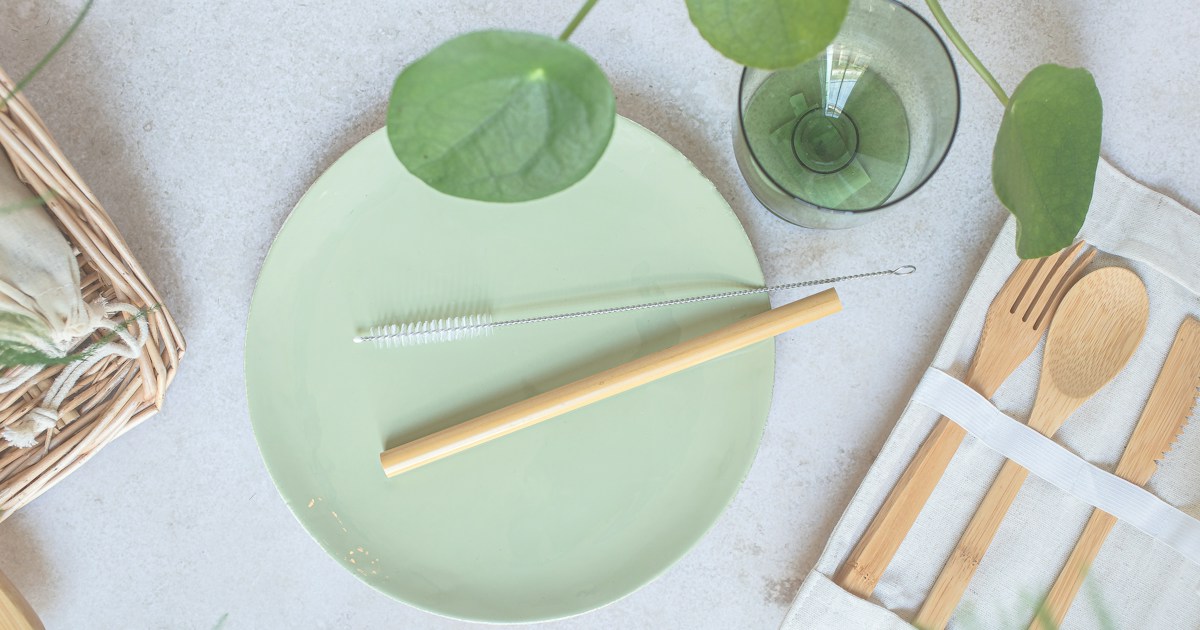
How can I reduce plastic use without spending money?
Use what you already have: jars, ordinary cutlery, backpacks, old towels, ceramic bowls, and secondhand containers. Decline disposable extras and postpone replacement purchases.
Read more about “What Causes My Carbon Footprint? 7 Hidden Culprits Exposed (2026) 🌍”
Should I throw away all my plastic containers?
No. Continue using safe, undamaged products as long as practical. Replace items when they crack, warp, smell persistently, or are unsuitable for their intended use.
Read more about “🌍 50 Plastic Free Day Swaps to Save the Planet (2026)”
Is glass always better than plastic?
No. Glass is reusable and easy to clean, but it is heavier and breakable. A lightweight plastic container used safely for years may have lower transport impacts than repeatedly replacing heavy glass.
Read more about “🌊 10 Proven Ways to Stop Ocean Plastic (2026)”
Are bamboo products plastic free?
Not always. Bamboo fiber products may contain melamine or resin binders, and bamboo toothbrushes may still have nylon bristles. Check the full material specification.
Read more about “🏡 15 Steps to Build the Ultimate Green Home (2026)”
Are compostable bags better than plastic bags?
Only when they are used in a system that accepts and processes them. Many compostable products require commercial facilities and can contaminate recycling or home compost.
Read more about “🚫 Plastic-Free Meaning: The Truth Behind the Label (2026)”
How do I reduce plastic packaging when shopping online?
Buy fewer, consolidated orders; choose local pickup; request paper packaging; avoid unnecessary returns; and buy used or locally when possible.
Read more about “My Plastic Free Home: 15 Game-Changing Swaps for 2026 🌿”
Can plastic-free living improve my diet?
It can encourage cooking with basic ingredients and reduce some convenience packaging, but packaging type does not determine nutritional quality. Keep food safety, affordability, allergies, and access central.
Read more about “🌱 How Can I Live Sustainable? Your 2026 Guide to Imperfect Action”
What should I do with plastic film?
Do not place it in curbside recycling unless your local program specifically accepts it. Look for retail film collection or reuse it safely when appropriate. Verify the program’s current rules.
Read more about “25 Proven Ways to Create a Plastic Free Environment in 2026 🌿”
How can I explain plastic-free choices to friends and family?
Explain your reason without judging theirs: “I am trying to reduce disposables, so I brought my own container.” Invite participation, but accept that access and priorities differ.
Read more about “🌱 Launch a Mini Campaign to Promote Sustainable Living (2026)”
What is the single best plastic-free swap?
For many households, it is replacing routinely purchased bottled drinks with tap water in a bottle, provided the water is safe and accessible. For others, the biggest opportunity may be takeout packaging, delivery, or disposable diapers and wipes.
Reference Links
- U.S. Environmental Protection Agency: Recycling and Waste Reduction
- EPA National Recycling Strategy
- World Health Organization: Microplastics in Drinking-Water
- National Institute of Environmental Health Sciences: Endocrine Disruptors
- U.S. Food and Drug Administration: Food Packaging and Food Contact Substances
- NOAA: Marine Debris and Wildlife
- OECD: Global Plastics Outlook
- International Energy Agency: The Future of Petrochemicals
- UN Environment Programme: Beat Plastic Pollution
- UNEP Global Plastics Treaty Process
- Federal Trade Commission: Green Guides
- How2Recycle Label Guidance
- Biodegradable Products Institute
- Plastic Free July
- My Plastic-Free Life: 100 Practical Steps
- Life Without Plastic
- Ridwell Hard-to-Recycle Collection
- Guppyfriend Textile Microfiber Filter
- Environmental Protection Agency: Environmental Justice
- Centers for Disease Control and Prevention: Toxoplasmosis
- Transportation Security Administration: What Can I Bring?