Support our educational content for free when you purchase through links on our site. Learn more
🌍 Environmental Impact of Pollution: 30 Impacts Explained

The Environmental Impact of Pollution reaches far beyond dirty air or littered streets: it reshapes climate, water quality, soil fertility, biodiversity, food systems, and human health. Our clearest recommendation is to focus first on preventing pollution at its source, then use monitoring, regulation, cleanup, and restoration to reduce the damage already underway.
Pollution moves. A nitrogen compound released from a farm can travel through a river into a coastal dead zone; smoke from a distant wildfire can turn a sunny afternoon hazy hundreds of miles away. The UNEP identifies pollution as a major threat to both ecosystems and planetary health.
We’ve seen this connection in miniature after heavy rain: a storm drain carries oil sheen, lawn fertilizer, road grit, and plastic fragments into a creek, where the mixture becomes someone else’s drinking-water, wildlife, and cleanup problem. The mess rarely stays in the place where it started.
The encouraging bit? Pollution is not an unbeatable force of nature. Cleaner energy, better wastewater treatment, safer chemicals, protected wetlands, thoughtful farming, strong environmental laws, and everyday choices can all reduce exposure and help ecosystems recover.
Key Takeaways
- Pollution affects interconnected systems: air, water, soil, climate, wildlife, food supplies, and human health.
- Air pollution is a leading environmental health risk, with fine particles linked to respiratory and cardiovascular disease, according to the World Health Organization.
- Water, soil, and plastic pollution travel through food webs, creating risks such as bioaccumulation and biomagnification.
- Pollution and climate change reinforce each other through shared sources such as fossil-fuel combustion, agriculture, and deforestation.
- Biodiversity suffers through toxicity, habitat degradation, reproductive disruption, noise, artificial light, and changing food webs.
- Environmental justice matters: communities near highways, industrial sites, ports, landfills, and contaminated land may face disproportionate exposure.
- Prevention usually beats cleanup. Reducing emissions, waste, chemical use, and nutrient runoff is generally more effective than trying to remove pollutants later.
- Individual action helps, but system-level solutions matter most: clean energy, public transit, circular product design, effective regulation, monitoring, and ecosystem restoration can deliver broader benefits.
- Recovery is possible when pollution sources are reduced and cleanup, restoration, and long-term monitoring continue.
Table of Contents
- ⚡️ Quick Tips and Facts About the Environmental Impact of Pollution
- 🌍 What Is Environmental Pollution? Key Definitions and Scope
- 📜 From Industrial Revolution to Climate Crisis: A Brief History of Pollution
- 🔬 How Pollution Moves Through Air, Water, Soil, and Food Webs
- 🧪 Major Types of Environmental Pollution
- 1. Air Pollution and Atmospheric Contamination
- 2. Water Pollution in Rivers, Lakes, Oceans, and Groundwater
- 3. Soil and Land Pollution
- 4. Plastic Pollution and Microplastics
- 5. Noise Pollution and Soundscape Disruption
- 6. Light Pollution and Artificial Night Lighting
- 7. Thermal Pollution and Rising Water Temperatures
- 8. Radioactive Pollution and Nuclear Contamination
- 9. Agricultural Pollution and Nutrient Runoff
- 10. Industrial Pollution and Hazardous Chemical Waste
- 11. Indoor Air Pollution and Household Contaminants
- 🏭 The Main Sources and Causes of Environmental Pollution
- Fossil Fuels, Power Generation, and Transportation Emissions
- Factories, Mining, Construction, and Manufacturing
- Agriculture, Livestock, Fertilizers, and Pesticides
- Waste Disposal, Landfills, Sewage, and Open Burning
- Urbanization, Population Growth, and Unsustainable Consumption
- 🌫️ Air Pollution’s Environmental Impact
- Particulate Matter, Smog, Ozone, and Acid Rain
- Greenhouse Gas Emissions and Global Warming
- Atmospheric Nitrogen and Sulfur Deposition and Impacts on Ecosystems
- Wildfire Smoke, Dust, and Long-Range Air Pollution
- 💧 Water Pollution: Environmental Damage Beneath the Surface
- Eutrophication, Algal Bloms, and Oxygen-Depleted Dead Zones
- Oil Spills, Heavy Metals, Pharmaceuticals, and Toxic Chemicals
- Sewage, Pathogens, and Untreated Wastewater
- Ocean Acidification, Marine Debris, and Coastal Pollution
- Groundwater Contamination and Drinking-Water Security
- 🌱 Soil Pollution, Land Degradation, and Food-System Risks
- Pesticide Residues and Persistent Organic Pollutants
- Heavy Metals, Industrial Chemicals, and Soil Toxicity
- Landfills, Electronic Waste, and Hazardous Waste Sites
- Soil Microbes, Crop Health, and Agricultural Productivity
- 🌳 Pollution’s Effects on Biodiversity and Ecosystem Services
- Habitat Loss, Species Decline, and Ecosystem Collapse
- Bioaccumulation, Biomagnification, and Food-Web Disruption
- Pollinator Decline and Threats to Wildlife
- Forests, Wetlands, Grasslands, and Freshwater Ecosystems
- Coral Refs, Fisheries, and Marine Life
- ⚡ Energy Use and the Impacts on Ecosystems and the Environment
- Coal, Oil, and Natural Gas Pollution
- Renewable Energy Environmental Trade-Offs
- Mining Critical Minerals and Resource Extraction
- Energy Efficiency, Electrification, and Cleaner Alternatives
- 🫁 Environmental Pollution and Human Health
- Respiratory and Cardiovascular Disease
- Cancer, Neurotoxicity, and Hormone Disruption
- Pregnancy, Childhood Development, and Reproductive Health
- Infectious Disease, Antibiotic Resistance, and Waterborne Illness
- Environmental Justice and Pollution Exposure Inequality
- 🌡️ Pollution, Climate Change, and Extreme Weather
- The Relationship Between Air Pollution and Climate Change
- Heat Waves, Flooding, Drought, and Wildfires
- Climate Feedback Lops and Tipping Risks
- Short-Lived Climate Pollutants: Methane and Black Carbon
- 💰 Economic and Social Costs of Pollution
- Healthcare Costs, Lost Productivity, and Premature Deaths
- Agriculture, Fisheries, Tourism, and Local Livelihoods
- Property Damage, Infrastructure, and Disaster Recovery
- Poverty, Displacement, and Community Resilience
- ⚖️ Environmental Regulations, Monitoring, and Accountability
- Air Quality Standards and Emissions Controls
- Clean Water, Waste Management, and Chemical Safety Laws
- The Role of the EPA, WHO, UNEP, and Local Governments
- Corporate Responsibility, Polluter Pays, and Greenwashing
- 🧰 Science Tools for Measuring Pollution and Ecosystem Health
- Air Quality Indexes, Sensors, Satellites, and Remote Monitoring
- Water Testing, Biomonitoring, and Environmental DNA
- Soil Sampling, Toxicology, and Risk Assessment
- Life-Cycle Assessment and Carbon Footprinting
- How to Read Environmental Data Without Getting Hoodwinked
- ✅ Proven Strategies to Prevent and Reduce Pollution
- Clean Energy, Public Transit, and Low-Emission Transportation
- Circular Economy, Reuse, Repair, and Responsible Recycling
- Sustainable Agriculture and Nature-Based Solutions
- Wastewater Treatment and Industrial Pollution Controls
- Reforestation, Wetland Restoration, and Ecosystem Recovery
- 🏠 What Individuals and Households Can Do
- Reducing Household Energy Use and Indoor Air Pollution
- Cuting Plastic Waste and Choosing Safer Products
- Grener Food, Water, Travel, and Shopping Habits
- Community Science, Advocacy, and Local Environmental Action
- 🌎 Global Pollution Hotspots and Environmental Success Stories
- Cities Tackling Smog and Transportation Emissions
- Rivers, Lakes, and Oceans Showing Signs of Recovery
- Successful International Environmental Agreements
- What Works, What Fails, and Why Implementation Matters
- 🔭 The Future of Pollution Control and Planetary Health
- Artificial Intelligence, Sensors, and Predictive Environmental Monitoring
- Clean Technology, Green Chemistry, and Safer Materials
- Restoration Ecology and Pollution-Resilient Communities
- 🎯 Quick Action Plan: 30 Practical Ways to Reduce Pollution
- ❌ Common Pollution Myths, Mistakes, and Misleading Claims
- Conclusion
- 🔗 Recommended Links
- ❓ FAQ About the Environmental Impact of Pollution
- What is the biggest environmental impact of pollution?
- How does pollution affect ecosystems and biodiversity?
- What type of pollution is most harmful to human health?
- How does pollution contribute to climate change?
- Can polluted ecosystems recover?
- How can individuals reduce their environmental impact?
- 📚 Reference Links
Quick Tips and Facts About the Environmental Impact of Pollution
Pollution is not one problem wearing several hats. It is a connected system affecting air, water, soil, climate, wildlife, food supplies, and human health. The World Health Organization links ambient and household air pollution with millions of premature deaths annually, while the UNEP describes pollution as a major threat to ecosystems and planetary health.
The fast facts worth remembering
| Pollution fact | Why it matters |
|---|---|
| Air pollution is a major global health risk | Fine particles can enter the lungs and bloodstream, increasing respiratory and cardiovascular risks. |
| Pollution travels | Nitrogen, sulfur, mercury, smoke, and microplastics can move far from their original source. |
| Water pollution becomes food pollution | Contaminants can accumulate in fish, crops, livestock, and drinking-water supplies. |
| Soil is a living system | Pesticides, heavy metals, petroleum, and excess nutrients can damage soil organisms and reduce fertility. |
| Pollution and climate change reinforce each other | Fossil-fuel combustion creates both greenhouse gases and conventional air pollutants. |
| Wildlife can be harmed before obvious die-offs occur | Pollution may disrupt reproduction, behavior, immune function, migration, and food webs. |
| Prevention usually beats cleanup | Once pollutants enter groundwater, sediments, or food chains, removal becomes technically difficult and expensive. |
Five practical moves you can make today 🌿
- Check local air quality before exercising outdoors on smoky or high-ozone days using AirNow.
- Never burn household trash, especially plastics, batteries, treated wood, or electronics.
- Keep chemicals out of drains. Paint, motor oil, solvents, and pesticides belong at approved collection sites.
- Reduce unnecessary single-use plastic, particularly food packaging and bottled water where safe tap water is available.
- Choose lower-pollution transportation: walking, cycling, public transit, carpooling, and efficient vehicles all help reduce combustion emissions. Our Carbon Footprint Reduction category has more practical ideas.
A note about dramatic pollution statistics
The featured educational video presents memorable claims about freshwater, air-pollution deaths, forest loss, the Great Smog of London, and topsoil erosion. It is useful as a broad introduction, but several figures depend on definitions, dates, and methodology. For example, “freshwater” can mean all freshwater reserves, while “accessible freshwater” is a much smaller fraction. We recommend using the video’s message as a launchpad and checking exact figures against sources such as the United Nations, WHO, and FAO.
What Is Environmental Pollution? Key Definitions and Scope
Environmental pollution is the introduction of substances, energy, organisms, or conditions into the environment at levels that cause harm or create unacceptable risk.
That definition includes more than smoke stacks and oily puddles. Pollution may involve:
- Chemical contaminants, such as lead, mercury, pesticides, solvents, and PFAS.
- Particles and gases, including PM₂.₅, nitrogen dioxide, sulfur dioxide, ozone, and carbon monoxide.
- Nutrients, especially nitrogen and phosphorus from fertilizer, manure, and wastewater.
- Biological contaminants, including pathogens and invasive organisms.
- Physical pollution, such as plastic debris, sediment, heat, noise, and artificial light.
- Radioactive materials, from medical, industrial, mining, and nuclear activities.
The U.S. Environmental Protection Agency and European Environment Agency emphasize that pollution must be assessed through exposure, dose, duration, toxicity, and ecological sensitivity. A substance is not equally harmful in every setting. Salt, for example, is harmless in a kitchen shaker but damaging to freshwater organisms when road-salt runoff raises stream salinity.
Pollution versus contamination
These words overlap, but they are not identical:
- Contamination means an unwanted substance is present.
- Pollution generally means that presence creates, or may create, harm.
- Hazard describes the potential to cause harm.
- Risk combines hazard with exposure.
A sealed container of mercury in a regulated laboratory presents a hazard. Mercury released into a river where fish absorb it presents an environmental risk. That distinction helps explain why scientists do not judge pollutants by scary-sounding names alone.
The pollution pathway
Most pollution problems can be understood using five questions:
- What is the source?
- How does the pollutant travel?
- Where does it accumulate?
- Who or what is exposed?
- What biological or ecological effect follows?
For example:
A coal-fired power plant emits mercury → wind transports it → rainfall deposits it into a lake → microorganisms convert it into methylmercury → fish accumulate it → wildlife and people ingest it.
The original smokestack is only the first chapter. The fish dinner is where the plot becomes personal.
From Industrial Revolution to Climate Crisis: A Brief History of Pollution
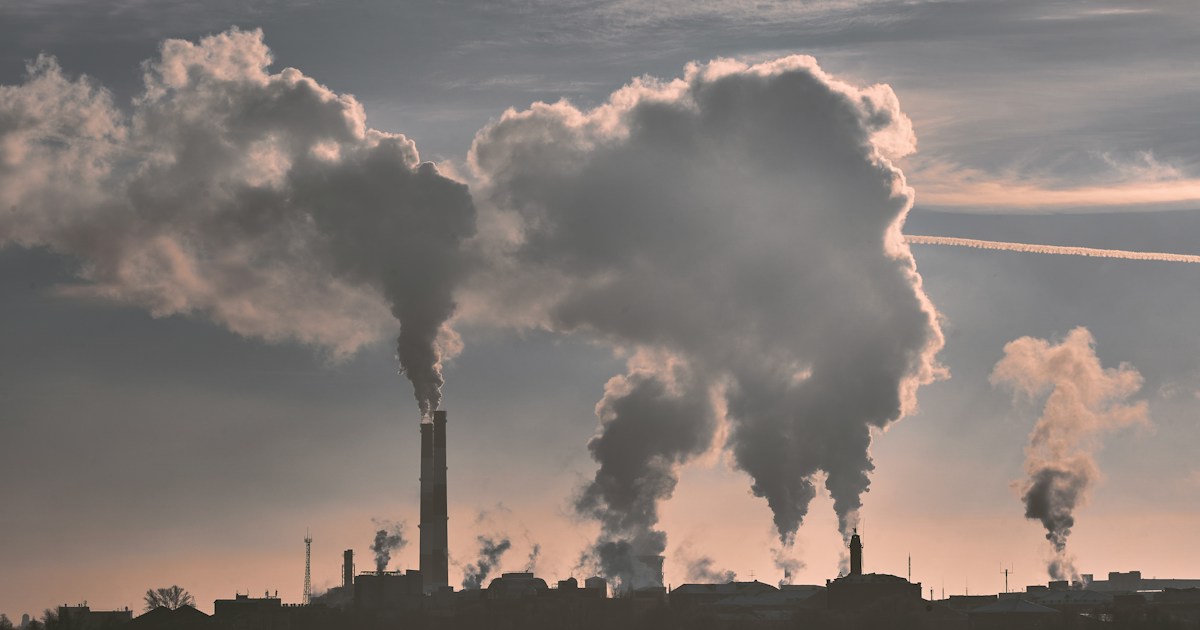
Pollution is ancient. Ancient cities struggled with smoke, sewage, metalworking fumes, and contaminated wells. The scale changed dramatically with industrialization.
A short timeline
| Period | Major development | Environmental consequence |
|---|---|---|
| Preindustrial societies | Metalworking, wood burning, sewage accumulation | Local air, soil, and water contamination |
| 18th–19th centuries | Coal-powered industry and dense cities | Smog, acid-forming emissions, polluted rivers |
| Early 20th century | Mass automobile production and chemical manufacturing | Leaded gasoline, industrial solvents, synthetic pesticides |
| Mid-20th century | Plastics, fossil-fuel expansion, intensive agriculture | Persistent chemicals, nutrient runoff, widespread waste |
| 1950s–1970s | Smog crises and visible ecological damage | Modern environmental movements and pollution laws |
| Late 20th century | Globalized manufacturing and electronics | E-waste, transboundary pollution, persistent organic pollutants |
| 21st century | Climate change, microplastics, PFAS, wildfire smoke | Multi-system pollution and planetary-scale exposure |
The Great Smog of London in 1952 helped drive stronger clean-air regulation after thousands of excess deaths were associated with the event. The UK Parliament describes how public pressure and scientific evidence contributed to the Clean Air Act of 1956.
Why pollution is now harder to see
Earlier pollution often announced itself with black smoke or dead fish. Modern pollution can be invisible:
- PM₂.₅ is too small to see clearly.
- PFAS can persist for years without changing water’s appearance.
- Excess nitrogen may first appear as a gradual shift in plant communities.
- Noise and light pollution leave no chemical residue but still alter animal behavior.
- Carbon dioxide is invisible and odorless, yet changes climate systems.
That invisibility creates a dangerous psychological trap: if you cannot see the pollutant, you may assume nothing is happening.
How Pollution Moves Through Air, Water, Soil, and Food Webs
Pollution rarely stays where it starts. Environmental scientists track four major transport processes.
1. Atmospheric transport
Wind carries gases, particles, smoke, and volatile chemicals. Pollutants may travel across cities, national borders, and oceans. Rain and snow remove some airborne pollution through wet deposition, while particles and gases settle directly through dry deposition.
The EPA’s ecosystem research describes sulfur and nitrogen deposition as a “major stressor to natural ecosystems.” This matters because an emission released in one region may acidify lakes or alter forests elsewhere.
2. Water transport
Rivers, stormwater, groundwater, tides, and ocean currents move:
- Fertilizer nutrients
- Sewage organisms
- Industrial chemicals
- Sediment
- Oil
- Plastic fragments
- Pharmaceutical residues
A farm field may be miles from a coastal dead zone, but runoff can connect the two.
3. Soil storage and remobilization
Soil may temporarily trap pollutants, but changes in pH, moisture, flooding, fire, or construction can remobilize them. Heavy metals can bind to soil particles, then enter crops or waterways through erosion.
4. Food-web transfer
Some pollutants become more concentrated as they move up a food chain. This is called biomagnification.
| Stage | Example |
|---|---|
| Water | Trace mercury enters a lake |
| Plankton | Small organisms absorb methylmercury |
| Small fish | Eat many contaminated plankton |
| Large fish | Eat many small fish |
| Wildlife or people | Eat larger fish and receive the highest dietary exposure |
This is why advisories for large predatory fish such as tuna, swordfish, and some freshwater species exist. The FDA and EPA fish advice explains how to choose lower-mercury seafood.
Major Types of Environmental Pollution
Pollution categories overlap. A highway creates air pollution, noise, tire particles, stormwater runoff, and greenhouse-gas emissions. A landfill can produce methane, leachate, odors, microplastics, and contaminated groundwater.
1. Air Pollution and Atmospheric Contamination
Air pollution includes gases, particles, aerosols, smoke, and biological materials suspended in the atmosphere.
Key pollutants include:
- PM₂.₅ and PM₁₀
- Ground-level ozone
- Nitrogen oxides
- Sulfur dioxide
- Carbon monoxide
- Volatile organic compounds
- Black carbon
- Amonia
- Mercury and other metals
The WHO air-quality guidelines identify particulate matter as especially concerning because fine particles can penetrate deep into the respiratory system.
2. Water Pollution in Rivers, Lakes, Oceans, and Groundwater
Water pollution occurs when physical, chemical, or biological contaminants degrade water quality.
Common sources include:
- Untreated sewage
- Industrial discharge
- Agricultural runoff
- Oil spills
- Mining drainage
- Urban stormwater
- Landfill leachate
- Pharmaceuticals and personal-care products
- Plastic debris and microplastics
Water may look clear and still contain pathogens, dissolved chemicals, or excess nutrients. Clarity is not a laboratory test, sadly.
3. Soil and Land Pollution
Soil pollution affects the physical, chemical, and biological health of land. Pollutants include:
- Pesticides
- Herbicides
- Petroleum products
- Heavy metals
- Industrial solvents
- Persistent organic pollutants
- PFAS
- Plastic fragments
- Excess salts
- Radioactive materials
The FAO reports that soil pollution threatens food production, ecosystem services, and human health.
4. Plastic Pollution and Microplastics
Plastic pollution spans production, use, disposal, and degradation. Larger items can entangle wildlife or cause intestinal blockage. Smaller particles can be eaten by plankton, fish, birds, and mammals.
Plastic also carries additives and can collect pollutants from surrounding water. The UNEP global plastics report recommends reducing unnecessary production and improving reuse and circularity rather than relying on recycling alone.
5. Noise Pollution and Soundscape Disruption
Noise pollution comes from roads, aircraft, shipping, construction, industry, entertainment, and household equipment.
For wildlife, noise can:
- Mask mating calls
- Disrupt feeding
- Alter migration
- Increase stress hormones
- Push animals away from otherwise suitable habitat
The National Park Service treats natural sound as an ecological resource, not merely an aesthetic luxury.
6. Light Pollution and Artificial Night Lighting
Artificial light at night can disrupt:
- Bird migration
- Insect behavior
- Sea turtle navigation
- Bat feeding
- Plant flowering
- Human circadian rhythms
Simple measures such as shielded fixtures, motion sensors, warmer-colored bulbs, and lights switched off when unnecessary can reduce the problem.
7. Thermal Pollution and Rising Water Temperatures
Thermal pollution occurs when human activities change water temperature, often through power-plant cooling water or urban runoff.
Warmer water can:
- Hold less dissolved oxygen
- Stress fish
- Encourage harmful algal blooms
- Alter breeding cycles
- Favor invasive species
- Increase disease risk
8. Radioactive Pollution and Nuclear Contamination
Radioactive pollution can arise from mining, medical waste, industrial sources, accidents, improper disposal, and naturally occurring radionuclides. Risk depends on the isotope, dose, exposure route, and duration.
The International Atomic Energy Agency provides guidance on radiation protection, monitoring, and safe management.
9. Agricultural Pollution and Nutrient Runoff
Agriculture can contribute ammonia, nitrate, phosphate, pesticides, sediment, pathogens, methane, and nitrous oxide.
The best solutions are often practical rather than glamorous:
- Precise fertilizer application
- Cover crops
- Riparian buffer strips
- Improved manure storage
- Wetland restoration
- Reduced soil disturbance
- Integrated pest management
10. Industrial Pollution and Hazardous Chemical Waste
Industrial contamination may involve solvents, dyes, metals, PFAS, petroleum, dioxins, PCBs, and combustion products.
Good industrial pollution control follows a hierarchy:
- Eliminate hazardous inputs where possible.
- Substitute safer materials.
- Capture emissions.
- Treat wastewater.
- Monitor releases.
- Remediate contaminated sites.
- Protect workers and nearby communities.
11. Indoor Air Pollution and Household Contaminants
Indoor pollution can come from cooking fuels, tobacco smoke, mold, radon, cleaning products, furnishings, fragrances, pesticides, and outdoor pollution entering buildings.
The EPA indoor-air guide recommends source control, ventilation, and filtration as the main protection strategies.
The Main Sources and Causes of Environmental Pollution
Fossil Fuels, Power Generation, and Transportation Emissions
Burning coal, oil, and gas releases:
- Carbon dioxide
- Nitrogen oxides
- Sulfur dioxide
- Fine particles
- Mercury
- Volatile organic compounds
- Methane during extraction and transport
Road transportation also produces brake and tire particles. Electric vehicles eliminate tailpipe emissions, but they do not eliminate road dust, tire wear, electricity-generation impacts, or mining requirements.
Factories, Mining, Construction, and Manufacturing
Mining can create:
- Acid mine drainage
- Heavy-metal contamination
- Sediment runoff
- Habitat loss
- Dust
- Tailings failures
Construction adds dust, noise, sediment, fuel spills, and demolition waste. Manufacturing may release chemical pollutants unless controls capture and treat them.
Agriculture, Livestock, Fertilizers, and Pesticides
Agricultural pollution is not simply “farmers causing pollution.” It reflects a complex system involving food demand, farm economics, fertilizer practices, animal density, climate, regulation, and supply chains.
Amonia from livestock housing, manure, slurry, and fertilizer can contribute substantially to nitrogen deposition. Northern Ireland’s DAERA states that ammonia is “by far the biggest contributor to nitrogen deposition” in its sensitive natural sites.
Waste Disposal, Landfills, Sewage, and Open Burning
Waste-related pollution includes:
- Methane from decomposing organic material
- Leachate from landfills
- Microplastics
- Pathogens
- Heavy metals
- Dioxins and PAHs from open burning
- Electronics chemicals
- Pharmaceutical residues
Open burning is especially harmful because it often occurs without filters or temperature controls. Burning PVC, for example, can generate hazardous chlorine-containing compounds.
Urbanization, Population Growth, and Unsustainable Consumption
More people do not automatically mean more pollution. Infrastructure and consumption patterns matter enormously.
A compact city with clean electricity, efficient public transit, wastewater treatment, and strong waste collection may have lower per-person pollution than a sprawling region dependent on cars and uncontrolled burning.
Consumption decisions shape upstream pollution through:
- Mining
- Manufacturing
- Packaging
- Shipping
- Refrigeration
- Food waste
- Disposal
Air Pollution’s Environmental Impact
Particulate Matter, Smog, Ozone, and Acid Rain
Fine particles
PM₂.₅ can come from:
- Vehicle exhaust
- Wood burning
- Coal combustion
- Wildfires
- Industrial processes
- Construction dust
- Agricultural activity
- Secondary chemical reactions in the atmosphere
Particles can reduce visibility, settle on leaves, affect photosynthesis, and enter soil and water.
Ground-level ozone
Ground-level ozone is not emitted directly. It forms when nitrogen oxides and volatile organic compounds react in sunlight.
Ozone can:
- Damage leaf tissue
- Reduce photosynthesis
- Slow tree growth
- Lower crop yields
- Increase vulnerability to drought, pests, and disease
The EPA notes that ozone damages tree leaves and degrades scenic vistas in protected natural areas.
Acid deposition
Sulfur dioxide and nitrogen oxides can form acids in the atmosphere. Acid deposition may:
- Acidify lakes and streams
- Leach nutrients from soils
- Mobilize toxic aluminum
- Damage tree roots
- Reduce aquatic biodiversity
Wildfire smoke
Wildfire smoke contains fine particles, carbon monoxide, volatile organic compounds, and other irritants. Smoke can travel hundreds or thousands of miles, affecting communities far from the fire.
Atmospheric Nitrogen and Sulfur Deposition and Impacts on Ecosystems
Nitrogen is essential for life, but too much nitrogen in the wrong place changes ecosystems.
Dry and wet deposition
- Dry deposition: gases and particles settle directly onto vegetation, soil, water, and buildings.
- Wet deposition: pollutants dissolve in rain, snow, fog, or cloud water.
Atmospheric nitrogen can come from:
- Livestock and fertilizer ammonia
- Vehicle and power-plant nitrogen oxides
- Industrial combustion
- Waste treatment
- Wildfires
Eutrophication and biodiversity loss
Excess nitrogen can favor fast-growing plants while disadvantaging species adapted to nutrient-por habitats. This can reduce plant diversity and alter insects, birds, and soil organisms.
In water, nitrogen and phosphorus may fuel algal blooms. When algae die and decompose, microbes consume oxygen, creating hypoxic or anoxic zones.
Critical loads and critical levels
A critical load is the amount of pollutant deposition below which harmful ecological effects are not expected, based on current scientific knowledge.
A critical level usually refers to an atmospheric concentration above which direct effects may occur.
These are not magic lines between “safe” and “unsafe.” They are evidence-based tools for comparing pollution with the sensitivity of particular ecosystems.
Wildfires, Dust, and Long-Range Air Pollution
Wildfires are both pollution sources and climate-linked hazards. Hoter, drier conditions can increase fire risk, while smoke worsens air quality and can deposit nutrients or toxic compounds far away.
Dust storms also transport minerals, pathogens, metals, and agricultural chemicals. In some ecosystems, dust supplies nutrients; in others, it adds harmful contaminants. Environmental science, annoyingly but honestly, often answers “it depends.”
Water Pollution: Environmental Damage Beneath the Surface
Eutrophication, Algal Bloms, and Oxygen-Depleted Dead Zones
The eutrophication sequence typically looks like this:
- Fertilizer, manure, or sewage adds nitrogen and phosphorus.
- Algae and aquatic plants grow rapidly.
- Dense blooms block light.
- Algae die and decompose.
- Microbial decomposition consumes dissolved oxygen.
- Fish and invertebrates suffocate or flee.
- Food webs and fisheries decline.
The NOAA National Centers for Coastal Ocean Science and NOAA eutrophication resources document how nutrient pollution contributes to coastal hypoxia.
Oil Spills, Heavy Metals, Pharmaceuticals, and Toxic Chemicals
Oil
Oil coats feathers, fur, shorelines, and plant tissues. It can interfere with insulation, buoyancy, feeding, reproduction, and oxygen exchange.
Heavy metals
Lead, mercury, cadmium, arsenic, and chromium can persist in sediments and accumulate in organisms. Toxicity varies by chemical form and exposure route.
Pharmaceuticals
Wastewater may contain antibiotics, hormones, antidepressants, pain medications, and other biologically active compounds. Conventional treatment removes many contaminants but not always all of them.
PFAS
Per- and polyfluoroalkyl substances are often called “forever chemicals” because many resist environmental breakdown. The EPA PFAS roadmap outlines efforts to regulate, monitor, and reduce exposure.
Sewage, Pathogens, and Untreated Wastewater
Untreated or poorly treated wastewater can introduce:
- Bacteria
- Viruses
- Parasites
- Excess nutrients
- Pharmaceutical residues
- Microplastics
- Organic matter that depletes oxygen
Safe sanitation is among the most effective public-health interventions ever developed. The WHO sanitation fact sheet connects inadequate sanitation with infectious disease and environmental contamination.
Ocean Acidification, Marine Debris, and Coastal Pollution
When oceans absorb excess carbon dioxide, seawater chemistry shifts and pH declines. This makes it harder for some corals, shellfish, and plankton to build calcium-carbonate structures.
Marine debris harms wildlife through:
- Entanglement
- Ingestion
- Habitat smothering
- Transport of invasive species
- Chemical exposure
For practical steps and ecosystem context, visit our Ocean Conservation guide.
Groundwater Contamination and Drinking-Water Security
Groundwater can be polluted by:
- Leaking underground tanks
- Septic systems
- Industrial solvents
- Fertilizer nitrate
- Landfill leachate
- Mining
- Road salt
- PFAS
- Naturally occurring arsenic and fluoride
Groundwater moves slowly, which means contamination may remain for decades. That slow movement is useful for storage but terrible for cleanup.
Soil Pollution, Land Degradation, and Food-System Risks
Pesticide Residues and Persistent Organic Pollutants
Some pesticides break down quickly; others persist or produce toxic breakdown products. Persistent organic pollutants can travel long distances, accumulate in fatty tissues, and affect reproduction, development, and immune systems.
Integrated pest management can reduce pesticide reliance through:
- Crop rotation
- Pest monitoring
- Biological controls
- Resistant crop varieties
- Targeted application
- Habitat for beneficial insects
Heavy Metals, Industrial Chemicals, and Soil Toxicity
Heavy metals do not biodegrade. Their mobility depends on soil pH, organic matter, moisture, mineral composition, and plant uptake.
Potential pathways include:
- Soil ingestion
- Dust inhalation
- Contaminated crops
- Groundwater movement
- Livestock grazing
- Home gardening
Children may face greater exposure because of hand-to-mouth behavior and developing nervous systems. The Agency for Toxic Substances and Disease Registry provides toxicological profiles for many contaminants.
Landfills, Electronic Waste, and Hazardous Waste Sites
Electronic waste can contain lead, mercury, cadmium, brominated flame retardants, and other chemicals. Informal recycling may expose workers and communities to dust, smoke, and contaminated residues.
✅ Use certified electronics recyclers.
❌ Do not burn wires, circuit boards, or plastic casings.
✅ Remove batteries and follow local collection rules.
❌ Do not place lithium-ion batteries loose in household trash.
The Basel Convention addresses transboundary movements and disposal of hazardous wastes.
Soil Microbes, Crop Health, and Agricultural Productivity
Healthy soil contains bacteria, fungi, nematodes, earthworms, and other organisms that:
- Cycle nutrients
- Build soil structure
- Decompose organic matter
- Support plant roots
- Store carbon
- Suppress some diseases
Pollution can reduce microbial diversity, impair enzyme activity, and make crops more vulnerable to drought and pathogens.
Pollution’s Effects on Biodiversity and Ecosystem Services
Habitat Loss, Species Decline, and Ecosystem Collapse
Pollution can reduce biodiversity through:
- Direct toxicity
- Reproductive failure
- Food shortages
- Habitat degradation
- Disease susceptibility
- Behavioral changes
- Competition shifts
- Genetic damage
The Intergovernmental Science-Policy Platform on Biodiversity and Ecosystem Services identifies pollution as one of the major direct drivers of biodiversity loss.
Bioaccumulation, Biomagnification, and Food-Web Disruption
Bioaccumulation occurs when an organism absorbs a pollutant faster than it can eliminate it.
Biomagnification occurs when pollutant concentrations increase at higher trophic levels.
A contaminated insect may affect a bird; contaminated fish may affect oters, eagles, seals, or people. These are not isolated victims. They are connected nodes in one ecological network.
Pollinator Decline and Threats to Wildlife
Pollinators face pressure from:
- Insecticides
- Habitat fragmentation
- Air pollution
- Pesticide mixtures
- Disease
- Climate stress
- Light pollution
Air pollutants may interfere with floral scents, making it harder for insects to locate plants. Neonicotinoid pesticides can affect navigation, feeding, reproduction, and colony health, although risks vary by compound and exposure.
Forests, Wetlands, Grasslands, and Freshwater Ecosystems
Forests
Ozone, acid deposition, nitrogen imbalance, smoke, and metals can weaken trees.
Wetlands
Wetlands filter water and store carbon, but nutrient overload, pesticides, metals, and drainage reduce those services.
Grasslands
Excess nitrogen may favor a few competitive grasses while reducing wildflowers and insect diversity.
Freshwater ecosystems
Freshwater organisms are sensitive to temperature, oxygen, acidity, salinity, nutrients, and toxic chemicals. Small changes can ripple through entire food webs.
Coral Refs, Fisheries, and Marine Life
Coral reefs are pressured by warming, acidification, sediment, sewage, plastics, oil, and fishing impacts. Pollution can increase disease and reduce coral resilience.
Fisheries may decline when pollution:
- Destroys nursery habitat
- Reduces oxygen
- Contaminates seafood
- Alters plankton communities
- Disrupts reproduction
- Increases harmful algal blooms
Our Biodiversity Conservation resources explore habitat protection and restoration.
Energy Use and the Impacts on Ecosystems and the Environment
Coal, Oil, and Natural Gas Pollution
Fossil fuels affect the environment from extraction to combustion.
| Stage | Common environmental impacts |
|---|---|
| Extraction | Habitat loss, methane leakage, spills, water use |
| Processing | Wastewater, volatile chemicals, particulate emissions |
| Transport | Pipeline leaks, tanker spills, rail emissions |
| Combustion | CO₂, NOₓ, SO₂, PM, mercury, ash |
| Disposal | Coal ash, contaminated water, abandoned wells |
Renewable Energy Environmental Trade-Offs
Renewable energy generally produces much lower operational greenhouse-gas emissions than fossil fuels, but it is not impact-free.
Potential concerns include:
- Land use
- Bird and bat collisions
- Mining for minerals
- Hydropower barriers
- Solar-panel waste
- Wind-turbine materials
- Transmission-line corridors
The International Energy Agency and IPCC evaluate technologies across life-cycle emissions rather than only at the point of operation.
Mining Critical Minerals and Resource Extraction
Batteries, turbines, solar panels, electronics, and power networks require minerals. Responsible sourcing should include:
- Reduced habitat destruction
- Water protection
- Worker safety
- Indigenous rights
- Traceable supply chains
- Recycling and recovery
- Strong closure and remediation plans
Energy Efficiency, Electrification, and Cleaner Alternatives
The lowest-impact energy is often the energy we do not need to generate.
High-value actions include:
- Improve building insulation.
- Use efficient heat pumps.
- Electrify transport where practical.
- Decarbonize electricity.
- Reduce methane leakage.
- Expand clean public transit.
- Improve industrial efficiency.
- Design products for repair and reuse.
EPA energy-planning tools such as COMET and GLIMPSE help communities compare environmental and economic trade-offs.
Environmental Pollution and Human Health
The peer-reviewed review Environmental pollutants and their effects on human health describes pollution exposure through inhalation, ingestion, and skin contact. Its authors reviewed more than 350 studies and included 139 after applying selection criteria.
The central message is blunt: pollution is a major preventable determinant of disease, disability, and premature death.
Respiratory and Cardiovascular Disease
PM₂.₅, ozone, nitrogen dioxide, sulfur dioxide, smoke, and household combustion products can irritate airways and promote inflammation.
Potential outcomes include:
- Asthma aggravation
- Bronchitis
- COPD
- Pneumonia
- Reduced lung function
- Heart attack
- Stroke
- Arrhythmia
- Heart failure
Fine particles can cross from the lungs into circulation, where they may contribute to oxidative stress, endothelial dysfunction, blood-cloting changes, and inflammation.
Cancer, Neurotoxicity, and Hormone Disruption
Pollutants linked with carcinogenic or toxic effects include:
- Arsenic
- Benzene
- PAHs
- Asbestos
- Certain pesticides
- Radon
- Formaldehyde
- Some PFAS
- Lead
- Chromium compounds
Neurotoxic pollutants include lead, methylmercury, manganese, solvents, and some pesticides. Children and fetuses may be particularly sensitive because their brains and organs are developing.
Endocrine-disrupting chemicals can interfere with hormone signaling. BPA, phthalates, some flame retardants, and PFAS are being studied for reproductive, metabolic, developmental, and immune effects.
Pregnancy, Childhood Development, and Reproductive Health
Pregnancy and childhood are sensitive windows because exposure can affect:
- Placental function
- Fetal growth
- Birth weight
- Brain development
- Lung development
- Hormone systems
- Immune development
- Reproductive organs
Risk is not determined by one exposure alone. Dose, timing, mixtures, genetics, nutrition, occupation, housing, and healthcare all matter.
Practical protections include:
- Avoiding tobacco smoke
- Testing for radon
- Washing produce
- Following fish advisories
- Ventilating during cleaning
- Using protective equipment around pesticides
- Avoiding heating food in unsuitable plastic
- Keeping children away from peeling lead paint and contaminated soil
Infectious Disease, Antibiotic Resistance, and Waterborne Illness
Polluted water can spread pathogens and increase gastrointestinal disease. Wastewater and agricultural runoff may also contribute to antibiotic-resistant organisms and resistance genes.
The solution is not simply “take stronger antibiotics.” It includes sanitation, clean water, responsible prescribing, infection prevention, and better wastewater management.
Environmental Justice and Pollution Exposure Inequality
Pollution exposure is often unequal. Communities near highways, refineries, ports, landfills, industrial facilities, and contaminated sites may face higher risks.
Environmental justice asks:
- Who receives the economic benefits?
- Who bears the pollution burden?
- Who gets consulted?
- Who has access to monitoring data?
- Who pays for cleanup?
- Who is protected when standards are revised?
The EPA environmental justice resources and UNEP pollution work emphasize participation, accountability, and equitable protection.
Pollution, Climate Change, and Extreme Weather
The Relationship Between Air Pollution and Climate Change
Climate pollution and conventional air pollution often share sources, especially fossil-fuel combustion.
| Pollutant | Climate or environmental role |
|---|---|
| Carbon dioxide | Long-lived greenhouse gas |
| Methane | Powerful short-lived greenhouse gas |
| Black carbon | Warms atmosphere and darkens snow or ice |
| Ozone | Greenhouse gas and plant toxin near ground level |
| Sulfur dioxide aerosols | Can temporarily reflect sunlight but damage health and ecosystems |
| Nitrous oxide | Greenhouse gas and ozone-related pollutant |
Some air-quality improvements can produce immediate climate benefits, but not every pollutant behaves the same way. Sulfate aerosols can cool the atmosphere while causing acid deposition and respiratory harm. That is why climate policy must consider the full pollutant mixture.
Explore our Climate Change category for the wider connection.
Heat Waves, Flooding, Drought, and Wildfires
Climate change can intensify pollution exposure by:
- Increasing ozone formation during hot weather
- Expanding wildfire seasons
- Concentrating pollutants during drought
- Overwhelming wastewater systems during floods
- Mobilizing contaminated sediments
- Encouraging harmful algal blooms
- Increasing dust
Extreme events can also damage chemical facilities, sewage systems, mines, and fuel infrastructure, creating secondary pollution disasters.
Climate Feedback Lops and Tipping Risks
Pollution can weaken ecosystems that normally buffer climate change. Damaged peatlands may release stored carbon. Deforested watersheds may lose water-regulation capacity. Warmer oceans absorb carbon differently.
These feedbacks do not mean collapse is inevitable. They mean delay makes solutions harder and more expensive.
Short-Lived Climate Pollutants: Methane and Black Carbon
Reducing methane can slow warming relatively quickly because methane remains in the atmosphere for far less time than carbon dioxide.
Black carbon controls can improve health and reduce warming, especially from diesel engines, household biomass burning, and open fires. The Climate and Clean Air Coalition focuses on these short-lived climate pollutants.
Economic and Social Costs of Pollution
Healthcare Costs, Lost Productivity, and Premature Deaths
Pollution costs include:
- Medical treatment
- Missed work and school
- Reduced productivity
- Disability
- Premature death
- Chronic disease management
- Emergency response
These costs are often externalized, meaning a product may appear cheap because communities and public systems absorb the health and cleanup bill.
Agriculture, Fisheries, Tourism, and Local Livelihoods
Pollution can reduce:
- Crop yields
- Soil fertility
- Fish catches
- Shellfish safety
- Forest productivity
- Tourism appeal
- Recreational water access
A polluted lake is not only an ecological loss. It may also mean fewer fishing jobs, fewer visitors, and higher municipal treatment costs.
Property Damage, Infrastructure, and Disaster Recovery
Acid deposition can corode buildings and infrastructure. Flooding can spread industrial contaminants. Road salt damages vehicles, bridges, vegetation, and freshwater systems. Smoke and soot increase cleaning and maintenance demands.
Poverty, Displacement, and Community Resilience
Low-income communities often have fewer resources to relocate, filter indoor air, access medical care, or recover after contamination.
Resilience measures should include:
- Community air monitors
- Emergency clean-water supplies
- Heat shelters
- Pollution alerts in multiple languages
- Local cleanup employment
- Stronger zoning and land-use planning
- Public participation in permit decisions
Environmental Regulations, Monitoring, and Accountability
Air Quality Standards and Emissions Controls
Air standards typically address pollutants with widespread health or ecological effects. Regulatory tools include:
- Emission limits
- Vehicle standards
- Fuel requirements
- Industrial permits
- Continuous monitoring
- Inspection and enforcement
- Regional haze programs
Primary standards generally protect human health, while secondary standards address public welfare, including crops, animals, ecosystems, visibility, and materials.
Clean Water, Waste Management, and Chemical Safety Laws
Effective environmental governance combines:
- Discharge permits
- Drinking-water standards
- Hazardous-waste controls
- Chemical reporting
- Spill response
- Cleanup programs
- Product restrictions
- Worker protection
- Community right-to-know laws
Rules vary across countries, and legal compliance is not identical to ecological safety. A permitted discharge may still require careful monitoring, especially where multiple stressors overlap.
The Role of the EPA, WHO, UNEP, and Local Governments
Global institutions develop guidance and assessments, but local governments often control:
- Waste collection
- Building codes
- Public transportation
- Land-use planning
- Water treatment
- Local monitoring
- Emergency communication
Good policy connects national standards with neighborhood-level data.
Corporate Responsibility, Polluter Pays, and Greenwashing
Corporate environmental claims deserve evidence. Look for:
- Measurable emissions data
- Third-party verification
- Full life-cycle boundaries
- Clear reduction targets
- Progress reporting
- Supply-chain disclosure
- Specific rather than vague claims
“Natural,” “clean,” “non-toxic,” and “eco-friendly” can be marketing language rather than regulated scientific terms. A green leaf on packaging is not a wastewater-treatment plant.
Science Tools for Measuring Pollution and Ecosystem Health
Air Quality Indexes, Sensors, Satellites, and Remote Monitoring
Scientists use:
- Ground monitoring stations
- Portable sensors
- Satellite observations
- Aircraft sampling
- Emission inventories
- Atmospheric models
- Personal exposure monitors
Low-cost sensors can improve neighborhood coverage but may require calibration. The EPA Air Sensor Guidebook explains their strengths and limitations.
Water Testing, Biomonitoring, and Environmental DNA
Water monitoring may measure:
- Temperature
- pH
- Dissolved oxygen
- Conductivity
- Nutrients
- Metals
- Pesticides
- Pathogens
- Microplastics
Biomonitoring examines organisms or tissues for evidence of exposure. Environmental DNA, or eDNA, detects genetic traces left by organisms in water or soil and can help identify species presence.
Soil Sampling, Toxicology, and Risk Assessment
A credible site assessment considers:
- Historical land use.
- Likely contaminants.
- Sampling locations and depths.
- Laboratory methods.
- Exposure pathways.
- Sensitive populations.
- Background concentrations.
- Remediation goals.
One soil sample cannot represent an entire neighborhood. Sampling design matters.
Life-Cycle Assessment and Carbon Footprinting
Life-cycle assessment evaluates impacts from raw-material extraction through manufacturing, transport, use, and disposal.
A product with low factory emissions might have high mining impacts. Another may use more energy during production but last decades. Ask for the functional unit: Are we comparing emissions per item, per year, per meal, or per service delivered?
How to Read Environmental Data Without Getting Hoodwinked
Check:
- Units
- Time period
- Geographic area
- Average versus peak exposure
- Corelation versus causation
- Sample size
- Uncertainty ranges
- Funding sources
- Comparison group
- Whether the result is peer-reviewed
Also watch for unit errors. The health review summarized above includes some figures whose units appear inconsistent with conventional air-pollution reporting. That does not erase the review’s broader evidence, but it is a reminder to verify numbers in the original study before repeating them.
Proven Strategies to Prevent and Reduce Pollution
Clean Energy, Public Transit, and Low-Emission Transportation
The biggest benefits come from systems, not guilt.
Effective measures include:
- Renewable electricity
- Energy-efficient buildings
- Electric buses
- Safe cycling routes
- Walking infrastructure
- Rail investment
- Vehicle-emission controls
- Freight efficiency
- Reduced idling
- Cleaner shipping fuels
Individual electric-car adoption can help, but city design and public transportation often deliver broader benefits.
Circular Economy, Reuse, Repair, and Responsible Recycling
A circular economy aims to keep products and materials useful longer.
Best practices:
- Reduce unnecessary purchasing.
- Choose durable designs.
- Repair before replacing.
- Reuse containers and textiles.
- Share infrequently used equipment.
- Recycle correctly.
- Keep hazardous materials out of general waste.
Recycling is valuable, but it cannot compensate for endless production of disposable goods.
Sustainable Agriculture and Nature-Based Solutions
Useful approaches include:
- Cover crops
- Agroforestry
- Buffer strips
- Wetland restoration
- Compost use based on soil needs
- Precision fertilization
- Integrated pest management
- Managed grazing
- Reduced erosion
- Soil-carbon protection
Nature-based solutions are not decorative shrubs with a grant application attached. They work when designed for local hydrology, biodiversity, maintenance, and community needs.
Wastewater Treatment and Industrial Pollution Controls
Treatment technologies may include:
- Biological treatment
- Filtration
- Activated carbon
- Membrane systems
- Nutrient removal
- Advanced oxidation
- Metal precipitation
- Thermal treatment
The correct solution depends on the pollutant. There is no universal “eco-filter” wand.
Reforestation, Wetland Restoration, and Ecosystem Recovery
Restoration can improve:
- Water filtration
- Flood control
- Carbon storage
- Soil stability
- Wildlife habitat
- Recreation
- Local climate resilience
But restoration cannot excuse ongoing emissions. Planting trees while expanding pollution is like mopping while the tap is running.
What Individuals and Households Can Do
Reducing Household Energy Use and Indoor Air Pollution
Step by step:
- Test for radon where recommended.
- Ventilate cooking areas.
- Use a properly sized range hood vented outdoors.
- Avoid smoking indoors.
- Replace furnace and HVAC filters as directed.
- Keep combustion appliances maintained.
- Use a portable HEPA cleaner when outdoor smoke is high.
- Seal drafts and improve insulation.
- Choose efficient appliances.
- Avoid unvented combustion indoors.
A HEPA filter can reduce airborne particles, but it does not remove every gas or chemical vapor. Match the tool to the pollutant.
Cutting Plastic Waste and Choosing Safer Products
✅ Carry a reusable bottle and food container.
✅ Prefer refill systems where sanitation is reliable.
✅ Avoid heating food in plastic unless the manufacturer confirms it is suitable.
✅ Choose fragrance-free products if fragrances trigger symptoms.
✅ Dispose of batteries and electronics through approved programs.
❌ Do not burn plastic.
❌ Do not assume compostable packaging belongs in backyard compost.
❌ Do not treat recycling symbols as proof that local facilities accept an item.
Our Eco-Conscious Brands category highlights companies with clearer material and sourcing information.
Grener Food, Water, Travel, and Shopping Habits
High-impact choices include:
- Reduce food waste.
- Eat more plant-forward meals.
- Choose lower-mercury seafood.
- Use water efficiently.
- Combine errands.
- Choose trains or public transit where practical.
- Buy durable products.
- Avoid fast replacement cycles.
- Support repair services.
- Ask brands for evidence, not adjectives.
Community Science, Advocacy, and Local Environmental Action
You can:
- Join local air or water monitoring.
- Report illegal dumping.
- Attend planning meetings.
- Support watershed groups.
- Volunteer in habitat restoration.
- Request pollution data.
- Push for safe routes to schools.
- Support stronger industrial permits.
- Vote in local elections where infrastructure decisions are made.
Personal habits matter, but collective action changes systems.
Global Pollution Hotspots and Environmental Success Stories
Cities Tackling Smog and Transportation Emissions
Cities have reduced pollution through combinations of:
- Cleaner fuels
- Vehicle standards
- Congestion policies
- Public transit
- Industrial controls
- Coal phase-outs
- Low-emission zones
Results vary because weather, geography, enforcement, and economic structure differ.
Rivers, Lakes, and Oceans Showing Signs of Recovery
Recovery is possible when pollution sources decline and restoration follows. Improved wastewater treatment has helped many rivers, while restrictions on certain chemicals have allowed wildlife populations to rebound.
Recovery may take years or decades because sediments, groundwater, and food webs retain pollution after emissions fall.
Successful International Environmental Agreements
Examples include:
- The Montreal Protocol, which reduced ozone-depleting substances.
- The Stockholm Convention, addressing persistent organic pollutants.
- The Minamata Convention, addressing mercury.
- The Paris Agreement, addressing climate change.
These agreements work best when paired with technology, funding, monitoring, enforcement, and equitable implementation.
What Works, What Fails, and Why Implementation Matters
Policies tend to work when they have:
- Clear targets
- Reliable monitoring
- Enforceable standards
- Stable funding
- Public transparency
- Industry accountability
- Community participation
They falter when pollution is shifted elsewhere, exemptions swallow the rule, data are hidden, or cleanup is announced without maintenance.
The Future of Pollution Control and Planetary Health
Artificial Intelligence, Sensors, and Predictive Environmental Monitoring
New tools can identify pollution sources, predict algal blooms, detect wildfire smoke, map illegal dumping, and optimize traffic.
But algorithms need:
- Representative data
- Calibration
- Privacy safeguards
- Independent validation
- Human oversight
- Community access
A sophisticated sensor is not automatically useful if nobody can interpret or act on its readings.
Clean Technology, Green Chemistry, and Safer Materials
Green chemistry seeks to reduce hazard at the molecular-design stage.
Priorities include:
- Safer solvents
- Non-toxic flame retardants
- PFAS alternatives
- Biodegradable materials that truly break down in real conditions
- Low-emission manufacturing
- Product designs that enable repair and recovery
Restoration Ecology and Pollution-Resilient Communities
Future environmental protection will combine pollution reduction with restoration:
- Reconnecting rivers
- Restoring wetlands
- Rebuilding soil
- Protecting peatlands
- Expanding urban trees
- Reducing heat islands
- Improving emergency preparedness
- Strengthening community monitoring
DAERA notes that peatlands sequester carbon and are crucial in climate protection. That insight extends beyond Northern Ireland: protecting ecosystems can prevent pollution impacts and strengthen climate resilience at the same time.
Quick Action Plan: 30 Practical Ways to Reduce Pollution
At home
- Test for radon.
- Ventilate while cooking.
- Avoid indoor smoking.
- Maintain combustion appliances.
- Use efficient lighting.
- Wash synthetic clothing thoughtfully.
- Reduce unnecessary fragrances.
- Store chemicals safely.
- Never pour oil down a drain.
- Recycle batteries correctly.
On the road
- Walk short trips.
- Cycle where safe.
- Use public transit.
- Carpool.
- Avoid idling.
- Maintain tire pressure.
- Combine errands.
- Consider an efficient or electric vehicle.
- Use rail for longer trips when practical.
- Support cleaner freight and transit policies.
With food and water
- Prevent food waste.
- Choose lower-mercury seafood.
- Use fertilizer sparingly.
- Keep pet waste out of storm drains.
- Plant native vegetation.
- Use rain gardens or permeable surfaces.
- Reduce bottled-water dependence where tap water is safe.
- Avoid pesticides unless necessary.
- Protect streams with vegetation.
- Join a local conservation or monitoring project.
Common Pollution Myths, Mistakes, and Misleading Claims
Myth: “If water looks clean, it is safe.”
✅ Appearance is only one indicator.
❌ Pathogens, PFAS, nitrate, arsenic, and dissolved metals may be invisible.
Myth: “Natural means harmless.”
Poison ivy, arsenic, wildfire smoke, and naturally occurring radon are all natural. Toxicity depends on chemistry and exposure, not branding poetry.
Myth: “Recycling solves plastic pollution.”
Recycling helps where systems work, but it cannot address all plastic types, contamination, chemical additives, leakage, or overproduction. Reduction and reuse remain essential.
Myth: “Renewable energy has no environmental impacts.”
Renewables generally reduce operational emissions, but land use, mineral extraction, wildlife interactions, manufacturing, and end-of-life management still require responsible planning.
Myth: “One person cannot make a difference.”
One household cannot redesign a wastewater plant. But households influence markets, voting, community decisions, and social norms. Individual action is a lever; collective action is the machinery.
Myth: “More data automatically means better decisions.”
Only if data are accurate, comparable, accessible, and connected to action. A beautifully colored dashboard that measures the wrong pollutant is still a very attractive wrong answer.