Support our educational content for free when you purchase through links on our site. Learn more
Eco-Friendly Coastal Management: 12 Smarter Solutions 🌊

Eco-Friendly Coastal Management works best when communities protect natural buffers first, use low-impact designs where conditions allow, and reserve hard infrastructure for genuinely high-risk sites. Mangroves, dunes, salt marshes, oyster reefs, seagrass, smart zoning, and careful monitoring can protect people without treating the shoreline like a wrestling opponent.
We learned this lesson while examining a beach project using sand-filled bags beneath developing dunes. The idea is wonderfully practical: support the shoreline now while vegetation and windblown sand build a more natural defense. But the real test comes after the next serious storm—will the bags stay buried and the dune strengthen, or will the beach send everyone an expensive surprise?
Coastal management is never just a beach problem. Floodwater, sediment, sewage, plastic, aquaculture, tourism, fisheries, ports, wildlife, and housing all share the same moving system. That is why the strongest plans connect watershed protection, climate adaptation, biodiversity conservation, community rights, and long-term maintenance.
Key Takeaways
- Protect natural coastal buffers first: Healthy mangroves, dunes, marshes, reefs, and seagrass can reduce flooding, erosion, pollution, and habitat loss.
- Match the solution to the site: Living shorelines suit many sheltered coasts, while exposed beaches, ports, and critical infrastructure may require hybrid or engineered defenses.
- Plan the whole coastal system: Zoning should coordinate housing, tourism, fisheries, aquaculture, ports, conservation, transportation, and emergency management.
- Prevent pollution upstream: Better wastewater treatment, stormwater control, fertilizer management, plastic reduction, and fishing-gear recovery protect both ecosystems and public health.
- Design for climate change: Account for sea-level rise, storm surge, erosion, saltwater intrusion, extreme heat, and future habitat migration.
- Include local and Indigenous knowledge: Fair participation improves decisions and helps protect livelihoods, cultural sites, public access, and environmental justice.
- Monitor before declaring victory: Track shoreline movement, water quality, habitat condition, wildlife, flood performance, maintenance costs, and community benefits.
- Use managed retreat when necessary: Repeated rebuilding in unsafe locations can cost more—and harm more people—than carefully supported relocation.
- Think beyond construction day: Every coastal project needs funding for maintenance, monitoring, repairs, adaptation, and eventual replacement or retreat.
Table of Contents
- ⚡ Quick Tips and Facts
- 🌊 What Makes Coastal Management Eco-Friendly?
- ✅ Fast Wins for Healthier Shores
- 🌍 Coastal Sustainability: Background, History, and Core Principles
- From Hard Seawalls to Nature-Based Coastal Resilience
- The Triple Bottom Line: Ecology, Economy, and Equity
- 🧭 Why Eco-Friendly Coastal Management Matters
- Climate Change, Sea-Level Rise, and Coastal Flooding
- Biodiversity Loss, Habitat Fragmentation, and Ocean Pollution
- Blue Carbon and Coastal Ecosystem Services
- 1. Coastal Zoning and Integrated Coastal Zone Management
- Marine Spatial Planning and Sensitive Habitat Protection
- Balancing Tourism, Fisheries, Ports, Housing, and Conservation
- Transboundary Coastal Governance and Policy Coordination
- 2. Nature-Based Solutions for Coastal Resilience
- Mangrove Restoration and Protection
- Salt Marshes, Seagrass Meadows, and Oyster Refs
- Living Shorelines Versus Seawalls and Groynes
- When Hybrid Coastal Defenses Make Sense
- 3. Sustainable Coastal Erosion and Flood Management
- Beach Nourishment, Dune Restoration, and Managed Retreat
- Storm-Surge Protection and Floodplain Planning
- Avoiding Down-Drift Erosion and Other Unintended Impacts
- 4. Marine and Coastal Pollution Prevention
- Plastic Waste, Ghost Gear, and Microplastics
- Wastewater, Agricultural Runoff, and Nutrient Pollution
- Oil Spills, Ballast Water, and Chemical Contamination
- Circular Economy Strategies for Coastal Communities
- 5. Sustainable Fisheries and Coastal Aquaculture
- Science-Based Fisheries Management and Catch Limits
- Low-Impact Fishing Gear and Bycatch Reduction
- Responsible Marine Aquaculture and Integrated Multi-Trophic Aquaculture
- Protecting Small-Scale Fishers and Traditional Livelihoods
- 6. Coastal Habitat Conservation and Restoration
- Coral Reef Conservation and Reef-Safe Practices
- Estuary, Wetland, and Tidal-Flat Restoration
- Wildlife Corridors, Nesting Beaches, and Migratory Routes
- Invasive Species Control and Native Planting
- 7. Climate-Smart Coastal Infrastructure and Design
- Low-Impact Ports, Marinas, and Waterfront Development
- Renewable Energy for Coastal Communities
- Green Stormwater Infrastructure and Water-Sensitive Design
- Resilient Buildings, Roads, and Public Spaces
- 8. Sustainable Coastal Tourism and Recreation
- Carying Capacity and Visitor Management
- Eco-Certifications, Reef-Safe Tourism, and Responsible Boating
- Reducing Beach Erosion, Litter, and Wildlife Disturbance
- 9. Community-Based Coastal Management and Environmental Justice
- Indigenous Knowledge and Local Stewardship
- Meaningful Public Participation and Citizen Science
- Protecting Climate-Vulnerable and Low-Income Communities
- Conflict Resolution and Fair Benefit Sharing
- 10. Coastal Monitoring, Data, and Early-Warning Systems
- What to Measure: Water Quality, Shorelines, Habitats, and Wildlife
- Remote Sensing, GIS, Drones, and Coastal Digital Twins
- Tsunami, Hurricane, Flood, and Harmful Algal Bloom Alerts
- Adaptive Management and Evidence-Based Decision-Making
- 11. Financing Eco-Friendly Coastal Management
- Blue Bonds, Climate Funds, and Conservation Finance
- Payments for Ecosystem Services and Natural Capital Accounting
- Public-Private Partnerships and Responsible Investment
- Building a Practical Coastal Management Budget
- 12. Measuring Success: Coastal Sustainability Indicators
- Environmental, Social, and Economic Metrics
- Cost-Benefit Analysis of Green and Gray Infrastructure
- Equity, Resilience, and Long-Term Maintenance Indicators
- 🏛️ International Frameworks, Best Practices, and Policy Guidance
- UN Sustainable Development Goals and the Blue Economy
- IPCC Coastal Climate Risk Guidance
- UNEP, NOAA, IUCN, and World Bank Coastal Approaches
- Lessons from Successful Coastal Restoration Projects
- 🛠️ How to Create an Eco-Friendly Coastal Management Plan
- Step 1: Assess Hazards, Habitats, Assets, and Stakeholders
- Step 2: Set Measurable Sustainability Goals
- Step 3: Compare Nature-Based, Hybrid, and Enginered Options
- Step 4: Secure Permits, Funding, and Community Support
- Step 5: Implement, Monitor, Maintain, and Adapt
- 🚫 Common Coastal Management Mistakes to Avoid
- Overbuilding Seawalls and Ignoring Natural Processes
- Restoring the Wrong Species in the Wrong Place
- Excluding Residents from Decisions
- Underfunding Maintenance and Long-Term Monitoring
- ❓ Frequently Asked Questions
- What Is Eco-Friendly Coastal Management?
- What Are the Best Nature-Based Coastal Protection Methods?
- Are Seawalls Environmentally Friendly?
- How Can Coastal Cities Adapt to Sea-Level Rise?
- How Do Mangroves Reduce Coastal Flooding?
- How Can Individuals Support Sustainable Coastal Management?
- Conclusion
- Recommended Links
- FAQ
- Reference Links
Quick Tips and Facts ⚡
Eco-friendly coastal management protects people, property, livelihoods, and marine ecosystems at the same time. The winning formula is rarely one giant concrete wall. It is usually a carefully matched mix of healthy habitats, smart zoning, low-impact infrastructure, community stewardship, and long-term monitoring.
Our first tip from the Gone Greenish™ ocean conservation guide is simple: work with coastal processes before trying to overpower them. Waves, tides, sediment, wetlands, dunes, mangroves, reefs, and estuaries are already running a remarkably sophisticated protection system. We should stop “improving” it into submission.
| Quick fact | Why it matters |
|---|---|
| Living shorelines use vegetation, sand, shell, rock, and other natural materials | They can reduce erosion while creating habitat and filtering runoff |
| Mangroves, salt marshes, dunes, and reefs reduce wave energy | Healthy coastal ecosystems can lower flood and storm impacts |
| Seawalls may protect one parcel while worsening erosion nearby | Shoreline projects must account for sediment movement and neighboring properties |
| Coastal aquaculture creates jobs but can add cumulative pollution and disease risks | Farms belong integrated coastal planning, not isolated decision-making |
| Nature-based solutions are not suitable everywhere | Open-ocean beaches, high-energy coasts, and unstable sites may require hybrid or engineered designs |
| Monitoring is part of the project, not an optional afterthought | Vegetation survival, erosion rates, water quality, and habitat gains need verification |
✅ The fastest practical improvements
- Protect existing mangroves, dunes, wetlands, seagrass beds, oyster reefs, and coral reefs before attempting expensive restoration.
- Replace unnecessary mowing with native coastal vegetation.
- Keep stormwater, sewage, fertilizers, and litter out of waterways.
- Use living shorelines on sheltered estuaries, bays, rivers, and lagons where site conditions allow.
- Set development setbacks based on erosion and flood risk, not merely on today’s shoreline.
- Plan aquaculture, tourism, ports, housing, conservation, and fisheries together.
- Create a monitoring schedule with named responsibilities and funding.
- Include Indigenous communities, fishers, residents, scientists, businesses, and emergency managers from the beginning.
- Treat managed retreat as a legitimate resilience tool where repeated rebuilding is unsafe or ecologically damaging.
- Measure success by more than “the building is still standing.” Ask whether habitat, water quality, public access, and community safety improved too.
🌊 The “green first, gray when necessary” rule
The National Oceanic and Atmospheric Administration’s living shoreline guidance recommends choosing “the softest, or greenest, approach possible based on site conditions.” That does not mean every coast needs mangroves and a cheerful wooden sign. It means starting with natural and hybrid options, then adding harder structures only where exposure, public safety, navigation, or critical infrastructure demands them.
That distinction matters. A seawall may be appropriate beside a major port, but it is a blunt instrument beside a sheltered marsh. A sand dune may protect a neighborhood, but it will not replace a navigation structure at a busy harbor entrance.
🧪 A quick site-screening checklist
Before approving a coastal project, ask:
- Is the site exposed to open-ocean waves or sheltered in an estuary?
- What are the erosion rate, tidal range, storm surge depth, and future sea-level projections?
- Which habitats already exist nearby?
- Where does sediment come from, and where does it go?
- Will the project redirect waves or erosion toward a neighbor?
- Can native vegetation survive the salinity, inundation, and wave energy?
- What permits are required?
- Who will maintain the site after the ribbon-cuting photographs disappear?
- What happens if the first design underperforms?
- Are residents and resource users genuinely involved?
The answer to question eight often separates a living shoreline that thrives from one that becomes an expensive collection of dead plants.
Coastal Sustainability: Background, History, and Core Principles 🌍
What makes coastal management eco-friendly?
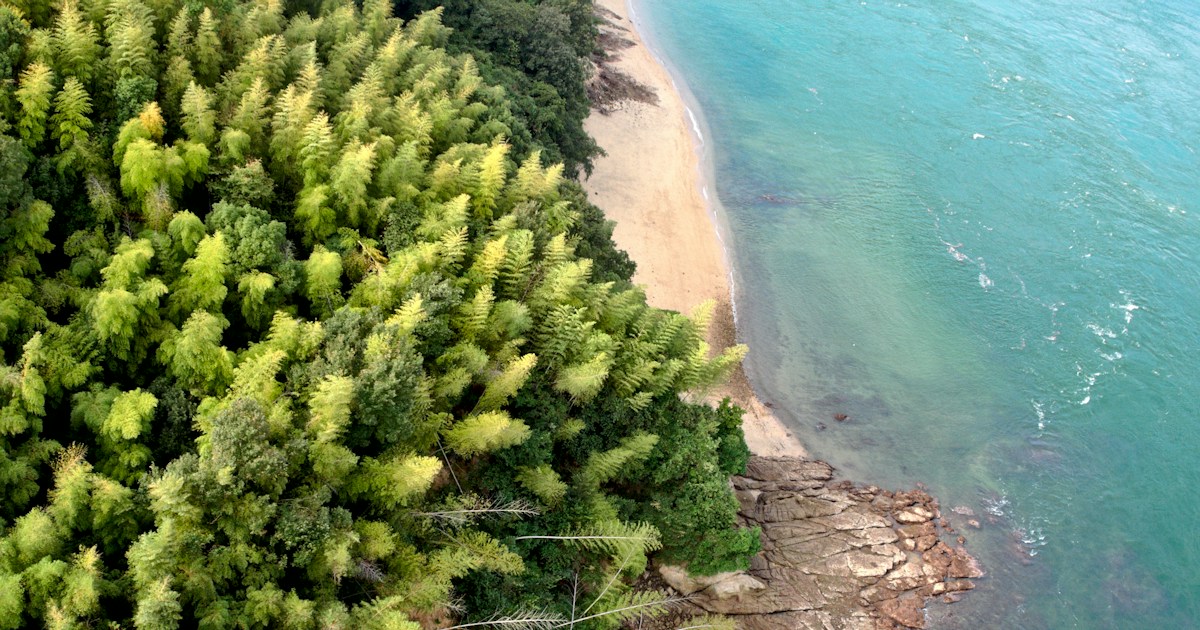
Eco-friendly coastal management is the planned stewardship of shorelines, estuaries, wetlands, beaches, nearshore waters, and coastal communities in ways that maintain ecological function while reducing hazard and supporting human well-being.
It combines:
- Ecosystem conservation
- Climate adaptation
- Pollution prevention
- Sustainable fisheries and aquaculture
- Responsible tourism
- Community participation
- Resilient infrastructure
- Fair access to resources
- Science-based monitoring
A useful way to picture it: a coast is not a property line. It is a living, moving system. Water crosses political boundaries. Sediment drifts. Fish migrate. Pollution travels. A project that looks perfect from one balcony can create trouble two coves away.
The U.S. Environmental Protection Agency’s coastal protection resources emphasize watershed-to-coast connections, while the United Nations Sustainable Development Goal 14 focuses on conserving and sustainably using oceans, seas, and marine resources.
From hard seawalls to nature-based coastal resilience
For decades, coastal policy often favored shoreline armoring: seawalls, bulkheads, revetments, groynes, and concrete barriers. These structures can reduce wave attack at a specific location, which is why communities still use them.
But hardened shorelines can:
- Reflect wave energy rather than absorb it.
- Increase scour at the structure’s base.
- Reduce beach width.
- Disconnect land from tidal habitat.
- Block turtles, shorebirds, fish, and people.
- Shift erosion to adjacent or down-drift areas.
- Require major repairs after storms.
That does not make every seawall “bad.” It makes seawalls site-specific tools with trade-offs.
Nature-based approaches—such as dunes, marshes, mangroves, oyster reefs, coral reefs, and seagrass—can dissipate wave energy, store water, stabilize sediment, and provide habitat. NOAA describes living shorelines as an “innovative and cost-effective technique for coastal management” because they combine shoreline protection with ecological benefits.
A comparison of coastal protection approaches
| Approach | Best fit | Main benefits | Main limitations |
|---|---|---|---|
| Mangrove restoration | Tropical and subtropical sheltered coasts | Wave attenuation, nursery habitat, carbon storage | Cannot survive freezing conditions or excessive wave energy |
| Salt-marsh restoration | Temperate estuaries and bays | Flood storage, water filtration, bird and fish habitat | Needs suitable tidal elevation and sediment supply |
| Oyster reef | Estuaries and moderate-energy shorelines | Wave reduction, water filtration, fisheries habitat | Vulnerable to poor water quality, disease, and extreme exposure |
| Dune restoration | Sandy beaches and barrier islands | Storm buffering, habitat, recreation | Requires space, sand movement, and vegetation management |
| Living shoreline | Sheltered coasts with moderate erosion | Natural stabilization, habitat, water-quality benefits | Generally unsuitable for highly exposed open-ocean sites |
| Hybrid shoreline | Moderate-to-high exposure or constrained sites | Combines ecological and structural protection | More complex design, permitting, and maintenance |
| Seawall or bulkhead | Dense waterfronts and critical infrastructure | Immediate local protection | Habitat loss, reflected energy, high repair needs, possible down-drift erosion |
| Managed retreat | Repeatedly flooded or erosion-prone areas | Removes exposure and restores natural processes | Politically difficult, requires fair relocation support |
The triple bottom line: ecology, economy, and equity
A coastal project can be environmentally impressive and still fail if local residents cannot afford to remain, fishers lose access, or maintenance funding vanishes. Eco-friendly coastal management therefore uses three filters:
- Ecological health: Does it protect habitat, water quality, biodiversity, and natural processes?
- Economic durability: Does it support livelihoods and avoid unaffordable long-term maintenance?
- Social fairness: Who benefits, who pays, who decides, and who may be displaced?
The World Bank’s blue economy work links ocean health to sustainable economic development. That relationship is not theoretical. A healthy mangrove can support fisheries, tourism, carbon storage, and flood protection. A polluted estuary can undermine all four while increasing health risks.
Why Eco-Friendly Coastal Management Matters 🧭
Climate change, sea-level rise, and coastal flooding
The Intergovernmental Panel on Climate Change identifies coastal risks from sea-level rise, extreme storms, flooding, erosion, saltwater intrusion, and ecosystem loss. These hazards compound one another:
- Higher baseline water levels let ordinary tides reach farther inland.
- Storm surges begin from a higher starting point.
- Saltwater can enter drinking-water supplies and agricultural soils.
- Wetlands may drown if sediment cannot accumulate quickly enough.
- Roads, wastewater systems, ports, homes, and power infrastructure face more frequent disruption.
An eco-friendly response does not simply build higher walls every time the water rises. It combines:
- Risk-aware land-use planning.
- Wetland and dune conservation.
- Flood-compatible building design.
- Stormwater management.
- Early-warning systems.
- Restoration of natural buffers.
- Strategic relocation where protection is no longer viable.
Biodiversity loss, habitat fragmentation, and ocean pollution
Coastal zones contain estuaries, tidal flats, mangroves, marshes, coral reefs, seagrass meadows, rocky shores, beaches, and submerged habitats. These ecosystems support food webs that reach far beyond the shoreline.
The National Ocean Service explains that estuaries provide nursery habitat, filter pollutants, protect shorelines, and support economies. When wetlands are filled, reefs damaged, or seagrass buried, the losses are not merely scenic. They can mean:
- Fewer juvenile fish.
- Reduced natural water filtration.
- More shoreline exposure.
- Less carbon storage.
- Diminished recreation and tourism.
- Greater vulnerability to harmful algal blooms and polluted runoff.
Our own coastal rule of thumb: if a project removes habitat, the developer should be able to explain exactly what replaces its function—not just its square footage.
Blue carbon and coastal ecosystem services
“Blue carbon” refers to carbon captured and stored by coastal and marine ecosystems, particularly:
- Mangroves.
- Salt marshes.
- Seagrass meadows.
According to the International Union for Conservation of Nature, these ecosystems can store significant carbon in vegetation and especially in waterlogged sediments. Disturbance can release some of that stored carbon, so protecting existing habitat is often more reliable than restoring a damaged site later.
Coastal ecosystem services include:
| Ecosystem service | Example |
|---|---|
| Hazard reduction | Marshes and mangroves absorb wave energy and store floodwater |
| Water purification | Wetlands trap sediments and nutrients |
| Food production | Estuaries support fish, shellfish, and nursery habitat |
| Carbon storage | Tidal soils retain carbon under low-oxygen conditions |
| Cultural value | Coasts support recreation, identity, heritage, and spiritual practices |
| Economic value | Fisheries, tourism, ports, and coastal businesses depend on functioning ecosystems |
Explore more practical conservation strategies in our Biodiversity Conservation category and climate-focused guidance in Climate Change.
1. Coastal Zoning and Integrated Coastal Zone Management 🗺️
Integrated Coastal Zone Management, or ICZM, coordinates decisions across land, water, jurisdictions, sectors, and time. It prevents the classic coastal-planning comedy: the fisheries department protects a nursery, the transport department dredges it, the tourism department builds a resort beside it, and everyone acts surprised when the fish disappear.
Marine spatial planning and sensitive habitat protection
Marine spatial planning maps where activities should occur and where they should not. A strong plan identifies:
- Seagrass and coral habitat.
- Fish spawning and nursery grounds.
- Bird nesting and migration areas.
- Traditional fishing grounds.
- Shipping lanes.
- Aquaculture zones.
- Offshore energy areas.
- Swimming and recreation zones.
- Culturally important places.
- High-risk erosion and flooding areas.
The UNESCO Intergovernmental Oceanographic Commission describes marine spatial planning as a public process for analyzing and allocating human activities in marine areas to achieve ecological, economic, and social objectives.
What good zoning includes
- Clear maps: Residents should be able to understand them without a graduate degree in cartography.
- Cumulative-impact analysis: Consider multiple farms, marinas, roads, and discharges together.
- Seasonal protections: Restrict disruptive work during nesting, spawning, or migration periods.
- Buffer zones: Keep development away from dunes, wetlands, mangroves, and unstable banks.
- Enforcement: A beautiful plan without inspections is merely decorative wallpaper.
- Periodic updates: Climate and shoreline conditions change.
Balancing tourism, fisheries, ports, housing, and conservation
Coastal space is limited. A practical planning process can rank uses by:
- Public safety
- Ecological sensitivity
- Essential community function
- Economic and livelihood importance
- Compatibility with neighboring uses
- Reversibility of environmental impacts
- Long-term climate risk
For instance, a low-impact kayak launch may coexist with a marsh. A dredged shipping channel may not. An oyster lease may improve habitat in one area but conflict with swimming, navigation, or a culturally important fishing ground in another.
The GESAMP report on Planning and Management for Sustainable Coastal Aquaculture Development argues that coastal activities should be integrated because ownership, access, ecosystem interactions, and user conflicts are complex. Its warning about impacts being “often limited but incremental and cumulative” is one of the most useful ideas in coastal planning.
Transboundary coastal governance and policy coordination
Water does not stop at a municipal boundary. Effective governance may require coordination among:
- Municipalities.
- States or provinces.
- National agencies.
- Indigenous governments.
- River-basin authorities.
- Neighboring countries.
- Port authorities.
- Fisheries organizations.
- Emergency managers.
- Community groups.
Shared data standards help. So do joint permitting frameworks, cross-boundary habitat protections, and agreements on sediment, pollution, fisheries, and disaster response.
2. Nature-Based Solutions for Coastal Resilience 🌱
Nature-based solutions use or restore ecological processes to address human challenges. The World Bank’s nature-based solutions guidance emphasizes that these approaches can support resilience while producing biodiversity and social benefits.
Mangrove restoration and protection
Mangroves grow in saline or brackish coastal environments and provide:
- Wave and storm-surge reduction.
- Fish and shellfish nursery habitat.
- Shoreline sediment trapping.
- Carbon storage.
- Bird habitat.
- Fuel, food, and livelihood resources in some communities.
A mangrove project should begin with hydrology, not a truckload of seedlings. If tidal flows are blocked, elevation is wrong, or the salinity regime has changed, planting hundreds of seedlings may create a photographic moment rather than a functioning forest.
Step-by-step mangrove restoration
- Map historical and existing mangrove coverage.
- Assess tidal channels, elevation, salinity, sediment, and wave exposure.
- Remove barriers such as poorly designed culverts or embankments where feasible.
- Restore natural water movement.
- Allow natural regeneration where seed sources remain.
- Plant locally appropriate species only where necessary.
- Protect seedlings from grazing, trampling, and boat traffic.
- Monitor survival, canopy growth, sediment elevation, and biodiversity.
- Adapt the project if hydrology or species selection is wrong.
The Global Mangrove Alliance supports science-based mangrove conservation and restoration. It also highlights a point worth repeating: protecting existing mangroves is usually more dependable than trying to recreate mature ecosystem functions from scratch.
Salt marshes, seagrass meadows, and oyster reefs
Salt marshes
Salt marshes:
- Slow stormwater.
- Trap sediment.
- Filter nutrients.
- Provide fish and bird habitat.
- Store carbon in waterlogged soils.
Restoration may involve reconnecting tidal flow, removing fill, controlling invasive plants, reducing nutrient pollution, and ensuring enough sediment reaches the marsh.
Seagrass meadows
Seagrass stabilizes sediments, stores carbon, and supports fish, turtles, manates, and invertebrates. It is especially vulnerable to:
- Cloudy water.
- Nutrient pollution.
- Propeller scars.
- Boat anchoring.
- Dredging.
- Physical disturbance.
Simple management measures—marked no-anchor zones, improved wastewater treatment, and reduced runoff—can be more effective than costly replanting.
Oyster reefs
Oyster reefs can:
- Reduce wave energy.
- Filter water.
- Create fish habitat.
- Stabilize shorelines.
- Support local fisheries.
The Smithsonian Environmental Research Center documents oyster restoration research and the ecological role of reefs. Restoration success depends on salinity, disease pressure, substrate, water quality, oyster recruitment, and protection from harvest during establishment.
Living shorelines versus seawalls and groynes
NOAA’s comparison is clear: living shorelines can provide habitat, water filtration, flood reduction, and carbon storage, while hardened shorelines generally provide fewer ecological benefits. NOAA also cautions that living shorelines work best in estuaries, bays, rivers, and other sheltered areas, not necessarily on exposed open-ocean beaches.
| Question | Living shoreline | Seawall or bulkhead |
|---|---|---|
| Absorbs wave energy? | Often, through plants, sediment, reefs, and gentle slopes | Usually reflects or redirects it |
| Creates habitat? | Yes, when appropriately designed | Usually little or none |
| Filters runoff? | Often | No |
| Handles high wave energy? | Sometimes with hybrid structures | Generally better for concentrated structural exposure |
| Needs maintenance? | Yes: replanting, debris removal, sediment checks | Yes: cracks, scour, corrosion, settlement, repairs |
| Works everywhere? | No | No |
| Can worsen nearby erosion? | Possible if poorly designed, but often lower risk | Possible through reflected energy and sediment disruption |
When hybrid coastal defenses make sense
A hybrid project may combine:
- A low rock sill.
- Native marsh grasses.
- Oyster reef modules.
- Sand fill.
- Dune vegetation.
- A setback floodwall.
- Elevated infrastructure.
Hybrid designs are useful where wave energy exceeds what vegetation can withstand but a full seawall would destroy valuable habitat. The design should remain as soft as site conditions permit.
CHECK PROJECT GUIDANCE on: NOAA Living Shorelines | NOAA Guidance for Considering Living Shorelines
3. Sustainable Coastal Erosion and Flood Management 🏖️
Erosion is not automatically a disaster. Beaches and deltas naturally move. The real question is whether people, infrastructure, ecosystems, or cultural sites are exposed to unacceptable change.
Beach nourishment, dune restoration, and managed retreat
Beach nourishment
Beach nourishment adds compatible sand to an eroding beach. It can preserve recreation and temporarily buffer storm impacts, but it may:
- Require repeated applications.
- Disturb benthic organisms.
- Alter nesting habitat.
- Fail if the sediment source or wave climate is misunderstood.
- Transfer impacts to borrow sites.
Projects should use compatible grain size, avoid sensitive seasons, monitor offshore borrow areas, and account for long-term sediment budgets.
Dune restoration
Healthy dunes are dynamic, not manicured hedges. Effective dune projects may include:
- Native dune grasses and shrubs.
- Sand fencing where appropriate.
- Pedestrian boardwalks.
- Restricted vehicle access.
- Strategic blowout management.
- Temporary closures during nesting seasons.
- Regular checks after storms.
Managed retreat
Managed retreat relocates buildings, roads, utilities, or other assets away from hazards. It is politically difficult because it touches property, identity, and generational wealth. Yet repeatedly rebuilding in the same high-risk zone can be more expensive and less humane than helping people move safely.
A fair retreat program should include:
- Transparent risk maps.
- Voluntary and, where legally necessary, carefully governed acquisition.
- Relocation assistance.
- Protection against displacement of low-income residents.
- Public participation.
- Land-use plans for the restored area.
- Clear timelines and funding.
Storm-surge protection and floodplain planning
An effective coastal flood plan layers protections:
- Avoid: Keep new development out of high-risk areas.
- Acommodate: Elevate buildings, flood-proof utilities, and use flood-compatible designs.
- Protect: Restore dunes, wetlands, reefs, and other buffers.
- Prepare: Use warnings, evacuation routes, shelters, and emergency supplies.
- Relocate: Move assets where exposure is persistent and protection is not sustainable.
The Federal Emergency Management Agency provides flood-risk mapping resources in the United States. Maps are useful, but they should be supplemented with local knowledge, recent storms, erosion trends, drainage failures, and future climate projections.
Avoiding down-drift erosion and other unintended impacts
Before construction, model:
- Wave reflection.
- Sediment transport.
- Tidal exchange.
- Flood pathways.
- Scour.
- Neighboring shoreline response.
- Effects under future sea levels.
- Maintenance and failure scenarios.
A structure that “works” only because it pushes water or sand onto someone else is not sustainable management. It is coastal musical chairs—and eventually someone loses a chair.
A practical shoreline decision pathway
Protect existing habitat
 ↓
Avoid new exposure through zoning
 ↓
Test nature-based options
 ↓
Add hybrid features if needed
 ↓
Use hard structures only for justified sites
 ↓
Monitor neighboring and down-drift impacts
 ↓
Adapt, repair, or retreat as conditions change
``

The [U.S. Army Corps of Engineers](https://www.usace.army.mil/Missions/Civil-Works/Project-Planning/) provides planning resources for flood-risk and coastal projects, while local coastal agencies determine many permits and design requirements.

---

## 4. Marine and Coastal Pollution Prevention 🚯

Pollution prevention beats cleanup. Once plastic fragments, excess nutrients, oil, pathogens, or toxic chemicals enter sediments and food webs, removal becomes expensive, incomplete, or impossible.

### Plastic waste, ghost gear, and microplastics

Coastal litter comes from:

- Poor waste collection.
- Stormwater drains.
- Fishing and aquaculture gear.
- Shipping.
- Tourism.
- Illegal dumping.
- Floods and hurricanes.
- Industrial losses.

The [UNEP Clean Seas campaign](https://www.unep.org/interactives/beat-plastic-pollution/) outlines global action against plastic pollution. Effective coastal management combines upstream prevention with targeted cleanup:

- Deposit-return systems.
- Reusable food-service items.
- Fishing-gear retrieval programs.
- Port reception facilities.
- Storm-drain capture.
- Litter traps at river mouths.
- Extended producer responsibility.
- Fishing-line recycling.
- Better waste collection during tourist seasons.

Cleanup days are valuable, but they should not become a civic ritual that excuses a broken waste system.

### Wastewater, agricultural runoff, and nutrient pollution

Excess nitrogen and phosphorus can trigger algal blooms and oxygen depletion. Sources include:

- Fertilizer runoff.
- Septic systems.
- Wastewater plants.
- Animal agriculture.
- Urban stormwater.
- Atmospheric deposition.

The [EPA’s nutrient pollution resources](https://www.epa.gov/nutrientpollution) recommend source reduction, improved wastewater treatment, buffer vegetation, wetland restoration, and better fertilizer management.

#### Coastal nutrient-reduction checklist

- Upgrade failing septic systems.
- Maintain wastewater treatment equipment.
- Use riparian buffers.
- Restore wetlands.
- Apply fertilizer according to soil tests and crop needs.
- Reduce impervious surfaces.
- Capture first-flush stormwater.
- Monitor dissolved oxygen, chlorophyll, nutrients, and bacteria.
- Coordinate upstream and downstream jurisdictions.

### Oil spills, ballast water, and chemical contamination

Ports and vessels need:

- Spill-prevention and response plans.
- Double-walled fuel systems where appropriate.
- Secondary containment.
- Safe bunkering procedures.
- Ballast-water management.
- Hazardous-material storage controls.
- Emergency drills.
- Sensitive-habitat response maps.

The [International Maritime Organization](https://www.imo.org/en/OurWork/Environment/Pages/Default.aspx) provides global marine-environment standards, including pollution prevention and ballast-water management.

### Circular economy strategies for coastal communities

A coastal circular economy keeps materials in use and waste out of waterways. Strategies include:

- Refillable tourism systems.
- Fish-box reuse.
- Composting seafood waste.
- Turning discarded shells into reef substrate where safe and permitted.
- Repairing nets and gear.
- Local recycling markets.
- Reclaimed construction materials.
- Product take-back programs.
- Plastic-free procurement for public events.

Read more about practical emissions and waste reductions in [Carbon Footprint Reduction](https://gonegreenish.com/category/carbon-footprint-reduction/) and [Eco-Conscious Brands](https://gonegreenish.com/category/eco-conscious-brands/).

---

## 5. Sustainable Fisheries and Coastal Aquaculture 🐟

Healthy coastal economies need healthy fish populations. Sustainable fisheries management protects reproductive capacity, habitat, food webs, and the people whose livelihoods depend on them.

### Science-based fisheries management and catch limits

Core tools include:

- Stock assessments.
- Catch limits.
- Size limits.
- Seasonal closures.
- Gear restrictions.
- Marine protected areas.
- Bycatch rules.
- Vessel monitoring.
- Co-management with local fishers.

The [FAO Code of Conduct for Responsible Fisheries](https://www.fao.org/fishery/en/code/en) provides widely used principles for responsible fisheries.

Fishery science is not perfect. Data-por fisheries may require precautionary rules, local knowledge, and adaptive management rather than pretending uncertainty does not exist.

### Low-impact fishing gear and bycatch reduction

Examples include:

- Turtle-excluder devices.
- Circle hooks.
- Weak links in trap lines.
- Bird-scaring lines.
- Modified trawls.
- Escape panels.
- Seasonal gear closures.
- Gear marking and retrieval.

The best option depends on species, depth, habitat, vessel type, and local fishing practices. A gear rule that works in one fishery may fail in another.

### Responsible marine aquaculture and integrated multi-trophic aquaculture

Aquaculture can provide food, jobs, and economic stability, but poorly planned operations may contribute to:

- Nutrient pollution.
- Sediment accumulation.
- Disease transmission.
- Escape of farmed species.
- Habitat conversion.
- Chemical use.
- Conflicts over space and access.

The GESAMP report states that aquaculture impacts may be **“limited but incremental and cumulative.”** That is why assessing one farm in isolation can miss the wider problem.

Integrated multi-trophic aquaculture, or **IMTA**, places species with complementary functions together—for example:

- Fed species such as fish.
- Filter feeders such as shellfish.
- Extractive species such as seaweds.

The concept can improve resource efficiency, but it is not a magic self-cleaning farm. Site carrying capacity, disease, market demand, biosecurity, and monitoring still matter.

### Step-by-step sustainable aquaculture planning

1. **Map sensitive habitats and existing users.**
2. **Assess water exchange, depth, currents, sediment, salinity, and temperature.**
3. **Calculate ecological carrying capacity.**
4. **Evaluate cumulative nutrient and disease risks.**
5. **Set clear biosecurity standards.**
6. **Define escape prevention and response procedures.**
7. **Protect navigation, fishing, recreation, and cultural access.**
8. **Monitor water quality, benthic conditions, disease, and farm performance.**
9. **Publish results in accessible language.**
10. **Adjust stocking density, feed, gear, or site allocation when indicators worsen.**

### Protecting small-scale fishers and traditional livelihoods

Sustainable management must not treat local people as obstacles. Small-scale fishers often possess detailed knowledge of currents, spawning seasons, weather, and habitat changes.

Fair management can include:

- Secure tenure or access rights.
- Co-management councils.
- Affordable compliance tools.
- Safety-at-sea support.
- Compensation during temporary closures.
- Local processing and cold-chain investment.
- Protection from industrial displacement.
- Recognition of Indigenous and customary practices.

---

## 6. Coastal Habitat Conservation and Restoration 🪸

### Coral reef conservation and reef-safe practices

Coral reefs face warming, acidification, pollution, destructive fishing, disease, and physical damage. The [National Oceanic and Atmospheric Administration Coral Reef Conservation Program](https://coralreef.noaa.gov/) supports reef science and conservation.

The strongest reef strategy is prevention:

- Improve water quality.
- Reduce sediment runoff.
- Prevent anchor damage.
- Manage diving and tourism pressure.
- Enforce sustainable fishing.
- Protect herbivores that control algae.
- Reduce greenhouse-gas emissions.
- Monitor bleaching and disease.

Coral nurseries and transplantation can help in specific contexts, but they cannot compensate for persistently hot, polluted, or acidic water.

### Estuary, wetland, and tidal-flat restoration

Restoration options include:

- Removing barriers to tidal exchange.
- Reconnecting floodplains.
- Rebuilding natural channels.
- Regrading filled wetlands.
- Adding clean sediment.
- Controlling invasive plants.
- Reducing nutrient loads.
- Protecting upstream watershed function.

A wetland is not just a patch of plants. Its elevation, hydrology, soil chemistry, tidal connection, and sediment supply determine whether it functions.

### Wildlife corridors, nesting beaches, and migratory routes

Coastal wildlife needs uninterrupted access to feeding, breeding, resting, and migration areas. Management measures include:

- Seasonal beach closures.
- Shielded lighting.
- Reduced nighttime vehicle traffic.
- Dog-leash zones.
- Fishing-line removal.
- Bird-safe building design.
- Protection of dune vegetation.
- Speed limits for boats in nursery areas.
- Wildlife crossings and habitat corridors.

The [U.S. Fish and Wildlife Service](https://www.fws.gov/program/endangered-species) provides species and habitat conservation information. Local regulations should always guide specific actions.

### Invasive species control and native planting

Use native plants adapted to local salinity, flooding, and soil conditions. Avoid introducing species that can spread aggressively or alter habitat.

A sound restoration plan identifies:

- The invasive species.
- Its pathway of introduction.
- The ecological damage.
- Safe removal methods.
- Disposal procedures.
- Native replacement species.
- Follow-up control.
- Reintroduction risk.

Planting the wrong “pretty coastal” species can create a maintenance headache wearing sunglasses.

---

## 7. Climate-Smart Coastal Infrastructure and Design 🏗️

### Low-impact ports, marinas, and waterfront development

Sustainable waterfront infrastructure can include:

- Shore-power systems for vessels.
- Stormwater treatment.
- Electric equipment.
- Spill containment.
- Fish-friendly lighting.
- Permeable surfaces.
- Floating infrastructure where appropriate.
- Habitat-friendly pilings.
- Clean-fuel systems.
- Dredging plans that protect sensitive habitat.
- Waste reception facilities.

Port development should account for sea-level rise, subsidence, storm surge, sediment movement, and supply-chain continuity.

### Renewable energy for coastal communities

Coastal areas may support:

- Offshore wind.
- Tidal energy.
- Wave energy.
- Rooftop solar.
- Community microgrids.
- Battery storage.
- Renewable-powered desalination or water treatment.

Projects need careful assessment of bird and bat migration, marine mammals, fisheries, navigation, seabed disturbance, cultural sites, and visual impacts. Renewable does not mean impact-free.

The [U.S. Department of Energy’s Wind Energy Technologies Office](https://www.energy.gov/cmei/systems/about-wind-energy-technologies-office) provides offshore wind research and planning resources.

### Green stormwater infrastructure and water-sensitive design

Green infrastructure slows, filters, absorbs, or reuses rainfall through:

- Rain gardens.
- Bioswales.
- Constructed wetlands.
- Permeable pavement.
- Green roofs.
- Tree trenches.
- Rainwater harvesting.
- Restored stream buffers.
- Cisterns and infiltration areas.

The [EPA’s green infrastructure resources](https://www.epa.gov/green-infrastructure) explain how these systems can reduce runoff and pollution while improving urban livability.

### Resilient buildings, roads, and public spaces

Climate-smart design may involve:

- Elevating structures.
- Flood-resistant materials.
- Breakaway ground floors.
- Relocating electrical equipment.
- Redundant water and power systems.
- Shaded public spaces.
- Evacuation-friendly roads.
- Drought- and salt-tolerant landscaping.
- Setbacks from eroding shorelines.
- Designing for future—not historical—flood levels.

A resilient building should remain safe and repairable, not merely survive one storm by sacrificing every surrounding habitat.

---

## 8. Sustainable Coastal Tourism and Recreation 🏄

### Carrying capacity and visitor management

Carying capacity is the level of visitation an ecosystem, community, or facility can handle without unacceptable damage. It is not one universal number. It depends on:

- Water quality.
- Waste capacity.
- Beach width.
- Wildlife sensitivity.
- Freshwater availability.
- Parking and transport.
- Noise and lighting.
- Local acceptance.
- Seasonal conditions.

Tools include:

- Timed entry.
- Visitor caps.
- Shuttle systems.
- Boardwalks.
- No-anchor zones.
- Seasonal closures.
- Environmental fees.
- Leave-no-trace education.
- Reef-safe moring systems.

### Eco-certifications, reef-safe tourism, and responsible boating

Look for operators that publish:

- Wastewater practices.
- Wildlife interaction rules.
- Fuel-spill prevention.
- Mooring practices.
- Staff training.
- Carbon and water data.
- Local hiring.
- Conservation contributions.
- Accessibility and community benefits.

Certifications can help, but logos are not proof by themselves. Check the standard, auditor, scope, and current status.

Examples include [Blue Flag](https://www.blueflag.global/), [Green Destinations](https://www.grendestinations.org/), and [Global Sustainable Tourism Council](https://www.gstcouncil.org/) criteria.

### Reducing beach erosion, litter, and wildlife disturbance

Visitors can:

- Stay on designated paths.
- Keep vehicles off dunes.
- Carry reusable water bottles.
- Pack out fishing line and food waste.
- Avoid touching coral or wildlife.
- Use established morings.
- Keep distance from nesting animals.
- Choose reef-safe behavior over marketing claims.
- Respect local fishing access.
- Report pollution and damaged infrastructure.

Businesses can reduce impacts through refill stations, reusable serviceware, low-impact lighting, wastewater controls, and seasonal staffing for waste management.

---

## 9. Community-Based Coastal Management and Environmental Justice 🤝

### Indigenous knowledge and local stewardship

Indigenous and local communities often hold detailed observations accumulated across generations. This knowledge can reveal:

- Historic shoreline positions.
- Seasonal fish movements.
- Storm pathways.
- Safe harvesting areas.
- Changes in salinity and species.
- Cultural sites vulnerable to erosion.

It should not be extracted without consent or compensation. Effective collaboration recognizes **data sovereignty, governance rights, cultural protocols, and benefit sharing**.

### Meaningful public participation and citizen science

Public participation is meaningful when communities can influence decisions before key choices are locked in. Good practice includes:

- Plain-language maps.
- Multiple meeting times and locations.
- Translation and accessibility.
- Childcare or transport support.
- Compensation for community expertise.
- Public responses to comments.
- Transparent decision criteria.
- Citizen monitoring with quality-control training.

Citizen science can track beach litter, water clarity, shoreline change, wildlife, invasive species, and storm damage. The [National Oceanic and Atmospheric Administration citizen science resources](https://oceanservice.noaa.gov/citizen-science/) offer examples and guidance.

### Protecting climate-vulnerable and low-income communities

Flood protection can accidentally increase inequality if it raises property values, displaces renters, or directs environmental improvements toward wealthy waterfronts.

Equity checks should ask:

- Who is most exposed?
- Who owns versus rents?
- Who has insurance?
- Who can evacuate?
- Who relies on fishing or tourism?
- Who bears construction impacts?
- Who receives new public access?
- Could restoration trigger displacement?
- Are benefits and maintenance obligations fairly distributed?

The [Climate Justice Alliance](https://climatejusticealliance.org/) provides broader environmental-justice perspectives, while local governments must translate principles into enforceable plans.

### Conflict resolution and fair benefit sharing

Coastal conflicts can involve marinas, fishers, aquaculture, conservationists, developers, tourism businesses, residents, and ports. Useful tools include:

- Facilitated stakeholder processes.
- Shared fact-finding.
- Transparent trade-off analysis.
- Pilot projects.
- Grievance systems.
- Co-management agreements.
- Benefit-sharing funds.
- Independent review.

The goal is not to make everyone delighted. It is to create decisions people can understand, challenge, and help improve.

---

## 10. Coastal Monitoring, Data, and Early-Warning Systems 📡

### What to measure: water quality, shorelines, habitats, and wildlife

A monitoring plan should connect each indicator to a decision.

| Indicator | What it reveals | Possible management response |
|---|---|---|
| Shoreline position | Erosion or accretion trend | Adjust setbacks, nourishment, or restoration |
| Vegetation survival | Restoration performance | Replant, change species, or repair hydrology |
| Turbidity | Sediment pollution or dredging impacts | Modify construction controls |
| Dissolved oxygen | Eutrophication organic pollution | Reduce nutrient and wastewater loads |
| Salinity | Freshwater flow or saltwater intrusion | Adjust water management |
| Seagrass coverage | Water clarity and habitat health | Restrict anchoring and runoff |
| Coral bleaching | Thermal stress | Reduce local stressors and protect refuges |
| Fish abundance | Habitat and fishery condition | Adjust catch or protection measures |
| Bacteria | Sewage or runoff contamination | Issue advisories and repair sources |
| Flood depth and duration | Infrastructure exposure | Upgrade, elevate, or relocate assets |

### Remote sensing, GIS, drones, and coastal digital twins

Modern coastal programs may combine:

- Satellite imagery.
- Aerial surveys.
- Drones.
- LiDAR elevation data.
- GPS shoreline transects.
- Tide gauges.
- Wave buoys.
- Water-quality sensors.
- Acoustic mapping.
- Community observations.
- Geographic information systems.

The [NOAA Digital Coast](https://coast.noaa.gov/digitalcoast/) offers coastal data, tools, and training. Technology helps, but field verification remains essential. A satellite may detect vegetation; it may not reveal why the roots are dying.

### Tsunami, hurricane, flood, and harmful algal bloom alerts

Early-warning systems should include:

- Reliable sensors.
- Clear thresholds.
- Public communication channels.
- Multilingual messaging.
- Backup power.
- Evacuation routes.
- Drills.
- Trusted local messengers.
- Post-event review.

The [NOAA National Weather Service](https://www.weather.gov/) provides U.S. hazard forecasts, while the [UNESCO-IOC tsunami program](https://ioc.unesco.org/our-work/tsunami) coordinates international tsunami warning and mitigation efforts.

### Adaptive management and evidence-based decision-making

Adaptive management follows a loop:

```text
Assess → Design → Implement → Monitor → Learn → Adjust
``

A project should define in advance:

- What success looks like.
- Which indicators trigger intervention.
- Who has authority to change the design.
- How much uncertainty is acceptable.
- When the project will be reviewed.
- How results will be communicated.

If monitoring shows a living shoreline is eroding because wave energy was underestimated, the responsible response is adaptation—not a press release insisting the project is perfect.

---

## 11. Financing Eco-Friendly Coastal Management 💧

### Blue bonds, climate funds, and conservation finance

Potential financing sources include:

- Municipal bonds.
- Blue bonds.
- Climate adaptation funds.
- Disaster-recovery grants.
- Conservation trust funds.
- Environmental impact fees.
- Tourism levies.
- Insurance incentives.
- Philanthropic grants.
- Carbon or biodiversity finance, where credible.
- Public-private partnerships.

The [World Bank’s sustainable blue economy resources](https://www.worldbank.org/en/topic/oceans-fisheries/brief/the-blue-economy) discuss financing and investment approaches for ocean-related development.

### Payments for ecosystem services and natural capital accounting

Payments for ecosystem services compensate landowners or communities for maintaining benefits such as:

- Wetland protection.
- Watershed filtration.
- Mangrove conservation.
- Carbon storage.
- Flood-risk reduction.

Natural capital accounting attempts to include ecosystem contributions in economic decision-making. It should complement—not replace—legal protections, community rights, and ecological safeguards.

A wetland should not need to prove its financial value before being allowed to exist. But documenting flood protection and water-treatment benefits can help secure funding in systems that otherwise count only concrete.

### Public-private partnerships and responsible investment

Private participation can bring technical capacity and capital, but contracts should specify:

- Environmental performance standards.
- Public access.
- Monitoring requirements.
- Maintenance responsibilities.
- Liability for damage.
- Transparency.
- Community benefits.
- Exit and failure provisions.

Green labels should be backed by measurable outcomes, not a leaf-shaped logo placed beside a dredger.

### Building a practical coastal management budget

Include full lifecycle costs:

1. Baseline studies.
2. Design and engineering.
3. Permitting.
4. Land or access rights.
5. Construction.
6. Community engagement.
7. Monitoring.
8. Maintenance.
9. Storm repairs.
10. Contingency funding.
11. Decommissioning or adaptation.
12. Long-term governance.

Nature-based projects are not maintenance-free. They often require less intensive maintenance, but living systems need care, especially during establishment.

---

## 12. Measuring Success: Coastal Sustainability Indicators 📊

### Environmental, social, and economic metrics

A balanced scorecard may include:

#### Environmental

- Habitat area and condition.
- Species abundance and diversity.
- Water quality.
- Shoreline stability.
- Carbon storage.
- Fish recruitment.
- Wetland elevation.
- Invasive-species coverage.

#### Social

- Public access.
- Evacuation performance.
- Community satisfaction.
- Local employment.
- Cultural-site protection.
- Distribution of benefits.
- Participation rates.
- Affordability and displacement risk.

#### Economic

- Fisheries productivity.
- Tourism revenue retention.
- Infrastructure downtime.
- Maintenance cost.
- Avoided flood damage.
- Business continuity.
- Return on resilience investment.

### Cost-benefit analysis of green and gray infrastructure

A fair comparison should include:

- Construction.
- Land acquisition.
- Maintenance.
- Storm repair.
- Habitat value.
- Carbon storage.
- Water filtration.
- Recreation.
- Fisheries.
- Public health.
- Social-distribution effects.
- Failure consequences.

Gray infrastructure may deliver stronger immediate protection in a constrained location. Green infrastructure may deliver broader benefits over time. Hybrid systems frequently provide the most practical compromise.

### Equity, resilience, and long-term maintenance indicators

A project is not truly successful if it protects a luxury development while increasing flooding in a low-income neighborhood. Add equity indicators such as:

- Benefits by neighborhood.
- Flood-risk reduction by income group.
- Relocation assistance delivered.
- Public access retained.
- Local jobs created.
- Community concerns resolved.
- Rent and property-displacement trends.
- Language accessibility.

Review indicators at set intervals—after storms, seasonally, and annually. Climate conditions will not politely wait for the next five-year plan.

---

## International Frameworks, Best Practices, and Policy Guidance 🌐

### UN Sustainable Development Goals and the blue economy

Eco-friendly coastal management supports several [UN Sustainable Development Goals](https://sdgs.un.org/goals), especially:

- **SDG 6:** Clean Water and Sanitation.
- **SDG 11:** Sustainable Cities and Communities.
- **SDG 12:** Responsible Consumption and Production.
- **SDG 13:** Climate Action.
- **SDG 14:** Life Below Water.
- **SDG 15:** Life on Land.
- **SDG 16:** Peace, Justice, and Strong Institutions.
- **SDG 17:** Partnerships for the Goals.

The blue economy works best when economic growth stays within ecological limits and benefits coastal communities rather than extracting value while exporting pollution.

### IPCC coastal climate risk guidance

The [IPCC Sixth Assessment Report](https://www.ipcc.ch/report/ar6/wg2/) emphasizes risk as an interaction among:

- Hazard.
- Exposure.
- Vulnerability.

That framework helps explain why the same storm can be a manageable event in one community and a catastrophe in another. Poverty, weak infrastructure, limited evacuation access, ecosystem degradation, and historical exclusion can magnify danger.

### UNEP, NOAA, IUCN, and World Bank coastal approaches

Useful sources include:

- [UNEP Marine and Coastal Ecosystems](https://www.unep.org/explore-topics/oceans-seas)
- [NOAA Living Shorelines](https://www.fisheries.noaa.gov/insight/understanding-living-shorelines)
- [IUCN Nature-Based Solutions](https://www.iucn.org/our-work/nature-based-solutions)
- [World Bank Blue Economy](https://www.worldbank.org/en/topic/oceans-fisheries)
- [FAO Fisheries and Aquaculture](https://www.fao.org/fishery/en)
- [GESAMP technical publications](https://www.gesamp.org/publications)

#### Resolving conflicting advice

One source may praise living shorelines as cost-effective; another may warn that they fail under high wave energy. These claims are not necessarily contradictory.

The difference usually comes from:

- Shoreline exposure.
- Project scale.
- Design quality.
- Available sediment.
- Tidal elevation.
- Storm intensity.
- Maintenance.
- Whether “success” means local erosion reduction, habitat gain, or protection of critical infrastructure.

Trust advice that clearly states **where, when, and under what conditions** an approach works. Be skeptical of universal claims.

### Lessons from successful coastal restoration projects

Common patterns across successful projects include:

- Protecting intact ecosystems before restoring damaged ones.
- Fixing hydrology rather than merely planting.
- Using local species and materials.
- Designing for future climate conditions.
- Involving residents early.
- Securing maintenance funds.
- Monitoring against measurable baselines.
- Adapting when results differ from expectations.
- Coordinating across agencies and property boundaries.

---

## How to Create an Eco-Friendly Coastal Management Plan 🛠️

### Step 1: Assess hazards, habitats, assets, and stakeholders

Create four maps:

1. **Hazard map:** Flooding, erosion, storm surge, sea-level rise, subsidence, tsunami, landslides.
2. **Ecological map:** Wetlands, dunes, reefs, seagrass, mangroves, spawning grounds, wildlife habitat.
3. **Asset map:** Homes, roads, hospitals, ports, utilities, schools, cultural sites, businesses.
4. **Stakeholder map:** Residents, Indigenous communities, fishers, farmers, aquaculture operators, tourism, conservation groups, agencies.

Then gather local observations. The official map is important; the person who has watched water enter the same street for 40 years may know where it lies.

### Step 2: Set measurable sustainability goals

Weak goal: “Improve coastal resilience.”

Stronger goals:

- Restore 20 hectares of tidal marsh by a specified year.
- Reduce untreated stormwater discharge by a defined percentage.
- Keep new development outside a mapped erosion setback.
- Increase native dune vegetation survival above a target threshold.
- Reduce shoreline litter by a measured amount.
- Maintain public fishing access.
- Reduce flood duration at a critical facility.
- Improve dissolved oxygen during summer low-flow conditions.

Goals should include baselines, deadlines, responsible agencies, funding, and review dates.

### Step 3: Compare nature-based, hybrid, and engineered options

Use a matrix:

| Criterion | Green option | Hybrid option | Gray option |
|---|---:|---:|---:|
| Habitat creation | High | Medium to high | Low |
| Immediate structural certainty | Variable | High | High |
| Water filtration | High | Medium | Low |
| Suitability for open-ocean exposure | Low to medium | Medium to high | High |
| Long-term ecological value | High | Medium to high | Low |
| Design complexity | Medium | High | Medium to high |
| Adaptability | High | Medium | Low to medium |
| Potential neighboring impacts | Lower if well designed | Variable | Potentialy high |

### Step 4: Secure permits, funding, and community support

Permits may involve:

- Local planning departments.
- Coastal-zone agencies.
- Environmental regulators.
- Fisheries authorities.
- Water-quality agencies.
- Navigation authorities.
- Indigenous governments.
- The U.S. Army Corps of Engineers, where applicable.
- Cultural-resource authorities.

Do not begin construction because someone says, “It’s just a few plants and some sand.” Shorelines are regulated precisely because small interventions can affect shared waters and neighboring property.

### Step 5: Implement, monitor, maintain, and adapt

Assign responsibility for:

- Debris removal.
- Vegetation replacement.
- Sediment checks.
- Structural inspection.
- Water-quality sampling.
- Public reporting.
- Storm response.
- Permit compliance.
- Budget renewal.

Create trigger points:

- If vegetation survival drops below target, investigate hydrology.
- If erosion exceeds the design threshold, reassess wave and sediment conditions.
- If water quality declines, identify upstream sources.
- If access conflicts increase, revise zoning or scheduling.
- If costs exceed lifecycle projections, compare adaptation and retreat options.

---

## Common Coastal Management Mistakes to Avoid 🚫

### Overbuilding seawalls and ignoring natural processes

A seawall may defend a parcel while narrowing a beach, reflecting wave energy, and increasing scour. Use it only after evaluating less damaging alternatives and the effects on adjacent shorelines.

### Restoring the wrong species in the wrong place

Mangroves do not belong in every tropical mudflat. Marsh grasses do not belong at every wave-battered beach. Restoration must follow elevation, salinity, hydrology, substrate, and exposure.

### Excluding residents from decisions

Public meetings after the design is finalized are not participation. Invite communities before site selection, share trade-offs, compensate local expertise, and show how feedback changed the plan.

### Underfunding maintenance and long-term monitoring

A project without maintenance is a short-term construction project wearing a long-term resilience costume. Budget for monitoring and adaptation from the start.

### Treating aquaculture as an isolated activity

The GESAMP guidance stresses that aquaculture interacts with other users and can experience—or contribute to—cumulative impacts. Site selection, carrying capacity, disease prevention, and water quality need integrated management.

### Counting planted seedlings instead of functioning habitat

A thousand seedlings do not equal a mangrove forest. Measure survival, canopy, hydrology, sediment, biodiversity, and flood performance.

### Assuming every “green” project is automatically beneficial

Nature-based solutions can fail or cause harm if they use invasive species, block tidal flows, displace communities, disturb sensitive habitat, or ignore sediment dynamics. Green is a design approach—not a moral exemption.

---

## How Ocean Isle Beach’s Sandbag-and-Dune Experiment Fits the Bigger Picture 🏝️

The first [featured video](#featured-video) presents a practical beach-erosion experiment in Southeast North Carolina. Traditional wood-and-wire sand fences trap windblown sand and help dunes form, but storms can damage them. The project described in the video tests **sandbags filled with sand**, eventually covered by natural sand, alongside newly planted dune vegetation.

Ocean Isle Beach mayor Debbie Smith explains that the community previously used pine-straw bales: **“they did it with pine straw bales”** and **“it worked very well,”** but the bales were later washed away. The sandbags are being installed at six locations on the east end of Ocean Isle Beach to help protect homes and underground utilities.

This is a useful example because it sits between simple dune maintenance and major engineered defense:

- Sandbags provide a temporary or semi-structural core.
- Vegetation traps additional sand.
- The developing dune can become a broader natural buffer.
- Storm performance must be monitored.
- The approach may not transfer directly to every beach.

The unresolved question is the important one: **will the sandbag system remain buried and allow a functional dune to develop, or will future storms expose it and create a new maintenance problem?** The answer depends on sediment supply, dune geometry, vegetation establishment, storm frequency, and how the project interacts with neighboring beaches.

That is precisely why eco-friendly coastal management requires monitoring rather than declaring victory on installation day.

---

## Frequently Asked Questions ❓

### What Is Eco-Friendly Coastal Management?

Eco-friendly coastal management is the coordinated protection and use of shorelines, estuaries, wetlands, beaches, reefs, coastal waters, and nearby communities while maintaining ecological processes.

It includes:

- Nature-based shoreline stabilization.
- Habitat conservation.
- Pollution prevention.
- Sustainable fisheries.
- Responsible aquaculture.
- Climate adaptation.
- Coastal zoning.
- Community participation.
- Resilient infrastructure.
- Monitoring and adaptive management.

The central idea is **risk reduction without unnecessary ecological damage**. It does not reject all engineering. It chooses the least damaging approach that can meet legitimate safety, navigation, livelihood, and infrastructure needs.

#### Is it the same as conservation?

No. Conservation is a major part of it, but coastal management also addresses homes, ports, fisheries, aquaculture, tourism, roads, utilities, public health, and emergency planning. A protected marsh beside a failing sewage system is not a complete management strategy.

### How Can Coastal Communities Protect Shorelines Without Harming Marine Ecosystems?

Start with the shoreline’s natural conditions.

1. Assess waves, tides, slope, sediment, erosion, soil, drainage, vegetation, and adjacent properties.
2. Protect existing dunes, wetlands, mangroves, reefs, and seagrass.
3. Use living shorelines in sheltered conditions.
4. Add hybrid elements where waves exceed natural tolerance.
5. Reserve hard structures for sites where critical assets or exposure justify them.
6. Obtain permits before construction.
7. Monitor erosion, habitat, water quality, and neighboring impacts.
8. Maintain and adapt the project.

NOAA recommends living shorelines where appropriate but recognizes that open-ocean beaches and high-energy sites may need different approaches.

#### What should homeowners do first?

Avoid removing vegetation, filling wetlands, or installing a wall based solely on a contractor’s quick assessment. Contact the local coastal agency, conservation office, extension service, or qualified coastal engineer. Ask for a site-specific assessment and a clear explanation of permits and down-drift effects.

### What Are the Most Sustainable Solutions for Coastal Erosion?

There is no single best solution. Common sustainable options include:

- Dune conservation and restoration.
- Native vegetation.
- Living shorelines.
- Oyster reefs.
- Marsh and mangrove restoration.
- Compatible beach nourishment.
- Setbacks and hazard-aware zoning.
- Managed retreat.
- Hybrid defenses.
- Sediment-management planning.

The most sustainable option is the one that fits the site, protects people without exporting damage, and remains maintainable under future climate conditions.

#### Are seawalls ever sustainable?

Sometimes, especially where dense development or critical infrastructure leaves no safe setback. Sustainability improves when the design:

- Minimizes footprint.
- Includes habitat features where feasible.
- Addresses scour.
- Preserves public access.
- Avoids blocking tidal exchange.
- Considers down-drift impacts.
- Includes lifecycle maintenance and removal plans.

A seawall is not automatically unsustainable, but it should not be the default answer.

### How Does Mangrove Restoration Support Healthy Coastal Environments?

Mangroves can reduce wave energy, trap sediment, store carbon, provide fish nursery habitat, support wildlife, filter runoff, and protect communities from storm impacts.

Restoration works best when it restores tidal hydrology and protects natural regeneration. Planting alone often fails if the elevation, salinity, water flow, or wave exposure is unsuitable.

#### How long does mangrove restoration take?

Some benefits can appear quickly as roots stabilize sediment, but mature ecosystem functions develop over years or decades. Monitoring should track survival, canopy growth, sediment elevation, biodiversity, and hydrology—not just the number of seedlings planted.

### Can Nature-Based Coastal Protection Reduce the Effects of Climate Change?

Yes, nature-based protection can reduce some effects of sea-level rise, flooding, erosion, heat, storm surge, and biodiversity loss. Mangroves, marshes, dunes, reefs, and seagrass can buffer hazards and provide carbon and habitat benefits.

They are not invincible. Their performance depends on:

- Wave energy.
- Ecosystem health.
- Sediment supply.
- Space to migrate inland.
- Rate of sea-level rise.
- Pollution.
- Extreme storms.
- Maintenance and governance.

Nature-based protection works best as part of a broader climate-adaptation portfolio.

#### Can ecosystems migrate as sea levels rise?

Sometimes. Wetlands need room to move inland and enough sediment to build elevation. Roads, seawalls, buildings, and steep terrain can create “coastal squeeze,” preventing migration. Setbacks and land-use planning are therefore essential.

### How Can Individuals Help Promote Sustainable Coastal Management?

You can:

- Stay off dunes and use marked access paths.
- Keep vehicles away from beaches and wetlands.
- Reduce single-use plastic.
- Dispose of fishing line properly.
- Avoid anchoring on seagrass or coral.
- Choose responsible tour operators.
- Support local habitat restoration.
- Reduce fertilizer and pesticide runoff.
- Maintain septic systems.
- Volunteer for water-quality or wildlife monitoring.
- Participate in public planning.
- Vote for science-based coastal policy.
- Support [Conservation Tips](https://gonegreenish.com/category/conservation-tips/) and [Climate Change](https://gonegreenish.com/category/climate-change/) initiatives.

#### Does individual action really matter?

Yes, especially when paired with policy and infrastructure change. Individual choices reduce direct harm and help build public support for better waste systems, habitat protections, restoration funding, and climate adaptation.

### What Are the Benefits of Eco-Friendly Coastal Management for Human Health and the Planet?

Benefits include:

- Cleaner recreational water.
- Lower exposure to sewage and harmful algal blooms.
- Reduced flood and storm risk.
- Better air and water quality.
- More fish and seafood habitat.
- Improved mental health through access to green and blue spaces.
- Carbon storage.
- Biodiversity protection.
- Stronger local livelihoods.
- Lower long-term damage and maintenance costs.

The [World Health Organization](https://www.who.int/health-topics/water-sanitation-and-hygiene-wash) links safe water and sanitation to public health, while healthy coastal ecosystems support food, recreation, climate regulation, and cultural well-being.

#### Can coastal restoration improve mental health?

Access to clean, safe, attractive natural areas is associated with physical activity, stress reduction, social connection, and well-being. Benefits depend on equitable public access, safety, and avoiding restoration projects that exclude local communities.

### How Should Communities Choose Between Living Shorelines and Seawalls?

Use a site assessment rather than ideology.

Choose a living shoreline when:

- The site is sheltered.
- Erosion is moderate.
- There is room for a gradual slope.
- Native vegetation can survive.
- Habitat and water-quality benefits are priorities.

Consider hybrid or hardened protection when:

- Wave energy is high.
- Critical infrastructure is immediately exposed.
- Space is severely constrained.
- Navigation or safety requires a structural edge.
- Nature-based measures alone cannot meet performance requirements.

In many cases, the best answer is a **hybrid design with the smallest effective hard component**.

### How Can Coastal Aquaculture Become More Sustainable?

Use integrated coastal planning, suitable site selection, carrying-capacity limits, disease prevention, biosecurity, efficient feed, responsible waste management, habitat safeguards, and transparent monitoring.

The GESAMP report emphasizes that aquaculture should not be planned in isolation because coastal uses interact and impacts can accumulate.

#### What is integrated multi-trophic aquaculture?

IMTA combines species from different trophic levels so that wastes or by-products from one species may become resources for another, such as seaweed or shellfish alongside finfish. It can improve resource efficiency, but it still requires careful site management, monitoring, and disease control.

### How Do We Know Whether a Coastal Project Worked?

Measure outcomes against a baseline. Track:

- Shoreline change.
- Flood depth and duration.
- Habitat area and condition.
- Vegetation survival.
- Water quality.
- Fish and wildlife abundance.
- Public access.
- Maintenance cost.
- Community benefits.
- Impacts on neighboring properties.

If the project did not meet its targets, adapt it. A scientifically honest adjustment is a success of management, not an admission of defeat.