Support our educational content for free when you purchase through links on our site. Learn more
Is Solar Power a Good Way to Go? ☀️ (2026)


Yes, solar power is often a smart choice when your roof is suitable, your electricity rates are meaningful, and the system’s long-term savings work under conservative assumptions. But “solar” is not a magic word that automatically turns every roof into a money-saving machine.
So, is solar power a good way to go? For many homeowners, it can lower electricity purchases, reduce household emissions, and provide valuable backup when paired with a battery. For others, a shaded roof, weak export credits, upcoming roof replacement, or expensive financing may make efficiency upgrades or community solar the better move.
We learned this the practical way while comparing real-world systems: one homeowner generated more electricity than the household used across two years, yet the financial outcome still depended on EV charging, peak utility rates, incentives, and battery settings. That is the solar plot twist—sunshine is free, but the economics are local.
The most useful answer comes from four details: your electricity bills, your roof, your utility tariff, and your contract. Ignore any one of them and a shiny proposal can develop decidedly cloudy edges.
Key Takeaways ⚡️
- Solar is usually strongest for homes with a durable, relatively unshaded roof, substantial electricity use, favorable utility export rules, and a long expected stay.
- A battery is optional, not a requirement. It can provide outage protection and shift solar energy into expensive evening hours, but it may weaken the financial payback.
- Solar does not guarantee a zero electric bill. Fixed utility charges, nighttime usage, seasonal production, and low export credits can remain.
- Compare total costs, not monthly payments. Include financing fees, interest, maintenance, inverter replacement, battery aging, and roof work.
- Efficiency comes first. Insulation, air sealing, efficient appliances, heat pumps, and smart energy use can reduce the solar system size you need.
- Community solar can be an excellent alternative for renters, apartment residents, shaded properties, and homeowners with unsuitable roofs.
- Avoid high-pressure sales tactics. Verify production estimates, warranties, installer licensing, utility rules, contract transfers, and cancellation terms before signing.
Table of Contents
- ⚡️ Quick Tips and Facts: Is Solar Power a Good Way to Go?
- ☀️ Solar Power Explained: How Photovoltaic Energy Works
- Solar Panels, Inverters, Batteries, and the Grid
- Grid-Tied, Off-Grid, and Hybrid Solar Systems
- Solar Photovoltaic vs. Solar Thermal Energy
- 📜 From Space-Age Experiment to Mainstream Renewable Energy
- ✅ The Biggest Advantages of Solar Power
- Lower Electricity Bills and Long-Term Energy Savings
- Clean Energy and Lower Household Emissions
- Energy Independence and Protection from Utility Rate Increases
- Solar Battery Backup During Power Outages
- Low Maintenance and Long Equipment Lifespans
- Potential Home Resale Value Benefits
- ❌ The Drawbacks and Limitations of Going Solar
- High Upfront Costs and Financing Charges
- Roof Condition, Shade, and Property Constraints
- Weather, Seasonal Production, and Solar Intermittency
- Solar Panel Degradation and Equipment Replacement
- Permits, Inspections, Interconnection, and Installation Delays
- Solar Panel Recycling and Environmental Trade-Offs
- 🏡 Is Solar Power Right for Your Home and Lifestyle?
- Questions to Ask Before Installing Solar Panels
- How Electricity Usage Affects Solar System Size
- Is Your Roof Suitable for Solar?
- Solar for Renters, Apartments, and Condos
- Community Solar and Shared Renewable Energy Programs
- Solar for Rural Properties, Farms, and Small Businesses
- 📊 How Much Solar Energy Can Your Property Produce?
- Sunlight, Roof Orientation, Tilt, and Shading
- Estimating Annual Solar Electricity Generation
- Understanding Solar Production Estimates and Performance Guarantes
- 💰 Solar Costs, Payback Periods, and Return on Investment
- What Determines the Cost of a Solar Installation?
- Cash Purchase vs. Solar Loan vs. Lease vs. Power Purchase Agreement
- How to Calculate Solar Payback and Lifetime Savings
- Net Metering, Export Credits, and Time-of-Use Electricity Rates
- Federal Solar Tax Credit, State Incentives, and Local Rebates
- Solar Renewable Energy Certificates and Other Incentives
- 🏦 Paying for Solar Without Regret
- How to Compare Solar Financing Offers
- Questions to Ask Solar Installers and Lenders
- Red Flags in Solar Contracts and Sales Pitches
- What Happens If You Sell or Refinance Your Home?
- 🔧 Choosing Solar Panels, Batteries, and Inverters
- Monocrystalline vs. Polycrystalline vs. Thin-Film Panels
- Panel Efficiency, Power Output, Warranties, and Degradation Rates
- String Inverters, Microinverters, and Power Optimizers
- Solar Battery Storage: Tesla Powerwall, Enphase, and Other Options
- Whole-Home Backup vs. Essential-Loads Backup
- Popular Solar Equipment Brands Worth Comparing
- 👷 Finding a Reliable Solar Installer
- How to Get and Compare Solar Quotes
- Installer Licenses, Certifications, Insurance, and Reviews
- What a Quality Solar Installation Includes
- The Solar Installation Timeline from Site Survey to Permission to Operate
- DIY Solar Panels: When It Makes Sense and When It Does Not
- 🏗️ Solar Panels and Real Estate Decisions
- Do Solar Panels Increase Home Value?
- Buying a Home with Existing Solar Panels
- Selling a Home with Owned, Leased, or Financed Solar
- Roof Replacement, Repairs, and Solar Panel Removal
- 🌍 Solar Power’s Environmental and Community Impact
- Solar Energy Compared with Coal, Natural Gas, Wind, and Nuclear Power
- Solar Panel Manufacturing, Mining, and Supply Chains
- Land Use, Wildlife, and Large-Scale Solar Farms
- Solar Panel End-of-Life Management and Recycling
- ⚡ Solar Power and Energy Resilience
- Can Solar Panels Work During a Blackout?
- Solar Batteries for Emergencies and Extreme Weather
- Solar Power for Electric Vehicles and Home Electrification
- Pairing Solar with Heat Pumps, Smart Thermostats, and Efficient Appliances
- 🧮 Solar Power Decision Checklist
- When Solar Is Usually a Smart Investment
- When Solar May Not Be Worth It
- A Simple Solar Suitability Scorecard
- Mistakes We Would Avoid After Researching Solar
- 🚀 How to Get Started with Solar Power
- Review Your Electric Bills and Energy Habits
- Check Solar Incentives and Utility Policies
- Schedule a Professional Solar Site Assessment
- Compare Proposals, Contracts, Warranties, and Production Guarantes
- Prepare for Installation, Inspection, and Grid Connection
- Monitor Solar Production and Maintain the System
- 📖 Real-World Solar Homeowner Lessons
- What Solar Owners Love After Installation
- The Surprises Homeowners Wish They Had Expected
- How Solar Performs After the First Year
- 🔍 The Bottom Line: Is Solar Power a Good Way to Go?
- Conclusion
- Recommended Links
- FAQ
- Is solar power worth it for the average homeowner?
- How long does it take for solar panels to pay for themselves?
- Do solar panels work on cloudy or rainy days?
- Can solar panels eliminate my electric bill?
- Do I need a solar battery?
- Are solar panels worth it if I plan to move?
- How long do solar panels last?
- What maintenance do solar panels require?
- Is solar power better than buying electricity from the grid?
- What are the biggest disadvantages of solar energy?
- Reference Links
Quick Tips and Facts: Is Solar Power a Good Way to Go? ⚡️
Our solar power guide starts with the short answer: solar can be an excellent choice, but it is not automatically a good deal for every roof, budget, or utility territory.
At Gone Greenish™, we look at solar through two lenses: healthy you, healthy planet. Rooftop solar can reduce fossil-fuel electricity use, lower household emissions, and sometimes shrink your utility bill. But a glossy sales pitch cannot reveal your roof’s shade, your utility’s export-credit rules, or the small-print financing costs. Your meter—and a careful spreadsheet—can.
The fast verdict
| Your situation | Solar outlook | Why |
|---|---|---|
| High electricity rates and a sunny, unshaded roof | ✅ Strong | Each kilowatt-hour you generate can replace expensive grid electricity |
| Low utility bill and inexpensive electricity | ⚠️ Maybe | Savings may not justify installation and financing costs |
| Frequent outages | ✅ Strong with battery storage | Resilience may matter more than pure payback |
| Roof needs replacement soon | ❌ Usually wait | Removing and reinstalling panels adds hassle and expense |
| You plan to move shortly | ⚠️ Proceed carefully | A lease, PA, or loan can complicate the sale |
| Shaded roof but suitable yard or carport | ✅ Possible | Ground-mounted or carport solar may work |
| Renting an apartment | ✅ Community solar may fit | You can participate without owning a roof |
| Weak net metering or low export credits | ⚠️ Model carefully | Excess daytime energy may be worth much less than electricity bought at night |
Five facts worth remembering
- Solar panels produce electricity without fuel combustion at the point of generation. The U.S. Energy Information Administration explains how photovoltaic cells convert sunlight into electricity.
- A south-facing roof is not mandatory. East- and west-facing arrays can perform well, particularly when they better match morning or afternoon electricity use.
- Batteries are optional. They can provide backup and shift solar energy into evening hours, but they add cost, maintenance, and eventual replacement considerations.
- Your utility rate matters as much as your sunshine. A modestly sunny home with expensive electricity may save more than a very sunny home with cheap grid power.
- “Free solar” is not free. A lease or power purchase agreement may reduce upfront spending while creating a long contract and transfer requirements.
The question we kept returning to while researching this topic was simple: what makes solar financially sensible rather than merely environmentally appealing? The answer unfolds through your roof, meter, contract, and calendar.
☀️ Solar Power Explained: How Photovoltaic Energy Works
Solar power is electricity generated from sunlight. Most home systems use photovoltaic (PV) panels, which contain semiconductor cells that release electrical current when struck by light. The U.S. Department of Energy describes PV technology as a direct way to convert sunlight into electricity.
Here is the practical version:
- Sunlight reaches the panels.
- PV cells generate direct-current electricity.
- An inverter converts that electricity into alternating current for household appliances.
- Your home uses solar electricity first.
- Extra electricity may charge a battery or flow to the utility grid.
- When solar production is insufficient, your home draws from storage or the grid.
Think of the system as a tiny daytime power plant on your roof. It does not create sunshine, unfortunately, so its output rises and falls with daylight, weather, shade, panel orientation, and temperature.
Solar Panels, Inverters, Batteries, and the Grid
A solar array is not just a collection of panels. It is a team, and every teammate matters.
| Component | Job | What to evaluate |
|---|---|---|
| PV panels | Convert sunlight to DC electricity | Efficiency, warranty, degradation, temperature performance |
| Inverter | Converts DC to household AC electricity | Reliability, monitoring, replacement cost, shade performance |
| Racking | Secures panels to the roof or ground | Wind rating, roof penetrations, corrosion resistance |
| Electrical protection | Disconnects, breakers, surge protection | Code compliance and safety |
| Battery | Stores electricity for later | Usable capacity, power output, warranty, thermal management |
| Monitoring system | Tracks production and consumption | Accuracy, alerts, app usability, data access |
| Utility meter | Measures imported and exported electricity | Interconnection approval and rate-plan compatibility |
Popular brands include Enphase, SolarEdge, Tesla Powerwall, REC, Qcells, Panasonic, and Maxeon. Brand quality matters, but installer workmanship and local service capacity matter just as much.
A superb panel installed poorly is like buying excellent running shoes and tying them to the roof. Technically impressive. Practically unhelpful.
Grid-Tied, Off-Grid, and Hybrid Solar Systems
Grid-tied solar
A grid-tied system remains connected to your utility. It is usually the simplest residential arrangement.
✅ Lower equipment complexity
✅ Can use the grid when solar output is low
✅ May receive bill credits for exported electricity
❌ Usually shuts down during an outage unless paired with approved backup equipment
Off-grid solar
An off-grid system operates independently and needs enough panels, batteries, and often a generator to cover prolonged low-sun periods.
✅ Energy independence
✅ Useful for remote cabins and properties without utility service
❌ More storage and design redundancy required
❌ Poor sizing can mean uncomfortable energy rationing
Hybrid solar
A hybrid system combines grid connection with battery storage.
✅ Backup capability
✅ Can store midday solar for evening use
✅ May reduce exposure to time-of-use rates
❌ More equipment and controls
❌ Battery replacement must be included in long-term planning
The National Renewable Energy Laboratory provides research on PV performance, storage, and grid integration. Its work reinforces a point that sales brochures sometimes skip: solar generation and household demand rarely line up perfectly without smart controls or storage.
Solar Photovoltaic vs. Solar Thermal Energy
Solar PV makes electricity. Solar thermal systems use sunlight to heat water or another fluid.
| Technology | Main output | Common use |
|---|---|---|
| Solar PV | Electricity | Appliances, lighting, EV charging, heat pumps |
| Solar thermal | Heat | Domestic hot water, pool heating, space heating |
| Concentrated solar power | Utility-scale heat and electricity | Large solar power plants |
For most homeowners asking whether solar can lower an electric bill, PV is the relevant technology. For a pool or hot-water load, solar thermal may deserve a separate look.
📜 From Space-Age Experiment to Mainstream Renewable Energy
Solar cells were first developed for specialized applications, including satellites, where reliable electricity without fuel deliveries was extraordinarily valuable. The Smithsonian National Air and Space Museum documents early solar-cell history, while the Department of Energy traces the technology’s expansion into terrestrial power.
The modern solar story accelerated through:
- Improvements in semiconductor manufacturing
- Government research and demonstration programs
- Larger global production volumes
- Better inverter and monitoring technology
- Falling installation and balance-of-system costs
- Expanded residential financing and incentives
The International Energy Agency reports that solar PV has become one of the world’s major sources of new renewable electricity capacity. That growth does not mean every homeowner should install panels. It does mean solar is no longer experimental equipment reserved for a handful of enthusiasts with tool sheds and heroic patience.
Solar adoption also intersects with our Carbon Footprint Reduction and Climate Change coverage. Replacing grid electricity with rooftop generation can reduce operational emissions, although the full environmental picture includes manufacturing, transport, land use, maintenance, and end-of-life management.
✅ The Biggest Advantages of Solar Power
Solar’s strongest case is usually a combination of financial savings, emissions reductions, resilience, and long-term predictability.
Lower Electricity Bills and Long-Term Energy Savings
Solar electricity can reduce the amount of power you buy from the utility. How much depends on:
- Annual electricity consumption
- System production
- Utility rates
- Export compensation
- System degradation
- Financing costs
- Maintenance and equipment replacement
The U.S. Department of Energy emphasizes that there is “not a universal solar energy solution.” That is a sensible warning. A system that produces excellent savings in a high-rate market may perform modestly in an area with cheap electricity and unfavorable export rules.
A simplified annual savings formula is:
Solar savings = avoided electricity purchases + export credits − ongoing costs
Suppose your panels produce electricity while your household is using it. That energy may offset the full retail rate. If the same electricity is exported at a lower credit rate, its financial value can be smaller. The sun does not care about your tariff schedule; your utility does.
Clean Energy and Lower Household Emissions
PV panels generate electricity without combustion during operation. That can reduce demand for fossil-fuel generation, particularly in regions where coal or natural gas remains part of the grid mix.
The U.S. Environmental Protection Agency provides tools for estimating emissions benefits, while the EPA eGRID program offers regional electricity-emissions data.
Solar is not impact-free:
- Panels require mined materials and manufacturing energy.
- Manufacturing may occur far from the installation site.
- Inverters and batteries eventually need replacement.
- Large solar projects can affect land and habitat.
- Recycling infrastructure is still developing.
Still, lifecycle emissions from solar are generally far lower than those of fossil-fuel generation. The Intergovernmental Panel on Climate Change compares lifecycle greenhouse-gas emissions across energy technologies and finds solar dramatically below coal and natural gas on this measure.
For households working on Conservation Tips, solar works best alongside efficiency. A smaller, efficient home system can be more sensible than installing a giant array to compensate for leaky windows, an aging air conditioner, and an appliance collection worthy of a museum.
Energy Independence and Protection from Utility Rate Increases
Solar does not make most grid-connected homes completely independent. You still rely on the utility at night, during extended cloudy periods, or when your system is offline. However, producing part of your own electricity can reduce exposure to future rate increases.
That benefit is difficult to guarantee because electricity prices vary by location and regulation. Treat projected rate escalation as a scenario, not a promise.
A useful model includes:
| Scenario | Utility-rate assumption | Why it matters |
|---|---|---|
| Conservative | Flat rates | Tests whether the system works without future increases |
| Moderate | Historical local trend | May better reflect normal planning |
| High | Elevated increases | Useful for stress testing, not guaranteed forecasting |
Solar can also support electrification. Pairing panels with a heat pump, induction range, efficient water heater, or EV may increase electricity consumption while reducing fossil-fuel use elsewhere. The Department of Energy’s Energy Saver resources explain how efficiency and electrification affect household energy demand.
Solar Battery Backup During Power Outages
A grid-tied solar system alone generally does not keep your house powered during a blackout. This is a safety feature: utility workers need the local grid de-energized while repairs occur.
Battery systems such as Tesla Powerwall, Enphase IQ Battery, and FranklinWH can provide backup when installed with appropriate transfer equipment.
Battery value has two separate parts:
- Financial value: shifting solar energy to expensive evening periods or reducing grid purchases.
- Resilience value: keeping refrigerators, medical equipment, internet, lights, or heating systems operating during outages.
These values should not be confused. A battery can be worthwhile for peace of mind even when its financial payback is weak.
The first video featured in this article offers a useful real-world perspective through #featured-video. Its homeowner describes a 12.24-kilowatt system with Tesla Powerwalls, solar generation of 23.6 megawatt-hours in 202 and 24.5 megawatt-hours in 2023, and an estimated 13.6-year return. The striking lesson is not “everyone needs Powerwalls.” It is that EV charging, peak-demand rules, outage protection, and utility-plan choices can change the value calculation dramatically.
Low Maintenance and Long Equipment Lifespans
Solar panels have no moving parts, so routine maintenance is generally limited compared with mechanical generators. You may need to:
- Inspect for storm damage
- Monitor production
- Remove heavy debris
- Address nearby tree growth
- Replace an inverter during the system’s life
- Maintain batteries according to manufacturer guidance
The Federal Trade Commission advises consumers to investigate warranties, maintenance responsibilities, financing terms, and installer claims.
Panels commonly carry long performance warranties, but “25-year warranty” does not mean every component will operate untouched for 25 years. Panels, inverters, batteries, racking, roof seals, and monitoring hardware have different service lives.
Potential Home Resale Value Benefits
Owned solar may appeal to buyers who value lower operating costs and renewable energy. Research from the Lawrence Berkeley National Laboratory found evidence of market premiums for certain solar-equipped homes, although results vary by location, system ownership, age, and local buyer preferences.
A solar system is not a guaranteed dollar-for-dollar home-value increase. Buyers may worry about:
- Remaining loan balances
- Leases or PPAs
- Roof age
- Equipment condition
- Transfer paperwork
- Whether the utility credits are favorable
The cleanest real-estate story is usually a well-documented, owned system with transferable warranties and clear production records.
❌ The Drawbacks and Limitations of Going Solar
Solar is powerful, but it is not magic roofing. Here are the trade-offs that deserve plain language.
High Upfront Costs and Financing Charges
A solar project may involve design, equipment, labor, permitting, electrical upgrades, roof work, and interconnection fees. Financing can spread payments over time, but interest and dealer fees affect the total cost.
Compare offers using:
- Total contract obligation
- Cash price
- Loan principal
- Interest rate and annual percentage rate
- Dealer fees
- Payment escalation
- Prepayment terms
- Battery replacement assumptions
- Roof-removal provisions
- Transfer requirements
✅ A transparent proposal shows production, system size, equipment, warranties, assumptions, and total repayment.
❌ A proposal that focuses only on a monthly payment hides the most important number.
The Consumer Financial Protection Bureau offers general guidance for evaluating borrowing, while the Federal Trade Commission warns against deceptive “free solar” claims.
Roof Condition, Shade, and Property Constraints
Solar installation is easiest when the roof is structurally sound, relatively unshaded, and likely to last for decades. If your roof needs replacement soon, install the new roof first or carefully model removal and reinstallation costs.
Persistent shade from trees, chimneys, neighboring buildings, or dormers can reduce production. Modern module-level electronics may help manage partial shade, but they cannot turn darkness into sunshine. A tree-trimming decision also affects our Biodiversity Conservation values. Removing mature habitat for a few extra kilowatt-hours is not always the healthiest environmental choice.
Alternatives include:
- Ground-mounted arrays
- Solar carports
- Pergolas
- Detached garages
- Community solar subscriptions
Each alternative introduces its own permitting, structural, land-use, and wiring considerations.
Weather, Seasonal Production, and Solar Intermittency
Solar production changes hourly and seasonally.
| Condition | Typical effect |
|---|---|
| Clear midday sky | Highest production |
| Cloud cover | Reduced output, sometimes substantially |
| Rain | Reduced output, plus possible panel cleaning |
| Snow cover | Production may fall until panels clear |
| Cool sunny weather | Often favorable for panel efficiency |
| Extreme heat | Can reduce electrical efficiency |
| Nearby shade | Localized production losses |
| Short winter days | Less total daily generation |
Cloudy climates can still support solar. The relevant question is not “Is it sunny every day?” but how much annual energy can the proposed system generate, and how valuable is that energy under your utility’s rules?
Solar Panel Degradation and Equipment Replacement
Solar panels gradually lose output. Degradation rates vary by technology and manufacturer. Inverters may require replacement earlier than panels, and batteries have their own cycle and calendar-aging limits.
Ask for:
- First-year production estimate
- Annual degradation assumption
- End-of-warranty output
- Inverter warranty length
- Labor coverage
- Battery throughput warranty
- Monitoring-system support
- Who handles warranty claims
A production warranty is useful only if the company remains reachable and the claim process is practical. Choose equipment from established manufacturers, but also investigate the installer’s local service history.
Permits, Inspections, Interconnection, and Installation Delays
Solar projects involve more than mounting panels and flipping a switch. Typical steps include:
- Site assessment
- System design
- Structural and electrical review
- Permit application
- Utility interconnection application
- Equipment procurement
- Installation
- Inspection
- Utility approval
- Permission to operate
Local rules can create delays. Historic districts, homeowners’ associations, wildfire zones, snow loads, and utility backlogs may add complexity. The Department of Energy’s SolarAPP+ program addresses permitting modernization in participating jurisdictions.
Solar Panel Recycling and Environmental Trade-Offs
Solar has a lower operational emissions profile than fossil-fuel generation, but manufacturing and end-of-life management still matter. The International Renewable Energy Agency discusses PV panel waste and recycling challenges.
Before signing, ask:
- Who owns the panels at end of life?
- Is recycling included?
- What happens to damaged modules?
- Are batteries handled through an approved program?
- Can the installer document responsible disposal?
Our recommendation is not to abandon solar because it has an environmental footprint. It is to choose durable equipment, avoid unnecessary oversizing, reduce household energy waste, and support responsible recycling.
🏡 Is Solar Power Right for Your Home and Lifestyle?
The best solar decision begins with your actual home, not a national average.
Questions to Ask Before Installing Solar Panels
Use this checklist before requesting quotes:
- How much electricity did we use over the past 12 months?
- What are our utility’s import and export rates?
- Does the utility offer net metering, avoided-cost credits, or time-of-use pricing?
- Is the roof structurally sound?
- How much shade falls on the roof throughout the year?
- Will we replace the roof soon?
- Are we likely to stay in the home through the expected payback period?
- Can we claim available tax credits?
- Is a battery needed for outages or rate shifting?
- Who owns the equipment?
- What happens if we sell?
- Who performs warranty service?
- What happens if the installer closes?
- Does the quote include permitting, inspection, interconnection, and monitoring?
If a salesperson cannot answer these questions clearly, the proposal is not ready for your signature.
How Electricity Usage Affects Solar System Size
A solar system should be designed around annual energy consumption and future plans, not roof capacity alone.
Your electricity use may rise if you add:
- An EV
- A heat pump
- Electric water heating
- A pool pump
- A home office
- A growing family
It may fall after:
- Insulation upgrades
- Efficient appliances
- LED lighting
- Air-sealing
- Thermostat changes
- Replacing an inefficient HVAC system
The ENERGY STAR program provides tools for reducing energy consumption before system sizing. Efficiency first can prevent you from buying panels to power energy that should never have been wasted.
Is Your Roof Suitable for Solar?
A professional assessment should evaluate:
| Site factor | Favorable condition | Potential concern |
|---|---|---|
| Roof age | Newer roof with long remaining life | Replacement needed soon |
| Orientation | South, southeast, southwest, east, or west depending on design | Heavy north-facing limitations in some locations |
| Shade | Minimal annual shade | Trees, chimneys, buildings |
| Roof shape | Large, simple planes | Many dormers, skylights, valleys |
| Structure | Adequate load capacity | Damage or uncertain framing |
| Access | Safe installation route | Difficult or hazardous access |
| Local conditions | Known snow, wind, and fire requirements | Specialized engineering needed |
Do not cut healthy trees solely because a sales model promised a slightly larger array. First ask whether pruning, alternate roof planes, module-level electronics, or a ground-mounted design can solve the problem.
Solar for Renters, Apartments, and Condos
Renters may not control the roof, but they are not excluded from renewable energy. Options include:
- Community solar subscriptions
- Utility green-power programs
- Portable solar for small loads
- Advocating for building-level solar
- Choosing an apartment in a solar-equipped building
Community solar availability varies by state and utility. The National Renewable Energy Laboratory’s community solar resources explain common program structures.
Condo owners should review association rules, roof ownership, insurance, and shared electrical infrastructure. A rooftop may look available while legally belonging to everyone—or no one in particular, which is a surprisingly effective way to stall a project.
Community Solar and Shared Renewable Energy Programs
Community solar lets subscribers receive credits associated with a shared solar project. It can help people who:
- Rent
- Have shaded roofs
- Live in apartments
- Cannot afford rooftop installation
- Own a historic or structurally unsuitable home
Check:
- Subscription length
- Cancellation rules
- Credit calculation
- Transferability
- Low-income eligibility
- Whether savings are guaranteed or estimated
- Project ownership and operator reputation
Community solar is not always cheaper than rooftop solar, but it can be a practical bridge between grid dependence and home ownership.
Solar for Rural Properties, Farms, and Small Businesses
Larger properties may have more design flexibility but also more complexity. Evaluate:
- Land grading
- Soil and drainage
- Trenching distance
- Agricultural land conflicts
- Interconnection capacity
- Liability and insurance
- Equipment security
- Snow and vegetation management
For small businesses, daytime electricity demand can improve solar economics because production aligns with operating hours. Businesses should also model demand charges, which can make battery controls valuable even when residential-style bill savings look modest.
📊 How Much Solar Energy Can Your Property Produce?
A solar proposal is only as good as its production estimate. Ask how the installer calculated it and whether the assumptions are visible.
Sunlight, Roof Orientation, Tilt, and Shading
Production depends on:
- Solar irradiance
- Roof tilt
- Azimuth or compass direction
- Shade over time
- Local climate
- Panel temperature
- System losses
- Inverter efficiency
- Soiling
- Snow
- Wiring and mismatch losses
Tools such as the PVWats Calculator from NREL provide public estimates for prospective systems. Use them as a reality check, not as a substitute for a site-specific engineering assessment.
A southeast-facing roof may produce more valuable morning energy. A southwest-facing roof may align better with afternoon cooling loads. “Best orientation” is therefore partly an energy-value question, not just a compass contest.
Estimating Annual Solar Electricity Generation
A simplified estimate looks like this:
Annual production = system capacity × local solar resource × system performance factor
Real designs use detailed modeling. A proposal should show:
- System capacity in kilowatts
- Estimated annual kilowatt-hours
- Monthly production
- First-year production
- Degradation assumption
- Shade losses
- Snow or weather assumptions
- Expected utility exports
- Expected household self-consumption
Compare at least three proposals using the same assumptions. One company may show gross production; another may show production after losses. That is how two salespeople can make the same roof appear to own two different suns.
Understanding Solar Production Estimates and Performance Guarantes
A production guarantee may compensate you if output falls below a specified level, but read the terms carefully.
Look for:
- Measurement method
- Exclusions for shade changes or utility outages
- Minimum production threshold
- Claim deadline
- Payment formula
- Labor coverage
- Whether weather variability is excluded
A guarantee is stronger when it is tied to measured system data and backed by a financially stable provider. It is weaker when the contract gives the installer broad discretion to redefine performance.
💰 Solar Costs, Payback Periods, and Return on Investment
Solar economics are local. Two identical systems can produce different returns because utility rates, export credits, incentives, roof conditions, financing, and weather differ.
What Determines the Cost of a Solar Installation?
Cost drivers include:
- System size
- Panel and inverter selection
- Battery storage
- Roof complexity
- Electrical-panel upgrades
- Roof repair or replacement
- Ground-mount foundations
- Trenching
- Permitting
- Interconnection
- Labor market
- Financing structure
- Warranty and service coverage
The Solar Energy Industries Association publishes industry data and market research. For your own project, compare the total installed cost and lifetime obligations—not just a “monthly savings” graphic.
Cash Purchase vs. Solar Loan vs. Lease vs. Power Purchase Agreement
| Arrangement | You own equipment? | Main benefit | Main concern |
|---|---|---|---|
| Cash purchase | ✅ Yes | Usually simplest ownership and strongest control | Large upfront commitment |
| Solar loan | ✅ Usually | Spreads repayment over time | Interest, fees, lien, payment changes |
| Lease | ❌ No | Lower upfront responsibility | Long contract and transfer complexity |
| PA | ❌ No | Pay for generated electricity | Escalator and long-term rate exposure |
| Community solar | ❌ Shared project | No roof ownership required | Availability and subscription terms |
A lease or PA may be rational for someone prioritizing predictable service and low upfront spending. Ownership may better for someone who can claim incentives and expects to remain in the home. There is no universal winner; there is only the arrangement whose obligations you fully understand.
How to Calculate Solar Payback and Lifetime Savings
A basic payback calculation is:
Simple payback = net system cost ÷ annual net savings
For more realistic modeling, include:
- Financing interest
- Utility-rate scenarios
- Panel degradation
- Inverter replacement
- Battery replacement
- Maintenance
- Tax incentives
- Export-credit changes
- Home sale timing
- Opportunity cost of using cash elsewhere
The SolarReviews analysis cites payback periods of 12.5 years or less as a useful benchmark in many situations, while also warning that results vary substantially. Its comparison between Massachusetts and North Dakota illustrates why electricity price can matter more than raw solar production.
That apparent contradiction—solar can produce more electricity in one state but save less money—makes perfect sense once you separate kilowatt-hours from kilowatt-hour value.
Net Metering, Export Credits, and Time-of-Use Electricity Rates
Your utility plan can make or break the calculation.
Net metering
You receive credits for electricity exported to the grid. Credit values may be near retail rates, below retail rates, or subject to monthly and annual rules.
Net billing
Exports may receive a separate compensation rate, often lower than the retail rate you pay when importing power.
Time-of-use rates
Electricity costs vary by hour. Solar may generate strongly during the day while expensive rates occur in the evening, increasing the value of storage or load shifting.
Demand charges
Some commercial customers pay based on their highest short-duration demand. Batteries and controls may reduce peaks.
Always request the utility’s current tariff, not a salesperson’s verbal summary. The Database of State Incentives for Renewables & Efficiency can help identify policies, but utility rules should be verified directly.
Federal Solar Tax Credit, State Incentives, and Local Rebates
Tax incentives can materially affect solar economics, but eligibility depends on current law, tax liability, project timing, ownership, and equipment requirements. The Internal Revenue Service provides official information on the Residential Clean Energy Credit.
Check for:
- Federal tax credits
- State income-tax credits
- Utility rebates
- Property-tax exemptions
- Sales-tax exemptions
- Low-income solar programs
- Financing support
- Local grants
Do not treat a tax credit as an instant rebate. A credit generally reduces eligible tax liability; it is not automatically a cash payment for every homeowner.
Solar Renewable Energy Certificates and Other Incentives
An SREC represents the environmental attributes associated with a quantity of solar generation, commonly one megawatt-hour. Markets and eligibility rules vary sharply by state.
Potential revenue may come from:
- SRECs
- Performance-based incentives
- Utility rebates
- Renewable-energy credits
- Demand-response programs
The EPA’s Green Power Partnership explains renewable-energy claims and environmental attributes. Your installer should disclose who owns the renewable-energy certificates. If you transfer them, you may not be able to claim the same environmental benefit for certain reporting purposes.
🏦 Paying for Solar Without Regret
Financing is where many attractive solar proposals become expensive. Slow down here.
How to Compare Solar Financing Offers
Create one comparison sheet with:
| Item | Offer A | Offer B | Offer C |
|---|---|---|---|
| Cash system cost | |||
| Loan amount | |||
| APR | |||
| Dealer fees | |||
| Total repayment | |||
| Monthly payment | |||
| Escalator | |||
| Battery included? | |||
| Roof work included? | |||
| Transfer or payoff rules | |||
| Production guarantee |
Ask whether a low advertised interest rate requires a large dealer fee. Ask whether the loan assumes you will make a lump-sum tax-credit payment. If so, what happens to the payment if your credit is smaller than expected?
Questions to Ask Solar Installers and Lenders
- How long have you operated in this region?
- Who performs the installation?
- Are subcontractors used?
- What licenses and insurance do you carry?
- What happens if the roof leaks?
- Who handles utility approval?
- Who owns renewable-energy certificates?
- Is monitoring included?
- What equipment is excluded?
- How are warranty claims handled?
- What happens if the company closes?
- Can I speak with recent customers?
- What is the total amount I will pay?
- Can I cancel, and during what window?
The North American Board of Certified Energy Practitioners maintains professional certification programs that can help consumers identify qualified practitioners.
Red Flags in Solar Contracts and Sales Pitches
❌ “The government will pay for everything.”
❌ “Your utility bill will definitely be zero.”
❌ “This offer expires tonight.”
❌ “The panels are free.”
❌ No production estimate by month.
❌ No disclosure of loan fees or escalators.
❌ Pressure to sign before reviewing the contract.
❌ Claims that batteries are always financially necessary.
❌ A quote that ignores roof age and shade.
❌ No clear company responsible for long-term service.
The Federal Trade Commission specifically warns consumers about solar scams and misleading sales tactics. A reputable installer will survive your request to sleep on it.
What Happens If You Sell or Refinance Your Home?
Owned systems are generally simpler to explain to buyers. Financed systems may require:
- Loan payoff
- Buyer loan assumption
- Escrow coordination
- Lien release
- Appraisal documentation
Leases and PPAs may require transfer approval, credit qualification, or contract buyout. The Fannie Mae selling guide and your lender can clarify how solar obligations affect mortgage underwriting, but local practices vary.
Get the transfer rules in writing before installation. Future-you will be grateful, and future-you deserves snacks.
🔧 Choosing Solar Panels, Batteries, and Inverters
Equipment selection affects production, aesthetics, serviceability, and long-term reliability.
Monocrystalline vs. Polycrystalline vs. Thin-Film Panels
| Panel type | Strengths | Limitations |
|---|---|---|
| Monocrystalline | High efficiency, widely available, good for limited roof area | Often higher material complexity |
| Polycrystalline | Historically lower-cost manufacturing | Generally lower efficiency and less common in newer residential offerings |
| Thin-film | Lightweight options, flexible applications | Often needs more area for the same output |
| Bifacial | Can capture reflected light from the rear | Benefits depend heavily on installation surface and spacing |
Most modern residential proposals use monocrystalline modules. Do not choose solely by efficiency percentage. A slightly less efficient panel with excellent warranty support and a better layout may outperform a premium panel squeezed into a poor design.
Panel Efficiency, Power Output, Warranties, and Degradation Rates
Review:
- Rated power in watts
- Module efficiency
- Temperature coefficient
- Product warranty
- Performance warranty
- First-year degradation
- Annual degradation
- Fire and wind ratings
- Approved mounting systems
- Manufacturer bankability
Brands commonly seen in residential proposals include Qcells, REC, Maxeon, Canadian Solar, JinkoSolar, and Panasonic.
A long warranty is only useful if terms are clear and support remains available. Check who pays labor and shipping, not merely how many years appear in bold type.
String Inverters, Microinverters, and Power Optimizers
String inverter
Several panels connect to a central inverter.
✅ Often simple and cost-effective
❌ Shade or panel failure can affect a string
❌ Central replacement may interrupt more production
Microinverters
Each panel receives its own inverter.
✅ Panel-level monitoring
✅ Useful for complex roofs and partial shade
❌ More rooftop electronics
❌ Potentialy more component-level service points
Power optimizers
Optimizers condition output at the panel while a central inverter handles conversion.
✅ Panel-level optimization and monitoring
✅ Can help with shade and varied roof planes
❌ More electronics and system-specific service needs
Brands such as Enphase, SolarEdge, and SMA offer different architectures. The best choice depends on roof layout, shade, installer expertise, and warranty support.
Solar Battery Storage: Tesla Powerwall, Enphase, and Other Options
Important battery specifications include:
- Usable energy capacity in kilowatt-hours
- Continuous power output in kilowatts
- Surge capacity
- Round-trip efficiency
- Backup loads supported
- Minimum state of charge
- Operating temperature
- Warranty duration
- Cycle or throughput limits
- Indoor or outdoor installation
- Expandability
- Automatic transfer functionality
Popular options include:
A battery sized for whole-home backup can be much larger than one intended for refrigeration, lighting, Wi-Fi, and medical equipment. Ask the installer to list exactly which loads remain powered.
Whole-Home Backup vs. Essential-Loads Backup
| Backup type | Supports | Advantages | Trade-off |
|---|---|---|---|
| Essential loads | Refrigerator, lights, internet, selected outlets | Smaller system and clearer priorities | HVAC, electric range, or EV may be excluded |
| Whole-home backup | Most or all circuits | Maximum convenience | Larger battery, more complex electrical design |
| Managed backup | Selected loads controlled automatically | Balances resilience and capacity | Requires compatible controls |
During our research, the most convincing battery stories were not about living normally through a week-long blackout. They were about keeping food cold, communication available, and essential medical or heating equipment operating.
Popular Solar Equipment Brands Worth Comparing
| Category | Brands to compare | What to investigate |
|---|---|---|
| Panels | Qcells, REC, Maxeon, Canadian Solar, JinkoSolar | Warranty, degradation, local availability |
| Microinverters | Enphase | Monitoring, replacement process, installer experience |
| Optimizers and inverters | SolarEdge | System architecture, inverter warranty, service |
| String inverters | SMA, Fronius | Installer familiarity, monitoring, service access |
| Batteries | Tesla, Enphase, FranklinWH, Generac, SolarEdge | Usable capacity, backup output, warranty |
| Monitoring | Enphase, SolarEdge, third-party systems | Data ownership, alerts, long-term access |
Brand recognition is not a substitute for a competent design. A famous logo cannot compensate for shade, an undersized service panel, or a contract nobody understands.
👷 Finding a Reliable Solar Installer
The installer is your long-term service partner, not merely the crew that appears for two sunny afternoons.
How to Get and Compare Solar Quotes
Request at least three detailed proposals. Give each installer:
- The same electricity bills
- Information about future EV or heat-pump plans
- Roof age and repair history
- Backup preferences
- Utility account details
- Shade concerns
Compare proposals on a normalized basis:
- System size
- Annual production
- Cost per watt
- Battery usable capacity
- Equipment brands
- Warranty terms
- Estimated self-consumption
- Export assumptions
- Completion timeline
- Installer track record
Resources such as EnergySage can help consumers solicit multiple offers, but review each installer independently. Marketplaces can make comparison easier; they do not eliminate the need for due diligence.
Installer Licenses, Certifications, Insurance, and Reviews
Verify:
- State or local electrical license
- Contractor license
- General liability insurance
- Workers’ compensation coverage
- NABCEP credentials where relevant
- Better Business Bureau history
- Recent customer reviews
- Completed projects in similar homes
- Utility-interconnection experience
Read reviews for patterns, not isolated drama. Look for comments about leaks, failed inverters, communication, permit delays, and warranty response—not just how polite the salesperson was before the contract.
What a Quality Solar Installation Includes
A complete project should address:
- Structural attachment
- Weatherproof roof penetrations
- Conduit routing
- Rapid shutdown
- Grounding and bonding
- Electrical-panel capacity
- Surge protection
- Monitoring setup
- Labels and documentation
- Permit and inspection coordination
- Utility interconnection
- Customer training
Photograph the equipment and obtain a final system diagram. You should know where the disconnects are and which circuits the battery supports.
The Solar Installation Timeline from Site Survey to Permission to Operate
A realistic process often looks like this:
- Consultation: review bills, goals, and site.
- Site survey: assess roof, electrical system, shade, and structural needs.
- Proposal: receive system design, production estimate, contract, and financing.
- Contract review: verify cancellation rights and responsibilities.
- Engineering: finalize structural and electrical plans.
- Permitting: submit documents to local authorities.
- Utility application: request interconnection.
- Procurement: order panels, inverters, racking, and batteries.
- Installation: mount and wire equipment.
- Inspection: local authority verifies code compliance.
- Permission to operate: utility authorizes grid connection.
- Commissioning: monitoring and backup functions are tested.
Never assume panels are fully operational because they are physically installed. The system may still be awaiting inspection or utility approval.
DIY Solar Panels: When It Makes Sense and When It Does Not
DIY can reduce labor expense for experienced electrical professionals, especially on small off-grid projects. Grid-connected rooftop systems involve serious safety and code requirements.
✅ DIY may fit a detached shed or small portable system with appropriate expertise.
⚠️ Professional help is strongly advised for rooftop structural work, high-voltage wiring, batteries, and grid interconnection.
❌ Do not improvise electrical work that could injure you, damage the home, or endanger utility workers.
🏗️ Solar Panels and Real Estate Decisions
Solar is attached to your home, but its obligations can extend into your mortgage, insurance, and eventual sale.
Do Solar Panels Increase Home Value?
They may, particularly when:
- The system is owned
- The roof is in good condition
- Production records are available
- Utility savings are meaningful
- The local market recognizes solar value
- Warranties transfer clearly
The Lawrence Berkeley National Laboratory research cited earlier found evidence of premiums in some markets, but local appraisal practice varies. Never assume an installer’s projected resale benefit will appear dollar-for-dollar in an appraisal.
Buying a Home with Existing Solar Panels
Ask for:
- Original contract
- Permission-to-operate document
- Utility bills
- Production history
- Equipment list
- Warranty documents
- Loan, lease, or PA agreement
- Remaining term
- Transfer procedure
- Roof age
- Insurance claims
- Monitoring login
A fully owned system can be an asset. A complicated lease can be a negotiation obstacle. Have your real-estate agent, lender, and attorney review the documents before closing.
Selling a Home with Owned, Leased, or Financed Solar
| Ownership status | Sale complexity |
|---|---|
| Owned outright | Usually simplest |
| Solar loan | May require payoff or buyer assumption |
| Lease | Buyer may need to qualify and assume |
| PA | Transfer terms and rate schedule matter |
| Community solar | Usually separate from property, but subscription rules apply |
Do not wait until listing day to locate your contract. Solar paperwork has a talent for hiding precisely when everyone is already stressed.
Roof Replacement, Repairs, and Solar Panel Removal
If the roof may need replacement during the panel system’s life, include removal and reinstallation in your planning. Ask:
- Does the installer provide removal service?
- Does roof work affect the panel warranty?
- Who is responsible for damaged wiring?
- Is the original installer still operating?
- Does insurance cover storm-related removal?
- Are flashing and penetrations inspected during reinstallation?
A roof replacement before solar may be less exciting than panels, but it is usually less exciting in the best possible way.
🌍 Solar Power’s Environmental and Community Impact
Solar supports cleaner electricity, but responsible deployment requires more than counting panels.
Solar Energy Compared with Coal, Natural Gas, Wind, and Nuclear Power
| Energy source | Operational emissions | Fuel required during generation | Key considerations |
|---|---|---|---|
| Solar PV | Very low at operation | Sunlight | Intermittency, materials, land |
| Wind | Very low at operation | Wind | Siting, wildlife, variability |
| Natural gas | Significant | Gas | Dispatchable, methane and CO₂ emissions |
| Coal | Very high | Coal | Air pollution, mining, CO₂ |
| Nuclear | Very low at operation | Uranium | Waste, safety, high capital complexity |
| Hydropower | Low at operation | Water flow | Ecosystems, drought, dams |
The IPCC lifecycle assessment is more useful than slogans because it accounts for emissions across technology lifecycles. Solar is not the only clean-energy option, and the best grid uses a portfolio rather than asking one technology to do every job.
Solar Panel Manufacturing, Mining, and Supply Chains
PV manufacturing requires glass, aluminum, silicon, copper, silver, polymers, and other materials. Environmental and labor standards can vary throughout global supply chains.
Consumers can ask manufacturers and installers about:
- Supply-chain transparency
- Forced-labor compliance
- Manufacturing location
- Environmental management
- Product durability
- Recycling partnerships
The U.S. Department of Labor provides labor-rights resources, while the International Energy Agency examines solar PV supply chains.
Land Use, Wildlife, and Large-Scale Solar Farms
Rooftop solar generally avoids new land conversion, which is one reason we like it when the roof is suitable. Utility-scale solar can be sited on:
- Brownfields
- Former industrial land
- Parking lots
- Landfill caps
- Low-quality agricultural land
- Areas designed for pollinator habitat
Large projects can still affect habitat, drainage, viewsheds, and wildlife. The U.S. Fish and Wildlife Service and local planning agencies can provide site-specific guidance.
Well-designed solar farms may include native vegetation and pollinator-friendly management. Poorly planned projects can create unnecessary ecological damage. Solar is a tool; land-use decisions determine whether that tool behaves like a garden helper or a bulldozer with a sustainability badge.
Solar Panel End-of-Life Management and Recycling
End-of-life planning should include:
- Reuse where safe
- Manufacturer take-back programs
- Certified recycling
- Proper battery disposal
- Avoiding illegal dumping
- Documentation of material recovery
The EPA’s solar panel management resources explain regulatory and recycling considerations in the United States.
Our recommendation: select durable products, retain documentation, and ask the installer now—not 25 years from now—what happens when the system retires.
⚡ Solar Power and Energy Resilience
Climate-related storms, heat waves, wildfires, and grid constraints have made resilience a larger part of household energy planning. Our Climate Change coverage explores the wider issue, but solar’s role is specific: panels generate energy, while batteries and controls determine how much of that energy remains available during an outage.
Can Solar Panels Work During a Blackout?
Usually not by themselves. A standard grid-tied inverter shuts down when grid power fails to prevent backfeeding.
To operate during an outage, a system typically needs:
- Battery storage
- Approved islanding controls
- Automatic transfer equipment
- Critical-load or whole-home wiring
- Sufficient stored energy
- Safe reconection controls
Ask the installer to demonstrate the backup sequence. “Solar with backup” is a system architecture, not merely a panel feature.
Solar Batteries for Emergencies and Extreme Weather
Battery backup can support:
- Refrigeration
- Lighting
- Wi-Fi and communication
- Medical equipment
- Heating controls
- Sump pumps
- Security systems
- Selected kitchen appliances
During extended outages, energy management matters. An electric resistance heater, large water heater, clothes dryer, and EV charger can empty a battery quickly. A written load-priority plan is more useful than wishful thinking.
Solar Power for Electric Vehicles and Home Electrification
Solar can power EV charging, but “free driving” is shorthand. You still paid for the system, financing, maintenance, and electricity infrastructure.
For best results:
- Charge during solar production
- Use smart charging
- Compare daytime and overnight utility rates
- Account for winter production
- Consider battery storage if evening charging is essential
- Avoid oversizing solely for occasional travel peaks
The Department of Energy’s Alternative Fuels Data Center provides information about EV charging and electricity use.
Pairing Solar with Heat Pumps, Smart Thermostats, and Efficient Appliances
A whole-home approach can outperform a panel-only approach:
- Seal air leaks.
- Improve insulation.
- Replace inefficient lighting.
- Choose ENERGY STAR appliances.
- Install smart thermostatic controls.
- Shift flexible loads into sunny hours.
- Add solar sized for realistic future demand.
- Add storage only when backup or tariff value justifies it.
Solar is much more satisfying when paired with efficiency. Otherwise, you may be generating clean electricity while paying to cool the attic.
🧮 Solar Power Decision Checklist
A good decision should survive cautious assumptions.
When Solar Is Usually a Smart Investment
Solar often deserves serious consideration when you have:
- A structurally sound, relatively unshaded roof
- Moderate to high electricity use
- High local utility rates
- Favorable export credits
- Useful incentives
- A long expected stay in the home
- A transparent installer
- A manageable cash or financing plan
- A clear reason for battery backup
- A modeled payback that works without heroic assumptions
When Solar May Not Be Worth It
Solar may be a poor fit when:
- Your bill is very low
- Your roof is heavily shaded
- Roof replacement is imminent
- You plan to move soon
- Financing costs overwhelm savings
- Export credits are weak
- The installer cannot document production
- You cannot claim available incentives
- The contract includes an aggressive escalator
- The proposal promises guaranteed zero bills
The SolarReviews article “Are Solar Panels Worth It? (And 7 Reasons Not to Buy Them)” takes a generally favorable position but clearly lists situations where solar is not worthwhile. That balanced warning is more useful than blanket cheerleading.
A Simple Solar Suitability Scorecard
Give yourself one point for each “yes”:
| Question | Yes/No |
|---|---|
| Is the roof likely to last as long as the solar system? | |
| Is most of the roof free from significant shade? | |
| Is annual electricity use substantial? | |
| Are local electricity rates relatively high? | |
| Does the utility offer useful export credits? | |
| Can you claim relevant incentives? | |
| Will you stay long enough to benefit? | |
| Is the installer licensed and well reviewed? | |
| Is the contract transparent? | |
| Does the payback work under conservative assumptions? |
Interpretation:
- 8–10 yes answers: Strong candidate for detailed quotes.
- 5–7 yes answers: Proceed with careful modeling and alternatives.
- 0–4 yes answers: Explore efficiency, community solar, or waiting.
This is a screening tool, not financial advice. Your local utility tariff remains the final boss.
Mistakes We Would Avoid After Researching Solar
✅ We would compare multiple proposals.
✅ We would request production data by month.
✅ We would inspect the roof before signing.
✅ We would model battery value separately from solar value.
✅ We would read the transfer and warranty clauses.
✅ We would test the economics without assuming electricity prices rise rapidly.
✅ We would consider efficiency upgrades first.
❌ We would not sign because a salesperson says “today only.”
❌ We would not assume a battery is automatically profitable.
❌ We would not equate panel count with system quality.
❌ We would not ignore installer service history.
❌ We would not cut mature trees without considering habitat and alternatives.
🚀 How to Get Started with Solar Power
Review Your Electric Bills and Energy Habits
Collect 12–24 months of bills and record:
- Monthly kilowatt-hours
- Monthly charges
- Seasonal peaks
- Demand charges
- Time-of-use periods
- EV or heating changes
- Outage frequency
- Future electrification plans
If your consumption changes dramatically by season, a monthly production model is essential.
Check Solar Incentives and Utility Policies
Use DSIRE for a starting point, then confirm details with:
- Your utility
- State energy office
- Tax professional
- Local permitting office
- Solar installer
Policies change. A web page from two years ago may be as useful as a flip phone at a video conference.
Schedule a Professional Solar Site Assessment
A proper site assessment should cover:
- Roof structure
- Electrical service
- Shade
- Orientation and tilt
- Fire access
- Equipment placement
- Battery location
- Utility interconnection
- Future roof work
Ask for the design file or a clear system diagram. You are allowed to understand the equipment attached to your home.
Compare Proposals, Contracts, Warranties, and Production Guarantes
Keep all proposals side by side. Compare the same metrics and challenge unexplained differences.
Check:
- Total installed cost
- Cash price
- Financing total
- Annual production
- Equipment
- Warranty labor
- Roof work
- Battery capacity
- Escalators
- Export assumptions
- Cancellation rights
- Timeline
- Service responsibility
Prepare for Installation, Inspection, and Grid Connection
Before installation:
- Confirm permits
- Move fragile outdoor items
- Discuss roof access
- Protect landscaping
- Verify utility paperwork
- Confirm shutdown procedures
- Ask how weather delays are handled
After installation:
- Obtain inspection records
- Confirm monitoring access
- Photograph labels and equipment
- Review emergency shutoffs
- Verify permission to operate
- Save warranties and manuals
Monitor Solar Production and Maintain the System
Review monitoring monthly, not obsessively every seven minutes. Look for:
- Unexpected production drops
- Inverter alerts
- Communication failures
- Shade changes
- Storm damage
- Snow or debris
- Battery reserve settings
Keep trees trimmed responsibly, arrange professional inspections when needed, and report problems promptly. Pairing solar with our Eco-Conscious Brands and conservation habits can reduce both energy waste and equipment stress.
📖 Real-World Solar Homeowner Lessons
What Solar Owners Love After Installation
Homeowners commonly value:
- Lower grid purchases
- Predictable energy production
- The satisfaction of generating electricity
- EV charging from daytime solar
- Backup during outages
- Visibility into household energy use
- Reduced fossil-fuel dependence
The first featured video’s homeowner reported solar production exceeding annual household electricity use in two consecutive years, while noting that the economics depended on peak pricing, EV charging, tax benefits, and future utility rates. That is a valuable perspective because it shows solar savings are not one single number. The system’s value changes with how the home uses energy.
The Surprises Homeowners Wish They Had Expected
Common surprises include:
- Utility approval taking longer than installation
- Production varying sharply by season
- Export credits being lower than expected
- Battery capacity shrinking as backup loads multiply
- Monitoring apps losing connection
- Roof work becoming more complicated
- Loan-payment assumptions involving tax credits
- Solar not preventing outages without batteries
- Utility bills containing fixed charges even when energy charges fall
These are not arguments against solar. They are arguments for reading the tariff and contract before the panels arrive.
How Solar Performs After the First Year
The first year is useful for comparing actual and estimated performance. Review:
- Annual kilowatt-hours
- Monthly production
- Self-consumption
- Grid exports
- Grid imports
- Battery cycles
- Outage hours supported
- Utility credits
- Maintenance incidents
If output is lower than projected, investigate shade, snow, equipment faults, wiring, weather, and model assumptions. Do not accept “that’s normal” without data.
🔍 The Bottom Line: Is Solar Power a Good Way to Go?
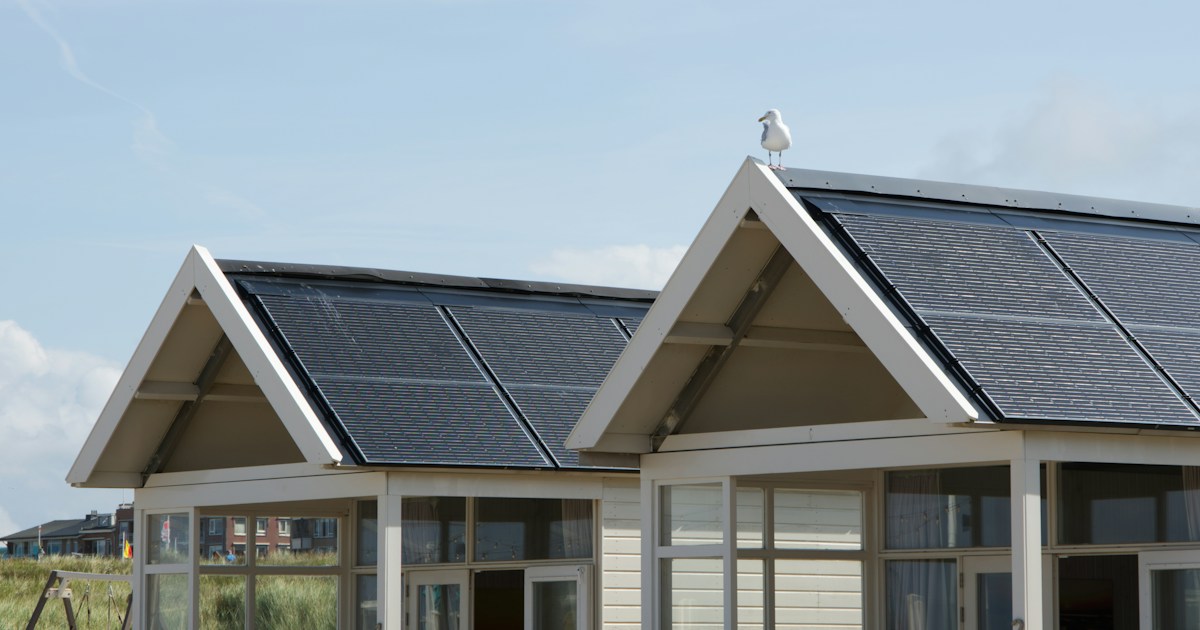
Yes, solar power is often a good way to go—but only when the numbers, roof, utility, and contract cooperate.
Our confident recommendation from Gone Greenish™:
- Choose rooftop solar when you have a durable, reasonably sunny roof, meaningful electricity use, favorable utility rules, and a transparent proposal.
- Consider a battery when outages, time-of-use rates, medical needs, or resilience matter. Do not assume it will maximize financial return.
- Choose community solar when you rent, have shade, or cannot justify rooftop installation.
- Wait or improve efficiency first when your roof needs replacement, your bill is tiny, or financing terms are murky.
- Reject aggressive sales pressure every time. The sun will still be there tomorrow.
The unresolved question from the opening section—what turns solar from a shiny idea into a sensible investment?—has a practical answer: a suitable site, realistic production data, useful utility compensation, conservative financial assumptions, and an installer who will still answer the phone years after commissioning.
Solar can lower emissions and support our healthy plane while reducing exposure to grid electricity purchases. But healthy decisions require healthy skepticism. Ask for the numbers, read the contract, and let your own roof—not a national average—make the final case.