Support our educational content for free when you purchase through links on our site. Learn more
🍌 Can You Eat Banas on a Plant-Based Diet? (2026 Guide)

Can you eat bananas on a plant-based diet? The short answer is a resounding YES, but the long answer is where the real magic happens. While you might have heard whispers that bananas are “too sugary” for a clean Whole-Food, Plant-Based (WFPB) lifestyle, we’re here to bust that myth wide open. In fact, bananas are not just allowed; they are the ultimate fuel for your plant-powered journey, offering a perfect balance of natural sweetness, essential potassium, and gut-loving fiber that refined sugars simply can’t match.
Imagine this: You’re standing in the grocery aisle, staring at a bunch of speckled, golden bananas, wondering if you should toss them into your cart or leave them for the “low-carb” crowd. We’ve all been there. But here’s a little secret from the Gone Greenish™ team: those speckled bananas are nature’s perfect pre-workout snack and the secret ingredient to creamy, oil-free “nice” cream that will make you forget dairy ever existed. Whether you’re a seasoned vegan or just dipping your toes into the plant-based pool, understanding how to harness the power of this tropical fruit is a game-changer.
In this deep dive, we’ll explore the science behind banana sugar, debunk the fear of carbs, and share 7 creative ways to enjoy them without breaking your diet. We’ll even reveal how one active vegan eats 8 bananas a day and still maintains perfect blood sugar levels. So, grab a banana (or two), and let’s settle this debate once and for all.
Key Takeaways
- ✅ Banas are 10% WFPB Compliant: They are whole, unprocessed, and nutrient-dense, making them a green-light food for any plant-based diet.
- ✅ Natural Sugar vs. Refined Sugar: The fiber in bananas regulates blood sugar absorption, preventing the crashes associated with processed sweets.
- ✅ Versatile Superfood: From savory curies with green bananas to sweet “nice” cream with ripe ones, they adapt to any meal.
- ✅ Nutrient Powerhouse: Packed with potassium, Vitamin B6, and resistant starch, they support heart health, brain function, and gut microbiome diversity.
- ✅ Portion Matters, But Don’t Fear: While moderation is key for sedentary individuals, active plant-based athletes can enjoy bananas as a primary energy source.
Table of Contents
- ⚡️ Quick Tips and Facts
- 🍌 The Banana Verdict: Can You Eat Banas on a Plant-Based Diet?
- 🌱 From Jungle to Kitchen: A Brief History of Banas in Plant-Based Eating
- 🥗 Decoding the Diet: What is a Whole-Food, Plant-Based (WFPB) Lifestyle?
- 🥬 Vegan vs. WFPB vs. Vegetarian: Where Do Banas Fit In?
- 🍚 The Carb Conundrum: Are Banas and Other Starches Allowed on WFPB?
- 📊 Nutrient Breakdown: The Health Benefits of Banas for Plant-Based Eaters
- 🚫 The Sugar Debate: Are Ripe Banas Too Sugary for a Clean WFPB Diet?
- 🥣 7 Creative Ways to Enjoy Banas on a Whole-Food, Plant-Based Diet
- 🍌 1. The Classic: Fresh Sliced with Nut Butter
- 🍦 2. The Frozen Treat: “Nice” Cream Without the Guilt
- 🥞 3. The Breakfast Upgrade: Fluffy WFPB Pancakes
- 🥤 4. The Post-Workout Fuel: High-Potassium Smoothies
- 🍞 5. The Baking Secret: Moist Banana Bread Without Oil
- 🥗 6. The Savory Twist: Banana Curry and Stir-Fries
- 🍳 7. The Egg Replacer: Binding Power for Vegan Baking
- 🔄 Transitioning to WFPB: How to Introduce Banas into Your New Lifestyle
- 🛒 What to Buy: Choosing the Best Banas for Your Plant-Based Pantry
- ❓ Frequently Asked Questions About Banas and Plant-Based Diets
- 🔗 Recommended Links for Further Reading
- 📚 Reference Links and Sources
- 🏁 Conclusion: The Final Word on Banas and Plant-Based Living
⚡️ Quick Tips and Facts
Before we dive into the nitty-gritty of whether you can munch on a banana while living the plant-based dream, let’s hit the fast-forward button with some high-octane facts straight from the Gone Greenish™ lab.
- ✅ The Verdict is In: Yes, you absolutely can eat bananas on a plant-based diet! In fact, they are a cornerstone of the Whole-Food, Plant-Based (WFPB) lifestyle.
- ✅ Sugar Myth Busted: Despite their sweetness, bananas are not the enemy. Their natural fiber slows down sugar absorption, preventing the dreaded “sugar crash” associated with refined sweets.
- ✅ Potassium Powerhouse: One medium banana packs about 42mg of potassium, crucial for heart health and muscle function.
- ✅ The “Nice” Cream Revolution: Frozen bananas are the secret weapon for creating creamy, dairy-free desserts without a single drop of oil or added sugar.
- ❌ The Over-Consumption Trap: While healthy, eating 20 bananas a day might tip the scales for a sedentary person, but for an active athlete? It’s just fuel. Context matters!
If you’re wondering where to start your plant-based journey, check out our guide on 🌱 What Are 5 Foods for a Plant-Based Diet? (2026 Guide) to see how bananas stack up against other superstars.
🍌 The Banana Verdict: Can You Eat Banas on a Plant-Based Diet?
Let’s cut to the chase. You’ve heard the rumors. You’ve seen the “banas are just sugar” headlines. You’ve even had that one friend who swears by a low-carb, high-fat vegan diet and tells you to “ditch the yellow fruit.”
Here is the truth: Banas are not just allowed on a plant-based diet; they are celebrated.
Whether you are strictly Whole-Food, Plant-Based (WFPB), vegan, or just trying to eat more plants, the banana is a green-light food. It is a whole food, it grows on a plant (technically a giant herb, but let’s not get pedantic), and it requires zero processing to be delicious.
Why the confusion?
The confusion stems from the difference between added sugars and natural sugars. Banas contain fructose, but they come packaged with fiber, vitamins, and minerals. Refined sugar? That’s just empty calories. As noted by experts at Discover Health, bananas are explicitly listed as a permitted fruit within the WFPB diet, falling squarely into the “whole food” category.
But wait… is there a catch? What about the sugar content? What if you have diabetes? What if you’re trying to lose weight?
Don’t worry. We’re about to unpack the science, the myths, and the real way to enjoy this tropical treasure without a single drop of guilt.
🌱 From Jungle to Kitchen: A Brief History of Banas in Plant-Based Eating

You might think bananas are a modern convenience, but they’ve been a staple for humans for thousands of years.
The Ancient Origins
Banas originated in Southeast Asia and Papua New Guinea. Unlike the seedless, sweet Cavendish bananas you see in your local grocery store (which are actually clones of a single variety), wild bananas were full of hard seeds and not nearly as sweet.
The Plant-Based Evolution
As humans migrated, they cultivated bananas for their starch and sweetness. For centuries, they were a primary calorie source for tropical populations.
Fast forward to the 20th century, and the Cavendish variety took over the global market, making bananas one of the most affordable and accessible fruits in the world. This accessibility made them a hero for early plant-based advocates who needed cheap, nutrient-dense fuel.
Did you know?
The banana’s journey from a seeded wild fruit to the smooth, sweet snack we know today is a testament to human agriculture. However, this monoculture (relying one variety) puts the banana at risk of disease, a topic we touch on in our 🌍 Biodiversity Conservation series.
Today, bananas remain a budget-friendly and nutrient-dense option for anyone looking to ditch animal products. They are the ultimate “grab-and-go” fuel for the busy plant-based eater.
🥗 Decoding the Diet: What is a Whole-Food, Plant-Based (WFPB) Lifestyle?
Before we can fully appreciate the banana, we need to define the playing field. What exactly is a WFPB diet?
It’s not just “vegan.” It’s not just “vegetarian.” It’s a specific eating pattern focused on minimally processed plant foods.
The Core Principles of WFPB
- Whole Foods Only: Foods that look like they came from the ground (or a tree). If it has a label with 50 ingredients, it’s probably not WFPB.
- Plant-Based: No meat, dairy, eggs, or fish.
- Minimally Processed: No refined oils, refined sugars, or refined flours.
The “Oreo” Test
Here is a classic way to distinguish WFPB from standard veganism:
- Vegan: Can eat Oreos, Pop-Tarts, and vegan cheese.
- WFPB: Cannot eat Oreos, Pop-Tarts, or vegan cheese.
As the team at Houston Methodist explains, the goal is to increase nutrient density. While a vegan diet allows processed foods, a WFPB diet strictly excludes them to maximize health benefits.
So, where do bananas fit?
They are the poster child for WFPB. They are whole, unprocessed, and plant-based. No debate.
🥬 Vegan vs. WFPB vs. Vegetarian: Where Do Banas Fit In?
Let’s clear up the confusion between these three popular diets. It’s like comparing a sedan, a hybrid, and a race car—they all have wheels, but they run differently.
| Diet Type | Animal Products? | Processed Foods? | Banas Allowed? | Primary Focus |
|---|---|---|---|---|
| Vegetarian | ❌ No Meat/Fish | ✅ Yes | ✅ Yes | Avoiding meat |
| Vegan | ❌ No Animal Products | ✅ Yes | ✅ Yes | Ethical/Environmental |
| WFPB | ❌ No Animal Products | ❌ No (Strict) | ✅ Yes | Health & Longevity |
The Nuance
- Vegetarians might eat cheese and eggs, but they can also eat bananas.
- Vegans avoid all animal products but might eat a vegan donut. Banas are fine, but the diet doesn’t necessarily prioritize whole foods.
- WFPB adherents avoid animal products and processed junk. Banas are essential here as a natural sweetener and energy source.
Why does this matter?
If you are transitioning to a WFPB diet, you might feel overwhelmed by the “no sugar” rule. That’s where the banana comes in! It bridges the gap, satisfying your sweet tooth without breaking the rules.
🍚 The Carb Conundrum: Are Banas and Other Starches Allowed on WFPB?
Ah, the great carb debate. For years, the low-carb movement has demonized fruits and starchy vegetables. “Carbs make you fat!” they say.
We say: Nonsense.
In a WFPB diet, carbohydrates are your primary fuel source. Banas, potatoes, sweet potatoes, corn, and whole grains are not just allowed; they are encouraged.
The Science of Starch
Your body runs on glucose. Where do you think it gets that glucose? From carbohydrates!
- Banas provide quick energy (great for pre-workout).
- Starchy veggies provide sustained energy.
Myth Buster: Eating bananas does not automatically make you fat. It’s the excess calories from any source (including nuts, oils, and avocados) that leads to weight gain.
As noted in the Nutrition Studies article, the fiber in bananas helps regulate how your body processes sugar, providing a “sustainable” energy release rather than a spike and crash.
The Bottom Line:
If you are active, bananas are fuel. If you are sedentary, they are still healthy, but portion control is key. But let’s be honest, who eats a single banana and stops? (Okay, maybe you. We’re jealous.)
📊 Nutrient Breakdown: The Health Benefits of Banas for Plant-Based Eaters
Let’s geek out on the numbers. Why are we so obsessed with this yellow fruit?
Nutritional Profile of a Medium Banana (approx. 18g)
| Nutrient | Amount | % Daily Value (DV) | Benefit |
|---|---|---|---|
| Calories | 105 | – | Energy |
| Carbohydrates | 27g | 9% | Fuel |
| Fiber | 3.1g | 1% | Gut Health |
| Potassium | 42mg | 9% | Heart & Muscle |
| Vitamin B6 | 0.4mg | 25% | Brain Function |
| Vitamin C | 10mg | 1% | Immunity |
| Magnesium | 32mg | 8% | Bone Health |
Why Plant-Based Eaters Need Banas
- Potassium Power: Plant-based diets are naturally high in potassium, but bananas are a concentrated source. This helps lower blood pressure and reduces the risk of stroke.
- Vitamin B6: Crucial for brain health and converting food into energy. Many plant-based eaters need to be mindful of B12, but B6 is plentiful in bananas.
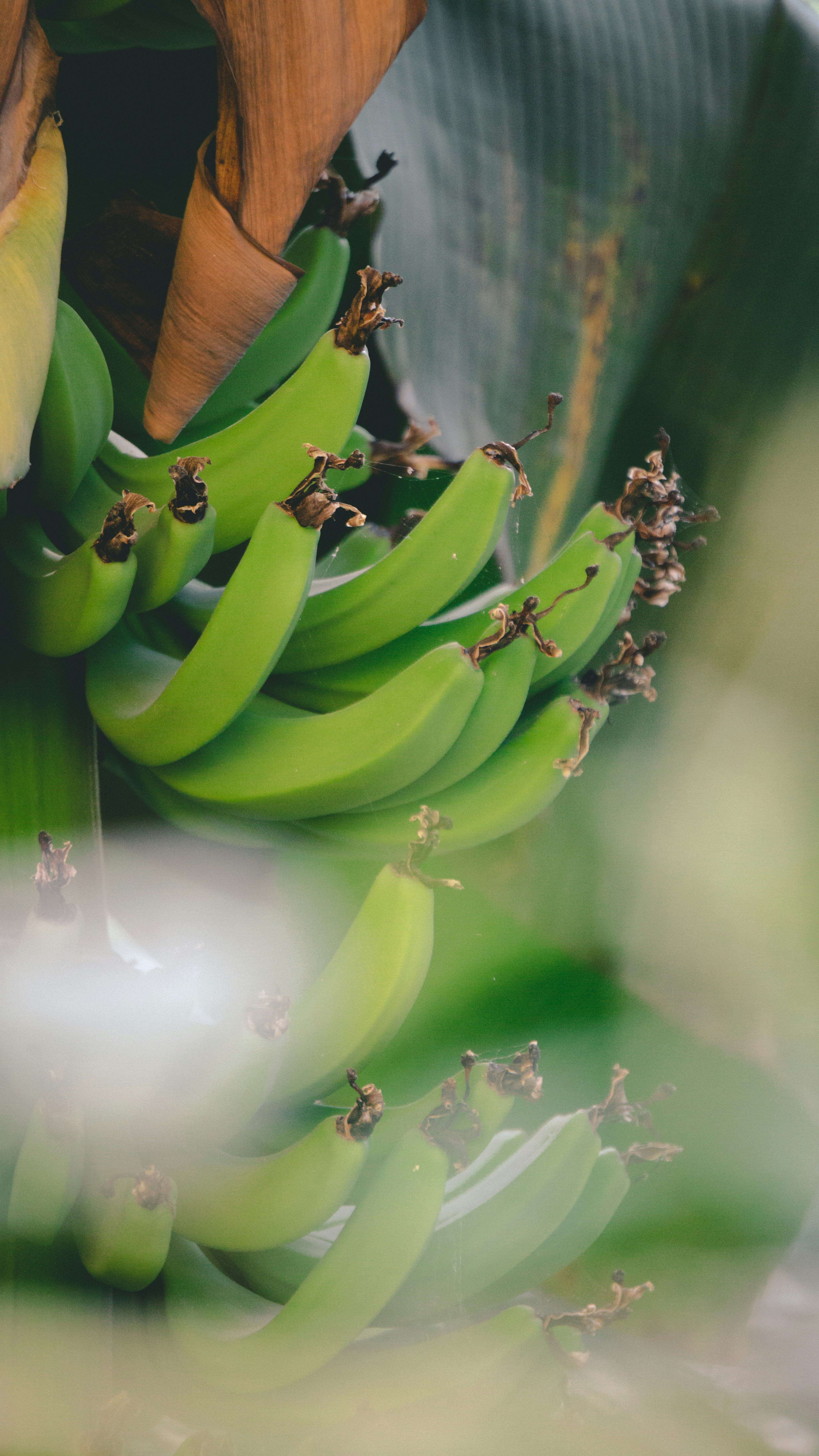
- Resistant Starch: Green bananas contain resistant starch, which acts as a prebiotic, feeding the good bacteria in your gut.
Fun Fact: As bananas ripen, the resistant starch converts to sugar, making them sweter and easier to digest. This is why a green banana tastes starchy, while a spotted one tastes like candy!
🚫 The Sugar Debate: Are Ripe Banas Too Sugary for a Clean WFPB Diet?
This is the question that keeps the “low-carb vegans” up at night. “Are bananas too sugary?”
Let’s look at the facts.
- Refined Sugar: 10% sucrose, no fiber, no nutrients.
- Bana Sugar: Fructose + Glucose + Fiber + Vitamins + Minerals.
The Fiber Factor
The magic of the banana lies in its fiber. Fiber slows down the digestion of sugar, preventing a rapid spike in blood glucose. This is why a banana is a whole food and a candy bar is not.
Expert Insight:
According to Nutrition Studies, “The fiber in the banana helps to regulate how your body processes this sugar and lets you use the energy in a more sustainable way.”
What About Diabetics?
If you have diabetes, you might worry about the glycemic index (GI).
- Green Banas: Low GI (50-5).
- Ripe Banas: Medium GI (5-60).
While ripe bananas have a higher GI, they are still considered a healthy choice for diabetics when eaten in moderation and paired with protein or fat (like nut butter).
The Verdict:
Unless you are eating 10 bananas in one sitting (which, unless you’re Ryan from the video below, is probably not necessary), bananas are safe and beneficial for blood sugar management.
🥣 7 Creative Ways to Enjoy Banas on a Whole-Food, Plant-Based Diet
Okay, you’re convinced. Banas are good. But how do you eat them without getting bored?
Here are 7 creative, WFPB-approved ways to enjoy bananas that go way beyond just peling and eating.
🍌 1. The Classic: Fresh Sliced with Nut Butter
The simplest is often the best. Slice a ripe banana and dip it in natural peanut butter or almond butter.
- Why it works: The fat and protein in the nut butter slow down sugar absorption, making this a perfect snack.
- Pro Tip: Sprinkle with a dash of cinnamon for extra flavor and blood sugar regulation.
🍦 2. The Frozen Treat: “Nice” Cream Without the Guilt
This is the holy grail of plant-based desserts.
- How to make it: Freeze sliced bananas. Blend them in a high-speed blender (like a Vitamix or Blendtec) until creamy.
- Add-ins: Add a handful of spinach (you won’t taste it!), cocoa powder, or frozen berries.
- Result: A texture identical to soft-serve ice cream, with zero dairy and zero added sugar.
🥞 3. The Breakfast Upgrade: Fluffy WFPB Pancakes
Banas are the secret to fluffy, oil-free pancakes.
- The Trick: Mash a ripe banana into your batter. It acts as a binder and adds natural sweetness.
- Recipe Idea: Use oat flour, mashed banana, plant milk, and a splash of vanilla. Top with fresh berries.
🥤 4. The Post-Workout Fuel: High-Potassium Smoothies
After a run or a gym session, your body needs potassium and carbs to recover.
- The Blend: 1 frozen banana, 1 cup spinach, 1/2 cup frozen mango, 1 cup plant milk, and a scoop of Sunwarior or Orgain plant protein.
- Why: The banana provides quick energy, while the spinach adds iron and vitamins.
🍞 5. The Baking Secret: Moist Banana Bread Without Oil
Bana bread is a classic, but traditional recipes are loaded with oil and sugar.
- WFPB Hack: Use mashed bananas as the primary fat and sweetener. You can often reduce or eliminate oil entirely.
- Brand Tip: Check out MamaSezz for pre-made WFPB meals that use whole food sweeteners like bananas.
🥗 6. The Savory Twist: Banana Curry and Stir-Fries
This sounds weird, but trust us.
- How: Add sliced green (unripe) bananas to a Thai green curry or a savory stir-fry.
- Why: Green bananas have a texture similar to potatoes and absorb spices beautifully. It’s a great way to add bulk and nutrients to a savory dish.
🍳 7. The Egg Replacer: Binding Power for Vegan Baking
No eggs? No problem.
- The Ratio: 1 mashed banana = 1 egg in baking recipes.
- Best for: Muffins, quick breads, and pancakes.
- Note: It adds a slight banana flavor, so it’s best for sweet recipes. For savory dishes, use a “flax egg” instead.
🔄 Transitioning to WFPB: How to Introduce Banas into Your New Lifestyle
So, you want to switch to a WFPB diet. Maybe you’re tired of feeling sluggish, or you want to reduce your carbon footprint.
Where do you start?
Don’t try to change everything overnight. Start by swapping out your processed snacks for bananas.
Step-by-Step Transition Plan
- Week 1: Replace your morning sugary cereal with a banana and oatmeal.
- Week 2: Swap your afternoon candy bar for a banana and a handful of almonds.
- Week 3: Try making “nice” cream for dessert instead of ice cream.
- Week 4: Experiment with green bananas in savory dishes.
Motivation:
As the experts at Discover Health suggest, “While the biggest benefits do come with a complete transition to a WFPB diet, there are small changes you can make to start you on your journey.”
Remember: It’s not about perfection. It’s about progress. Every banana you eat is a step toward better health.
🛒 What to Buy: Choosing the Best Banas for Your Plant-Based Pantry
Not all bananas are created equal. Here’s how to pick the best ones for your needs.
The Ripeness Guide
- Green Banas: High in resistant starch, low in sugar. Great for savory dishes and smoothies if you want less sweetness.
- Yellow Banas: Balanced sugar and starch. Perfect for snacking.
- Spotted Banas: High in sugar, low in starch. Best for baking and “nice” cream.
Organic vs. Conventional
Banas are often on the “Dirty Dozen” list for pesticide residue. If your budget allows, buy organic.
- Brands to look for: Organic Girl, Driscoll’s, or local farmers’ market finds.
Where to Buy
You can find bananas at almost any grocery store, but for the best quality and ethical sourcing, check out:
- Local Farmers Markets: Support local agriculture and reduce your carbon footprint.
- Whole Foods Market: Great selection of organic bananas.
- Costco: Bulk buying for the serious banana lover.
👉 Shop for Banas on:
🎥 Featured Video: The 8-Bana Challenge
We can’t talk about bananas without addressing the elephant in the room: Can you eat 8 bananas a day?
In a viral video by Ryan of Happy Healthy Vegan, he shares his experience of eating 8-12 bananas a day for breakfast for eight years.
The Claims:
- Potassium Poisoning? Ryan argues that unless you have kidney issues, your body handles the potassium just fine. In fact, he notes that <2% of US adults meet potassium recommendations.
- Diabetes? Ryan shares his blood work: A1c of 5.5 and fasting glucose of 94 mg/dL. No signs of diabetes.
- Weight? He is active, runs 20 miles a week, and maintains a healthy weight.
The Takeaway:
While Ryan’s diet works for him (an active, tall male), it might not be right for everyone. However, it proves that banas are not the enemy.
Watch the full video here to see Ryan’s blood test results and hear his story firsthand.
❓ Frequently Asked Questions About Banas and Plant-Based Diets
Can you eat eggs on a plant-based diet?
No. By definition, a plant-based diet (specifically WFPB or vegan) excludes all animal products, including eggs. If you eat eggs, you are following a vegetarian or omnivorous diet, not a strict plant-based one.
What can you not eat on a Whole foods plant-based diet?
You should avoid:
- Animal products: Meat, dairy, eggs, honey.
- Refined foods: White sugar, white flour, white rice.
- Added oils: Olive oil, coconut oil, vegetable oil (these are processed, not whole foods).
- Processed snacks: Chips, cookies, vegan meats (unless minimally processed).
What fruit can you eat on a plant-based diet?
All fruits! Apples, berries, oranges, mangoes, and yes, banas. The key is to eat them in their whole form, not as juice or dried fruit with added sugar.
Are bananas good for plant-based diet?
Absolutely. They are a nutrient-dense, whole food that provides essential potassium, fiber, and energy. They are a staple for many plant-based athletes.
Are bananas considered a whole food plant-based food?
Yes. Banas are the definition of a whole food. They require no processing to be edible and retain all their natural nutrients.
Do bananas cause inflammation on a plant-based diet?
No. Banas are actually anti-inflammatory due to their high antioxidant content. However, if you have a specific allergy or sensitivity, they might cause issues for you personally.
How many bananas should I eat daily on a vegan diet?
There is no hard rule. For most people, 1-2 bananas a day is a healthy amount. Athletes or those with high caloric needs might eat more. Listen to your body!
Are bananas too high in sugar for a healthy plant-based lifestyle?
No. The sugar in bananas is natural and comes with fiber, which regulates absorption. They are a far better choice than refined sugar.
Can bananas help with nutrient absorption on a plant-based diet?
Yes. Banas are rich in Vitamin B6, which helps with the metabolism of other nutrients. They also provide magnesium, which aids in muscle function and sleep.
What are the best times to eat bananas for energy on a plant-based diet?
- Pre-workout: 30-60 minutes before exercise for quick energy.
- Post-workout: To replenish glycogen stores and potassium.
- Breakfast: To start your day with sustained energy.
Do bananas support gut health on a plant-based diet?
Yes. Green bananas contain resistant starch, which acts as a prebiotic, feeding the beneficial bacteria in your gut.
🏁 Conclusion: The Final Word on Banas and Plant-Based Living
So, let’s circle back to the question that started it all: Can you eat bananas on a plant-based diet?
The answer is a resounding YES.
Banas are not just “allowed”; they are celebrated as a cornerstone of the Whole-Food, Plant-Based lifestyle. They provide essential nutrients, natural sweetness, and versatile culinary options that make the transition to plant-based eating delicious and sustainable.
The Myths Debunked:
- Myth: Banas are too sugary.
Truth: Their fiber content makes them a healthy, low-glycemic choice. - Myth: Banas cause weight gain.
Truth: They are a nutrient-dense fuel source; weight gain comes from excess calories, not the fruit itself. - Myth: You can’t eat bananas if you have diabetes.
Truth: With portion control and pairing with protein/fat, bananas are safe for most diabetics.
Our Recommendation:
Embrace the banana! Whether you’re slicing it into your oatmeal, blending it into “nice” cream, or baking it into oil-free bread, this yellow fruit is your ally. Don’t let fear of sugar or carbs hold you back. As Ryan from the video showed us, a high-bana diet can lead to incredible energy and health—provided you listen to your body and stay active.
Final Thought:
The next time you see a bunch of bananas at the store, don’t hesitate. Grab them, take them home, and enjoy the natural sweetness of a truly whole food. Your body (and your taste buds) will thank you.
🔗 Recommended Links for Further Reading
Ready to dive deeper into the world of plant-based living? Check out these resources:
Books & Guides:
- The Plant-Based Diet for Beginners – A comprehensive guide to getting started.
- How Not to Die by Dr. Michael Greger – Essential reading for understanding the science of plant-based nutrition.
- The Whole Food Plant-Based Cookbook – Delicious recipes featuring bananas and other whole foods.
Products & Brands:
- MamaSezz: Shop WFPB Meals – Pre-made meals using whole food sweeteners.
- Vitamix: High-Speed Blenders – The ultimate tool for making “nice” cream.
- Organic Banas: Buy Organic Banas – Support sustainable farming.
Internal Resources:
- Carbon Footprint Reduction – Learn how your diet impacts the planet.
- Eco-Conscious Brands – Discover brands that align with your values.
- Biodiversity Conservation – Why saving the banana matters.
📚 Reference Links and Sources
- Discover Health: What is a Whole-Food, Plant-Based Diet?
- Houston Methodist: What is a Plant-Based Diet?
- Nutrition Studies: Can I Still Have Sugar on a Whole Food, Plant-Based Diet?
- U.S. News & World Report: Best Diets Rankings
- CDC: Fruit and Vegetable Consumption
- Happy Healthy Vegan: 8 Banas a Day (Video Reference)
- MamaSezz Official Website
- Vitamix Official Website