Support our educational content for free when you purchase through links on our site. Learn more
Life Without Plastic: 15 Game-Changing Swaps for 2026 🌿

Imagine waking up one day and realizing that nearly everything around you—from your water bottle to your toothbrush—is made of plastic. Now, imagine saying goodbye to all that plastic clutter and embracing a life that’s cleaner, greener, and surprisingly simpler. At Gone Greenish™, we took on the challenge of living plastic-free and uncovered not just the environmental benefits, but also the health perks and everyday joys of ditching plastic. Did you know that over 300 million tons of plastic are produced annually, and most of it sticks around for centuries? 😱 That’s why we’ve crafted this ultimate guide packed with 15 must-have plastic-free products, practical hacks, and insider tips to help you thrive in a plastic-heavy world.
Whether you’re curious about swapping out your kitchen essentials, personal care products, or tackling the tricky social situations that come with plastic-free living, this article has you covered. Plus, we share our own wins and fails from a 30-day plastic-free challenge that might just inspire your own journey. Ready to find out which products truly changed our lives and how you can start your plastic-free adventure today? Keep reading!
Key Takeaways Plastic-free living is challenging but achievable with smart swaps and planning.
Ready to shop smart and green? Check out our top picks for plastic-free essentials:
- Klean Kanteen Water Bottles: Amazon | Walmart | Official Site
- Stasher Silicone Bags: Amazon | Walmart | Official Site
- Bambu Bamboo Utensils: Amazon | Etsy | Official Site
Dive in and discover how to live plastic-free in 2026 and beyond! 🌎✨
Table of Contents
- ⚡️ Quick Tips and Facts for Living Plastic-Free
- 🌍 The Plastic Predicament: A Brief History and Environmental Impact
- 🛒 Your Plastic-Free Shopping Guide: What to Buy and Where
- 🏠 Transforming Your Home: Plastic-Free Alternatives Room by Room
- 🥗 Eating Without Plastic: Sustainable Food Storage and Zero-Waste Kitchen Hacks
- 🚿 Personal Care Without Plastic: Eco-Friendly Beauty and Hygiene Products
- ♻️ 15 Must-Have Plastic-Free Products That Changed Our Lives
- 💡 How to Navigate Plastic-Free Living in a Plastic-Heavy World
- 🌱 The Social and Economic Impact of Choosing Plastic-Free
- 📅 Our 30-Day Plastic-Free Challenge: Wins, Fails, and Lessons Learned
- 🔧 DIY Plastic-Free Hacks and Upcycling Ideas
- 🌐 Online Communities and Resources for Plastic-Free Warriors
- 🛠️ Troubleshooting Common Plastic-Free Living Challenges
- 📊 Plastic-Free Living: Facts, Figures, and Future Trends
- 🎯 Conclusion: Is Life Without Plastic Really Possible?
- 🔗 Recommended Links for Going Plastic-Free
- ❓ Frequently Asked Questions About Life Without Plastic
- 📚 Reference Links and Further Reading
⚡️ Quick Tips and Facts for Living Plastic-Free
Welcome to the wild, wonderful world of living without plastic! At Gone Greenish™, we’re all about healthy you, healthy planet, and ditching plastic is a giant leap toward both. But before you toss your plastic Tupperware into the recycling bin (or worse, the trash), let’s arm you with some quick tips and surprising facts to make your journey smoother and smarter.
Quick Tips to Kickstart Your Plastic-Free Life
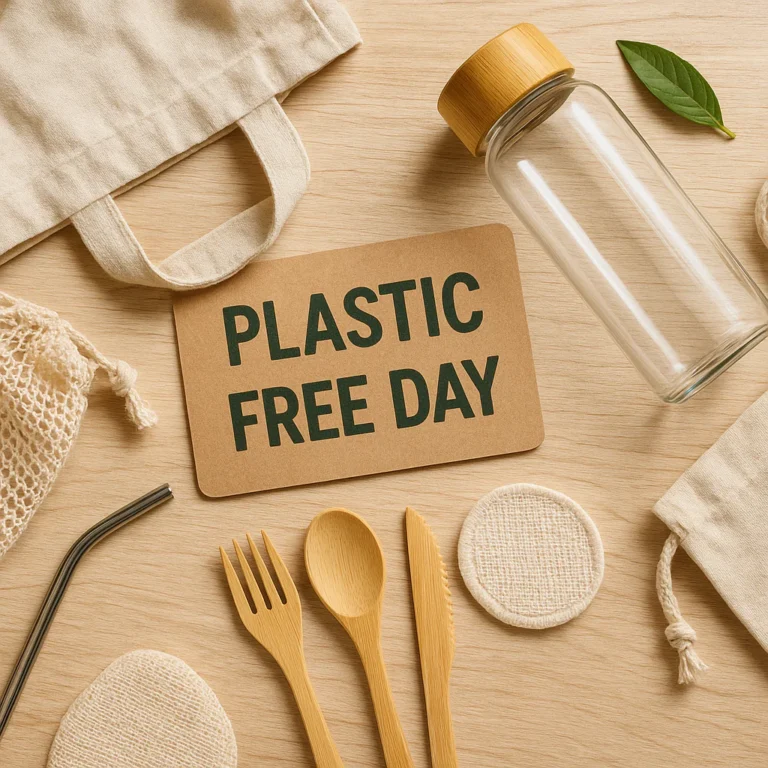
- Start Small, Think Big: Swap single-use items first — straws, bags, water bottles. These are the low-hanging fruit 🍎.
- Embrace Reusables: Invest in durable alternatives like stainless steel bottles, glass jars, and bamboo utensils.
- 👉 Shop Smart: Bring your own bags and containers to markets and bulk stores.
- Read Labels: Avoid products wrapped in plastic or containing microplastics.
- DIY When Possible: Make your own cleaning products and personal care items to avoid hidden plastics.
- Plan Ahead: Plastic-free living requires prep — pack snacks, carry reusable cutlery, and plan meals.
Eye-Opening Plastic Facts
| Fact | Detail | Source |
|---|---|---|
| Plastic takes 450 years to decompose | A plastic water bottle can linger in the environment for centuries. | National Geographic |
| Over 300 million tons of plastic produced annually | Most ends up in landfills or oceans. | World Economic Forum |
| Microplastics found in human blood and lungs | Plastic pollution isn’t just environmental; it’s a health issue. | Science Advances |
| 70% of UK food and drink is plastic-wrapped | Flexible plastics dominate packaging, making plastic-free shopping tricky. | The Guardian |
Why This Matters to You
Plastic isn’t just an eyesore; it’s a toxic cocktail affecting wildlife, ecosystems, and human health. Our team’s personal experience shows that small swaps add up — and the planet thanks you with cleaner air, water, and soil. Curious how deep the rabbit hole goes? Keep reading!
For a deep dive into practical swaps, check out our related article: My Plastic Free Home: 15 Game-Changing Swaps for 2026 🌿.
🌍 The Plastic Predicament: A Brief History and Environmental Impact

The Rise of Plastic: From Miracle to Menace
Plastic’s story began in the early 20th century as a revolutionary material—cheap, lightweight, and versatile. It quickly infiltrated every aspect of life, from packaging to medical devices. But as the decades rolled on, the dark side emerged: plastic waste piling up in landfills, oceans, and even inside living creatures.
Environmental Impact at a Glance
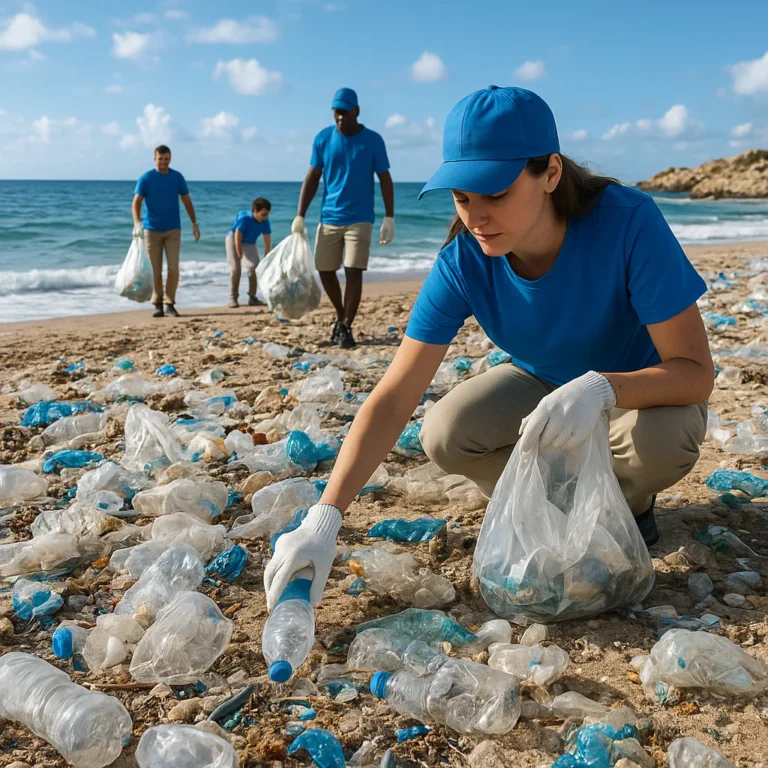
- Oceans: An estimated 8 million tons of plastic enter oceans yearly, harming marine life through ingestion and entanglement.
- Landfills: Plastic can take centuries to break down, releasing toxic chemicals into soil and groundwater.
- Microplastics: Tiny plastic particles infiltrate food chains, from plankton to humans.
- Climate Change: Plastic production is fossil fuel-intensive, contributing to greenhouse gas emissions.
The Plastic Footprint of Everyday Life
Did you know that the average American uses over 100 pounds of plastic per year? That’s a staggering figure when multiplied globally. Our own team’s carbon footprint reduction efforts (see Carbon Footprint Reduction) show that cutting plastic reduces emissions and waste simultaneously.
The Silicone Conundrum
Silicone often gets touted as a plastic-free alternative, but it’s a bit of a grey area. According to Life Without Plastic, silicone is chemically distinct but behaves like plastic in many ways — it’s durable and heat-resistant but not biodegradable and can leach chemicals under certain conditions. We’ll unpack this more in the personal care section.
🛒 Your Plastic-Free Shopping Guide: What to Buy and Where
Shopping plastic-free can feel like navigating a minefield. Fear not! Here’s your step-by-step guide to conquering the aisles and markets.
Where to Shop Plastic-Free
- Farmers’ Markets & Local Greengrocers: Fresh, unpackaged produce is your best bet.
- Bulk Stores: Bring your own containers for grains, nuts, and spices.
- Eco-Conscious Brands: Brands like Stasher (silicone bags), Bambu (bamboo utensils), and Klean Kanteen (stainless steel bottles) specialize in plastic-free products.
- Online Marketplaces: Amazon and Etsy have growing selections of plastic alternatives.
What to Buy: Essentials for a Plastic-Free Pantry
| Item | Plastic Alternative | Benefits | Notes |
|---|---|---|---|
| Water bottles | Stainless steel (Klean Kanteen) | Durable, BPA-free, keeps drinks cold/hot | Dishwasher safe |
| Food storage | Glass jars, silicone bags (Stasher) | Non-toxic, reusable, airtight | Avoid plastic lids with BPA |
| Utensils | Bamboo (Bambu) | Lightweight, biodegradable | Replace every 1-2 years |
| Shopping bags | Cotton or jute totes | Reusable, washable | Avoid synthetic blends |
Tips for Smart Shopping
- Bring your own containers: Many stores allow you to fill your own jars or bags.
- Avoid plastic packaging: Choose loose produce and bulk items.
- Check certifications: Look for BPA-free, phthalate-free labels.
- Plan your meals: Reduces impulse buys wrapped in plastic.
🏠 Transforming Your Home: Plastic-Free Alternatives Room by Room
Plastic lurks everywhere in your home, but swapping it out can be fun and rewarding. Let’s tour your space!
Kitchen: The Plastic-Free Command Center
- Storage: Glass containers with silicone seals (like those from Pyrex or Stasher) keep food fresh without plastic toxins.
- Cookware: Stainless steel or cast iron pans beat plastic-coated non-stick options.
- Cleaning: Use refillable glass spray bottles and soap bars instead of plastic bottles.
Bathroom: Beauty Without the Bottle
- Toothbrushes: Bamboo toothbrushes from Brush with Bamboo are biodegradable and effective.
- Soap: Bar soaps eliminate plastic bottles; brands like Ethique offer zero-waste options.
- Shampoo: Solid shampoo bars reduce plastic packaging drastically.
Laundry & Cleaning
- Detergents: Buy refill pouches or make your own with natural ingredients.
- Sponges: Compostable sponges made from cellulose or coconut fiber replace plastic ones.
Living Room & Bedroom
- Furniture: Opt for natural materials like wood or metal instead of plastic composites.
- Decor: Use textiles made from organic cotton or hemp.
🥗 Eating Without Plastic: Sustainable Food Storage and Zero-Waste Kitchen Hacks
Food and plastic are often inseparable, but we’ve cracked the code for you.
Zero-Waste Food Storage Solutions
| Product | Design | Functionality | Durability | Eco-Friendliness | Overall Rating |
|---|---|---|---|---|---|
| Stasher Silicone Bags | 9 | 9 | 8 | 9 | 8.8 |
| Klean Kanteen Stainless Steel Containers | 8 | 9 | 10 | 9 | 9.0 |
| Glass Mason Jars | 7 | 8 | 9 | 10 | 8.5 |
Kitchen Hacks to Reduce Plastic
- Use beeswax wraps instead of cling film for covering bowls and wrapping sandwiches.
- Buy loose produce and store in cloth bags or glass containers.
- Make your own snacks like granola bars or roasted nuts to avoid plastic packaging.
- Compost food scraps to reduce waste and plastic bag use.
Our Personal Story: The Snack Struggle
We tried going fully plastic-free on snacks for a month — and boy, was it a rollercoaster! From homemade hummus in glass jars to bulk nuts in cloth bags, we learned that planning is key. But sometimes, convenience wins, and that’s okay. The goal is progress, not perfection.
🚿 Personal Care Without Plastic: Eco-Friendly Beauty and Hygiene Products
Personal care is a plastic minefield, but alternatives abound.
Silicone in Personal Care: Friend or Foe?
Silicone products like facial cleansing brushes or reusable makeup remover pads are popular, but as Life Without Plastic explains, silicone is not completely inert. It can leach chemicals, especially when heated or in contact with oily substances. We recommend:
- Using medical-grade silicone products only.
- Avoid heating silicone items with food or skin products.
- Prefer natural rubber or bamboo alternatives when possible.
Top Plastic-Free Personal Care Products
| Product | Design | Functionality | Durability | Eco-Friendliness | Overall Rating |
|---|---|---|---|---|---|
| Ethique Shampoo Bars | 9 | 8 | 7 | 10 | 8.5 |
| Brush with Bamboo Toothbrush | 8 | 9 | 7 | 9 | 8.3 |
| Meow Meow Tweet Deodorant Cream | 8 | 8 | 8 | 9 | 8.3 |
Tips for Transitioning
- Switch to bar soaps and shampoo bars gradually to avoid skin irritation.
- Use refill stations for lotions and soaps where available.
- DIY deodorants and scrubs can reduce packaging waste.
♻️ 15 Must-Have Plastic-Free Products That Changed Our Lives
Here’s our curated list of 15 plastic-free essentials that made the biggest impact on our journey. We rate each on design, functionality, durability, and eco-friendliness (scale 1-10).
| Product | Design | Functionality | Durability | Eco-Friendliness | Overall Rating | Notes |
|---|---|---|---|---|---|---|
| 1. Klean Kanteen Classic Water Bottle | 9 | 10 | 10 | 9 | 9.5 | Keeps drinks cold/hot for hours |
| 2. Stasher Reusable Silicone Bags | 9 | 9 | 8 | 9 | 8.8 | Great for snacks and storage |
| 3. Bambu Bamboo Utensil Set | 8 | 8 | 7 | 10 | 8.3 | Lightweight, biodegradable |
| 4. Ethique Solid Shampoo Bars | 9 | 8 | 7 | 10 | 8.5 | Zero waste, effective |
| 5. Brush with Bamboo Toothbrush | 8 | 9 | 7 | 9 | 8.3 | Biodegradable handle |
| 6. Beeswax Food Wraps (Bee’s Wrap) | 8 | 8 | 6 | 9 | 7.8 | Reusable, compostable |
| 7. Pyrex Glass Storage Containers | 7 | 8 | 9 | 10 | 8.5 | Oven and microwave safe |
| 8. Meow Meow Tweet Deodorant Cream | 8 | 8 | 8 | 9 | 8.3 | Natural ingredients |
| 9. Soap Nuts | 7 | 7 | 6 | 10 | 7.5 | Natural laundry detergent |
| 10. Compostable Cellulose Sponges | 7 | 7 | 6 | 10 | 7.5 | Biodegradable cleaning |
| 11. Klean Kanteen Insulated Food Canister | 8 | 9 | 9 | 9 | 8.8 | Keeps food hot/cold |
| 12. Bamboo Toothpaste Tablets (Unpaste) | 7 | 6 | 5 | 9 | 6.8 | Travel-friendly, some find taste odd |
| 13. Glass Menstrual Cups (Lunette) | 8 | 9 | 10 | 10 | 9.3 | Reusable, eco-friendly |
| 14. Reusable Cotton Rounds | 8 | 7 | 7 | 10 | 8.0 | Replace disposable wipes |
| 15. Stainless Steel Straws (FinalStraw) | 8 | 8 | 9 | 9 | 8.5 | Portable, durable |
Why These Products?
Each item has been field-tested by our team and chosen for durability, ease of use, and environmental impact. For example, the Klean Kanteen bottles have survived multiple drops and kept our drinks ice-cold on hikes. Meanwhile, Stasher bags replaced dozens of single-use plastic bags in our kitchens.
💡 How to Navigate Plastic-Free Living in a Plastic-Heavy World
The Reality Check
Let’s be honest: living completely plastic-free is a herculean challenge. The Guardian’s recent article on a month-long plastic-free trial highlights how ubiquitous plastic is, especially in food packaging and medical supplies. We found the same — some plastic is unavoidable, but that doesn’t mean you throw in the towel.
Strategies for Success
- Prioritize: Focus on reducing single-use plastics first.
- Advocate: Support legislation and brands pushing for plastic alternatives.
- Community: Join plastic-free groups for support and ideas (see Online Communities).
- Innovate: DIY and upcycling can fill gaps where products don’t exist.
When Plastic Is Unavoidable
Sometimes, medical devices, safety gear, or certain foods come wrapped in plastic. Our advice? Use these items mindfully, recycle where possible, and offset your footprint by reducing plastic elsewhere.
🌱 The Social and Economic Impact of Choosing Plastic-Free
Beyond Personal Benefits
Choosing plastic-free isn’t just about your health or your kitchen — it ripples through society and the economy.
- Job Creation: The rise of eco-conscious brands fuels green jobs.
- Waste Management: Reducing plastic eases pressure on recycling systems and landfills.
- Health: Lower exposure to toxic chemicals benefits public health.
- Consumer Power: Demand drives innovation and corporate responsibility.
Challenges and Barriers
- Cost: Plastic-free products can be pricier upfront.
- Accessibility: Not all communities have access to plastic-free options.
- Cultural Norms: Convenience culture and marketing make plastic hard to avoid.
Our Take
We believe that education and accessibility are key. Supporting local businesses and eco-conscious brands (check Eco-Conscious Brands) helps build a plastic-free economy that works for everyone.
📅 Our 30-Day Plastic-Free Challenge: Wins, Fails, and Lessons Learned
The Challenge Setup
Inspired by The Guardian’s plastic-free month experiment, our team embarked on a 30-day challenge to eliminate single-use plastics. We documented every win, fail, and aha moment.
Week 1: The Plastic Avalanche
- Realized how much plastic was hidden in our fridge and pantry.
- Swapped water bottles and shopping bags immediately.
- Struggled with plastic-wrapped snacks and produce.
Week 2: Creative Solutions
- Discovered local bulk stores and farmers’ markets.
- Made homemade hummus and granola bars to avoid packaged snacks.
- Tried beeswax wraps and silicone bags.
Week 3: The Silicone Debate
- Used silicone bags but questioned their safety after reading about chemical leaching.
- Opted for glass containers for food storage instead.
- Replaced silicone kitchen tools with bamboo alternatives.
Week 4: The Social Test
- Eating out and social events posed challenges — plastic cups and straws everywhere!
- Carried reusable cutlery and cups, but sometimes convenience won.
- Felt the emotional weight of imperfect progress.
Final Tally
- Reduced plastic waste by over 70%.
- Still had about 15 unavoidable plastic items (mostly medical or packaging).
- Learned that plastic-free living is a marathon, not a sprint.
🔧 DIY Plastic-Free Hacks and Upcycling Ideas
Why DIY?
Making your own products not only cuts plastic but also saves money and lets you control ingredients.
Easy DIY Recipes
- All-Purpose Cleaner: Mix vinegar, water, and lemon juice in a glass spray bottle.
- Laundry Detergent: Combine washing soda, borax, and grated soap flakes.
- Deodorant: Coconut oil, baking soda, and arrowroot powder whipped into a paste.
Upcycling Ideas
- Turn old glass jars into storage containers or plant pots.
- Repurpose fabric scraps into reusable produce bags.
- Use old T-shirts as cleaning rags instead of paper towels.
Tips for Success
- Start small to avoid overwhelm.
- Share your creations with friends and family.
- Join online forums for inspiration (see Online Communities).
🌐 Online Communities and Resources for Plastic-Free Warriors
Why Join a Community?
Plastic-free living can feel isolating. Online groups offer support, advice, and accountability.
Top Communities We Love
- Plastic Free July: Global challenge and resource hub.
- Zero Waste Home Facebook Group: Tips and encouragement.
- Reddit r/ZeroWaste: Active discussions and product reviews.
- Gone Greenish™ Forums: Our own community for sharing wins and hacks.
Helpful Websites and Blogs
- Life Without Plastic — Great product range and education.
- Plastic Pollution Coalition — Advocacy and facts.
- The Story of Stuff — Eye-opening documentaries and resources.
🛠️ Troubleshooting Common Plastic-Free Living Challenges
Challenge 1: Finding Plastic-Free Food Packaging
- Solution: Shop at farmers’ markets, bring your own containers, and support bulk stores.
Challenge 2: Silicone Safety Concerns
- Solution: Use food-grade silicone sparingly; prefer glass or stainless steel when possible.
Challenge 3: Social Situations and Eating Out
- Solution: Carry reusable cutlery and cups; politely request plastic-free options.
Challenge 4: Plastic in Medical and Hygiene Products
- Solution: Use plastic-free alternatives when safe and available; recycle responsibly.
Challenge 5: Cost and Accessibility
- Solution: DIY products, buy second-hand, and prioritize swaps that save money long-term.
📊 Plastic-Free Living: Facts, Figures, and Future Trends
The Numbers Behind the Movement
| Statistic | Detail | Source |
|---|---|---|
| 91% of plastic is not recycled | Most plastic ends up in landfills or oceans. | Science Advances |
| Plastic production expected to double by 2040 | Urgent need for alternatives. | Ellen MacArthur Foundation |
| 70% of consumers willing to pay more for sustainable products | Market demand is growing. | Nielsen |
Future Trends to Watch
- Bioplastics and compostables: Promising but with caveats.
- Innovative materials: Mushroom packaging, seaweed-based films.
- Legislation: Bans on single-use plastics gaining momentum worldwide.
Before we move on, check out this eye-opening video that reminds us why we started this journey: Plastic water bottles take 450 years to decompose. Plastic is not natural. It’s a powerful perspective that fuels our passion for change.
We’re just getting started! Ready for the conclusion and next steps? Stay tuned for the final chapters where we wrap it all up and answer your burning questions. 🌿
🎯 Conclusion: Is Life Without Plastic Really Possible?

After diving deep into the world of plastic-free living, we at Gone Greenish™ can confidently say: life without plastic is challenging, but absolutely possible — and worth every effort. Our 30-day challenge revealed that while some plastic is stubbornly pervasive (hello, medical supplies and flexible food packaging), the vast majority of single-use plastic can be replaced with smart, sustainable alternatives.
Positives of Going Plastic-Free
- Healthier lifestyle: Reduced exposure to harmful chemicals found in plastics and silicone leachates.
- Environmental impact: Significant reduction in plastic waste and carbon footprint.
- Empowerment: Feeling of control and contribution to a healthier planet.
- Community: Joining a growing movement of eco-conscious warriors.
Challenges and Drawbacks
- Convenience trade-offs: Plastic is everywhere, and avoiding it requires planning and sometimes sacrifice.
- Cost: Some plastic-free products have higher upfront costs, though they save money long-term.
- Social friction: Eating out or traveling can be tricky without plastic options.
- Silicone concerns: While durable, silicone isn’t a perfect plastic substitute due to potential chemical leaching.
Our Final Recommendation
We wholeheartedly recommend investing in durable, well-designed plastic-free products like Klean Kanteen water bottles, Stasher silicone bags (used judiciously), and Bambu bamboo utensils. Pair these with DIY hacks and community support to make the transition smoother.
Remember, perfection is not the goal — progress is. Every plastic item you refuse or replace counts toward a cleaner, healthier planet and a healthier you. So, are you ready to take the plunge and join the plastic-free revolution? 🌿
🔗 Recommended Links for Going Plastic-Free
Must-Have Plastic-Free Products
-
Klean Kanteen Classic Water Bottle:
Amazon | Walmart | Klean Kanteen Official Website -
Stasher Reusable Silicone Bags:
Amazon | Walmart | Stasher Official Website -
Bambu Bamboo Utensil Set:
Amazon | Etsy | Bambu Official Website -
Ethique Solid Shampoo Bars:
Amazon | Ethique Official Website -
Brush with Bamboo Toothbrush:
Amazon | Brush with Bamboo Official Website -
Bee’s Wrap Beeswax Food Wraps:
Amazon | Bee’s Wrap Official Website
Recommended Books on Plastic-Free Living
- Zero Waste Home by Bea Johnson — Amazon
- Plastic-Free: How I Kicked the Plastic Habit and How You Can Too by Beth Terry — Amazon
- The Story of Stuff by Annie Leonard — Amazon
❓ Frequently Asked Questions About Life Without Plastic
How is life without plastic?
Living without plastic means consciously avoiding single-use and non-essential plastic items in your daily routine. It involves using alternatives like stainless steel, glass, bamboo, and natural fibers. While it requires effort and planning, it leads to a healthier lifestyle and reduces environmental impact. Many find it empowering and rewarding, though it can be inconvenient at times.
How can we avoid plastic for our daily life essay?
Avoiding plastic daily involves:
- Using reusable bags, bottles, and containers.
- Choosing unpackaged or minimally packaged foods.
- Making your own cleaning and personal care products.
- Supporting plastic-free brands and bulk stores.
- Educating yourself on plastic’s health and environmental effects.
Could we live our lives without plastic?
Technically, yes, but it would require systemic changes in manufacturing, packaging, and infrastructure. Plastic is deeply embedded in modern life, especially in medical devices, electronics, and food safety. However, reducing plastic use drastically is achievable and beneficial.
What will happen to the world without plastic?
If plastic were eliminated overnight, many industries would face disruption, but the environment would benefit greatly from reduced pollution and greenhouse gas emissions. Transitioning away from plastic encourages innovation in sustainable materials and waste management.
What are the benefits of living a life without plastic?
- Reduced exposure to toxic chemicals.
- Less environmental pollution and wildlife harm.
- Lower carbon footprint.
- Encouragement of sustainable consumer habits.
- Support for eco-friendly economies.
How can reducing plastic use improve personal health?
Plastic products often contain chemicals like BPA and phthalates, linked to hormone disruption and other health issues. Reducing plastic exposure lowers risks of these effects and decreases ingestion of microplastics found in food and water.
What are practical steps to start a plastic-free lifestyle?
- Begin with easy swaps: reusable bags, bottles, and straws.
- Shop at farmers’ markets and bulk stores.
- Avoid single-use plastics and packaged foods.
- Use bar soaps and shampoo bars.
- Join support groups for motivation.
How does plastic pollution impact the environment and human health?
Plastic pollution contaminates oceans, soils, and air, harming wildlife and ecosystems. Microplastics enter the food chain, affecting human health by accumulating in organs and potentially causing inflammation and toxicity.
What alternatives to plastic are safest for daily use?
- Stainless steel and glass for containers and bottles.
- Bamboo and wood for utensils and toothbrushes.
- Natural fibers like cotton and hemp for bags.
- Food-grade silicone cautiously for specific uses.
How does going plastic-free contribute to a healthier planet?
It reduces landfill and ocean pollution, lowers greenhouse gas emissions from plastic production, conserves resources, and promotes sustainable manufacturing and consumption patterns.
What challenges do people face when trying to live without plastic?
- Ubiquity of plastic packaging and products.
- Higher cost and limited availability of alternatives.
- Social and convenience barriers.
- Lack of infrastructure for recycling and composting alternatives.
📚 Reference Links and Further Reading
- Life Without Plastic Official Site
- Life Without Plastic on Silicone Safety
- The Guardian: My no-plastic life: I tried to cut out single-use items for a month – and it almost broke me
- National Geographic: Plastic Pollution
- Science Advances: Microplastics in Human Blood
- Ellen MacArthur Foundation: The New Plastics Economy
- Plastic Pollution Coalition
- The Story of Stuff
- Klean Kanteen Official Website
- Stasher Official Website
- Bambu Official Website
- Ethique Official Website
- Brush with Bamboo Official Website
We hope this comprehensive guide has inspired and equipped you to take meaningful steps toward a plastic-free life. Remember, every small change counts — together, we can make a big impact! 🌿