Support our educational content for free when you purchase through links on our site. Learn more
🌱 How Renewables Power the Green Technology Revolution

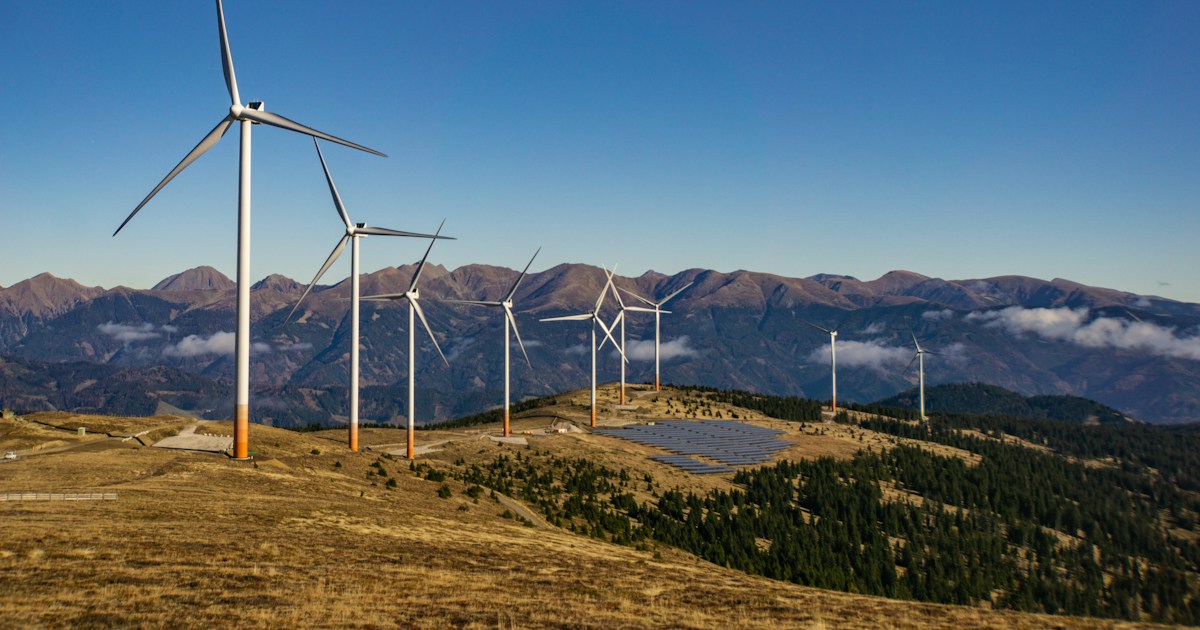
Renewable energy provides the cleaner electricity and heat that help green technologies—like electric vehicles, heat pumps, batteries, and efficient factories—deliver more of their climate benefits. So, what role do renewable energy sources play in the development of green technologies? They power these solutions, encourage new innovations, and help build energy systems that rely less on fossil fuels.
But renewable power isn’t a magic ingredient that makes every technology sustainable. Its benefits depend on the full picture: how equipment is made, what materials it uses, where projects are built, how electricity is stored and delivered, and who gets access to it.
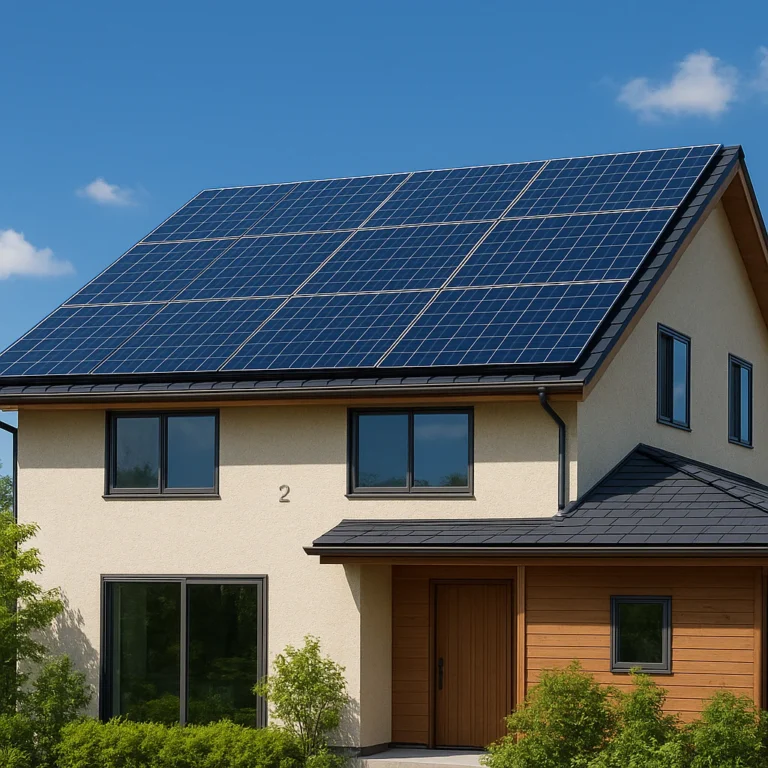
Picture charging an electric vehicle on a sunny afternoon. Solar panels generate electricity, a smart charger can time the charge to fit grid conditions, and the car drives without tailpipe emissions. The behind-the-scenes teamwork—generation, grid, storage, and efficient technology—is where the bigger story begins.
Key Takeaways
- Renewables power green technologies such as electric vehicles, heat pumps, efficient buildings, and cleaner industrial equipment.
- Cleaner electricity can reduce emissions from electrification, but life-cycle impacts from manufacturing, materials, land use, and disposal still count.
- Solar, wind, hydropower, geothermal, and sustainable bioenergy each have different strengths and trade-offs.
- Storage, smart grids, transmission, and flexible energy use help match variable renewable supply with demand.
- Access and responsible planning matter: clean technologies should be affordable, reliable, fairly sourced, and developed with community and ecosystem impacts in mind.
Table of Contents
- ⚡ Quick Tips and Facts
- 🌱 Renewable Energy and Green Technology: The Essential Connection
- 📜 How Renewable Energy Shaped the Green Technology Movement
- 🔋 How Clean Power Accelerates Green Technology Development
- Renewable electricity for homes, businesses, and industry
- Energy storage, smart grids, and electrification
- Green hydrogen and low-carbon fuels
- Clean energy for data centers and emerging technologies
- ☀️ Renewable Energy Sources Powering Green Innovation
- Solar power and photovoltaic technology
- Wind energy, onshore and offshore
- Hydropower and pumped-storage systems
- Geothermal energy and heat pumps
- Sustainable biomass and bioenergy
- Ocean energy: tidal and wave power
- 🏭 Green Technologies Across Key Sectors
- Cleaner transportation and electric vehicles
- Energy-efficient buildings and heating
- Low-carbon manufacturing and industrial processes
- Sustainable agriculture, water, and waste systems
- 📊 Environmental and Economic Benefits of Renewable-Powered Innovation
- Lower greenhouse gas emissions and improved air quality
- Energy security, resilience, and local jobs
- Innovation, investment, and falling technology costs
- ⚖️ Challenges and Trade-Offs to Address
- Intermittency, storage, and grid reliability
- Land use, wildlife, and community impacts
- Critical minerals, supply chains, and recycling
- Affordability, access, and a fair energy transition
- 🧭 Policies, Markets, and Infrastructure That Enable Progress
- Renewable energy incentives and clean-energy standards
- Grid modernization and regional power connections
- Corporate renewable procurement and community energy
- 🔮 What’s Next for Renewable Energy and Green Technology?
- ✅ How to Support Renewable-Powered Green Technology
- 🏁 Conclusion
- 🔗 Recommended Links
- ❓ FAQ
- What role do renewable energy sources play in green technology?
- Can green technologies work without renewable energy?
- Which renewable source is most important for green innovation?
- How do renewables support electric vehicles and energy storage?
- What are the biggest barriers to renewable-powered technology?
- How can households and businesses help?
- 📚 Reference Links
⚡ Quick Tips and Facts
- Renewables supply the cleaner electricity and heat that let many green technologies deliver their full climate benefits. An electric vehicle, heat pump, or efficient factory is only as low-carbon as the energy powering it. Explore how these systems fit together in our guide to green technologies.
- Solar, wind, hydropower, geothermal, and sustainably sourced bioenergy can power technologies ranging from batteries and electric transit to low-emission manufacturing. Their impacts differ, so the best mix depends on local resources, grid needs, ecosystems, and communities.
- The International Energy Agency (IEA) reports that clean-energy technologies are generally more mineral-intensive than fossil-fuel counterparts. That makes responsible mining, durable product design, reuse, and recycling part of the clean-energy story, not an optional footnote. (IEA: Critical minerals and clean-energy transitions)
- Renewable energy can cut power-sector emissions, but it does not automatically make every product or supply chain sustainable. Manufacturing, land use, materials, and end-of-life handling still matter. (IPCC: Climate Change 202—Mitigation of Climate Change)
- Energy access is also a green-technology issue. The Global Federation of Competitiveness Councils argues that access to technology is essential for countries to turn renewable resources into reliable power and broader economic opportunity.
- Quick rule of thumb: pair clean generation with energy efficiency, a reliable grid, appropriate storage, and thoughtful siting. A solar panel is useful; a well-designed energy system is what makes it sing. 🌞
🌱 Renewable Energy and Green Technology: The Essential Connection
Renewable energy sources play two closely linked roles in green technology: they power cleaner alternatives to fossil-fuel-based systems, and they drive innovation in the equipment and infrastructure needed to generate, store, distribute, and use energy more efficiently.
Think of renewable electricity as the clean ingredient in a recipe. It does not guarantee a perfect meal, but it can substantially improve the result when combined with efficient appliances, low-carbon materials, responsible manufacturing, and good system design.
What counts as renewable energy—and green technology?
| Term | What it means | Examples |
|---|---|---|
| Renewable energy | Energy from sources that naturally replenish on human timescales | Solar, wind, hydropower, geothermal, sustainably sourced bioenergy |
| Green technology | Products, processes, and infrastructure intended to reduce environmental harm or improve resource efficiency | Heat pumps, electric vehicles, batteries, smart grids, efficient buildings, low-carbon industrial equipment |
| Clean energy system | The connected generation, storage, grid, and end-use technologies that supply energy with lower emissions | Wind farms linked to transmission, batteries, and electrified transport |
The categories overlap, but they are not interchangeable. A battery is not a renewable energy source; it stores energy, which may come from renewables or another generator. An electric vehicle has no tailpipe emissions, but its overall emissions depend partly on electricity generation and battery production. The U.S. Environmental Protection Agency (EPA) explains why vehicle emissions should be assessed across the full life cycle, not just at the tailpipe.
The “clean technology” test
When we assess a green technology, we ask:
- What does it replace? A heat pump replacing an inefficient oil furnace has a different impact from one replacing an already efficient system.
- What powers it? Cleaner electricity generally improves the emissions profile of electrified equipment.
- What materials does it require? Minerals, metals, water, and manufacturing energy all count.
- How long will it last, and what happens at end of life? Repairability and recycling influence its total footprint.
- Who benefits—and who bears the costs? Affordable, reliable access and fair community engagement matter alongside emissions.
That whole-system view connects renewable power with carbon-footprint reduction, climate change, and biodiversity conservation.
📜 How Renewable Energy Shaped the Green Technology Movement
Renewable energy is not a new idea. People have used windmills, waterwheels, and biomass for centuries. What changed is the ability to convert renewable resources into electricity at scale, connect distant generators through power grids, and coordinate generation with digital controls and storage.
In recent decades, advances in solar photovoltaics, wind turbines, batteries, power electronics, and grid software have widened the range of technologies that can run on cleaner electricity. The IEA’s tracking of renewables follows how deployment and policy are changing across the energy system.
From isolated devices to connected systems
Early renewable installations often served a specific site or community. Modern systems can combine:
- Generation: solar panels, wind turbines, hydropower, or geothermal plants.
- Conversion and control: inverters and power electronics that adapt electricity for grids and devices.
- Storage and flexibility: batteries, pumped hydropower, thermal storage, or demand response.
- Transmission and distribution: grid infrastructure that delivers electricity where and when it is needed.
- Electrified end uses: vehicles, building heating, industrial equipment, and appliances.
This shift matters because green technology develops fastest when energy supply and energy demand can evolve together. A factory can electrify a process, for example, but it may also need grid upgrades, new equipment, worker training, and a reliable clean-power contract.
Why this connection matters now
The IPCC describes emissions reduction as a broad transition involving energy supply, buildings, transport, industry, and land use. Renewable power is a major enabler, but it is one part of a larger set of solutions that includes efficiency, conservation, and changes infrastructure and behavior.
🔋 How Clean Power Accelerates Green Technology Development
Renewables do more than feed electricity into the grid. Their growth encourages improvements in batteries, forecasting, grid management, power electronics, electric transport, and flexible industrial processes. As the energy system changes, companies and communities have incentives to build technologies that use power more efficiently and at more useful times.
Renewable electricity for homes, businesses, and industry
Clean electricity can support everyday technologies including:
- Heat pumps for efficient space heating and cooling.
- Induction cooking and efficient electric water heating.
- Electric vehicles, buses, trains, and charging networks.
- Electric industrial equipment, where processes can be electrified safely and practically.
- Digital controls that shift some energy use to periods of abundant renewable generation.
The U.S. Department of Energy describes heat pumps as devices that move heat rather than generate it through combustion, making them an efficient option for many buildings. See its overview of heat pumps.
Energy storage, smart grids, and electrification
Sunshine and wind vary. Demand varies, too. Storage and smart-grid technology help match them.
| Technology | What it does | How it complements renewables | Main consideration |
|---|---|---|---|
| Grid-scale batteries | Store electricity and release it later | Can help shift energy across hours and provide grid services | Duration, materials, siting, and recycling |
| Pumped-storage hydropower | Pumps water uphill when power is available and releases it through turbines later | Provides large-scale, long-duration storage where geography allows | Land, water, ecosystem, and permitting impacts |
| Thermal storage | Stores heat or cooling for later use | Can align building or industrial demand with renewable supply | Requires suitable equipment and use patterns |
| Demand response | Adjusts electricity use in response to grid needs | Moves flexible demand toward times when clean energy is plentiful | Comfort, process requirements, and customer participation |
| Smart-grid controls | Monitor and coordinate power flows | Help integrate distributed generation, storage, and flexible loads | Cybersecurity, interoperability, and grid investment |
The U.S. Department of Energy’s grid modernization work explains why monitoring, control, and resilient infrastructure matter as electricity systems become more complex.
Green hydrogen and low-carbon fuels
Electrolyzers can use electricity to split water into hydrogen and oxygen. When powered by renewable electricity, the resulting hydrogen is often called renewable hydrogen or green hydrogen. It may be useful for some industrial processes, chemical production, and applications where direct electrification is difficult.
But hydrogen is not automatically green. Its climate impact depends on how it is produced, transported, and used. The IEA’s Global Hydrogen Review tracks production routes and deployment challenges. For many everyday uses, direct electrification can be more energy-efficient than converting electricity into hydrogen and back again.
Clean energy for data centers and emerging technologies
Data centers, advanced manufacturing, and other high-demand facilities need dependable electricity. Renewable power can serve them through direct generation, grid purchases, or power-purchase agreements, while storage and flexible operations can help balance supply and demand.
The useful question is not simply, “Did this company buy renewable electricity?” It is also: Did its actions add clean generation, reduce emissions when and where its demand occurs, and avoid shifting grid burdens onto others? Transparent reporting and credible accounting help answer that.
☀️ Renewable Energy Sources Powering Green Innovation
No single renewable source is ideal everywhere. Geography, weather, water availability, land use, grid connections, ecological sensitivity, and community priorities all shape the right mix.
| Source | Typical strength | Green technologies it can support | Key trade-off |
|---|---|---|---|
| Solar | Modular, widely deployable generation | Rooftop systems, batteries, EV charging, solar-powered equipment | Output varies by time and weather; panels require materials and end-of-life planning |
| Wind | Large-scale generation on land or offshore | Grid electricity, storage, electrified industry | Siting, transmission, wildlife, and community concerns |
| Hydropower | Dispatchable generation and potential storage | Grid balancing, pumped storage, electrification | River ecology, land, sediment, and community impacts |
| Geothermal | Reliable heat or electricity in suitable locations | District heating, heat pumps, industrial heat | Site-specific resources and project development risks |
| Bioenergy | Storable fuel or heat where sustainably sourced | Some transport, industrial, and combined heat-and-power uses | Land, air quality, biodiversity, and life-cycle emissions |
| Ocean energy | Predictable tidal or wave resources in suitable locations | Coastal and remote power systems | Technology maturity, marine impacts, and cost-effective deployment |
Solar power and photovoltaic technology
Photovoltaic panels convert sunlight directly into electricity. Solar installations can be built on roofs, parking structures, brownfields, and utility-scale sites, though each option has different land, grid, and community implications.
Where solar supports green technology:
- Rooftop solar can supply homes, schools, and businesses.
- Solar paired with batteries can provide backup power for selected loads.
- Solar can support EV charging and remote equipment.
- Large solar farms can supply electricity to grids and industrial customers.
The National Renewable Energy Laboratory (NREL) provides research on solar technologies and deployment. Responsible solar planning should also consider panel durability, recycling capacity, glare, land use, and effects on local wildlife and habitats.
Wind energy, onshore and offshore
Wind turbines turn moving air into electricity. Onshore wind is often located in rural or open landscapes; offshore wind uses marine winds and can supply power near coastal population centers.
Wind can complement solar because their output patterns may differ across locations and seasons, though the exact relationship depends on local conditions. Strong planning includes transmission, community consultation, wildlife monitoring, and carefully chosen sites. Explore NREL wind research for technology and resource information.
Hydropower and pumped-storage systems
Hydropower uses moving water to generate electricity. Some plants can adjust output to support grid needs, while pumped-storage facilities store electricity by moving water between reservoirs.
Hydropower is renewable, but renewable does not mean impact-free. Dams and reservoirs can change river flow, fish movement, sediment transport, and nearby communities. The U.S. Geological Survey provides an overview of hydropower and water use.
Geothermal energy and heat pumps
Geothermal energy draws on heat beneath Earth’s surface. Depending on the location and system, it can provide electricity, direct heating, or cooling. Ground-source heat pumps use the relatively stable temperature underground to move heat into or out of buildings; they are efficient heating and cooling equipment, not geothermal power plants.
This distinction is easy to mix up. A heat pump runs on electricity; a geothermal plant generates electricity or usable heat from underground resources. The U.S. Department of Energy’s geothermal overview explains the resource and its applications.
Sustainable biomass and bioenergy
Bioenergy can use organic materials such as agricultural residues, forestry by-products, or certain wastes. It may provide heat, electricity, or fuels, but its climate and ecological performance depends heavily on feedstock sourcing, land-use change, transport, and emissions from combustion.
A responsible assessment asks:
- Was the material a genuine residue or was it grown specifically for fuel?
- Does harvesting affect soil, forests, food production, or biodiversity?
- What emissions occur across cultivation, processing, transport, and use?
- Could efficiency or electrification meet the same need with fewer impacts?
The IPCC discusses bioenergy within the wider mitigation landscape. Sustainable sourcing is essential; the word “bio” is not a magic eraser for emissions.
Ocean energy: tidal and wave power
Tidal and wave technologies aim to capture energy from ocean movement. Tides are highly predictable, while wave resources vary with weather and location. These technologies could help some coastal or island systems, but deployment must account for marine ecosystems, navigation, maintenance, and technology maturity.
For now, ocean energy is less widely deployed than solar and wind. It is an area to watch, not a universal substitute for established renewable sources.
🏭 Green Technologies Across Key Sectors
Renewable power helps green technologies move from promising equipment to practical systems across buildings, transportation, industry, agriculture, and public infrastructure.
Cleaner transportation and electric vehicles
Electric vehicles (EVs) convert electricity into motion and have no tailpipe emissions. Their total climate impact depends on vehicle and battery manufacturing, driving patterns, vehicle efficiency, and the electricity mix used for charging.
Renewable electricity can reduce charging-related emissions. Smart charging can also shift some charging to periods when renewable generation is more plentiful. The U.S. EPA’s vehicle emissions resources and IEA Global EV Outlook provide context on the technology and its broader system needs.
Practical steps for cleaner transport:
- Choose efficient travel options, including walking, cycling, transit, and car-sharing where practical.
- If using an EV, explore off-peak or renewable-backed charging options available through your utility.
- Support charging access for renters, apartment residents, rural communities, and people with disabilities.
- Consider the vehicle’s full life cycle and whether a smaller, more efficient option meets your needs.
Energy-efficient buildings and heating
Buildings can combine renewable electricity with insulation, air sealing, efficient appliances, smart controls, and heat pumps. Efficiency reduces the amount of energy a building needs; renewables reduce the emissions associated with supplying that energy.
The EPA’s ENERGY STAR program offers guidance on efficient products and buildings. For healthier indoor environments, pair energy improvements with appropriate ventilation and moisture management—sealing a building without considering fresh-air needs can create a new problem while solving an old one.
Low-carbon manufacturing and industrial processes
Factories can use renewable electricity for motors, electric boilers, heat pumps, and some process heat. Other processes may need specialized approaches such as renewable hydrogen, sustainable bioenergy, material efficiency, or carbon capture.
Industrial decarbonization often follows a practical sequence:
- Measure energy use and emissions by process and site.
- Cut waste through maintenance, insulation, controls, and efficient equipment.
- Electrify where technically suitable.
- Procure credible low-carbon energy and coordinate with grid providers.
- Address remaining emissions with technology-specific solutions and transparent reporting.
The IEA’s industry analysis provides sector context. No single technology can solve every industrial emissions challenge; a tailored mix is usually more realistic.
Sustainable agriculture, water, and waste systems
Renewable electricity can power irrigation pumps, cold storage, water treatment, wastewater systems, and waste-management equipment. Solar-powered systems can be useful in remote locations, but poorly planned irrigation can still strain water supplies.
Green technology in these sectors works best when it is paired with resource stewardship:
- Use efficient pumps and water-saving irrigation.
- Site solar and wind projects to minimize habitat fragmentation.
- Capture methane from suitable waste streams where it is safe and well-managed.
- Reduce food loss, improve soil health, and prioritize waste prevention.
- Protect ecosystems through conservation tips and biodiversity conservation practices.
📊 Environmental and Economic Benefits of Renewable-Powered Innovation
Renewable energy can reduce emissions and support cleaner technology, but the size and distribution of benefits depend on what is built, where it is built, and what it replaces.
Lower greenhouse gas emissions and improved air quality
Replacing fossil-fuel electricity with renewable generation can reduce power-sector greenhouse gas emissions. Electrifying vehicles and building heating can also reduce pollution at the point of use, especially in dense areas, though electricity generation and manufacturing impacts still need to be considered.
The World Health Organization describes the health risks associated with air pollution. Reducing combustion in vehicles, buildings, and industry can offer local air-quality benefits, while renewable generation itself generally avoids the direct combustion emissions associated with fossil-fuel power plants.
Energy security, resilience, and local jobs
Locally available renewable resources can diversify energy supply and reduce exposure to some fuel-price shocks. Distributed solar and storage may support critical services during certain outages when designed with appropriate equipment and operating controls.
Resilience is not automatic: a standard grid-tied solar system may shut down during an outage for safety unless it has suitable backup capability. Reliable systems require planning for transmission, storage, maintenance, emergency operations, and affordability.
The U.S. Department of Energy’s resilience resources discuss energy-system resilience. Job benefits can include manufacturing, construction, operations, and maintenance, but the quality and accessibility of those jobs depend on training, labor standards, and local participation.
Innovation, investment, and falling technology costs
Growing renewable deployment has encouraged innovation in generation, storage, forecasting, and grid management. Costs vary by region, project, financing, and system needs; a technology’s headline equipment cost does not capture all costs of connection, balancing, land, and transmission.
The IEA tracks renewable deployment and system trends in its renewables analysis. For a fair comparison, evaluate total system value, not just a turbine or panel in isolation.
A quick visual: how renewable power enables green technology
Solar / wind / hydro / geothermal
 ↓
 Renewable electricity
 ↓
 Grid + storage + smart controls
 ↙ ↓ ↘
 Heat pumps EVs Efficient industry
 ↘ ↓ ↙
 Lower fossil-fuel demand
 ↓
 Potentialy lower emissions and pollution
``

The word **potentialy** matters. Outcomes improve when projects are responsibly sited, systems are reliable, materials are managed well, and benefits are shared fairly.

## [⚖️ Challenges and Trade-Offs to Address](#challenges-and-trade-offs-to-address)

Renewable energy is a major climate solution, but responsible planning means acknowledging real-world constraints. The aim is not to pretend trade-offs disappear; it is to reduce harm and make informed choices.

### [Intermittency, storage, and grid reliability](#intermittency-storage-and-grid-reliability)

Solar output changes with daylight and weather; wind output changes with wind conditions. Grid operators manage variability through a combination of diverse generation, interconnection, storage, flexible demand, forecasting, and dispatchable resources.

A balanced system plan can include:

1. **Diversifying renewable sources and locations** so output is not dependent one place or weather pattern.
2. **Upgrading transmission and distribution** to deliver electricity where it is needed.
3. **Deploying storage** suited to the duration and service required.
4. **Making flexible demand useful**, such as shifting some EV charging or industrial loads.
5. **Maintaining reliability standards** and planning for extreme weather and equipment failures.

Storage is important, but it is not the only answer. The right combination depends on the grid and the challenge being addressed.

### [Land use, wildlife, and community impacts](#land-use-wildlife-and-community-impacts)

Solar, wind, transmission, hydropower, and bioenergy projects can affect land, water, wildlife, and neighboring communities. Careful siting, consultation, monitoring, and mitigation can reduce harms, but local impacts require project-specific assessment.

Responsible project planning should include:

- Early and meaningful community engagement.
- Wildlife and habitat assessments before siting decisions.
- Avoidance of sensitive areas where feasible.
- Fair consideration of Indigenous rights and local land uses.
- Transparent monitoring and a clear process for responding to concerns.

For a broader perspective, see Gone Greenish’s coverage of [biodiversity conservation](https://gonegreenish.com/category/biodiversity-conservation/) and the [U.S. Fish and Wildlife Service’s wind-energy guidance](https://www.fws.gov/media/land-based-wind-energy-guidelines).

### [Critical minerals, supply chains, and recycling](#critical-minerals-supply-chains-and-recycling)

Solar panels, wind turbines, batteries, electric vehicles, and grid equipment use a range of minerals and materials. Demand can create economic opportunities, but mining and processing may pose environmental, labor, and human-rights risks.

The IEA says clean-energy technologies are generally more mineral-intensive than their fossil-fuel counterparts, while emphasizing that requirements vary by technology. Its [critical minerals executive summary](https://www.iea.org/reports/the-role-of-critical-minerals-in-clean-energy-transitions/executive-summary) is a useful starting point for understanding supply risks and policy responses.

The practical response is not to abandon clean technology. It is to:

- Improve material efficiency and product longevity.
- Diversify supply chains and strengthen due diligence.
- Reuse equipment and recover valuable materials.
- Invest in recycling systems and design products for easier repair.
- Ensure mining is governed by robust environmental and labor protections.

### [Affordability, access, and a fair energy transition](#affordability-access-and-a-fair-energy-transition)

A transition that benefits only wealthy households or regions is incomplete. Upfront equipment costs, renter status, limited grid access, financing barriers, and unreliable service can exclude people from the benefits of green technology.

The [Global Federation of Competitiveness Councils](https://www.thegfcc.org/post/bridging-the-green-technology-gap-is-the-most-important-step-we-can-take-to-achieve-a-sustainable-f) highlights the technology and energy-access gap between countries. Its argument is a useful reminder: **renewable resources alone do not deliver development if communities lack the infrastructure, finance, skills, and technology to use them.**

One of the article’s striking comparisons says Belgium uses about **6,200 kWh person**, versus roughly **770 kWh person** in Bolivia, while noting that both countries have populations around 12 million. These figures are presented by the GFCC article; comparisons of national electricity use depend on the year, data definition, and source, so check the underlying data before using them as a precise current benchmark.

## [🧭 Policies, Markets, and Infrastructure That Enable Progress](#policies-markets-and-infrastructure-that-enable-progress)

Renewable energy and green technology scale when policy, investment, infrastructure, and public participation work together. Building equipment is only part of the job; connecting it and ensuring people can use it are just as important.

### [Renewable energy incentives and clean-energy standards](#renewable-energy-incentives-and-clean-energy-standards)

Policies can support research, deployment, workforce development, efficiency, and grid upgrades. Useful policy design is transparent, stable enough for long-term planning, and attentive to local environmental and community effects.

Examples include:

- Competitive procurement and clean-electricity standards.
- Grants or financing for building efficiency and electrification.
- Public investment in transmission, storage, and grid modernization.
- Research and demonstration support for emerging technologies.
- Worker training and community-benefit requirements.
- Product standards that encourage efficient, repairable equipment.

Policy details differ by country and region. The [IEA’s policy database](https://www.iea.org/policies) provides examples from around the world.

### [Grid modernization and regional power connections](#grid-modernization-and-regional-power-conections)

A renewable project cannot contribute fully if it cannot connect to the grid or deliver power to customers. Modernization may require new transmission, distribution upgrades, smart inverters, advanced controls, and better coordination among grid operators.

Planning should account for:

- Where renewable resources and demand are located.
- How new lines affect communities, landscapes, and ecosystems.
- Whether connection queues delay useful projects.
- How grids can accommodate distributed energy resources.
- What measures strengthen reliability during heat waves, storms, and other disruptions.

### [Corporate renewable procurement and community energy](#corporate-renewable-procurement-and-community-energy)

Businesses may procure renewable electricity through onsite systems, utility programs, or power-purchase agreements. Strong claims should explain what was purchased, where and when generation occurred, and whether the arrangement supports additional clean generation.

Community solar and shared renewable projects can expand participation for people who cannot install rooftop panels. Program quality depends on clear contracts, consumer protections, accessible enrollment, and transparent bill savings and environmental claims.

For brand and purchasing decisions, look beyond a green logo: review sourcing, product durability, repair options, and credible reporting. Our [eco-conscious brands](https://gonegreenish.com/category/eco-conscious-brands/) coverage can help you ask sharper questions.

## [🔮 What’s Next for Renewable Energy and Green Technology?](#whats-next-for-renewable-energy-and-green-technology)

The next phase is less about one breakthrough and more about connecting many improvements: cleaner electricity, expanded grids, better storage, efficient electrification, responsible mineral supply, and adaptable buildings and industries.

### Six developments worth watching

1. **Long-duration storage** that can shift energy across longer periods.
2. **Advanced grid controls** that coordinate distributed resources and flexible demand.
3. **More efficient and recyclable equipment** for batteries, solar, wind, and electronics.
4. **Low-carbon industrial heat** and carefully targeted renewable hydrogen.
5. **Better integration of renewables with transport and buildings**, including managed EV charging.
6. **Technology transfer and local capacity-building** so renewable resources can support energy access worldwide.

The GFCC article argues that bridging the green-technology gap is essential to sustainable development, especially where energy resources exist but the technology and investment to harness them do not. It also points to green minerals and renewable energy as increasingly important to the transition. Those priorities should be paired with strong environmental safeguards, financing access, local skills development, and clear accountability.

The [IEA](https://www.iea.org/reports/the-role-of-critical-minerals-in-clean-energy-transitions/executive-summary) and [IPCC](https://www.ipcc.ch/report/ar6/wg3/) offer complementary perspectives: clean-energy deployment needs material supply and system planning, while climate mitigation requires transformations across sectors. These are not competing claims. One focuses on what the transition needs; the other on why broad, coordinated emissions cuts matter.

### A note on steam turbines and “green” power

The featured-video perspective associated with [#featured-video](#featured-video) presents Turtle Turbines and steam turbines as tools for sustainable power generation, highlighting efficiency, flexibility, long service life, and potential cogeneration. Those are relevant engineering considerations, but **a steam turbine is a power-conversion device, not a renewable energy source**. Its climate impact depends on the heat source that produces the steam.

A steam turbine can be part of a renewable system if supplied with heat from resources such as geothermal energy or solar thermal power. It can also be used with fossil fuels, which have a different emissions profile. Waste-heat recovery and cogeneration may improve overall energy use, but claims about emissions reductions should be evaluated against the fuel source, operating conditions, and full system boundary. Turtle Turbines describes its products and services on its [official website](https://turtleturbines.com/).

## [✅ How to Support Renewable-Powered Green Technology](#how-to-support-renewable-powered-green-technology)

You do not need to rebuild the grid from your kitchen. A few informed choices can still reduce energy waste and support better systems.

### At home

1. **Improve efficiency first:** seal drafts, address insulation, and choose efficient appliances where practical.
2. **Consider electrification:** assess whether a heat pump, induction stove, or electric water heater suits your home and climate.
3. **Ask your utility about renewable electricity options** and how their claims are verified.
4. **Explore rooftop or community solar** only after checking contracts, warranties, roof condition, and consumer protections.
5. **Use electricity thoughtfully:** shift flexible tasks when your utility offers time-of-use or demand-response programs.
6. **Maintain equipment and plan for repair or recycling** rather than treating products as disposable.

### At work or in your community

- Ask organizations to publish energy and emissions targets with clear progress reporting.
- Support transit, walking, cycling, and EV charging that serve a broad range of residents.
- Encourage renewable projects with early community engagement and safeguards for wildlife and land.
- Advocate for energy-efficiency programs that reach renters and lower-income households.
- Choose durable, repairable products and consult [carbon-footprint reduction](https://gonegreenish.com/category/carbon-footprint-reduction/) and [conservation tips](https://gonegreenish.com/category/conservation-tips/) for practical ideas.

### Questions to ask before believing a green claim

- Does the claim refer to **renewable generation**, avoided emissions, or a certificate?
- Is it measured across the product’s life cycle?
- Are land, water, materials, and end-of-life impacts addressed?
- Is the project additional, traceable, and independently verified?
- Do local communities have a meaningful voice and a fair share of benefits?

That last question loops us back to the opening puzzle: renewable energy is not a magic wand. Its most powerful role is as the foundation for **well-designed, accessible, accountable green technology**—the kind that cuts emissions while improving how people live and work.