Support our educational content for free when you purchase through links on our site. Learn more
10 Real Examples of Carbon Footprint (2026) 🌍

Ever wonder why your morning coffee feels heavier than it looks? It’s not just the caffeine kicking in; it’s the invisible trail of CO2 left behind from the bean’s journey to your mug. At Gone Greenish™, we’ve spent years dissecting the hidden costs of our daily habits, and the results are nothing short of shocking. Did you know that a single round-trip flight from New York to London can emit as much carbon as an average person in a developing nation produces in an entire year? 🤯
In this deep dive, we’re moving beyond the textbook definitions to uncover 10 concrete examples of carbon footprints that shape our lives every day. From the silent energy vampires in your living room to the massive impact of your dinner plate, we’ll break down exactly where your emissions come from and, more importantly, how to slash them. We’ll also tackle the controversial world of carbon offsets and reveal whether they are a genuine climate solution or just a fancy greenwashing tactic. By the end, you’ll have a clear roadmap to shrink your footprint without sacrificing your lifestyle.
Key Takeaways
- Your footprint is everywhere: It’s not just about driving; household energy, dietary choices, and consumer goods are often the biggest hidden emitters.
- Meat matters: Swapping beef for plant-based proteins can reduce your food-related emissions by up to 90%.
- Travel trade-offs: Flying is the single largest contributor for many; choosing trains or video calls can drastically lower your impact.
- Action over perfection: Small, consistent changes like unplugging electronics and eating meat-free add up to massive global reductions.
- Reduce first, offset later: Focus on cutting your own emissions before buying carbon credits, and always choose Gold Standard certified projects.
Table of Contents
- ⚡️ Quick Tips and Facts
- 🌍 Background: Tracing the Origins of Your Carbon Footprint
- 🏠 1. Household Energy Consumption: The Silent Emitter
- 🚗 2. Transportation Habits: From Commutes to Cross-Continental Flights
- 🥩 3. Dietary Choices: The Hidden Cost of Your Dinner Plate
- 🛍️ 4. Consumer Goods and Shopping: The Lifecycle of Your Stuff
- 💧 5. Water Usage: It’s Not Just About the Shower
- 🏢 6. Workplace Emissions: The Office Carbon Cost
- 📊 Understanding Carbon Footprint Calculators and Metrics
- 📉 Strategies for Reducing Your Personal Carbon Impact
- 🌱 The Role of Carbon Offsetting: Magic Bullet or Greenwashing?
- 🌐 Global vs. Individual Responsibility: Who Really Needs to Act?
- 🎓 Conclusion
- 🔗 Recommended Links
- ❓ FAQ
- 📚 Reference Links
⚡️ Quick Tips and Facts
Before we dive into the nitty-gritty of how your morning coffee and evening commute add up to a planetary-sized problem, let’s hit the fast-forward button with some carbon footprint facts that might just blow your mind (and your guilt complex).
- The “Meat” Math: Producing 10 grams of protein from beef emits roughly 35 kg of CO2eq, while the same amount from peas emits only 0.4 kg. That’s nearly 90 times the footprint! 🥩 vs 🌱
- The Global Average: The average person on Earth is responsible for about 5 tonnes of CO2e per year. If you live in the USA, that number skyrockets to nearly 20 tonnes. 🇺🇸
- The “Scope” Secret: For most businesses, the vast majority of their emissions aren’t from their own smokestacks (Scope 1) or their electricity bill (Scope 2), but from their supply chain (Scope 3).
- The BP Origin Story: The term “carbon footprint” was popularized by BP in 204 as a marketing campaign to shift the blame for climate change from oil companies to individual consumers. 🤯
- The 2°C Target: To keep global warming under 1.5°C, the global average footprint needs to drop to 2–2.5 tonnes person. We have a long way to go!
Curious about where you stand? Check out our ultimate guide on What Should My Carbon Footprint Be? 🌍 Your Ultimate 2026 Guide to see if you’re a hero or a villain in the climate story.
🌍 Background: Tracing the Origins of Your Carbon Footprint
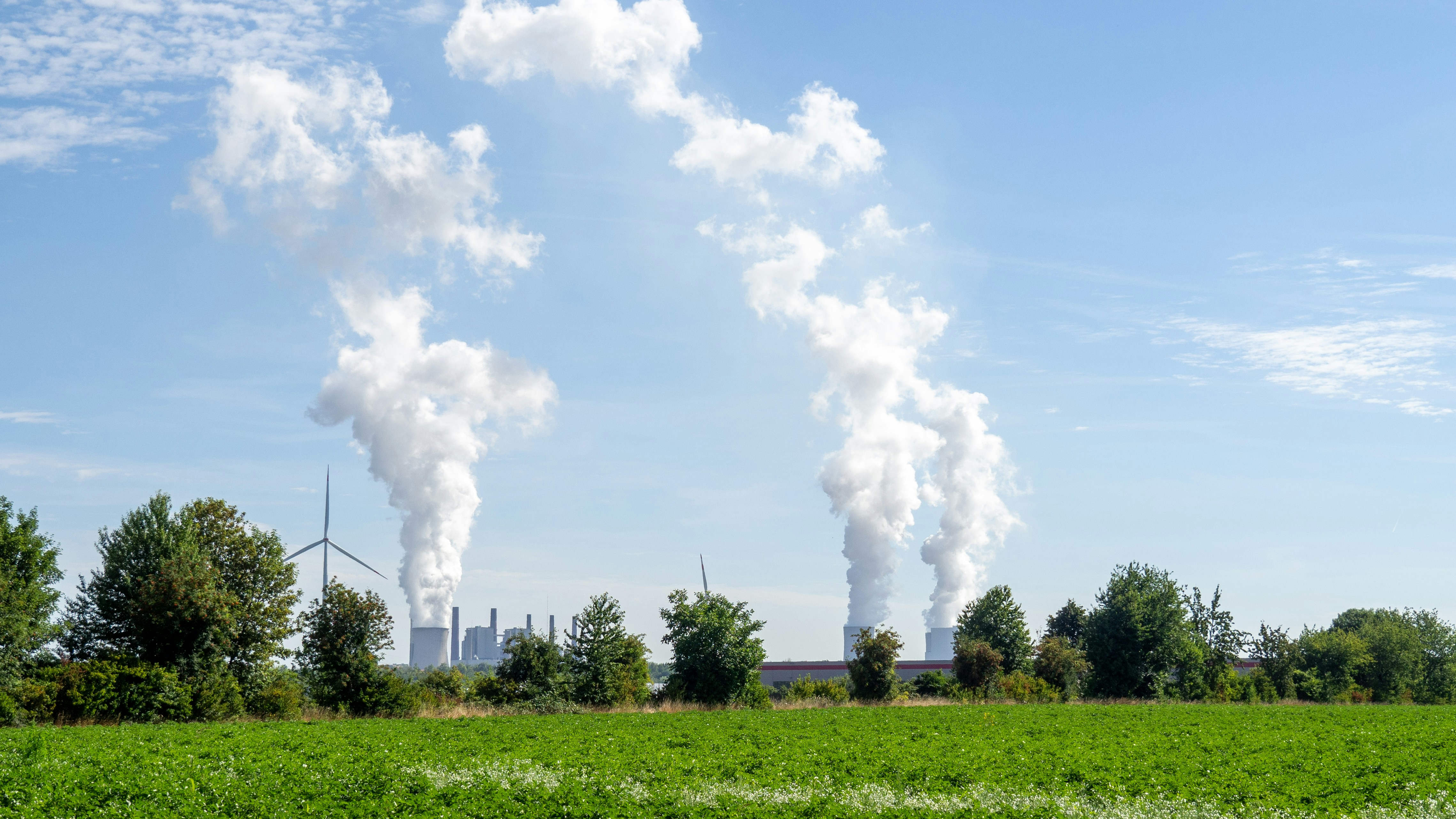
Let’s take a trip back in time, not to the Jurassic period (though dinosaurs had a pretty big footprint too, literally), but to the Industrial Revolution. That’s when we started burning fossil fuels like there was no tomorrow, pumping CO2 into the atmosphere at an alarming rate.
According to Britannica, greenhouse gases like Carbon Dioxide (CO2) and Methane (CH4) act like a blanket around the Earth, trapping heat. While natural sources like volcanoes exist, human activities have increased CO2 concentrations from ~280 ppm pre-industrial to over 410 ppm today. That’s a 37% increase that’s driving our planet to a fever pitch. 🌡️
The concept of a “carbon footprint” was coined to measure this impact. It’s not just about the CO2 you exhale (which is part of the natural carbon cycle); it’s about the anthropogenic (human-made) emissions that tip the balance. As the IPCC notes, these emissions are driving radiative forcing, essentially pushing more energy into our climate system than can escape.
But here’s the kicker: Who is responsible? Is it the guy driving a gas-guzzling SUV, or the factory churning out that SUV? This debate is at the heart of the “individual vs. systemic” argument. While BP tried to pin it all on us, the reality is a complex web of Scope 1, 2, and 3 emissions. We’ll unpack those later, but for now, know that your footprint is a mix of direct actions and indirect consequences of your lifestyle.
🏠 1. Household Energy Consumption: The Silent Emitter
You might think your home is a sanctuary, but for the climate, it can be a silent emitter. Heating, cooling, and powering your appliances are often the largest chunk of an individual’s carbon footprint.
🔌 Electricity: The Grid Mix Matters
Where your electricity comes from makes a huge difference. If your grid is powered by coal, your “clean” electric car is actually running on dirt. If it’s powered by wind or solar, you’re golden.
- Coal vs. Renewables: Coal plants emit roughly 2.2 lbs of CO2 per kWh, while solar and wind are near zero.
- The “Vampire” Load: Did you know your TV, laptop, and coffee maker draw power even when turned off? This “phantom load” can account for up to 10% of your home energy use.
🌡️ Heating and Cooling: Thermostat Tug-of-War
Heating and cooling your home is energy-intensive.
- The 1-Degree Rule: Lowering your thermostat by just 1°C in winter can reduce your heating emissions by up to 10%.
- Insulation is King: Poor insulation is like leaving your windows open in a blizzard. Upgrading to double-glazed windows or adding spray foam insulation can drastically cut emissions.
Pro Tip: Switch to LED bulbs. They use up to 90% less energy than incandescent bulbs and last years longer. It’s a small swap with a massive impact.
👉 CHECK PRICE on:
- Smart Thermostats: Amazon Smart Thermostat Search | Google Nest Official
- LED Bulbs: Amazon LED Bulb Search | Philips Hue Official
🚗 2. Transportation Habits: From Commutes to Cross-Continental Flights
Ah, transportation. The second largest contributor to most people’s carbon footprints. Whether it’s the daily grind or that “once-in-a-lifetime” trip to Bali, how you move matters.
🚙 Personal Vehicles: The Gas Guzzler Dilemma
- ICE vs. EV: An internal combustion engine (ICE) vehicle emits roughly 4.6 metric tons of CO2 per year (average US driver). An Electric Vehicle (EV) like a Tesla Model 3 or Rivian R1T has zero tailpipe emissions. However, remember that the electricity used to charge them still has a footprint (see the Grid Mix section above).
- Efficiency Matters: If you must drive a gas car, a Toyota Prius or Honda Insight will emit significantly less than a Ford F-150.
✈️ Air Travel: The Carbon Super-Spreader
Let’s be real: Flying is the worst. A single round-trip flight from New York to London emits roughly 1 tone of CO2 per passenger. That’s 20% of the average annual footprint for someone in a developing nation!
- Short Haul vs. Long Haul: Short flights are often less efficient per mile because takeoff and landing are the most fuel-intensive parts of the flight.
- Business Class: Sitting in business class triples your footprint because you’re taking up more space.
🚲 The Green Alternatives
- Walking/Cycling: Zero emissions, plus a workout! 🏃 ♂️
- Public Transit: Buses and trains are far more efficient per passenger than cars.
- Carpooling: Sharing a ride cuts your individual footprint in half.
👉 CHECK PRICE on:
- Electric Bikes: Amazon E-Bike Search | Rad Power Bikes Official
- EV Chargers: Amazon EV Charger Search | ChargePoint Official
🥩 3. Dietary Choices: The Hidden Cost of Your Dinner Plate
You are what you eat, and apparently, you are also how much CO2 you emit. Food production is responsible for about 26% of global greenhouse gas emissions.
🥩 Meat vs. Plants: The 90x Gap
As we mentioned in the facts, bef is the heavyweight champion of emissions.
- Bef: ~35 kg CO2eq per 10g protein.
- Lamb & Cheese: High emitters too.
- Chicken & Pork: Moderate emitters.
- Beans, Lentils, Peas: The heroes! ~0.4 kg CO2eq per 10g protein.
Why the difference? Cows produce methane (a potent greenhouse gas) during digestion, and raising them requires massive amounts of land and water, often leading to deforestation.
🥦 The “Food Miles” Myth
You might think buying local is always better. While it helps, how the food is grown matters more than where it’s from.
- Example: A tomato grown in a heated greenhouse in the UK in winter might have a higher footprint than one flown in from Spain.
- The Rule of Thumb: Focus on plant-based and seasonal eating first, then worry about local.
🥛 Dairy Dilemma
Dairy is a significant contributor. Almond milk and Oat milk (like Oatly) generally have a much lower footprint than cow’s milk.
👉 CHECK PRICE on:
- Plant-Based Milks: Amazon Oatly Search | Oatly Official
- Meat Alternatives: Amazon Beyond Meat Search | Impossible Foods Official
🛍️ 4. Consumer Goods and Shopping: The Lifecycle of Your Stuff
That new iPhone, that fast fashion hoodie, that plastic toy… every item you buy has a “cradle-to-grave” carbon footprint. This includes raw material extraction, manufacturing, shipping, and disposal.
👕 Fast Fashion: The Dirty Secret
The fashion industry is responsible for 10% of global carbon emissions.
- Synthetics: Polyester and nylon are made from fossil fuels.
- Water & Dyes: Cotton farming is water-intensive, and dyeing processes pollute waterways.
- The Fix: Buy second-hand, choose organic cotton, or support Eco-Conscious Brands like Patagonia or Reformation.
📱 Electronics: The E-Waste Problem
Smartphones and laptops have a massive footprint due to rare earth mining and complex manufacturing.
- Longevity is Key: Keeping your phone for 4 years instead of 2 halves its annual footprint.
- Recycling: Don’t toss old electronics in the trash!
🛒 The Power of “No”
The most sustainable product is the one you don’t buy. Before purchasing, ask: “Do I really need this?”
👉 CHECK PRICE on:
- Sustainable Clothing: Etsy Vintage Search | Patagonia Official
- Refurbished Electronics: Amazon Renewed Search | Back Market Official
💧 5. Water Usage: It’s Not Just About the Shower
Water itself doesn’t have a carbon footprint, but treating, pumping, and heating it does.
🚿 Hot Water: The Energy Hog
Heating water accounts for about 15-20% of home energy use.
- Shorter Showers: Cutting your shower by 2 minutes can save gallons of water and the energy to heat them.
- Low-Flow Fixtures: Installing a low-flow showerhead (like those from Moen or Delta) reduces flow without sacrificing pressure.
🧺 Laundry and Dishwashing
- Cold Wash: Washing clothes in cold water saves the energy used to heat the water.
- Full Loads: Only run your dishwasher and washing machine when full.
🏢 6. Workplace Emissions: The Office Carbon Cost
You spend 8+ hours a day at work. That adds up!
- Comuting: As discussed, this is huge.
- Office Energy: Lighting, computers, and HVAC in large buildings are significant.
- Business Travel: Frequent flyers (executives) often have massive footprints.
- Paperless: Going digital reduces the demand for paper (and the trees cut down to make it).
Actionable Tip: Advocate for remote work or hybrid models. Fewer commutes = fewer emissions.
📊 Understanding Carbon Footprint Calculators and Metrics
How do we measure all this? Enter the Carbon Footprint Calculator. These tools estimate your emissions based on your lifestyle inputs.
🔢 How They Work
They use emission factors (e.g., 0.9 lbs CO2 per mile driven) to calculate your total.
- Inputs: Income, energy bills, travel habits, diet, shopping.
- Outputs: Total tonnes of CO2e per year, often compared to the global average.
⚠️ Limitations
- Estimates, Not Exacts: They can’t track every single purchase.
- Scope 3 Blind Spots: Many calculators miss the emissions from the products you buy (Scope 3).
- Data Quality: Depends on the accuracy of the data you enter.
Recommended Tools:
- Carbon Footprint Calculator (carbonfootprint.com)
- EPA Carbon Footprint Calculator
- WWF Footprint Calculator
📉 Strategies for Reducing Your Personal Carbon Impact
Ready to shrink your footprint? Here’s your Gone Greenish™ action plan.
1. The “Low-Hanging Fruit” (Easy Wins)
- Switch to LED bulbs.
- Unplug electronics.
- Lower your thermostat by 1°C.
- Eat one meat-free day a week.
2. The “Big Leaps” (High Impact)
- Ditch the car: Walk, bike, or take transit.
- Go plant-based: Reduce meat and dairy intake.
- Fly less: Choose trains or video calls.
- Upgrade your home: Insulate, install solar, or switch to an EV.
3. The “Systemic Shift” (Advocacy)
- Vote for climate-friendly policies.
- Support green businesses.
- Talk to your friends and family!
🌱 The Role of Carbon Offsetting: Magic Bullet or Greenwashing?
So, you’ve reduced your footprint, but you still have some emissions left (like that flight to see your grandma). Can you just buy carbon offsets to fix it?
✅ The Good
Offsets fund projects like reforestation, renewable energy, or methane capture. They can be a useful tool for residual emissions.
❌ The Bad
- Greenwashing: Some companies buy cheap, low-quality offsets to claim “carbon neutral” without actually reducing their own emissions.
- Permanence: A tree planted today might burn down in a wildfire tomorrow.
- Additionality: Did the project happen because of the offset, or would it have happened anyway?
Our Verdict: Reduce first, offset last. Don’t use offsets as a license to pollute. Look for Gold Standard or Verified Carbon Standard (VCS) certified projects.
👉 CHECK PRICE on:
- Carbon Offset Projects: Gold Standard Official | Cool Effect Official
🌐 Global vs. Individual Responsibility: Who Really Needs to Act?
This is the million-dollar question. Is it fair to ask individuals to change when corporations are the biggest polluters?
The “Individual” Argument
- Collective Power: If everyone reduces their footprint, the impact is massive.
- Market Signal: Consumer choices drive corporate behavior. If you stop buying fast fashion, companies will stop making it.
- Moral Duty: We all have a role to play.
The “Systemic” Argument
- Structural Bariers: Not everyone can afford an EV organic food.
- Corporate Dominance: A small number of companies are responsible for the majority of emissions.
- Policy is Key: Individual action isn’t enough without government regulation.
The Truth? It’s both. We need individual action to drive cultural change and systemic change to make sustainable choices accessible to all. As the IPCC states, demand-side measures can reduce emissions by 40–70% by 2050.
🎓 Conclusion
So, there you have it! From the bef on your plate to the flight you took, every action leaves a mark. We’ve explored the examples of carbon footprints across every aspect of life: household energy, transportation, diet, shopping, and work.
Remember, the goal isn’t perfection; it’s progress. You don’t have to become a hermit in a yurt to make a difference. Small changes, like swapping to LEDs, eating more plants, and flying less, add up to a massive impact.
And to answer that lingering question from the beginning: Yes, you can put the boot into climate change. It starts with awareness, continues with action, and ends with a healthier planet for all of us. 🌍💚
Ready to take the next step? Dive into our Carbon Footprint Reduction category for more tips, or check out our Eco-Conscious Brands guide to shop smarter.
🔗 Recommended Links
🛒 Shop Sustainable Products
- Sustainable Clothing: Patagonia Official | Reformation Official
- Plant-Based Foods: Beyond Meat Official | Impossible Foods Official
- Eco-Friendly Home: Moen Low-Flow Showerheads | Philips Hue Smart Bulbs
- Carbon Offsets: Gold Standard Projects | Cool Effect
📚 Books to Read
- “Drawdown” by Paul Hawken – Amazon Link
- “The Uninhabitable Earth” by David Wallace-Wells – Amazon Link
- “Braiding Sweetgrass” by Robin Wall Kimer – Amazon Link
❓ FAQ
What is the most common carbon footprint?
The most common carbon footprint varies by country. In the USA, the average is around 20 tonnes of CO2e person per year. Globally, it’s about 5 tonnes. However, the most common sources for individuals are transportation (driving and flying) and home energy (heating and electricity).
Read more about “What Should My Carbon Footprint Be? 🌍 Your Ultimate 2026 Guide”
What are the 5 main contributors to carbon footprint?
- Transportation: Cars, planes, and buses.
- Home Energy: Electricity, heating, and cooling.
- Food: Especially meat and dairy production.
- Consumer Goods: Manufacturing and disposal of products.
- Waste: Landfills and incineration.
Read more about “What Causes a High Carbon Footprint? 7 Shocking Truths (2026) 🌍”
What are carbon footprints with examples?
A carbon footprint is the total amount of greenhouse gases emitted by an activity.
- Example 1: Driving a gas car 10 miles emits ~40 kg of CO2.
- Example 2: Eating a beef burger emits ~2.5 kg of CO2e.
- Example 3: Taking a round-trip flight from NYC to London emits ~1 tone of CO2e.
Read more about “🌍 Carbon Neutral: The Ultimate 2026 Guide to Saving the Planet (15 Steps)”
How does reducing my carbon footprint improve my personal health?
Reducing your footprint often means eating more plants, walking or cycling more, and breathing cleaner air. This leads to better heart health, weight management, and mental well-being. Plus, less air pollution means fewer respiratory issues!
Read more about “🌍 150+ Eco-Conscious Brands: The Ultimate 2026 Guide to Real Sustainability”
What are easy daily habits to lower my carbon footprint?
- Turn off lights when leaving a room.
- Unplug electronics.
- Eat one meat-free meal a day.
- Walk or bike for short trips.
- Wash clothes in cold water.
- Use a reusable water bottle.
Read more about “🌍 Your Ultimate Carbon Footprint Guide: Cut Emissions by 87% (2026)”
How does food choice impact my carbon footprint and well-being?
Choosing plant-based foods significantly lowers your footprint. Beef and lamb are the worst offenders. A plant-based diet is also linked to lower risks of heart disease, diabetes, and cancer. It’s a win-win for you and the planet!
Read more about “🌿 Conservation vs. Preservation: The Ultimate 2026 Guide”
What is the connection between air pollution and carbon emissions?
Many sources of CO2 (like burning fossil fuels) also release particulate matter, nitrogen oxides, and sulfur dioxide, which cause air pollution. Reducing carbon emissions often means reducing these harmful pollutants, leading to cleaner air and better health.
Read more about “☀️ Solar Power: The Ultimate 2026 Guide to Free Energy & 20 Benefits”
How can I calculate my personal carbon footprint accurately?
Use a reputable carbon footprint calculator like those from the EPA or Carbon Footprint Ltd. Be honest about your energy bills, travel habits, and diet. Remember, these are estimates, but they give a good baseline.
What are the health benefits of a low-carbon lifestyle?
A low-carbon lifestyle often involves more physical activity (walking, cycling), healthier eating (more plants, less processed meat), and less exposure to pollutants. This can lead to lower blood pressure, improved mental health, and increased longevity.
Read more about “What Are the Latest Green Technologies? 10 Game-Changers for 2026 🌿”
How does transportation affect both my carbon footprint and physical health?
Driving a car increases your carbon footprint and contributes to sedentary behavior, which is linked to obesity and heart disease. Switching to walking, cycling, or public transit reduces emissions and gets you moving, improving your cardiovascular health.
📚 Reference Links
- Britannica: Carbon Footprint and Greenhouse Gases
- Wikipedia: Carbon Footprint
- IPCC: Climate Change 2023 Report
- EPA: Greenhouse Gas Emissions
- Carbon Trust: Product Carbon Footprinting
- Gold Standard: Carbon Offset Projects
- Cool Effect: Verified Carbon Projects
- Patagonia: Worn Wear Program
- Oatly: Sustainability Report