Support our educational content for free when you purchase through links on our site. Learn more
10 Types of Conservation You Need to Know in 2026 🌿

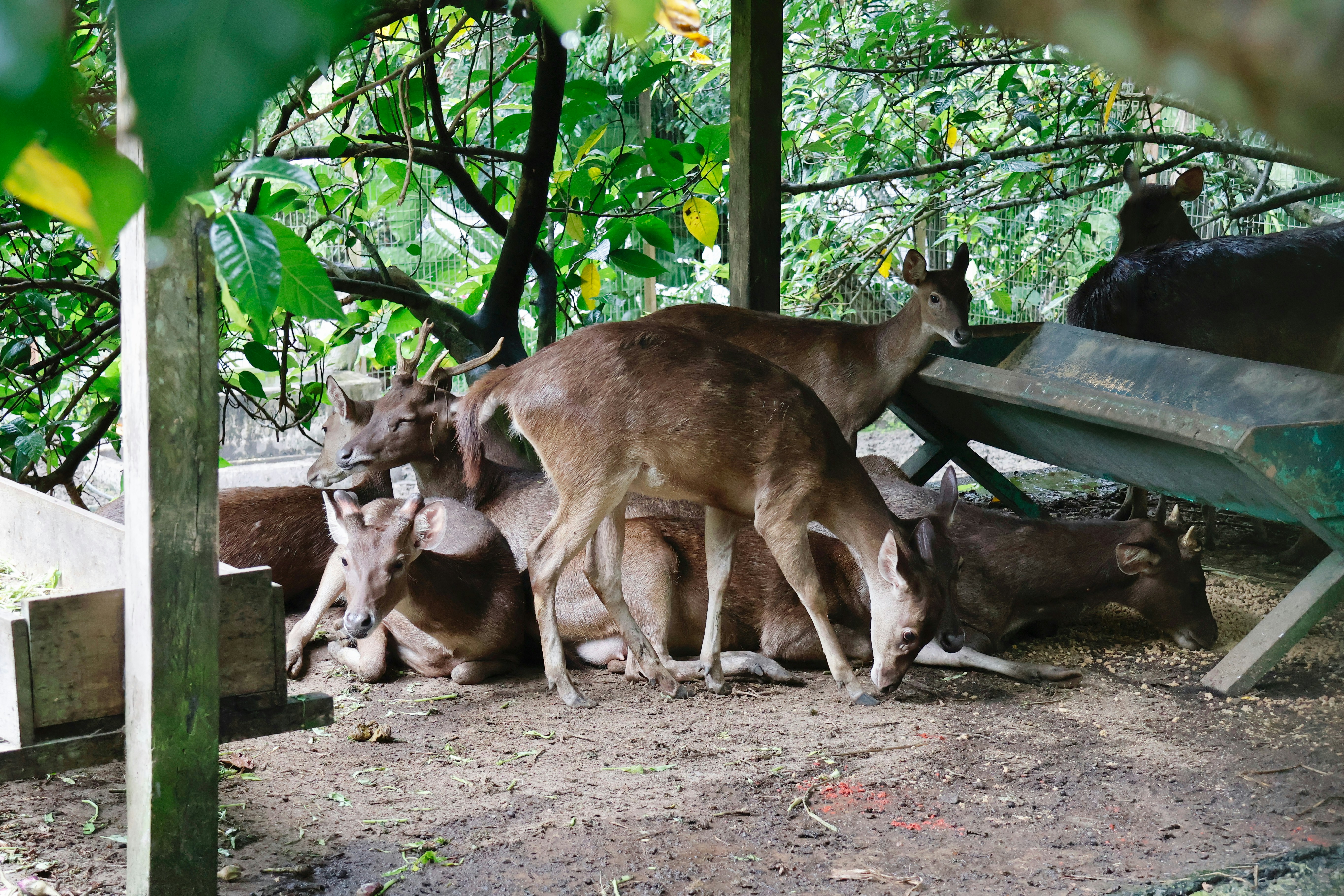
Did you know that every minute, a forest the size of 27 soccer fields disappears? Conservation isn’t just a buzzword—it’s a lifeline for our planet and all its inhabitants. From protecting majestic elephants roaming the savannah to saving microscopic soil organisms beneath our feet, the types of conservation are as diverse as life itself. But what exactly do these types entail, and how can you make a difference?
In this article, we’ll unravel 10 essential types of conservation, exploring everything from wildlife and forest conservation to cutting-edge technologies revolutionizing how we protect nature. Curious about how AI helps spot elusive animals or how planting a native flower can save monarch butterflies? Stick around! We’ll also share practical tips for becoming a conservation hero in your own backyard. Whether you’re a green newbie or a seasoned eco-warrior, this guide will deepen your understanding and inspire action.
Key Takeaways
- Conservation is multifaceted, encompassing wildlife, forests, water, soil, energy, marine life, biodiversity, culture, genetics, and energy resources.
- In-situ and ex-situ conservation are complementary strategies to protect species both in the wild and off-site.
- Habitat loss, overexploitation, invasive species, pollution, and climate change are the main threats driving species toward extinction.
- Emerging technologies like AI, eDNA, and blockchain are transforming conservation efforts worldwide.
- Everyday actions—from choosing reef-safe sunscreen to planting native plants—can make a measurable impact.
- Pursuing environmental science degrees can open doors to meaningful careers in conservation.
Ready to dive deeper and discover how you can help safeguard our planet’s future? Let’s get started!
Table of Contents
- ⚡️ Quick Tips and Facts About Conservation
- 🌿 The Evolution of Conservation: History and Milestones
- 🌎 What Exactly Is Conservation? A Deep Dive Into Natural Resource Protection
- 🌱 Why Conserving Natural Resources Is a Must for Our Planet’s Future
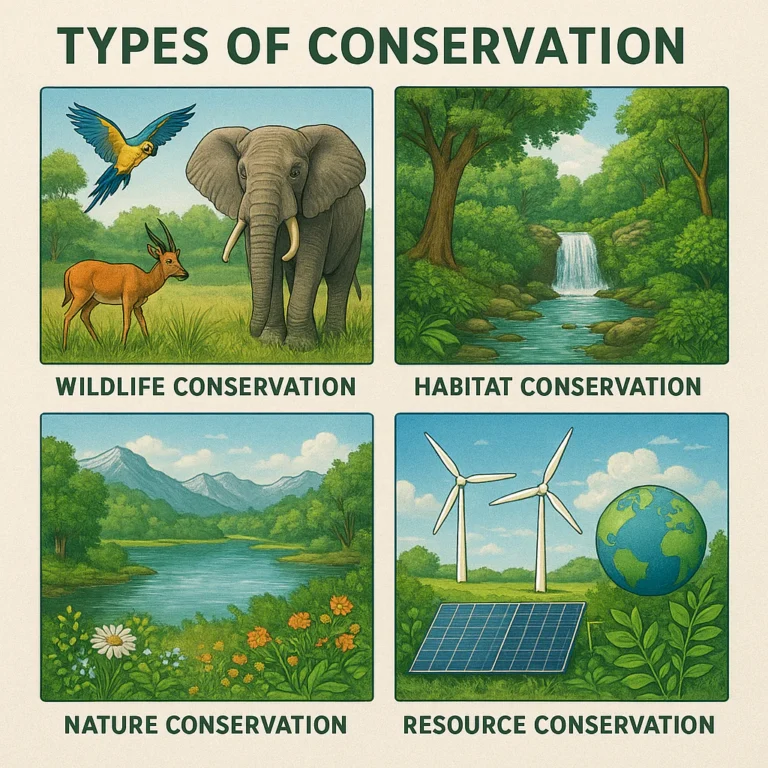
- 🔢 10 Essential Types of Conservation You Should Know About
- 1. Wildlife Conservation: Saving Our Animal Friends
- 2. Forest Conservation: Guarding the Lungs of the Earth
- 3. Water Conservation: Every Drop Counts
- 4. Soil Conservation: Protecting the Foundation of Life
- 5. Energy Conservation: Powering Down for a Greener Tomorrow
- 6. Marine Conservation: Protecting Our Blue Planet
- 7. Biodiversity Conservation: The Web of Life
- 8. Cultural Conservation: Preserving Heritage and Traditions
- 9. Genetic Conservation: Safeguarding Nature’s Blueprints
- 10. Energy Resource Conservation: Sustainable Use of Fossil Fuels and Renewables
- 🛡️ In-Situ Conservation: Protecting Species in Their Natural Homes
- 🏛️ Ex-Situ Conservation: Zoos, Seed Banks, and Beyond
- ⚠️ What Makes Species Endangered? The Root Causes Explained
- 🌳 How Habitat Loss Drives Extinction: The Domino Effect
- 🚀 Cutting-Edge Technologies and Trends Revolutionizing Conservation
- 🤝 How You Can Become a Conservation Hero: Practical Tips and Actions
- 🎓 Pursuing Environmental Science Degrees: Your Path to Conservation Careers
- 🌐 Global Conservation Initiatives and Success Stories to Inspire You
- 📊 Conservation Challenges and Controversies: Balancing People and Planet
- 🔍 Frequently Asked Questions About Conservation
- 📚 Recommended Links and Resources for Conservation Enthusiasts
- 📝 Reference Links and Scientific Sources
- 🏁 Conclusion: Why Conservation Is Everyone’s Business
⚡️ Quick Tips and Facts About Conservation
- Conservation ≠ Preservation: Conservation is the sustainable use of nature; preservation is locking it away from humans. We wrote a whole explainer on the difference—peek at Nature Conservation vs. Preservation: 10 Key Differences Explained (2026) 🌿 if you want the deep dive.
- Micro-action, macro-impact: Swapping one beef burger for a plant-based patty saves 1,100 L of water—enough for a week of showers!
- Forest fact: Every minute a forest the size of 27 soccer fields disappears. Planting one native tree sequesters ~22 kg of CO₂ per year.
- Wildlife win: Because of global bans on DDT, bald-eagle numbers rocketed from 417 pairs (1963) to over 70,000 (2023).
- Money talk: Eco-tourism generates > $600 billion yr⁻¹—proof that living animals trump dead trophies.
- DIY challenge: Pick up three pieces of litter every dog walk; you’ll personally remove 1,000+ items a year.
- Marine must-know: Oceans absorb 30 % of human-made CO₂; without them, climate change would already be off the charts.
Quick quiz: Which everyday item uses 37 kg of water in production? (Answer tucked at the end of the article—keep reading!)
🌿 The Evolution of Conservation: History and Milestones

Conservation isn’t some hipster trend born in a Brooklyn rooftop garden. Humans have practiced it for millennia—just ask the Menominee tribe of Wisconsin, who’ve logged their forests sustainably since the 1850s, selectively harvesting in winter so the woodland stays intact. Compare that to colonial clear-cuts that turned 90 % of the U.S. old-growth forest into stumps by 1920. 🤯
Timeline of “Aha!” Moments
| Year | Milestone | Why It Matters |
|---|---|---|
| 1872 | Yellowstone becomes world’s first national park | Sets precedent for protected areas |
| 1903 | Pelican Island, FL—first U.S. wildlife refuge | Bird feathers were so hot in fashion; this saved egrets from extinction |
| 1962 | Rachel Carson publishes Silent Spring | Kicks off modern environmentalism; DDT gets the boot |
| 1973 | U.S. Endangered Species Act | Legal teeth to protect critters & habitat |
| 1982 | World Parks Congress debuts “biodiversity hotspot” concept | Focuses cash on high-impact zones |
| 1992 | Rio Earth Summit & CBD | Global cooperation on biodiversity |
| 2015 | U.N. Sustainable Development Goals | Conservation baked into global development |
| 2022 | Kunming-Montreal Global Biodiversity Framework | 30×30 pledge: protect 30 % of Earth by 2030 |
Fun fact: The IUCN Red List started with 1,000 species in 1963; today it tracks > 150,000. The list is basically the Rotten Tomatoes of biodiversity—only with higher stakes.
🌎 What Exactly Is Conservation? A Deep Dive Into Natural Resource Protection
Conservation is the Swiss-army-knife term for protecting, managing, and restoring Earth’s resources so future generations can breathe, eat, and Instagram wildlife pics too. It spans:
- Air quality (think carbon footprint reduction)
- Water (from your tap to entire watersheds)
- Soil (one inch takes 500 years to form—no joke)
- Biodiversity (genes, species, ecosystems)
- Cultural heritage (indigenous knowledge, sacred groves)
As the video summary above notes, conservation’s core goal is to maintain viable populations of species and keep ecosystems humming. Translation: no more vaquita situations (only ~10 left—check the IUCN reference).
🌱 Why Conserving Natural Resources Is a Must for Our Planet’s Future
- Food security: 75 % of global crops rely on pollinators. Lose the bees, say goodbye to your almond-milk latte.
- Climate buffer: Coastal wetlands (mangroves, salt marshes) store 10× more carbon than tropical forests per hectare.
- Economic sanity: The World Bank estimates ecosystem services are worth $125 trillion yr⁻¹—more than global GDP.
- Health halo: Green spaces lower blood pressure by 5–8 mm Hg (Harvard meta-analysis).
- Ethical duty: We’re driving the sixth mass extinction; 1,000× faster than natural background rates.
Bottom line: Ignore conservation and we’re basically burning the house while still living in it.
🔢 10 Essential Types of Conservation You Should Know About
1. Wildlife Conservation: Saving Our Animal Friends
Focus: Protecting faunal species from the tiniest bee hummingbird to the mighty African elephant.
Toolbox: Anti-poaching patrols, wildlife corridors, breeding programs.
Success story: Black rhino numbers climbed from 2,410 (1995) to > 5,600 (2022) thanks to strict protection.
Hot tip: Support outfits like African Parks—they manage 22 million ha and counting.
2. Forest Conservation: Guarding the Lungs of the Earth
Focus: Keeping forests standing and functional.
Hero brands: Pela phone cases fund tree-planting via One Tree Planted; Tentree plants ten trees per product.
DIY: Switch to FSC-certified toilet paper—it’s the quickest win for primary forests.
3. Water Conservation: Every Drop Counts
Focus: Smarter use of freshwater.
Gadget love: The Niagara Earth 1.25 GPM showerhead saves ~11,000 L yr⁻¹ per household.
Behavior hacks: Turn off tap while brushing = 12 L saved each time.
4. Soil Conservation: Protecting the Foundation of Life
Focus: Preventing erosion & nutrient loss.
Farmer fave: Cover-crop mixes (rye + vetch) slash erosion by 90 %.
Urban angle: Composting kitchen scraps builds soil carbon—learn how via our conservation tips page.
5. Energy Conservation: Powering Down for a Greener Tomorrow
Focus: Reduce demand & shift to renewables.
Smart-home pick: Nest Learning Thermostat saved users 10–12 % on heating in EPA studies.
Quick win: LED bulbs use 75 % less juice and last 25× longer.
6. Marine Conservation: Protecting Our Blue Planet
Focus: Oceans, reefs, seagrass, fisheries.
Coral crisis: 50 % of shallow-water corals died since 1980.
Feel-good product: Stream2Sea reef-safe sunscreen is biodegradable and packaged in sugarcane resin.
7. Biodiversity Conservation: The Web of Life
Focus: Genes → species → ecosystems.
Metric: One hectare of tropical forest holds > 600 tree species.
Action: Plant native milkweed to aid monarch butterflies—check our biodiversity conservation guide.
8. Cultural Conservation: Preserving Heritage and Traditions
Focus: Indigenous knowledge, sacred sites, languages.
Example: Aboriginal fire-stick farming prevents mega-fires in Australia.
Support: Buy from Indigenous-owned eco-conscious brands like Birchbark Coffee.
9. Genetic Conservation: Safeguarding Nature’s Blueprints
Focus: Maintaining gene pools via seed banks, cryopreservation.
Star facility: Svalbard Global Seed Vault holds 1.1 million seed varieties.
DIY: Swap heirloom seeds at local libraries to keep strains alive.
10. Energy Resource Conservation: Sustainable Use of Fossil Fuels and Renewables
Focus: Phasing out coal/oil while conserving renewables (yes, solar panels need resource management too).
Tech trend: Perovskite solar cells cut material use by 50 % vs. silicon.
Policy watch: Right-to-repair laws reduce e-waste—good for your wallet and planet.
🛡️ In-Situ Conservation: Protecting Species in Their Natural Homes
In-situ = on-site. Think Serengeti, Amazon, Great Barrier Reef. Benefits: species stay in evolutionary context, maintain ecological interactions.
Real-World Examples
- India’s Project Tiger: Tiger numbers up 33 % (2014–2018) via strict reserve protection.
- Costa Rica’s Payment for Ecosystem Services: Landowners paid to keep forests; > 50 % forest cover regained since 1980s.
Hot debate: Does tourism cancel out protection? Kenya’s Maasai Mara nets $2.5 billion yr⁻¹, yet wildlife numbers still dropped 70 % since 1977. The verdict: in-situ works if well-funded & community-run.
🏛️ Ex-Situ Conservation: Zoos, Seed Banks, and Beyond
Ex-situ = off-site. Zoos, aquariums, botanical gardens, seed vaults, even frozen zoos (cryopreserved embryos).
Success Metrics
| Facility | Species Saved | Notes |
|---|---|---|
| California Condor (San Diego Zoo) | 500+ birds | From 27 in 1987 |
| Arabian Oryx (Phoenix Zoo) | 1,000+ wild | First species moved from Extinct in Wild → Vulnerable |
| Kew Millennium Seed Bank | 40,000+ species | Goal: 25 % of world’s plants by 2030 |
Caveat: Ex-situ is insurance, not a cure. Reintroduction fails without habitat protection—just ask the **extinct-in-the-wild Scimitar-horned oryx slowly returning to Chad.
⚠️ What Makes Species Endangered? The Root Causes Explained
- Habitat destruction (#1 driver)
- Overexploitation—think ivory, bush-meat, exotic pets
- Invasive species—brown tree snake wiped out 12 Guam bird species
- Pollution—neonicotinoid pesticides crash bee colonies
- Climate change—polar bears stuck on land > 130 days yr⁻¹ now vs. < 100 in 1980s
Quote from AMU: “Over 2,375 species have been listed as endangered or threatened since 1972.” The fix? Multi-pronged conservation combining policy, tech, and you.
🌳 How Habitat Loss Drives Extinction: The Domino Effect
Imagine yanking Jenga blocks labeled food, shelter, breeding sites. Species wobble, then crash.
Chain Reaction
- Forest → farmland = 90 % primate species now squeezed into < 40 % of their range.
- Wetland drainage = 80 % global wetland loss since 1700; 25 % wetland species at risk.
- Urban sprawl fragments habitats; mountain lions in LA need one 10-lane highway crossing to avoid inbreeding.
Solution: Wildlife corridors—like Florida’s 1,000-km network—let panthers, bears, and even beetles migrate safely.
🚀 Cutting-Edge Technologies and Trends Revolutionizing Conservation
1. AI & Camera Traps
- Snapshot Serengeti uses AI to ID species in > 3 million images—no more blurry “guess that butt” nights for scientists.
2. eDNA (Environmental DNA)
- One liter of river water detects invasive Asian carp weeks before traditional nets.
3. Satellite & LiDAR
- Global Forest Watch sends tree-loss alerts in real time—hold loggers accountable within hours.
4. De-extinction
- Colossal Biosciences aims to revive woolly mammoth by 2028; critics warn of “Pleistocene Park” fallacy.
5. Blockchain
- OpenSC tracks tuna from bait to plate, slashing illegal fishing.
Hot take: Tech is amplifier, not silver bullet—local engagement still rules.
🤝 How You Can Become a Conservation Hero: Practical Tips and Actions
Everyday Swaps
- Shampoo bar instead of bottle = 6 plastic bottles saved yr⁻¹.
- Reef-safe sunscreen—look for non-nano zinc oxide.
Citizen Science
- iNaturalist: Upload a pic; you might discover a new moth species (happened in San Francisco).
- Zooniverse’s “Seabird Watch”: Count birds online; beats doom-scrolling.
Wallet Power
- 👉 Shop eco-conscious brands we’ve vetted here.
- 👉 CHECK PRICE on:
- Reef-safe sunscreen Stream2Sea: Amazon | Walmart | Stream2Sea Official
- Niagara Earth Showerhead: Amazon | Walmart | Niagara Conservation Official
Policy Push
- Vote local—city councils decide zoning, which decides habitat fate.
- Sign petitions: Save the Boundary Waters (MN) needs 100k signatures to halt copper mining.
🎓 Pursuing Environmental Science Degrees: Your Path to Conservation Careers
Degree Comparison Table
| Degree | Focus | Duration | Career Paths |
|---|---|---|---|
| B.S. Environmental Science | Broad: biology, policy, GIS | 4 yrs | Park ranger, consultant, educator |
| M.S. Conservation Biology | Research-heavy, thesis | 2 yrs | Wildlife biologist, NGO program officer |
| M.P.A. Environmental Policy | Law & economics | 2 yrs | Policy analyst, lobbyist |
| Ph.D. Ecology | Original research | 4–6 yrs | Professor, senior scientist |
Online Options
- American Military University offers fully online B.S. & M.S.—perfect if you’re deployed or juggling kids.
- University of Edinburgh’s online M.Sc. Biodiversity lets you study lemurs while living in Louisiana.
Pro tip: Pair degree with field certificates—Wilderness First Responder, GIS, drone pilot license—to stand out.
🌐 Global Conservation Initiatives and Success Stories to Inspire You
1. Costa Rica
- 98 % renewable electricity + $2 billion eco-tourism = doubled forest cover in 30 yrs.
2. Rwanda
- Mountain gorilla tourism funds community health insurance; gorilla numbers > 1,000 after near extinction.
3. Scotland
- Highland rewilding—European beavers back after 400 yrs; wetlands rebound, flood risk down 30 %.
4. Bhutan
- Carbon-negative (yes, they absorb more than emit) thanks to 72 % forest cover and Gross National Happiness policy.
Takeaway: Political will + community buy-in = conservation magic.
📊 Conservation Challenges and Controversies: Balancing People and Planet
Debate: Fortress vs. Community Conservation
- Fortress: Exclude people—good for wildlife, bad for locals.
- Community: Share profits—Namibia’s conservancies reduced **poaching by 95 %
🏁 Conclusion: Why Conservation Is Everyone’s Business
Phew! We’ve journeyed through the vast landscape of conservation—from the ancient wisdom of indigenous forest stewards to futuristic AI-powered camera traps snapping wildlife selfies. What’s crystal clear is that conservation is not a niche hobby for scientists or activists alone; it’s a collective responsibility that touches every facet of our lives.
Whether you’re planting a native flower to help pollinators, choosing reef-safe sunscreen, or voting for policies that protect wild spaces, your actions ripple outward. The quick quiz answer from earlier? That everyday item guzzling 37 kg of water is a single cotton t-shirt. Now imagine the impact if we all embraced conservation in our wardrobes, diets, and habits.
In-situ conservation keeps species in their natural homes, but without ex-situ insurance like seed banks and zoos, we risk losing genetic treasures forever. The challenges are daunting—habitat loss, climate change, invasive species—but the tools and technologies at our fingertips have never been more powerful.
At Gone Greenish™, we confidently recommend supporting eco-conscious brands like Stream2Sea for reef-safe sunscreen or Niagara Earth for water-saving showerheads. These small swaps add up to big wins. And if you’re considering a career in conservation, online degrees from places like American Military University can launch you into this vital field.
Remember: conservation is a marathon, not a sprint. The planet’s future depends on all of us running together.
📚 Recommended Links and Resources for Conservation Enthusiasts
👉 Shop Eco-Friendly Products:
-
Stream2Sea Reef-Safe Sunscreen:
Amazon | Walmart | Stream2Sea Official Website -
Niagara Earth Water-Saving Showerhead:
Amazon | Walmart | Niagara Conservation Official Website -
Tentree Sustainable Apparel:
Amazon | Tentree Official Website
Recommended Books on Conservation:
-
Silent Spring by Rachel Carson — The classic that sparked the modern environmental movement.
Amazon Link -
Half-Earth: Our Planet’s Fight for Life by Edward O. Wilson — A visionary call for protecting half the planet.
Amazon Link -
The Sixth Extinction by Elizabeth Kolbert — Pulitzer-winning exploration of human-driven extinction.
Amazon Link -
Braiding Sweetgrass by Robin Wall Kimmerer — Indigenous wisdom and science intertwined for conservation.
Amazon Link
🔍 Frequently Asked Questions About Conservation
What are the 4 pillars of conservation?
The four pillars commonly referenced are:
- Environmental Conservation – Protecting natural habitats and ecosystems.
- Wildlife Conservation – Safeguarding animal species and their populations.
- Human Conservation – Addressing human health and sustainable resource use.
- Marine Conservation – Preserving oceanic ecosystems and marine life.
These pillars work synergistically to maintain biodiversity and ecosystem services essential for life on Earth. AMU’s resource provides a detailed breakdown.
What are the three methods of conservation?
The three primary methods are:
- In-situ Conservation: Protecting species within their natural habitats (e.g., national parks).
- Ex-situ Conservation: Protecting species outside their natural environment (e.g., zoos, seed banks).
- Sustainable Use: Managing resources so they can regenerate and continue providing benefits (e.g., selective logging).
Each method complements the others, forming a comprehensive strategy to prevent extinction and habitat loss.
What are the 3 strategies of conservation?
Three overarching strategies include:
- Protection: Establishing protected areas and legal frameworks.
- Restoration: Rehabilitating degraded ecosystems and reintroducing species.
- Sustainable Management: Balancing human needs with ecosystem health through practices like agroforestry and community stewardship.
Together, these strategies aim to halt biodiversity loss and promote ecosystem resilience.
What are two types of conservation?
Two broad types often discussed are:
- Conservation (sustainable use and management of natural resources).
- Preservation (protecting nature from human use).
The distinction is crucial: conservation allows for responsible use, while preservation prioritizes keeping areas untouched. Check our detailed comparison for more.
What are the main types of conservation methods?
Main methods include:
- Habitat Conservation (forests, wetlands, marine areas).
- Species Conservation (endangered species programs).
- Genetic Conservation (seed banks, cryopreservation).
- Cultural Conservation (indigenous knowledge and heritage).
These methods address different levels of biodiversity and resource protection.
How does wildlife conservation benefit the environment?
Wildlife conservation maintains ecosystem balance by preserving species that perform critical roles such as pollination, seed dispersal, and predation. Healthy wildlife populations support biodiversity, which enhances ecosystem resilience to disturbances like climate change. Moreover, wildlife tourism generates economic incentives for habitat protection.
What is the difference between conservation and preservation?
Conservation involves the sustainable use and management of natural resources to meet human needs while maintaining ecosystem health. Preservation seeks to protect nature from any human interference, often by setting aside protected areas where resource extraction is prohibited. Both are vital but serve different goals.
How can water conservation improve public health?
Water conservation reduces the strain on freshwater supplies, ensuring clean and safe drinking water availability. It also minimizes water pollution by decreasing runoff containing fertilizers and chemicals, which can cause diseases. Efficient water use supports sanitation and hygiene, key factors in preventing illness.
What role does soil conservation play in sustainable farming?
Soil conservation prevents erosion, maintains fertility, and supports water retention, all crucial for sustainable crop production. Healthy soils reduce the need for chemical fertilizers, lower greenhouse gas emissions, and improve resilience to droughts and floods, ensuring long-term food security.
How does energy conservation contribute to a healthier planet?
Energy conservation reduces the burning of fossil fuels, lowering greenhouse gas emissions and air pollutants. This mitigates climate change and improves air quality, reducing respiratory illnesses. It also decreases resource extraction impacts, preserving ecosystems and biodiversity.
What are some simple conservation practices for everyday life?
- Use LED bulbs and energy-efficient appliances.
- Choose reusable water bottles and bags.
- Support eco-conscious brands and buy sustainably sourced products.
- Plant native species in your garden.
- Reduce food waste and compost organic scraps.
- Drive less or carpool.
- Use reef-safe sunscreen and conserve water.
Small steps add up to big impacts!
📝 Reference Links and Scientific Sources
- American Military University: Types of Conservation
- National Geographic Education: Conservation
- IUCN Red List
- World Bank Ecosystem Services Valuation
- Global Forest Watch
- Stream2Sea Reef-Safe Sunscreen
- Niagara Conservation Official Website
- Tentree Official Website
- OpenSC Blockchain for Tuna Tracking
- Snapshot Serengeti Project
- Zooniverse Citizen Science Platform
For more on conservation careers, technologies, and tips, explore our Carbon Footprint Reduction, Eco-Conscious Brands, Conservation Tips, Climate Change, and Biodiversity Conservation categories.
Thanks for sticking with us! Ready to turn knowledge into action? Your planet will thank you. 🌍💚