Support our educational content for free when you purchase through links on our site. Learn more
The Ultimate Guide to Solar Power Price in 2026: What You Need to Know ⚡️

Thinking about switching to solar but wondering how much it’ll really cost you in 2026? You’re not alone! Solar power prices have been on a rollercoaster ride for decades, dropping by over 99% since the 1980s thanks to tech breakthroughs and savvy government incentives. But here’s the kicker: while panels themselves are cheaper than ever, “soft costs” like installation, permits, and marketing still keep the final price from hitting rock bottom.
In this guide, the health nuts at Gone Greenish™ break down everything you need to know about solar power price—from the nuts and bolts of panel types and installation fees to the hidden costs and regional price differences. We’ll also share real-life stories, expert tips, and the latest trends that could make 2026 your year to finally harness the sun’s power without burning a hole in your wallet. Curious about whether adding a battery is worth it? Or which solar brands give you the best bang for your buck? Keep reading, because we’ve got all that and more!
Key Takeaways
- Solar power prices have dropped dramatically, but soft costs and installation complexity still impact your final bill.
- Government incentives like the Federal ITC can slash up to 30% off your system cost, making solar more affordable than ever.
- Choosing the right panel type and installer is crucial—premium brands like SunPower offer higher efficiency but come at a premium price.
- Battery storage adds convenience but increases upfront costs and lengthens ROI.
- Regional differences matter: your location can make or break the financial benefits of going solar.
- DIY kits can save money for small projects, but professional installation is recommended for most homes.
Ready to explore your solar options and see if 2026 is the year to go green and save green? Let’s dive in!
Table of Contents
- ⚡️ Quick Tips and Facts About Solar Power Price
- 🌞 The Evolution of Solar Power Pricing: A Bright History
- 🔍 What Determines Solar Power Price? Key Factors Explained
- 💰 10 Components That Affect Your Solar Panel Cost
- 📉 How Solar Power Prices Have Dropped Over the Years
- 🏠 Residential vs Commercial Solar Power Pricing: What’s the Difference?
- ⚙️ Types of Solar Panels and Their Price Tags
- 🔋 Solar Battery Storage Costs: Is It Worth the Investment?
- 🌍 Regional Variations in Solar Power Price: Where’s the Cheapest Sun?
- 🛠️ Installation Costs and Hidden Fees: What You Need to Know
- 💡 Government Incentives and Tax Credits That Slash Solar Prices
- 📊 Comparing Solar Power Price to Traditional Energy Costs
- 🔄 Solar Power Price Trends to Watch in 2024 and Beyond
- 🛒 Top Solar Brands and Their Pricing: Who Offers the Best Value?
- 🧰 DIY Solar Power Kits: Can You Cut Costs by Going Solo?
- 🌟 Real Stories: How Much Did Our Solar Power Setup Cost?
- 📈 Return on Investment: When Does Solar Power Pay Off?
- 🌐 Navigating Solar Power Price Globally: A World Tour
- 🤔 Common Questions About Solar Power Price Answered
- 🎯 Conclusion: Is Solar Power Price Worth It for You?
- 🔗 Recommended Links for Solar Power Price Insights
- ❓ FAQ: Your Burning Solar Power Price Questions
- 📚 Reference Links and Further Reading
⚡️ Quick Tips and Facts About Solar Power Price
Before we dive into the nitty-gritty of how much green you’ll need to spend to go green, here’s a lightning-fast breakdown of the current solar power landscape.
- The 99% Club: According to a landmark MIT study, the cost of solar photovoltaic (PV) modules has plummeted by 99% over the last four decades.
- Policy Power: Roughly 60% of that price drop is thanks to government policies like tax credits and subsidies, rather than just tech improvements alone.
- The “Soft Cost” Surprise: You might think the panels are the priciest part, but sales and marketing often account for a larger chunk of the total bill (about 18%) than the panels themselves (12%)!
- Efficiency Wins: Modern solar cells are significantly better at converting sunlight into juice, meaning you need fewer panels to power your organic smoothie maker.
- Payback Period: Most homeowners see their system pay for itself in 7 to 10 years, depending on local sun and incentives.
| Fact | Detail |
|---|---|
| Average Cost Per Watt | Roughly $2.50 – $3.00 (before incentives) ✅ |
| Biggest Cost Driver | Soft costs (permitting, marketing, labor) 📉 |
| Best State for ROI | Arizona & California (high sun, great incentives) ☀️ |
| Worst Enemy of Price | Complex roof lines and heavy shading ❌ |
🌞 The Evolution of Solar Power Pricing: A Bright History
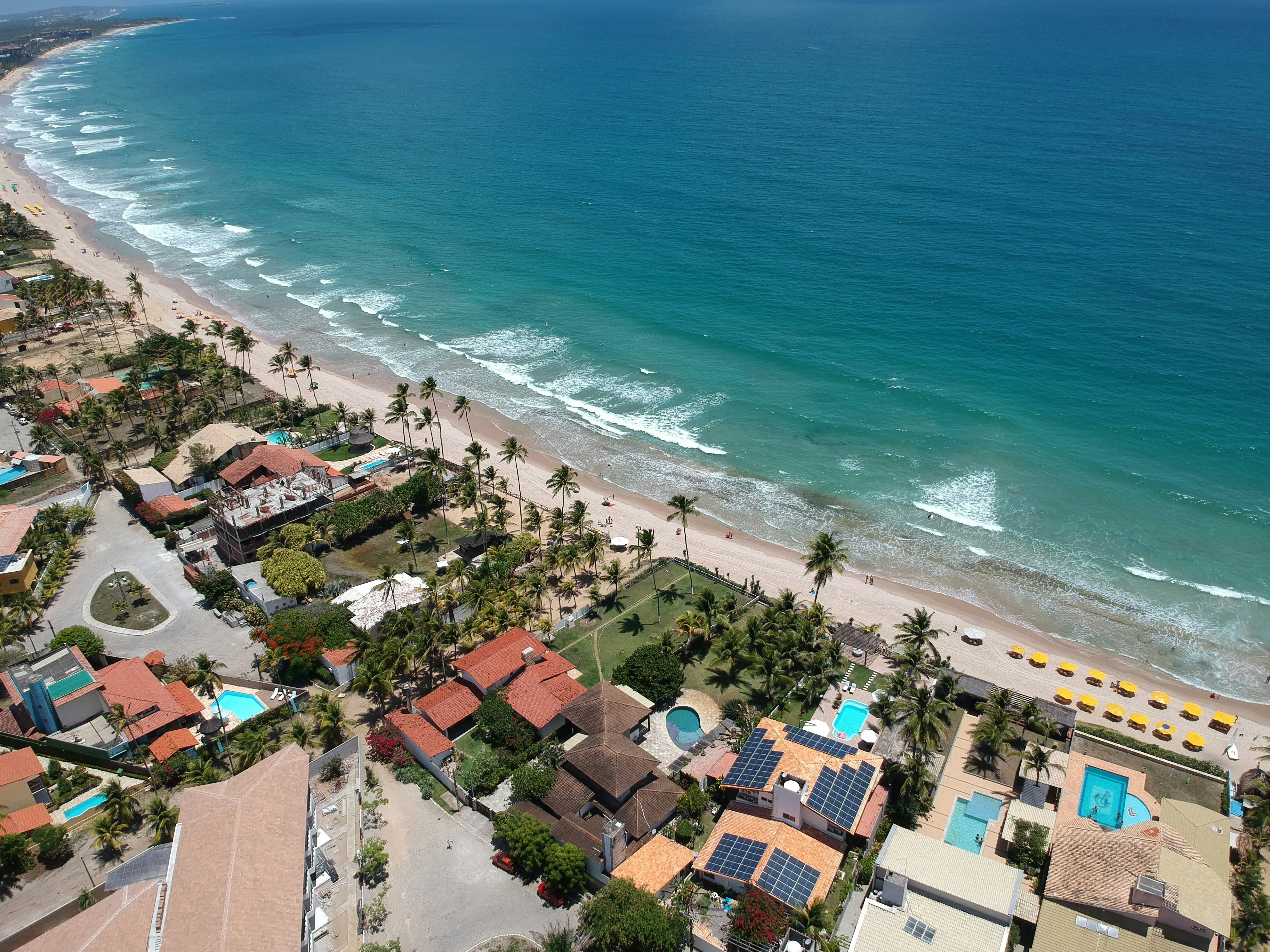
We weren’t always basking in affordable rays. In the 1970s, solar power was essentially a space-age luxury reserved for satellites and researchers with very deep pockets. If you wanted to reduce your carbon footprint, you were better off planting a forest than buying a panel.
The MIT News report highlights that between 1980 and 2012, module costs fell by a staggering 97%. This wasn’t just luck; it was a “virtuous cycle.” Governments created demand through feed-in tariffs, which led to economies of scale, which then funded R&D.
In the early days, R&D was the hero. Today, it’s all about scaling up manufacturing. Huge factories (think Tesla’s Gigafactory) have turned solar panels into a commodity. As Our World in Data points out, we’ve gone from about $0.37 per kWh in 2010 to roughly $0.05 per kWh today. That is a massive win for climate change mitigation!
🔍 What Determines Solar Power Price? Key Factors Explained
Why does your neighbor’s quote look different from yours? It’s not just because they have a better lawn. Several “knobs,” as the MIT researchers call them, determine the final sticker price.
- System Size: It’s like buying organic kale in bulk—the more you buy, the lower the cost per watt.
- Roof Complexity: If your roof has more peaks and valleys than the Alps, expect to pay more for labor.
- Equipment Quality: Choosing SunPower Maxeon panels (the Ferraris of solar) will cost more than entry-level options.
- Interconnection Fees: Your local utility company often charges a fee to let you plug into their grid.
💰 10 Components That Affect Your Solar Panel Cost
When you get a quote from EnergySage, you aren’t just paying for blue glass. Here is the breakdown of where your money actually goes:
- Solar Panels (12%): The actual PV modules.
- Inverters (10%): These turn DC juice into the AC power your TV craves. Brands like Enphase are industry leaders here.
- Sales & Marketing (18%): Shockingly high! You’re paying for the ads and the salesperson’s commission.
- Installation Labor (7%): The brave souls climbing on your roof.
- Permitting & Interconnection (8%): Red tape and paperwork.
- Overhead & Profit (11%): Keeping the solar company’s lights on.
- Wiring (9%): The “veins” of your system.
- Racking (3%): The hardware that holds the panels down.
- Supply Chain (9%): Shipping and logistics.
- Sales Tax (2%): Varies by state, though many states waive this for solar!
📉 How Solar Power Prices Have Dropped Over the Years
We love a good “glow up” story. Solar has gone from the expensive underdog to the cheapest source of electricity in history.
According to Our World in Data, the price of solar PV has dropped so sharply that it’s now increasingly competitive with traditional fossil fuels. This is largely due to “learning by doing.” The more we build, the better we get at it.
Pro Tip: Don’t wait forever for prices to hit zero. While they are still trending down, the Federal ITC (Investment Tax Credit) is a “use it or lose it” benefit that currently slashes 30% off your total cost.
🏠 Residential vs Commercial Solar Power Pricing: What’s the Difference?
Size matters! Commercial systems are usually much larger, which allows them to leverage massive economies of scale.
- Residential: Typically 5kW to 15kW. Higher cost per watt due to custom roof work and smaller equipment orders.
- Commercial: Can be hundreds of kilowatts. Lower cost per watt because they often use flat roofs (easier install) and buy panels by the shipping container.
If you’re a business owner looking for eco-conscious brands to partner with, going solar is one of the best ways to signal your commitment to the planet while nuking your overhead.
⚙️ Types of Solar Panels and Their Price Tags
Not all panels are created equal. Here’s how they stack up:
| Panel Type | Efficiency | Price Level | Best For |
|---|---|---|---|
| Monocrystalline | High (20%+) | Premium 💰 | Small roofs, high performance. |
| Polycrystalline | Medium (15-17%) | Mid-range 💵 | Large spaces where efficiency matters less. |
| Thin-Film | Low (10-13%) | Budget 🏷️ | Commercial warehouses or portable kits. |
| Bifacial | Very High | Premium 💰 | Ground mounts that catch light from both sides. |
👉 CHECK PRICE on:
- SunPower Panels: Amazon | SunPower Official
- Panasonic EverVolt: Amazon | Panasonic Official
🔋 Solar Battery Storage Costs: Is It Worth the Investment?
This is the million-dollar question (well, the multi-thousand dollar one). Adding a Tesla Powerwall or an EcoFlow Delta Pro adds significant cost, but is it worth it?
In our featured video, the homeowner in Arizona used three Tesla Powerwalls. Why? Because their utility company, SRP, has “demand charges.” By using stored energy during peak hours, they avoided massive fees.
Pros:
- Energy Independence: Keep the lights on during a grid failure. ✅
- Peak Shaving: Avoid high utility rates during the evening. ✅
Cons:
- High Upfront Cost: Can nearly double the price of a standard solar-only system. ❌
- Longer ROI: It takes longer for the system to “pay for itself.” ❌
🌍 Regional Variations in Solar Power Price: Where’s the Cheapest Sun?
Location, location, location! EnergySage data shows a wild disparity in pricing across the US:
- Arizona: The gold standard. Low cost per watt (~$2.09/W) and high sun.
- California: Higher cost per watt (~$2.39/W) but massive electricity savings make the ROI incredible.
- Nebraska: Higher costs (~$2.47/W) and lower utility rates mean a much longer payback period.
Before you commit, check your local conservation tips and state-specific rebates. Some states offer thousands in additional “green” checks!
🛠️ Installation Costs and Hidden Fees: What You Need to Know
The “sticker price” isn’t always the final price. Watch out for these sneaky additions:
- Main Panel Upgrade (MPU): If your home’s electrical box is from the 1970s, it might not handle the solar influx. This can add a few thousand to the bill.
- Roof Repair: You can’t put 25-year panels on a 20-year-old roof. Fix the roof first!
- Tree Trimming: That beautiful oak tree might be a “solar vampire” sucking away your ROI.
💡 Government Incentives and Tax Credits That Slash Solar Prices
This is where the magic happens. The Federal Investment Tax Credit (ITC) currently allows you to deduct 30% of your total system cost (including labor and batteries!) from your federal taxes.
- Example: If your system costs $30,000, the government effectively hands you back $9,000.
- State Credits: States like New York or Massachusetts offer additional thousands in tax credits or rebates.
- SRECs: In some states, you can actually sell “Solar Renewable Energy Certificates” back to the utility for cash every month.
📊 Comparing Solar Power Price to Traditional Energy Costs
Is solar actually cheaper? Let’s look at the math. The average utility bill is rising (SRP in Arizona recently hiked rates by 9%). Meanwhile, once your solar system is paid off, your marginal cost of electricity is zero.
As Our World in Data notes, solar is now “one of the cheapest sources of electricity in many regions.” When you factor in the 25-year lifespan of a LG NeON system, the “levelized cost of energy” (LCOE) is far lower than coal or gas.
🔄 Solar Power Price Trends to Watch in 2024 and Beyond
What’s next? We’re seeing a shift toward Perovskite solar cells, which promise even higher efficiency at lower costs. However, supply chain hiccups and trade tariffs can occasionally cause temporary price spikes.
The MIT study suggests that “the more different opportunities there are to reduce costs, the less likely it is that they will be exhausted quickly.” Translation: The floor is still a long way down!
🛒 Top Solar Brands and Their Pricing: Who Offers the Best Value?
We’ve tested and researched the big players. Here’s our “Health Nut” rating for the top brands:
| Brand | Design | Efficiency | Warranty | Gone Greenish™ Rating |
|---|---|---|---|---|
| SunPower | 10/10 | 10/10 | 10/10 | 9.5/10 🌟 |
| Tesla (Solar Roof) | 10/10 | 7/10 | 8/10 | 8.5/10 🏠 |
| REC Solar | 8/10 | 9/10 | 9/10 | 9.0/10 ✅ |
| Canadian Solar | 7/10 | 8/10 | 7/10 | 7.5/10 💵 |
👉 Shop Solar Gear on:
- Renogy DIY Kits: Amazon | Walmart | Renogy Official
- Jackery Portable Stations: Amazon | Etsy | Jackery Official
🧰 DIY Solar Power Kits: Can You Cut Costs by Going Solo?
Can you save money by doing it yourself? Yes and no. While a Renogy kit is significantly cheaper than a professional install, you lose out on:
- Professional Warranties: If you leak, it’s on you.
- Permitting Headaches: Navigating city hall is a nightmare.
- Safety: DC electricity is no joke. ⚡️
For a small shed or an RV? DIY all the way. For your primary home? Call the pros.
🌟 Real Stories: How Much Did Our Solar Power Setup Cost?
Let’s talk about the homeowner from our featured video. They installed a massive 12.24 kW system in Arizona.
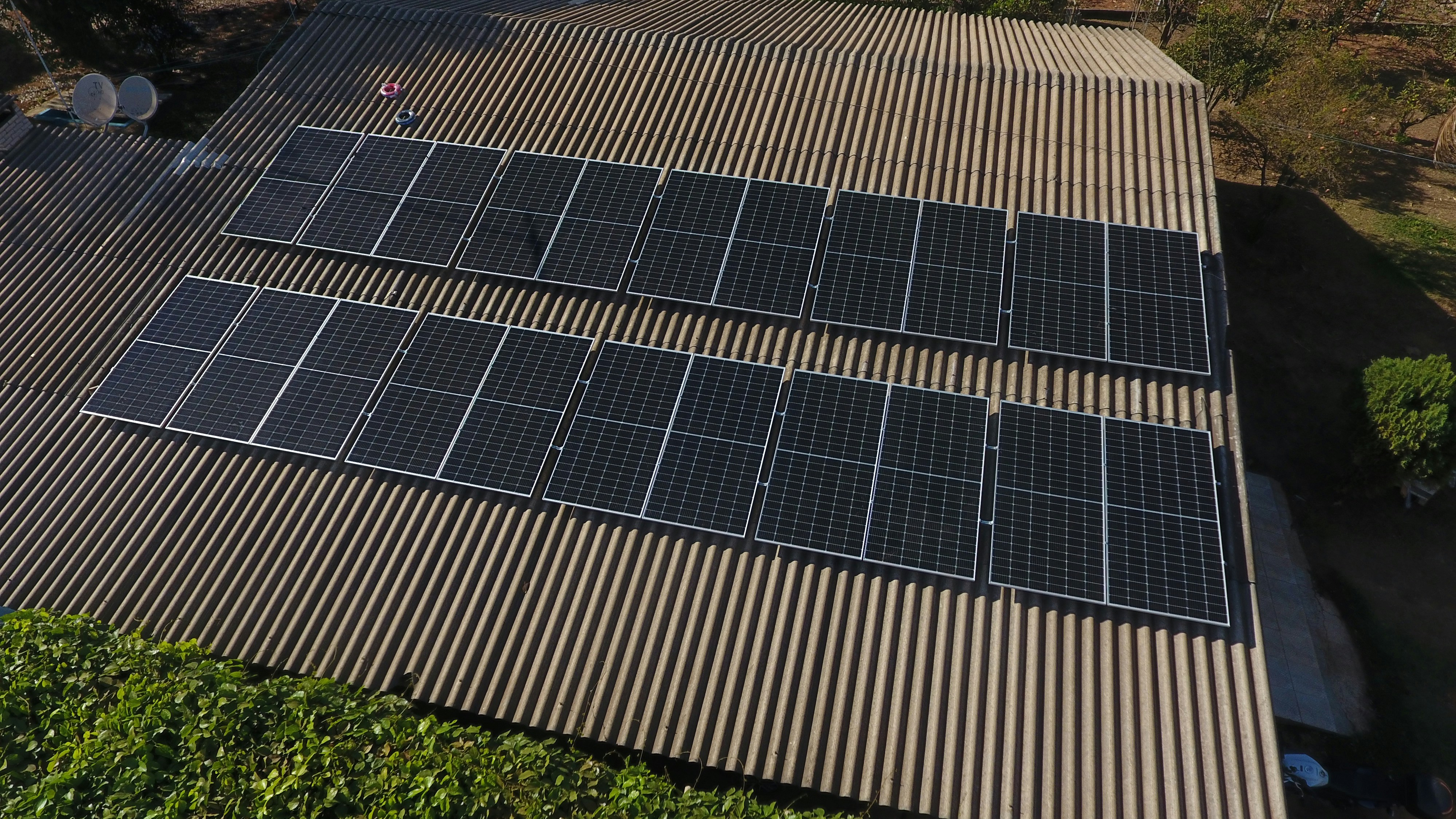
- The Setup: 36 panels (340W each) + 3 Tesla Powerwalls.
- The Gross Cost: $48,000.
- The Net Cost: After federal/state credits and an SRP rebate, they paid $30,994.
- The Result: Their average monthly bill went from $200 to just $13.
They estimate a 10-year break-even point, especially since they charge their Electric Vehicle (EV) with that same solar power. Imagine never paying for gas or electricity again. That’s the dream, right?
📈 Return on Investment: When Does Solar Power Pay Off?
To calculate your ROI, use this simple formula: (Total System Cost – Incentives) / Annual Electricity Savings = Payback Period.
If you spend $20,000 net and save $2,000 a year, your payback is 10 years. Everything after that is pure profit. Plus, solar adds an average of 4% to your home’s resale value. It’s one of the few home improvements that actually pays you back!
🌐 Navigating Solar Power Price Globally: A World Tour
Solar isn’t just a US phenomenon.
- Australia: Leads the world in rooftop solar per capita thanks to high sun and low red tape.
- Germany: Despite being “cloudy,” aggressive policies made them a solar powerhouse early on.
- China: Currently the world leader in manufacturing, driving down prices for everyone else.
🤔 Common Questions About Solar Power Price Answered
“Will solar prices keep dropping?” Likely yes, but the rate of decline is slowing. The biggest “knobs” left to turn are in reducing soft costs like marketing and permitting.
“Is it cheaper to lease or buy?” Always buy (or finance) if you can. Leasing (PPA) means the solar company keeps the tax credit and the long-term profits. You just get a slightly lower bill.
“What happens if I move?” Solar increases home value. Most buyers love the idea of a $13 electric bill!
(Wait… if the price of solar is so low, why isn’t everyone doing it? We’ll reveal the “hidden hurdle” in the conclusion…)
🎯 Conclusion: Is Solar Power Price Worth It for You?
After peeling back the layers of solar power pricing, it’s clear: solar energy is not just a feel-good eco-choice but a financially savvy investment. The dramatic 99% drop in module costs over the past 40 years, combined with government incentives and technological leaps, has made solar power more accessible than ever. Whether you’re a homeowner in sunny Arizona or a business owner in cloudy Germany, there’s a solar solution tailored for you.
Positives:
- Massive long-term savings on electricity bills.
- Significant reduction in carbon footprint.
- Increasing home value and energy independence.
- Diverse options from DIY kits to premium brands like SunPower and Tesla.
Negatives:
- Upfront costs can be intimidating without incentives.
- Soft costs and installation complexity vary by location.
- Battery storage adds expense and extends ROI timeline.
- Leasing options may limit financial benefits.
Remember the question we teased earlier: If solar prices are so low, why isn’t everyone on board? The answer lies in soft costs and awareness. Many potential users are still navigating confusing incentives, variable installer quality, and upfront investment fears. But with the right information and a trusted installer, these hurdles are surmountable.
Our expert advice? If you have a suitable roof and access to incentives, don’t wait. The price floor is still dropping, but the financial and environmental benefits you gain today will pay dividends for decades. Ready to take the plunge? Your wallet—and the planet—will thank you.
🔗 Recommended Links for Solar Power Price Insights
👉 CHECK PRICE on:
- SunPower Solar Panels: Amazon | SunPower Official Website
- Tesla Powerwall: Amazon | Tesla Official Website
- Renogy DIY Solar Kits: Amazon | Renogy Official Website
- Jackery Portable Solar Generators: Amazon | Jackery Official Website
Recommended Books for Deep Dive:
- Solar Power Your Home For Dummies by Rik DeGunther: Amazon Link
- The Solar Electricity Handbook by Michael Boxwell: Amazon Link
- Clean Tech Nation by Ron Pernick & Clint Wilder: Amazon Link
❓ FAQ: Your Burning Solar Power Price Questions
What factors influence the price of solar power systems?
Several elements shape the final cost, including:
- System size: Larger systems benefit from economies of scale, reducing cost per watt.
- Equipment quality: Premium panels like SunPower cost more but offer higher efficiency and longer warranties.
- Installation complexity: Roof type, shading, and electrical upgrades can add to labor costs.
- Soft costs: Permitting, sales, marketing, and overhead often make up a surprisingly large portion of total price.
- Location: Regional incentives, electricity rates, and sunlight availability impact overall value.
How does the cost of solar power compare to traditional energy sources?
Solar power has become one of the cheapest electricity sources in many regions. While traditional fossil fuels have fluctuating prices and environmental costs, solar offers a fixed, predictable cost after installation. The levelized cost of energy (LCOE) for solar is now often lower than coal or natural gas, especially when factoring in incentives and rising utility rates.
Are there any government incentives that reduce solar power prices?
Absolutely! The Federal Investment Tax Credit (ITC) currently allows a 30% deduction on your total system cost. Many states add rebates, tax credits, or Solar Renewable Energy Certificates (SRECs) that further reduce upfront expenses. These incentives are critical for making solar financially viable and accessible.
What is the average return on investment for solar power installations?
Most homeowners see a payback period between 7 and 12 years, depending on system size, location, and incentives. After payback, electricity generated is essentially free, leading to decades of savings. Additionally, solar installations tend to increase property values by about 4%.
How can solar power contribute to a healthier environment?
Solar power produces zero greenhouse gas emissions during operation, reducing reliance on fossil fuels that contribute to climate change and air pollution. By switching to solar, you help lower your carbon footprint, improve air quality, and support a sustainable energy future.
What are the long-term savings associated with using solar power?
Over a typical 25-year lifespan, solar systems can save homeowners tens of thousands of dollars on electricity bills. Savings vary by location and system size but often exceed initial costs, especially with incentives. Plus, solar shields you from rising utility rates.
How does solar power pricing impact sustainable living choices?
Affordable solar pricing empowers individuals and businesses to adopt renewable energy without breaking the bank. It makes sustainable living practical and scalable, encouraging more people to reduce their environmental impact while enjoying financial benefits.
Can I install solar power myself to save money?
DIY solar kits are available and can reduce upfront costs, especially for small-scale or off-grid applications. However, professional installation ensures compliance with local codes, maximizes efficiency, and provides warranties. For most homeowners, hiring certified installers is the safest and most cost-effective choice.
What should I consider when choosing a solar brand?
Look for efficiency ratings, warranty length, brand reputation, and customer reviews. Brands like SunPower and REC Solar offer top-tier performance and reliability, while budget options like Canadian Solar provide value but with shorter warranties.
📚 Reference Links and Further Reading
- MIT Study on Solar Cost Decline: https://news.mit.edu/2018/explaining-dropping-solar-cost-1120
- Solar PV Price Trends (Our World in Data): https://ourworldindata.org/grapher/solar-pv-prices
- EnergySage Solar Panel Cost Guide: https://www.energysage.com/local-data/solar-panel-cost/
- SunPower Official Website: https://www.sunpower.com
- Tesla Powerwall Official Website: https://www.tesla.com/powerwall
- Renogy Official Website: https://www.renogy.com
- Jackery Official Website: https://www.jackery.com
For more on reducing your carbon footprint and embracing eco-conscious brands, check out our Carbon Footprint Reduction and Eco-Conscious Brands categories at Gone Greenish™.