Support our educational content for free when you purchase through links on our site. Learn more
🌱 What Foods Do You Eat on a Plant-Based Diet? (2026)

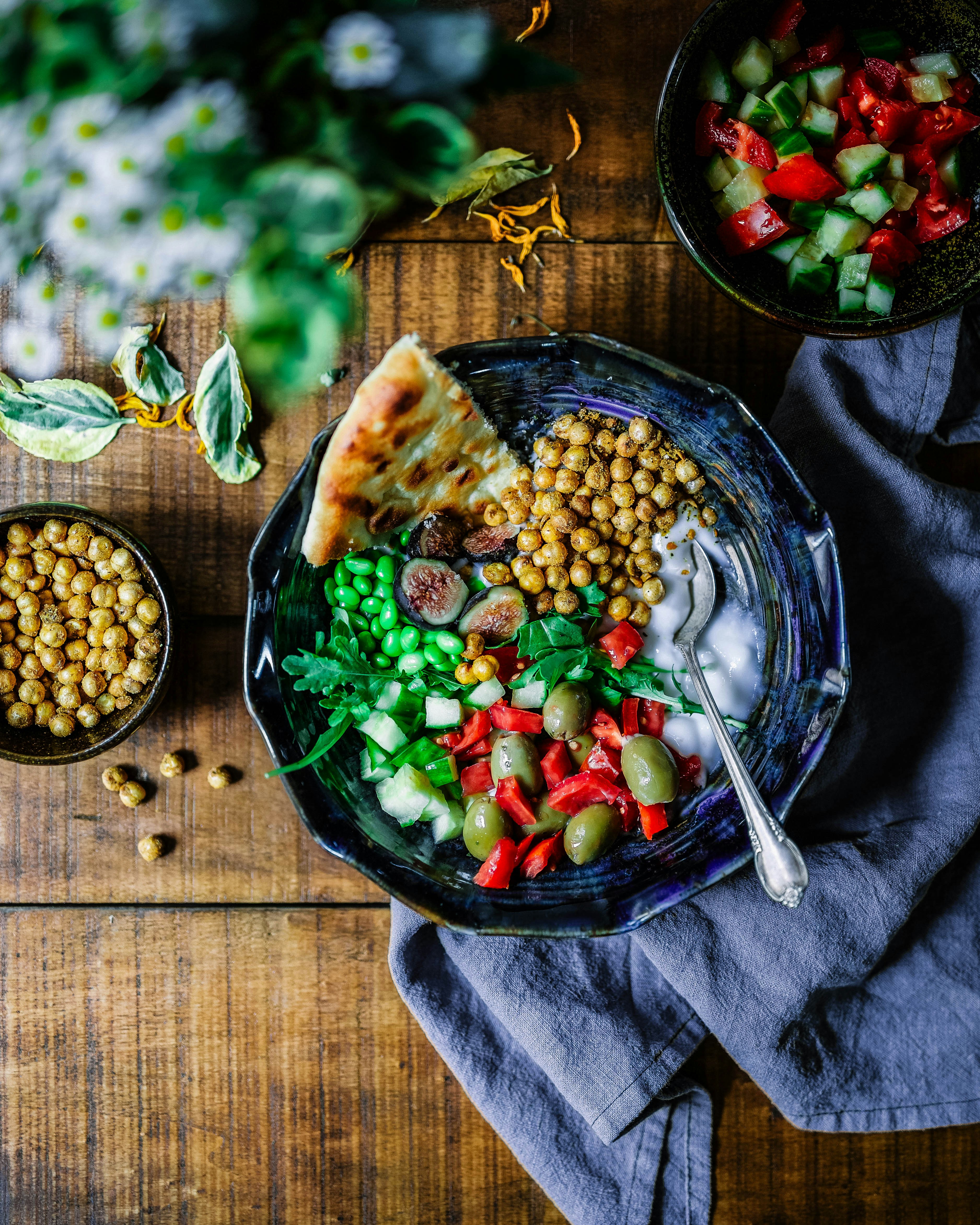
Ever stared at a grocery aisle, overwhelmed by the sheer volume of choices, wondering if “plant-based” means surviving on nothing but kale and sadness? Spoiler alert: it doesn’t! At Gone Greenish™, we’ve spent years turning our kitchens into vibrant, flavor-packed laboratories, proving that eating plants is less about restriction and more about abundance. In fact, did you know that simply shifting two-thirds of your plate to plants can significantly lower your risk of chronic disease? It’s not just a diet; it’s a revolution for your health and the planet.
In this ultimate guide, we’re ditching the confusing jargon to give you the real deal on what to eat, what to avoid, and how to transition without losing your mind (or your taste buds). From the surprising power of frozen veggies to the truth about “healthy” processed meats, we’ve got you covered. We’ll even share our secret 7-day meal plan that makes eating green feel like a treat, not a chore. Ready to discover the colorful, delicious world of plants? Let’s dive in.
🗝️ Key Takeaways
- It’s a Spectrum, Not a Switch: You don’t have to go 10% vegan overnight; the 2/3 rule (filling 2/3 of your plate with plants) is the most sustainable approach recommended by experts.
- Whole Foods Are King: Focus on fruits, vegetables, whole grains, legumes, nuts, and seeds while limiting ultra-processed “mock meats” and sugary snacks.
- Nutrients Matter: Pay special attention to Vitamin B12, Iron, and Omega-3s, ensuring you get them through fortified foods or supplements.
- Flavor is Non-Negotiable: A plant-based diet is anything but boring when you master the art of spices, herbs, and global cuisines.
- Start Small: Transition gradually by swapping one meal a day or trying “Meatless Mondays” to build lasting habits.
Table of Contents
- ⚡️ Quick Tips and Facts
- 🌱 The Roots of the Movement: A Brief History of Plant-Based Eating
- 🥗 What Exactly Is a Plant-Based Diet? Defining the Spectrum
- 🍎 The Ultimate Plant-Based Food List: What to Eat on a Plant-Based Diet
- 1. Fresh Fruits and Vegetables: Nature’s Candy
- 2. Whole Grains and Starches: The Energy Backbone
- 3. Legumes, Beans, and Lentils: The Protein Powerhouses
- 4. Nuts, Seeds, and Healthy Fats: The Satiety Secret
- 5. Plant-Based Dairy Alternatives: Milk, Cheese, and Yogurt Swaps
- 6. Meat Substitutes and Mock Meats: Navigating the Processed Aisle
- 7. Herbs, Spices, and Flavor Boosters: Making Plants Pop
- 🚫 Foods to Avoid or Limit on a Plant-Based Diet
- 🥑 Plant-Based Nutrition 101: Protein, Iron, B12, and Omega-3s
- 🏃 ♀️ How to Start Eating More Plants: A Step-by-Step Transition Guide
- 🍽️ Sample 7-Day Plant-Based Meal Plan for Beginners
- 🛒 Smart Grocery Shopping: How to Build a Plant-Powered Cart
- 🍳 Easy Plant-Based Recipes for Busy Weeknights
- 🤔 Common Myths and Misconceptions About Plant-Based Diets
- ⚖️ Weight Loss and Plant-Based Eating: Does It Actually Work?
- ❤️ Health Benefits: Heart Health, Inflammation, and Disease Prevention
- 🌍 The Environmental and Ethical Impact of Going Green
- 🤝 Plant-Based Eating on a Budget: Saving Money While Eating Green
- 🎉 Dining Out and Socializing: How to Stay Plant-Based in a Meat-Heavy World
- 👶 Raising Kids on a Plant-Based Diet: A Parent’s Guide
- 🏋️ ♂️ Athletes and Plant-Based Performance: Fueling Your Workout
- 🧠 Mental Clarity and Mood: The Brain-Body Connection of Plants
- 🔍 Conclusion
- 🔗 Recommended Links
- 📚 Reference Links
⚡️ Quick Tips and Facts
Before we dive into the deep end of the green pool, let’s hit the fast lane with some bite-sized truths that will change how you look at your next grocery run.
- It’s a Spectrum, Not a Switch: You don’t have to be 10% vegan overnight. In fact, aiming for two-thirds plants on your plate is the golden rule recommended by experts at MD Anderson and Columbia University. 🥗
- The “Fist” Rule: Confused about portion sizes? One cup of plant-based food is roughly the size of your fist. Aim for that at every meal! ✊
- Frozen is Fine: Don’t let the “fresh or nothing” myth stop you. Frozen and canned produce are often picked at peak ripeness and can be just as nutritious (and sometimes more!) than wilted supermarket greens. 🧊
- The Fiber Trap: If you jump from zero fiber to a mountain of beans, your gut will throw a tantrum. Increase servings slowly, adding just one extra serving of plants per day each week. Your tummy will thank you. 🦠
- B12 is Non-Negotiable: If you go fully plant-based, you must supplement or eat fortified foods for Vitamin B12. It’s the one nutrient plants generally don’t provide naturally. 🧪
Ready to transform your plate? Let’s explore the history of this movement and why it’s taking over the world.
🌱 The Roots of the Movement: A Brief History of Plant-Based Eating
You might think “plant-based” is a trendy 2020s buzzword, but the roots go back much deeper than your local smoothie bar.
For millennia, human diets were predominantly plant-centric simply because meat was a luxury, not a staple. Ancient civilizations in India, Greece, and China often practiced forms of vegetarianism for spiritual or health reasons. The term “vegetarian” itself was coined in 1847 by the Vegetarian Society in the UK.
However, the modern concept of a plant-based diet as a flexible, health-focused lifestyle rather than a rigid dogma gained traction in the late 20th century. Dr. T. Colin Campbell’s groundbreaking book, The China Study, highlighted the correlation between animal protein consumption and chronic diseases, sparking a revolution in nutritional science.
Today, the movement has evolved from a fringe counterculture to a mainstream health imperative. It’s no longer just about “giving up meat”; it’s about adding more life to your plate. Whether you are driven by personal health, environmental concerns, or animal welfare, the history of this diet is a testament to humanity’s growing awareness of our connection to the food we eat.
Did you know? The shift toward plant-based eating is one of the most effective individual actions for Carbon Footprint Reduction and Biodiversity Conservation.
🥗 What Exactly Is a Plant-Based Diet? Defining the Spectrum
Here is where things get tricky. If you ask ten people what a “plant-based diet” is, you’ll get eleven different answers. Why? Because it’s not a single diet; it’s a spectrum.
Unlike “Vegan” (which strictly excludes all animal products) or “Vegetarian” (which excludes meat but may include dairy/egs), plant-based focuses on the proportion of plants in your diet.
The MD Anderson & Columbia Guideline
Both MD Anderson and Columbia University agree on a visual guide:
- The 2/3 Rule: Fill at least two-thirds of your plate with plant foods (fruits, veggies, grains, legumes, nuts, seeds).
- The 1/3 Rule: The remaining one-third can be animal products (fish, poultry, eggs, dairy) OR more plant protein.
Key Distinction: You can eat meat on a plant-based diet, but it shouldn’t be the star of the show. It’s the sidekick, not the superhero.
Pro Tip: If you are looking for inspiration on how to balance this, check out our collection of 50+ Plant-Based Diet Recipes for Beginners (2026).
The Flexitarian Approach
Many people adopt a flexitarian lifestyle, which is essentially a plant-based diet with occasional meat. This approach is often more sustainable for beginners because it doesn’t feel like a deprivation diet.
Why the confusion?
Marketing has muddied the waters. Some brands use “plant-based” to sell ultra-processed burgers that are high in sodium and saturated fat. Remember: Plant-based doesn’t always mean healthy. A bag of potato chips is plant-based, but it’s not nutritious. We’ll dive deeper into what to avoid later!
🍎 The Ultimate Plant-Based Food List: What to Eat on a Plant-Based Diet
So, what actually goes on that 2/3rds of your plate? Let’s break it down into the Seven Pillars of Plant Power.
1. Fresh Fruits and Vegetables: Nature’s Candy
These are the non-negotiables. They provide the phytochemicals and antioxidants that fight inflammation and disease.
- Leafy Greens: Spinach, kale, swiss chard, arugula.
- Cruciferous Veggies: Broccoli, cauliflower, Brussels sprouts.
- Colorful Fruits: Beries (antioxidant kings), citrus, bananas, apples.
- Root Veggies: Carots, sweet potatoes, bets.
Gone Greenish Tip: Don’t stress about “perfect” freshness. Frozen berries are often more nutrient-dense than those sitting in a truck for a week!
2. Whole Grains and Starches: The Energy Backbone
Forget the “carbs are bad” myth. Whole grains are essential for sustained energy and fiber.
- Grains: Quinoa (a complete protein!), brown rice, oats, barley, faro, buckwheat.
- Starchy Veggies: Potatoes, corn, peas, winter squash.
- Breads/Pastas: Look for “10% whole wheat” or “whole grain” as the first ingredient.
3. Legumes, Beans, and Lentils: The Protein Powerhouses
If you think you need meat for protein, think again. Legumes are the protein kings of the plant world.
- Beans: Black beans, kidney beans, chickpeas (garbanzo), pinto beans.
- Lentils: Green, red, brown, and black lentils (cook faster than beans!).
- Peas: Split peas, green peas.
4. Nuts, Seeds, and Healthy Fats: The Satiety Secret
Fats are crucial for brain health and absorbing vitamins.
- Nuts: Almonds, walnuts (great for Omega-3s), cashews, pistachios.
- Seds: Chia, flax, hemp, pumpkin, sunflower.
- Oils: Olive oil, avocado oil, coconut oil (in moderation).
- Whole Foods: Avocados, olives.
5. Plant-Based Dairy Alternatives: Milk, Cheese, and Yogurt Swaps
The dairy aisle has exploded with options. Look for fortified versions to ensure you get Calcium and Vitamin B12.
- Milks: Oat milk (creamy), Soy milk (high protein), Almond milk (low calorie), Pea milk (sustainable).
- Yogurts: Coconut, soy, or almond-based yogurts.
- Cheses: Nutritional yeast (for that cheesy flavor!), cashew-based cheeses, almond mozzarella.
6. Meat Substitutes and Mock Meats: Navigating the Processed Aisle
This is the controversial section. Brands like Beyond Meat and Impossible Foods have made it easy to transition, but they are ultra-processed.
- Whole Food Option: Tofu, Tempeh, Seitan (wheat gluten).
- Processed Option: Plant-based burgers, nugets, sausages.
- Verdict: Enjoy them as a treat or a transition tool, but don’t make them your daily staple.
7. Herbs, Spices, and Flavor Boosters: Making Plants Pop
Plants aren’t boring if you season them right!
- Spices: Turmeric (anti-inflammatory), cumin, paprika, chili powder.
- Herbs: Basil, cilantro, parsley, rosemary.
- Boosters: Garlic, ginger, lemon juice, balsamic vinegar.
🚫 Foods to Avoid or Limit on a Plant-Based Diet
Just because it’s plant-based doesn’t mean it’s healthy. We need to talk about the ultra-processed traps.
The “Bad” List
- Refined Sugars: Candy, soda, pastries. These cause blood sugar spikes and inflammation.
- Refined Grains: White bread, white pasta, white rice. They lack fiber and nutrients.
- Ultra-Processed Snacks: Chips, cookies, and sugary cereals.
- Excessive Sodium: Check labels on canned beans and sauces. Aim for less than 2,30 mg per day.
- Added Sugars: Men should limit to 36g, women to 25g per day.
Why avoid them? As Dr. Andrea Murray from MD Anderson notes, these foods often lead to overconsumption because the body is still seeking missing nutrients.
The “Limit” List
- Deep-Fried Foods: Even if it’s a vegie fry, the oil and high heat can create harmful compounds.
- High-Sodium Canned Goods: Always rinse canned beans to remove excess salt.
- Sweetened Plant Milks: Opt for “unsweetened” versions to avoid hidden sugars.
🥑 Plant-Based Nutrition 101: Protein, Iron, B12, and Omega-3s
Woried about getting enough nutrients? Let’s bust the myths with science.
Protein: It’s Easier Than You Think
You don’t need to “combine” proteins at every meal. Your body has an amino acid pool. Just eat a variety of plants throughout the day.
- Sources: Lentils (18g/cup), Chickpeas (15g/cup), Tofu (20g/cup), Quinoa (8g/cup).
Iron: The Absorption Hack
Plant-based iron (non-heme) is harder to absorb than animal iron.
- The Fix: Pair iron-rich foods (spinach, lentils) with Vitamin C (lemon juice, bell peppers, oranges).
- The Don’t: Avoid drinking tea or coffee with meals, as tannins block iron absorption.
Vitamin B12: The One You Can’t Skip
Plants generally do not contain B12.
- Sources: Fortified cereals, nutritional yeast, fortified plant milks.
- Recommendation: Most experts recommend a B12 supplement for anyone on a strict plant-based or vegan diet.
Omega-3 Fatty Acids
- Sources: Flaxseds (ground), chia seeds, walnuts, hemp seeds.
- Tip: If you don’t eat fish, consider an algae-based Omega-3 supplement for DHA/EPA.
Calcium
- Sources: Fortified plant milks, tofu set with calcium, tahini, almonds, leafy greens (kale, broccoli).
- Note: Spinach has calcium, but it’s bound to oxalates and isn’t well absorbed. Stick to kale and broccoli for bioavailable calcium.
🏃 ♀️ How to Start Eating More Plants: A Step-by-Step Transition Guide
Ready to make the switch? Don’t go cold turkey unless you want to crash. Here is the Gone Greenish™ roadmap:
- The “One Meal” Challenge: Start by making just breakfast plant-based. Swap eggs for oatmeal or a smoothie.
- Meatless Mondays: Dedicate one day a week to zero meat.
- The 2/3 Rule: At lunch and dinner, consciously fill 2/3 of your plate with veggies/grains before adding any animal protein.
- Swap, Don’t Stop: Replace beef with lentils in your chili. Swap dairy milk for oat milk in your coffee.
- Explore New Cuisines: Indian, Mediterranean, and East Asian cuisines are naturally rich in plant-based dishes.
- Listen to Your Body: If you feel bloated, slow down on the fiber increase. Cook your veggies to make them easier to digest.
Curious about meal prep? In the video below, a host demonstrates how to batch cook oatmeal and prep salads for the week, proving that plant-based eating can be simple and time-efficient. Check out the Featured Video for a visual guide!
🍽️ Sample 7-Day Plant-Based Meal Plan for Beginners
Confused about what to eat? Here is a flexible 7-day plan to get you started. Remember, this is a guide, not a prison!
| Day | Breakfast | Lunch | Dinner | Snack |
|---|---|---|---|---|
| Mon | Oatmeal with berries & flax | Quinoa salad with chickpeas | Lentil soup with whole grain bread | Apple & almond butter |
| Tue | Smoothie (spinach, banana, soy milk) | Humus wrap with veggies | Stir-fry tofu with broccoli & brown rice | Carot sticks & humus |
| Wed | Whole grain toast with avocado | Leftover stir-fry | Black bean tacos with salsa | Handful of walnuts |
| Thu | Chia pudding with mango | Lentil salad with feta (optional) | Baked sweet potato with black beans | Pear & cashews |
| Fri | Scrambled tofu with veggies | Chickpea curry with rice | Pasta with marinara & spinach | Dark chocolate square |
| Sat | Pancakes (oat flour) with fruit | Large green salad with beans | Vegetable stir-fry with tempeh | Popcorn (air-popped) |
| Sun | Breakfast burito (beans, veggies) | Leftover stir-fry | Roasted veggies with quinoa | Beries & nutritional yeast |
🛒 Smart Grocery Shopping: How to Build a Plant-Powered Cart
Shopping for plants can be overwhelming. Follow these Gone Greenish™ rules:
- 👉 Shop the Perimeter: This is where the fresh produce, grains, and legumes live. Avoid the middle aisles where the processed junk hides.
- Buy in Bulk: Grains, beans, nuts, and seeds are cheaper in bulk bins.
- Frozen is Your Friend: Keep a stash of frozen veggies and fruits for quick meals.
- Read Labels: Look for short ingredient lists. If you can’t pronounce it, put it back.
- Seasonal is Best: Buy what’s in season for better flavor and lower prices.
Top Brands to Look For:
- Organic Valley (Plant milks)
- Gardein (Meat alternatives)
- Amy’s Kitchen (Frozen meals)
- 365 Whole Foods (Bulk grains/beans)
👉 CHECK PRICE on:
- Gardein Meatless Products: Amazon | Walmart | Gardein Official
- Organic Valley Oat Milk: Amazon | Walmart | Organic Valley Official
🍳 Easy Plant-Based Recipes for Busy Weeknights
No time to cook? Try these 15-minute wonders:
- Chickpea “Tuna” Salad: Mash chickpeas with vegan mayo, celery, and mustard. Serve on toast or in a wrap.
- Quick Stir-Fry: Toss frozen veggies and tofu in a pan with soy sauce, ginger, and garlic. Serve over instant brown rice.
- Black Bean Quesadillas: Fill a tortilla with black beans, corn, and cheese (or nutritional yeast). Pan-fry until crispy.
- Overnight Oats: Mix oats, chia seeds, and plant milk. Let sit in the fridge overnight. Top with fruit in the morning.
🤔 Common Myths and Misconceptions About Plant-Based Diets
Let’s clear the air.
- Myth: “You can’t get enough protein.”
Fact: Most people eat too much protein. Plants provide plenty if you eat enough calories. - Myth: “It’s too expensive.”
Fact: Beans, rice, and seasonal veggies are among the cheapest foods in the store. Meat substitutes are pricier, but you don’t need them daily. - Myth: “It’s boring.”
Fact: The world of spices and global cuisines is vast! - Myth: “You have to be perfect.”
Fact: Progress over perfection. One plant-based meal is better than none.
⚖️ Weight Loss and Plant-Based Eating: Does It Actually Work?
Yes, but with a caveat.
Plant-based diets are naturally high in fiber and water, which increase satiety and reduce calorie intake. Studies show that people on plant-based diets tend to have lower BMIs.
However, if you replace a burger with a bag of chips, you won’t lose weight. The key is focusing on whole foods.
- The Mechanism: High fiber slows digestion, keeping you full longer.
- The Trap: Ultra-processed plant foods (vegan cookies, fries) can still lead to weight gain.
❤️ Health Benefits: Heart Health, Inflammation, and Disease Prevention
Why are we doing this? The science is compelling.
- Heart Health: Plant-based diets lower cholesterol and blood pressure, reducing the risk of heart disease.
- Cancer Prevention: High intake of fruits and veggies is linked to a reduced risk of 10+ types of cancer.
- Diabetes Management: High fiber helps stabilize blood sugar levels.
- Inflammation: Antioxidants in plants fight chronic inflammation, the root of many diseases.
As the NHS notes, a balanced plant-based diet supports your immune system and helps maintain a healthy weight.
🌍 The Environmental and Ethical Impact of Going Green
It’s not just about you; it’s about the planet.
- Carbon Footprint: Livestock farming is a major contributor to greenhouse gases. Eating plants reduces your Carbon Footprint.
- Water Usage: Producing a pound of beef requires thousands of gallons of water. A pound of beans requires a fraction of that.
- Biodiversity: Reducing meat consumption helps protect habitats and Biodiversity Conservation.
🤝 Plant-Based Eating on a Budget: Saving Money While Eating Green
Eating green doesn’t have to break the bank.
- Buy Dry Beans: They are cheaper than canned and have no sodium.
- 👉 Shop Seasonal: Beries in winter are expensive; root veggies are cheap.
- Cook in Bulk: Make a big pot of chili or soup and freeze portions.
- Skip the Mock Meats: Rely on tofu, lentils, and beans for protein.
🎉 Dining Out and Socializing: How to Stay Plant-Based in a Meat-Heavy World
Going out to eat?
- Check the Menu Online: Look for “vegan” or “vegetarian” options.
- Customize: Ask for no cheese, extra veggies, or a side of beans.
- Ethnic Cuisine: Indian (chana masala), Thai (tofu curry), and Mexican (bean buritos) are usually plant-friendly.
- Bring a Snack: If you’re unsure, bring a small snack so you don’t arrive starving.
👶 Raising Kids on a Plant-Based Diet: A Parent’s Guide
Can kids thrive on plants? Absolutely.
- Focus on Variety: Ensure they get a mix of grains, legumes, fruits, and veggies.
- Watch the Nutrients: Pay attention to B12, Iron, and Calcium.
- Make it Fun: Let them help cook. Colorful plates attract kids.
- Consult a Pro: If you have concerns, talk to a pediatric dietitian.
🏋️ ♂️ Athletes and Plant-Based Performance: Fueling Your Workout
Can you build muscle on plants? Yes!
- Protein Timing: Spread protein intake throughout the day.
- Carbs are Fuel: Whole grains provide the energy needed for intense workouts.
- Recovery: Antioxidants in plants help reduce muscle soreness.
- Famous Athletes: Novak Djokovic, Lewis Hamilton, and Serena Williams have all embraced plant-based eating.
🧠 Mental Clarity and Mood: The Brain-Body Connection of Plants
Did you know your gut is your “second brain”?
- Gut Health: A diverse microbiome from fiber-rich foods improves mood and mental clarity.
- Stable Energy: Avoiding sugar spikes prevents the “afternoon slump.”
- Inflammation: Lower inflammation is linked to better cognitive function.
🔍 Conclusion
So, what foods do you eat on a plant-based diet? The answer is: almost everything that grows!
We started this journey wondering if we could survive without meat, only to discover a world of flavor, energy, and vitality. The plant-based diet isn’t about restriction; it’s about abundance. It’s about filling your plate with the colorful, nutrient-dense foods that nature intended.
Whether you are aiming for the 2/3 rule, going fully vegan, or just trying to eat more veggies, every step counts. Remember, plant-based doesn’t always mean healthy, so focus on whole foods, limit processed items, and listen to your body.
Our Confident Recommendation: Start small. Try one plant-based meal a day. Explore new recipes. Don’t stress about perfection. As the experts say, “The best plant-based options are the ones you actually eat.”
Ready to transform your health and your planet? Dive into our 50+ Plant-Based Diet Recipes for Beginners (2026) and start your journey today!
🔗 Recommended Links
Ready to stock up? Here are some of our favorite products and resources to get you started:
- Plant-Based Protein Powders:
- Orgain Organic Plant Protein | Walmart | Orgain Official
- Nutritional Yeast (The Cheese Flavor):
- Brag Nutritional Yeast | Walmart | Brag Official
- Plant-Based Meat Alternatives:
- Beyond Meat Burgers | Walmart | Beyond Meat Official
- Impossible Foods | Walmart | Impossible Foods Official
- Books on Plant-Based Eating:
The China Study by T. Colin Campbell: Amazon
How Not to Die by Michael Greger: Amazon
📚 Reference Links
For more information and verification, check out these reputable sources:
- The Vegan Diet – NHS: https://www.nhs.uk/live-well/eat-well/how-to-eat-a-balanced-diet/the-vegan-diet/
- MD Anderson Cancer Center: The Benefits of a Plant-Based Diet
- Columbia University Irving Medical Center: What is a Plant-Based Diet?
- The Vegan Society: Nutrition and Health
- Academy of Nutrition and Dietics: Position on Vegetarian Diets
FAQ
Do you eat eggs on a plant-based diet?
It depends on your definition.
Strictly speaking, a vegan diet excludes eggs. However, a plant-based diet (as defined by MD Anderson and Columbia) allows for animal products as long as plants make up the majority (2/3) of the meal. So, you can eat eggs, but they should be a side dish, not the main event. If you want to go fully plant-based, you’ll need to find egg substitutes like tofu scrambles or commercial egg replacers.
Read more about “🌱 50+ Plant-Based Diet Recipes for Beginners (2026)”
Can I eat chicken on a plant-based diet?
Yes, but in moderation.
Similar to eggs, chicken is permitted in a flexible plant-based diet if it constitutes no more than one-third of your plate. The focus remains on filling the rest of the plate with vegetables, grains, and legumes. However, many people choose to eliminate chicken entirely to maximize the health and environmental benefits of the diet.
Read more about “8 Hidden Negatives of a Plant-Based Diet (2026) 🚨”
What are plant-based foods to eat?
The core of a plant-based diet includes:
- Fruits and Vegetables: Fresh, frozen, or canned (low sodium).
- Whole Grains: Brown rice, quinoa, oats, whole wheat.
- Legumes: Beans, lentils, chickpeas, peas.
- Nuts and Seeds: Almonds, walnuts, chia, flax.
- Plant-Based Dairy: Fortified milks and yogurts.
- Healthy Fats: Avocado, olive oil.
Read more about “7 Immediate Benefits of a Plant-Based Diet (2026) 🌱”
What are the best plant based foods for sustainable living?
For maximum sustainability, focus on:
- Locally Grown Produce: Reduces transportation emissions.
- Seasonal Foods: Requires less energy to grow.
- Legumes: They fix nitrogen in the soil, reducing the need for fertilizers.
- Bulk Grains: Reduces packaging waste.
- Water-Efficient Crops: Almonds and avocados are water-intensive, so consume them in moderation if water conservation is a priority.
Read more about “🍌 Can You Eat Banas on a Plant-Based Diet? (2026 Guide)”
How does a plant based diet help the environment?
A plant-based diet significantly reduces:
- Greenhouse Gas Emissions: Livestock farming produces methane, a potent greenhouse gas.
- Water Usage: Plant foods generally require far less water than animal products.
- Land Use: Less land is needed to grow plants for direct human consumption than to grow feed for animals.
- Biodiversity Loss: Reducing demand for meat helps preserve natural habitats.
Read more about “🌍 Carbon Negative: The Ultimate Guide to Reversing Climate Change (2026)”
What are easy plant based meals for beginners?
- Breakfast: Oatmeal with fruit and nuts.
- Lunch: Humus and vegie wrap or a large salad with beans.
- Dinner: Stir-fry with tofu and frozen veggies, or lentil soup.
- Snack: Apple slices with peanut butter or a handful of trail mix.
Read more about “🌱 The Ultimate 14-Day Plant-Based Diet Plan for Beginners (2026)”
Which plant based foods are highest in protein?
- Lentils: ~18g per cup (cooked)
- Chickpeas: ~15g per cup (cooked)
- Tofu: ~20g per cup
- Tempeh: ~31g per cup
- Quinoa: ~8g per cup (cooked)
- Edame: ~18g per cup
- Hemp Seeds: ~10g per 3 tablespoons
Can you lose weight on a plant based diet?
Yes. Plant-based diets are naturally high in fiber and water, which increase satiety and reduce overall calorie intake. Studies consistently show that people on plant-based diets have lower BMIs. However, weight loss depends on total calorie intake, so avoid overeating processed plant-based foods.
Read more about “🌱 7 Hidden Downsides of a Plant-Based Diet (2026)”
What are the health benefits of eating more plants?
- Reduced Risk of Chronic Disease: Lower risk of heart disease, type 2 diabetes, and certain cancers.
- Improved Gut Health: High fiber promotes a healthy microbiome.
- Better Weight Management: Easier to maintain a healthy weight.
- Lower Inflammation: Antioxidants in plants fight inflammation.
- Increased Energy: Stable blood sugar levels prevent energy crashes.
Read more about “🌱 What Are 5 Foods for a Plant-Based Diet? (2026 Guide)”
How to transition to a plant based diet for a healthier planet?
- Start Small: Begin with one plant-based meal a day.
- Focus on Addition: Add more veggies and grains rather than just subtracting meat.
- Explore Cuisines: Try Indian, Mediterranean, or Asian dishes that are naturally plant-rich.
- Educate Yourself: Learn about nutrition to ensure you get all necessary nutrients.
- Be Patient: It’s a journey, not a destination. Every plant-based meal makes a difference.
Read more about “🎯 What Is the Goal of Carbon Neutrality? (2026 Guide)”