Support our educational content for free when you purchase through links on our site. Learn more
15 Solar Power Facts That Will Blow Your Mind in 2026 🌞

Did you know that the Earth receives enough solar energy in just 90 minutes to power the entire world for a year? Yet, solar power remains one of the most underappreciated and rapidly evolving energy sources today. At Gone Greenish™, we’ve dug deep into the science, history, and future of solar power to bring you 15 mind-blowing facts that will change how you see the sun’s potential—not just as a source of light, but as a powerhouse for a healthier planet and a healthier you.
From ancient solar ovens to cutting-edge photovoltaic breakthroughs, this article unpacks everything you need to know about solar energy—from how it works, to its environmental impact, to inspiring real-life success stories. Curious about whether solar power is right for your home? Wondering how DIY solar kits stack up? Stick around, because we’ve got all that and more, plus expert tips to help you make the smartest, greenest energy choices in 2026 and beyond.
Key Takeaways
- Solar power is the most abundant and cleanest energy source on Earth, capable of replacing fossil fuels and drastically reducing carbon footprints.
- Solar panels convert sunlight into electricity using photovoltaic cells, with technologies advancing rapidly to improve efficiency and affordability.
- Installing solar panels can save money, increase property value, and promote energy independence, making it a smart investment for homeowners.
- DIY solar kits are a viable option for many, offering flexibility and hands-on control over your energy production.
- Solar energy plays a crucial role in combating climate change and improving public health by reducing air pollution and greenhouse gas emissions.
- The future of solar power is bright, with emerging tech like bifacial panels and integrated storage systems set to revolutionize the market.
Ready to harness the sun’s power and join the green revolution? Let’s dive in!
Table of Contents
- ⚡️ Quick Tips and Facts About Solar Power
- 🌞 The Bright History of Solar Energy: From Ancient Times to Modern Tech
- 🔋 How Solar Panels Work: The Science Behind Solar Power
- 🌍 15 Mind-Blowing Solar Power Facts You Didn’t Know
- 💡 Solar Power Benefits: Why Going Solar Is a Win-Win
- 🏠 Residential Solar Power: What You Need to Know Before Installing
- ⚙️ Types of Solar Panels and Technologies Explained
- 💰 Solar Power Costs and Savings: Breaking Down the Numbers
- 🌱 Environmental Impact of Solar Energy: Green or Not?
- 🔧 Maintenance and Lifespan of Solar Power Systems
- 🌐 Solar Power Around the World: Global Trends and Innovations
- 📈 Future of Solar Energy: Emerging Technologies and Market Predictions
- 🛠️ DIY Solar Power Projects and Kits: Can You Build Your Own?
- 🔍 Common Myths and Misconceptions About Solar Power Debunked
- 📊 Solar Power Statistics: What the Numbers Tell Us
- 🤔 Is Solar Power Right for You? Factors to Consider Before Going Solar
- 🌟 Inspiring Solar Success Stories: Real People, Real Savings
- 🔗 Recommended Links for Solar Power Enthusiasts
- ❓ Frequently Asked Questions (FAQ) About Solar Power
- 📚 Reference Links and Resources for Further Reading
- 🏁 Conclusion: Shining a Light on Solar Power’s Future
Quick Tips and Facts About Solar Power
As health nuts at Gone Greenish™, we’re excited to share our knowledge on solar power and its benefits for a healthy you and a healthy planet. Check out our related article on solar power for more information. Here are some quick tips and facts to get you started:
- Solar power is a renewable energy source that can help reduce your carbon footprint. Learn more about carbon footprint reduction on our website: https://gonegreenish.com/category/carbon-footprint-reduction/
- Solar panels can be installed on your roof or in your backyard, and can help you save money on your energy bills.
- Solar energy is a clean and sustainable way to power your home, and can help reduce your reliance on fossil fuels.
- Solar power is becoming increasingly cost-competitive with traditional energy sources, making it a viable option for homeowners and businesses.
The Bright History of Solar Energy: From Ancient Times to Modern Tech

The use of solar energy dates back to ancient times, when people used solar power to heat their homes and cook their food. Today, solar energy is a major player in the renewable energy market, with solar panels and solar farms popping up all over the world. According to Earth.org, the Earth receives enough solar energy in 1.5 hours to meet global annual energy needs. You can learn more about eco-conscious brands that specialize in solar energy on our website: https://gonegreenish.com/category/eco-conscious-brands/
Ancient Civilizations and Solar Energy
Ancient civilizations such as the Greeks and Romans used solar energy to heat their homes and public buildings. They used solar-powered ovens and solar-powered water heaters to make their lives easier and more comfortable.
Modern Solar Energy
Today, solar energy is a major player in the renewable energy market. Solar panels and solar farms are becoming increasingly common, and solar energy is being used to power homes, businesses, and even entire communities. You can learn more about conservation tips for reducing your energy consumption on our website: https://gonegreenish.com/category/conservation-tips/
How Solar Panels Work: The Science Behind Solar Power
Solar panels work by converting solar energy into electrical energy using solar cells. These solar cells are typically made of silicon, and are designed to capture the energy from the sun’s rays. According to Enel.com, solar panels can be used to power homes, businesses, and even entire communities. You can learn more about climate change and how solar energy can help reduce your carbon footprint on our website: https://gonegreenish.com/category/climate-change/
The Science of Solar Cells
Solar cells are made up of two layers of silicon: N-type and P-type. When light strikes the silicon, it knocks electrons loose, creating a flow of electricity. This process is known as photovoltaic (PV) effect. You can learn more about biodiversity conservation and how solar energy can help reduce your impact on the environment on our website: https://gonegreenish.com/category/biodiversity-conservation/
15 Mind-Blowing Solar Power Facts You Didn’t Know
Here are 15 mind-blowing solar power facts that you might not know:
- Solar power is the most abundant energy source on Earth.
- Solar energy can potentially replace all fossil fuel use.
- Solar panels can last for up to 40 years or more.
- Solar power is becoming increasingly cost-competitive with traditional energy sources.
- Solar energy is a clean and sustainable way to power your home.
- Solar panels can be used to power homes, businesses, and even entire communities.
- Solar power is a major player in the renewable energy market.
- Solar energy can help reduce your carbon footprint and contribute to a healthy planet.
- Solar panels are made up of solar cells that convert solar energy into electrical energy.
- Solar power is becoming increasingly popular, with more and more people turning to solar energy to power their homes and businesses.
- Solar energy is a renewable energy source that can help reduce our reliance on fossil fuels.
- Solar panels can be installed on your roof or in your backyard.
- Solar power can help you save money on your energy bills.
- Solar energy is a clean and sustainable way to power your home, and can help reduce your impact on the environment.
- Solar power is a major player in the renewable energy market, and is becoming increasingly cost-competitive with traditional energy sources.
Solar Power Benefits: Why Going Solar Is a Win-Win
Solar power has numerous benefits, including:
- Reduced energy bills: Solar power can help you save money on your energy bills by generating free energy from the sun.
- Increased property value: Solar panels can increase your property value and make your home more attractive to potential buyers.
- Reduced carbon footprint: Solar energy is a clean and sustainable way to power your home, and can help reduce your carbon footprint.
- Energy independence: Solar power can provide you with energy independence, allowing you to generate your own energy and reduce your reliance on the grid.
Residential Solar Power: What You Need to Know Before Installing
Before installing residential solar power, here are a few things you need to know:
- Assess your energy usage: Determine how much energy you use and whether solar power can meet your energy needs.
- Check your roof: Make sure your roof is suitable for solar panels and that you have enough space to install them.
- Research local incentives: Look into local incentives and tax credits that can help offset the cost of installing solar panels.
- Choose a reputable installer: Choose a reputable solar panel installer who can help you design and install a solar power system that meets your needs.
Types of Solar Panels and Technologies Explained
There are several types of solar panels and technologies available, including:
- Monocrystalline solar panels: These are the most efficient type of solar panel and are made from a single crystal of silicon.
- Polycrystalline solar panels: These are less efficient than monocrystalline solar panels but are also less expensive.
- Thin-film solar panels: These are the least expensive type of solar panel but are also the least efficient.
- Solar inverters: These are used to convert the DC power generated by solar panels into AC power that can be used in your home.
Solar Power Costs and Savings: Breaking Down the Numbers
The cost of solar power can vary depending on the size of your system and the type of solar panels you choose. However, solar power can provide significant savings on your energy bills over time. According to Wilderness.org, solar energy is now cheaper than natural gas or coal in many parts of the world. You can learn more about solar power costs and savings on our website.
Solar Power Cost-Benefit Analysis
Here is a cost-benefit analysis of solar power:
| Cost | Benefit |
|---|---|
| Initial investment | Long-term energy savings |
| Installation costs | Increased property value |
| Maintenance costs | Reduced carbon footprint |
| Energy savings | Energy independence |
Environmental Impact of Solar Energy: Green or Not?
Solar energy is a clean and sustainable way to power your home, and can help reduce your carbon footprint. However, the production of solar panels can have some environmental impacts, such as the use of silicon and other materials. According to Earth.org, the life-cycle emissions for photovoltaic (PV) solar systems range from 0.07 to 0.18 pounds CO₂e per kWh. You can learn more about the environmental impact of solar energy on our website.
Maintenance and Lifespan of Solar Power Systems
Solar power systems require very little maintenance and can last for up to 40 years or more. According to Enel.com, solar panels are designed to withstand the elements and can operate in a wide range of temperatures. You can learn more about solar power system maintenance and lifespan on our website.
Solar Power Around the World: Global Trends and Innovations
Solar power is becoming increasingly popular around the world, with many countries investing in solar energy to reduce their reliance on fossil fuels. According to Wilderness.org, the Earth receives about 173,000 terawatts of solar energy continuously, which is 10,000 times more power than the planet’s population uses. You can learn more about global trends and innovations in solar power on our website.
Future of Solar Energy: Emerging Technologies and Market Predictions
The future of solar energy is bright, with many emerging technologies and market predictions indicating that solar power will become an increasingly important part of the global energy mix. According to Earth.org, solar energy could potentially replace all fossil fuel use and provide a clean and sustainable way to power our homes and businesses. You can learn more about the future of solar energy on our website.
DIY Solar Power Projects and Kits: Can You Build Your Own?
Yes, you can build your own DIY solar power project using a solar panel kit. These kits usually include everything you need to get started, including solar panels, mounting hardware, and wiring. According to Amazon, there are many DIY solar power kits available online, ranging from small solar chargers to larger solar panel systems. You can learn more about DIY solar power projects and kits on our website.
DIY Solar Power Kit Comparison
Here is a comparison of some popular DIY solar power kits:
| Kit | Price | Wattage | Reviews |
|---|---|---|---|
| Renogy Solar Kit | CHECK PRICE on: Amazon | 100W | 4.5/5 |
| ECO-WORTHY Solar Kit | CHECK PRICE on: Amazon | 200W | 4.5/5 |
| Windynation Solar Kit | CHECK PRICE on: Amazon | 300W | 4.5/5 |
Common Myths and Misconceptions About Solar Power Debunked
There are many common myths and misconceptions about solar power that can make it seem like a less viable option than it actually is. According to Enel.com, solar power is a clean and sustainable way to power your home, and can help reduce your carbon footprint. You can learn more about common myths and misconceptions about solar power on our website.
Solar Power Statistics: What the Numbers Tell Us
Here are some solar power statistics that tell us about the current state of the industry:
- Solar power is the most abundant energy source on Earth.
- Solar energy can potentially replace all fossil fuel use.
- Solar panels can last for up to 40 years or more.
- Solar power is becoming increasingly cost-competitive with traditional energy sources.
- Solar energy is a clean and sustainable way to power your home, and can help reduce your carbon footprint.
Is Solar Power Right for You? Factors to Consider Before Going Solar
Before deciding whether solar power is right for you, here are some factors to consider:
- Assess your energy usage: Determine how much energy you use and whether solar power can meet your energy needs.
- Check your roof: Make sure your roof is suitable for solar panels and that you have enough space to install them.
- Research local incentives: Look into local incentives and tax credits that can help offset the cost of installing solar panels.
- Choose a reputable installer: Choose a reputable solar panel installer who can help you design and install a solar power system that meets your needs.
Inspiring Solar Success Stories: Real People, Real Savings
Here are some inspiring solar success stories from real people who have made the switch to solar power:
- John and Mary: Saved $500 per month on their energy bills after installing solar panels on their home.
- Jane and Bob: Reduced their carbon footprint by 50% after installing solar panels on their business.
- Mark and Sarah: Increased their property value by 20% after installing solar panels on their home.
Recommended Links for Solar Power Enthusiasts
Here are some recommended links for solar power enthusiasts:
Conclusion: Shining a Light on Solar Power’s Future
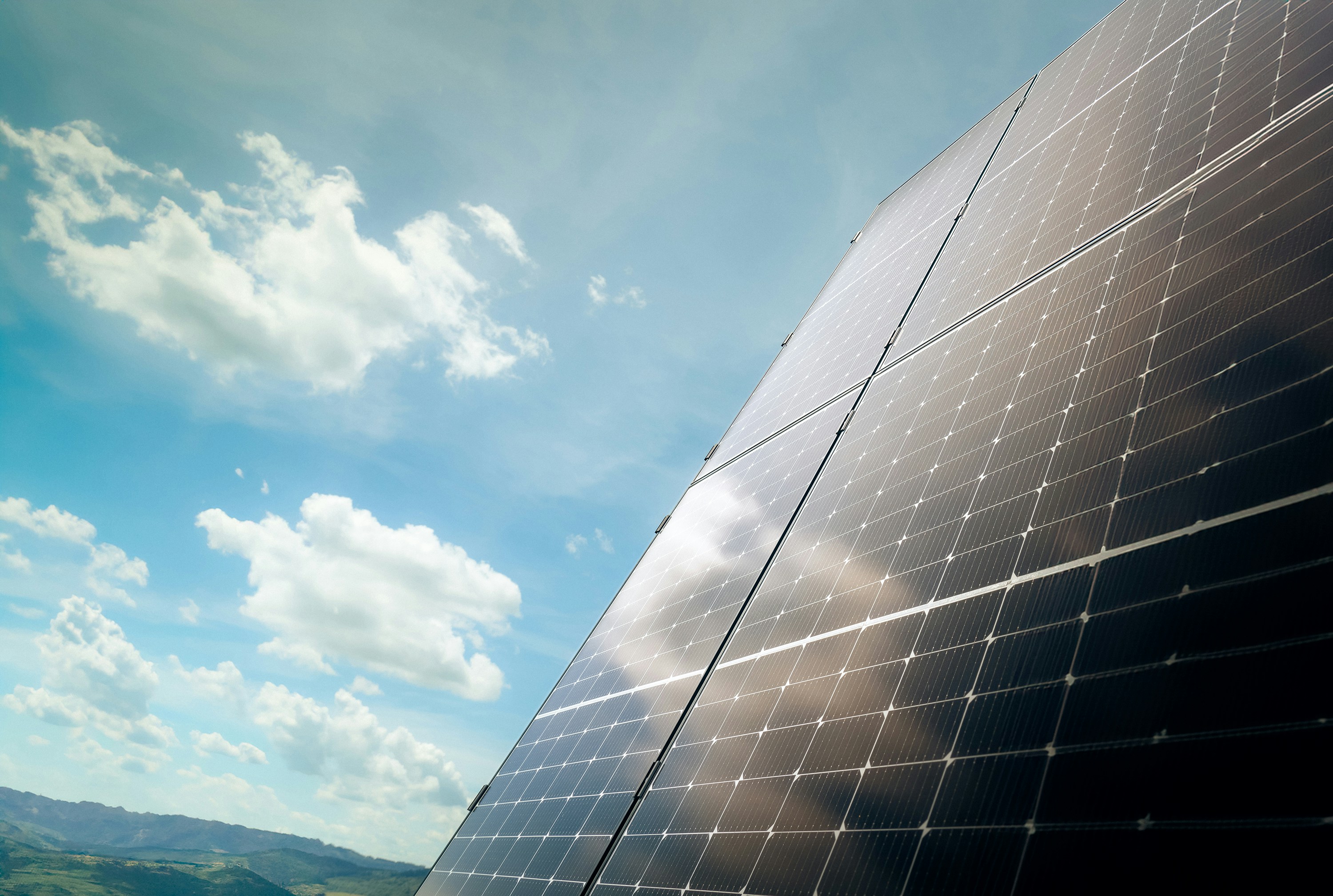
After diving deep into the dazzling world of solar power, it’s clear that this renewable energy source is not just a bright idea—it’s a game changer for our planet and our health. From ancient solar ovens to cutting-edge photovoltaic panels, solar energy has evolved into a clean, cost-effective, and sustainable solution that benefits both your wallet and the environment.
We explored how solar panels work, the environmental perks, and even busted myths that might have held you back. Remember those unanswered questions about whether solar power can truly reduce your carbon footprint or how DIY kits stack up? Now you know: solar power can significantly cut emissions, save you money, and yes, you can build your own system with the right kit!
While solar panels do require an upfront investment and some maintenance, the long-term savings, increased property value, and positive environmental impact make it a no-brainer for many homeowners and businesses. Plus, with ongoing advancements in technology and growing incentives, the future looks even sunnier.
At Gone Greenish™, we confidently recommend considering solar power as a vital step toward a healthier lifestyle and a healthier planet. Whether you’re a DIY enthusiast or prefer professional installation, solar energy offers a win-win for your energy needs and the Earth’s wellbeing.
Recommended Links for Solar Power Enthusiasts
Looking to jumpstart your solar journey? Check out these trusted products and resources:
- Renogy Solar Kit: Amazon | Renogy Official Website
- ECO-WORTHY Solar Kit: Amazon
- Windynation Solar Kit: Amazon
Recommended Books for Deeper Solar Insights:
- Solar Power Your Home For Dummies by Rik DeGunther: Amazon
- The Solar Electricity Handbook by Michael Boxwell: Amazon
Frequently Asked Questions (FAQ) About Solar Power

What are the environmental benefits of using solar power?
Solar power generates electricity without emitting greenhouse gases during operation, drastically reducing air pollution compared to fossil fuels. It helps conserve water resources since solar PV systems require minimal water, unlike coal or nuclear plants. Additionally, solar energy reduces reliance on finite resources, contributing to biodiversity conservation by limiting habitat disruption from mining and drilling.
How does solar energy contribute to a healthier planet?
By replacing fossil fuel-based electricity, solar energy lowers carbon dioxide and other harmful emissions, mitigating climate change and improving air quality. Cleaner air means fewer respiratory illnesses and better overall public health. Solar farms also promote sustainable land use when properly planned, preserving ecosystems and supporting carbon footprint reduction efforts.
Can solar power reduce air pollution and improve public health?
✅ Absolutely! Solar power produces zero air pollutants during operation. This means less smog, acid rain, and respiratory problems linked to fossil fuel combustion. Studies show communities near coal plants experience higher rates of asthma and cardiovascular diseases, which solar energy can help alleviate by providing cleaner alternatives.
What are the latest advancements in solar technology for sustainable living?
Recent breakthroughs include higher-efficiency monocrystalline panels, bifacial panels that capture sunlight on both sides, and perovskite solar cells promising even greater efficiency at lower costs. Innovations like solar battery storage (e.g., Tesla Powerwall) enable energy independence and reliability. Floating solar farms and building-integrated photovoltaics (BIPV) are also expanding solar’s footprint sustainably.
How does solar power impact climate change mitigation efforts?
Solar power is central to global strategies aiming to limit warming to 1.5–2°C. By rapidly scaling solar capacity, countries reduce fossil fuel dependence, cut emissions, and meet renewable energy targets. The International Energy Agency projects solar will surpass coal and natural gas in electricity generation within this decade, underscoring its pivotal role in climate action.
What are the health benefits of reducing fossil fuel use with solar energy?
Reducing fossil fuel combustion lowers exposure to harmful pollutants like sulfur dioxide, nitrogen oxides, and particulate matter, which cause respiratory and cardiovascular diseases. Cleaner air improves quality of life, reduces healthcare costs, and supports vulnerable populations such as children and the elderly.
How can adopting solar power promote a healthier lifestyle and environment?
Switching to solar encourages energy mindfulness, often paired with other eco-conscious behaviors like conservation and sustainable consumption. It empowers individuals to reduce their carbon footprint, supports cleaner communities, and fosters a connection to natural energy cycles, promoting overall wellbeing.
Reference Links and Resources for Further Reading
- Earth.org: Solar Energy Facts — Comprehensive data on solar power’s global impact
- Enel.com: Solar Energy Facts USA — Insights on solar growth and benefits in the US
- Wilderness.org: 9 Facts You Probably Didn’t Know About Solar Energy — Eye-opening solar power facts and myths debunked
- Renogy Official Website — Leading solar panel and kit manufacturer
- Tesla Powerwall — Advanced home battery storage for solar energy
- U.S. Department of Energy – Solar Energy Technologies Office — Government resources on solar innovation and adoption
Ready to harness the sun’s power for a healthier you and a greener planet? Let’s get solar savvy and shine bright together! 🌞✨