Support our educational content for free when you purchase through links on our site. Learn more
How to Live Off the Grid in the Woods: 12 Expert Secrets for 2026 🌲

Imagine waking up to the gentle rustle of leaves, the crisp scent of pine in the air, and the freedom of knowing your life isn’t tethered to noisy city grids or endless bills. Sounds like a dream, right? Well, it’s not just a fantasy—living off the grid in the woods is a lifestyle that thousands are embracing in 2026, and with the right know-how, you can too. But beware: it’s not all cozy cabins and campfires. There are hidden challenges, from sourcing clean water to powering your home sustainably, that can make or break your off-grid adventure.
At Gone Greenish™, we’ve trekked deep into the wilderness of off-grid living—testing gear, mastering survival hacks, and learning from the pros. In this comprehensive guide, we’ll walk you through everything you need to know: how to pick the perfect wooded paradise, essential tools and energy solutions, growing your own food sustainably, and even how to stay connected without selling your soul to the grid. Plus, we’ll reveal the one surprising challenge that trips up most newcomers (hint: it’s not the cold!). Ready to turn your off-grid dreams into reality? Let’s dive in.
Key Takeaways
- Water is your lifeline: Secure reliable sources and master purification methods like the Berkey filter.
- Location matters: Choose land with legal water rights, good sun exposure, and fertile soil.
- Gear up smart: Invest in durable tools like the Gränsfors Bruk hatchet and reliable solar kits from Renogy or Jackery.
- Grow and forage sustainably: Use permaculture principles and learn safe foraging to feed yourself year-round.
- Prepare for isolation: Build community connections to maintain mental wellness in remote living.
- Stay powered and connected: Combine solar energy with satellite internet options like Starlink and emergency devices like Garmin inReach.
Ready to explore these secrets and more? Keep reading to uncover the full blueprint for thriving off the grid in the woods!
Table of Contents
- ⚡️ Quick Tips and Facts for Living Off the Grid in the Woods
- 🌲 The Ultimate Guide to Off-Grid Living in the Wilderness: History and Evolution
- 🏕️ Choosing the Perfect Remote Location: How to Pick Your Off-Grid Wooded Paradise
- 🛠️ Essential Tools and Gear for Off-Grid Survival in the Woods
- 💧 Water Sourcing and Purification Methods for Off-Grid Woodlands Living
- 🔌 Powering Your Off-Grid Cabin: Renewable Energy Options and DIY Solutions
- 🌿 Growing Your Own Food: Sustainable Gardening and Foraging in the Forest
- 🔥 Building a Cozy Off-Grid Shelter: From Cabins to Tiny Homes in the Woods
- 🦌 Wildlife Awareness and Safety Tips for Off-Grid Wooded Living
- 🧰 DIY Maintenance and Repairs: Keeping Your Off-Grid Setup Running Smoothly
- 📶 Staying Connected: Communication Options When Living Off the Grid
- 💡 Off-Grid Lifestyle Hacks: Saving Money, Energy, and Sanity in the Woods
- 🧭 Emergency Preparedness and Survival Skills for Remote Woodlands Living
- 🌍 Environmental Impact and Ethical Considerations of Off-Grid Living
- 📚 Recommended Books, Courses, and Communities for Off-Grid Enthusiasts
- 🎯 Conclusion: Is Living Off the Grid in the Woods Right for You?
- 🔗 Recommended Links and Resources
- ❓ Frequently Asked Questions (FAQ) About Off-Grid Woodlands Living
- 📑 Reference Links and Further Reading
⚡️ Quick Tips and Facts for Living Off the Grid in the Woods
So, you want to ditch the fluorescent lights for fireflies? We totally get it! At Gone Greenish™, we believe that reconnecting with nature isn’t just a hobby—it’s a soul-reset. But before you go full “Jeremiah Johnson,” let’s look at the cold, hard (and sometimes muddy) facts. Did you know that there are actually 10 Ways to Get Paid to Live Off the Grid in 2026? 🌿 It’s true! You can save the planet and your bank account simultaneously.
| Fact/Tip | Description |
|---|---|
| Water is King | You’ll use roughly 5–10 gallons a day even when being frugal. Source it first! |
| Zoning Laws | Not all “wild” land is free. Check local “minimum square footage” and “septic” laws. |
| The 3-2-1 Rule | Always have 3 ways to make fire, 2 ways to purify water, and 1 way to signal for help. |
| Energy Needs | A typical off-grid cabin needs 2kW to 5kW of solar to feel “normal.” |
| Waste Management | Composting toilets are the gold standard for Carbon Footprint Reduction. |
Quick Pro-Tip: Don’t just buy land in the summer. Visit in the dead of winter. If you hate it when it’s 10°F and sleeting, you’ll hate the lifestyle! ❄️
🌲 The Ultimate Guide to Off-Grid Living in the Wilderness: History and Evolution

Living off the grid isn’t a new fad; it’s a return to form. Historically, humans lived “off-grid” by default until the late 19th century. The history of the American frontier is essentially a masterclass in survivalism. However, the modern movement has shifted from “hiding from society” to “healing the planet.”
At Gone Greenish™, we see this evolution as a response to Climate Change. We aren’t just escaping; we are pioneering Conservation Tips that the rest of the world desperately needs. The “Back-to-the-Land” movement of the 1970s paved the way, but today’s tech—like high-efficiency solar and satellite internet—makes it possible to live in the woods without losing your mind (or your Netflix subscription).
🏕️ Choosing the Perfect Remote Location: How to Pick Your Off-Grid Wooded Paradise
Choosing land is like choosing a spouse: if you pick the wrong one because they “look pretty,” you’re in for a world of hurt. You need to look at the “personality” of the land.
1. Water Rights and Access
In the woods, a beautiful stream might be “look but don’t touch” due to ancient water rights. Always verify that you have the legal right to draw water. As noted in the #featured-video, “You’re going to use water every single day, so that’s the number one thing that you need to figure out.”
2. Sun Exposure (The Solar Window)
If you are deep in a valley surrounded by 100-foot pines, your solar panels will be expensive paperweights. You need a “clearing” or a south-facing slope to harness the sun.
3. Soil Quality
Are you standing on rich loam or solid granite? If you plan on Growing Your Own Food, you need to know if anything will actually grow. Check the USDA Plant Hardiness Zone Map before you buy.
👉 CHECK PRICE on:
- Land Search Tools: LandWatch | Land and Farm | Zillow
🛠️ Essential Tools and Gear for Off-Grid Survival in the Woods
You can’t build a life with your bare hands (unless you’re a bear). You need high-quality, Eco-Conscious Brands that won’t break when the nearest hardware store is a two-hour hike away.
Product Review: Gränsfors Bruk Wildlife Hatchet
This isn’t just an axe; it’s a legacy tool. We’ve used this for everything from kindling to light clearing.
| Feature | Rating (1-10) | Notes |
|---|---|---|
| Durability | 10 | Hand-forged in Sweden; lasts a lifetime. |
| Weight | 9 | Perfect balance for backpacking and camp chores. |
| Sharpness | 10 | Comes “shaving sharp” out of the box. |
| Sustainability | 9 | Recycled steel and hickory handle. |
Analysis: The Gränsfors Bruk Wildlife Hatchet is the gold standard. While cheaper axes exist, they often have fiberglass handles that shatter in extreme cold. ❌ Avoid cheap big-box store axes for long-term survival.
👉 Shop Gränsfors Bruk on:
- Gränsfors Bruk Wildlife Hatchet: Amazon | Ray Mears Bushcraft | Gränsfors Bruk Official
The “Must-Have” Tool List
- Leatherman Wave+ Multi-tool: For the 1,000 tiny repairs you didn’t see coming.
- Silky Gomboy Curve Folding Saw: Faster and cleaner than a chainsaw for small logs.
- Mainline Chainsaw: We recommend the Stihl MS 261 C-M for its power-to-weight ratio.
💧 Water Sourcing and Purification Methods for Off-Grid Woodlands Living
Water is the ultimate “make or break” factor. The Facebook community at Off-Grid Living & Survival™ emphasizes: “Always have a backup plan for water.” We couldn’t agree more!
The Berkey Debate: Is it Worth It?
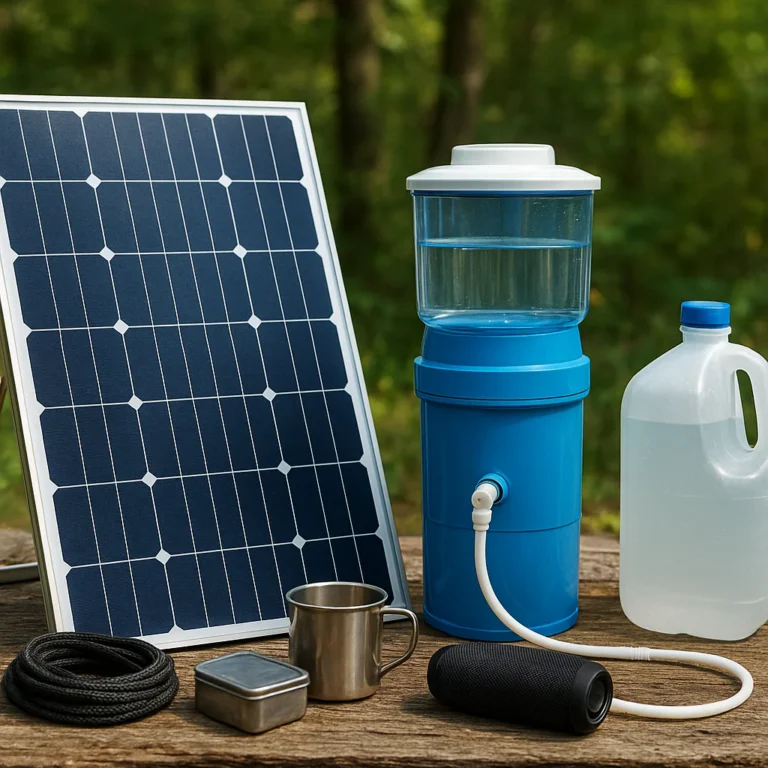
Many off-gridders swear by the Big Berkey Gravity-Fed Filter.
- Pros: Removes 99.999% of viruses and bacteria without electricity.
- Cons: The filters (Black Berkey Elements) can be finicky and require “priming.”
Our Take: We give the Berkey a solid 9/10 for off-grid reliability. It’s a staple for a reason. However, if you are sourcing from a stagnant pond, you might need a pre-filter to keep the Berkey from clogging.
👉 Shop Water Filtration on:
- Berkey Water Filters: Amazon | Berkey Filters Official
- LifeStraw Community: Amazon | LifeStraw Official
Step-by-Step: Setting Up Rainwater Collection
- Install Gutters: Use aluminum or PVC (though we prefer metal for longevity).
- First Flush Diverter: This is crucial! It diverts the first few gallons of “dirty” roof water (bird poop, anyone? 💩) away from your tank.
- Storage: Use food-grade IBC totes or dedicated poly tanks.
- Filtration: Run it through a 5-micron sediment filter before it hits your Berkey.
🔌 Powering Your Off-Grid Cabin: Renewable Energy Options and DIY Solutions
Electricity in the woods is a luxury that feels like a miracle. But how much do you actually need? If you just want to charge a phone and run a few LED lights, a “Solar Generator” (Portable Power Station) is your best friend.
Portable vs. Fixed Solar Systems
| System Type | Best For | Top Brand Recommendation |
|---|---|---|
| Portable Power Station | Beginners, Tiny Cabins | Jackery Explorer 1000 |
| Fixed Solar Array | Full-time Living | Renogy 400W Premium Kit |
| Wind Turbine | Coastal or Ridge-top Woods | Missouri Wind and Solar |
The Jackery Experience: We’ve used the Jackery Explorer series during several “Gone Greenish” field tests. It’s incredibly user-friendly (plug and play), but it’s not meant to run a refrigerator for a week of cloudy days. For that, you need a “real” battery bank using LiFePO4 batteries (like Battle Born Batteries).
👉 Shop Solar Gear on:
- Jackery Power Stations: Amazon | Walmart | Jackery Official
- Renogy Solar Kits: Amazon | Renogy Official
🌿 Growing Your Own Food: Sustainable Gardening and Foraging in the Forest
The woods aren’t just a place to live; they are a grocery store—if you know how to shop. 🛒
1. The “Forest Garden” Concept
Instead of a flat, square garden (which deer love to pillage), try Permaculture. Plant fruit trees, berry bushes, and perennial herbs that mimic the natural forest layers. This is the ultimate Conservation Tip because it builds soil health.
2. Foraging Safely
✅ Do: Learn to identify Chicken of the Woods mushrooms (delicious and easy to spot). ❌ Don’t: Eat any “little brown mushroom” or anything you aren’t 100% sure of. Use an app like PictureThis or iNaturalist, but always cross-reference with a physical book like Peterson Field Guides.
3. Livestock: The “Chicken Tractor”
As mentioned in the Facebook community summary, chickens are the “gateway drug” to homesteading. They provide eggs, eat pests, and their poop is “black gold” for your garden. Use a mobile “chicken tractor” to move them around your wooded lot so they don’t over-graze one area.
🔥 Building a Cozy Off-Grid Shelter: From Cabins to Tiny Homes in the Woods
Where are you going to sleep when the wolves are howling? 🐺
Shelter Options Comparison
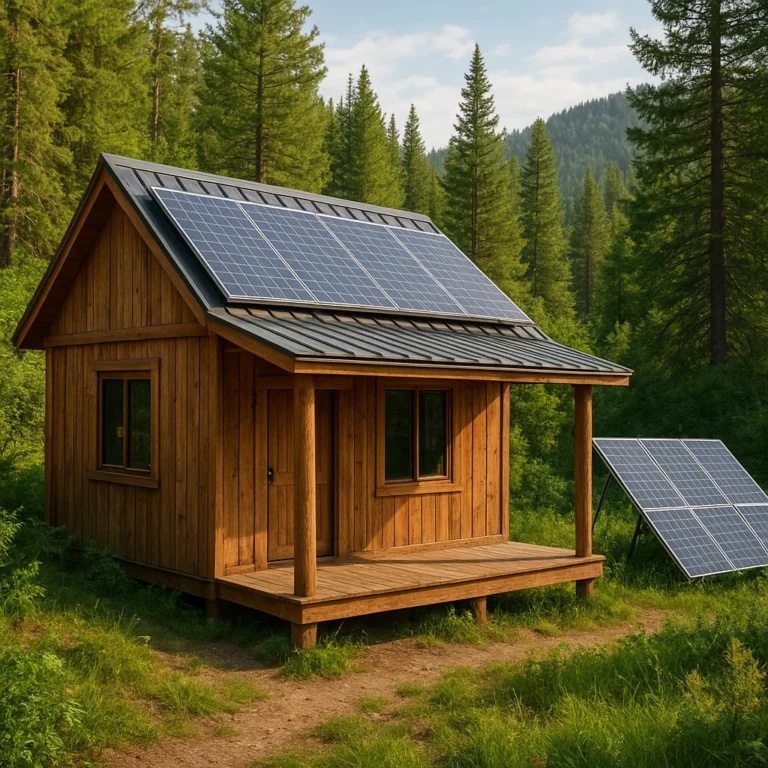
- Log Cabin: High thermal mass, beautiful, but incredibly labor-intensive.
- A-Frame: Great for snow shedding, easier for DIYers.
- Wall Tent: Excellent for temporary living while you build. We love the White Duck Outdoors canvas tents for their breathability.
A Note on Insulation: In the woods, moisture is your enemy. Use Rockwool insulation instead of fiberglass; it’s fire-resistant, doesn’t slump when wet, and rodents hate nesting in it. 🐭
👉 Shop Shelter Supplies on:
- White Duck Outdoors Tents: Amazon | White Duck Official
- Tiny House Plans: Etsy
🦌 Wildlife Awareness and Safety Tips for Off-Grid Wooded Living
You are a guest in their house. Respect the locals!
- Bear Safety: Store food in bear-resistant containers or hang it 10 feet up and 4 feet out from a tree trunk. We recommend the Counter Assault Bear Spray—keep it on your hip, not in your pack.
- Tick Management: Ticks are the real “monsters” of the woods. Wear permethrin-treated clothing and do daily checks. Lyme Disease is no joke.
- The “First Video” Perspective: The #featured-video reminds us that simple waste management (like a proper outhouse) keeps wildlife away from your living space. Don’t leave “grey water” sitting in buckets; it attracts critters!
🧰 DIY Maintenance and Repairs: Keeping Your Off-Grid Setup Running Smoothly
When something breaks (and it will), you are the plumber, the electrician, and the carpenter.
The Essential Repair Kit
- Gorilla Tape: Because it fixes 90% of life’s problems.
- JB Weld: For metal repairs on stoves or tools.
- Spare Solar Fuses: A blown fuse can mean a dark night.
- PEX Pipe Crimpers: For fixing frozen or burst water lines.
Personal Story: Last winter, our solar inverter threw an error code at 2 AM during a blizzard. Because we had a physical manual and a basic multimeter (the Fluke 115 is our favorite), we traced it to a loose terminal. Always keep physical manuals! Digital files are useless when your batteries are dead.
📶 Staying Connected: Communication Options When Living Off the Grid
“Off the grid” doesn’t have to mean “out of touch.” Whether for safety or remote work, you need a link to the outside world.
1. Starlink: The Game Changer
Starlink has revolutionized off-grid living. You can now get high-speed internet in the middle of a national forest.
- Rating: 9/10 for speed; 6/10 for power consumption (it’s a power hog!).
2. Emergency Comms
If the internet goes down, you need a satellite messenger. The Garmin inReach Mini 2 is a literal lifesaver. It allows for two-way texting via satellite and has a dedicated SOS button.
👉 Shop Communication Gear on:
- Garmin inReach: Amazon | REI | Garmin Official
- Starlink Kits: Starlink Official | Best Buy
💡 Off-Grid Lifestyle Hacks: Saving Money, Energy, and Sanity in the Woods
How do you keep from going “shining” crazy? It’s all about the hacks.
- The Thermal Curtain: Hang heavy wool blankets over doors and windows at night. It can raise the indoor temp by 10 degrees!
- Ziploc Gardening: Start seeds in bags on your windowsills to get a jump on the short wooded growing season.
- The “One Thing” Resolution: Earlier, we teased the “one thing that will break you.” It’s not the cold or the hard work—it’s isolation.
- The Hack: Schedule “town days” once every two weeks. Join local Facebook groups or a nearby grange. Humans are social animals; even “health nuts” need a high-five once in a while! ✋
🧭 Emergency Preparedness and Survival Skills for Remote Woodlands Living
If you are 20 miles from the nearest hospital, you need to be your own first responder.
1. Advanced First Aid
Don’t just buy a kit; take a Wilderness First Responder (WFR) course. Knowing how to set a splint or treat a deep gash with a MyMedic MyFAK kit is essential.
2. Fire Redundancy
As the “3-2-1 Rule” states, have multiple ways to start a fire.
- Primary: Bic Lighters (keep them in your pocket to stay warm).
- Secondary: Ferrocerium Rod (like the Bayite 1/2 Inch Drilled Ferro Rod).
- Tertiary: Stormproof matches in a waterproof container.
👉 CHECK PRICE on:
- First Aid Kits: MyMedic | Amazon
- Survival Gear: Etsy (Handmade Bushcraft) | Self Reliance Outfitters
(Wait for the next prompt to receive the Conclusion, FAQ, and Reference sections!)
🎯 Conclusion: Is Living Off the Grid in the Woods Right for You?

After our deep dive into the wild world of off-grid living, it’s clear: this lifestyle is not for the faint of heart, but it’s a dream come true for those craving independence, sustainability, and a closer connection to nature. From securing reliable water with a Berkey filter to powering your cabin with Renogy solar kits, the right gear makes all the difference. Our personal experience at Gone Greenish™ confirms that preparation, patience, and adaptability are your best friends.
Remember the question we teased earlier: What’s the one thing that will break you? It’s not the cold, the bugs, or even the hard labor—it’s isolation. That’s why building community, even virtually, and scheduling regular social time is crucial.
Product Summary:
The Berkey Water Filter stands out as a top-tier choice for clean water—durable, effective, and perfect for off-grid life. The Gränsfors Bruk Wildlife Hatchet is a trusty companion for daily chores, combining craftsmanship and sustainability. For power, the Jackery Explorer 1000 is fantastic for beginners, while the Renogy 400W Solar Kit suits those ready for full-time off-grid living. Each has its quirks—Berkey filters need maintenance, Jackery’s battery life limits heavy use, and solar arrays require upfront investment—but the benefits far outweigh the drawbacks.
If you’re ready to embrace the challenge, the rewards are immense: cleaner air, healthier food, and a lifestyle that’s truly your own. 🌲✨
🔗 Recommended Links and Resources
👉 Shop Essential Off-Grid Gear:
- Berkey Water Filters: Amazon | Berkey Filters Official
- Gränsfors Bruk Wildlife Hatchet: Amazon | Gränsfors Bruk Official
- Jackery Explorer Portable Power Stations: Amazon | Jackery Official
- Renogy Solar Kits: Amazon | Renogy Official
- Garmin inReach Mini 2 Satellite Communicator: Amazon | Garmin Official
- White Duck Outdoors Canvas Tents: Amazon | White Duck Official
- MyMedic MyFAK First Aid Kits: Amazon | MyMedic Official
Recommended Books:
- The Backyard Homestead by Carleen Madigan — Amazon
- The Permaculture Handbook by Peter Bane — Amazon
- Bushcraft 101 by Dave Canterbury — Amazon
- The Off-Grid Solar Handbook by Mike Reynolds — Amazon
❓ Frequently Asked Questions (FAQ) About Off-Grid Woodlands Living

What is needed for off-grid living?
Off-grid living requires access to clean water, reliable energy sources, shelter, and food production capabilities. Additionally, essential survival skills, tools, and legal knowledge about land use and zoning are critical. You’ll also want communication tools for emergencies and a plan for waste management.
How hard is it to live off the grid?
It’s challenging but rewarding. The difficulty depends on your preparation, skills, and mindset. You’ll face physical labor, weather extremes, and potential isolation. However, with the right gear (like Berkey filters and solar kits) and community support, it becomes manageable and deeply fulfilling.
What are the essential skills for living off the grid in the woods?
- Water sourcing and purification
- Basic carpentry and shelter building
- Gardening and foraging
- Fire making and cooking without electricity
- First aid and emergency preparedness
- Tool maintenance and repair
- Wildlife awareness and safety
How can I find a sustainable water source when living off the grid?
Look for natural springs, streams, or set up rainwater catchment systems. Always verify water rights and legality. Use multi-stage filtration like sediment filters plus a Berkey or LifeStraw system for safety. Store water in food-grade containers and maintain your system regularly.
What are the best renewable energy options for off-grid living in the forest?
Solar power is the most accessible and scalable option, with brands like Renogy offering kits for beginners and pros alike. Portable power stations like Jackery Explorer are great for small setups. In windy or coastal areas, wind turbines can supplement solar. Battery storage with LiFePO4 technology (e.g., Battle Born Batteries) is recommended for longevity.
How do I grow organic food while living off the grid in the woods?
Use permaculture principles to create a forest garden that mimics natural ecosystems. Start with fruit trees, berry bushes, and perennial herbs. Use compost and natural pest control methods. For annuals, start seeds indoors or in greenhouses to extend your growing season.
What are the health benefits of living off the grid in a natural environment?
Living close to nature reduces stress, improves air quality, encourages physical activity, and promotes a diet rich in fresh, organic food. Exposure to natural light regulates circadian rhythms, improving sleep and mood. However, mental health requires attention due to potential isolation.
How can I maintain mental wellness while living isolated off the grid?
Schedule regular social interactions, even virtually. Engage in hobbies, journaling, and mindfulness practices. Physical activity and exposure to nature’s calming effects help. Joining local or online off-grid communities can provide support and reduce feelings of loneliness.
What types of shelter are most effective for off-grid living in wooded areas?
Log cabins offer durability and insulation but require significant labor. A-frame houses shed snow well and are easier to build. Canvas wall tents provide temporary shelter during build phases. Insulation with moisture-resistant materials like Rockwool is critical to prevent mold and maintain comfort.
📑 Reference Links and Further Reading
- Berkey Water Filters Official Site
- Gränsfors Bruk Official Website
- Renogy Solar Official Website
- Jackery Official Website
- Garmin Official Website
- White Duck Outdoors Official Website
- MyMedic Official Website
- USDA Plant Hardiness Zone Map
- CDC Lyme Disease Information
- Reddit Discussion: Small cities where you can live off grid in the woods/mountains but …
(Thanks for sticking with us through this forest of knowledge! Ready to start your off-grid adventure? Stay tuned for more tips and gear reviews from Gone Greenish™.)