Support our educational content for free when you purchase through links on our site. Learn more
🐟 Health

ier Ocean, Healthier You: Yes!
Absolutely! Making sustainable seafood choices and
supporting eco-friendly fishing practices unequivocally contribute to a healthier ocean and a healthier human population. At Gone Greenish™, we’ve seen firsthand how conscious decisions at the fish counter can create powerful ripples, transforming both marine ecosystems and our own well-being.
It’s not just a hopeful theory; it’s a tangible reality backed by science and the thriving communities that embrace it.
Remember that feeling of pure joy, splashing in the clear ocean on a summer vacation? Or perhaps the satisfaction
of a perfectly grilled fish, knowing it nourished your body? We want those experiences to be available for generations to come, and that means protecting the source. Did you know that over 3 billion people worldwide rely on seafood as a primary source of
protein? That’s a massive demand, and how we meet it determines the future of our planet’s most vital ecosystem.
Our journey into sustainable seafood began years ago, sparked by a documentary that showed the devastating impact of bottom trawling. It
was a gut punch, realizing that our dinner plates could be inadvertently contributing to such destruction. But instead of despair, we found empowerment. We discovered that by simply shifting our purchasing habits, we could become part of the solution, not the problem.
Key Takeaways
- Your seafood choices directly impact ocean health: Opting for sustainable options helps combat overfishing, reduce bycatch, and protect vital marine habitats.
- Sustainable seafood is often healthier for you:
It typically means less exposure to contaminants and a reliable source of essential nutrients like omega-3 fatty acids. - Certification labels are your best guide: Look for trusted seals like MSC and ASC to ensure your seafood is responsibly sourced.
Support eco-friendly fishing practices: These methods minimize environmental harm and ensure the long-term viability of fish populations and fishing communities.
- Every individual action counts: Collective consumer demand drives positive change in the global seafood industry.
Table of Contents
-
🌊 The Ocean’s Silent Plea: Why Sustainable Seafood Matters More Than Ever
-
The Ripple Effect: How Ocean Health Impacts Human Well-being
-
Bycatch Blues: Protecting Non-Target Species and Marine Biodiversity
-
💚 Your Plate, Our Planet: Making Eco-Conscious Seafood Choices
-
1. The Power of Certification Labels: Your Green Light to Goodness
-
Aquaculture Stewardship Council (ASC): Farmed Fish Done Right
-
Other Trustworthy Guides: Monterey Bay Aquarium Seafood Watch
-
4. Embracing Lesser-Known Species: Expanding Your Sustainable Palate
-
🎣 Eco-Friendly Fishing Practices: The Heroes of the High Seas
-
Selective Fishing Gear: Minimizing Bycatch and Habitat Damage
-
Community-Based Fisheries Management: Local Solutions, Global Impact
-
💪 The Human Health Payoff: Why Sustainable Seafood is Good for YOU
-
💡 Gone Greenish™ Goes Fishing (Responsibly!): Our Personal Journey
-
From Confusion to Clarity: Our First Sustainable Seafood Swap
-
🌍 Beyond Your Plate: Advocating for Broader Ocean Conservation
-
🎯 Conclusion: Charting a Course for a Sustainable Seafood Future
-
❓ FAQ: Your Burning Questions About Sustainable Seafood Answered
⚡️ Quick Tips and Facts for a Healthier Ocean & You
Hey
there, fellow health nuts! At Gone Greenish™, we’re all about living a life that’s good for you and good for our beautiful blue planet. And when it comes to seafood, these two goals are more intertwined
than you might think. Choosing sustainable seafood isn’t just a trend; it’s a powerful act that can literally help heal our oceans and boost your well-being. Ready to dive in? 🌊
Here are some rapid-
fire facts to get your fins flapping:
- Your choices matter! Consumer demand is “one of the most powerful ways” to help the ocean.
- Overfishing is a huge
problem. It depletes fish populations, disrupts marine food webs, and damages habitats. - Bycatch is a silent killer. Tens of thousands of sea turtles, seab
irds, and marine mammals are caught accidentally each year. - Sustainable seafood is the healthiest protein choice. It’s packed with omega-3s, vitamins, and minerals, and often has a lower carbon
footprint than other animal proteins. - Look for certifications! Labels like MSC (Marine Stewardship Council)
and ASC (Aquaculture Stewardship Council) are your best friends at the fish counter. - Traceability is key. Knowing where and how your seafood was caught or farmed helps
combat illegal fishing and ensures food safety. - Farmed fish can be sustainable! Responsible aquaculture is a growing solution to meet demand without
harming wild stocks. - Ocean health affects human health. From food security to cleaner
fish, a thriving ocean means thriving people.
🌊 The Ocean’s Silent Plea: Why Sustainable Seafood Matters More Than
Ever
Have you ever stopped to think about the incredible, vibrant world beneath the waves? It’s a place of breathtaking beauty and immense biodiversity, a vital lung for our planet, and a crucial source of sustenance for billions. But our
oceans are in trouble, and they’re sending us a silent, urgent plea.
A Deep Dive into Our Ocean’s Health Crisis
Let’s be real: the state of our oceans is a bit like that overflowing laundry basket we
all have – ignored for too long, and now it’s a mountain. The biggest culprit? Unsustainable fishing practices. The first YouTube video we mentioned earlier really drives this home, highlighting the “declining fish populations due to unsustainable fishing practices
and the potential extinction of sea creatures.” [cite: #featured-video]
We’re talking about overfishing, where we’re simply taking too many fish out of the water, too quickly, without giving populations a chance to recover
. The United Nations Food and Agricultural Organization (FAO) estimates that a staggering 85% of marine fish stocks are either fully exploited or overfished. When key species are removed, it throws the entire marine ecosystem
into disarray, disrupting food webs and reducing biodiversity. Imagine a Jenga tower: pull out too many crucial blocks, and the whole thing comes crashing
down. That’s our ocean, folks.
But it’s not just about the target fish. There’s also the heartbreaking issue of bycatch – the unintentional capture of non-target species like seabirds, seals
, and turtles [cite: #featured-video, 20, 37, 38]. These innocent creatures often die, further depleting vulnerable populations. And let’s not forget the devastating impact of destructive fishing gear, which
can literally scrape the life out of vital habitats like coral reefs and seagrass beds [cite: #featured-video, 5, 26].
Beyond fishing, our oceans are battling a barrage of other threats. Plastic pollution, for
instance, is a global tragedy. Billions of pounds of plastic are swirling in our oceans, injuring and killing marine life through ingestion and entanglement.
Scientists estimate that over 90% of all seabirds will have ingested plastic by 2050. And then there’s ocean acidification, a direct consequence of increased carbon dioxide in the atmosphere, which makes it
harder for shellfish and corals to build their shells and skeletons, threatening entire food webs.
The Ripple Effect: How Ocean Health Impacts Human Well
-being
So, why should you, a busy human on land, care so deeply about what’s happening beneath the waves? Because the health of the ocean is inextricably linked to your health and the health of our global community. It
‘s a classic ripple effect, and we’re all in the pond!
First, there’s the obvious: food security. Billions of people worldwide rely on seafood as a significant source of animal protein. If fish stocks collapse, where will that protein come from? Coastal communities, many of whom depend on fishing for their livelihoods, face economic devastation when catches decline.
Then, consider the nutritional quality of the fish we eat. When fish are stressed in polluted or overfished environments, their health can suffer, and so can the benefits they offer us. Irresponsible aquaculture practices, for example, can
lead to chemical residues in fish, potentially affecting human health. Conversely, choosing sustainable seafood means you’re more likely to get cleaner, healthier fish, rich in those vital omega-3s
, without the guilt of contributing to environmental harm.
Ocean ecosystems also provide critical services that benefit us all. Mangroves, seagrass beds, and coral reefs, often damaged by destructive fishing, act as natural carbon
sinks, coastal protectors, and nurseries for marine life. Their degradation exacerbates climate change and leaves coastal communities vulnerable to storms.
As the Monterey Bay Aquarium Seafood Watch program aptly states, sustainable
choices help protect “people and communities who depend on seafood for their livelihoods and food.” It’s a holistic view: a healthy ocean supports healthy fish, which supports healthy people and thriving communities.
🐠 Decoding Sustainable
Seafood: What Does It Really Mean?
Alright, so we’ve established that our oceans are crying out for help, and our plates can be part of the solution. But what exactly is sustainable seafood? It’s more than just a
buzzword; it’s a commitment to practices that ensure we can enjoy seafood today without jeopardizing the ocean’s ability to provide for future generations. NOAA Fisheries defines it as “fish, shellfish, and seaweeds harvested or farmed
in a manner that provides for today’s needs while allowing species to reproduce, habitats to flourish, and productive ecosystems to be available for future generations.” Sounds good, right? But let’s peel back the layers.
Understanding Overfishing and Its Devastating Consequences
Imagine a bank account. You can make withdrawals, but if you keep taking out more than you deposit, you’re eventually going to hit zero. That’s essentially what over
fishing does to our fish stocks. It’s fishing at an unsustainable rate, leading to a decline in targeted fish populations.
The consequences are far-reaching and frankly, terrifying:
- Population Collapse:
The most direct impact is the drastic reduction, or even extinction, of commercially valuable species. Think of the Atlantic cod, whose populations were devastated by overfishing in the 1980s and 1990s. - Ecosystem Imbalance: When a key species is removed, it creates a domino effect throughout the food web. For example, overfishing of predators can lead to an explosion in their prey, which then
overgraze on other organisms, altering the entire ecosystem. This can lead to a “loss of biodiversity and the disruption of food chains.” - Reduced Resilience: Overfished ecosystems are weaker and less able to withstand other pressures like climate change, pollution, or disease. It’s like trying to fight off a cold when
you’re already exhausted.
Bycatch Blues: Protecting Non-Target Species and Marine Biodiversity
This is where our hearts at Gone Greenish™ really ache. Bycatch refers to the marine life caught unintentionally during fishing operations – and
it’s a massive problem. The first YouTube video points out how fishing methods like dragnet fishing “unintentionally catches non-target species like seabirds, seals, and turtles.” [cite: #featured-video]
Picture
this: a fishing net designed for tuna sweeps through the ocean, but it also scoops up dolphins, sea turtles, and even sharks. These animals are often injured or killed and then discarded. It’s a tragic waste of life and a significant
threat to marine biodiversity. The Oceanic Society notes that accidental capture in fishing gear is the “leading threat to sea turtles worldwide, with tens of thousands caught each year.” This isn’t just an ecological issue
; it’s an ethical one. We believe every creature in our oceans deserves to thrive.
Habitat Havoc: The Impact of Destructive Fishing Gear
Some fishing methods are like bulldozers for the ocean floor. **Bottom trawling
**, for example, involves dragging heavy nets along the seabed, indiscriminately destroying everything in their path. This can obliterate delicate and vital habitats like coral reefs, sponge gardens, and seagrass beds, which are crucial nurseries and feeding grounds for countless
species. The video summary also mentions how dragnet fishing “damages habitats like coral reefs.” [cite: #featured-video]
These habitats are not just pretty backdrops; they are
the very foundation of marine ecosystems. Their destruction leads to a loss of shelter and breeding grounds, further exacerbating the decline of fish populations and overall ocean health. It’s a vicious cycle, but one we can break with informed choices.
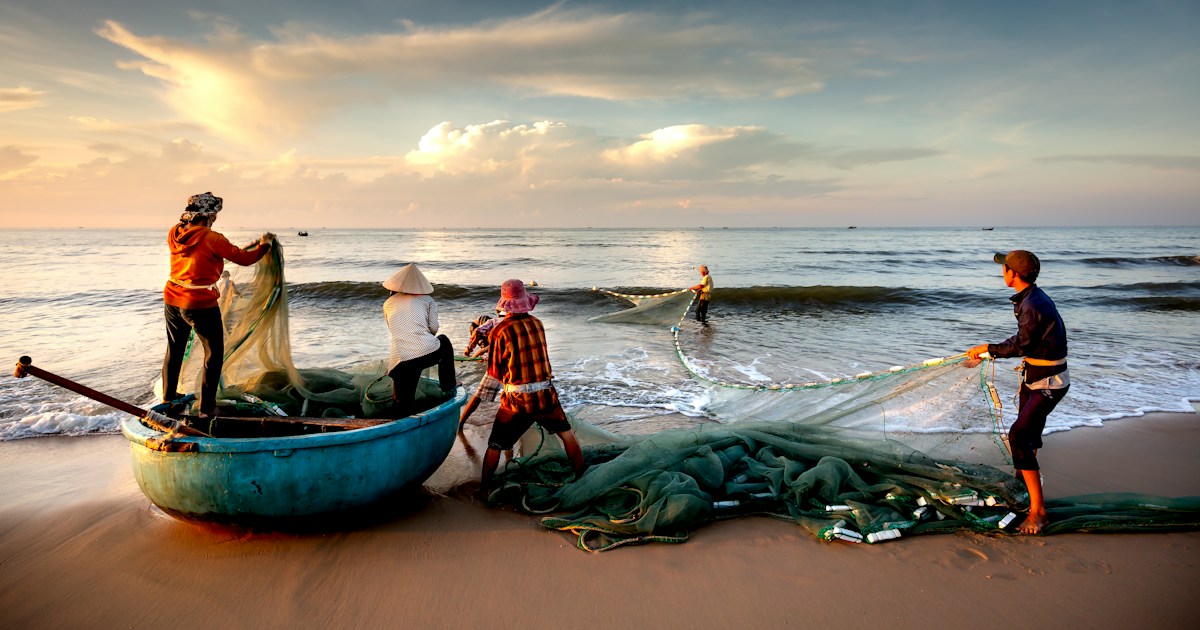
💚 Your Plate, Our Planet: Making Eco-Conscious Seafood Choices
Feeling a bit overwhelmed? Don’t be! The good news is that you, the consumer, hold immense power. As the Monterey Bay Aquarium Seafood Watch program
emphasizes, “Consumer demand is one of the most powerful ways to help the ocean.” Every time you choose sustainable seafood, you’re casting a vote for a healthier ocean and a healthier future. So, let
‘s talk about how to make those eco-conscious choices at the grocery store or your favorite restaurant.
1. The Power of Certification Labels: Your Green Light to Goodness
Navigating the world of sustainable seafood can feel like
trying to read a treasure map in the dark. That’s where certification labels and trusted guides come in – they’re your compass! These third-party certifications verify that seafood has been caught or farmed responsibly, meeting strict environmental and social standards
.
Here’s a quick look at the major players:
| Certification/Guide | Focus