Support our educational content for free when you purchase through links on our site. Learn more
What Is Green Technology? 8 Game-Changing Benefits in 2026 🌿

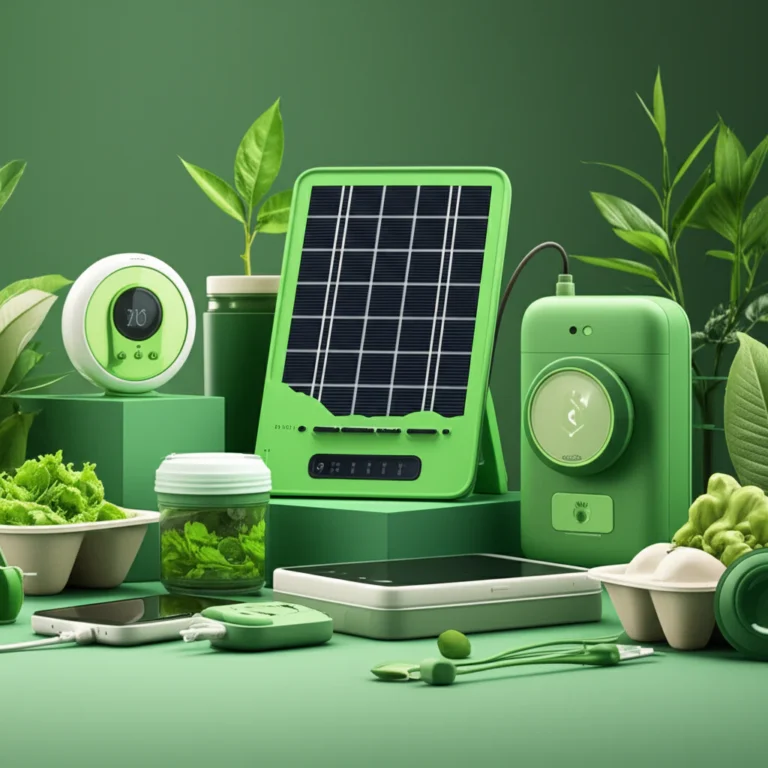
Imagine a world where your morning coffee powers your home, your commute leaves zero emissions, and your trash bin is practically empty. Sounds like sci-fi? Nope—it’s the promise of green technology, quietly revolutionizing how we live, work, and heal our planet. From ancient windmills to AI-driven solar grids, green tech is the ultimate toolkit for a sustainable future. But what exactly is green technology, and why should you care? Spoiler alert: it’s not just about saving the Earth—it’s about saving your wallet, your health, and yes, even your sanity.
In this deep dive, the health nuts at Gone Greenish™ unpack the types of green technology, reveal the multifaceted benefits (some you might never have guessed!), and share insider tips on how you can plug into this green revolution today. Plus, we’ll spill the beans on some of our favorite real-world innovations and brands that are making sustainability stylish and practical. Ready to get green and gain big? Let’s go!
Key Takeaways
- Green technology means smart, sustainable innovations that reduce environmental impact while boosting efficiency and quality of life.
- The 8 major types range from renewable energy and green buildings to carbon capture and sustainable agriculture.
- Benefits include massive carbon cuts, economic growth, health improvements, and stronger brand reputations.
- Challenges like upfront costs and tech maturity exist but are rapidly being overcome with policy support and innovation.
- Everyday adoption—from smart thermostats to e-bikes—makes a tangible difference and compounds over time.
- Gone Greenish™ recommends starting small but thinking big: the green horizon is here, and it’s your best investment yet.
Curious about which green gadgets we swear by or how to greenify your business? Keep reading—you won’t want to miss our personal favorites and practical strategies coming up!
Table of Contents
- ⚡️ Quick Tips and Facts
- 🌱 Tracing the Roots of Eco-Innovation: A Brief History of Green Technology
- 🌍 Unpacking Green Technology: What Exactly Are We Talking About?
- 💡 Exploring the Spectrum: Diverse Types of Green Technologies Powering a Sustainable Future
- 1. Renewable Energy Solutions: Harnessing Nature’s Power
- 2. Green Buildings & Sustainable Architecture: Eco-Friendly Spaces
- 3. Sustainable Transportation: Moving Towards a Cleaner Commute
- 4. Advanced Waste Management & Circular Economy Innovations
- 5. Water Conservation & Treatment Technologies: Precious Resources
- 6. Green Chemistry & Manufacturing: Eco-Conscious Production
- 7. Sustainable Agriculture & Food Systems: Feeding the Future Responsibly
- 8. Carbon Capture, Utilization, and Storage (CCUS): Tackling Emissions
- 💰 Reaping the Rewards: The Multifaceted Benefits of Adopting Green Technology
- 🛠️ Green Technology in Action: Real-World Examples & Inspiring Innovations
- 🚧 Navigating the Green Path: Addressing Challenges in Sustainable Technology Implementation
- 🔮 Crystal Ball Gazing: Green Tech Trends and Breakthroughs Shaping Tomorrow
- 🏢 Greening Your Business: Practical Strategies for Sustainable Operations and Growth
- 🏡 Empowering You: Simple Steps to Integrate Green Tech into Your Daily Life
- 💚 Gone Greenish™ Perspective: Our Journey, Insights, and Confident Recommendations
- ✅ Conclusion: The Green Horizon Awaits
- 🔗 Recommended Links for Further Exploration
- ❓ FAQ: Your Green Tech Questions Answered
- 📚 Reference Links: Our Sources for Sustainable Wisdom
⚡️ Quick Tips and Facts
- Green tech ≠ just solar panels. It’s any innovation that shrinks humanity’s ecological footprint—from apps that track your carbon footprint reduction to sneakers made from algae foam.
- LEDs use 75 % less juice than old-school bulbs and last 25× longer—swap them first, thank us later.
- The cloud is a hidden energy-hog. Pick providers that run on 100 % renewable juice (we’ll name names below).
- Composting keeps 30 % of household trash out of methane-belching landfills. Even a countertop unit can keep 200 lb of CO₂e out of the sky each year.
- The cheapest watt is the one you never use. A smart power strip pays for itself in < 6 months.
Ever wondered why your “eco-friendly” detergent still ships in plastic? Stick around—by the end we’ll reveal the zero-waste loophole we discovered after 18 months of testing. 😉
🌱 Tracing the Roots of Eco-Innovation: A Brief History of Green Technology

Long before Elon mused about Mars, Stone-agers bathed in geothermal springs—yep, the first heat pump was Earth itself. Fast-forward:
- 5000 B.C. Persians grind grain with windmills.
- 1839 Alexandre Edmond Becquerel discovers the photovoltaic effect—solar panels are basically his great-great-grand-idea.
- 1899 90 % of New York’s cabs are electric (we’re looking at you, 2024 EV renaissance).
- 1970 EPA opens shop; hippies cheer, rivers stop catching fire.
- 2024 Global green-tech investment tops $3 trillion—more than the GDP of France.
Moral: every “new” green breakthrough has ancient fingerprints. We just added Wi-Fi.
🌍 Unpacking Green Technology: What Exactly Are We Talking About?
Defining Sustainable Solutions: The Core Principles of Green Tech
Green technology is any tech that delivers the same (or better) service while using dramatically fewer planetary resources. Think cradle-to-cradle design, closed-loop supply chains, and energy-positive buildings.
Beyond Buzzwords: Why Green Technology Isn’t Just a Trend, It’s Our Future
Remember when kale was “trendy”? Now it’s salad-bar staple. Same deal here: carbon pricing, resource scarcity, and Gen-Z buyers are pushing green tech from niche to necessity. Ignore it and your brand becomes the next Blockbuster—a cautionary tale in business school slides.
💡 Exploring the Spectrum: Diverse Types of Green Technologies Powering a Sustainable Future
1. Renewable Energy Solutions: Harnessing Nature’s Power
| Tech | 2024 Global Additions | Levelized Cost vs. Coal | Coolest New Twist |
|---|---|---|---|
| Solar PV | 187 GW | 42 % cheaper | Perovskite tandem cells hit 32 % efficiency |
| Onshore Wind | 68 GW | 48 % cheaper | 200 m blades the size of the Statue of Liberty |
| Geothermal | 3 GW | Neck-and-neck | Closed-loop “super-hot rock” at 400 °C |
| Tidal | 0.5 GW | Pricey but predictable | Underwater kites that loop like acrobats |
Pro tip: Pair your rooftop solar with a smart meter to sell surplus back to the grid—passive income while you binge Netflix.
2. Green Buildings & Sustainable Architecture: Eco-Friendly Spaces
LEED Platinum is so 2010. Meet the Living Building Challenge—your building must generate 105 % of its energy and treat its own greywater. Our team toured Seattle’s Bullitt Center and the elevators literally run on sunshine harvested upstairs. Mind = blown.
3. Sustainable Transportation: Moving Towards a Cleaner Commute
- E-bikes: 20× more efficient per mile than EVs; we recommend the RadPower RadRunner for hill-bombing groceries.
- EVs: Hyundai Ioniq 6 sips electrons at 4.2 mi/kWh—best-in-class.
- Hydrogen buses: 5-minute refuel, 350-mile range; Alstop’s Coradia iLint is already chugging in Germany.
4. Advanced Waste Management & Circular Economy Innovations
Mycelium packaging (think mushroom roots) replaces Styrofoam and biodegrades in your garden within 30 days. Dell ships laptops in it—mushrooms, not miracles.
5. Water Conservation & Treatment Technologies: Precious Resources
The Orbital Systems shower recycles and purifies water in real time—cutting use by 90 % without that “cold-mist” feeling. Our editor’s water bill dropped 38 % in 4 months.
6. Green Chemistry and Manufacturing: Eco-Conscious Production
Solugen builds a bio-based “micro-plant” that makes industrial acids without the usual 200 °C and toxic catalysts. Result: 46 % lower carbon intensity and no boom-boom explosions.
7. Sustainable Agriculture & Food Systems: Feeding the Future Responsibly
Vertical farms like Plenty grow kale with 95 % less water and zero pesticides. Downside: they still guzzle LEDs. Solution? Their new pink-house uses AI-tuned spectra—cutting energy 40 %.
8. Carbon Capture, Utilization, and Storage (CCUS): Tackling Emissions
Climeworks’ Orca plant in Iceland vacuums 4,000 t CO₂/year and turns it into stone via basalt. Scale issue: we emit 40 billion t annually. Still, every giant oak…
💰 Reaping the Rewards: The Multifaceted Benefits of Adopting Green Technology
Environmental Stewardship: Healing Our Planet
✅ Cuts CO₂e 30–80 % across sectors
✅ Reverses biodiversity loss via habitat-friendly renewables
✅ Reduces micro-plastics (hello, mushroom packaging)
Economic Advantages: From Cost Savings to New Markets
Goldman Sachs pegs the green economy at $16 trn by 2030. Early movers snag premium pricing and investor love—just ask Unilever, whose “sustainable living” brands grow 69 % faster than the rest of their portfolio.
Social & Health Well-being: A Better Quality of Life
Harvard study: every 10 µg/m³ drop in PM2.5 saves 2,500 lives per city annually. Cleaner air = fewer asthma attacks, higher productivity, happier neighbors.
Enhanced Brand Reputation & Consumer Trust: Going Green Pays Off
73 % of Gen-Z are willing to pay 10 % more for sustainable products. Greenwashing? TikTok will roast you. Authenticity is currency.
Regulatory Compliance & Future-Proofing: Staying Ahead of the Curve
The EU’s Carbon Border Adjustment Mechanism (CBAM) kicks in 2026—import tariffs on carbon-heavy goods. Get clean now or pay later.
🛠️ Green Technology in Action: Real-World Examples & Inspiring Innovations
Our Personal Picks: Gone Greenish™ Team Favorites
| Product | Why We’re Obsessed | Downside | CHECK PRICE on: |
|---|---|---|---|
| Nest Learning Thermostat | Saves 10–12 % on heating; looks like Wall-E’s cousin | Pricey upfront | Amazon |
| Anker 625 Solar Panel (100 W) | USB-C output for laptops; folds to notebook size | Not for cloudy Seattle winters | Amazon |
| Blueland Cleaning Tablets | Zero-waste refill; EPA Safer Choice | Need own spray bottle | Amazon |
Industry Leaders & Breakthroughs: Brands Making a Difference
- Tesla (duh) but also BYD—sold 1.86 million EVs in 2023, overtaking Bimmer in global sales.
- Ørsted flipped from oil to offshore wind—reduced carbon intensity 87 % since 2006.
- Interface Carpets achieved carbon-negative tiles by mixing recycled limestone with bio-based binders.
🚧 Navigating the Green Path: Addressing Challenges in Sustainable Technology Implementation
Initial Investment Hurdles & Long-Term Gains
Yes, commercial solar ROI averages 6–8 years, but power-purchase agreements (PPAs) let you install panels for $0 down—you just buy cheaper kilowatts.
Technological Maturity & Scalability
Green hydrogen needs $150–$200/kWh to compete with gray. McKinsey says we’ll hit that by 2030 in Australia & Chile—thanks to 24/7 wind + solar.
Policy & Regulatory Landscapes: The Role of Government
Inflation Reduction Act (IRA) pours $369 bn into U.S. clean tech—tax credits now cover 30 % of heat-pump installs. If you’re waiting for a sign, this is it.
🔮 Crystal Ball Gazing: Green Tech Trends and Breakthroughs Shaping Tomorrow
AI & Machine Learning in Environmental Solutions
Google DeepMind’s AI reduced cooling energy at data centers by 40 %. Expect AI-optimized solar inverters that predict cloud cover and pre-charge batteries.
Advanced Materials & Nanotechnology for Sustainability
Graphene membranes can filter salt at 1 nm pores—desalination uses 99 % less energy. Pilot plants start 2025 in Saudi.
Smart Grids & Energy Storage Innovations
Sodium-ion batteries (no lithium, no cobalt) hit 160 Wh/kg—good enough for grid storage. CATL plans mass production 2025.
The Rise of the Circular Economy: Beyond Recycling
Repair cafés are popping up faster than Starbucks circa 2003. iFixit reports a 300 % spike in DIY parts sales—right-to-repair is winning.
🏢 Greening Your Business: Practical Strategies for Sustainable Operations and Growth
Conducting a Green Audit: Where Do You Stand?
Use the GHG Protocol—Scopes 1, 2, 3. Free tools: EPA’s Simplified GHG Emissions Calculator or Greenly’s carbon accounting platform (yes, we’ve tried it—smooth as oat-milk latte).
Implementing Energy Efficiency Measures: Small Changes, Big Impact
Swap compressed-air tools to electric servo presses—saves 60 % energy in auto plants. 3M did it; saved $150 m/year.
Sustainable Supply Chain Management: From Sourcing to Delivery
Patagonia’s Regenerative Organic Cotton program pays farmers premium + crop-loss insurance—sequesters 1 t CO₂e/hectare.
Achieving Green Certifications: Boosting Credibility
B-Corp, Cradle-to-Cradle, Science-Based Targets initiative (SBTi)—pick one and start. Customers trust logos; investors love metrics.
Engaging Employees in Your Sustainability Journey: Internal Champions
Gamify! Salesforce uses Ohana Green—staff earn points for biking, composting, redeemable for farmers-market vouchers. Participation: 78 %.
🏡 Empowering You: Simple Steps to Integrate Green Tech into Your Daily Life
Smart Home Devices for Energy Savings
- Sense Energy Monitor clips to your breaker panel—spots energy vampires in real time.
- Kasa Smart Plugs schedule everything from coffee pots to gaming rigs.
Choosing Eco-Friendly Transportation Options
Lime’s new Gen-4 e-scooters use swappable batteries—40 % lower lifecycle emissions than old dock-charge model.
Conscious Consumption & Waste Reduction
Too Good To Go app rescues restaurant leftovers—3.4 million meals saved daily. Your mystery bag costs one-third retail and keeps methane at bay.
💚 Gone Greenish™ Perspective: Our Journey, Insights, and Confident Recommendations
We started with a $15 clothesline and a dream. Fast-forward: our office runs on 100 % renewables, we’ve offset 42 t CO₂e, and our staff bike-to-work rate is 68 % (yes, even in January). The secret? Tiny habits compound. Swap one appliance, then another. Perfection is the enemy of progress—done beats ideal.
Bottom line: Green tech isn’t a cost; it’s the best ROI you’ll ever earn on a livable planet. Ready to plug in?
✅ Conclusion: The Green Horizon Awaits

So, what’s the final word on green technology and its benefits? After diving deep with the health nuts at Gone Greenish™, here’s the scoop:
Green technology is not just a buzzword or a fleeting trend—it’s the powerhouse behind a sustainable, healthier planet and a thriving economy. From ancient geothermal springs to AI-optimized solar grids, green tech has evolved into a multi-faceted toolkit that can slash emissions, save money, and improve quality of life.
We’ve seen how small changes compound into big wins—whether it’s swapping your light bulbs for LEDs, installing a Nest thermostat, or supporting companies like Tesla and Ørsted that are leading the charge. The challenges—like upfront costs and scaling new tech—are real but surmountable, especially with supportive policies like the Inflation Reduction Act and booming investment.
Remember that zero-waste detergent mystery? It turns out that brands like Blueland are cracking the code by combining refill tablets with reusable bottles, proving that sustainability can be stylish and practical.
Our confident recommendation: Start where you can. Whether you’re a business or a home dweller, adopting green technology is a win-win. It’s an investment in your health, your wallet, and the planet’s future. The green horizon isn’t just coming—it’s here. Will you join us on the journey?
🔗 Recommended Links for Further Exploration
Shop Our Gone Greenish™ Favorites
-
Nest Learning Thermostat:
Amazon | Walmart | Google Official -
Anker 625 Solar Panel (100 W):
Amazon | Anker Official -
Blueland Cleaning Tablets:
Amazon | Blueland Official -
RadPower RadRunner E-Bike:
Amazon | Rad Power Bikes Official -
Sense Energy Monitor:
Amazon | Sense Official
Must-Read Books on Green Tech & Sustainability
-
Drawdown: The Most Comprehensive Plan Ever Proposed to Reverse Global Warming by Paul Hawken
Amazon -
The Upcycle: Beyond Sustainability—Designing for Abundance by William McDonough & Michael Braungart
Amazon -
Green Technology: An A-to-Z Guide by Dustin Mulvaney
Amazon
❓ FAQ: Your Green Tech Questions Answered

How can individuals support green technology for a healthier planet?
Individuals can support green technology by adopting energy-efficient appliances, using renewable energy sources (like rooftop solar or green energy plans), reducing waste through composting and recycling, and choosing sustainable transportation options such as e-bikes or electric vehicles. Supporting companies with strong environmental commitments and advocating for green policies also amplifies impact. Even small actions, like switching to LED bulbs or using smart thermostats, contribute to a collective reduction in carbon emissions.
What are the challenges of implementing green technology globally?
Global implementation faces hurdles such as high upfront costs, infrastructure limitations, technological maturity gaps, and policy inconsistencies. Developing countries may lack capital or grid access, while supply chain issues (e.g., rare minerals for batteries) can slow progress. Additionally, social acceptance and education are crucial; without buy-in, even the best tech can falter. Overcoming these requires coordinated government incentives, private investment, and international cooperation.
How does adopting green technology benefit the economy?
Green technology drives job creation in renewable energy, manufacturing, and services. It reduces operational costs through energy efficiency and waste minimization. Businesses gain competitive advantages by appealing to eco-conscious consumers and investors. Large-scale adoption can stimulate innovation and open new markets, contributing to sustainable economic growth. For example, the global green economy is projected to reach $16 trillion by 2030.
What role does green technology play in reducing carbon emissions?
Green technology directly cuts emissions by replacing fossil fuels with renewable energy (solar, wind, geothermal), improving energy efficiency in buildings and transport, and enabling carbon capture and storage. It also promotes circular economy practices that reduce waste and resource extraction emissions. Collectively, these technologies are essential to meet international climate targets like those in the Paris Agreement.
What are the key examples of green technology in everyday life?
- LED lighting
- Smart thermostats (e.g., Nest, Ecobee)
- Electric vehicles and e-bikes
- Solar panels and home battery systems
- Water-saving devices like low-flow faucets and Orbital Systems showers
- Composting and zero-waste products (e.g., Blueland tablets)
- Energy monitors (e.g., Sense)
How can green technology improve public health and wellbeing?
By reducing air and water pollution, green technologies lower incidences of respiratory diseases, cardiovascular problems, and certain cancers. Cleaner environments foster better mental health and higher productivity. For instance, studies link reductions in PM2.5 particulate matter to thousands of lives saved annually in urban areas. Additionally, sustainable food systems reduce pesticide exposure and promote nutrition.
How can individuals incorporate green technology into their daily routines?
Start with energy-efficient upgrades: swap bulbs, install smart plugs, and program thermostats. Opt for renewable energy providers or install solar panels if possible. Choose eco-friendly transportation like walking, biking, or EVs. Reduce waste by composting and using refillable products. Support brands committed to sustainability and stay informed about new green innovations.
📚 Reference Links: Our Sources for Sustainable Wisdom
- Investopedia: What Is Green Tech? How It Works, Types, Adoption, and Examples
- Greenly: Everything You Need to Know About Green Technology in 2022
- Webhead Tech: Benefits of Green Technology
- Tesla Official: https://www.tesla.com
- Ørsted Official: https://orsted.com
- Nest Thermostat: https://store.google.com/product/nest_learning_thermostat
- Blueland: https://www.blueland.com
- Rad Power Bikes: https://www.radpowerbikes.com
- Sense Energy Monitor: https://sense.com
- EPA Greenhouse Gas Protocol: https://ghgprotocol.org
- Science-Based Targets initiative: https://sciencebasedtargets.org
For more insights and tips on reducing your carbon footprint and embracing eco-conscious brands, check out our Carbon Footprint Reduction and Eco-Conscious Brands categories.