Support our educational content for free when you purchase through links on our site. Learn more
What Is an Example of Nature Preservation? 10 Inspiring Cases 🌿 (2026)

Ever wondered what true nature preservation looks like beyond the usual park signs and “Do Not Disturb” warnings? Spoiler alert: it’s way more fascinating—and impactful—than you might think. From secret salt marshes that act as natural flood shields to Indigenous lands storing billions of tons of carbon, nature preservation is the planet’s ultimate life insurance policy.
In this article, we’ll take you on a whirlwind tour of 10 real-world examples of nature preservation that are making waves (sometimes literally) around the globe. You’ll discover how places like the Bristol Marsh Preserve and Palau’s marine sanctuary protect biodiversity, combat climate change, and even boost local economies. Plus, we’ll share practical tips on how you can support these efforts without leaving your couch. Curious how a tiny oyster reef can save a coastline or why urban otters are the new city celebrities? Keep reading!
Key Takeaways
- Nature preservation means protecting ecosystems from human interference, allowing them to thrive in their natural state.
- Examples range from national parks and wetlands to Indigenous-managed territories and marine protected areas.
- Preserved areas provide critical benefits: carbon storage, biodiversity hotspots, flood control, and mental health boosts.
- Technology and community leadership are revolutionizing preservation efforts worldwide.
- Everyone can contribute through simple actions like choosing reef-safe sunscreen, supporting eco-friendly banks, or planting native species.
Ready to explore the wild side of preservation? Let’s dive in!
Table of Contents
- ⚡️ Quick Tips and Facts About Nature Preservation
- 🌿 Nature Preservation Unveiled: History and Evolution
- 🌎 What Is Nature Preservation? Definitions and Core Concepts
- 🏞️ Top 10 Examples of Nature Preservation in Action
- 1. National Parks and Wildlife Reserves
- 2. Wetland Conservation Projects
- 3. Forest Protection and Reforestation Efforts
- 4. Marine Protected Areas and Ocean Conservation
- 5. Community-Led Conservation Initiatives
- 6. Endangered Species Protection Programs
- 7. Urban Green Spaces and Biodiversity Corridors
- 8. Sustainable Agriculture and Agroforestry
- 9. Indigenous Land Stewardship
- 10. Ecotourism and Conservation Funding
- 🔍 How Nature Preservation Benefits Biodiversity and Human Health
- 🌱 Practical Ways You Can Support Nature Preservation Today
- 📊 The Role of Technology and Innovation in Nature Preservation
- 🌐 Global Organizations Leading the Charge in Nature Preservation
- 💡 Common Challenges and Controversies in Nature Preservation
- 📚 Recommended Books, Documentaries, and Resources on Nature Preservation
- 🔚 Conclusion: Why Nature Preservation Matters More Than Ever
- 🔗 Recommended Links for Further Exploration
- ❓ Frequently Asked Questions (FAQ) About Nature Preservation
- 📑 Reference Links and Credible Sources
⚡️ Quick Tips and Facts About Nature Preservation 🌱
- Nature preservation ≠ conservation: Preservation keeps ecosystems untouched; conservation allows sustainable human use.
- One acre of wetland can store 1.5 million gallons of floodwater—that’s a free, natural sponge!
- Indigenous lands cover 22% of Earth’s surface but hold 80% of remaining biodiversity—support Indigenous-led projects when you can.
- Feeling overwhelmed? Start local: swap 10 min of doom-scrolling for 10 min of litter-picking on your street—instant endorphins + cleaner habitat.
- Pro-tip from our team: Keep a “preservation kit” in your bag—reusable spork, beeswax wrap, and a collapsible cup—single-use plastic = defeated.
🌿 Nature Preservation Unveiled: History and Evolution
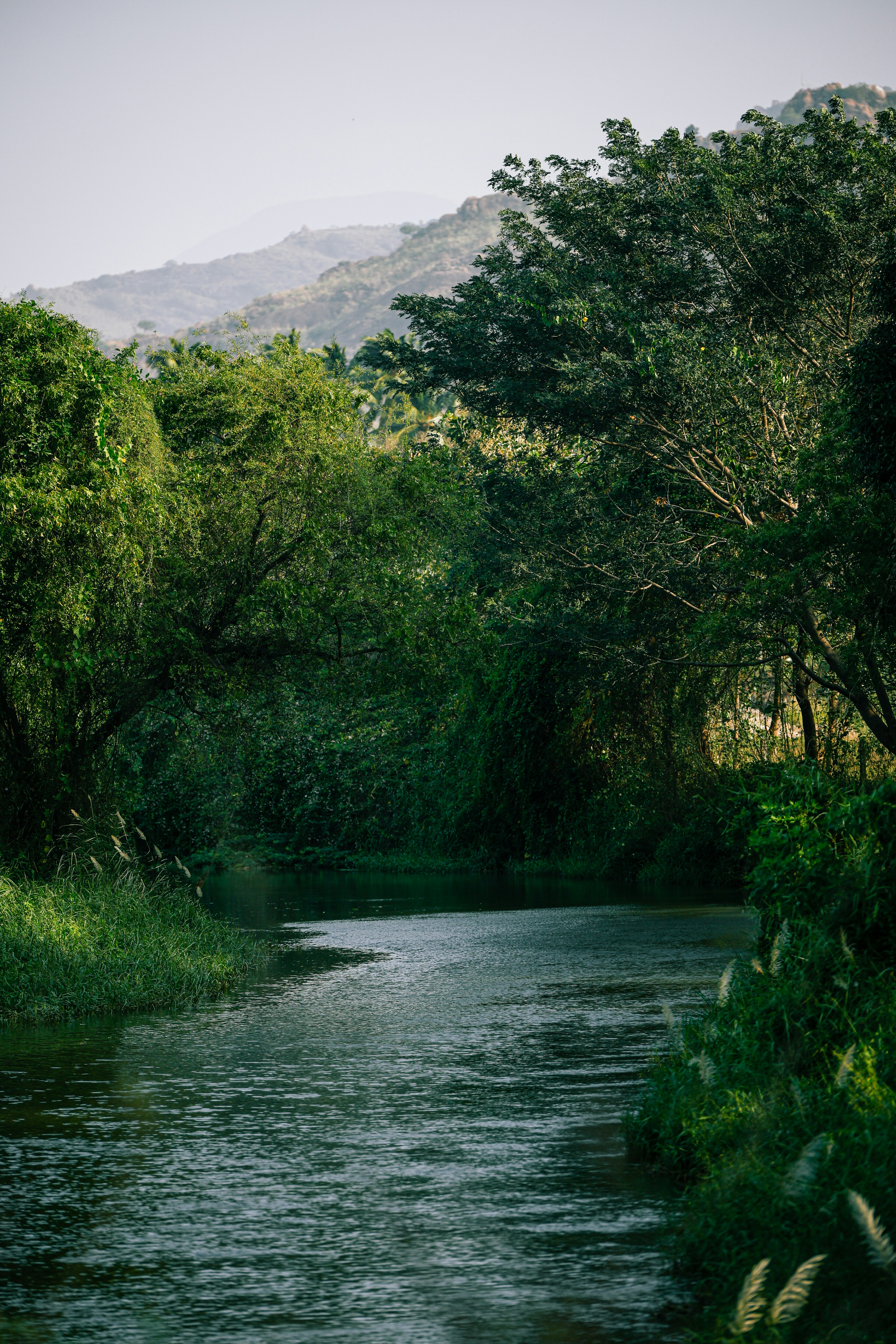
We used to think “untouched wilderness” meant slapping a fence around a forest and calling it a day. Spoiler: it’s messier—and way more interesting.
- 1864 – Yosemite Valley granted to California “for public use, resort, and recreation” (thanks, Lincoln!).
- 1872 – Yellowstone becomes the world’s first national park; locals side-eye the feds for “locking up” hunting grounds.
- 1960s – Silent Spring flips the pesticide narrative; Rachel Carson becomes the OG eco-influencer.
- 1992 – Earth Summit births the Convention on Biological Diversity; countries pinky-swear to protect 17% of land by 2020 (spoiler: most missed).
Today, nature preservation blends Western science with Indigenous knowledge, satellite drones, and even crypto-funded reserves. Curious how we got here? Dive deeper in our mega-guide Nature Preservation Uncovered: 10 Powerful Ways to Protect Our Planet 🌍 (2025).
🌎 What Is Nature Preservation? Definitions and Core Concepts
Think of preservation as Earth’s VIP velvet rope—no extraction, no development, no “just a little” logging. The goal? Keep ecosystems functioning exactly as they would without us barging in.
| Term | Preservation | Conservation | Restoration |
|---|---|---|---|
| Human use | ❌ Zero | ✅ Sustainable | ✅ Repair then step back |
| Example | Wilderness area where even bikes are banned | FSC-certified logging | Planting mangroves after tsunami damage |
| LSI keywords | “no-take zone,” “wilderness protection,” “biodiversity stronghold” | “wise use,” “resource management,” “eco-certification” | “rewilding,” “habitat rehabilitation,” “ecosystem engineers” |
Bottom line: Preservation is the ultimate “do-not-disturb” sign for planetary health.
🏞️ Top 10 Examples of Nature Preservation in Action
1. National Parks and Wildlife Reserves
Yellowstone, Serengeti, Galápagos—household names that still hide secret trout streams and wolf dens.
- Fun fact: Yellowstone’s reintroduced wolves boosted beaver populations by 9×—apex predators = ecosystem chiropractors.
- Visitor hack: Go off-season (April or October) to slash crowds and carbon footprints.
2. Wetland Conservation Projects
Ever heard of Bristol Marsh Preserve? This Rhode Island salt marsh filters nitrogen, shelters diamondback terrapins, and absorbs storm surges like a soggy superhero.
- Threat: Rising sea levels + coastal McMansions.
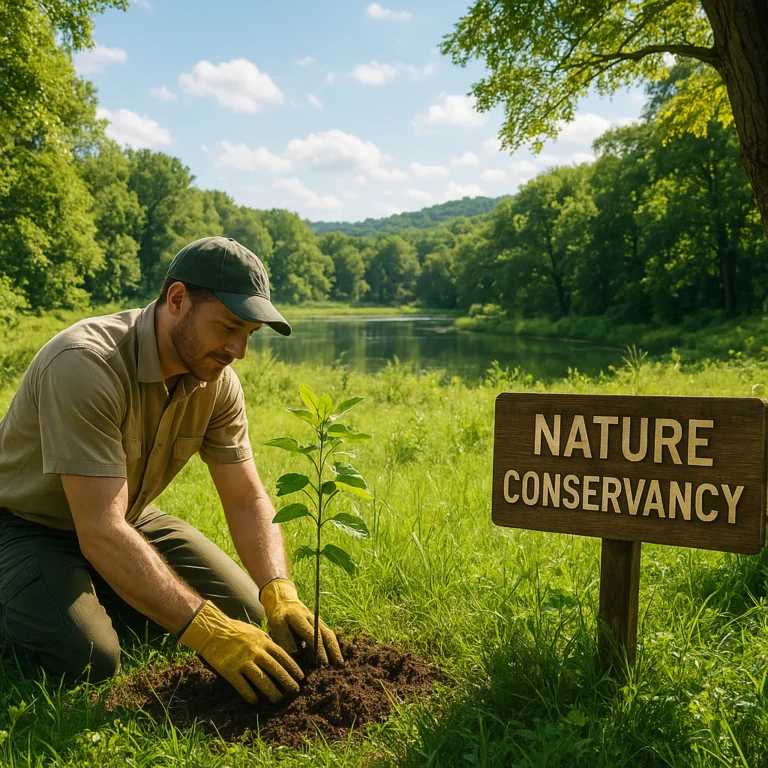
- Win: The Nature Conservancy installs “living shorelines” of oysters and native plants—cheaper than seawalls over time.
3. Forest Protection and Reforestation Efforts
Costa Rica’s Payment for Ecosystem Services flips the script: landowners get cash to keep forests standing. Result? Forest cover doubled from 26% (1983) to 53% (2019) while cattle farms still profit via eco-tourism.
- Gear we love: TreeSisters’ reforestation tracker lets you watch your donated saplings grow—real-time leafy vibes.
4. Marine Protected Areas and Ocean Conservation
Palau’s National Marine Sanctuary bans commercial fishing across 80% of its EEZ—an area larger than France. Tuna stocks rebounded 30% in five years; local fishers now net higher profits from tourism.
- Pro-tip: Choose reef-safe sunscreen (look for non-nano zinc oxide)—your snorkel selfie shouldn’t bleach coral.
5. Community-Led Conservation Initiatives
Kenya’s Northern Rangelands Trust trains pastoralists as wildlife guardians. Elephant poaching dropped 53% since 2012; livestock herds are healthier thanks to rotational grazing maps.
6. Endangered Species Protection Programs
Remember the California condor? Down to 27 birds in 1987. Thanks to captive breeding (and a lot of puppet-rearing—yes, condor puppets), >500 soar today.
- Takeaway: Sometimes you need a wing and a prayer—and biologists dressed in creepy costumes.
7. Urban Green Spaces and Biodiversity Corridors
Singapore’s Park Connector Network links parks via 300 km of tree-lined paths. Otters now commute across the city, proving you don’t need wilderness for wild things.
- DIY: Add native milkweed to your balcony—monarch butterflies treat it like an Airbnb.
8. Sustainable Agriculture and Agroforestry
Shade-grown coffee farms in Chiapas, Mexico preserve cloud-forest canopy for migratory birds. Farmers earn organic premiums; birders get their warbler fix without guilt.
9. Indigenous Land Stewardship
The Kayapo Territory in Brazil stores 1.3 billion metric tons of carbon—equal to U.S. annual emissions from cars. Supporting Kayapo guard posts costs < $1 per hectare per year—cheaper than any carbon tech.
10. Ecotourism and Conservation Funding
In Rwanda’s Volcanoes National Park, $1,500 gorilla-tracking permits fund anti-poaching patrols and local schools. Mountain-gorilla numbers inched up to 1,063—from 254 in 1981.
🔍 How Nature Preservation Benefits Biodiversity and Human Health
Spoiler: It’s not just about saving cute pandas (though pandas are solid click-bait).
- Biodiversity boosts immune function: Kids living near biodiverse forests have 25% lower allergy rates—the “old friends” hypothesis in action.
- Mental health jackpot: 90 min in a preserve reduces rumination (overthinking) linked to depression—nature is cheaper than therapy, though we recommend both.
- Carbon vaults: Intact peatlands store 30% of soil carbon on 3% of land—keep ’em wet, keep ’em wild.
🌱 Practical Ways You Can Support Nature Preservation Today
- Micro-donate while you scroll: Ecosia search engine plants a tree every ~45 queries—we hit 100 trees last year without leaving the sofa.
- Bank on it: Switch to Atmos Financial or Beneficial State Bank—they loan your cash to renewables, not oil pipelines.
- Gift smart: Give National Parks annual passes—the only plastic that unlocks 84 million acres of awesome.
- Offset done right: Buy Gold Standard carbon credits that fund Mikoko Pamoja mangrove preservation in Kenya—sequesters carbon 5× faster than land forests.
📊 The Role of Technology and Innovation in Nature Preservation
| Tool | Preservation Superpower | Real-World Win |
|---|---|---|
| Acoustic sensors | Detect chainsaws in real time | Rainforest Connection cut illegal logging by 46% in Sumatra |
| eDNA | Identify species from a cup of water | Found Bristol Marsh’s secretive least bittern without disturbing nests |
| Blockchain | Track eco-credits transparently | Open Forest Protocol mints NFTrees tied to living trees—no double-counting |
| Satellite imagery | Spot deforestation weekly | Global Forest Watch alerts locals within 72 hrs—faster than your pizza delivery |
🌐 Global Organizations Leading the Charge in Nature Preservation
- The Nature Conservancy – Owns 1 million acres in the U.S. alone; pioneered debt-for-nature swaps.
- WWF – Runs Tx2 tiger goal: double wild tigers to 6,000 by 2022 (spoiler: hit 5,574—so close, yet so stripey).
- Conservation International – Nature Is Speaking campaign convinced Apple to fund 27,000 acres of mangroves.
- Indigenous-led groups – Nia Tero secures territorial rights for 36 million hectares—best ROI in carbon storage.
💡 Common Challenges and Controversies in Nature Preservation
- “Fortress conservation” – Evicting locals backfires; Tanzania’s evicted Maasai now graze inside Serengeti, undermining goals.
- Climate change velocity – Species need to migrate 10× faster than during last ice age; some preserves risk becoming empty zoos.
- Funding gaps – We need $700 billion/year to protect 30% of Earth by 2030—current spend: ~$120 billion.
- Greenwashing – “Paper parks” with zero enforcement; always check Protected Planet for legal status.
📚 Recommended Books, Documentaries, and Resources on Nature Preservation
- Book: Wilding by Isabella Tree – Rewilding a U.K. farm into a biodiversity blockbuster.
- Doc: My Octopus Teacher – Not just cephalopod cuddles; showcases South Africa’s kelp forest preserve.
- Podcast: Ologies episode on Conservation Psychology – Why we act (or don’t) for nature.
- Interactive: Half-Earth Map – See which 50% of your county needs protection to hit E.O. Wilson’s goal.
Next up: We’ll wrap with a bow in the Conclusion, but first—any burning questions? Hit our FAQ or drop us a line on Instagram @GoneGreenish.
🔚 Conclusion: Why Nature Preservation Matters More Than Ever
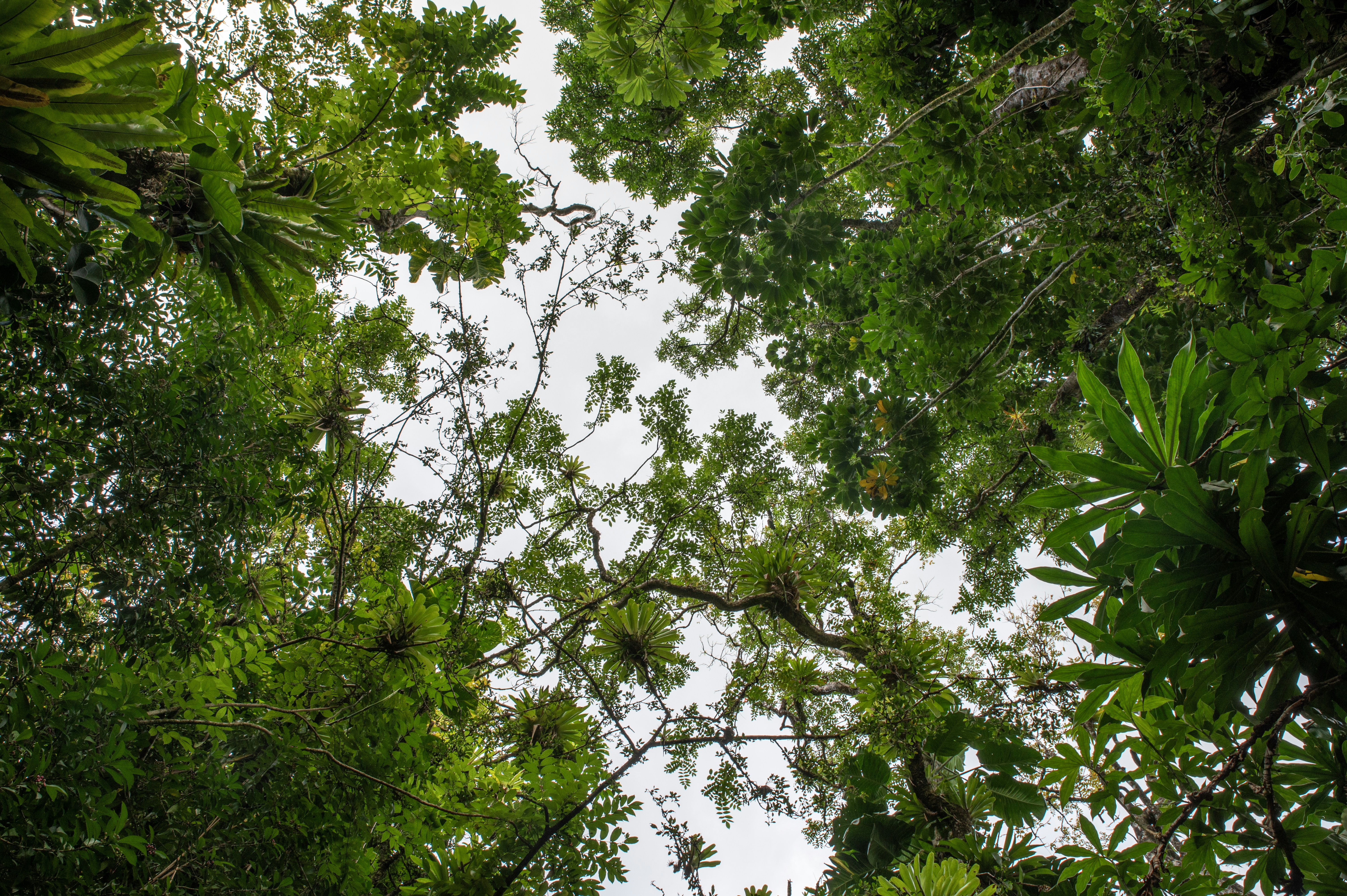
After our deep dive into the wild, wonderful world of nature preservation, one thing is crystal clear: preserving natural habitats is not just a luxury—it’s a lifeline. From the salt marshes of Bristol to the towering forests of Costa Rica, these protected areas serve as the lungs, pharmacies, and playgrounds of our planet. They stabilize climate, shelter biodiversity, and even boost our mental and physical health.
We’ve seen how nature preservation differs from conservation—it’s the ultimate “hands-off” approach that lets ecosystems thrive untouched. Yet, it’s not without challenges: balancing human needs, funding shortages, and climate change pressures test even the most dedicated efforts.
But here’s the good news: you don’t need to be a park ranger or billionaire philanthropist to make a difference. Whether it’s choosing reef-safe sunscreen, supporting Indigenous land rights, or simply planting native flowers on your balcony, every action counts.
Remember our teaser about micro-donations and “preservation kits”? Now you know how those small steps ripple out to protect entire ecosystems. So, what’s stopping you from becoming a nature preservation champion today? 🌿
🔗 Recommended Links for Further Exploration and Shopping
-
👉 CHECK PRICE on:
- TreeSisters Reforestation Program on Amazon
- Gold Standard Carbon Credits via Verified Platforms
- Ecosia Search Engine
- Atmos Financial – Eco-Friendly Banking
- Beneficial State Bank
- Non-Nano Zinc Oxide Reef-Safe Sunscreens on Amazon
- National Parks Annual Passes
- Rainforest Connection Acoustic Sensors
- Open Forest Protocol Blockchain Trees
-
Books:
❓ Frequently Asked Questions (FAQ) About Nature Preservation
What is preservation of ecosystem examples?
Preservation of ecosystems means protecting natural areas from human interference to maintain their original state. Examples include:
- National parks like Yellowstone, where ecosystems are left largely undisturbed.
- Wetlands such as Bristol Marsh Preserve, which filter pollutants and provide habitat for migratory birds.
- Marine protected areas like Palau’s sanctuary, where fishing is banned to protect marine biodiversity.
Preservation focuses on keeping ecosystems intact, unlike conservation, which may allow sustainable use.
How can we preserve nature?
Preserving nature involves:
- Establishing protected areas with legal safeguards.
- Supporting Indigenous land stewardship, which often aligns with preservation goals.
- Avoiding habitat destruction by reducing deforestation, pollution, and urban sprawl.
- Promoting awareness and education to foster respect for natural habitats.
- Using technology like satellite monitoring to detect illegal activities early.
Every individual can contribute by reducing their carbon footprint, supporting eco-conscious brands, and advocating for stronger environmental policies.
What is an example of preservation in human geography?
In human geography, preservation refers to protecting cultural landscapes or historical sites from alteration. An example is:
- The preservation of Indigenous territories where traditional land use practices are maintained to protect both cultural heritage and biodiversity.
- Historic urban green spaces preserved to maintain the city’s ecological and cultural fabric, such as Singapore’s Park Connector Network linking parks and wildlife corridors.
What is an example of a wildlife preserve?
A wildlife preserve is a protected area dedicated to safeguarding animal species and their habitats. Examples include:
- Yellowstone National Park, home to wolves, bison, and bears.
- Bristol Marsh Preserve in Rhode Island, protecting salt marsh habitats for migratory birds and aquatic life.
- Volcanoes National Park in Rwanda, famous for mountain gorillas.
How does nature preservation benefit human health?
Nature preservation benefits human health by:
- Improving air quality through forests and wetlands filtering pollutants.
- Reducing stress and mental health issues—time in natural settings lowers rumination and anxiety.
- Supporting biodiversity, which is linked to stronger immune systems and reduced allergies.
- Providing natural medicines—many pharmaceuticals derive from preserved species.
What are simple ways to practice nature preservation daily?
- Use reusable items to cut down on plastic pollution.
- Choose reef-safe sunscreens to protect marine ecosystems.
- Support eco-friendly banks and brands that fund preservation projects.
- Participate in local clean-ups and plant native species in your garden.
- Use search engines like Ecosia that plant trees with ad revenue.
Can nature preservation help combat climate change?
✅ Absolutely! Preserved ecosystems like forests, peatlands, and mangroves act as carbon sinks, absorbing and storing vast amounts of CO2. For example:
- Peatlands store 30% of soil carbon despite covering only 3% of land.
- Mangrove forests sequester carbon 5× faster than terrestrial forests.
Preserving these areas is a cost-effective climate mitigation strategy.
What role do protected areas play in nature preservation?
Protected areas:
- Legally safeguard habitats from development and exploitation.
- Serve as refuges for endangered species.
- Help maintain ecosystem services like water purification and pollination.
- Provide research and education opportunities.
They are the backbone of global preservation efforts.
How does preserving forests improve air quality?
Forests act as natural air filters by:
- Absorbing pollutants like nitrogen oxides, sulfur dioxide, and particulate matter.
- Producing oxygen through photosynthesis.
- Reducing urban heat islands, which lowers ozone formation.
Healthy forests mean cleaner air for all of us.
What are the economic benefits of nature preservation?
- Ecotourism generates billions annually, supporting local economies.
- Preserved ecosystems provide free services like flood control, pollination, and water filtration, saving governments costly infrastructure expenses.
- Carbon credits from preserved lands create new income streams for landowners and communities.
- Healthy ecosystems support sustainable fisheries and agriculture.
How can individuals contribute to nature preservation efforts?
- Educate yourself and others about the importance of preservation.
- Support organizations like The Nature Conservancy and Conservation International.
- Adopt sustainable lifestyle habits: reduce waste, conserve water, and eat less meat.
- Advocate for policies that protect natural areas.
- Volunteer for local conservation projects or citizen science initiatives.
📑 Reference Links and Credible Sources
- National Geographic: What is Preservation?
- Single.Earth Blog: Importance of Nature Conservation
- The Nature Conservancy: Bristol Marsh Preserve
- Rainforest Connection
- Open Forest Protocol
- Gold Standard
- Protected Planet
- TreeSisters
- Ecosia
- Atmos Financial
- Beneficial State Bank
For more on nature preservation and how you can help, visit our comprehensive guide at Gone Greenish™ Nature Preservation Uncovered.