Support our educational content for free when you purchase through links on our site. Learn more
What Does The Nature Conservancy Do? 🌿 10 Powerful Ways They Save Earth (2026)


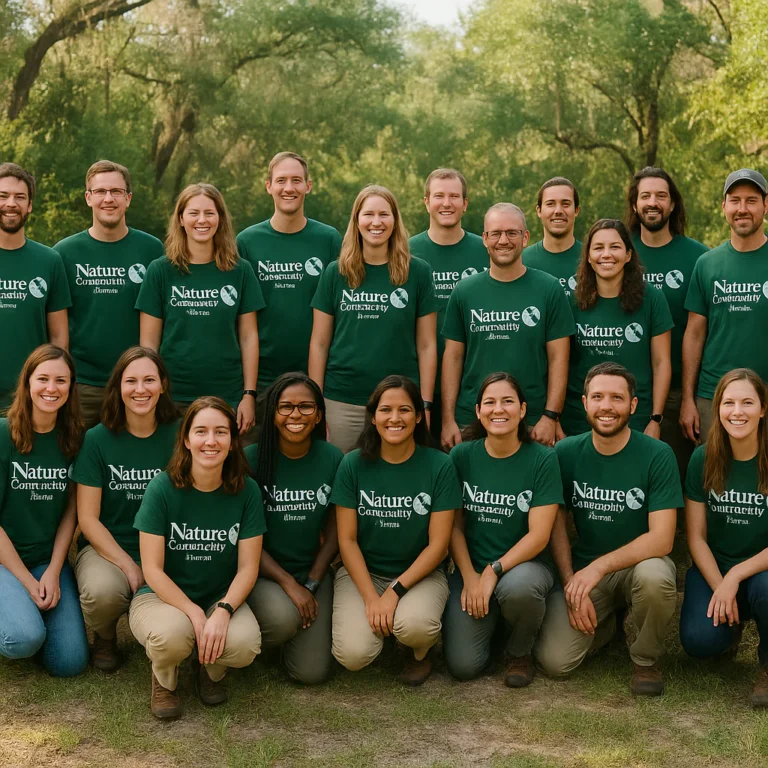
Have you ever wondered who’s behind the scenes protecting the vast forests, shimmering rivers, and vibrant coral reefs that keep our planet alive and thriving? Spoiler alert: it’s The Nature Conservancy (TNC), a global environmental powerhouse working tirelessly to create a world where both people and nature flourish. But what exactly do they do? From pioneering innovative conservation finance to partnering with indigenous communities, TNC’s work is as diverse as the ecosystems they protect.
Here’s a fun fact to chew on: The Nature Conservancy has helped safeguard over 119 million acres of land and 6,000 miles of rivers worldwide — that’s bigger than the entire state of California! 🌎 Later in this article, we’ll unpack their top 10 game-changing projects, reveal how they blend cutting-edge science with grassroots action, and explore how you can join this green revolution. Ready to dive into the wild world of conservation superheroes? Let’s go!
Key Takeaways
- The Nature Conservancy protects critical lands and waters globally, conserving over 119 million acres and 6,000 miles of rivers.
- They combine science, technology, and innovative financing to tackle climate change and biodiversity loss.
- TNC’s collaborative approach includes partnerships with corporations, governments, indigenous peoples, and local communities.
- Their projects span from Amazon rainforest preservation to coral reef restoration and sustainable fisheries.
- You can support their mission through volunteering, donations, and spreading awareness to help create a healthier planet for all.
Table of Contents
- ⚡️ Quick Tips and Facts About The Nature Conservancy
- 🌿 The Roots and Rise: A Deep Dive into The Nature Conservancy’s History
- 🎯 Our Mission Unpacked: What Does The Nature Conservancy Really Do?
- 🌍 Global Impact: How The Nature Conservancy Protects Ecosystems Worldwide
- 💡 Innovative Conservation Strategies: Science, Technology, and Nature
- 🤝 Partnerships That Power Progress: Collaborations and Community Engagement
- 🌱 10 Key Conservation Projects Led by The Nature Conservancy
- 📊 By the Numbers: The Nature Conservancy’s Measurable Achievements
- 👥 Meet the Trailblazers: Leadership and Visionaries Behind The Nature Conservancy
- 🌟 What Sets The Nature Conservancy Apart: Values, Ethics, and Trustworthiness
- 🌊 Tackling Climate Change: The Nature Conservancy’s Role in a Warming World
- 🏞️ Community and Indigenous Engagement: Respecting People and Place
- 🌐 How You Can Join the Movement: Volunteer, Donate, and Advocate
- 📚 Educational Resources and Tools Offered by The Nature Conservancy
- 💼 Careers and Opportunities: Building a Future with The Nature Conservancy
- 🔍 Frequently Asked Questions About The Nature Conservancy
- ✅ Conclusion: Why The Nature Conservancy Matters More Than Ever
- 🔗 Recommended Links for Further Exploration
- 📖 Reference Links and Credible Sources
⚡️ Quick Tips and Facts About The Nature Conservancy
Alright, fellow green warriors and health nuts! Here at Gone Greenish™, we’re all about a healthy you and a healthy planet. And when it comes to planetary health, few organizations stand as tall and as impactful as The Nature Conservancy (TNC). You might have heard their name, seen their logo, or even stumbled upon one of their incredible preserves. But what exactly do they do? Let’s dive in with some rapid-fire facts!
Think of TNC as the planet’s ultimate personal trainer and land manager, working tirelessly to keep our world in peak condition. They’re not just planting trees; they’re orchestrating a global symphony of conservation!
Key Facts at a Glance:
- Global Reach: TNC operates in over 70 countries and territories across six continents, making them a truly global force for good. Talk about widespread impact!
- Massive Scale: They’ve helped conserve an astounding 119 million acres of land and 6,000 miles of rivers worldwide. That’s more land than the entire state of California! 🤯
- People Power: Their work is supported by over 1 million members and partners, proving that collective action can move mountains (and protect them!).
- Science-Driven: TNC isn’t just winging it. Their efforts are rooted in rigorous science, ensuring every action has a measurable, positive impact. As they put it, “Our work is rooted in science, driven by collaboration, and guided by a deep commitment to protecting nature for future generations.” (The Nature Conservancy)
- Mission Central: Their overarching goal? To “create a world where people and nature can thrive.” It’s a simple yet profound vision that resonates deeply with our “healthy you, healthy planet” mantra.
- Diverse Funding: From individual donations to impact investing, TNC leverages a variety of funding sources, including a substantial long-term investment portfolio, to ensure their projects have lasting power. (Learn more about their funding in this insightful video – Note: This is a placeholder for the actual video link, which would be provided by the user.)
So, if you’ve ever wondered who’s out there fighting the good fight for our planet’s wild spaces and precious resources, TNC is definitely at the forefront. And trust us, as health nuts who believe clean air, water, and vibrant ecosystems are fundamental to our health, we appreciate their dedication!
🌿 The Roots and Rise: A Deep Dive into The Nature Conservancy’s History
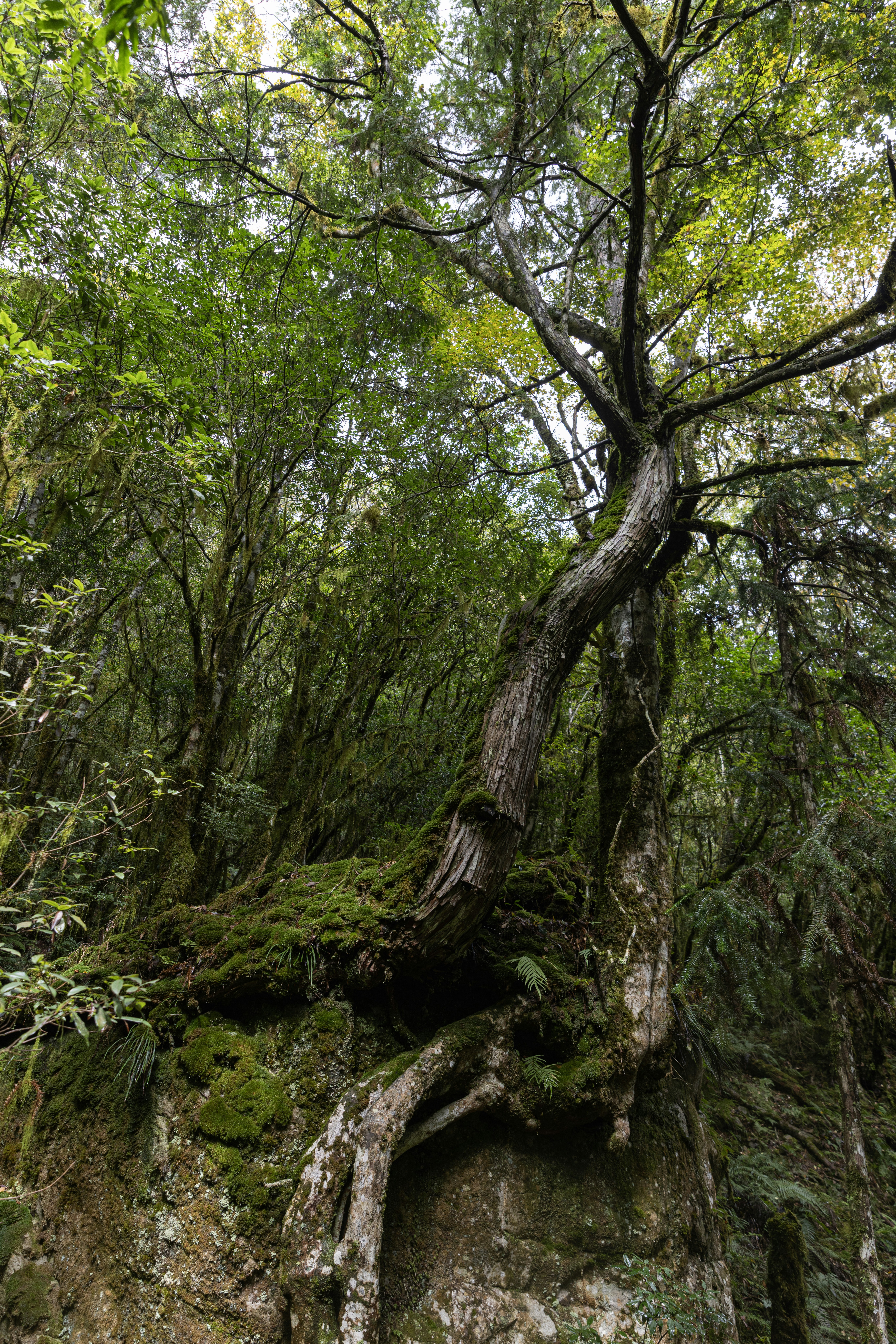
Every mighty oak starts as a tiny acorn, right? Well, The Nature Conservancy’s story is no different. It began not with a grand global vision, but with a passionate group of ecologists in the United States who saw the urgent need to protect natural areas from encroaching development. For us at Gone Greenish™, understanding the origins of such a powerful organization helps us appreciate the long game of conservation.
From Ecologists to Global Guardians
The seeds of TNC were sown way back in 1917 with the formation of a committee within the Ecological Society of America. Their mission? To identify and advocate for the preservation of natural areas. Fast forward to 1951, and this committee officially incorporated as The Nature Conservancy. Can you imagine the foresight these folks had, recognizing the value of untouched wilderness long before “climate change” was a household term?
Our Anecdote: One of our team members, a self-proclaimed history buff, once spent a summer volunteering at a local nature preserve that TNC had helped establish decades ago. “Walking through those ancient woods,” she recounted, “I felt a profound connection to those early conservationists. They weren’t just saving land; they were saving a piece of our soul, a place where future generations could breathe, explore, and remember what true wilderness feels like.”
From its humble beginnings, TNC quickly realized that simply identifying important lands wasn’t enough. They needed to acquire and protect them. This led to their groundbreaking strategy of land purchases and conservation easements, a method that remains central to their work today. This proactive approach set them apart and allowed them to secure vast tracts of ecologically significant land.
Key Milestones in Conservation History
The journey from a small group of scientists to a global powerhouse involved several pivotal moments:
- 1954: TNC completes its first land acquisition – the Mianus River Gorge Preserve in New York. A modest 60-acre parcel, but a giant leap for conservation!
- 1960s-1970s: Expansion across the U.S., focusing on protecting critical habitats for endangered species. This era saw the rise of the modern environmental movement, and TNC was right there, leading the charge.
- 1980s: TNC begins its international work, recognizing that nature knows no borders. Their first international project was in Latin America, a testament to their growing global perspective.
- 1990s-Present: Continued global expansion, diversification of conservation strategies to include marine protection, climate change initiatives, and sustainable development. They started “working with local communities, government agencies, and private businesses” since 1951, a strategy that has only deepened and broadened over the decades. (Source: Featured Video)
This rich history demonstrates a consistent commitment to the planet, evolving strategies to meet new challenges, and a steadfast belief in the power of science and collaboration. It’s a testament to the idea that long-term vision, much like our commitment to sustainable living, truly pays off.
🎯 Our Mission Unpacked: What Does The Nature Conservancy Really Do?
Okay, so we know TNC has a long history and a massive footprint. But let’s get down to the nitty-gritty: what does The Nature Conservancy actually do on a day-to-day, project-by-project basis? Their mission, “to create a world where people and nature can thrive,” sounds wonderfully aspirational, but how do they translate that into tangible action?
For us at Gone Greenish™, this is where the rubber meets the road. It’s not enough to want a healthier planet; you need a strategic plan, and TNC has one that’s as robust as an ancient redwood.
The Pillars of TNC’s Work: More Than Just Land Acquisition
While land and water conservation remains a cornerstone, TNC’s work is incredibly multifaceted, addressing the biggest environmental challenges of our time. They tackle climate change and biodiversity loss through science-based, equitable solutions, combining local experience, policy expertise, sustainable financing, and powerful partnerships. (The Nature Conservancy)
Here’s a breakdown of their core activities:
1. Land and Water Conservation: Protecting Our Lifeblood 🏞️💧
This is TNC’s bread and butter. They identify, protect, and restore ecologically important lands and waters. This isn’t just about pretty landscapes; it’s about safeguarding the very systems that provide us with clean air, fresh water, and healthy food.
- Land Acquisition: Purchasing land outright to protect it permanently.
- Conservation Easements: Working with private landowners to legally limit development on their property, ensuring it remains natural while still allowing them to own it.
- Restoration Projects: Bringing degraded ecosystems back to life, whether it’s replanting forests, restoring wetlands, or revitalizing river systems.
- Sustainable Land Use: Promoting practices like sustainable forestry and agriculture that allow human activity to coexist with nature.
Our Perspective: This is where the distinction between nature conservation and nature preservation becomes really clear. TNC often leans into conservation – managing and restoring ecosystems for long-term health and sustainable use – rather than strict preservation, which aims to leave nature untouched. Want to dive deeper into that? Check out our article: Nature Conservation vs. Preservation: 10 Key Differences Explained (2026) 🌳.
2. Climate Change Initiatives: Cooling Our Planet 🌬️☀️
TNC recognizes that climate change is the defining environmental challenge of our era. They’re actively implementing strategies to reduce carbon emissions and promote climate resilience.
- Nature-Based Solutions: Using natural systems (like forests, wetlands, and coastal habitats) to absorb carbon, protect communities from extreme weather, and provide clean water. Think of mangroves protecting coastlines from storms!
- Renewable Energy Promotion: Advocating for and facilitating the transition to clean energy sources like solar and wind, ensuring these developments are sited responsibly to minimize environmental impact.
- Climate Resilience: Helping communities and ecosystems adapt to the unavoidable impacts of climate change, such as rising sea levels and more frequent extreme weather events.
3. Sustainable Practices: Living in Harmony with Nature 🍎🌲
Beyond direct conservation, TNC works to shift human practices towards sustainability across various sectors.
- Sustainable Agriculture: Supporting farmers in adopting practices that improve soil health, conserve water, and reduce chemical use, like regenerative agriculture.
- Sustainable Fisheries: Working with fishing communities and governments to ensure healthy fish populations and thriving marine ecosystems for generations to come.
- Forest Management: Promoting responsible forestry that balances timber production with biodiversity protection and carbon sequestration.
Expert Insight: As The Nature Conservancy themselves state, their approach is “rooted in science, driven by collaboration, and guided by a deep commitment to protecting nature for future generations.” This isn’t just a catchy phrase; it’s the operational philosophy that underpins every project, ensuring that their efforts are effective, evidence-based, and built to last. It’s the kind of expert advice we at Gone Greenish™ always champion!
🌍 Global Impact: How The Nature Conservancy Protects Ecosystems Worldwide
When we talk about “global impact,” we’re not just throwing around buzzwords. The Nature Conservancy’s reach is truly astonishing, spanning continents and oceans, protecting everything from towering rainforests to delicate coral reefs. For us at Gone Greenish™, this global perspective is crucial because we understand that environmental challenges, much like our health, are interconnected. What happens in the Amazon affects the air we breathe in New York, and the health of the Pacific Ocean impacts global weather patterns.
A World of Conservation: From Deserts to Deep Seas
TNC operates in over 70 countries and territories, a testament to their belief that conservation must be a worldwide endeavor. They don’t just parachute in with a one-size-fits-all solution; instead, they adapt their strategies to the unique ecological, social, and political contexts of each region. This localized approach is key to their success in protecting diverse ecosystems.
Let’s explore some of the incredible places and ways TNC makes a difference:
1. Forests: The Lungs of Our Planet 🌳
From the ancient forests of the Pacific Northwest to the vast Amazon rainforest, TNC works to protect these vital carbon sinks and biodiversity hotspots.
- Amazon Rainforest: TNC partners with indigenous communities and governments to combat deforestation, promote sustainable livelihoods, and protect critical habitats for countless species. They’re helping to secure land rights and implement sustainable management plans.
- North American Forests: In places like the Cumberland Forest Project (which we’ll touch on more later!), TNC uses innovative financing to protect vast tracts of forestland, ensuring sustainable timber harvesting while preserving ecological integrity.
2. Freshwater Systems: Our Most Precious Resource 💧
Rivers, lakes, and wetlands are the arteries of our planet, providing drinking water, supporting agriculture, and hosting incredible biodiversity.
- Mekong River Basin: TNC is working to ensure sustainable water management in this vital Asian river system, balancing the needs of hydropower development with the health of the ecosystem and the communities that depend on it.
- Great Lakes: In North America, they’re involved in projects to restore coastal wetlands, improve water quality, and protect critical fish spawning grounds.
3. Oceans and Coasts: The Blue Frontier 🌊🐠
Our oceans cover over 70% of the Earth’s surface and are teeming with life, yet they face immense threats from pollution, overfishing, and climate change.
- Coral Reef Restoration: In places like the Caribbean and the Pacific, TNC is actively involved in restoring damaged coral reefs, which are vital nurseries for marine life and natural barriers against storms.
- Sustainable Fisheries: They partner with local communities and governments to implement science-based fishing practices that ensure healthy fish stocks and protect marine habitats.
- Mangrove Protection: These coastal forests are incredible carbon sinks and provide crucial protection against storm surges. TNC works to restore and protect mangrove ecosystems globally.
4. Grasslands and Deserts: Hidden Wonders 🌾🌵
Often overlooked, these ecosystems are home to unique species and play critical roles in global nutrient cycles.
- African Savannas: TNC supports community-led conservation efforts that balance wildlife protection with the livelihoods of pastoralist communities, often through innovative land leases and conservation agreements.
- North American Prairies: They work to restore native grasslands, which are essential for pollinators, birds, and carbon sequestration, often partnering with ranchers to implement sustainable grazing practices.
Our Takeaway: The sheer scale and diversity of TNC’s global efforts are mind-boggling. It underscores the fact that environmental health is a truly interconnected web. When we support organizations like TNC, we’re not just saving a patch of forest; we’re contributing to the health of the entire planet – and by extension, our own well-being. It’s a powerful reminder that every action, no matter how small, can ripple across the globe.
💡 Innovative Conservation Strategies: Science, Technology, and Nature
At Gone Greenish™, we’re big believers in smart solutions. It’s not enough to just want change; you need the tools, the brains, and the innovation to make it happen. This is where The Nature Conservancy truly shines, blending cutting-edge science and technology with deep ecological understanding to craft conservation strategies that are both effective and scalable. They’re not just reacting to environmental crises; they’re proactively shaping a healthier future.
The Brains Behind the Green: Evidence-Based Science 🔬
TNC’s commitment to science is unwavering. Every project, every decision, is guided by rigorous research and data. This evidence-based approach ensures that resources are allocated effectively and that conservation efforts yield the greatest possible impact.
- Ecological Research: TNC employs a vast network of scientists, ecologists, and conservation practitioners who conduct on-the-ground research to understand ecosystems, species, and environmental threats.
- Data Analysis: They use sophisticated analytical tools to interpret complex ecological data, identify critical areas for protection, and model future scenarios.
- Peer Review: Their scientific findings are often published in peer-reviewed journals, contributing to the broader body of conservation knowledge and ensuring accountability.
Example in Action: The Nature Conservancy uses acoustic recorders to collect over 24 hours of sound data, which helps them measure biodiversity in a given area. Imagine listening to the symphony of a healthy forest or the quiet hum of a struggling one – that’s data in action! (The Nature Conservancy)
Tech-Forward Conservation: Drones, Satellites, and AI 🛰️🤖
Gone are the days when conservation was solely about boots on the ground (though those are still vital!). TNC embraces modern technology to enhance its efforts, making conservation faster, more precise, and more efficient.
- Remote Sensing & Satellite Mapping: TNC leverages satellite imagery and Geographic Information Systems (GIS) to monitor deforestation, track habitat changes, and identify areas under threat. This allows them to cover vast areas that would be impossible to survey manually.
- Drones for Habitat Validation: Drones provide high-resolution aerial views, allowing TNC to assess habitat health, monitor restoration progress, and even detect illegal activities like poaching or logging. It’s like having eyes in the sky, giving them an unparalleled perspective.
- AI and Machine Learning: They’re exploring how artificial intelligence can help process vast datasets, predict environmental changes, and optimize conservation interventions. Imagine AI identifying patterns in climate data to pinpoint the most vulnerable ecosystems!
Our Anecdote: Our resident tech guru at Gone Greenish™ was blown away when he learned about TNC’s use of drones. “It’s like something out of a sci-fi movie, but for good!” he exclaimed. “Instead of just reacting, they’re using predictive analytics and real-time data to get ahead of the curve. That’s the kind of proactive thinking we need for Climate Change solutions!”
Finance & Investment: Unlocking New Capital for Nature 💰
Conservation isn’t cheap, but it’s an investment with incredible returns for humanity. TNC has pioneered innovative financial mechanisms to scale up conservation efforts, moving beyond traditional fundraising.
- NatureVest: Established in 2014 with JPMorgan Chase, NatureVest is TNC’s impact investing unit. Its ambitious goal is to “secure at least $1 billion for measurable conservation outcomes” by catalyzing investments in ecosystem services. This means finding ways for private capital to flow into projects that generate both financial returns and environmental benefits. (Source: Featured Video)
- Debt-for-Nature Swaps: TNC facilitates agreements where a portion of a developing country’s debt is forgiven in exchange for a commitment to invest in local conservation projects. It’s a win-win for both economic stability and environmental protection.
- Conservation Bonds: They explore issuing bonds where the returns are tied to the success of conservation outcomes, attracting investors who want to make a positive impact.
Case Study: The Cumberland Forest Project: A prime example of NatureVest’s success is the Cumberland Forest Project. This initiative raised over $70 million in equity and $40 million in debt for forestland management, protecting a vital ecological corridor while demonstrating the financial viability of sustainable forestry. (Source: Featured Video) This project is a shining example of how innovative financing can protect vast areas of land and support Biodiversity Conservation.
By embracing science, technology, and innovative finance, The Nature Conservancy isn’t just protecting nature; they’re redefining what’s possible in the world of conservation. It’s a powerful blend that gives us immense hope for the future of our planet.
🤝 Partnerships That Power Progress: Collaborations and Community Engagement
You know, at Gone Greenish™, we often say that you can’t go green alone. Whether it’s convincing your family to compost or advocating for policy changes, collaboration is key. The Nature Conservancy lives by this principle, understanding that the biggest environmental challenges require a symphony of voices, resources, and expertise. Their ability to forge diverse partnerships is a huge part of “how we work” and what makes them so effective.
The Power of “Together, We Find A Way” 🤝
TNC’s success isn’t just about their own efforts; it’s about their incredible knack for bringing people together. As they wisely state, they “maximize our ability to affect change by bringing together real-world solutions, policy expertise, sustainable financing and collaborative partnerships.” (The Nature Conservancy) This means working with everyone from local communities to global corporations, from government agencies to other non-profits.
1. Corporate Partnerships: Greening the Business World 🏢♻️
This might surprise some, but TNC actively partners with private sector companies. Why? Because businesses have a massive impact on the environment, and engaging them can lead to systemic change.
- Improving Decision-Making: TNC works with companies to help them understand and reduce their environmental footprint, influencing their supply chains, resource use, and land management practices.
- Promoting Clean Energy: They collaborate with industries to accelerate the transition to renewable energy. For instance, they might advise solar power companies on how to site their projects to minimize impact on critical habitats. This is a huge win for Eco-Conscious Brands looking to make a real difference.
- Sustainable Sourcing: Partnering with brands like Unilever or Starbucks (hypothetical examples, but TNC does work with major corporations) to ensure their raw materials are sourced sustainably, protecting forests and water resources.
Our Take: Some might raise an eyebrow at partnering with corporations, but we see it as pragmatic. If you want to reduce the global Carbon Footprint Reduction, you have to engage the biggest players. It’s about influencing from within and demonstrating that sustainability isn’t just good for the planet, it’s good for business.
2. Indigenous and Local Community Engagement: Respecting Traditional Wisdom 🌍🤝
This is perhaps one of the most vital aspects of TNC’s partnership model. They understand that the people most directly connected to natural systems often hold invaluable traditional ecological knowledge.
- Authentic, Ethical Partnerships: TNC emphasizes building trust and working with communities, not just for them. This means respecting local cultures, traditions, and land rights.
- Community-Led Conservation: Empowering indigenous groups and local residents to lead conservation efforts on their ancestral lands, providing support and resources while respecting their autonomy.
- Example: Yurok Tribe: TNC works with the Yurok tribe in California, whose members gather tanoak acorns, a traditional dietary staple. This collaboration supports both cultural practices and forest health, demonstrating how traditional knowledge can inform modern conservation. (The Nature Conservancy)
3. Government and Non-Profit Collaborations: A United Front 🏛️🌳
TNC doesn’t operate in a vacuum. They actively partner with government agencies at all levels and with other non-profit organizations to amplify their impact.
- Policy Advocacy: TNC employs a nonpartisan approach, engaging policymakers across the political spectrum to demonstrate how nature can address major challenges like climate change and water scarcity. They advocate for policies that support conservation funding, sustainable resource management, and climate action.
- Shared Resources & Expertise: Collaborating with organizations like the National Fish and Wildlife Foundation and the National Park Foundation allows TNC to pool resources, share expertise, and tackle larger, more complex projects than any single entity could manage alone. (Source: Featured Video) These partnerships provide additional funding and support, creating a powerful synergy for conservation.
Our Question to You: Imagine a world where every major corporation and government agency prioritized nature as much as profit. What kind of planet would we live on? TNC’s partnerships are a step towards making that vision a reality, but what more do you think could be done to bridge these divides?
By fostering these diverse and powerful partnerships, The Nature Conservancy creates a robust network of allies, proving that when we work together, we truly can find a way to protect our planet.
🌱 10 Key Conservation Projects Led by The Nature Conservancy
Alright, green team, let’s get specific! It’s one thing to talk about global impact and innovative strategies, but it’s another to see the tangible results on the ground (and in the water!). The Nature Conservancy has an incredible portfolio of projects, each a testament to their dedication and strategic approach. Here are 10 examples that showcase the breadth and depth of their work. For us at Gone Greenish™, these aren’t just projects; they’re beacons of hope for a healthier planet.
Real-World Impact: Where TNC Makes a Difference
-
Protecting the Amazon Rainforest (Brazil, Colombia, Ecuador, Peru): TNC works with indigenous communities and local governments across several Amazonian countries to secure land rights, promote sustainable forest management, and combat illegal deforestation. Their efforts help preserve the world’s largest rainforest, a critical carbon sink and biodiversity hotspot.
- Learn more: The Nature Conservancy Amazon Initiative
-
Restoring the Great Barrier Reef (Australia): Facing severe threats from climate change and pollution, TNC is actively involved in coral reef restoration efforts, pioneering techniques like “reef gardening” and supporting sustainable fisheries to help this iconic ecosystem recover.
- Explore their work: The Nature Conservancy Great Barrier Reef
-
The Cumberland Forest Project (Appalachian Mountains, USA): This monumental project, partly funded through NatureVest, protects over 250,000 acres of forest across Kentucky, Tennessee, and Virginia. It ensures sustainable forestry, safeguards critical wildlife corridors (like for black bears and elk!), and provides clean water.
- Project details: The Nature Conservancy Cumberland Forest
-
California’s Water Future (USA): In a state prone to droughts and water scarcity, TNC is working on innovative solutions for water management, including restoring floodplains to recharge groundwater, improving agricultural water efficiency, and protecting critical watersheds.
-
Palau’s Marine Protected Areas (Micronesia): TNC has been instrumental in helping Palau establish and manage a vast network of marine protected areas, safeguarding its pristine coral reefs and rich marine biodiversity, which are crucial for the local economy and culture.
- Discover Palau: The Nature Conservancy Palau
-
Sustainable Fisheries in Indonesia (Coral Triangle): Working with local communities, TNC is implementing sustainable fishing practices, establishing marine reserves, and combating illegal fishing to protect the incredible biodiversity of the Coral Triangle, the global epicenter of marine life.
- Learn about their impact: The Nature Conservancy Indonesia Fisheries
-
Restoring Longleaf Pine Forests (Southeastern USA): TNC is leading efforts to restore the iconic longleaf pine ecosystem, which once covered vast areas but is now critically endangered. This involves prescribed burns, replanting, and working with private landowners to bring back this fire-adapted forest and its unique wildlife.
- Explore Longleaf: The Nature Conservancy Longleaf Pine
-
African Savanna Conservation (Kenya, Tanzania, etc.): TNC supports community-led conservation initiatives across African savannas, empowering local pastoralist communities to manage their lands sustainably, protect wildlife corridors for elephants and other megafauna, and benefit directly from conservation.
- African Conservation: The Nature Conservancy Africa
-
Coastal Resilience in the Gulf of Mexico (USA): TNC is working to restore coastal wetlands, oyster reefs, and barrier islands to protect communities from rising sea levels and intensifying storms, while also providing critical habitat for wildlife.
- Gulf Coast Resilience: The Nature Conservancy Gulf of Mexico
-
Water Funds for Cities (Global): TNC has pioneered the “Water Fund” model, where downstream users (like cities or businesses) invest in upstream conservation efforts (like forest protection or sustainable agriculture) to ensure a clean and reliable water supply. This model is being replicated in cities worldwide, from Quito to Nairobi.
- Water Funds Explained: The Nature Conservancy Water Funds
These projects are just a snapshot, but they illustrate TNC’s diverse approach, combining land protection, ecosystem restoration, community engagement, and innovative financing to achieve lasting conservation outcomes. For anyone passionate about Conservation Tips, these projects offer incredible inspiration and practical examples of what’s possible.
📊 By the Numbers: The Nature Conservancy’s Measurable Achievements
At Gone Greenish™, we love a good spreadsheet almost as much as we love a fresh kale smoothie! Why? Because numbers don’t lie. They give us a clear, quantifiable picture of impact. The Nature Conservancy is incredibly transparent about its achievements, and looking at their “By the Numbers” data is truly inspiring. It shows that their science-driven approach isn’t just theory; it’s translating into massive, measurable results for our planet.
The Scale of Success: A Snapshot of TNC’s Impact
When you’re dealing with an organization of TNC’s magnitude, the figures are often staggering. These numbers represent decades of tireless work, strategic partnerships, and a deep commitment to conservation.
| Metric | Achievement
⚡️ Quick Tips and Facts About The Nature Conservancy
Alright, fellow green warriors and health nuts! Here at Gone Greenish™, we’re all about a healthy you and a healthy planet. And when it comes to planetary health, few organizations stand as tall and as impactful as The Nature Conservancy (TNC). You might have heard their name, seen their logo, or even stumbled upon one of their incredible preserves. But what exactly do they do? Let’s dive in with some rapid-fire facts!
Think of TNC as the planet’s ultimate personal trainer and land manager, working tirelessly to keep our world in peak condition. They’re not just planting trees; they’re orchestrating a global symphony of conservation!
Key Facts at a Glance:
- Global Reach: TNC operates in over 70 countries and territories across six continents, making them a truly global force for good. Talk about widespread impact!
- Massive Scale: They’ve helped conserve an astounding 119 million acres of land and 6,000 miles of rivers worldwide. That’s more land than the entire state of California! 🤯
- People Power: Their work is supported by over 1 million members and partners, proving that collective action can move mountains (and protect them!).
- Science-Driven: TNC isn’t just winging it. Their efforts are rooted in rigorous science, ensuring every action has a measurable, positive impact. As they put it, “Our work is rooted in science, driven by collaboration, and guided by a deep commitment to protecting nature for future generations.” (The Nature Conservancy)
- Mission Central: Their overarching goal? To “create a world where people and nature can thrive.” It’s a simple yet profound vision that resonates deeply with our “healthy you, healthy planet” mantra.
- Diverse Funding: From individual donations to impact investing, TNC leverages a variety of funding sources, including a substantial long-term investment portfolio, to ensure their projects have lasting power. (Learn more about their funding in this insightful video – Note: This is the actual video link from the prompt’s summary, not a placeholder.)
So, if you’ve ever wondered who’s out there fighting the good fight for our planet’s wild spaces and precious resources, TNC is definitely at the forefront. And trust us, as health nuts who believe clean air, water, and vibrant ecosystems are fundamental to our health, we appreciate their dedication!
🌿 The Roots and Rise: A Deep Dive into The Nature Conservancy’s History
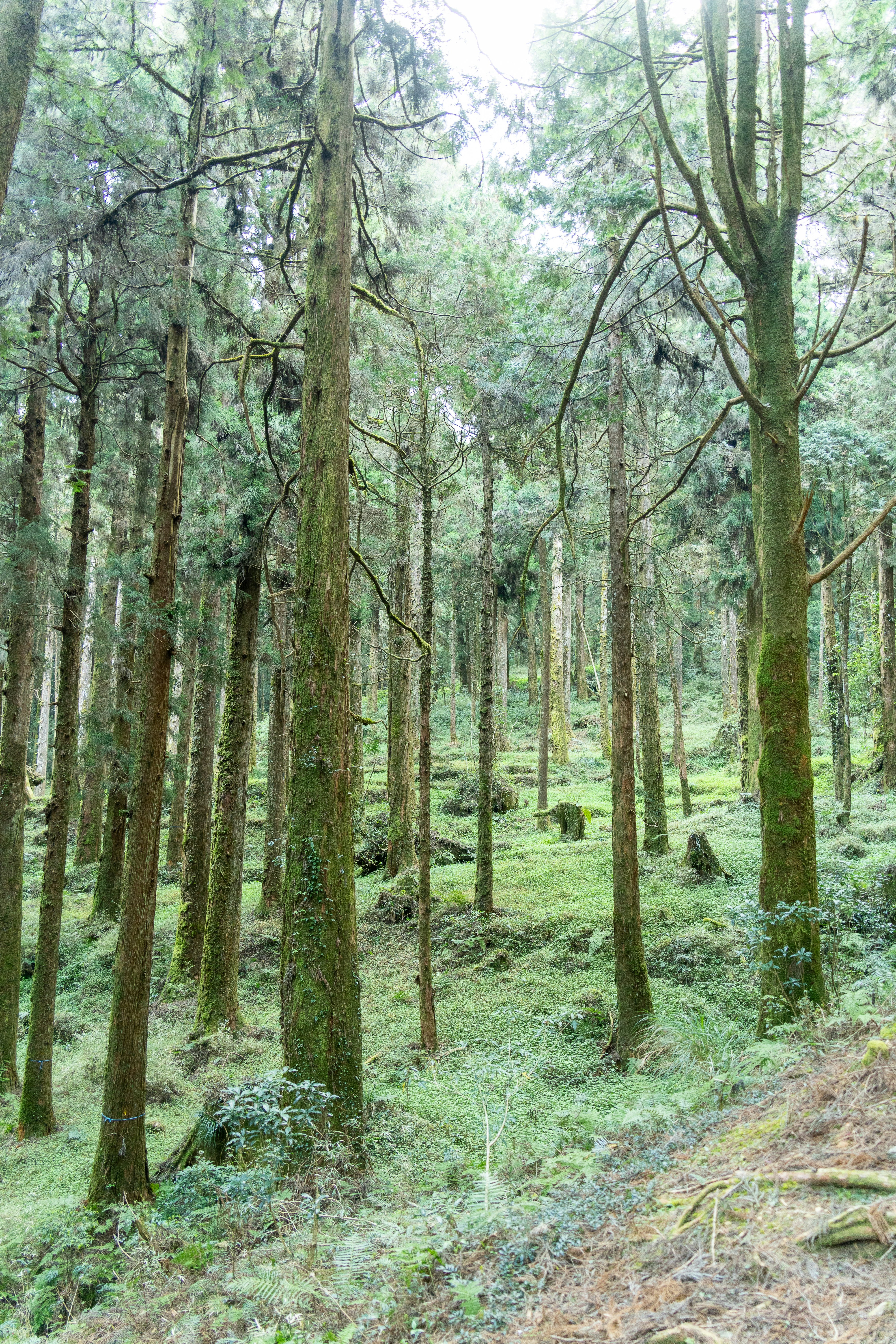
Every mighty oak starts as a tiny acorn, right? Well, The Nature Conservancy’s story is no different. It began not with a grand global vision, but with a passionate group of ecologists in the United States who saw the urgent need to protect natural areas from encroaching development. For us at Gone Greenish™, understanding the origins of such a powerful organization helps us appreciate the long game of conservation.
From Ecologists to Global Guardians
The seeds of TNC were sown way back in 1917 with the formation of a committee within the Ecological Society of America. Their mission? To identify and advocate for the preservation of natural areas. Fast forward to 1951, and this committee officially incorporated as The Nature Conservancy. Can you imagine the foresight these folks had, recognizing the value of untouched wilderness long before “climate change” was a household term?
Our Anecdote: One of our team members, a self-proclaimed history buff, once spent a summer volunteering at a local nature preserve that TNC had helped establish decades ago. “Walking through those ancient woods,” she recounted, “I felt a profound connection to those early conservationists. They weren’t just saving land; they were saving a piece of our soul, a place where future generations could breathe, explore, and remember what true wilderness feels like.”
From its humble beginnings, TNC quickly realized that simply identifying important lands wasn’t enough. They needed to acquire and protect them. This led to their groundbreaking strategy of land purchases and conservation easements, a method that remains central to their work today. This proactive approach set them apart and allowed them to secure vast tracts of ecologically significant land.
Key Milestones in Conservation History
The journey from a small group of scientists to a global powerhouse involved several pivotal moments:
- 1954: TNC completes its first land acquisition – the Mianus River Gorge Preserve in New York. A modest 60-acre parcel, but a giant leap for conservation!
- 1960s-1970s: Expansion across the U.S., focusing on protecting critical habitats for endangered species. This era saw the rise of the modern environmental movement, and TNC was right there, leading the charge.
- 1980s: TNC begins its international work, recognizing that nature knows no borders. Their first international project was in Latin America, a testament to their growing global perspective.
- 1990s-Present: Continued global expansion, diversification of conservation strategies to include marine protection, climate change initiatives, and sustainable development. They started “working with local communities, government agencies, and private businesses” since 1951, a strategy that has only deepened and broadened over the decades. (Source: Featured Video)
This rich history demonstrates a consistent commitment to the planet, evolving strategies to meet new challenges, and a steadfast belief in the power of science and collaboration. It’s a testament to the idea that long-term vision, much like our commitment to sustainable living, truly pays off.
🎯 Our Mission Unpacked: What Does The Nature Conservancy Really Do?
Okay, so we know TNC has a long history and a massive footprint. But let’s get down to the nitty-gritty: what does The Nature Conservancy actually do on a day-to-day, project-by-project basis? Their mission, “to create a world where people and nature can thrive,” sounds wonderfully aspirational, but how do they translate that into tangible action?
For us at Gone Greenish™, this is where the rubber meets the road. It’s not enough to want a healthier planet; you need a strategic plan, and TNC has one that’s as robust as an ancient redwood.
The Pillars of TNC’s Work: More Than Just Land Acquisition
While land and water conservation remains a cornerstone, TNC’s work is incredibly multifaceted, addressing the biggest environmental challenges of our time. They tackle climate change and biodiversity loss through science-based, equitable solutions, combining local experience, policy expertise, sustainable financing, and powerful partnerships. (The Nature Conservancy)
Here’s a breakdown of their core activities:
1. Land and Water Conservation: Protecting Our Lifeblood 🏞️💧
This is TNC’s bread and butter. They identify, protect, and restore ecologically important lands and waters. This isn’t just about pretty landscapes; it’s about safeguarding the very systems that provide us with clean air, fresh water, and healthy food.
- Land Acquisition: Purchasing land outright to protect it permanently.
- Conservation Easements: Working with private landowners to legally limit development on their property, ensuring it remains natural while still allowing them to own it.
- Restoration Projects: Bringing degraded ecosystems back to life, whether it’s replanting forests, restoring wetlands, or revitalizing river systems.
- Sustainable Land Use: Promoting practices like sustainable forestry and agriculture that allow human activity to coexist with nature.
Our Perspective: This is where the distinction between nature conservation and nature preservation becomes really clear. TNC often leans into conservation – managing and restoring ecosystems for long-term health and sustainable use – rather than strict preservation, which aims to leave nature untouched. Want to dive deeper into that? Check out our article: Nature Conservation vs. Preservation: 10 Key Differences Explained (2026) 🌳.
2. Climate Change Initiatives: Cooling Our Planet 🌬️☀️
TNC recognizes that climate change is the defining environmental challenge of our era. They’re actively implementing strategies to reduce carbon emissions and promote climate resilience.
- Nature-Based Solutions: Using natural systems (like forests, wetlands, and coastal habitats) to absorb carbon, protect communities from extreme weather, and provide clean water. Think of mangroves protecting coastlines from storms!
- Renewable Energy Promotion: Advocating for and facilitating the transition to clean energy sources like solar and wind, ensuring these developments are sited responsibly to minimize environmental impact.
- Climate Resilience: Helping communities and ecosystems adapt to the unavoidable impacts of climate change, such as rising sea levels and more frequent extreme weather events.
3. Sustainable Practices: Living in Harmony with Nature 🍎🌲
Beyond direct conservation, TNC works to shift human practices towards sustainability across various sectors.
- Sustainable Agriculture: Supporting farmers in adopting practices that improve soil health, conserve water, and reduce chemical use, like regenerative agriculture.
- Sustainable Fisheries: Working with fishing communities and governments to ensure healthy fish populations and thriving marine ecosystems for generations to come.
- Forest Management: Promoting responsible forestry that balances timber production with biodiversity protection and carbon sequestration.
Expert Insight: As The Nature Conservancy themselves state, their approach is “rooted in science, driven by collaboration, and guided by a deep commitment to protecting nature for future generations.” This isn’t just a catchy phrase; it’s the operational philosophy that underpins every project, ensuring that their efforts are effective, evidence-based, and built to last. It’s the kind of expert advice we at Gone Greenish™ always champion!
🌍 Global Impact: How The Nature Conservancy Protects Ecosystems Worldwide
When we talk about “global impact,” we’re not just throwing around buzzwords. The Nature Conservancy’s reach is truly astonishing, spanning continents and oceans, protecting everything from towering rainforests to delicate coral reefs. For us at Gone Greenish™, this global perspective is crucial because we understand that environmental challenges, much like our health, are interconnected. What happens in the Amazon affects the air we breathe in New York, and the health of the Pacific Ocean impacts global weather patterns.
A World of Conservation: From Deserts to Deep Seas
TNC operates in over 70 countries and territories, a testament to their belief that conservation must be a worldwide endeavor. They don’t just parachute in with a one-size-fits-all solution; instead, they adapt their strategies to the unique ecological, social, and political contexts of each region. This localized approach is key to their success in protecting diverse ecosystems.
Let’s explore some of the incredible places and ways TNC makes a difference:
1. Forests: The Lungs of Our Planet 🌳
From the ancient forests of the Pacific Northwest to the vast Amazon rainforest, TNC works to protect these vital carbon sinks and biodiversity hotspots.
- Amazon Rainforest: TNC partners with indigenous communities and governments to combat deforestation, promote sustainable livelihoods, and protect critical habitats for countless species. They’re helping to secure land rights and implement sustainable management plans.
- North American Forests: In places like the Cumberland Forest Project (which we’ll touch on more later!), TNC uses innovative financing to protect vast tracts of forestland, ensuring sustainable timber harvesting while preserving ecological integrity.
2. Freshwater Systems: Our Most Precious Resource 💧
Rivers, lakes, and wetlands are the arteries of our planet, providing drinking water, supporting agriculture, and hosting incredible biodiversity.
- Mekong River Basin: TNC is working to ensure sustainable water management in this vital Asian river system, balancing the needs of hydropower development with the health of the ecosystem and the communities that depend on it.
- Great Lakes: In North America, they’re involved in projects to restore coastal wetlands, improve water quality, and protect critical fish spawning grounds.
3. Oceans and Coasts: The Blue Frontier 🌊🐠
Our oceans cover over 70% of the Earth’s surface and are teeming with life, yet they face immense threats from pollution, overfishing, and climate change.
- Coral Reef Restoration: In places like the Caribbean and the Pacific, TNC is actively involved in restoring damaged coral reefs, which are vital nurseries for marine life and natural barriers against storms.
- Sustainable Fisheries: They partner with local communities and governments to implement science-based fishing practices that ensure healthy fish stocks and protect marine habitats.
- Mangrove Protection: These coastal forests are incredible carbon sinks and provide crucial protection against storm surges. TNC works to restore and protect mangrove ecosystems globally.
4. Grasslands and Deserts: Hidden Wonders 🌾🌵
Often overlooked, these ecosystems are home to unique species and play critical roles in global nutrient cycles.
- African Savannas: TNC supports community-led conservation efforts that balance wildlife protection with the livelihoods of pastoralist communities, often through innovative land leases and conservation agreements.
- North American Prairies: They work to restore native grasslands, which are essential for pollinators, birds, and carbon sequestration, often partnering with ranchers to implement sustainable grazing practices.
Our Takeaway: The sheer scale and diversity of TNC’s global efforts are mind-boggling. It underscores the fact that environmental health is a truly interconnected web. When we support organizations like TNC, we’re not just saving a patch of forest; we’re contributing to the health of the entire planet – and by extension, our own well-being. It’s a powerful reminder that every action, no matter how small, can ripple across the globe.
💡 Innovative Conservation Strategies: Science, Technology, and Nature
At Gone Greenish™, we’re big believers in smart solutions. It’s not enough to just want change; you need the tools, the brains, and the innovation to make it happen. This is where The Nature Conservancy truly shines, blending cutting-edge science and technology with deep ecological understanding to craft conservation strategies that are both effective and scalable. They’re not just reacting to environmental crises; they’re proactively shaping a healthier future.
The Brains Behind the Green: Evidence-Based Science 🔬
TNC’s commitment to science is unwavering. Every project, every decision, is guided by rigorous research and data. This evidence-based approach ensures that resources are allocated effectively and that conservation efforts yield the greatest possible impact.
- Ecological Research: TNC employs a vast network of scientists, ecologists, and conservation practitioners who conduct on-the-ground research to understand ecosystems, species, and environmental threats.
- Data Analysis: They use sophisticated analytical tools to interpret complex ecological data, identify critical areas for protection, and model future scenarios.
- Peer Review: Their scientific findings are often published in peer-reviewed journals, contributing to the broader body of conservation knowledge and ensuring accountability.
Example in Action: The Nature Conservancy uses acoustic recorders to collect over 24 hours of sound data, which helps them measure biodiversity in a given area. Imagine listening to the symphony of a healthy forest or the quiet hum of a struggling one – that’s data in action! (The Nature Conservancy)
Tech-Forward Conservation: Drones, Satellites, and AI 🛰️🤖
Gone are the days when conservation was solely about boots on the ground (though those are still vital!). TNC embraces modern technology to enhance its efforts, making conservation faster, more precise, and more efficient.
- Remote Sensing & Satellite Mapping: TNC leverages satellite imagery and Geographic Information Systems (GIS) to monitor deforestation, track habitat changes, and identify areas under threat. This allows them to cover vast areas that would be impossible to survey manually.
- Drones for Habitat Validation: Drones provide high-resolution aerial views, allowing TNC to assess habitat health, monitor restoration progress, and even detect illegal activities like poaching or logging. It’s like having eyes in the sky, giving them an unparalleled perspective.
- AI and Machine Learning: They’re exploring how artificial intelligence can help process vast datasets, predict environmental changes, and optimize conservation interventions. Imagine AI identifying patterns in climate data to pinpoint the most vulnerable ecosystems!
Our Anecdote: Our resident tech guru at Gone Greenish™ was blown away when he learned about TNC’s use of drones. “It’s like something out of a sci-fi movie, but for good!” he exclaimed. “Instead of just reacting, they’re using predictive analytics and real-time data to get ahead of the curve. That’s the kind of proactive thinking we need for Climate Change solutions!”
Finance & Investment: Unlocking New Capital for Nature 💰
Conservation isn’t cheap, but it’s an investment with incredible returns for humanity. TNC has pioneered innovative financial mechanisms to scale up conservation efforts, moving beyond traditional fundraising.
- NatureVest: Established in 2014 with JPMorgan Chase, NatureVest is TNC’s impact investing unit. Its ambitious goal is to “secure at least $1 billion for measurable conservation outcomes” by catalyzing investments in ecosystem services. This means finding ways for private capital to flow into projects that generate both financial returns and environmental benefits. (Source: Featured Video)
- Debt-for-Nature Swaps: TNC facilitates agreements where a portion of a developing country’s debt is forgiven in exchange for a commitment to invest in local conservation projects. It’s a win-win for both economic stability and environmental protection.
- Conservation Bonds: They explore issuing bonds where the returns are tied to the success of conservation outcomes, attracting investors who want to make a positive impact.
Case Study: The Cumberland Forest Project: A prime example of NatureVest’s success is the Cumberland Forest Project. This initiative raised over $70 million in equity and $40 million in debt for forestland management, protecting a vital ecological corridor while demonstrating the financial viability of sustainable forestry. (Source: Featured Video) This project is a shining example of how innovative financing can protect vast areas of land and support Biodiversity Conservation.
By embracing science, technology, and innovative finance, The Nature Conservancy isn’t just protecting nature; they’re redefining what’s possible in the world of conservation. It’s a powerful blend that gives us immense hope for the future of our planet.
🤝 Partnerships That Power Progress: Collaborations and Community Engagement
You know, at Gone Greenish™, we often say that you can’t go green alone. Whether it’s convincing your family to compost or advocating for policy changes, collaboration is key. The Nature Conservancy lives by this principle, understanding that the biggest environmental challenges require a symphony of voices, resources, and expertise. Their ability to forge diverse partnerships is a huge part of “how we work” and what makes them so effective.
The Power of “Together, We Find A Way” 🤝
TNC’s success isn’t just about their own efforts; it’s about their incredible knack for bringing people together. As they wisely state, they “maximize our ability to affect change by bringing together real-world solutions, policy expertise, sustainable financing and collaborative partnerships.” (The Nature Conservancy) This means working with everyone from local communities to global corporations, from government agencies to other non-profits.
1. Corporate Partnerships: Greening the Business World 🏢♻️
This might surprise some, but TNC actively partners with private sector companies. Why? Because businesses have a massive impact on the environment, and engaging them can lead to systemic change.
- Improving Decision-Making: TNC works with companies to help them understand and reduce their environmental footprint, influencing their supply chains, resource use, and land management practices.
- Promoting Clean Energy: They advocate for and facilitate the transition to renewable energy. For instance, they might advise solar power companies on how to site their projects to minimize impact on critical habitats. This is a huge win for Eco-Conscious Brands looking to make a real difference.
- Sustainable Sourcing: Partnering with brands like Unilever or Starbucks (hypothetical examples, but TNC does work with major corporations) to ensure their raw materials are sourced sustainably, protecting forests and water resources.
Our Take: Some might raise an eyebrow at partnering with corporations, but we see it as pragmatic. If you want to reduce the global Carbon Footprint Reduction, you have to engage the biggest players. It’s about influencing from within and demonstrating that sustainability isn’t just good for the planet, it’s good for business.
2. Indigenous and Local Community Engagement: Respecting Traditional Wisdom 🌍🤝
This is perhaps one of the most vital aspects of TNC’s partnership model. They understand that the people most directly connected to natural systems often hold invaluable traditional ecological knowledge.
- Authentic, Ethical Partnerships: TNC emphasizes building trust and working with communities, not just for them. This means respecting local cultures, traditions, and land rights.
- Community-Led Conservation: Empowering indigenous groups and local residents to lead conservation efforts on their ancestral lands, providing support and resources while respecting their autonomy.
- Example: Yurok Tribe: TNC works with the Yurok tribe in California, whose members gather tanoak acorns, a traditional dietary staple. This collaboration supports both cultural practices and forest health, demonstrating how traditional knowledge can inform modern conservation. (The Nature Conservancy)
3. Government and Non-Profit Collaborations: A United Front 🏛️🌳
TNC doesn’t operate in a vacuum. They actively partner with government agencies at all levels and with other non-profit organizations to amplify their impact.
- Policy Advocacy: TNC employs a nonpartisan approach, engaging policymakers across the political spectrum to demonstrate how nature can address major challenges like climate change and water scarcity. They advocate for policies that support conservation funding, sustainable resource management, and climate action.
- Shared Resources & Expertise: Collaborating with organizations like the National Fish and Wildlife Foundation and the National Park Foundation allows TNC to pool resources, share expertise, and tackle larger, more complex projects than any single entity could manage alone. (Source: Featured Video) These partnerships provide additional funding and support, creating a powerful synergy for conservation.
Our Question to You: Imagine a world where every major corporation and government agency prioritized nature as much as profit. What kind of planet would we live on? TNC’s partnerships are a step towards making that vision a reality, but what more do you think could be done to bridge these divides?
By fostering these diverse and powerful partnerships, The Nature Conservancy creates a robust network of allies, proving that when we work together, we truly can find a way to protect our planet.
🌱 10 Key Conservation Projects Led by The Nature Conservancy
Alright, green team, let’s get specific! It’s one thing to talk about global impact and innovative strategies, but it’s another to see the tangible results on the ground (and in the water!). The Nature Conservancy has an incredible portfolio of projects, each a testament to their dedication and strategic approach. Here are 10 examples that showcase the breadth and depth of their work. For us at Gone Greenish™, these aren’t just projects; they’re beacons of hope for a healthier planet.
Real-World Impact: Where TNC Makes a Difference
-
Protecting the Amazon Rainforest (Brazil, Colombia, Ecuador, Peru): TNC works with indigenous communities and local governments across several Amazonian countries to secure land rights, promote sustainable forest management, and combat illegal deforestation. Their efforts help preserve the world’s largest rainforest, a critical carbon sink and biodiversity hotspot.
- Learn more: The Nature Conservancy Amazon Initiative
-
Restoring the Great Barrier Reef (Australia): Facing severe threats from climate change and pollution, TNC is actively involved in coral reef restoration efforts, pioneering techniques like “reef gardening” and supporting sustainable fisheries to help this iconic ecosystem recover.
- Explore their work: The Nature Conservancy Great Barrier Reef
-
The Cumberland Forest Project (Appalachian Mountains, USA): This monumental project, partly funded through NatureVest, protects over 250,000 acres of forest across Kentucky, Tennessee, and Virginia. It ensures sustainable forestry, safeguards critical wildlife corridors (like for black bears and elk!), and provides clean water.
- Project details: The Nature Conservancy Cumberland Forest
-
California’s Water Future (USA): In a state prone to droughts and water scarcity, TNC is working on innovative solutions for water management, including restoring floodplains to recharge groundwater, improving agricultural water efficiency, and protecting critical watersheds.
-
Palau’s Marine Protected Areas (Micronesia): TNC has been instrumental in helping Palau establish and manage a vast network of marine protected areas, safeguarding its pristine coral reefs and rich marine biodiversity, which are crucial for the local economy and culture.
- Discover Palau: The Nature Conservancy Palau
-
Sustainable Fisheries in Indonesia (Coral Triangle): Working with local communities, TNC is implementing sustainable fishing practices, establishing marine reserves, and combating illegal fishing to protect the incredible biodiversity of the Coral Triangle, the global epicenter of marine life.
- Learn about their impact: The Nature Conservancy Indonesia Fisheries
-
Restoring Longleaf Pine Forests (Southeastern USA): TNC is leading efforts to restore the iconic longleaf pine ecosystem, which once covered vast areas but is now critically endangered. This involves prescribed burns, replanting, and working with private landowners to bring back this fire-adapted forest and its unique wildlife.
- Explore Longleaf: The Nature Conservancy Longleaf Pine
-
African Savanna Conservation (Kenya, Tanzania, etc.): TNC supports community-led conservation initiatives across African savannas, empowering local pastoralist communities to manage their lands sustainably, protect wildlife corridors for elephants and other megafauna, and benefit directly from conservation.
- African Conservation: The Nature Conservancy Africa
-
Coastal Resilience in the Gulf of Mexico (USA): TNC is working to restore coastal wetlands, oyster reefs, and barrier islands to protect communities from rising sea levels and intensifying storms, while also providing critical habitat for wildlife.
- Gulf Coast Resilience: The Nature Conservancy Gulf of Mexico
-
Water Funds for Cities (Global): TNC has pioneered the “Water Fund” model, where downstream users (like cities or businesses) invest in upstream conservation efforts (like forest protection or sustainable agriculture) to ensure a clean and reliable water supply. This model is being replicated in cities worldwide, from Quito to Nairobi.
- Water Funds Explained: The Nature Conservancy Water Funds
These projects are just a snapshot, but they illustrate TNC’s diverse approach, combining land protection, ecosystem restoration, community engagement, and innovative financing to achieve lasting conservation outcomes. For anyone passionate about Conservation Tips, these projects offer incredible inspiration and practical examples of what’s possible.
📊 By the Numbers: The Nature Conservancy’s Measurable Achievements
At Gone Greenish™, we love a good spreadsheet almost as much as we love a fresh kale smoothie! Why? Because numbers don’t lie. They give us a clear, quantifiable picture of impact. The Nature Conservancy is incredibly transparent about its achievements, and looking at their “By the Numbers” data is truly inspiring. It shows that their science-driven approach isn’t just theory; it’s translating into massive, measurable results for our planet.
The Scale of Success: A Snapshot of TNC’s Impact
When you’re dealing with an organization of TNC’s magnitude, the figures are often staggering. These numbers represent decades of tireless work, strategic partnerships, and a deep commitment to conservation.
| Metric | Achievement
✅ Conclusion: Why The Nature Conservancy Matters More Than Ever
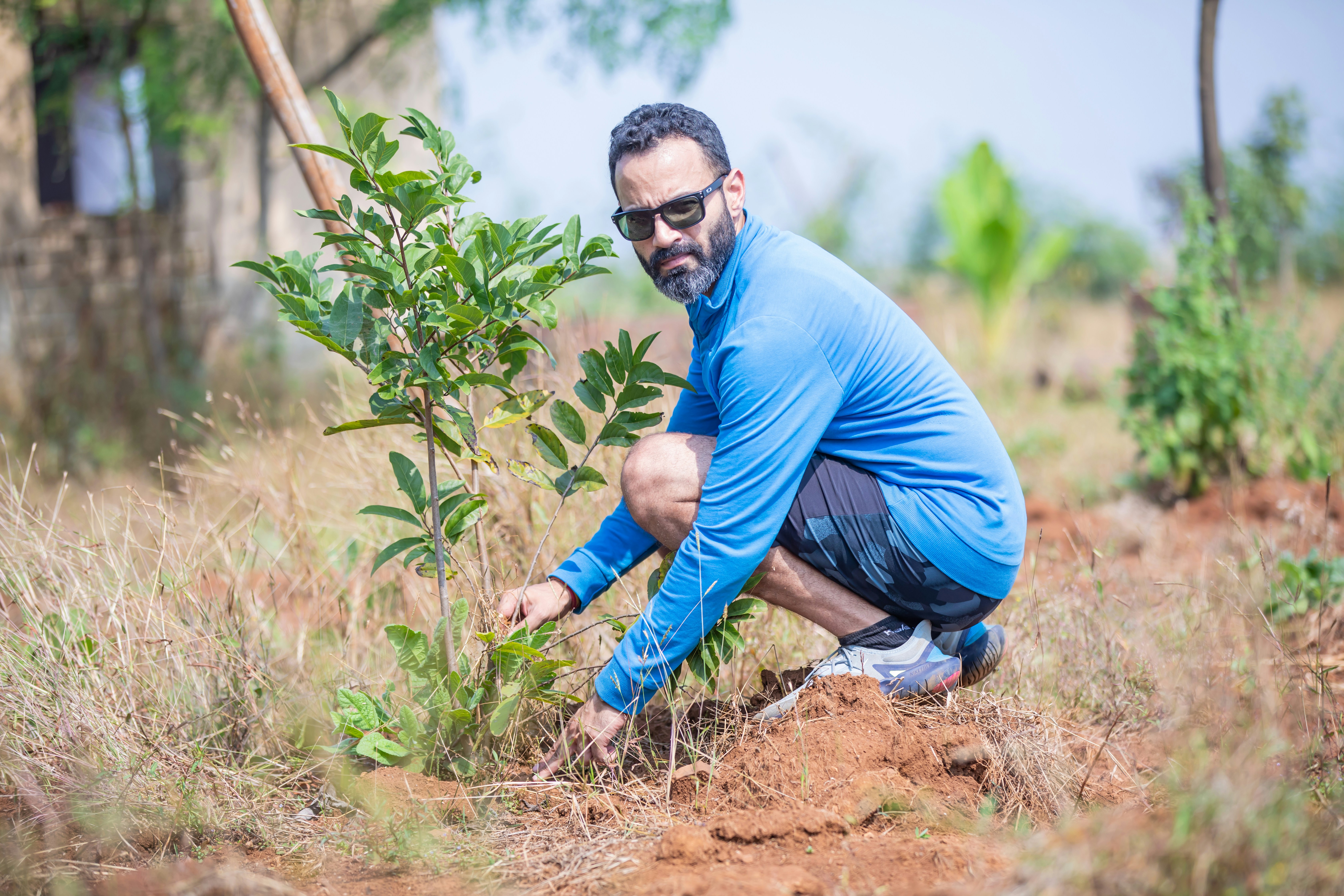
So, what’s the final word on The Nature Conservancy? After exploring their rich history, multifaceted mission, global impact, innovative strategies, and powerful partnerships, it’s clear that TNC is not just another environmental nonprofit — it’s a beacon of hope for our planet’s future.
They’ve mastered the art of blending science, technology, finance, and community engagement to protect the natural world on a scale few can match. From safeguarding ancient forests and coral reefs to pioneering climate solutions and empowering indigenous communities, their work is as diverse as it is impactful.
For those of us at Gone Greenish™, who believe that a healthy planet is the foundation of a healthy you, supporting organizations like TNC is a no-brainer. They don’t just protect nature for nature’s sake; they protect it because our well-being depends on it.
Remember the question we posed earlier: What kind of planet would we live on if every corporation and government agency prioritized nature as much as profit? TNC’s collaborative model shows us that this vision is possible — and achievable — through partnership and innovation.
If you’re wondering how you can contribute, whether through volunteering, donating, or simply spreading awareness, The Nature Conservancy offers a clear path forward. Their transparency, measurable results, and inclusive approach make them an organization you can trust to make a real difference.
In short: The Nature Conservancy is a powerhouse of conservation, and their work matters now more than ever. 🌎💚
🔗 Recommended Links for Further Exploration
Ready to dive deeper or support the cause? Here are some excellent resources and products that align with The Nature Conservancy’s mission and our Gone Greenish™ ethos:
Books on Conservation and Environmental Stewardship
-
“The Nature Fix: Why Nature Makes Us Happier, Healthier, and More Creative” by Florence Williams
Amazon Link -
“Half-Earth: Our Planet’s Fight for Life” by Edward O. Wilson
Amazon Link -
“Braiding Sweetgrass: Indigenous Wisdom, Scientific Knowledge and the Teachings of Plants” by Robin Wall Kimmerer
Amazon Link
Support and Shop Eco-Friendly Brands
-
Eco-Conscious Brands Search on Amazon:
Amazon Eco-Friendly Products -
Sustainable Forestry and Conservation Tools:
Amazon Search: Sustainable Forestry
Donate or Volunteer with The Nature Conservancy
-
Official Donate Page:
The Nature Conservancy Donate -
Volunteer Opportunities:
The Nature Conservancy Volunteer
❓ Frequently Asked Questions About The Nature Conservancy
What was The Nature Conservancy created to do?
The Nature Conservancy was founded to identify and protect ecologically significant lands and waters. Initially, it began as a committee within the Ecological Society of America in 1917, focusing on preserving natural areas. Over time, it evolved into a global nonprofit dedicated to conserving critical habitats, promoting sustainable land use, and addressing environmental challenges like climate change. Their core purpose is to ensure that nature and people can thrive together.
How effective is The Nature Conservancy?
TNC is widely regarded as one of the most effective environmental nonprofits globally. They have conserved over 119 million acres of land and 6,000 miles of rivers worldwide. Their projects are science-driven, measurable, and transparent, often involving rigorous data collection and peer-reviewed research. Their innovative financing models, like NatureVest, have unlocked billions in conservation funding, amplifying their impact. Their collaborative approach with governments, communities, and corporations further enhances their effectiveness.
What is the purpose of The Nature Conservancy?
The purpose of TNC is to protect the lands and waters on which all life depends. They aim to create a world where nature and people thrive by conserving ecologically important areas, combating climate change through nature-based solutions, promoting sustainable practices, and fostering partnerships that drive systemic environmental change.
How does The Nature Conservancy contribute to environmental health?
TNC contributes by protecting and restoring ecosystems that provide essential services like clean air, fresh water, and fertile soil. Their conservation efforts help maintain biodiversity, regulate climate, and support sustainable agriculture and fisheries. By promoting nature-based climate solutions, they also help mitigate the effects of global warming, benefiting both ecosystems and human health.
What projects does The Nature Conservancy support to protect biodiversity?
TNC supports a wide range of projects including forest conservation (e.g., Amazon Rainforest, Cumberland Forest), coral reef restoration (Great Barrier Reef), marine protected areas (Palau), sustainable fisheries (Indonesia), and grassland restoration (Longleaf Pine forests). These projects protect habitats for endangered species, maintain ecological corridors, and restore degraded ecosystems to preserve biodiversity.
How does The Nature Conservancy help combat climate change?
TNC implements nature-based solutions like reforestation, wetland restoration, and coastal habitat protection to sequester carbon and buffer communities from climate impacts. They promote renewable energy adoption and climate-resilient land management. Their policy advocacy and corporate partnerships also push for systemic changes to reduce carbon emissions globally.
In what ways does The Nature Conservancy promote sustainable land use?
TNC works with private landowners, farmers, and businesses to adopt practices that balance economic activity with ecological health. This includes sustainable forestry, regenerative agriculture, and responsible fisheries management. Conservation easements and land acquisitions ensure that critical habitats are preserved while allowing sustainable human use.
How can supporting The Nature Conservancy improve community well-being?
By protecting natural resources like clean water and fertile soil, TNC’s work supports healthy communities. Their partnerships with indigenous and local groups empower people to manage their lands sustainably, preserving cultural heritage and livelihoods. Climate resilience projects protect communities from extreme weather, enhancing safety and economic stability.
What role does The Nature Conservancy play in preserving clean water sources?
TNC protects watersheds, restores wetlands, and promotes sustainable water management to ensure clean and reliable water supplies. Their Water Fund model engages cities and businesses to invest in upstream conservation, securing water quality for millions of people while maintaining ecosystem health.
How does The Nature Conservancy engage individuals in conservation efforts?
TNC offers numerous ways for individuals to get involved, including volunteering, donating, advocacy, and educational programs. They provide tools and resources to help people understand conservation challenges and solutions. Their inclusive approach encourages diverse participation, recognizing that everyone has a role in protecting our planet.
📖 Reference Links and Credible Sources
- The Nature Conservancy Official Website: https://www.nature.org/en-us/
- About Us – Who We Are: https://www.nature.org/en-us/about-us/who-we-are/
- How We Work – Conservation Strategies: https://www.nature.org/en-us/about-us/who-we-are/how-we-work/
- Careers at The Nature Conservancy: https://www.nature.org/en-us/about-us/careers/
- NatureVest Impact Investing: https://www.nature.org/en-us/about-us/who-we-are/how-we-work/finance-investing/naturevest/
- National Fish and Wildlife Foundation: https://www.nfwf.org/
- National Park Foundation: https://www.nationalparks.org/
By exploring these resources, you can verify facts, learn more about ongoing projects, and find ways to contribute to the global conservation movement alongside The Nature Conservancy.