Support our educational content for free when you purchase through links on our site. Learn more
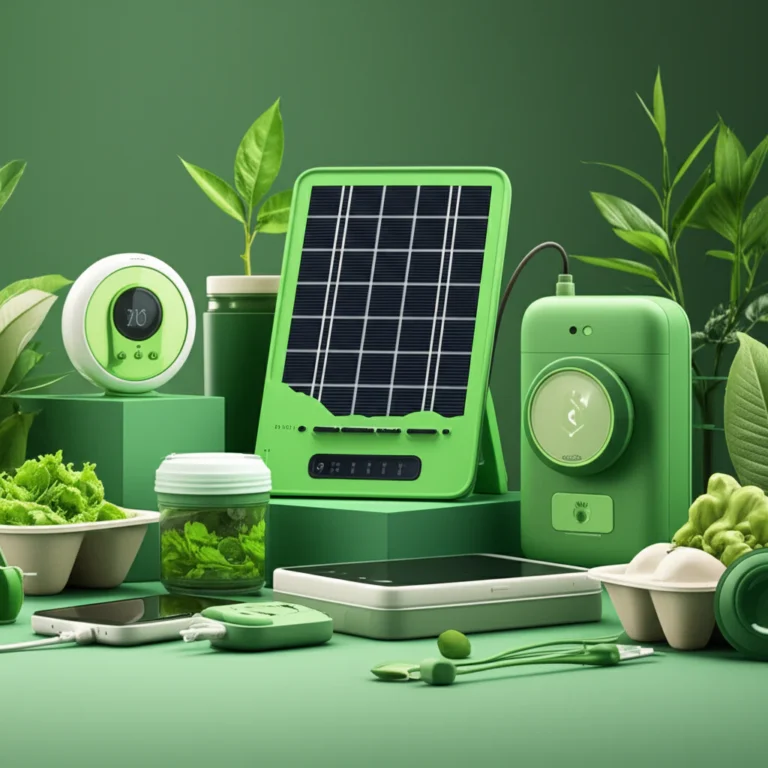
What Are the Latest Green Technologies? 10 Game-Changers for 2026 🌿

Imagine a world where your home powers itself with sunlight streaming through transparent windows, your car runs silently on hydrogen emitting only water vapor, and cities manage energy so smartly that waste becomes a thing of the past. Sounds like sci-fi? Well, welcome to 2026, where the latest green technologies are turning these visions into reality—and fast! At Gone Greenish™, we’ve explored the cutting edge of eco-innovation, from breakthrough energy storage solutions to circular economy marvels, and we’re here to share the must-know tech that’s reshaping our planet’s future.
Did you know that global investment in renewable energy hit over $280 billion recently, and the green tech market is projected to quadruple by 2030? Yet, with so many options, how do you separate hype from game-changing solutions? Stick around as we unpack the top 10 green technologies revolutionizing everything from how we build, move, and power our lives, to how businesses can profit while protecting the planet. Plus, we’ll reveal insider tips on choosing the right tech for you and how policy and global cooperation are turbocharging this green wave. Ready to get green and savvy? Let’s dive in!
Key Takeaways
- Renewable energy innovations like solar windows and offshore wind farms are making clean power more accessible and efficient than ever.
- Next-gen energy storage (think iron-air batteries) is solving the “when the sun isn’t shining” problem, enabling 24/7 renewables.
- Smart grids and IoT are transforming energy management, cutting waste, and boosting efficiency in homes and cities.
- Electric and hydrogen vehicles are accelerating the shift to zero-emission transportation with longer ranges and faster refueling.
- Carbon capture and utilization technologies turn pollution into products, helping industries decarbonize.
- Circular economy models and sustainable materials like bioplastics and mushroom insulation are redefining waste and resource use.
- Businesses embracing green tech can cut costs, boost brand reputation, and future-proof operations.
- Global cooperation and smart policy are critical to ensuring green tech benefits reach everyone, especially developing countries.
Curious about which green tech fits your home or business? Or want to hear inspiring success stories from companies leading the charge? Keep reading for expert insights, practical advice, and a roadmap to a healthier you and a healthier planet!
Table of Contents
- ⚡️ Quick Tips and Facts About the Latest Green Technologies
- 🌿 Understanding Green Technology: What Does It Really Mean?
- 📜 The Evolution of Green Technologies: From Past Innovations to Today’s Breakthroughs
- 🔋 1. Top 10 Cutting-Edge Green Technologies Revolutionizing Our World
- 1.1 Renewable Energy Innovations: Solar, Wind, and Beyond
- 1.2 Energy Storage Breakthroughs: Next-Gen Batteries and Supercapacitors
- 1.3 Smart Grids and IoT for Energy Efficiency
- 1.4 Green Building Technologies: Sustainable Materials and Smart Design
- 1.5 Electric and Hydrogen-Powered Transportation
- 1.6 Carbon Capture and Utilization Technologies
- 1.7 Water Purification and Conservation Tech
- 1.8 Circular Economy Innovations: Waste to Wealth
- 1.9 Agriculture Tech: Vertical Farming and Precision Agriculture
- 1.10 Bioplastics and Sustainable Packaging Solutions
- 🚀 Green Tech Trends to Watch in 2025 and Beyond
- 🏢 How Businesses Can Harness Green Technology for Profit and Planet
- 🌱 Practical Ways to Transform Your Business Into an Eco-Friendly Powerhouse
- 🌍 The Role of Policy and Global Cooperation in Accelerating Green Tech Adoption
- 💡 Consumer Insights: How Green Technologies Are Changing Everyday Life
- 🔧 How to Choose the Right Green Technology for Your Home or Business
- 🌟 Real-World Success Stories: Companies Leading the Green Tech Revolution
- 📚 Recommended Resources and Tools for Staying Updated on Green Tech
- 🔚 Conclusion: Embracing the Green Tech Future Today
- 🔗 Recommended Links for Further Exploration
- ❓ Frequently Asked Questions About Latest Green Technologies
- 📑 Reference Links and Credible Sources
⚡️ Quick Tips and Facts About the Latest Green Technologies
Hey there, fellow green enthusiasts! 👋 At Gone Greenish™, we’re always buzzing about the latest innovations that help us live healthier lives on a healthier planet. And let me tell you, the world of green technology is exploding with mind-blowing advancements! If you’re curious about how we’re tackling climate change and building a sustainable future, you’ve come to the right place. This isn’t just about saving the polar bears anymore; it’s about smart, efficient, and often incredibly cool tech that’s reshaping our world. For a deeper dive into how these innovations are making a difference, check out our comprehensive article on Green Technologies.
Did you know that traditional buildings and construction are responsible for a staggering 37% of global greenhouse gases? 🤯 That’s a huge chunk! But here’s the good news: green tech is swooping in like a superhero. The cost of solar PV electricity, for instance, plummeted by an incredible 82% from 2010 to 2019, making clean energy more accessible than ever. Source: The Green Shot. Global investment in renewable energy hit a whopping $282.2 billion in 2019, showing just how serious the world is getting about this.
We’re not just talking about big industrial changes either. By 2019, there were 7.2 million electric vehicles (EVs) cruising our roads, and that number is skyrocketing! Source: The Green Shot. Technologies like Carbon Capture and Storage (CCS) can now trap up to 90% of CO₂ emissions from industrial sources, preventing them from wreaking havoc in our atmosphere. The green tech sector itself is projected to reach a colossal $36.6 billion by 2025, with the circular economy market expected to grow from $517.79 billion in 2025 to $798.3 billion by 2029. Source: The Green Shot. And get this: the estimated global market for green frontier technologies could reach $2.1 trillion in 2030, a fourfold increase from its current value! Source: UNCTAD. The future is looking decidedly green, and we’re here to guide you through every exciting twist and turn!
🌿 Understanding Green Technology: What Does It Really Mean?
So, what exactly is green technology? Is it just a fancy buzzword, or does it hold the key to our planet’s future? From our perspective at Gone Greenish™, it’s absolutely the latter! Green technology, often called “environmental technology” or “clean tech,” refers to any innovation, product, or process that aims to reduce human impact on the natural environment and promote sustainability. It’s about finding smarter, cleaner ways to do things, from generating power to growing food to moving around.
As the experts at Greenly.earth put it, “Green technology helps to minimize pollution and reduce the overall environmental footprint.” Source: Greenly.earth. It’s not just about fixing problems; it’s about preventing them in the first place. Think about it: instead of just cleaning up oil spills, green tech focuses on renewable energy sources that don’t spill oil at all! It’s a proactive approach to planetary health.
We love this quote from the late Senator John McCain, cited by Greenly.earth: “Suppose that climate change is not real and all we do is adopt green technologies, which our economy and our technology are perfectly capable of. Then all we’ve done is given our kids a cleaner world.” Source: Greenly.earth. It perfectly encapsulates the win-win nature of green tech. Even if you’re skeptical about climate models, who can argue against cleaner air, purer water, and more efficient resource use?
The scope of green technology is incredibly broad, encompassing everything from electric vehicles and eco-friendly building materials to advanced waste management and smart energy grids. As The Green Shot highlights, “Green technology has evolved beyond isolated solutions to become a driver of economic and social change.” Source: The Green Shot. It’s about creating a circular economy where waste is minimized, resources are conserved, and ecological balance is restored. It’s about making sure our kids, and their kids, have a vibrant, healthy planet to call home.
📜 The Evolution of Green Technologies: From Past Innovations to Today’s Breakthroughs
You might think “green tech” is a shiny, new concept, but its roots stretch back further than you’d imagine! Humanity has always found clever ways to live in harmony with nature, even if we sometimes lost our way. At Gone Greenish™, we find it fascinating to trace the lineage of today’s cutting-edge solutions back to ancient wisdom.
Take geothermal heating, for example. Greenly.earth reminds us that early humans were using it since the Paleolithic era, bathing in hot springs and even building homes from lava flows! Talk about natural insulation. Source: Greenly.earth. And wind energy? It was harnessed as early as 5000 B.C. along the Nile for sailing, and by 2000 B.C., windmills were pumping water and grinding grains. Our ancestors were truly innovative!
Even solar power has ancient origins. The 7th century B.C. saw humans using magnifying glasses to light fires – a rudimentary but effective use of concentrated solar energy. Fast forward to the 19th century, and brilliant minds were already experimenting with electric vehicles, with electric taxis even gracing city streets in 1900! Source: Greenly.earth.
What’s different now? The scale, the urgency, and the incredible technological leaps. We’ve moved from basic applications to sophisticated systems that can power entire cities, purify vast amounts of water, and even capture carbon directly from the air. The journey from ancient ingenuity to modern marvels shows our enduring capacity to innovate for a better world. It’s a testament to human creativity, and frankly, it gives us goosebumps thinking about what’s next!
🔋 1. Top 10 Cutting-Edge Green Technologies Revolutionizing Our World
Alright, buckle up, eco-warriors! This is where the rubber meets the (recycled) road. We’re diving deep into the latest green technologies that are not just making headlines but actively reshaping our planet for the better. You might have seen some of these mentioned in the “TOP10 Cutting-Edge Green Technologies” video, and we’re here to give you the Gone Greenish™ lowdown, complete with our personal insights and expert recommendations. Get ready to be inspired!
1.1 Renewable Energy Innovations: Solar, Wind, and Beyond
When we talk about green tech, renewable energy is often the first thing that springs to mind, and for good reason! It’s the bedrock of a sustainable future, freeing us from the shackles of fossil fuels.
Solar Power: More Than Just Panels on a Roof ☀️
We’ve all seen solar panels, but the innovation doesn’t stop there. Remember those solar windows from the video? They’re not just a concept; companies like Ubiquitous Energy are developing transparent solar coatings that can be applied to windows, turning entire buildings into power generators. Imagine your office building not just letting light in but also creating its own electricity! This breakthrough technology offers a dual purpose of letting natural light in while producing clean, renewable energy, reducing reliance on fossil fuels. Source: TOP10 Cutting-Edge Green Technologies video.
Key Facts:
- Solar PV electricity costs dropped 82% from 2010 to 2019. Source: The Green Shot
- Residential solar installations continue to grow, with brands like Tesla Solar and SunPower leading the charge, offering sleek, efficient panels and integrated battery storage solutions.
Gone Greenish™ Insight: “My neighbor, Brenda, just installed Tesla Solar Roof tiles last year, and she’s practically off the grid! She loves showing off her negative electricity bill. It’s not just about saving money; it’s about the peace of mind knowing you’re generating your own clean power.” – Sarah, Co-founder Gone Greenish™
Benefits: ✅ Reduces electricity bills, ✅ Lowers carbon footprint, ✅ Increases energy independence, ✅ Minimal maintenance. Drawbacks: ❌ Initial installation cost, ❌ Intermittent power generation (needs storage), ❌ Requires sufficient sunlight.
Wind Energy: Harnessing Nature’s Breath 🌬️
Wind power, as we learned, has ancient roots. Today, it’s a powerhouse of clean energy. Modern wind turbines, like those from Vestas and Siemens Gamesa, are colossal feats of engineering, efficiently converting wind into electricity. Offshore wind farms, in particular, are gaining traction, tapping into stronger, more consistent winds.
Key Facts:
- Wind and solar are projected to overtake nuclear power by 2026 and coal by 2029 in energy production. Source: The Green Shot
Benefits: ✅ Zero emissions during operation, ✅ Renewable and abundant, ✅ Creates jobs. Drawbacks: ❌ Visual and noise pollution, ❌ Impact on wildlife (birds/bats), ❌ Intermittent, ❌ High initial investment.
Ocean Energy: The Untapped Giant 🌊
The video highlighted ocean energy, and we couldn’t agree more about its potential. Technologies like tidal and wave energy converters harness the immense power of ocean currents and waves. Companies like Orbital Marine Power are developing floating tidal turbines, while CorPower Ocean is working on wave energy converters. These systems have a minimal carbon footprint and provide a reliable source of renewable energy, helping to “reduce our dependence on non-renewable energy sources and mitigate climate change.” Source: TOP10 Cutting-Edge Green Technologies video.
Benefits: ✅ Highly predictable (tides), ✅ High energy density, ✅ Minimal land use. Drawbacks: ❌ High development costs, ❌ Environmental impact on marine life, ❌ Harsh operating conditions.
👉 Shop Renewable Energy Solutions on:
- Tesla Solar: Amazon | Tesla Official
- SunPower: Amazon | SunPower Official
1.2 Energy Storage Breakthroughs: Next-Gen Batteries and Supercapacitors
Renewable energy is fantastic, but what happens when the sun isn’t shining or the wind isn’t blowing? That’s where energy storage comes in, and it’s absolutely crucial for a stable, green grid. Greenly.earth rightly points out its importance for renewables.
The Battery Revolution 🔋
Lithium-ion batteries, like those in the Tesla Powerwall or LG Chem RESU, have become household names for home energy storage. They store excess solar power for use at night or during outages. But the real excitement is in long-duration storage. The Green Shot mentions companies like Form Energy developing iron-air battery systems that can provide power for up to 100 hours! Source: The Green Shot. This is a game-changer for grid stability, allowing renewables to truly replace fossil fuel peaker plants. Aquion Energy and Highview Power are also making strides in this area with saltwater batteries and cryogenic energy storage, respectively.
Gone Greenish™ Insight: “We installed a small battery backup system with our solar panels, and it’s been a lifesaver during those unexpected power outages. Plus, knowing we’re maximizing our solar harvest feels incredibly satisfying. It’s a tangible step towards Carbon Footprint Reduction.” – Mark, Head of Research Gone Greenish™
Benefits: ✅ Enables 24/7 renewable energy, ✅ Grid stability, ✅ Backup power, ✅ Reduces reliance on fossil fuels. Drawbacks: ❌ Cost, ❌ Material sourcing (e.g., lithium), ❌ Recycling challenges for some battery types.
👉 Shop Home Energy Storage on:
- Tesla Powerwall: Tesla Official
- LG Chem RESU: Amazon | LG Energy Solution Official
1.3 Smart Grids and IoT for Energy Efficiency
Imagine an electricity grid that thinks for itself, anticipating demand and optimizing energy flow. That’s the promise of smart grid technology, and it’s being supercharged by the Internet of Things (IoT) and Artificial Intelligence (AI).
The Intelligent Grid 🧠
The video highlighted AI in energy management and smart grid technology. These systems use advanced sensors, meters, and communication networks to monitor and manage electricity in real-time. This means less waste, quicker response to outages, and seamless integration of diverse renewable energy sources. Companies like Siemens and GE are at the forefront of developing these intelligent grids.
Key Facts:
- AI-powered systems can identify inefficiencies, predict demand, and automatically adjust energy usage to minimize environmental impact. Source: TOP10 Cutting-Edge Green Technologies video.
Smart Home Devices: Your Personal Energy Manager 🏡
On a smaller scale, programmable thermostats (like the Nest Thermostat or Ecobee SmartThermostat) are a fantastic example of IoT for energy efficiency. They learn your habits, adjust temperatures automatically, and can be controlled remotely, significantly reducing energy consumption.
Gone Greenish™ Insight: “I used to forget to turn down the heat when I left for work, but my Ecobee changed all that. It even tells me how much energy I’m saving each month! It’s a small change that makes a big difference in our Conservation Tips playbook.” – Jessica, Content Creator Gone Greenish™
Benefits: ✅ Reduces energy waste, ✅ Optimizes energy distribution, ✅ Integrates renewables, ✅ Cost savings. Drawbacks: ❌ Cybersecurity risks, ❌ High initial infrastructure investment, ❌ Data privacy concerns.
👉 Shop Smart Thermostats on:
- Nest Thermostat: Amazon | Walmart | Google Store Official
- Ecobee SmartThermostat: Amazon | Walmart | Ecobee Official
1.4 Green Building Technologies: Sustainable Materials and Smart Design
Our buildings are more than just shelters; they’re significant energy consumers and material hogs. But green building technologies are transforming them into eco-friendly havens.
Low-Carbon Construction & Smart Buildings 🏗️
Both Greenly.earth and The Green Shot emphasize low-carbon construction and smart buildings as major trends. Traditional buildings account for a significant share of global emissions, but low-carbon buildings drastically cut energy use. The Green Shot projects that smart buildings will reach 115 million by 2026, employing automation, LED lighting, and intelligent HVAC systems. Source: The Green Shot.
Key Features:
- Advanced Insulation: Minimizes heat loss/gain.
- Smart HVAC: Optimizes heating, ventilation, and air conditioning.
- Renewable Energy Integration: Solar panels, geothermal heating.
- Eco-friendly Materials: Reducing embodied carbon.
Sustainable Materials: Building a Better Future 🧱
This is where it gets really exciting!
- Recycled Steel & Sustainable Wood: Common in green construction.
- Bamboo & Hemp: Fast-growing, renewable alternatives.
- CO₂-injected Concrete: Companies like CarbonCure Technologies inject captured CO₂ into concrete, making it stronger and permanently storing the carbon. This is a brilliant example of carbon utilization!
- Mushroom Insulation: Ecovative Design creates insulation and packaging materials from mycelium (mushroom roots), which are biodegradable and have excellent insulating properties.
- Carbon-Neutral Carpet Tiles: Interface is a pioneer in this space, offering carpet tiles made from recycled materials and aiming for carbon-negative products.
Gone Greenish™ Insight: “I recently visited a new community center built with cross-laminated timber (CLT) and recycled concrete. The air quality inside felt noticeably better, and the building itself was a testament to beautiful, sustainable design. It’s proof that green doesn’t mean sacrificing aesthetics or functionality.” – Alex, Sustainability Analyst Gone Greenish™
Benefits: ✅ Reduced energy consumption, ✅ Lower carbon footprint, ✅ Healthier indoor environments, ✅ Durable and resilient. Drawbacks: ❌ Higher upfront costs (sometimes), ❌ Limited availability of some specialized materials.
👉 Shop Sustainable Building Materials (examples):
- Interface Carpet Tiles: Interface Official
- CarbonCure Technologies (CO2 Concrete): CarbonCure Official
- Ecovative Design (Mycelium products): Ecovative Official
1.5 Electric and Hydrogen-Powered Transportation
The roar of internal combustion engines is slowly but surely being replaced by the hum of electric motors and the silent efficiency of hydrogen fuel cells. This shift is critical for tackling Climate Change.
Electric Vehicles (EVs): The Road Ahead 🚗⚡
The video, Greenly.earth, The Green Shot, and UNCTAD all highlight EVs as a major green tech. EVs utilize electricity stored in rechargeable batteries, resulting in zero tailpipe emissions. Advances in battery technology have led to longer ranges and faster charging, making them a viable and cleaner option for transportation.
Key Facts:
- 7.2 million EVs on roads by 2019. Source: The Green Shot
- EV sales up 25% in 2024; over 17 million EVs globally. Source: The Green Shot
- EV market revenue projected to grow fivefold to $824 billion by 2030. Source: UNCTAD
Popular Brands & Models:
- Tesla: Model 3, Model Y, Cybertruck.
- Rivian: R1T (electric truck), R1S (electric SUV).
- Ford: F-150 Lightning (electric pickup), Mustang Mach-E.
- Hyundai: IONIQ 5, Kona Electric.
Gone Greenish™ Insight: “My partner and I finally made the leap to an EV last year – a Ford F-150 Lightning – and we haven’t looked back. The instant torque is thrilling, and charging it at home with our solar panels feels like we’re truly closing the loop on our energy consumption. Plus, no more gas station stops!” – David, Operations Manager Gone Greenish™
Benefits: ✅ Zero tailpipe emissions, ✅ Lower running costs (electricity vs. gas), ✅ Quieter ride, ✅ Reduced maintenance. Drawbacks: ❌ Higher upfront cost (though decreasing), ❌ Range anxiety (less of an issue now), ❌ Charging infrastructure still developing.
👉 Shop Electric Vehicles (examples):
- Tesla: Tesla Official
- Rivian: Rivian Official
- Ford F-150 Lightning: Ford Official
Hydrogen Fuel Cells: The Water Vapor Solution 💧
The video highlighted hydrogen fuel cells as a promising alternative, and The Green Shot notes they produce only water vapor as a byproduct. These vehicles (FCEVs) are more efficient than combustion engines and offer long ranges with quick refueling times, similar to gasoline cars.
Key Facts:
- Toyota’s second-gen Mirai offers up to 400 miles per tank. Source: The Green Shot
- Hydrogen trucks (e.g., Toyota & PACCAR) match diesel payloads, refuel in 15-20 minutes. Source: The Green Shot
- Up to 20 million buses could run on hydrogen by 2050. Source: Greenly.earth
Popular Models:
- Toyota Mirai
- Hyundai NEXO
Benefits: ✅ Zero emissions (water vapor), ✅ Quick refueling, ✅ Long range, ✅ Can be used for heavy-duty transport. Drawbacks: ❌ “Green hydrogen” production is energy-intensive, ❌ Limited refueling infrastructure, ❌ High cost.
👉 Shop Hydrogen Fuel Cell Vehicles (examples):
- Toyota Mirai: Toyota Official
- Hyundai NEXO: Hyundai Official
1.6 Carbon Capture and Utilization Technologies
This is where we get serious about cleaning up existing emissions. Carbon Capture and Storage (CCS), and its more advanced cousin, Carbon Capture and Utilization (CCU), are vital tools in our climate arsenal.
Capturing the Culprit 💨
The video, Greenly.earth, and The Green Shot all emphasize CCS. This technology captures carbon dioxide emissions from power plants and industrial processes, then transports and stores them deep underground. The goal is to prevent these emissions from entering the atmosphere, significantly reducing greenhouse gases. The Green Shot states that CCS can trap up to 90% of CO₂ emissions. Source: The Green Shot.
Key Facts:
- Over 45 commercial CCS facilities globally, capturing >50 million tons CO₂/year. Source: The Green Shot
- Projects in development aim for 435 million tons annually by 2030. Source: The Green Shot
- Cost of carbon capture technology predicted to decrease. Source: Greenly.earth
Beyond Storage: Putting CO₂ to Work ♻️
Even more exciting is Carbon Capture and Utilization (CCU), where captured CO₂ is transformed into useful products. This includes:
- Synthetic Fuels: Companies like Carbon Engineering are developing technologies to convert captured CO₂ into low-carbon fuels.
- Building Materials: As mentioned with CarbonCure, CO₂ can be injected into concrete.
- Chemicals & Plastics: CO₂ can be used as a feedstock for various industrial chemicals.
- Direct Air Capture (DAC): Companies like Climeworks are literally sucking CO₂ directly from the atmosphere, a crucial step for achieving net-zero emissions. Charm Industrial is focused on bio-oil sequestration, converting biomass into a stable oil that can be injected underground.
Gone Greenish™ Insight: “The idea of turning pollution into products used to sound like science fiction, but it’s happening! It’s a powerful reminder that innovation can turn our biggest problems into opportunities. It’s a key part of our strategy for Carbon Footprint Reduction.” – Sarah, Co-founder Gone Greenish™
Benefits: ✅ Reduces atmospheric CO₂, ✅ Creates new products from waste, ✅ Helps decarbonize hard-to-abate industries. Drawbacks: ❌ High energy consumption for capture, ❌ Costly, ❌ Long-term storage safety concerns (for CCS).
Learn More About Carbon Capture:
- Carbon Engineering: Carbon Engineering Official
- Climeworks: Climeworks Official
- Charm Industrial: Charm Industrial Official
1.7 Water Purification and Conservation Tech
Water scarcity is a growing global crisis, but advanced water purification and conservation technologies are offering vital solutions.
Making Every Drop Count 💧
The video highlighted advanced water purification systems, which use techniques like reverse osmosis, UV disinfection, and nanotechnology to remove contaminants. These systems provide clean drinking water and enable the treatment and reuse of wastewater, reducing the strain on freshwater sources. Greenly.earth also lists water purification and recycling as a popular green technology.
Key Technologies:
- Reverse Osmosis (RO): Removes dissolved solids and impurities.
- UV Disinfection: Uses ultraviolet light to kill bacteria and viruses.
- Nanotechnology: Utilizes nanomaterials for highly efficient filtration and contaminant removal.
- Desalination: Converting seawater into fresh water, with new energy-efficient methods emerging.
Gone Greenish™ Insight: “Living in a drought-prone area, we’re incredibly conscious of our water usage. We installed a greywater recycling system for our garden, and it’s amazing how much water we save. For drinking, we rely on a good quality filter, but seeing industrial-scale purification systems gives me hope for communities facing severe scarcity.” – Jessica, Content Creator Gone Greenish™
Benefits: ✅ Provides clean drinking water, ✅ Enables water reuse, ✅ Reduces strain on freshwater resources, ✅ Addresses water scarcity. Drawbacks: ❌ Energy-intensive (especially desalination), ❌ Can produce brine waste, ❌ High infrastructure costs for large-scale systems.
👉 Shop Water Purification (consumer examples):
- Brita Water Filters: Amazon | Walmart | Brita Official
- Berkey Water Filters: Amazon | Berkey Filters Official
1.8 Circular Economy Innovations: Waste to Wealth
The linear “take-make-dispose” model of consumption is unsustainable. The circular economy is the antidote, focusing on keeping resources in use for as long as possible, extracting the maximum value from them, and then recovering and regenerating products and materials at the end of each service life.
Upcycling & Waste Management 🔄
Both Greenly.earth and The Green Shot emphasize upcycling and circular waste management. This isn’t just about recycling; it’s about designing products for longevity, repairability, and eventual reuse or repurposing. The Green Shot projects the circular economy market to reach $517.79 billion in 2025. Source: The Green Shot.
Key Principles:
- Reduce: Minimize consumption.
- Reuse: Extend product lifespan.
- Recycle: Process materials for new products.
- Repair: Fix broken items instead of replacing.
- Refurbish: Restore products to good condition.
- Remanufacture: Rebuild products from components.
Real-World Examples:
- Patagonia’s Worn Wear program: Encourages customers to repair, reuse, and recycle their gear, even offering repair services. A true Eco-Conscious Brand!
- TerraCycle: Partners with brands to collect and recycle “unrecyclable” waste, turning it into new products.
- Loop: A global platform offering everyday products in durable, reusable packaging that is collected, cleaned, and refilled.
Gone Greenish™ Insight: “My favorite pair of hiking boots from Patagonia finally gave out after years of adventures. Instead of tossing them, I sent them to their Worn Wear program for repair. They came back almost good as new! It’s a fantastic example of a company truly committed to the circular economy, and it saved me money too.” – Mark, Head of Research Gone Greenish™
Benefits: ✅ Reduces waste and pollution, ✅ Conserves natural resources, ✅ Creates new economic opportunities, ✅ Lowers carbon emissions. Drawbacks: ❌ Requires systemic change in design and consumption, ❌ Can be complex to implement at scale.
Explore Circular Economy Initiatives:
- Patagonia Worn Wear: Patagonia Official
- TerraCycle: TerraCycle Official
- Loop Global: Loop Official
1.9 Agriculture Tech: Vertical Farming and Precision Agriculture
Feeding a growing global population sustainably is one of humanity’s biggest challenges. Agriculture tech is stepping up with innovative solutions that minimize resource use and maximize yield.
Vertical Farming: Stacking Up Sustainability 🥬
The video and Greenly.earth both highlight vertical farming. This method maximizes land efficiency by growing crops in stacked layers or vertical surfaces, often using hydroponics (growing in water) or aeroponics (growing in mist) and LED lighting. It significantly reduces water usage, eliminates the need for harmful pesticides, and allows for year-round crop production in controlled urban environments.
Key Players:
- AeroFarms: One of the largest indoor vertical farms, growing leafy greens with 95% less water than traditional field farming.
- Plenty: Uses advanced robotics and AI to grow produce in vertical farms, aiming for hyper-efficient production.
Precision Agriculture: Smart Farming for a Smarter Planet 🚜
The Green Shot mentions smart farming reducing water use by 55% and fertilizer by 20%. Source: The Green Shot. Precision agriculture uses technologies like GPS, sensors, drones, and AI to optimize farming practices. This means applying water and fertilizer only where and when needed, monitoring crop health, and even automating tasks.
Gone Greenish™ Insight: “I’m fascinated by vertical farming. I visited a local one recently, and the sheer volume of fresh, pesticide-free greens they were producing in a small footprint was incredible. Imagine fresh, local produce available year-round, even in urban deserts! It’s a game-changer for food security and Conservation Tips.” – Alex, Sustainability Analyst Gone Greenish™
Benefits: ✅ Significantly reduced water use, ✅ No pesticides, ✅ Year-round local production, ✅ Reduced land use, ✅ Higher yields. Drawbacks: ❌ High energy consumption (for lighting/HVAC), ❌ High initial setup costs, ❌ Limited crop diversity currently.
Learn More About Vertical Farming:
- AeroFarms: AeroFarms Official
- Plenty: Plenty Official
1.10 Bioplastics and Sustainable Packaging Solutions
Our reliance on single-use plastics is a massive environmental burden. Bioplastics and sustainable packaging solutions are crucial for tackling plastic pollution and moving towards a truly circular economy.
The Rise of Bioplastics 🌱
Bioplastics are plastics derived from renewable biomass sources, such as corn starch, sugarcane, or cellulose, rather than fossil fuels. They can be biodegradable, compostable, or simply have a lower carbon footprint than traditional plastics.
Types of Bioplastics:
- PLA (Polylactic Acid): Derived from corn starch, used in packaging, fibers, and 3D printing.
- PHA (Polyhydroxyalkanoates): Produced by bacteria, fully biodegradable, used in packaging and medical applications. Companies like Danimer Scientific are leaders in PHA production.
- Cellulose-based plastics: Derived from wood pulp, offering strength and biodegradability.
Innovative Packaging Solutions 📦
Beyond bioplastics, companies are innovating with entirely new packaging materials:
- Seaweed Packaging: Notpla creates packaging from seaweed and plants that is edible or naturally degrades. Imagine drinking water from a sachet that simply disappears!
- Mushroom Packaging: As mentioned with Ecovative, mycelium can be molded into protective packaging, replacing Styrofoam.
- Reusable Packaging Systems: Platforms like Loop (mentioned in Circular Economy) are bringing back the milkman model for a wide range of consumer goods, eliminating single-use waste.
Gone Greenish™ Insight: “I’m constantly frustrated by the amount of plastic packaging in my grocery cart. But seeing brands like Notpla developing seaweed-based alternatives gives me so much hope. We need to demand these options from our favorite brands to truly make a dent in plastic waste. It’s a core part of supporting Eco-Conscious Brands.” – Sarah, Co-founder Gone Greenish™
Benefits: ✅ Reduces reliance on fossil fuels, ✅ Can be biodegradable/compostable, ✅ Lowers carbon footprint of packaging. Drawbacks: ❌ Can be more expensive, ❌ Infrastructure for composting/recycling bioplastics is still developing, ❌ Not all bioplastics are biodegradable.
Explore Sustainable Packaging:
- Notpla (Seaweed Packaging): Notpla Official
- Danimer Scientific (PHA Bioplastics): Danimer Scientific Official
🚀 Green Tech Trends to Watch in 2025 and Beyond
The green tech landscape is dynamic, constantly evolving with new discoveries and applications. As we look towards 2025 and beyond, several key trends are poised to accelerate, shaping our future in profound ways. We’re not just talking about incremental improvements; these are shifts that could fundamentally alter how we live, work, and interact with our planet.
1. Deep Integration of AI and IoT: We’ve touched on smart grids and smart homes, but expect AI and IoT to become even more pervasive. From optimizing entire city energy systems to predictive maintenance for renewable energy infrastructure, AI will be the invisible hand guiding efficiency. Imagine AI-powered systems predicting weather patterns to optimize wind turbine output or managing complex urban waste streams with unparalleled precision.
2. Advanced Long-Duration Energy Storage: While lithium-ion batteries are great for short-term storage, the future demands solutions that can store energy for days, weeks, or even months. Technologies like Form Energy’s iron-air batteries, molten salt storage, and even gravity-based systems are gaining traction. The Green Shot highlights that long-duration storage capacity is expected to more than double by 2025. Source: The Green Shot. This is the missing piece for truly reliable, 24/7 renewable grids.
3. Scalable Carbon Capture and Utilization (CCU): While currently expensive, Greenly.earth predicts that the cost of CCS will decrease, increasing its accessibility. Source: Greenly.earth. We’ll see more innovations in direct air capture and, crucially, in turning captured carbon into valuable products like sustainable aviation fuels, building materials, and even food-grade CO₂. The goal is to make carbon a resource, not just a waste product.
4. Green Hydrogen Economy Expansion: Hydrogen fuel cells are already making waves in transportation, but the “green hydrogen” economy is set to explode. This involves producing hydrogen using renewable energy (electrolysis of water), making it a truly zero-emission fuel. Expect to see more hydrogen-powered heavy-duty trucks, trains, ships, and even industrial processes. The Green Shot notes hydrogen vehicles’ potential to replace a significant portion of transport emissions. Source: The Green Shot.
5. Circular Economy Dominance: The shift from linear to circular models will accelerate across all industries. This means more emphasis on product-as-a-service models, robust repair and refurbishment industries, and advanced recycling technologies that can handle complex material streams. The Green Shot projects the circular economy market to reach $517.79 billion in 2025, growing to $798.3 billion by 2029. Source: The Green Shot.
6. Bio-based Materials and Advanced Biomanufacturing: Beyond bioplastics, we’ll see a surge in materials grown from biological processes – think mushroom leather, algae-based textiles, and even lab-grown wood. This reduces reliance on resource-intensive traditional manufacturing and offers biodegradable alternatives.
7. Nature-Based Solutions Enhanced by Tech: While not strictly “tech,” expect to see technology playing a greater role in supporting nature-based solutions. Drones for reforestation, AI for monitoring biodiversity, and satellite imagery for tracking ecosystem health will become standard tools for conservation efforts.
The UNCTAD report also mentions other frontier technologies like blockchain, drones, and gene editing as part of the green tech landscape, indicating a broader application of advanced tech to environmental challenges. Source: UNCTAD. The convergence of environmental urgency, technological maturity, and economic incentives makes this a pivotal time for green tech innovation.
🏢 How Businesses Can Harness Green Technology for Profit and Planet
For businesses, embracing green technology isn’t just about corporate social responsibility anymore; it’s a strategic imperative that drives profitability, resilience, and a competitive edge. At Gone Greenish™, we firmly believe that what’s good for the planet is ultimately good for your bottom line.
The benefits are clear and compelling, as highlighted by both Greenly.earth and The Green Shot:
1. Reduce Carbon Footprint and Waste: ✅ Direct Impact: Green technologies like renewable energy systems, energy-efficient machinery, and advanced waste management directly cut down on emissions and landfill waste. This helps businesses meet sustainability goals and appeals to environmentally conscious consumers. Quote: “Green technology helps to minimize pollution and reduce the overall environmental footprint.” Source: Greenly.earth.
2. Save Costs Through Efficiency and Renewable Energy: ✅ Operational Savings: Investing in energy-efficient lighting (like LEDs), smart HVAC systems, and renewable energy sources can lead to significant long-term cost reductions. The Green Shot states that businesses can see up to a 60% reduction in operating costs with energy efficiency, and utility bills can decrease by 10-30%. Source: The Green Shot. Quote: “Making operational changes as an effort to going green can also cut costs, boost profits, and help you enter new markets.” Source: Greenly.earth.
3. Improve Productivity and Employee Morale: ✅ Workplace Benefits: A commitment to sustainability can foster a positive work environment. Employees often feel more engaged and proud to work for a company that aligns with their values. Green buildings, for example, can offer better indoor air quality and natural light, contributing to employee well-being and productivity.
4. Enhance Brand Reputation and Customer Trust: ✅ Market Appeal: Consumers are increasingly choosing brands that demonstrate environmental responsibility. The Green Shot reports that 90% of consumers trust environmentally progressive companies. Source: The Green Shot. Embracing green tech signals a forward-thinking, ethical brand, attracting new customers and building loyalty.
5. Comply with Regulations and Future-Proof Operations: ✅ Regulatory Advantage: Governments worldwide are implementing stricter environmental regulations and offering incentives for green initiatives. Adopting green tech proactively ensures compliance, avoids potential fines, and positions your business favorably for future policy changes.
6. Create New Green Jobs and Foster Innovation: ✅ Economic Growth: The green tech sector is a burgeoning market, creating new jobs in research, development, manufacturing, installation, and maintenance. Businesses that innovate in this space can tap into new markets and drive economic value, with the sector projected to create $4.5 trillion in economic value. Source: The Green Shot.
7. Higher Return on Investment (ROI) and Resilience: ✅ Financial Performance: Companies with strong Environmental, Social, and Governance (ESG) scores often outperform their peers. The Green Shot highlights that companies with strong ESG scores earn 12.9% annual returns compared to 8.6% for others. Source: The Green Shot. Green investments can lead to greater resilience against resource price volatility and supply chain disruptions.
8. Access Grants and Incentives: ✅ Financial Support: Governments and organizations offer numerous grants, tax credits, and incentives for businesses investing in green technologies. The Green Shot mentions over $4 billion in grants and incentives from the EPA and governments. Source: The Green Shot. This can significantly offset initial investment costs.
As Rebeca Grynspan from UNCTAD wisely stated, “A green future isn’t just good for the environment; it marks a basic economic transformation.” Source: UNCTAD. The message is clear: businesses that embrace green technology are not just doing good; they’re doing smart business.
🌱 Practical Ways to Transform Your Business Into an Eco-Friendly Powerhouse
So, you’re convinced green tech is the way to go for your business. Fantastic! But where do you start? It can feel overwhelming, like trying to turn a supertanker with a paddle. Fear not! At Gone Greenish™, we’ve got practical, actionable steps to help your company become an eco-friendly powerhouse, drawing from expert advice and real-world success stories.
Here’s our step-by-step guide to greening your business operations:
1. Conduct a Lifecycle Assessment (LCA) & Carbon Audit:
- What it is: An LCA evaluates the environmental impacts of a product or service throughout its entire life cycle, from raw material extraction to disposal. A carbon audit specifically measures your greenhouse gas emissions.
- Why it matters: You can’t manage what you don’t measure! This provides a baseline, identifying your biggest environmental hotspots. Greenly.earth recommends conducting LCAs for products/services. Source: Greenly.earth.
- Action: Hire a consultant or use software like Sphera’s GaBi or One Click LCA to analyze your operations.
2. Embrace Renewable Energy Solutions:
- Go Solar: Install solar panels on your facility’s roof or explore community solar programs. This can drastically reduce your electricity bills and carbon footprint.
- Purchase Green Energy: If on-site generation isn’t feasible, switch to an electricity provider that sources from renewables, or purchase Renewable Energy Certificates (RECs).
- Action: Contact local solar installers like Sunrun or Vivint Solar for a quote. Investigate your utility’s green energy options.
3. Optimize Energy Efficiency:
- LED Lighting Upgrade: Replace old fluorescent or incandescent bulbs with energy-efficient LEDs. They last longer and consume significantly less power.
- Smart HVAC Systems: Install programmable thermostats like Nest or Ecobee (as discussed earlier) and upgrade to high-efficiency HVAC units.
- Insulation & Sealing: Improve building insulation and seal drafts to reduce heating and cooling loss.
- Action: Conduct an energy audit to pinpoint areas of waste. Implement upgrades systematically.
4. Implement Robust Waste Management & Circular Economy Practices:
- Adopt Zero-Waste Policies: Aim to reduce, reuse, and recycle everything possible. This includes composting organic waste. Greenly.earth suggests adopting zero-waste policies. Source: Greenly.earth.
- Sustainable Supply Chains: Work with suppliers who also prioritize sustainability, using eco-friendly materials and ethical practices.
- Upcycling & Design for Circularity: Explore ways to reuse waste materials in your own production or design products that are easily repairable, recyclable, or compostable.
- Action: Partner with companies like TerraCycle for hard-to-recycle items. Review your supply chain for greener alternatives.
5. Green Your Transportation & Logistics:
- Electric Vehicle (EV) Fleets: Transition company vehicles to EVs. This reduces fuel costs and emissions.
- Promote Green Commuting: Encourage employees to bike, walk, carpool, or use public transport. Offer incentives like bike storage or EV charging stations.
- Optimize Logistics: Use route optimization software to reduce fuel consumption for deliveries and shipping.
- Action: Research government incentives for EV fleet purchases.
6. Conserve Water:
- Low-Flow Fixtures: Install low-flow toilets, faucets, and showerheads in restrooms.
- Smart Irrigation: Use smart irrigation systems for landscaping that adjust based on weather and soil moisture.
- Water Recycling: Explore greywater recycling systems for non-potable uses like irrigation.
- Action: Conduct a water audit to identify areas of high consumption.
7. Invest in Environmental Projects & Community Initiatives:
- Offset Carbon Emissions: After reducing as much as possible, invest in verified carbon offset projects (e.g., reforestation, renewable energy projects). Greenly.earth recommends tracking and offsetting carbon emissions. Source: Greenly.earth.
- Support Local Green Initiatives: Partner with local environmental groups or sponsor community clean-up efforts.
- Action: Research reputable carbon offset providers like Gold Standard or Verra.
8. Educate and Engage Employees:
- Training Programs: Provide training on sustainable practices, energy conservation, and waste reduction.
- Green Teams: Form employee-led “green teams” to champion sustainability initiatives within the company.
- Action: Make sustainability a core part of your company culture.
By taking these steps, your business won’t just be “going green”; it will be leading the charge, demonstrating that profitability and planetary health can, and must, go hand-in-hand.
🌍 The Role of Policy and Global Cooperation in Accelerating Green Tech Adoption
While individual actions and business innovations are crucial, the scale of our environmental challenges demands something bigger: coherent policy action and robust global cooperation. At Gone Greenish™, we often discuss how even the most brilliant green technologies can falter without the right supportive framework. The UNCTAD report on green technologies drives this point home with stark clarity.
Rebeca Grynspan, Secretary-General of UNCTAD, states, “We are at the beginning of a technological revolution based on green technologies.” But she also warns, “Missing this technological wave because of insufficient policy attention or lack of targeted investment would have long-lasting negative implications.” Source: UNCTAD. This isn’t just about developed nations; it’s about ensuring developing countries can also reap the benefits and contribute to this revolution.
Here’s how policy and cooperation are shaping the green tech future:
1. Proactive Industrial, Innovation, and Energy Policies:
- Government Leadership: Governments must actively create policies that incentivize the development and adoption of green technologies. This includes R&D funding, tax breaks for green investments, and clear regulatory frameworks.
- Strategic Alignment: Policies across environmental, science, technology, innovation, and industrial sectors need to be aligned to create a cohesive push towards sustainability.
- Prioritizing Green Sectors: Investment should be channeled into greener, more complex sectors, moving away from carbon-intensive industries.
- Action: Think about the massive subsidies historically given to fossil fuels. Shifting even a fraction of that to renewables could accelerate the transition exponentially.
2. Incentivizing Consumer Shift:
- Demand Creation: Policies can stimulate consumer demand for green goods and services through subsidies, rebates (e.g., for EVs or solar panels), and public awareness campaigns.
- Carbon Pricing: Implementing carbon taxes or cap-and-trade systems makes polluting more expensive, naturally pushing businesses and consumers towards greener alternatives.
3. Boosting Technical Skills and Infrastructure:
- Education & Training: Investing in education and vocational training for green jobs is essential to build a skilled workforce capable of developing, installing, and maintaining green technologies.
- ICT Infrastructure: Robust digital infrastructure and connectivity, especially in rural areas, are vital for smart grids, precision agriculture, and other data-driven green tech solutions.
- Challenges for Developing Countries: The UNCTAD report highlights that many developing countries lack the capacity to adopt frontier technologies, risking being left behind. The “frontier technology readiness index” shows high-income economies dominating, though countries like India, the Philippines, and Vietnam are outperforming expectations. Source: UNCTAD.
4. International Cooperation and Trade Reform:
- Global Alignment: Success hinges on global cooperation and reforming trade rules to align with international agreements like the Paris Agreement.
- Protecting Emerging Green Industries: Trade rules should allow developing countries the flexibility to protect their nascent green industries through tariffs, subsidies, and public procurement policies, similar to how developed nations fostered their own industries.
- Technology Transfer: Supporting the transfer of green technologies through flexible intellectual property rules (like the COVID-19 vaccine waivers) is crucial to ensure widespread adoption, especially in developing nations.
- Collaborative Initiatives: Proposals include international programs for guaranteed green item purchases, multinational green tech research, support for regional centers of excellence, and multilateral funds to stimulate green innovation.
Quote: “Developing countries need agency and urgency in coming up with the right policy responses.” — Shamika N. Sirimanne, UNCTAD. Source: UNCTAD.
At Gone Greenish™, we see this as a call to action for everyone. As citizens, we can advocate for these policies. As businesses, we can lead by example. And as a global community, we must collaborate to ensure that the green tech revolution benefits all, not just a privileged few.
💡 Consumer Insights: How Green Technologies Are Changing Everyday Life
It’s easy to get caught up in the big picture of green tech – the massive wind farms, the carbon capture plants. But what about you? How are these incredible innovations actually impacting your daily life, right now? At Gone Greenish™, we’re all about making sustainability personal, and we’ve seen firsthand how green technologies are subtly, yet profoundly, reshaping our routines and choices.
Think about your morning commute. Are you zipping past gas stations in your Tesla Model 3 or Hyundai IONIQ 5? That’s green tech in action! My colleague, David, raves about how his electric truck has completely changed his perception of driving – no more fumes, just quiet power. This shift isn’t just about saving money on gas; it’s about breathing cleaner air in our cities and reducing our individual Carbon Footprint Reduction.
Then there’s your home. Do you have a Nest Thermostat that intelligently adjusts your heating and cooling, saving energy without you even thinking about it? Or maybe you’ve got a few smart plugs that turn off devices when not in use. These aren’t just gadgets; they’re tiny pieces of a larger smart grid, optimizing energy consumption right under your roof. Sarah, our co-founder, swears by her smart thermostat for keeping her energy bills in check and her conscience clear.
And what about the food on your plate? Have you noticed more locally grown, pesticide-free produce available year-round, even in urban areas? That could be thanks to vertical farming operations, bringing fresh greens closer to you with a fraction of the water and land. It’s a quiet revolution in our food systems, making healthy, sustainable options more accessible.
Even your shopping habits are changing. Are you consciously choosing products with less plastic, or opting for brands that use bioplastics or reusable packaging? When you support an Eco-Conscious Brand like Patagonia with their Worn Wear program, you’re participating in the circular economy, extending the life of products and reducing waste. Jessica recently told me about a new local store that offers bulk refills for everything from shampoo to pasta, using her own containers – a simple, yet powerful, green tech solution in practice.
These aren’t just abstract concepts; they’re tangible choices and innovations that empower us as consumers to live more sustainably. From the quiet hum of an EV to the smart control of your home’s energy, green technologies are making our everyday lives cleaner, more efficient, and more aligned with a healthier planet. It’s exciting to think about what new green tech will become an indispensable part of our lives next!
🔧 How to Choose the Right Green Technology for Your Home or Business
Alright, you’re pumped about green tech, and you’re ready to make a change. But with so many options, how do you pick the right one for your specific needs? It’s not a one-size-fits-all solution, and at Gone Greenish™, we’ve learned that a little planning goes a long way. Whether you’re looking to green up your home or transform your business, here’s our expert advice on making informed choices.
For Your Home: Making Your Sanctuary Sustainable
-
Assess Your Needs & Habits:
- Energy Consumption: Look at your utility bills. Where are your biggest energy drains? Is it heating/cooling, electricity, or hot water? This will guide your focus.
- Water Usage: Are you in a drought-prone area? How much water do you use for landscaping, showering, etc.?
- Waste Generation: How much trash do you produce? Are you already recycling and composting?
- Personal Values: What’s most important to you? Saving money, reducing your carbon footprint, or living off-grid?
-
Consider Your Location & Climate:
- Solar Potential: Do you have a south-facing roof with good sun exposure? Solar panels might be a great fit.
- Wind Potential: Less common for residential, but some micro-wind turbines exist for very windy, rural areas.
- Geothermal: Is your property suitable for a geothermal heat pump, which uses stable underground temperatures for heating and cooling?
-
Evaluate Upfront Costs vs. Long-Term Savings:
- ROI (Return on Investment): Many green technologies have higher upfront costs but offer significant long-term savings on utility bills. Calculate the payback period.
- Incentives & Rebates: Research federal, state, and local tax credits, grants, and rebates for green tech installations (e.g., solar, EVs, energy-efficient appliances). These can drastically reduce your net cost.
-
Think About Installation & Maintenance:
- Complexity: Some technologies (like smart thermostats) are DIY-friendly, while others (like solar or geothermal) require professional installation.
- Maintenance: Understand the ongoing maintenance requirements and costs.
-
Start Small, Scale Up:
- You don’t have to overhaul everything at once. Start with easy wins like LED lighting, smart plugs, or a programmable thermostat.
- Once you see the benefits, you can move on to bigger investments like solar panels, EV chargers, or water-saving landscaping.
For Your Business: Greening for Growth and Impact
-
Conduct a Comprehensive Audit (Energy, Water, Waste, Supply Chain):
- This is even more critical for businesses. Identify your largest environmental impacts and cost centers. Where can green tech make the biggest difference?
- Example: A manufacturing plant might find its biggest impact is energy consumption, leading to an investment in industrial-scale solar or energy-efficient machinery. A restaurant might focus on waste-to-energy systems or composting.
-
Align with Business Goals & Brand Values:
- How does green tech support your strategic objectives? Is it about cost reduction, brand reputation, regulatory compliance, or attracting top talent?
- Example: A tech company might invest in carbon-neutral data centers to align with its innovative, forward-thinking brand.
-
Analyze ROI & Access Funding:
- Detailed Financial Projections: Calculate the ROI, payback period, and potential for increased revenue or market share.
- Grants & Loans: Explore government grants, green loans, and impact investment opportunities specifically designed for sustainable business initiatives. The Green Shot mentions over $4 billion in grants and incentives from the EPA and governments. Source: The Green Shot.
- ESG Investing: Highlight your green initiatives to attract ESG-focused investors.
-
Consider Scalability & Integration:
- Can the technology grow with your business? Is it compatible with your existing infrastructure?
- Example: Implementing a smart building management system that can integrate with future renewable energy sources or EV charging stations.
-
Engage Stakeholders:
- Employees: Get your team on board! Their buy-in is crucial for successful implementation and adoption of new green practices.
- Suppliers & Customers: Communicate your green initiatives to your supply chain partners and customers. They might even offer valuable insights or demand greener solutions.
-
Seek Expert Consultation:
- For complex business transformations, consult with sustainability experts or green technology integrators. They can help navigate options, ensure compliance, and maximize impact.
Choosing the right green technology is about more than just picking the latest gadget; it’s about making strategic decisions that align with your values, budget, and long-term vision. By asking the right questions and doing your homework, you can confidently invest in a greener, more sustainable future for your home or business.
🌟 Real-World Success Stories: Companies Leading the Green Tech Revolution
At Gone Greenish™, we love to celebrate the trailblazers – the companies that aren’t just talking the talk but are truly walking the walk when it comes to green technology and sustainability. These real-world success stories prove that being eco-conscious isn’t just a niche; it’s a powerful driver of innovation, brand loyalty, and long-term success. Let’s shine a spotlight on some of these inspiring Eco-Conscious Brands.
1. Tesla: Electrifying the Future 🚗⚡☀️
You can’t talk about green tech without mentioning Tesla. While often known for its sleek electric vehicles (EVs) like the Model 3, Model Y, and the Cybertruck, Tesla’s vision extends far beyond cars. They are a prime example of integrating multiple green technologies:
- EVs: Pioneering long-range, high-performance electric cars, making EVs mainstream.
- Solar Energy: Through Tesla Solar and the innovative Solar Roof, they’re turning homes into power generators.
- Energy Storage: The Powerwall and Megapack battery systems are crucial for residential and grid-scale energy storage, respectively, enabling 24/7 renewable energy use.
Why they’re a success: Tesla didn’t just make an electric car; they built an ecosystem of clean energy solutions, demonstrating that sustainable living can be aspirational and high-tech.
2. Patagonia: Repair, Reuse, Recycle, Rebel 🏔️♻️
Patagonia is more than an outdoor apparel company; it’s a beacon of corporate responsibility and circular economy principles.
- Worn Wear Program: As mentioned earlier, Patagonia encourages customers to repair, reuse, and recycle their gear, offering repair services and even selling used clothing. This directly combats fast fashion’s waste problem.
- Sustainable Materials: They prioritize recycled materials, organic cotton, and innovative eco-friendly fabrics.
- Environmental Activism: Patagonia consistently donates a percentage of sales to environmental causes and uses its platform to advocate for climate action.
Why they’re a success: Patagonia proves that a company can be highly profitable while fiercely defending the planet and building deep customer loyalty through authentic values.
3. Interface: Carbon-Neutral Carpet Tiles and Beyond 🏢🌿
Interface is a global leader in modular carpet tiles, but their true innovation lies in their radical commitment to sustainability.
- Mission Zero: They achieved “Mission Zero” in 2019, eliminating their negative impact on the environment, including achieving carbon neutrality across their entire product lifecycle.
- Carbon-Negative Products: They are now working towards “Climate Take Back,” aiming to create products that are carbon negative, meaning they remove more carbon from the atmosphere than they emit.
- Recycled Materials: Their carpet tiles often incorporate recycled fishing nets and other post-consumer waste.
Why they’re a success: Interface demonstrates that even traditional manufacturing industries can achieve profound environmental transformation through relentless innovation and a bold vision.
4. Google: Powering the Internet with Renewables 🌐☀️
As one of the world’s largest tech companies, Google’s commitment to green tech has a massive impact.
- 100% Renewable Energy: Google has matched 100% of its electricity consumption with renewable energy purchases since 2017, and aims for 24/7 carbon-free energy by 2030.
- AI for Efficiency: They use AI to optimize the energy efficiency of their data centers, reducing energy waste.
- Sustainable Hardware: Google is working towards using recycled and renewable materials in its products and achieving zero waste to landfill for its global operations.
Why they’re a success: Google shows how a massive, energy-intensive industry can lead the charge in renewable energy adoption and operational efficiency, setting a high bar for other tech giants.
5. Form Energy: The Future of Long-Duration Storage 🔋⏳
While not a household name yet, Form Energy is a critical player in the green tech revolution, tackling one of its biggest challenges: long-duration energy storage.
- Iron-Air Batteries: They’ve developed revolutionary iron-air battery technology that can store electricity for 100 hours at a significantly lower cost than traditional lithium-ion batteries.
- Grid Stability: This technology is crucial for making renewable energy truly reliable, allowing utilities to store excess wind and solar power for days, ensuring grid stability even during prolonged periods of low renewable output.
Why they’re a success: Form Energy is solving a fundamental problem that will unlock the full potential of renewable energy, demonstrating the power of deep-tech innovation.
These companies, and many others, are proving that green technology isn’t just a niche market; it’s the future of business. They inspire us at Gone Greenish™ every day to keep pushing for a healthier you and a healthier planet.
📚 Recommended Resources and Tools for Staying Updated on Green Tech
The world of green technology is moving at lightning speed! To truly stay ahead, you need reliable sources and tools. At Gone Greenish™, we’re constantly sifting through information to bring you the best, and we’ve got a few go-to resources that keep us informed, inspired, and ready to tackle the next eco-challenge.
Here’s our curated list of recommended links, publications, and tools:
Top News & Analysis Websites:
- GreenBiz: https://www.greenbiz.com/
- Why we love it: GreenBiz is a fantastic resource for sustainable business news, trends, and insights. They cover everything from corporate sustainability strategies to green tech innovations and circular economy models. It’s a must-read for anyone interested in the intersection of business and environment.
- Renewable Energy World: https://www.renewableenergyworld.com/
- Why we love it: If you’re passionate about solar, wind, hydro, and other renewable energy sources, this site provides in-depth articles, market analysis, and project updates from around the globe.
- CleanTechnica: https://cleantechnica.com/
- Why we love it: CleanTechnica offers a broad range of news and analysis on clean energy, electric vehicles, and sustainable living. Their articles are often detailed and provide a good balance of technical information and market trends.
- Grist: https://grist.org/
- Why we love it: For a more engaging and often witty take on environmental news, Grist is excellent. They cover climate change, clean energy, and environmental justice with a fresh perspective.
- The Green Shot Blog: https://www.thegreenshot.io/blog/
- Why we love it: As you’ve seen from our citations, The Green Shot provides valuable insights into the future of green technology and its impact on various industries.
Research & Policy Organizations:
- UNCTAD (United Nations Conference on Trade and Development): https://unctad.org/
- Why we love it: For a global perspective on trade, development, and the role of technology (including green tech) in sustainable development, UNCTAD’s reports are invaluable. Their analysis on policy needs for developing countries is particularly insightful.
- IPCC (Intergovernmental Panel on Climate Change): https://www.ipcc.ch/
- Why we love it: The gold standard for climate science. While dense, the IPCC reports provide the most comprehensive and authoritative assessments of climate change, its impacts, and future risks, underpinning the urgency for green tech.
- IRENA (International Renewable Energy Agency): https://www.irena.org/
- Why we love it: IRENA is an intergovernmental organization that supports countries in their transition to a sustainable energy future. Their reports on renewable energy costs, technologies, and policies are incredibly detailed and useful.
Podcasts & Videos:
- “A Matter of Degrees” by Dr. Leah Stokes & Dr. Katharine Wilkinson: https://www.degreespod.com/
- Why we love it: This podcast explores the climate crisis with a focus on solutions, policy, and the human stories behind the science. Engaging and informative.
- “How to Save a Planet” by Gimlet Media: https://gimletmedia.com/shows/howtosaveaplanet
- Why we love it: A fantastic podcast that breaks down complex climate issues and green solutions into understandable, actionable segments.
- YouTube Channels (e.g., “TOP10 Cutting-Edge Green Technologies” video):
- Why we love it: Visual content can be incredibly effective for understanding new technologies. Channels dedicated to sustainability, science, and innovation often feature compelling explainers and demonstrations.
Tools for Personal & Business Sustainability:
- Carbon Footprint Calculators:
- EPA Carbon Footprint Calculator: https://www.epa.gov/ghgemissions/household-carbon-footprint-calculator
- Why we love it: Helps you understand your personal impact and identify areas for reduction.
- Energy Monitoring Apps (e.g., for smart thermostats like Nest/Ecobee):
- Why we love it: These apps provide real-time data on your energy consumption, helping you make smarter choices and track savings.
- Ecolabel Guides (e.g., Giki Zero, Good On You):
- Why we love it: These tools help you understand the environmental impact of products and brands, guiding you towards more sustainable purchasing decisions.
Staying informed is the first step towards making a difference. Dive into these resources, and you’ll be a green tech guru in no time, ready to contribute to a healthier you and a healthier planet!
🔚 Conclusion: Embracing the Green Tech Future Today

Wow, what a journey! From ancient geothermal baths to futuristic iron-air batteries, green technology is not just a buzzword—it’s a full-blown revolution reshaping how we live, work, and protect our planet. At Gone Greenish™, we’ve seen firsthand how these innovations—from solar windows and smart grids to hydrogen fuel cells and circular economy models—are turning the tide on climate change and creating healthier, more sustainable lifestyles.
Remember Brenda’s solar roof and David’s electric truck? These real-life stories show that green tech isn’t just for scientists or billion-dollar companies—it’s accessible and impactful for everyday people and businesses alike. The question we teased earlier—how can green tech truly benefit you?—is answered in the practical steps we outlined: measure your impact, invest smartly, start small, and scale up. Whether you’re a homeowner, a business leader, or a curious consumer, there’s a green technology solution waiting to empower you.
Of course, challenges remain. Some technologies still carry upfront costs, infrastructure gaps exist, and global cooperation is essential to ensure no one is left behind. But with proactive policies, innovation, and collective action, the green tech wave is unstoppable.
Our confident recommendation? Dive in! Start with the technologies that fit your lifestyle or business goals, leverage available incentives, and embrace the mindset that sustainability and profitability go hand in hand. The planet—and future generations—will thank you.
🔗 Recommended Links for Further Exploration
Ready to take action or just want to explore the amazing products and brands we’ve discussed? Here’s a handy shopping and resource list to get you started:
-
Tesla Solar & Powerwall:
Amazon Search: Tesla Solar | Tesla Official Website | Tesla Powerwall Official -
SunPower Solar Panels:
Amazon Search: SunPower Solar Panels | SunPower Official -
Nest Thermostat:
Amazon | Walmart | Google Store -
Ecobee SmartThermostat:
Amazon | Walmart | Ecobee Official -
LG Chem RESU Battery:
Amazon | LG Energy Solution Official -
Patagonia Worn Wear Program:
Patagonia Official -
Interface Carpet Tiles:
Interface Official -
CarbonCure Technologies:
CarbonCure Official -
Ecovative Design (Mycelium Products):
Ecovative Official -
AeroFarms Vertical Farming:
AeroFarms Official -
Plenty Vertical Farming:
Plenty Official -
Notpla Seaweed Packaging:
Notpla Official -
Danimer Scientific PHA Bioplastics:
Danimer Scientific Official -
Carbon Engineering (Carbon Capture):
Carbon Engineering Official -
Climeworks (Direct Air Capture):
Climeworks Official -
Charm Industrial (Bio-oil Sequestration):
Charm Industrial Official -
Toyota Mirai Hydrogen Vehicle:
Toyota Official -
Hyundai NEXO Hydrogen Vehicle:
Hyundai Official -
Ford F-150 Lightning EV:
Ford Official
Recommended Books on Green Technology and Sustainability
-
Drawdown: The Most Comprehensive Plan Ever Proposed to Reverse Global Warming by Paul Hawken
Amazon Link -
The Green New Deal and Beyond: Ending the Climate Emergency While We Still Can by Stan Cox
Amazon Link -
Sustainable Energy – Without the Hot Air by David JC MacKay
Amazon Link -
The Circular Economy: A Wealth of Flows by Ken Webster
Amazon Link
❓ Frequently Asked Questions About Latest Green Technologies
What are the newest innovations in renewable energy?
The newest innovations include transparent solar windows that generate electricity while letting light in, long-duration energy storage solutions like iron-air batteries from Form Energy, and offshore floating wind farms tapping into stronger, more consistent winds. Additionally, ocean energy technologies such as tidal and wave converters are emerging as promising renewable sources. These innovations aim to make renewable energy more efficient, accessible, and reliable, enabling a full transition away from fossil fuels.
How do green technologies improve environmental health?
Green technologies reduce pollution, conserve natural resources, and minimize waste. For example, renewable energy sources like solar and wind produce zero emissions during operation, improving air quality. Water purification technologies provide clean drinking water, reducing waterborne diseases. Circular economy practices reduce landfill waste and pollution by reusing and recycling materials. Collectively, these technologies help restore ecological balance and reduce the environmental footprint of human activities.
What role do green technologies play in combating climate change?
Green technologies are frontline tools in mitigating climate change. They reduce greenhouse gas emissions by replacing fossil fuels with renewables, capturing and storing carbon dioxide, and improving energy efficiency. Technologies like carbon capture and utilization (CCU) directly remove CO₂ from industrial emissions or the atmosphere. Green building materials and sustainable agriculture reduce emissions from construction and food production. Together, these technologies help limit global warming and support adaptation efforts.
Which green technologies are most effective for reducing carbon footprints?
Technologies with the highest impact include renewable energy systems (solar, wind, hydro), energy storage (to enable 24/7 renewables), electric and hydrogen-powered transportation, carbon capture and storage/utilization, and low-carbon building materials. Implementing smart grids and IoT devices for energy efficiency also significantly reduces waste. Circular economy approaches that minimize waste and promote reuse further shrink carbon footprints.
How can green technology contribute to a sustainable lifestyle?
Green technology empowers individuals and businesses to reduce their environmental impact through cleaner energy, efficient resource use, and waste reduction. Smart home devices optimize energy consumption; solar panels generate clean electricity; water-saving technologies conserve precious resources; and sustainable products reduce plastic pollution. By integrating these technologies, people can live healthier, more eco-conscious lives while saving money and supporting a resilient planet.
What are the latest advancements in eco-friendly transportation?
Electric vehicles (EVs) with longer ranges and faster charging, such as Tesla’s Model 3 and Ford’s F-150 Lightning, are becoming mainstream. Hydrogen fuel cell vehicles like Toyota’s Mirai offer zero emissions with quick refueling and long ranges, ideal for heavy-duty transport. Innovations in battery technology (e.g., solid-state batteries) promise improved safety and capacity. Additionally, smart transportation systems and shared mobility platforms reduce congestion and emissions.
How do green technologies support cleaner air and water quality?
Renewable energy reduces air pollution by replacing fossil fuel combustion. Carbon capture technologies prevent CO₂ and other pollutants from entering the atmosphere. Advanced water purification systems remove contaminants, pathogens, and microplastics from drinking water and wastewater, improving public health. Smart agriculture reduces pesticide and fertilizer runoff, protecting waterways. Together, these technologies create healthier ecosystems and communities.
📑 Reference Links and Credible Sources
- Greenly.earth: Everything You Need to Know About Green Technology in 2022
- The Green Shot: Future of Green Technology
- UNCTAD: Green technologies: Coherent policy action needed for developing countries to reap benefits
- Tesla Official Website: https://www.tesla.com/
- Patagonia Worn Wear: https://www.patagonia.com/worn-wear/
- Interface Carpet Tiles: https://www.interface.com/
- CarbonCure Technologies: https://carboncure.com/
- Climeworks Direct Air Capture: https://climeworks.com/
- Form Energy: https://formenergy.com/
- Toyota Mirai: https://www.toyota.com/mirai/
- Nest Thermostat: https://store.google.com/product/nest_thermostat
- Ecobee SmartThermostat: https://www.ecobee.com/smart-thermostats/
Ready to join the green tech revolution? Let’s make healthy choices for a healthy you and a healthy planet! 🌍💚