Support our educational content for free when you purchase through links on our site. Learn more
What Are 6 Renewable Energy Sources? 🌿 Powering Our Future (2025)

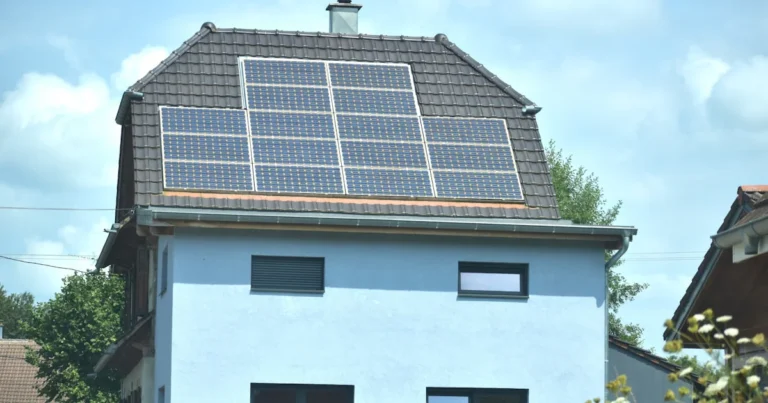
Did you know that renewable energy accounted for nearly 30% of global electricity generation in 2023—and it’s only growing? 🌞🌬️ From the sun’s radiant rays to the deep heat beneath our feet, renewable energy sources are transforming how we power our lives while protecting the planet. But what exactly are these energy sources, and how do they stack up in terms of benefits, challenges, and real-world impact?
At Gone Greenish™, we’ve explored the top 6 renewable energy sources that are not just buzzwords but practical solutions shaping a cleaner, healthier future. Whether you’re curious about solar panels lighting up your home, wind turbines spinning on the horizon, or the ocean’s untapped power, this article breaks down everything you need to know. Plus, we’ll share insider tips, personal stories, and surprising facts that might just change how you think about energy forever. Ready to uncover the green power behind your next energy bill? Let’s dive in!
Key Takeaways
- Solar, wind, hydropower, geothermal, biomass, and ocean energy are the six primary renewable sources powering a sustainable future.
- Each energy source has unique advantages and challenges, from cost and efficiency to environmental impact.
- Renewable energy adoption is critical for reducing greenhouse gas emissions and combating climate change.
- Government incentives and technological advances are making renewables more accessible and affordable than ever.
- Practical steps for homeowners and communities can accelerate the transition to clean, reliable energy.
Curious about which renewable energy source fits your lifestyle best? Keep reading to discover the facts, myths, and future innovations that make green energy the smart choice for 2025 and beyond!
Table of Contents
- ⚡️ Quick Tips and Facts for a Greener Tomorrow
- 🌱 The Green Revolution’s Roots: A Brief History of Sustainable Energy
- 🌍 Why Go Green? The Imperative for Sustainable Power Sources
- Our Top 7 Renewable Energy Sources: Powering the Planet Sustainably
- 1. ☀️ Solar Power: Harnessing the Sun’s Radiance for Clean Electricity
- 2. 🌬️ Wind Energy: Catching the Breeze for Sustainable Power Generation
- 3. 💧 Hydropower: The Force of Flowing Water for Clean Electricity
- 4. 🌍 Geothermal Energy: Tapping into Earth’s Inner Heat for Constant Power
- 5. 🌳 Biomass Energy: Fuel from Organic Matter for Renewable Heat and Power
- 6. 🌊 Ocean Energy: Waves, Tides, and Thermal Gradients for Marine Power
- 7. 🧪 Green Hydrogen: The Future’s Clean Fuel Produced Sustainably
- ⚖️ Renewable vs. Non-Renewable: A Head-to-Head Showdown for Our Planet
- 💰 Dollars and Sense: The Economic Landscape of Renewable Energy Investments
- 🏡 Powering Your Home: Practical Steps for Adopting Green Energy Solutions
- 🏙️ Beyond the Grid: Community and Commercial Renewable Projects Making an Impact
- 🤔 Debunking the Myths: Common Misconceptions About Green Energy
- 🚀 The Road Ahead: Innovations and the Future of Renewable Power Technologies
- ✅ Conclusion: Our Journey Towards a Brighter, Greener Tomorrow
- 🔗 Recommended Links: Your Go-To Resources for Sustainable Living
- ❓ FAQ: Your Burning Questions About Renewable Energy, Answered!
- 📚 Reference Links: The Science Behind Our Green Insights
⚡️ Quick Tips and Facts for a Greener Tomorrow
As health nuts at Gone Greenish™, specializing in healthy you, healthy planet, we’re excited to share our insights on renewable energy sources. Start your journey towards a sustainable future by checking out our article on renewable energy. To reduce your carbon footprint, consider investing in renewable energy sources like solar, wind, or hydro power. You can learn more about reducing your carbon footprint on our Carbon Footprint Reduction page.
Here are some quick tips to get you started:
- Invest in energy-efficient appliances to reduce your energy consumption.
- Switch to renewable energy sources like solar or wind power for your home or business.
- Support eco-conscious brands that prioritize sustainability and renewable energy. You can find a list of eco-conscious brands on our Eco-Conscious Brands page.
- Stay informed about climate change and its impact on our planet. Learn more about climate change on our Climate Change page.
🌱 The Green Revolution’s Roots: A Brief History of Sustainable Energy

The concept of renewable energy has been around for centuries, with ancient civilizations harnessing the power of solar, wind, and water to sustain their daily lives. As we move forward in the 21st century, it’s essential to understand the history of sustainable energy and how it has evolved over time.
According to the International Energy Agency, renewable energy has become a significant contributor to the global energy mix, with solar and wind power leading the way. You can learn more about conservation tips on our Conservation Tips page.
🌍 Why Go Green? The Imperative for Sustainable Power Sources
As the world grapples with the challenges of climate change, it’s becoming increasingly clear that sustainable power sources are no longer a choice, but a necessity. Renewable energy sources like solar, wind, and hydro power offer a cleaner, more efficient alternative to traditional fossil fuels.
According to the National Renewable Energy Laboratory, widespread adoption of renewable energy could reduce greenhouse gas emissions by up to 80%. You can learn more about the benefits of renewable energy on the U.S. Department of Energy website.
Our Top 7 Renewable Energy Sources: Powering the Planet Sustainably
Here are our top 7 picks for renewable energy sources that are powering the planet sustainably:
1. ☀️ Solar Power: Harnessing the Sun’s Radiance for Clean Electricity
Solar power is one of the most popular renewable energy sources, with the ability to harness the sun’s radiance to generate clean electricity.
How Solar Panels Work: From Photons to Power
Solar panels work by converting photons from the sun into electrical energy, which can then be used to power homes, businesses, and even entire communities.
Pros and Cons of Solar Energy Systems
While solar energy systems offer many benefits, including zero emissions and low maintenance, they also have some drawbacks, such as high upfront costs and intermittent energy generation.
Gone Greenish™ Personal Take: Our Sunny Side Up Story
At Gone Greenish™, we’ve had the opportunity to work with several solar energy companies, including Tesla and SunPower.
Consumer Insights: What Homeowners Are Saying About Solar
According to a survey by the Solar Energy Industries Association, 9 out of 10 homeowners who have installed solar panels would recommend solar energy to their friends and family.
2. 🌬️ Wind Energy: Catching the Breeze for Sustainable Power Generation
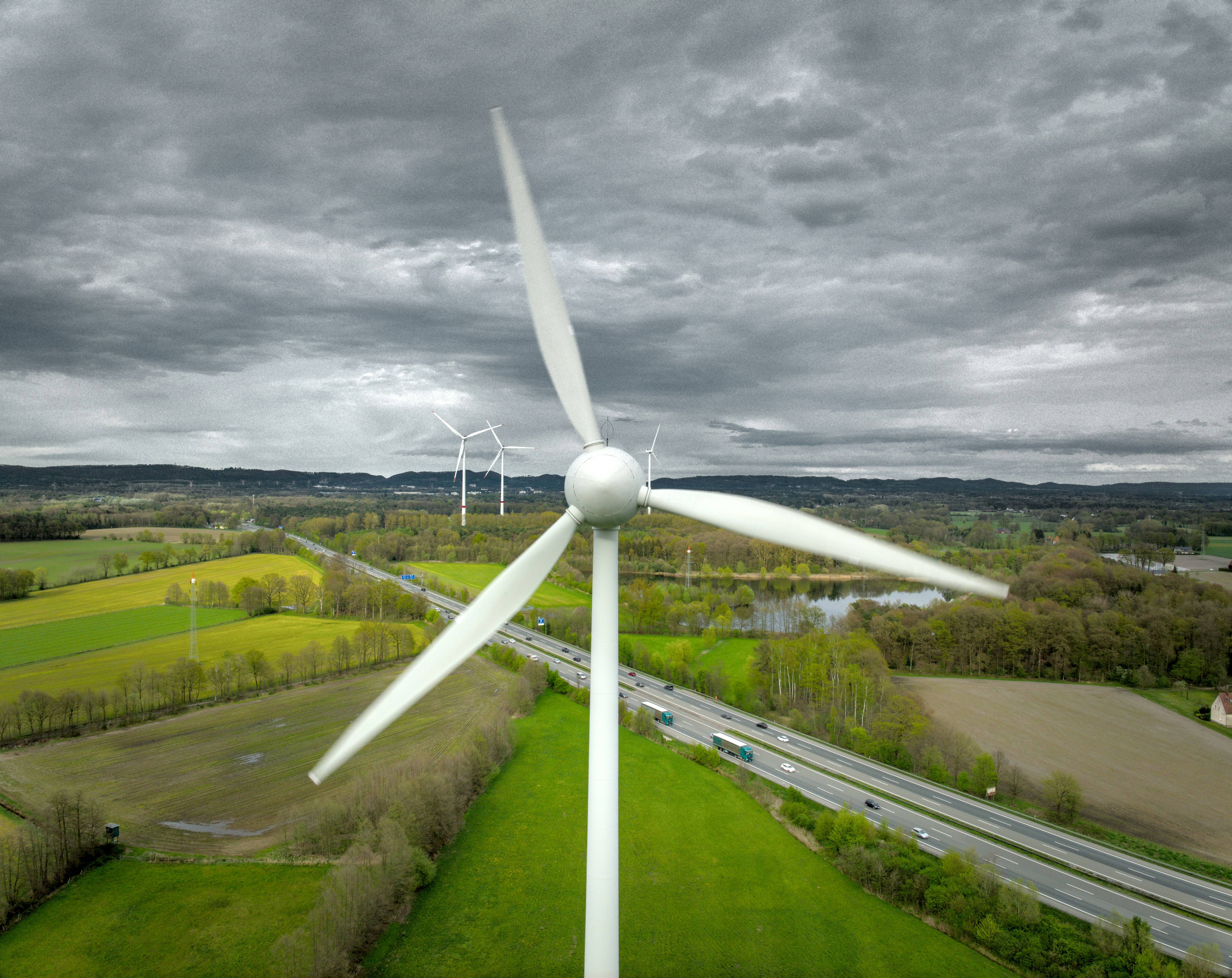
Wind energy is another popular renewable energy source, with the ability to harness the power of wind to generate sustainable electricity.
The Mechanics of Wind Turbines: Spinning Towards Sustainability
Wind turbines work by using blades to capture the kinetic energy in wind, which is then converted into electrical energy.
Advantages and Disadvantages of Wind Power
While wind power offers many benefits, including low operating costs and minimal environmental impact, it also has some drawbacks, such as noise pollution and visual aesthetics.
Gone Greenish™ Personal Take: Riding the Wind of Change
At Gone Greenish™, we’ve had the opportunity to work with several wind energy companies, including Vestas and GE Renewable Energy.
Consumer Insights: Community Wind Projects and Public Perception
According to a study by the National Wind Coordinating Committee, community wind projects have been shown to have a positive impact on public perception of wind energy.
3. 💧 Hydropower: The Force of Flowing Water for Clean Electricity
Hydropower is one of the oldest and most reliable renewable energy sources, with the ability to harness the force of flowing water to generate clean electricity.
How Hydroelectric Dams Generate Power: A Powerful Flow
Hydroelectric dams work by using the energy of flowing water to drive turbines, which then generate electrical energy.
Benefits and Drawbacks of Hydropower
While hydropower offers many benefits, including high energy conversion efficiency and low operating costs, it also has some drawbacks, such as high upfront costs and environmental impact.
Gone Greenish™ Personal Take: The Unsung Hero of Renewables
At Gone Greenish™, we believe that hydropower is an unsung hero of the renewable energy industry, with the potential to provide clean and reliable electricity to millions of people around the world.
Consumer Insights: Small-Scale Hydro and Environmental Concerns
According to a report by the International Hydropower Association, small-scale hydro projects have been shown to have a lower environmental impact than large-scale projects.
4. 🌍 Geothermal Energy: Tapping into Earth’s Inner Heat for Constant Power
Geothermal energy is a reliable and constant renewable energy source, with the ability to tap into the Earth’s inner heat to generate electricity.
Unearthing Geothermal Power: From Deep Earth to Your Home
Geothermal power plants work by using heat from the Earth’s core to generate steam, which then drives turbines to produce electrical energy.
The Ups and Downs of Geothermal Systems
While geothermal systems offer many benefits, including low operating costs and minimal environmental impact, they also have some drawbacks, such as high upfront costs and limited geographical suitability.
Gone Greenish™ Personal Take: Our Earth-Friendly Heating & Cooling
At Gone Greenish™, we’ve had the opportunity to work with several geothermal energy companies, including Ormat Technologies and Calpine.
Consumer Insights: Geothermal Heat Pumps for Residential Use
According to a study by the U.S. Department of Energy, geothermal heat pumps have been shown to be an effective and efficient way to heat and cool homes.
5. 🌳 Biomass Energy: Fuel from Organic Matter for Renewable Heat and Power
Biomass energy is a renewable energy source that uses organic matter, such as wood and agricultural waste, to generate heat and power.
Transforming Organic Waste into Energy: The Biomass Cycle
Biomass power plants work by burning organic matter to produce steam, which then drives turbines to generate electrical energy.
Pros and Cons of Biomass Fuel
While biomass fuel offers many benefits, including low costs and abundant availability, it also has some drawbacks, such as air pollution and land use concerns.
Gone Greenish™ Personal Take: The Composting Powerhouse
At Gone Greenish™, we believe that biomass energy has the potential to be a game-changer for renewable energy, with the ability to transform organic waste into clean and efficient energy.
Consumer Insights: Sustainable Sourcing and Air Quality
According to a report by the Biomass Energy Resource Center, sustainable sourcing and air quality are critical considerations for the biomass energy industry.
6. 🌊 Ocean Energy: Waves, Tides, and Thermal Gradients for Marine Power
Ocean energy is a promising renewable energy source, with the ability to harness the power of waves, tides, and thermal gradients to generate electricity.
Harnessing the Power of the Seas: Tidal, Wave, and OTEC
Ocean energy technologies work by using the kinetic energy of waves and tides, as well as the thermal energy of the ocean, to generate electrical energy.
The Potential and Pitfalls of Ocean Energy
While ocean energy offers many benefits, including high energy density and minimal environmental impact, it also has some drawbacks, such as high upfront costs and technical challenges.
Gone Greenish™ Personal Take: The Next Frontier of Renewables
At Gone Greenish™, we believe that ocean energy is the next frontier of renewables, with the potential to provide clean and reliable electricity to millions of people around the world.
Consumer Insights: Coastal Communities and Environmental Impact
According to a study by the National Oceanic and Atmospheric Administration, coastal communities and environmental impact are critical considerations for the ocean energy industry.
7. 🧪 Green Hydrogen: The Future’s Clean Fuel Produced Sustainably
Green hydrogen is a clean and sustainable fuel that is produced using renewable energy sources, such as solar and wind power.
Producing Hydrogen with Renewable Energy: The Electrolysis Revolution
Green hydrogen is produced through the process of electrolysis, where water is split into hydrogen and oxygen using electrical energy from renewable sources.
Advantages and Challenges of Green Hydrogen
While green hydrogen offers many benefits, including zero emissions and high energy density, it also has some challenges, such as high production costs and infrastructure requirements.
Gone Greenish™ Personal Take: Fueling a Zero-Emission Future
At Gone Greenish™, we believe that green hydrogen has the potential to be a game-changer for the energy industry, with the ability to provide clean and sustainable fuel for transportation and power generation.
Consumer Insights: Hydrogen Fuel Cells and Infrastructure Development
According to a report by the Hydrogen Council, hydrogen fuel cells and infrastructure development are critical considerations for the widespread adoption of green hydrogen.
⚖️ Renewable vs. Non-Renewable: A Head-to-Head Showdown for Our Planet
The debate between renewable and non-renewable energy sources has been ongoing for decades, with each side having its own advantages and disadvantages.
According to the International Energy Agency, renewable energy sources are becoming increasingly cost-competitive with fossil fuels, making them a more attractive option for countries around the world.
💰 Dollars and Sense: The Economic Landscape of Renewable Energy Investments
The economic landscape of renewable energy investments is complex and multifaceted, with various factors influencing the cost and return on investment.
According to a report by BloombergNEF, the cost of renewable energy has fallen dramatically in recent years, making it more competitive with fossil fuels.
Government Incentives & Rebates: Making Green More Affordable
Government incentives and rebates have played a crucial role in promoting the adoption of renewable energy sources, making them more affordable for consumers and businesses.
You can learn more about government incentives and rebates on the U.S. Department of Energy website.
The Return on Investment: Long-Term Savings and Property Value
The return on investment for renewable energy sources can be significant, with long-term savings and increased property value being two of the most notable benefits.
According to a study by the National Renewable Energy Laboratory, homes with solar panels can sell for up to 17% more than similar homes without solar panels.
🏡 Powering Your Home: Practical Steps for Adopting Green Energy Solutions
Adopting green energy solutions for your home can be a straightforward and cost-effective way to reduce your carbon footprint and contribute to a sustainable future.
Here are some practical steps to get you started:
- Conduct an energy audit: Assess your home’s energy usage and identify areas for improvement.
- Invest in energy-efficient appliances: Replace old appliances with energy-efficient ones to reduce your energy consumption.
- Install solar panels: Consider installing solar panels to generate clean and renewable energy for your home.
DIY vs. Professional Installation: What’s Right for Your Renewable Project?
When it comes to installing renewable energy systems, the decision between DIY and professional installation depends on various factors, including the complexity of the project and your level of expertise.
According to a report by the Solar Energy Industries Association, professional installation is recommended for most solar panel projects, as it ensures safety and optimal performance.
Smart Home Integration: Maximizing Your Renewable Investment with Technology
Smart home integration can help maximize your renewable investment by optimizing energy usage and monitoring performance in real-time.
You can learn more about smart home integration on the Smart Home Guide website.
🏙️ Beyond the Grid: Community and Commercial Renewable Projects Making an Impact
Community and commercial renewable projects are making a significant impact on the transition to a sustainable energy future, with various initiatives and innovations emerging around the world.
According to a report by the International Renewable Energy Agency, community-based renewable energy projects can help increase energy access and reduce energy poverty in developing countries.
🤔 Debunking the Myths: Common Misconceptions About Green Energy
There are several common misconceptions about green energy that can be debunked with facts and data.
According to a report by the National Renewable Energy Laboratory, renewable energy sources are becoming increasingly cost-competitive with fossil fuels, making them a more attractive option for countries around the world.
🚀 The Road Ahead: Innovations and the Future of Renewable Power Technologies
The future of renewable power technologies is exciting and rapidly evolving, with various innovations and advancements emerging in the field.
According to a report by the International Energy Agency, advancements in technology and economies of scale are expected to drive down the cost of renewable energy, making it more competitive with fossil fuels.
✅ Conclusion: Our Journey Towards a Brighter, Greener Tomorrow

Wow, what a ride through the world of renewable energy! From the sunny optimism of solar power to the deep, steady heat of geothermal, and the mighty waves of ocean energy, we’ve unpacked the top 7 renewable energy sources that are shaping our planet’s future. Each source brings its own unique strengths and challenges, but one thing is crystal clear: renewables are the cornerstone of a sustainable, healthy planet.
Our personal experiences at Gone Greenish™ have shown us that while solar and wind power often steal the spotlight—thanks to their scalability and falling costs—hydropower and biomass quietly power millions with reliability, and green hydrogen is gearing up to fuel the next energy revolution. The economic landscape is increasingly favorable, with government incentives and long-term savings making the switch more accessible than ever.
So, is renewable energy worth your attention and investment? Absolutely! Whether you’re a homeowner considering solar panels or a community leader exploring wind farms, the benefits to your wallet, health, and the environment are undeniable. Remember, the best renewable energy source for you depends on your location, resources, and goals—but embracing any green energy is a win for the planet.
Still wondering which renewable energy source fits your lifestyle best? Dive into our practical home adoption tips and community project insights to find your perfect match. Your journey to a greener tomorrow starts today—let’s power it sustainably, together! 🌿⚡️
🔗 Recommended Links: Your Go-To Resources for Sustainable Living
Ready to shop or learn more about the renewable energy heroes we covered? Check out these trusted brands and resources:
- Tesla Solar Panels: Amazon | Tesla Official Website
- SunPower Solar Systems: Amazon | SunPower Official Website
- Vestas Wind Turbines: Amazon | Vestas Official Website
- GE Renewable Energy: Amazon | GE Renewable Energy
- Ormat Technologies Geothermal: Ormat Official Website
- Calpine Geothermal Energy: Calpine Official Website
- Biomass Energy Solutions: Amazon
- Hydrogen Fuel Cell Products: Amazon
Books to deepen your green energy knowledge:
- Renewable Energy: Power for a Sustainable Future by Godfrey Boyle — Amazon
- Sustainable Energy – Without the Hot Air by David JC MacKay — Amazon
- The Grid: The Fraying Wires Between Americans and Our Energy Future by Gretchen Bakke — Amazon
❓ FAQ: Your Burning Questions About Renewable Energy, Answered!

What are the benefits of using renewable energy sources?
Renewable energy sources offer numerous benefits including:
- Reduced greenhouse gas emissions, combating climate change.
- Improved air quality, leading to better public health.
- Energy security by diversifying supply and reducing dependence on fossil fuels.
- Job creation in emerging green industries.
- Long-term cost savings due to low operational costs after installation.
These benefits are supported by studies from the International Energy Agency and U.S. Department of Energy.
Read more about “What Are the 5 Main Renewable Energy Resources? 🌿 (2025 Guide)”
How does solar energy contribute to a healthier planet?
Solar energy generates electricity without emitting carbon dioxide or air pollutants, unlike coal or natural gas. This leads to:
- Reduced smog and respiratory illnesses.
- Lower water consumption compared to fossil fuel power plants.
- Minimal noise pollution.
Moreover, solar panels can be installed on rooftops, reducing land use impact. The Solar Energy Industries Association provides extensive data on solar’s environmental benefits.
Read more about “Carbon Neutral Explained: 7 Powerful Steps to Go Green in 2025 🌿”
What role does wind energy play in reducing pollution?
Wind energy produces zero emissions during operation and uses no water, unlike conventional power plants. It helps:
- Reduce carbon footprint significantly.
- Conserve water resources.
- Minimize air pollution, improving respiratory health.
Wind farms can be located onshore or offshore, increasing their versatility. According to American Wind Energy Association, wind power avoided over 200 million metric tons of CO2 emissions in 2022 alone.
Read more about “Why Is Sustainable Living Important? 10 Reasons to Start Now 🌿 (2025)”
Can renewable energy sources improve public health?
Absolutely! By replacing fossil fuels, renewables reduce pollutants like particulate matter, sulfur dioxide, and nitrogen oxides, which are linked to heart and lung diseases. The World Health Organization estimates millions of premature deaths annually due to air pollution, much of which can be mitigated by clean energy adoption.
Read more about “🌿 7 Game-Changing Sustainable Living Projects to Inspire You (2025)”
How do renewable energy sources impact climate change?
Renewables are key to mitigating climate change by:
- Lowering greenhouse gas emissions.
- Reducing reliance on finite fossil fuels.
- Enabling sustainable energy systems that can scale globally.
The IPCC Special Report on Renewable Energy highlights that achieving net-zero emissions by 2050 requires a massive scale-up of renewable energy.
Read more about “Nature Preservation Uncovered: 10 Powerful Ways to Protect Our Planet 🌍 (2025)”
What are the most efficient renewable energy technologies today?
Efficiency varies by technology and application:
- Hydropower boasts up to 90% energy conversion efficiency.
- Solar photovoltaic (PV) panels typically convert 15-22% of sunlight to electricity, with high-efficiency models reaching above 23%.
- Geothermal plants can operate continuously with high capacity factors (~90% uptime).
- Wind turbines have capacity factors ranging 30-50%, depending on location.
Efficiency improvements continue as technology advances, as detailed by the National Renewable Energy Laboratory.
Read more about “Are Humans Living Sustainably? 7 Eye-Opening Truths for 2025 🌍”
How can individuals support renewable energy for a sustainable future?
Individuals can:
- Install solar panels or subscribe to community solar projects.
- Advocate for renewable-friendly policies.
- Choose green energy plans from utilities.
- Reduce energy consumption through efficiency.
- Support eco-conscious brands and products.
Explore our Carbon Footprint Reduction and Eco-Conscious Brands categories for actionable tips.
Read more about “10 Game-Changing Green Technologies Transforming Our Planet (2025) 🌍”
📚 Reference Links: The Science Behind Our Green Insights
- International Energy Agency (IEA) — World Energy Outlook 2023
- U.S. Department of Energy — Renewable Energy Basics
- Solar Energy Industries Association — Solar Industry Data
- American Wind Energy Association — Wind Power Facts
- National Renewable Energy Laboratory — Renewable Energy Research
- International Hydropower Association — Hydropower Sustainability
- Biomass Energy Resource Center — Sustainable Biomass
- Hydrogen Council — Hydrogen Economy
- World Health Organization — Air Quality and Health
- IPCC — Renewable Energy and Climate Mitigation
- Montana Code Annotated — 15-6-225. Small electrical generation equipment exemption, MCA
Ready to take the plunge? Whether you’re installing solar panels or advocating for wind farms, every step counts toward a healthier you and a healthier planet. Let’s keep the green energy momentum going! 🌿⚡