Support our educational content for free when you purchase through links on our site. Learn more
What Are 5 Types of Green Technology? 🌿 The Ultimate Guide (2026)

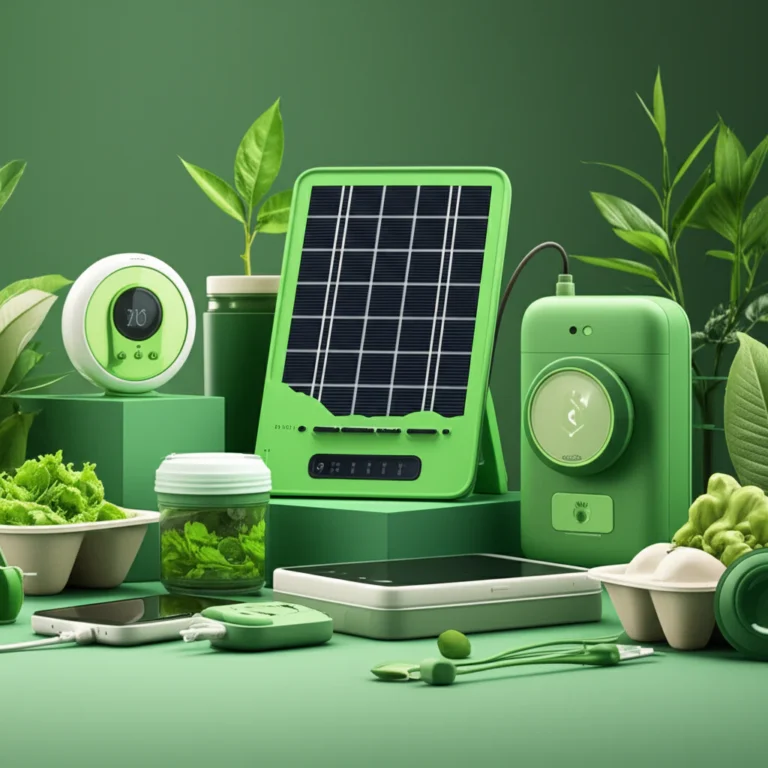
Ever wondered how green technology is quietly reshaping our world? From the solar panels powering your neighbor’s house to smart irrigation systems saving gallons of water, green tech is everywhere — and it’s only getting bigger. At Gone Greenish™, we’ve explored the 5 essential types of green technology that are driving the clean energy revolution, reducing waste, and helping us build a healthier planet.
Did you know that renewable energy accounted for over 70% of new power capacity globally in 2024? That’s just the tip of the iceberg. Later in this article, we’ll reveal how innovations like energy storage and sustainable construction are making green living more accessible and practical than ever. Plus, we’ll share insider tips on how you can embrace these technologies in your daily life and business. Ready to get greenish? Let’s dive in!
Key Takeaways
- Green technology spans multiple sectors including renewable energy, energy storage, sustainable building, water conservation, and waste management.
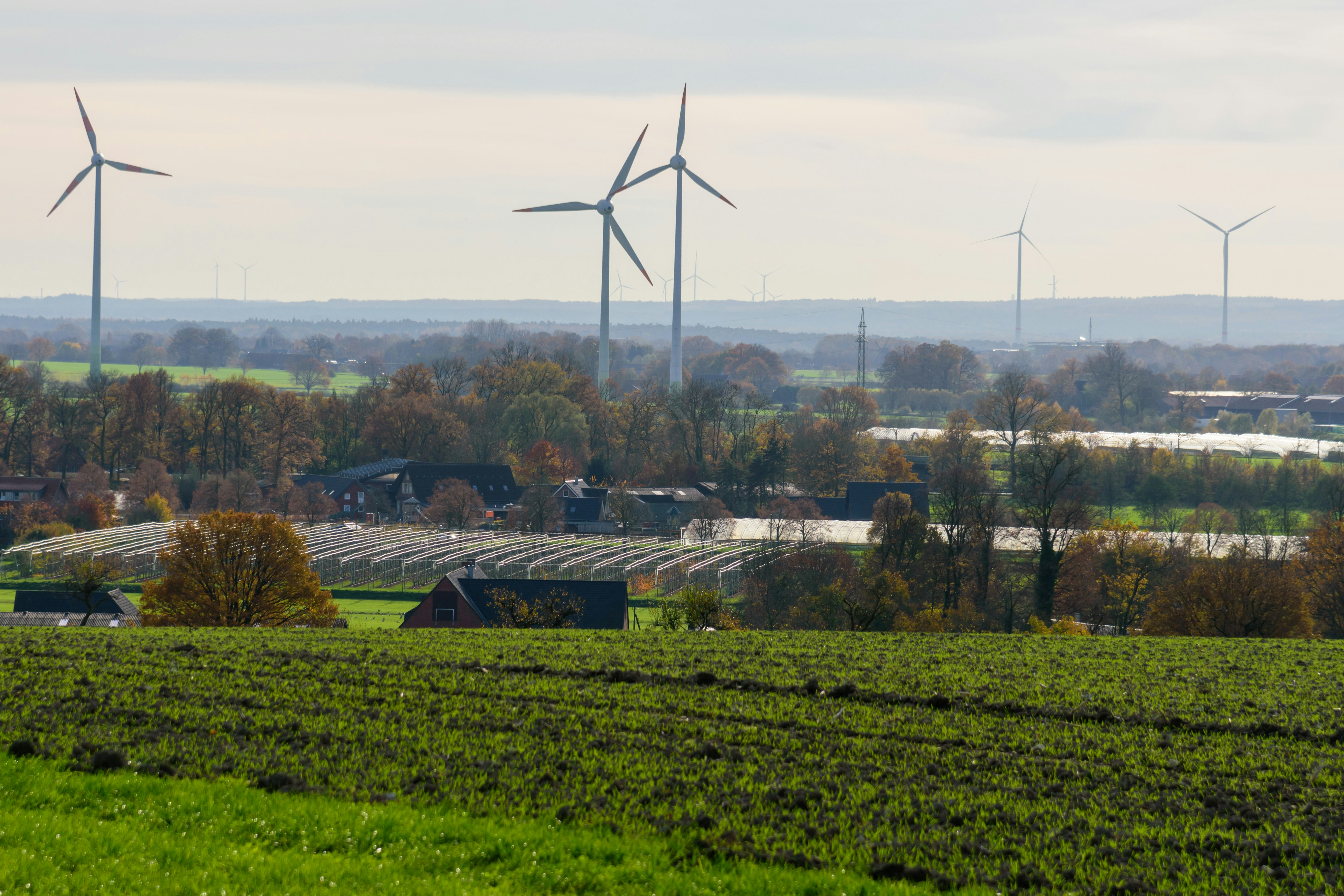
- Solar and wind power remain the most accessible and impactful green technologies today.
- Smart grids and battery storage are crucial for maximizing renewable energy use.
- Ethical sourcing and government incentives play a big role in green tech adoption and sustainability.
- Practical steps for individuals and businesses can accelerate the green transition while saving money and reducing carbon footprints.
Curious about the best brands and tools to start your green tech journey? Keep reading for detailed insights and recommendations from the health nuts at Gone Greenish™!
Table of Contents
- ⚡️ Quick Tips and Facts About Green Technology
- 🌱 Defining Green Technology: What It Really Means
- 📜 The Evolution and History of Sustainable Tech Innovations
- 🌍 The Role of Government Policies and Incentives in Green Tech Adoption
- 💡 What Are 5 Types of Green Technology?
- 🌟 Emerging Green Tech Trends and Future Outlook
- 💰 Investing in Green Technology: Opportunities and Challenges
- 🤝 Ethical Considerations in Implementing Green Technologies
- 🚀 Practical Steps for Individuals and Businesses to Embrace Green Tech
- 🔍 How Green Technology Impacts Climate Change and Sustainability Goals
- 📊 Green Technology Success Stories and Real-World Examples
- 🛠️ Tools and Resources for Exploring Green Technology
- 📝 Summary: Why Green Technology Matters More Than Ever
- ❓ Frequently Asked Questions (FAQ) About Green Technology
- 📚 Recommended Links for Deep Diving into Green Tech
- 🔗 Reference Links and Credible Sources
- 🏁 Conclusion: Embracing a Greener Future Together
⚡️ Quick Tips and Facts About Green Technology
Welcome to the green revolution! 🌿 At Gone Greenish™, we’re buzzing with excitement to share some quick, energizing facts about green technology that you can drop at your next eco-friendly dinner party or use to impress your coworkers. Ready? Let’s dive in!
- Green technology is all about innovation that protects our planet 🌎 by reducing pollution, conserving resources, and regenerating ecosystems.
- The renewable energy sector is booming, expected to grow over 8% globally this year, with solar and wind leading the charge.
- Governments worldwide, especially in the US via the Inflation Reduction Act, are offering tax credits and rebates to boost green tech adoption.
- Solar power is now often cheaper than fossil fuels, making it a no-brainer for sustainable energy.
- Electric vehicles (EVs) are rapidly expanding, but their environmental impact depends heavily on the energy grid’s cleanliness.
- Green tech isn’t just energy—think water conservation, waste management, sustainable agriculture, and even carbon capture.
- Investing in green tech is not just good for the planet but also a smart financial move, with trillions flowing into this sector globally.
Curious about the nitty-gritty? We’ll unpack all this and more, including the 5 key types of green technology you should know about. But first, let’s get our definitions straight!
For a deep dive into the latest green products powering 2026, check out our related article: What Are the 10 Green Products and Technologies Powering 2026? 🌿
🌱 Defining Green Technology: What It Really Means
Green technology, or “green tech,” is a broad umbrella covering all the science and innovation aimed at reducing human impact on the environment while promoting sustainability. It’s not just about being “clean” but about restoring and regenerating ecosystems.
What Sets Green Tech Apart?
- Sustainability First: Unlike traditional tech, green tech prioritizes renewable resources and minimal waste.
- Multi-Sector Impact: From energy to agriculture, transportation to waste management, green tech spans industries.
- Innovation Meets Ecology: It combines cutting-edge science with environmental stewardship.
Green Tech vs. Clean Tech vs. Environmental Tech
- Green Tech: Broad focus on eco-friendly products and processes.
- Clean Tech: More about improving existing technologies to reduce emissions and waste.
- Environmental Tech: Specifically targets climate change mitigation and adaptation.
At Gone Greenish™, we love this holistic approach because it means every innovation counts—from solar panels on your roof to smart irrigation systems in farms.
📜 The Evolution and History of Sustainable Tech Innovations
Green technology isn’t a new kid on the block. Its roots stretch back decades, evolving alongside environmental awareness.
Key Milestones
- 1935: The Soil Conservation Act in the US marked early recognition of sustainable land use.
- 1970: Establishment of the Environmental Protection Agency (EPA) in the US catalyzed environmental regulation.
- 1990s: Growing awareness of coal’s environmental damage accelerated renewable energy research.
- 2000s to Present: Explosion of green tech startups, government incentives, and global climate agreements.
Why Now?
The climate crisis and resource depletion have made green tech urgent and mainstream. Plus, technological advances and cost reductions (hello, solar panels!) have made green solutions accessible.
🌍 The Role of Government Policies and Incentives in Green Tech Adoption
No green revolution happens in a vacuum. Governments worldwide are the wind beneath green tech’s wings, offering incentives and regulations to accelerate adoption.
Examples of Policy Drivers
- Inflation Reduction Act (USA): Offers tax credits for solar, wind, EVs, and energy efficiency upgrades.
- European Green Deal: Ambitious plan to make Europe climate-neutral by 2050.
- China’s Renewable Energy Mandates: Leading global solar and wind capacity expansions.
Why It Matters
- Incentives reduce upfront costs, making green tech more accessible.
- Policies encourage innovation and infrastructure development.
- They create markets for green products and services, boosting jobs and economic growth.
For individuals and businesses, understanding these policies can unlock savings and new opportunities.
💡 What Are 5 Types of Green Technology?
Ready for the main event? Here are the 5 fundamental types of green technology that are transforming our planet’s future. We’ll explore each with examples, benefits, and a few caveats.
1. Renewable Energy Technologies: Solar, Wind, and Beyond
Renewable energy is the poster child of green tech, harnessing natural forces to generate power without pollution.
| Technology | Description | Benefits | Challenges | Popular Brands/Products |
|---|---|---|---|---|

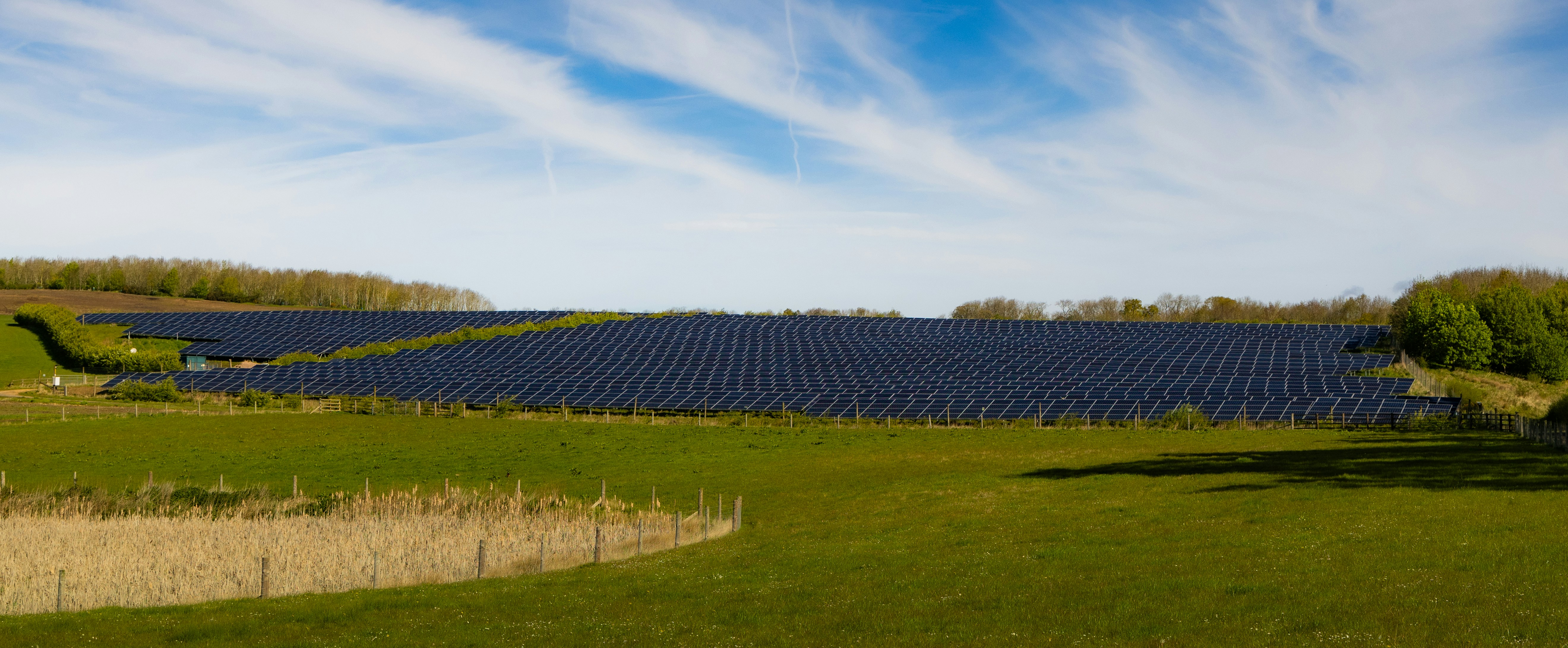
| Solar Power | Photovoltaic (PV) panels convert sunlight to electricity | Abundant, scalable, low maintenance | Weather-dependent, requires space | SunPower, LG Solar, Tesla Solar Roof |
| Wind Power | Turbines convert wind kinetic energy | Clean, efficient, cost-effective | Noise, wildlife impact, location-dependent | Vestas, Siemens Gamesa, GE Renewable Energy |
| Hydropower | Water movement generates electricity | Reliable, large-scale | Ecological disruption, limited sites | Andritz Hydro, Voith Hydro |
| Geothermal | Heat from Earth’s core powers plants | Constant power, low emissions | High upfront cost, location-specific | Ormat Technologies, Calpine |
| Bioenergy | Organic materials converted to fuel | Renewable, supports rural economies | Land use concerns, emissions if mismanaged | Enviva, Drax Group |
Our Take: Solar and wind are the most accessible for homeowners and businesses today. We’ve installed SunPower panels on our own office roof and love the clean energy and savings!
2. Energy Storage and Smart Grid Solutions
Renewables need a buddy to keep power flowing when the sun sets or wind dies down — enter energy storage and smart grids.
- Battery Storage: Lithium-ion batteries (like Tesla Powerwall) store excess energy for later use.
- Smart Grids: Use AI and IoT to balance supply and demand efficiently, reducing waste.
Benefits:
- Enhances grid reliability
- Enables higher renewable penetration
- Empowers consumers with energy management
Drawbacks:
- Battery production has environmental costs (mining lithium, cobalt)
- Infrastructure upgrades needed
3. Green Building and Sustainable Construction Technologies
Buildings are responsible for nearly 40% of global energy consumption. Green building tech is a game-changer.
- Energy-efficient HVAC systems (e.g., Daikin’s VRV systems)
- Sustainable materials: Bamboo, recycled steel, low-VOC paints
- Smart lighting and insulation reduce energy use dramatically
Benefits:
- Lower utility bills
- Improved indoor air quality
- Reduced carbon footprint
Challenges:
- Higher upfront costs
- Requires skilled labor and design
4. Water Conservation and Treatment Technologies
Water scarcity is a looming crisis. Green tech helps us use this precious resource wisely.
- Smart irrigation systems that optimize water use (e.g., Rachio Smart Sprinkler)
- Wastewater treatment with biological filters and UV purification
- Rainwater harvesting and greywater recycling
Benefits:
- Saves billions of gallons annually
- Protects ecosystems
- Supports agriculture sustainability
Drawbacks:
- Infrastructure costs
- Maintenance requirements
5. Waste Management and Recycling Innovations
Turning trash into treasure is the heart of circular economy principles.
- Advanced recycling technologies separate plastics, metals, and e-waste efficiently.
- Composting and anaerobic digestion convert organic waste into fertilizer or biogas.
- Waste-to-energy plants generate electricity from non-recyclable waste.
Benefits:
- Reduces landfill use
- Cuts methane emissions
- Creates renewable energy
Challenges:
- Contamination in recycling streams
- Public participation needed
🌟 Emerging Green Tech Trends and Future Outlook
The green tech landscape is evolving fast. Here’s what we’re watching closely:
- Hydrogen fuel cells: Clean fuel for vehicles and industry, with companies like Plug Power leading the charge.
- Carbon capture and storage (CCS): Still experimental but promising for hard-to-abate emissions.
- AI-powered energy management: Smarter grids and buildings that self-optimize.
- Vertical farming: Urban agriculture reducing land use and transport emissions.
The future? A shift from just reducing harm to regenerating ecosystems and creating carbon-negative businesses.
💰 Investing in Green Technology: Opportunities and Challenges
Green tech isn’t just good for the planet — it’s a hotbed for investors.
Opportunities
- Rapid industry growth with trillions invested globally.
- Diverse sectors: energy, transportation, agriculture, waste.
- Government incentives and ESG pressures driving demand.
Challenges
- Market volatility and tech risks.
- Supply chain issues (e.g., rare minerals for batteries).
- Regulatory uncertainties.
Pro Tip: Consider diversified green mutual funds or ETFs to spread risk.
🤝 Ethical Considerations in Implementing Green Technologies
Going green isn’t just about tech — it’s about doing it right.
- Resource extraction: Mining for lithium and cobalt can harm communities and ecosystems.
- Equity: Ensuring access to green tech across socioeconomic groups.
- Transparency: Avoiding greenwashing by verifying claims and certifications.
At Gone Greenish™, we champion ethical sourcing and inclusive innovation to make green tech truly sustainable.
🚀 Practical Steps for Individuals and Businesses to Embrace Green Tech
Ready to jump in? Here’s your starter pack:
- Track your carbon footprint using tools like Carbon Footprint Calculator.
- Invest in solar panels or community solar programs.
- Switch to energy-efficient appliances (look for ENERGY STAR®).
- Adopt smart thermostats and lighting.
- Support eco-conscious brands (check out our Eco-Conscious Brands category).
- Reduce, reuse, recycle with better waste management habits.
- Advocate for green policies in your community.
Small steps add up to big impact!
🔍 How Green Technology Impacts Climate Change and Sustainability Goals
Green tech is a frontline warrior against climate change. It helps by:
- Reducing greenhouse gas emissions through cleaner energy and transport.
- Enhancing resource efficiency to slow resource depletion.
- Supporting biodiversity by reducing pollution and habitat destruction.
According to the International Energy Agency, renewables accounted for 71% of new power capacity in 2024 — a promising sign for hitting global climate targets.
📊 Green Technology Success Stories and Real-World Examples
Let’s get inspired by some real-world wins:
- Tesla’s Solar Roof and Powerwall have empowered homeowners to generate and store their own clean energy.
- Vestas Wind Turbines power millions of homes worldwide with clean wind energy.
- Rachio Smart Sprinkler users report up to 50% water savings in lawn irrigation.
- Interface Inc. uses recycled materials to create sustainable flooring, reducing landfill waste.
These stories show green tech’s practical benefits and its potential to scale.
🛠️ Tools and Resources for Exploring Green Technology
Want to geek out on green tech? Here are some top tools and resources:
- EnergySage: Compare solar panel quotes and installers.
- Tesla Powerwall: Battery storage for home energy independence.
- Carbon Footprint Calculator: Measure and reduce your emissions.
- GreenBiz: News and insights on sustainable business.
- U.S. Department of Energy’s Office of Energy Efficiency & Renewable Energy: Comprehensive guides and funding info.
📝 Summary: Why Green Technology Matters More Than Ever
Green technology is not just a trend — it’s a necessary evolution for a sustainable future. It empowers us to:
- Cut emissions and fight climate change
- Conserve precious resources like water and minerals
- Build resilient, healthy communities and economies
- Create jobs and innovation opportunities
At Gone Greenish™, we believe embracing green tech is embracing a healthier you and a healthier planet.
❓ Frequently Asked Questions (FAQ) About Green Technology
Q: Is green technology expensive?
✅ Initially, some green tech can be pricey, but costs are dropping fast, and incentives often offset expenses.
Q: Can I install solar panels myself?
❌ It’s best to hire certified installers for safety and warranty reasons.
Q: Does green tech really reduce my carbon footprint?
✅ Absolutely! Switching to renewables and efficient tech can cut your footprint dramatically.
Q: What’s the difference between green tech and clean energy?
Green tech is broader, including all eco-friendly innovations; clean energy focuses specifically on energy sources.
📚 Recommended Links for Deep Diving into Green Tech
- International Energy Agency (IEA) – Renewables
- U.S. Environmental Protection Agency – Green Technology
- GreenTech Media
- Carbon Trust – Green Technology Insights
🔗 Reference Links and Credible Sources
- Netguru: What is Green Tech? How It Works, Types, Adoption, and Examples
- Specialty Tax Group: What Are 5 Types of Green Energy
- Investopedia: Green Technology Definition
- International Energy Agency: Renewables 2024 Report
- Tesla Official: Tesla Solar Panels and Powerwall
- Vestas Official: Wind Turbines
Keep an eye out for the featured video later in this article, where we explore 10 cutting-edge green technologies that are shaping our sustainable future!
🏁 Conclusion: Embracing a Greener Future Together
After our deep dive into the 5 types of green technology and the broader ecosystem of sustainable innovation, one thing is crystal clear: green tech isn’t just a buzzword — it’s the backbone of a healthier planet and a thriving future for all of us.
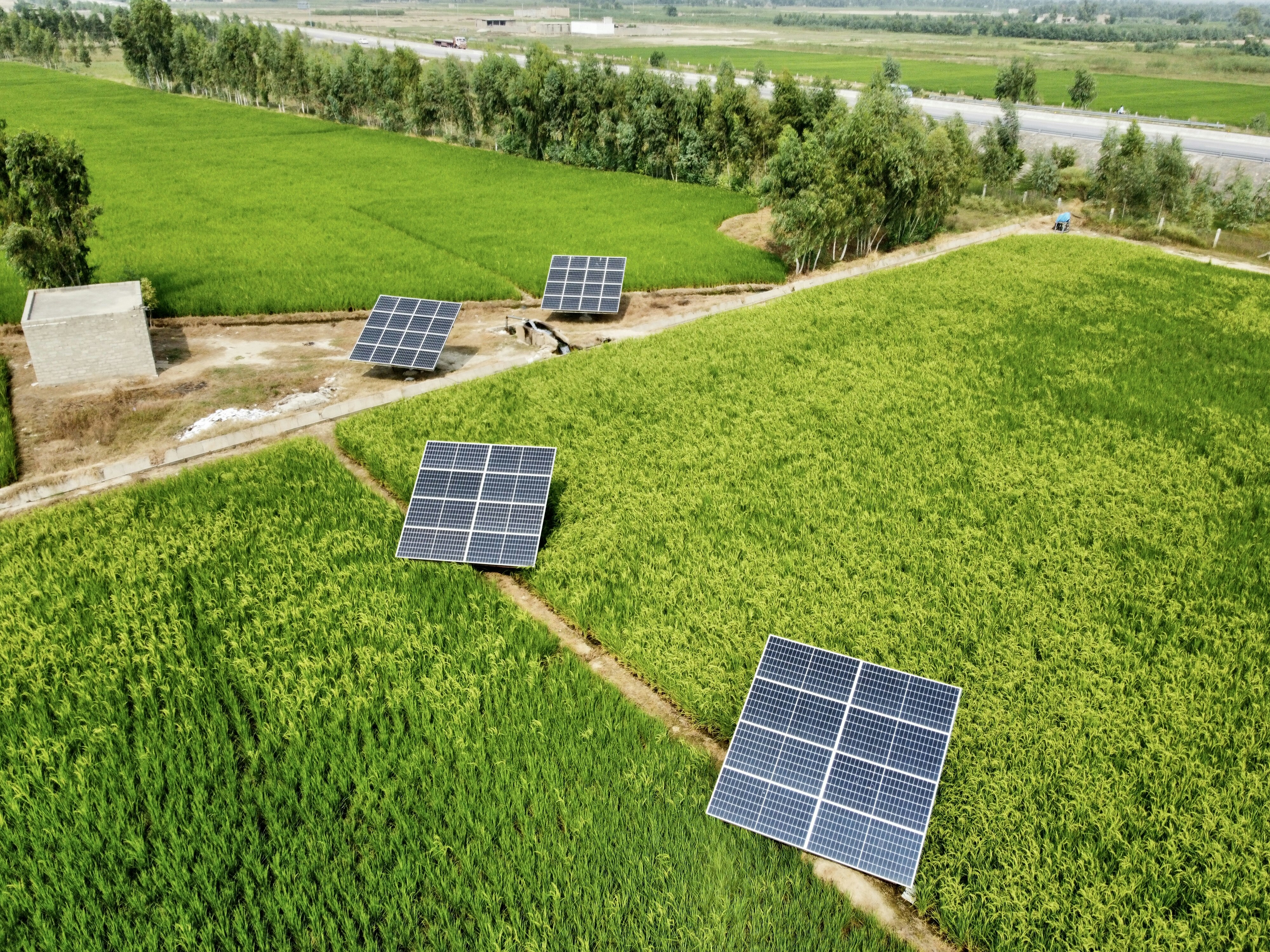
From solar panels soaking up the sun to smart grids balancing energy flows, and from water-saving irrigation systems to cutting-edge waste recycling, these technologies are transforming how we live, work, and care for the Earth.
At Gone Greenish™, we’ve seen firsthand how adopting green tech can slash carbon footprints, cut utility bills, and even boost wellbeing by improving air and water quality. Sure, challenges like upfront costs and ethical sourcing exist, but the benefits far outweigh the hurdles. Plus, with governments offering incentives and the technology becoming more affordable, there’s never been a better time to jump in.
Remember that question we teased earlier — Can green tech really make a difference in your daily life? The answer is a resounding YES! Whether you’re a homeowner installing solar panels, a business upgrading to energy-efficient systems, or simply choosing eco-conscious products, every step counts.
So, what are you waiting for? Let’s embrace green technology together and power a healthier you and a healthier planet! 🌎💚
📚 Recommended Links for Shopping and Further Learning
Ready to explore or invest in green technology? Here are some trusted brands and products we recommend, along with insightful books to deepen your knowledge:
Solar and Energy Storage
- SunPower Solar Panels:
Amazon | SunPower Official Website - Tesla Powerwall Battery Storage:
Amazon | Tesla Official Website
Wind Energy
- Vestas Wind Turbines:
Vestas Official Website
Smart Irrigation
- Rachio Smart Sprinkler Controller:
Amazon | Rachio Official Website
Green Building Materials
- Low-VOC Paints (e.g., Benjamin Moore Natura):
Amazon | Benjamin Moore Official Website
Books on Green Technology and Sustainability
- Drawdown: The Most Comprehensive Plan Ever Proposed to Reverse Global Warming by Paul Hawken
Amazon - The Green Collar Economy by Van Jones
Amazon - Sustainable Energy – Without the Hot Air by David JC MacKay
Amazon
❓ Frequently Asked Questions (FAQ) About Green Technology
What are the latest innovations in green technology for clean energy?
The cutting edge includes hydrogen fuel cells, advanced battery storage, and AI-driven smart grids. Hydrogen fuel cells offer zero-emission power for vehicles and industry, while battery tech improvements (like solid-state batteries) promise longer life and safer storage. AI helps optimize energy use in real time, reducing waste and costs.
How is green technology used in everyday household products?
Green tech powers energy-efficient appliances (think ENERGY STAR® refrigerators and washers), smart thermostats that learn your habits to save energy, and LED lighting that uses a fraction of the power of traditional bulbs. Water-saving fixtures and eco-friendly cleaning products also fall under this umbrella, helping reduce resource use daily.
What role does green technology play in reducing carbon footprints?
Green tech replaces fossil fuels with renewable energy, improves energy efficiency, and enables carbon capture. For example, solar panels reduce reliance on coal-generated electricity, smart meters help households cut waste, and sustainable agriculture tech lowers methane emissions. Together, these reduce greenhouse gas emissions significantly.
How can green technology improve air and water quality?
Technologies like air filtration systems, wastewater treatment plants, and smart irrigation reduce pollutants and conserve water. For instance, advanced filters remove harmful particulates from industrial emissions, while water treatment tech cleans sewage before release, protecting aquatic ecosystems. Smart irrigation minimizes runoff and water waste, preserving freshwater resources.
What are examples of renewable energy technologies?
Key examples include:
- Solar photovoltaic (PV) panels converting sunlight to electricity.
- Wind turbines harnessing wind energy.
- Hydropower plants using water flow.
- Geothermal systems tapping Earth’s heat.
- Bioenergy from organic matter like crops or waste.
How does green technology contribute to sustainable living?
By reducing resource consumption, minimizing waste, and promoting renewable energy, green tech enables lifestyles that meet present needs without compromising future generations. It supports circular economies, encourages energy independence, and fosters healthier environments.
What are the benefits of green technology for the environment?
Green tech:
- Cuts greenhouse gas emissions.
- Conserves natural resources like water and minerals.
- Reduces pollution and landfill waste.
- Protects biodiversity by limiting habitat destruction.
How can green technology improve personal health and wellness?
Cleaner air and water from green tech reduce respiratory and waterborne illnesses. Energy-efficient buildings improve indoor air quality. Plus, sustainable food production reduces exposure to harmful pesticides. All these contribute to better overall health.
What future innovations are expected in green technology?
Look out for:
- Carbon-negative technologies that actively remove CO₂ from the atmosphere.
- Bioengineered materials replacing plastics and concrete.
- Smart cities integrating IoT for optimized resource use.
- Next-gen nuclear power with safer, smaller reactors.
🔗 Reference Links and Credible Sources
- Netguru: What is Green Tech? How It Works, Types, Adoption, and Examples
- Specialty Tax Group: What Are 5 Types of Green Energy
- Investopedia: Green Technology Definition
- International Energy Agency: Renewables 2024 Report
- Tesla Solar Panels and Powerwall
- Vestas Wind Turbines
- SunPower Solar Panels
- Rachio Smart Sprinkler
- Benjamin Moore Paints
At Gone Greenish™, we’re here to help you navigate the green tech landscape with confidence and joy. Ready to power up your sustainable journey? Let’s go greenish! 🌿✨