Support our educational content for free when you purchase through links on our site. Learn more
Living Off the Grid: 10 Inspiring YouTube Couples to Watch in 2026 🌿


Imagine waking up to the sound of birds instead of alarms, powering your home with the sun, and growing your own food—all while sharing your journey with millions online. That’s exactly what a growing number of adventurous couples are doing, turning off-grid living into a thriving YouTube phenomenon. From rustic cabins in the Canadian wilderness to tiny homes nestled in the desert, these couples are redefining freedom and sustainability in real time.
In this article, we dive deep into the lives of the top 10 off-grid YouTube couples, uncovering their secrets to success, the gear they swear by, and the real challenges they face behind the camera. Curious how they generate power without a utility bill? Wondering what it’s really like to live miles from the nearest store? Stick around—by the end, you’ll have a blueprint to start your own off-grid adventure or at least binge-watch some seriously inspiring content.
Key Takeaways
- Off-grid YouTube couples blend modern tech and traditional skills to create sustainable, self-sufficient lifestyles.
- Solar power, rainwater harvesting, and organic gardening are common pillars of their setups.
- Challenges like isolation, equipment failures, and legal hurdles are real but overcome with creativity and community.
- YouTube channels provide education, inspiration, and a sense of belonging for those dreaming of unplugging.
- Starting small and learning from these couples’ journeys is the best way to transition off-grid successfully.
Ready to explore the best channels and practical tips? Let’s unplug and dive in!
Table of Contents
- ⚡️ Quick Tips and Facts About Living Off the Grid with a YouTube Couple
- 🌿 The Rise of Off-Grid Living: How YouTube Couples Are Changing the Game
- 🎥 Top 10 Inspiring YouTube Couples Living Off the Grid
- 💡 How to Start Living Off the Grid: Lessons from YouTube Couples
- 🏕️ Challenges and Realities of Off-Grid Life: What YouTube Couples Don’t Sugarcoat
- 📈 The Economics of Off-Grid Living: Budgeting and Income Streams
- 🌎 Environmental Impact and Sustainability: The Green Footprint of Off-Grid YouTubers
- 🛠️ Essential Gear and Tools for Off-Grid Couples: What’s in Their Backpacks?
- 📱 How YouTube Couples Build Their Audience and Share Their Journey
- 🤔 Common Questions About Living Off the Grid Answered by Experts and YouTubers
- 🎉 Conclusion: Is Living Off the Grid with a YouTube Partner Right for You?
- 🔗 Recommended Links for Off-Grid Living and YouTube Inspiration
- ❓ FAQ: Your Burning Questions About Off-Grid YouTube Couples
- 📚 Reference Links and Resources for Deep Dives
⚡️ Quick Tips and Facts About Living Off the Grid with a YouTube Couple
Welcome to the wild, wonderful world of off-grid living—YouTube style! If you’ve ever dreamed of ditching the rat race and tuning into nature’s frequency, you’re in the right place. At Gone Greenish™, we’ve dug deep into the lives of off-grid YouTube couples to bring you the juiciest, most practical nuggets of wisdom. Ready to unplug? Let’s jump in!
Quick Facts You Need to Know
- Off-grid living means being self-sufficient, often without reliance on public utilities like electricity, water, or gas.
- YouTube couples document their journeys, sharing everything from building cabins to growing food and generating power.
- The most popular channels have millions of subscribers, proving there’s huge interest in sustainable, independent living.
- Common power sources include solar panels, wind turbines, and micro-hydro systems.
- Water is often sourced from wells, rain catchment systems, or nearby streams, then purified with filters or UV systems.
- Food is grown in organic gardens, greenhouses, or supplemented by hunting and foraging.
- Many couples face challenges like isolation, weather extremes, and equipment failures, but their stories are full of resilience and creativity.
Why Watch Off-Grid YouTube Couples?
- Learn practical skills like DIY solar installation or food preservation.
- Get inspired by real-life stories of transformation and sustainability.
- Join a community of like-minded folks who care about the planet and personal freedom.
For a deep dive into sustainable living projects that can inspire your own journey, check out our article on 7 Game-Changing Sustainable Living Projects to Inspire You (2025).
🌿 The Rise of Off-Grid Living: How YouTube Couples Are Changing the Game
Off-grid living isn’t just a fringe lifestyle anymore—it’s a movement. And YouTube couples are the charismatic storytellers bringing it to the masses. From remote islands in Newfoundland to the forests of British Columbia, these couples are rewriting the rulebook on what it means to live sustainably.
The New Age of Homesteading
Gone are the days when off-grid meant rugged isolation with no connection to the outside world. Today’s couples blend modern technology with traditional skills, creating homes that are eco-friendly, efficient, and often downright cozy.
Why Couples?
- Shared skills and support make the tough days easier.
- Dual perspectives enrich content, making it relatable and diverse.
- Audience engagement skyrockets with authentic relationship dynamics.
Impact on Sustainability Awareness
By showing their successes and struggles, these couples inspire viewers to reduce their carbon footprint and embrace conservation. This aligns perfectly with our mission at Gone Greenish™ to promote carbon footprint reduction.
🎥 Top 10 Inspiring YouTube Couples Living Off the Grid
Ready for some serious inspiration? Here’s our curated list of the top 10 off-grid YouTube couples who are making waves with their sustainable lifestyles.
1. Exploring Their Off-Grid Homes and Sustainable Lifestyles
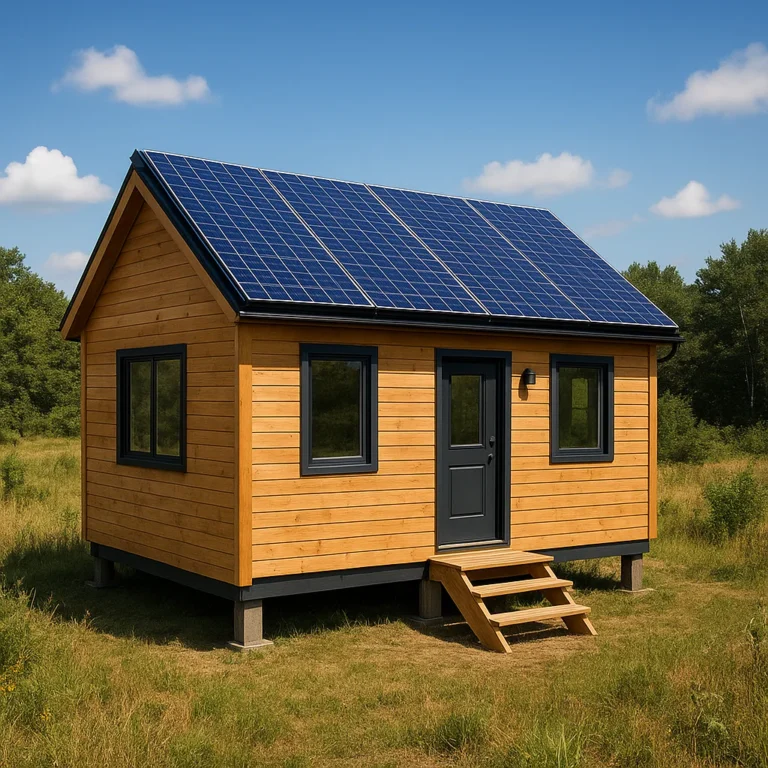
Each couple’s home is a unique blend of creativity and necessity. From cob ovens to solar-powered cabins, their builds are a testament to human ingenuity.
| Couple Name | Location | Home Type | Power Source | Subscribers (approx.) |
|---|---|---|---|---|
| Off Grid w/ Jake & Nicolle | British Columbia, Canada | Cabin & Bunkhouse | Solar + Wood Stove | 2.45M |
| The Newfoundland Turnip | Newfoundland, Canada | Island Cottage | Solar + Generator | 150K |
| Pure Living for Life | Oregon, USA | Earthship | Solar + Wind | 1.5M |
| Exploring Alternatives | USA | Tiny House | Solar | 300K |
| The Minimalists | Various | Tiny Cabin | Solar | 500K |
Note: Subscriber counts are approximate and subject to change.
2. How They Generate Power: Solar, Wind, and More
Power is the heartbeat of off-grid living. Here’s a quick rating table of common power solutions used by YouTube couples:
| Power Source | Design (1-10) | Functionality (1-10) | Maintenance (1-10) | Sustainability (1-10) |
|---|---|---|---|---|
| Solar Panels | 9 | 9 | 7 | 10 |
| Wind Turbines | 7 | 8 | 6 | 9 |
| Micro-Hydro | 8 | 9 | 8 | 10 |
| Generators | 5 | 7 | 5 | 3 |
Solar panels are the crowd favorite for their ease of installation and scalability. Brands like Renogy and Goal Zero are popular among off-grid couples for their reliability and customer support.
Wind turbines are great in windy areas but require more upkeep. Primus Wind Power is a trusted brand.
Micro-hydro systems are highly efficient but location-dependent.
Generators provide backup power but rely on fossil fuels, which conflicts with sustainability goals.
3. Water Sourcing and Purification Techniques
Water is life, especially off-grid. Couples employ various methods to secure clean water:
- Rainwater harvesting with gutters and storage tanks.
- Wells drilled or dug on-site.
- Nearby streams or springs with portable filtration systems.
Purification methods include:
- Ceramic filters (e.g., Berkey Water Filters)
- UV purifiers (e.g., SteriPEN)
- Boiling and chemical treatments
Jake & Nicolle, for example, use a combination of rain catchment and a Berkey filter to ensure safe drinking water year-round.
4. Food Production: Gardening, Hunting, and Foraging
Food independence is a cornerstone of off-grid life. Here’s how YouTube couples do it:
- Organic gardens with heirloom seeds and permaculture principles.
- Greenhouses to extend growing seasons.
- Hunting and fishing for protein.
- Foraging wild edibles like berries and mushrooms.
Nicolle’s holistic cooking videos show how to turn garden bounty into delicious, nutritious meals, emphasizing health and sustainability.
5. DIY Projects and Off-Grid Tech Innovations
Off-grid couples are master DIYers. Their projects range from simple repairs to high-tech installations:
- Building cob ovens for baking.
- Constructing solar dehydrators for food preservation.
- Installing composting toilets.
- Creating off-grid internet setups using satellite or cellular boosters.
These projects not only save money but also reduce environmental impact, a win-win for eco-conscious viewers.
💡 How to Start Living Off the Grid: Lessons from YouTube Couples
Thinking about taking the plunge? Here’s a step-by-step guide inspired by the journeys of top YouTube couples:
Step 1: Define Your Why
Are you after sustainability, adventure, cost savings, or freedom? Knowing your motivation helps shape your plan.
Step 2: Research and Learn
Watch channels like Off Grid w/ Jake & Nicolle to absorb practical tips and pitfalls. Join forums like r/OffGrid for community support.
Step 3: Start Small
Try backyard gardening, solar camping, or weekend cabin stays to test your comfort with off-grid basics.
Step 4: Secure Land and Permits
Find a location that suits your climate and lifestyle. Check local regulations for building and water rights.
Step 5: Build Your Infrastructure
Focus on shelter, power, water, and food systems. Prioritize modular and scalable setups.
Step 6: Embrace Community
Connect with neighbors, online groups, and local experts for advice and support.
Step 7: Document Your Journey
If you’re inspired by YouTube couples, consider sharing your story. It’s motivating and can even generate income.
🏕️ Challenges and Realities of Off-Grid Life: What YouTube Couples Don’t Sugarcoat
Off-grid life is idyllic—but it’s not all sunsets and fresh air. Let’s get real about the hurdles:
Isolation and Mental Health
Many couples mention loneliness and the need for strong mental resilience. Social connection is vital.
Weather Extremes
From bitter winters in Newfoundland to scorching summers in Arizona, climate can test your systems and spirit.
Equipment Failures
Solar panels, pumps, and generators can break down. Having backup plans and repair skills is crucial.
Financial Investment
Initial setup costs can be high, and income streams may be unpredictable.
Legal and Zoning Issues
Some regions have strict rules about off-grid living. Research is non-negotiable.
Jake & Nicolle openly discuss these challenges, showing that perseverance and adaptability are key.
📈 The Economics of Off-Grid Living: Budgeting and Income Streams
How do these couples afford their lifestyle? Here’s a breakdown:
| Expense Category | Typical Costs | Notes |
|---|---|---|
| Land Purchase | Varies widely | Remote locations often cheaper |
| Solar Power Setup | Moderate to high | Brands like Renogy offer kits |
| Water Systems | Low to moderate | Rain catchment is cost-effective |
| Building Materials | Moderate to high | Salvaged materials can reduce costs |
| Food Production | Low to moderate | Seeds and tools are initial investments |
| Internet/Tech | Moderate | Satellite or cellular boosters needed |
| Miscellaneous | Variable | Tools, repairs, and emergencies |
Income Streams
- YouTube ad revenue and sponsorships (e.g., Jake & Nicolle’s 2.45M subscribers)
- Selling handmade goods or produce
- Remote work or freelancing
- Workshops and consulting
Diversifying income is essential for stability.
🌎 Environmental Impact and Sustainability: The Green Footprint of Off-Grid YouTubers
Off-grid living is often touted as eco-friendly, but how green is it really?
Positives
- Reduced reliance on fossil fuels through solar and wind power.
- Lower water consumption with rain catchment and greywater recycling.
- Organic food production minimizes pesticides and transport emissions.
- Waste reduction via composting and minimal packaging.
Considerations
- Manufacturing and shipping of solar panels and batteries have environmental costs.
- Generators and fossil fuel backups can increase carbon footprint.
- Land use changes may impact local ecosystems if not managed carefully.
Overall, the net impact is positive, especially when compared to conventional suburban living. For more on reducing your carbon footprint, visit our Carbon Footprint Reduction section.
🛠️ Essential Gear and Tools for Off-Grid Couples: What’s in Their Backpacks?
What gear do off-grid YouTube couples swear by? Here’s a quick rundown with ratings based on design, functionality, and durability:
| Gear Item | Design (1-10) | Functionality (1-10) | Durability (1-10) | Notes |
|---|---|---|---|---|
| Renogy Solar Panel Kit | 9 | 9 | 8 | Easy to install, scalable |
| Berkey Water Filter | 8 | 10 | 9 | Trusted for water purification |
| Goal Zero Yeti Power Station | 9 | 9 | 8 | Portable, reliable power backup |
| BioLite CampStove 2 | 8 | 8 | 7 | Burns wood, charges devices |
| SteriPEN Adventurer | 7 | 9 | 7 | UV water purifier, compact |
Personal Stories
Jake shared how the Goal Zero Yeti saved their power during a storm blackout, while Nicolle swears by the Berkey filter for clean water on rainy days.
Where to Buy
- CHECK PRICE on Renogy Solar Kits: Amazon | Renogy Official Website
- 👉 Shop Berkey Water Filters on: Amazon | Berkey Official Website
- Goal Zero Yeti Power Stations: Amazon | Goal Zero Official Website
📱 How YouTube Couples Build Their Audience and Share Their Journey
The magic behind the camera is just as fascinating as the off-grid lifestyle itself.
Content Strategies
- Authenticity: Sharing both triumphs and struggles builds trust.
- Consistency: Regular uploads keep audiences engaged.
- Education: Tutorials on gardening, power systems, and cooking add value.
- Storytelling: Personal stories and relationship dynamics create emotional connection.
Engagement Tactics
- Live Q&A sessions.
- Collaborations with other creators.
- Responding to comments and community building.
Jake & Nicolle’s channel exemplifies this approach, with over 2.45 million subscribers and active community interaction.
🤔 Common Questions About Living Off the Grid Answered by Experts and YouTubers
Curious about the nitty-gritty? Here are some FAQs answered by the pros:
Q: How much land do you need?
A: It depends on your goals. Many couples start with 1-5 acres for gardening, water access, and privacy.
Q: Is off-grid living legal everywhere?
A: No. Zoning laws vary widely. Research local regulations before buying land.
Q: What about internet and communication?
A: Satellite internet and cellular boosters are common solutions, though speeds can be slower.
Q: How do you handle emergencies?
A: Preparation is key: first aid kits, backup power, and community contacts.
Q: Can anyone do it?
A: With planning and commitment, yes! But it requires adaptability and resilience.
For more detailed answers, check out the FAQ section at the end of this article.
Feel free to explore the first YouTube video from “Off Grid w/ Jake & Nicolle” for a vivid example of these concepts in action. Their journey is a masterclass in blending passion, skill, and sustainability. Jump to the video here.
That’s a wrap on the core content before we dive into the conclusion and bonus resources! Stay tuned for the final thoughts and must-visit links to fuel your off-grid dreams. 🌱
🎉 Conclusion: Is Living Off the Grid with a YouTube Partner Right for You?

After journeying through the inspiring stories, practical tips, and real-life challenges faced by off-grid YouTube couples, one thing is crystal clear: living off the grid is as rewarding as it is demanding. Whether it’s Jake & Nicolle’s cozy cabin in British Columbia or the Newfoundland Turnip’s island cottage, these couples show us that with passion, planning, and perseverance, it’s possible to create a sustainable, fulfilling life away from the hustle and bustle.
Positives
✅ Authentic connection to nature and community
✅ Reduced environmental footprint through renewable energy and organic food production
✅ Creative freedom and self-sufficiency
✅ Inspiring content that educates and motivates others
Challenges
❌ Initial financial and time investment can be significant
❌ Isolation and weather extremes test mental and physical endurance
❌ Legal and zoning hurdles require careful navigation
❌ Equipment maintenance demands technical know-how
If you’re considering this lifestyle, start small, learn from the experts (like the couples featured here), and embrace the journey with an open heart and mind. The question we teased earlier — Is off-grid living right for you? — depends on your goals, resilience, and willingness to adapt. But one thing’s for sure: the stories and strategies of these YouTube couples provide a roadmap filled with hope, humor, and practical wisdom.
🔗 Recommended Links for Off-Grid Living and YouTube Inspiration
Ready to gear up and get inspired? Here are some top products and resources that off-grid couples swear by, plus books to deepen your knowledge:
-
Renogy Solar Panel Kits:
Amazon | Renogy Official Website -
Berkey Water Filters:
Amazon | Berkey Official Website -
Goal Zero Yeti Power Stations:
Amazon | Goal Zero Official Website -
Books to Read:
-
Join the Community:
Check out the lively discussions on Off grid youtubers? : r/OffGrid – Reddit for real-time tips and camaraderie.
❓ FAQ: Your Burning Questions About Off-Grid YouTube Couples

Where is life elevated off-grid?
Off-grid living thrives in diverse locations, from the rugged coasts of Newfoundland to the forests of the Pacific Northwest and sunny deserts of Arizona. The key is choosing a place that matches your climate preferences, resource availability, and legal allowances. For example, Jake & Nicolle’s property in British Columbia offers abundant natural resources and community support, while the Newfoundland Turnip couple embraces island isolation.
Where is off the grid living?
Off-grid living can be anywhere that allows self-sufficiency and minimal reliance on public utilities. Common regions include rural areas in Canada, the U.S., Australia, and parts of Europe. However, zoning laws and access to water and sunlight are critical factors. Research local regulations thoroughly before committing.
Where is Jake and Nicolle’s property?
Jake and Nicolle’s off-grid homestead is located in British Columbia, Canada, nestled in a forested area that provides ample wood for heating and natural beauty for inspiration. Their channel showcases the challenges and joys of this remote but resource-rich environment.
Why did Jake and Nicolle divorce?
While Jake and Nicolle were a powerhouse couple inspiring millions, they announced their separation in 2023. They remain committed to co-parenting and continuing their off-grid journey independently. This highlights that off-grid living, like any lifestyle, has personal complexities beyond the idyllic portrayal on YouTube.
How do YouTube couples manage daily life living off the grid?
Daily life involves a mix of routine and adaptability:
- Morning chores like feeding animals, checking solar systems, and water collection.
- DIY projects and maintenance to keep infrastructure running smoothly.
- Food preparation from garden harvests or foraged goods.
- Content creation to share their journey and generate income.
Strong communication and teamwork are essential to balance work, life, and filming.
What are the best tips from off-grid YouTube couples for sustainable living?
- Start small and scale up: Don’t bite off more than you can chew.
- Invest in quality gear: Solar panels, water filters, and power stations save headaches later.
- Learn basic repair skills: From plumbing to electrical work.
- Embrace community: Online and local support networks are invaluable.
- Document your journey: Sharing helps with motivation and income.
How do off-grid YouTube couples maintain a healthy lifestyle in remote areas?
- Balanced diet from organic gardening, hunting, and foraging.
- Physical activity through manual labor and outdoor living.
- Mental health practices such as meditation, journaling, and social interaction.
- Preventative healthcare with stocked first aid kits and telemedicine options.
What challenges do YouTube couples face when living off the grid?
- Isolation and loneliness
- Unpredictable weather and natural disasters
- Technical failures and repair demands
- Financial uncertainty
- Relationship pressures intensified by close quarters
Their candid sharing helps viewers prepare realistically.
How do off-grid YouTube couples generate income while living sustainably?
- YouTube ad revenue and sponsorships
- Selling handmade crafts or farm products
- Remote freelance work (writing, design, consulting)
- Hosting workshops and tours
Diversification is key to financial stability.
What are the essential skills for couples wanting to live off the grid?
- Basic carpentry and construction
- Solar and electrical system knowledge
- Water sourcing and purification
- Gardening and food preservation
- First aid and emergency preparedness
- Communication and conflict resolution
How do off-grid living practices contribute to a healthier planet and lifestyle?
- Lower carbon emissions by reducing reliance on fossil fuels.
- Conservation of water and soil through sustainable practices.
- Reduction of waste via composting and minimal packaging.
- Promotion of biodiversity by growing native plants and avoiding chemicals.
- Improved personal health through fresh food, clean air, and active living.
These benefits align with our mission at Gone Greenish™ to promote climate change mitigation and conservation tips.
📚 Reference Links and Resources for Deep Dives
- Off Grid w/ Jake & Nicolle YouTube Channel
- The Newfoundland Turnip YouTube Series
- Renogy Solar Official Website
- Berkey Water Filters Official Website
- Goal Zero Official Website
- Off grid youtubers? : r/OffGrid – Reddit
- Berkeley Lab: Off-Grid Solar Energy Facts
- National Renewable Energy Laboratory (NREL) – Off-Grid Solar
- USDA Rural Development: Off-Grid Living Resources
We hope this comprehensive guide lights your path toward a greener, freer, and healthier life—whether on YouTube or in your own backyard. Ready to unplug and thrive? The off-grid community is waiting for you! 🌿✨